

Czech painter Petr Pelzmann discusses his journey from music and graffiti to figurative painting, his studio process in Prague, and the dialogue between tradition and modern anxiety.
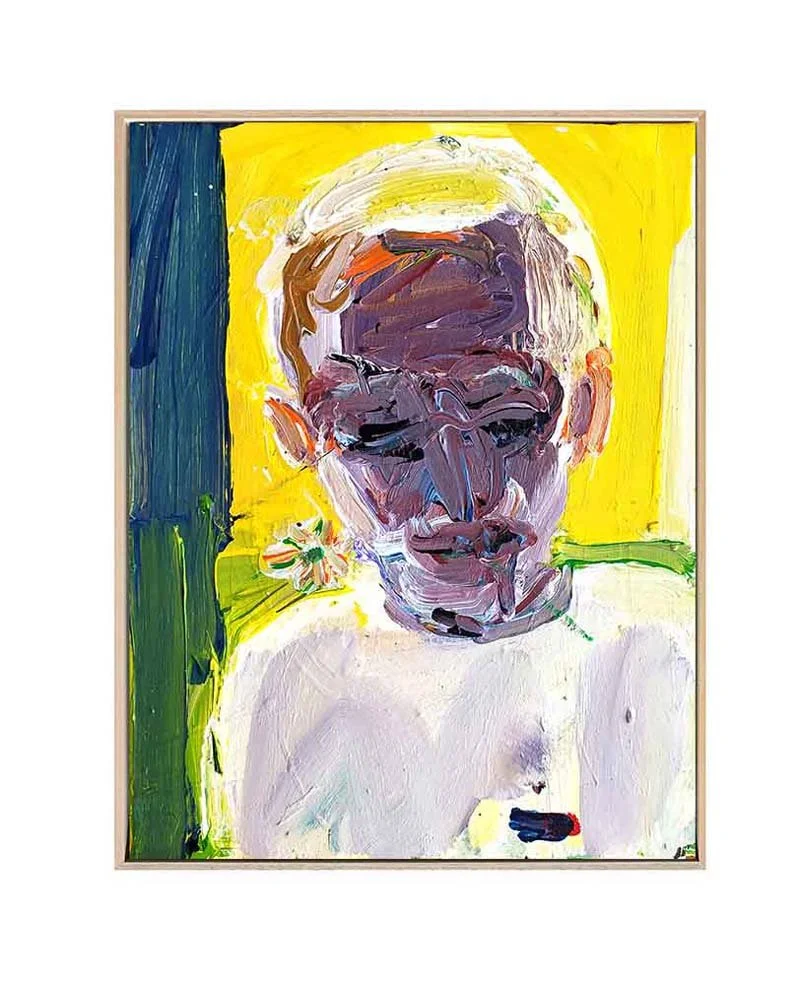
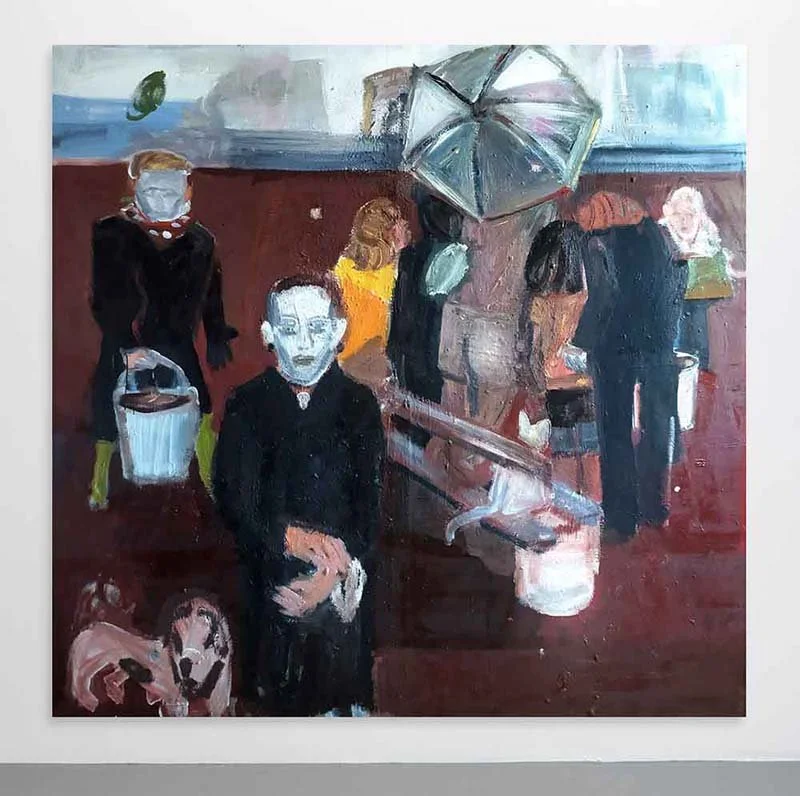
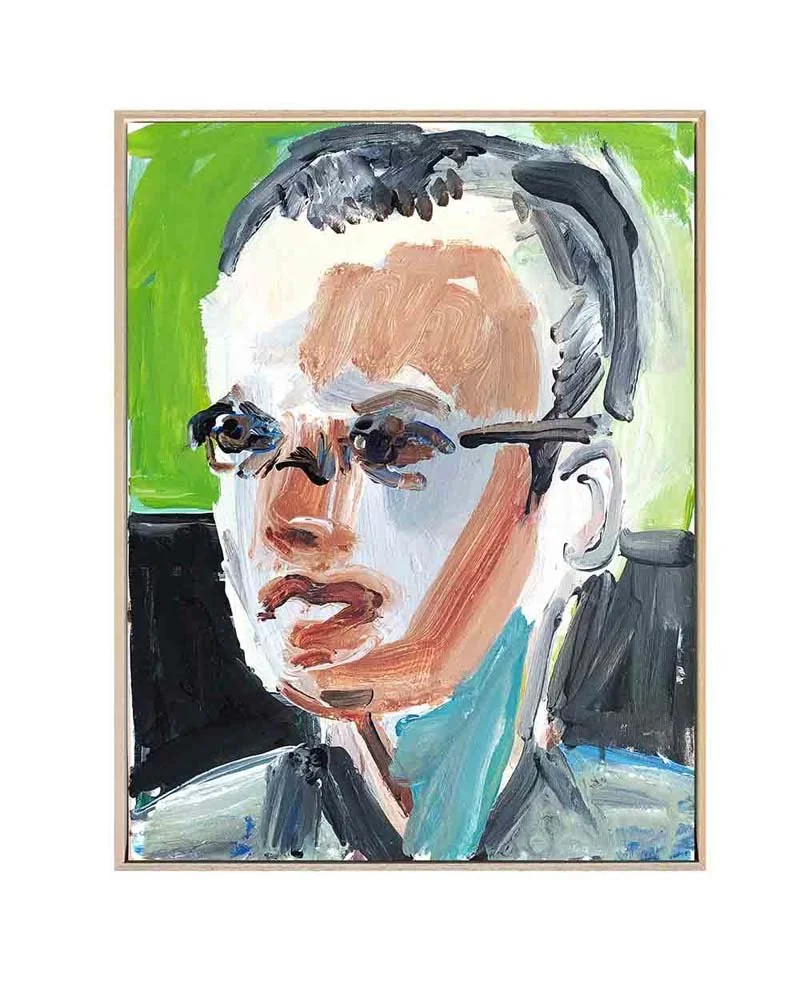
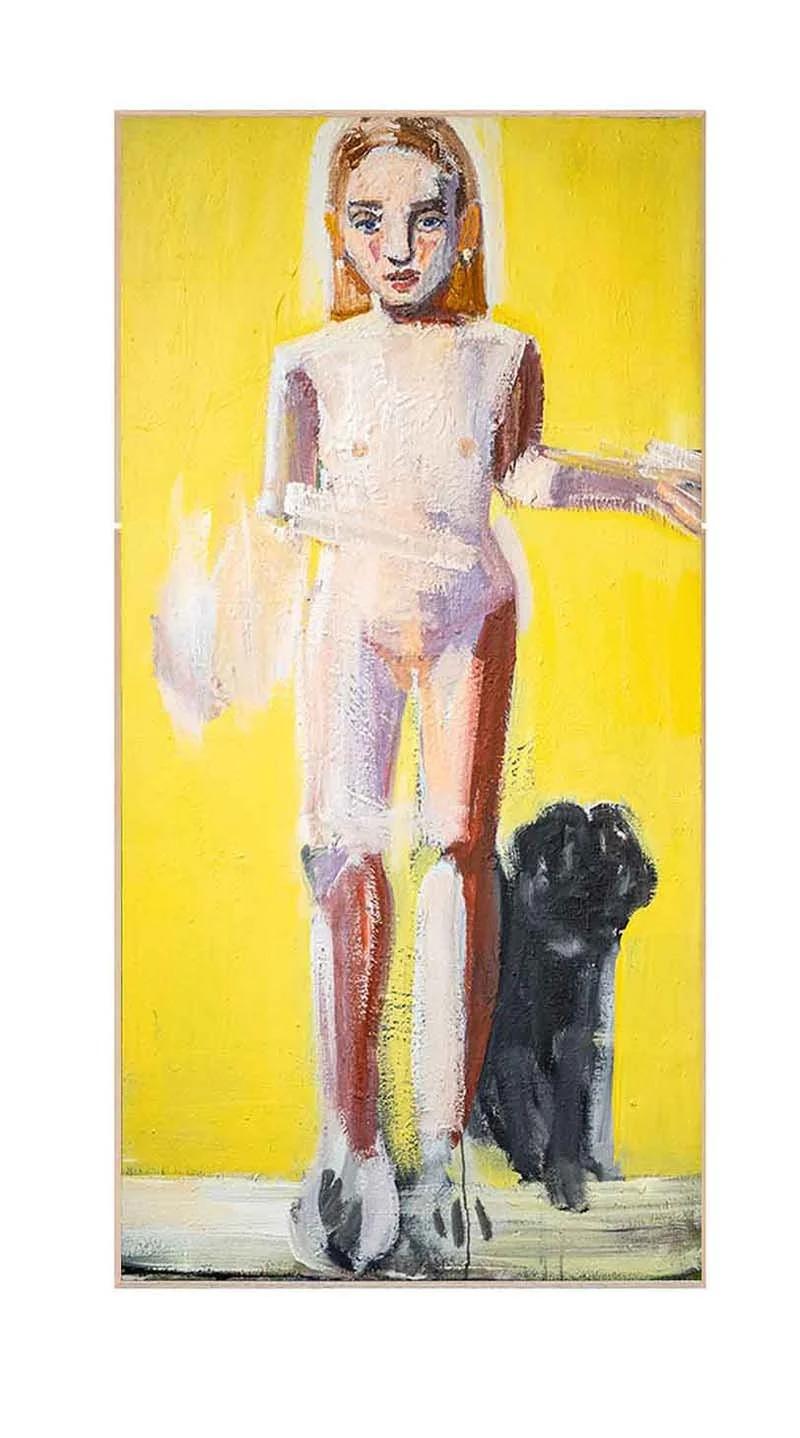
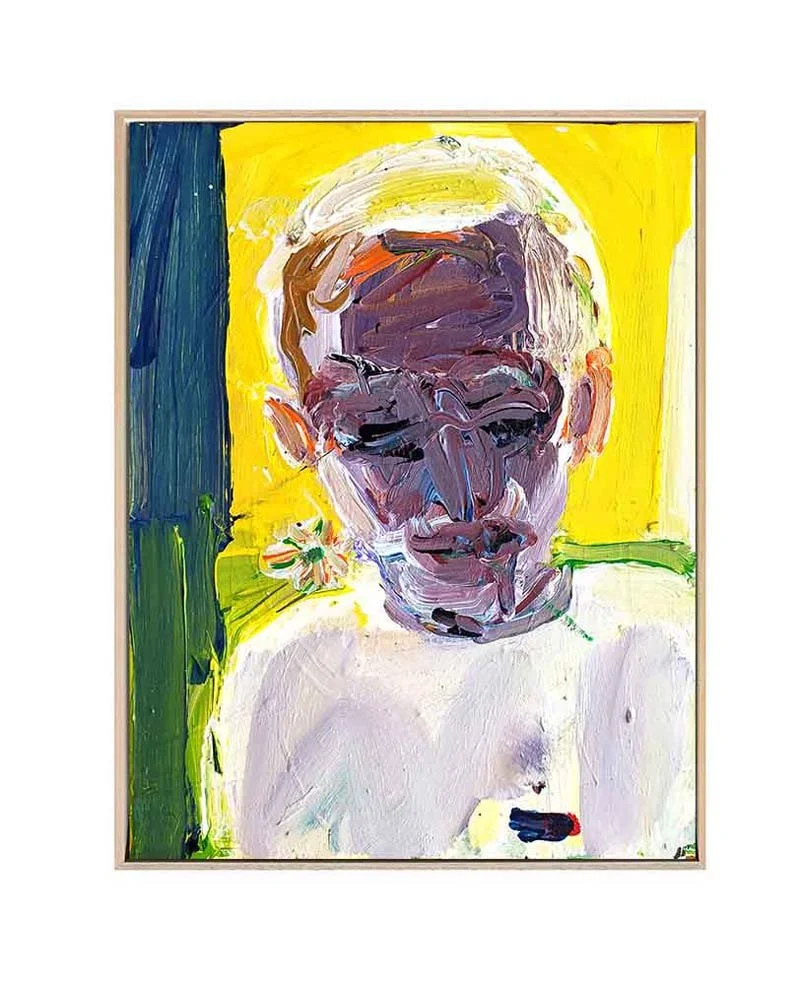
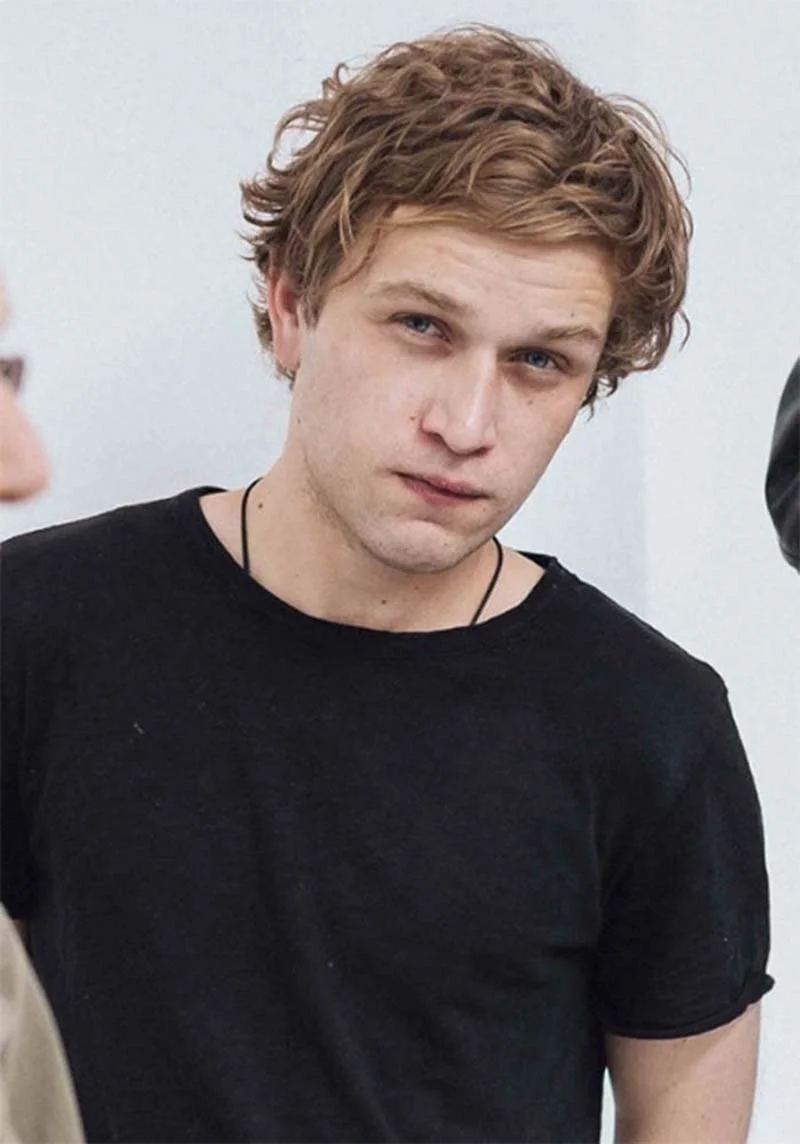
Petr Pelzmann is a Czech painter and autodidact whose work centers on the human figure and the pursuit of natural expression. Initially a student at the Ladislava Sutnar Faculty of Design and Art, Pelzmann chose to forge an independent path, drawing deep influence from the legacies of Goya, Bacon, van Gogh, Lucian Freud, and Matisse. His practice is defined by a sensitive approach to color and a spontaneous recording of internal experiences. Currently living and working in Prague, his work has been featured in notable spaces such as Karpuchina Gallery and HYB4 Gallery. @petrpelzmann
How did the cultural landscape of the north of the Czech Republic shape your creative vision?
I grew up in a small village in the north of the Czech Republic. It shaped my life, and therefore my art, but I do not see a direct parallel. I do not really return to it, but I still feel like someone who grew up there.
Can you recall a moment when you recognized art as your chosen path?
At an early age, I wanted to make music—and I did. Through graffiti, around the age of fifteen or sixteen, I got into painting. When I was about eighteen, I stopped making music due to inner struggles and panic attacks, and that’s when I began painting seriously and stayed with it.
Describe a typical day in your home studio.
There is chaos in my studio, and I have been unsuccessfully trying to bring some order to it all my life. I start working either when something fascinates me and I feel the urge to do it, or I pick up where I left off—continuing from the last painting or from my notes, which I try to keep regularly.
Can you discuss the ideas behind your paintings?
I am currently working freely on new paintings. This year I only have some group exhibitions, but next year I’m planning a larger solo show.
What do you want your audience to take away from your paintings?
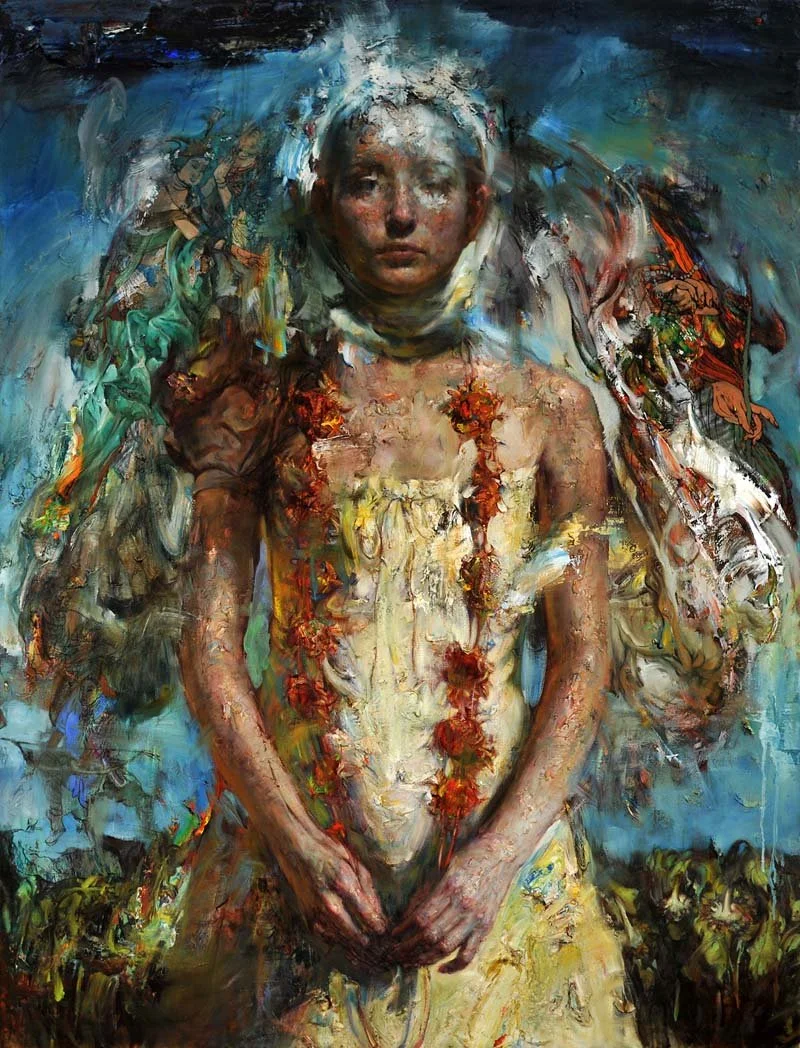
It is enough for me if people feel something when they look at my paintings. That’s also my intention—to feel something when I paint. Sometimes I escape into painting from the constant feeling or inner pressure, or I try to capture it. For me, it’s a way of recording what happens inside. Of course, I am interested in painting itself as a medium, so I always enjoy talking about color, composition, or references present in the work.
If you could sit down with any artist from history or today, who would it be—and what would you ask them?
I think painting is beautiful in the way it keeps you in constant dialogue with artists who have influenced you. And if I could meet someone in person, I’d go out with Rembrandt.
How do other disciplines feed into your creative process?
Art itself is one of my greatest sources of inspiration. And I listen to music all the time. So yes.
Living in Prague, what do you find most creatively nourishing?
The advantage of living in the city is that there are more people here. And people are important to my work.
What was the hardest part of creating a new collection, and what did you learn from it?
Every new painting and every exhibition is a test. I am never sure it will turn out well. And that uncertainty becomes the greatest lesson in the end.
How did teachers impact your growth as an artist?
My teacher from university and a great friend, Dušan Brozman. Then Karpuchina Gallery, with whom I’ve been collaborating for a long time, a few friends who’ve stayed from art school, and my partner.
How has your relationship with the natural world shaped your creative vision?
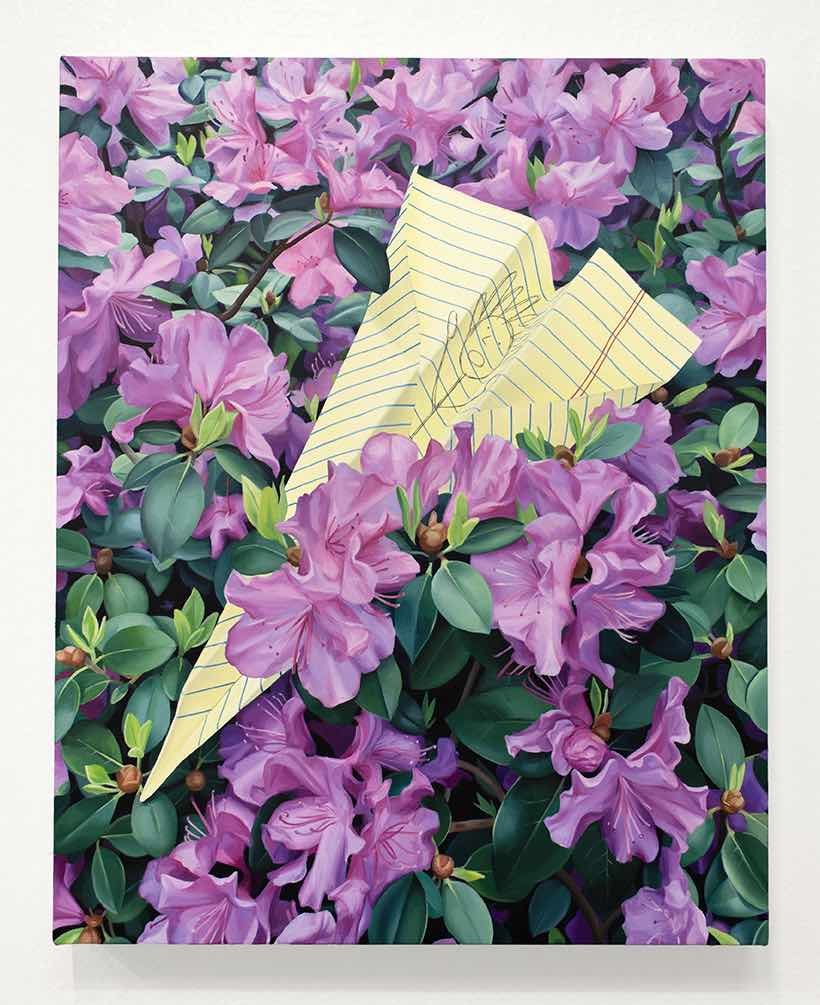
I often start working quite superficially, and it takes time to reach a deeper flow. But when it happens, I think it is the most authentic way I can experience nature. It may sound like a cliché, but I truly believe it—when you stop thinking directly and become somehow part of nature itself. And of course, I sometimes paint directly from nature. I am interested in landscape and still lifes with flowers.
In your view, is there a specific 'human signature' or a certain quality of imperfection in traditional mediums that technology can never truly replicate?
Artificial intelligence definitely fascinates me, but in terms of art, it hasn’t touched me yet. And I cannot really imagine that it ever will. If it does, it will mean something much more serious.
Exploring ideas, art and the creative process connects me to…
life.