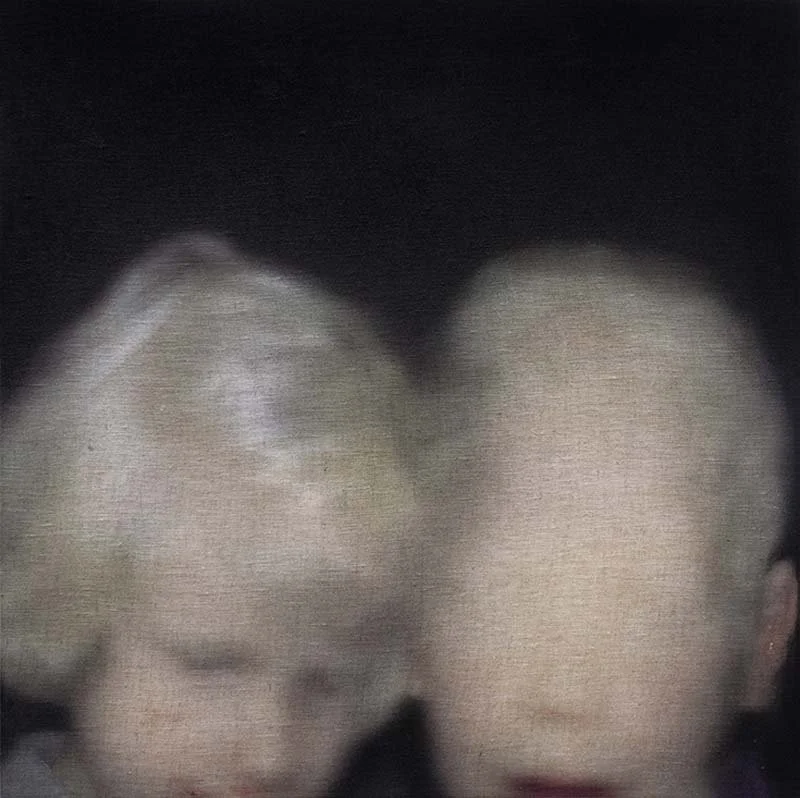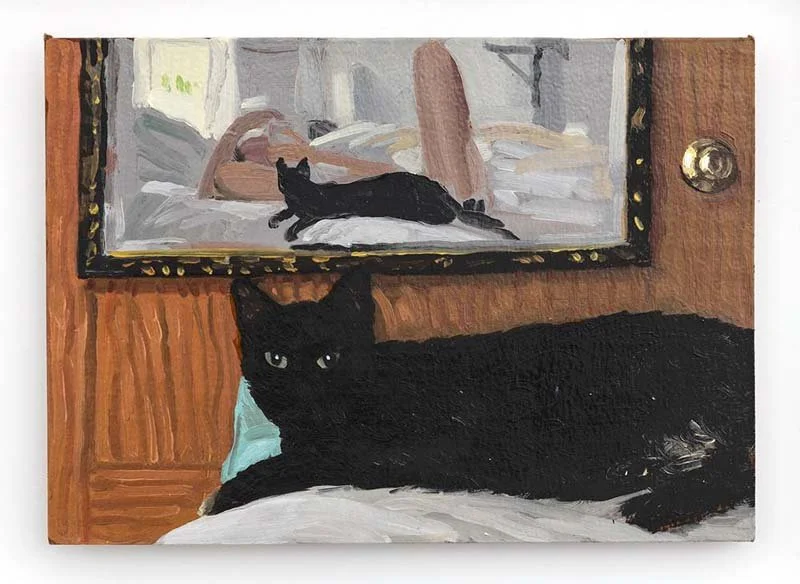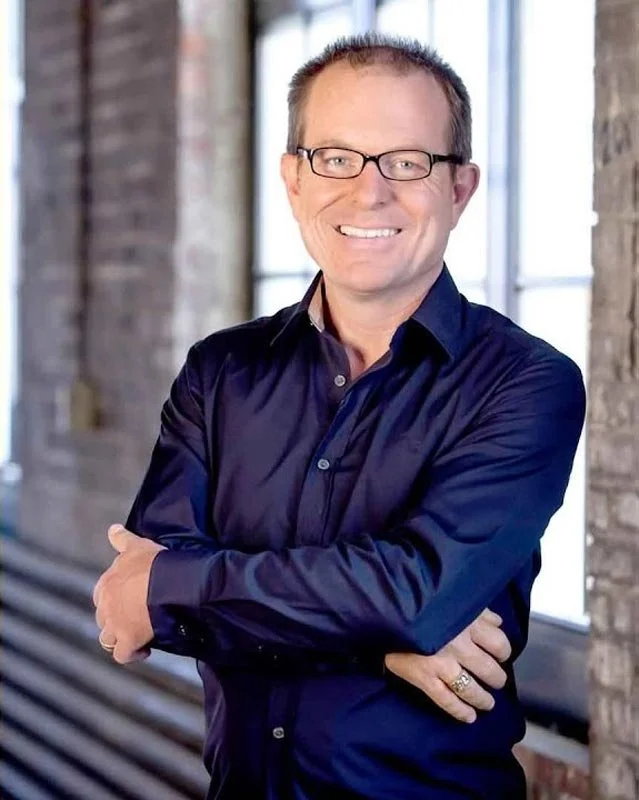


Doncaster-based artist Philip Harris on the individual.
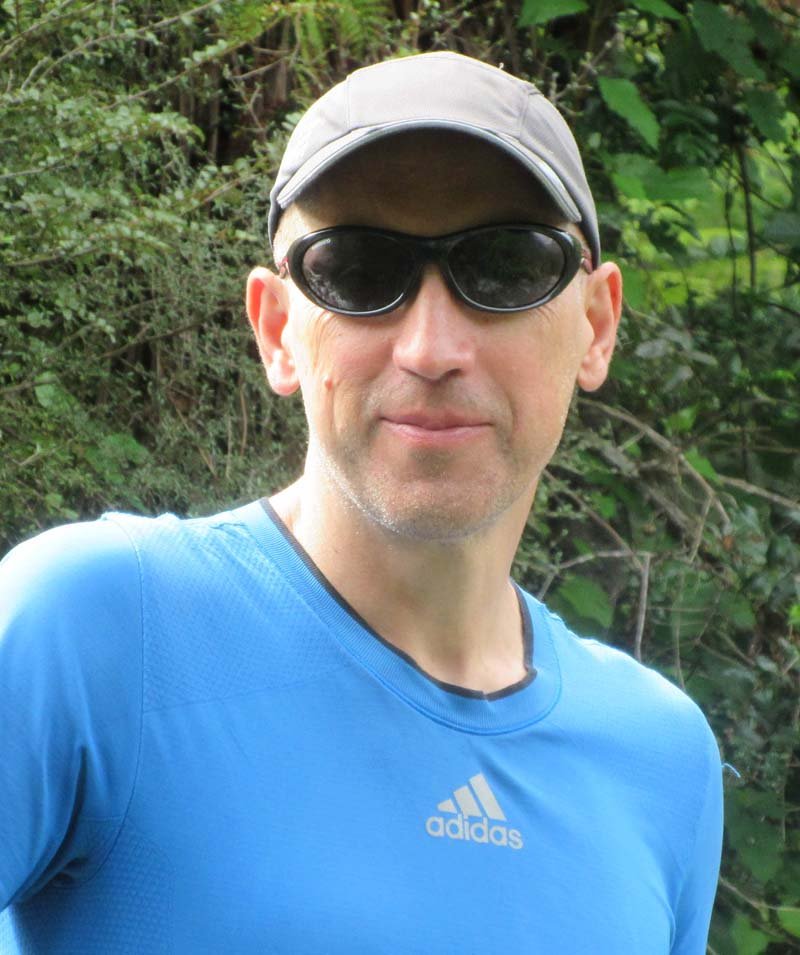
Philip Harris was born in Doncaster in 1965.
From 1981 to 1983, he studied General Art and Design at Mansfield College of Art and then again from 1983-86 at Bradford College of Art and Design, eventually specializing in Painting, Illustration, and Printmaking.
After completing his formal education, he moved to London and started painting and drawing full-time. Within 2 years, Harris started exhibiting regularly in group shows and participating in national competitions. In 1990, Harris simultaneously held a solo show in London and won 3rd prize in the B.P Portrait Award at the National Portrait Gallery.
Harris went on to win first prize in the B.P Portrait Award in 1993 and to exhibit regularly in London and abroad until the present day.
Harris has participated in major exhibitions, including ‘Painting the Century, 101 Portrait Masterpieces’ held at the National Portrait Gallery and ‘Reality’ at The Sainsbury Centre and Walker Gallery.
Harris lives and works in the New Forest, Hampshire, U.K. @philip_harris_art
Where were you born and raised? How did it influence your art and your thinking about the world?
I was born in Doncaster, Yorkshire, but moved around quite a lot as a child.
During my childhood, I drew quite a lot at home and probably had an embryonic talent, but in the broader sense, art was not present in my life. I do not come from a family that has an interest in the arts or from an environment that encouraged its pursuit. Fine Art was completely absent from my life, and I did not set foot inside a Gallery or museum until I was seventeen years of age. Until that time, I had no idea that it was possible to be a professional artist or that contemporary art even existed.
At school, I slipped through the cracks, left with a limited range of qualifications and no idea of what I would do next. After a month or so at home, my father forced me to visit a careers officer, and somehow the vision of an art college came into view. Mansfield College of Art and Design accepted me onto a two-year course in General Art and Design. I immediately felt more at home there than I had at any time during my school years, although, by no means an ideal student, I began to excel in some subject areas, such as objective drawing and life class. The course encouraged experimentation but also had a great respect for the teaching of technical skills. This was when I first visited a gallery, and I can still remember that feeling of excitement today.
Following on from Mansfield, I applied for several courses in Illustration, but the college that accepted me was Bradford College of Art and Design, which offered another course in General Art and Design. For the first two years, I struggled with the course and the usual distractions and problems of a student living away from home for the first time. In my view, the teaching, such as there was, was poor to non-existent and to me seemed to actively discourage the type of work that I had any ability or interest in.
When did you first fall in love with art and realize you wanted to be an artist? What does art represent for you?
In the final year at college, something seemed to galvanize within me, and a little self-confidence blossomed. I increasingly found my own way forward and completed the course specializing in Painting, Sculpture, Printmaking, and Illustration. Somehow, I realized that I was predominantly a painter and that my personality was fitted to it. I intuitively understood painting better than any of the other disciplines, and perhaps more importantly, it excited me.
My final degree show included three large figurative oil paintings, crude in style and technique, but I have never looked back from that point. That final year at college and the following three to four years are the period of my life when both my art and my life took-off and is the period in my life, of which I am most proud.
Art for me represents communication at it's deepest, most profound and authentic.
What does your typical day in the studio look like? Walk us through your studio and your most-used materials and tools.
For the past 30 years, I have been living and working in the New Forest in Hampshire. My studio is in my home, part of a converted Victorian manor house. The grounds are surrounded by ancient woodland, it is teeming with wildlife. I try to take a few minutes a day to walk around the gardens or into the woods to see what I can see out there. The great majority of each day, however, is spent in the studio.
After 38 years of life as a professional artist, I know that people still find it hard to believe that I spend the whole day working; the image of the artist as a dilettante is hard to shift. I’m convinced that friends and family believe that I spend my days wearing a smoking jacket and swapping witty aphorisms with the characters from a novella by Oscar Wilde.
My typical working day will start at 8.00-8.30 a.m. I love not having to travel to work, and the solitude of my working life suits me well. I tend to take a short break every 2 hours or so to give my eyes a rest, particularly if I am working in close detail. I usually finish work between 6.30-7.30 p.m. My technical style of work is slow and painstaking, so it is essential that I work fairly long hours. Admin and correspondence are usually done at the weekends or if I can find time in the evenings.
My daily interactions are minimal. After my wife leaves for work, I will be alone all day and will probably not speak to anyone until the evening. I have always been more comfortable on my own than in a crowd, so this suits me well.
Many people find it almost impossible to work productively from home without the social interaction, distractions and pressures of office life and a ‘to-do’ list. I learnt long ago not to allow myself the option of whether or when to start work. Motivation is fortunately never an issue, once I have started a painting it becomes an obsession that I can’t shake off until it the work is completed. It can be quite a relief to finish, sign the painting and get it out of the studio.
There is never a shortage of work to do as I have more ideas for paintings than I could ever produce. My sketchbooks are full of notes and ideas for paintings that I will never have time to make and for whole projects of work that may never see the light of day.
I do have a life outside of art. More than anything else I love to travel, the wilder the area the better. I am an outdoor enthusiast and there is nothing more exciting to me than watching wildlife in its own habitat. One day I would like to produce work which reflects that love of the natural world.
When I can find time I like to catch up on the cultural side of things, Realist film directors like Ingmar Bergmann, Michael Haneke, Nuri Bilge Ceylan and Alejandro González Iñárritu are favourites of mine and a real inspiration to me.
If I am not in the studio then I can normally be found doing some kind of physical training. Early mornings and most evenings are reserved for the endurance sports of running, road cycling and Duathlon.
Overall the day-to-day working life of an artist probably isn’t so very different from that of other professions but you do have to be comfortable with solitude and be highly self-motivated to have a chance of surviving long term. That said, if you can make it work then it can be a richly rewarding occupation and life. It suits my personality like a glove and I find it hard to imagine any other way of being.
What projects are you at work on at the moment? And what themes or ideas are currently driving your work?
After a period of illness with Long Covid, I have been getting back to full-time work, making a few small portrait-based works for a group exhibition in November. I have been simultaneously working on a few ideas for forthcoming paintings and drawings, possibly as part of a major project. The idea is to have a character who is suffering from amnesia following some kind of traumatic event. The paintings would be presented under a pseudonym as though the character were painting as therapy to recover his memories. Any exhibition would be in three parts: 1. His (unreliable) memories of growing up, life before the incident. 2. The incident itself, shown in harrowing clarity and 3. His life in recovery. Getting the project off the ground would require funding, so at this stage, is still in the planning phase.
What do you hope people feel when they experience your art? What are you trying to express?
My key themes concern what it is to be alive at this moment in history. What does it really feel like to be a living, conscious, feeling, and thinking individual in an overwhelming, infinitely complex, ever-changing world? How should we live, how can we find fulfilment, and where do our responsibilities lie in relation to ourselves, others, and the environment?
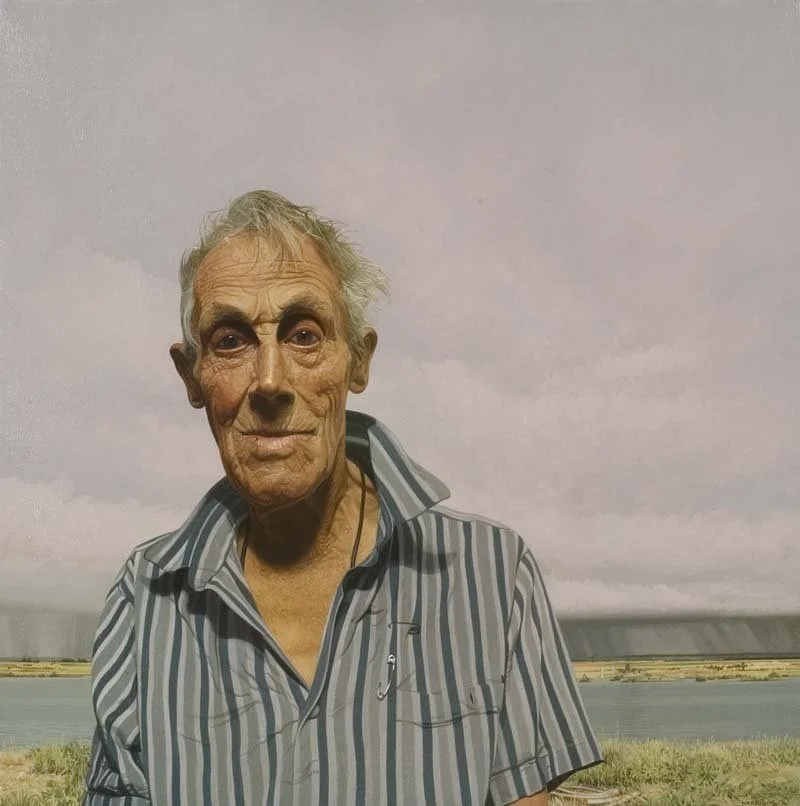
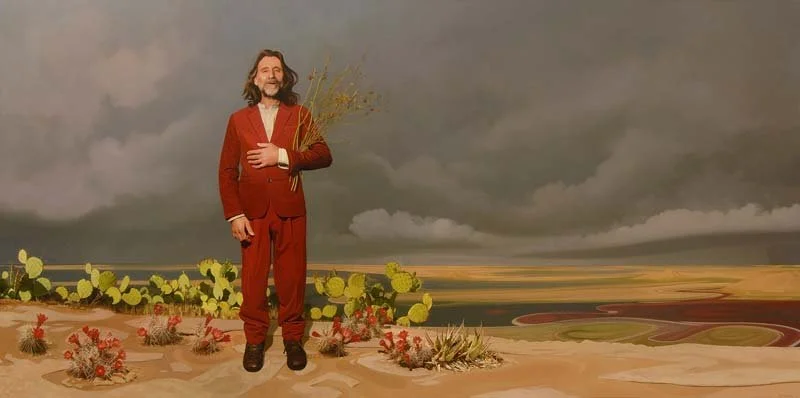
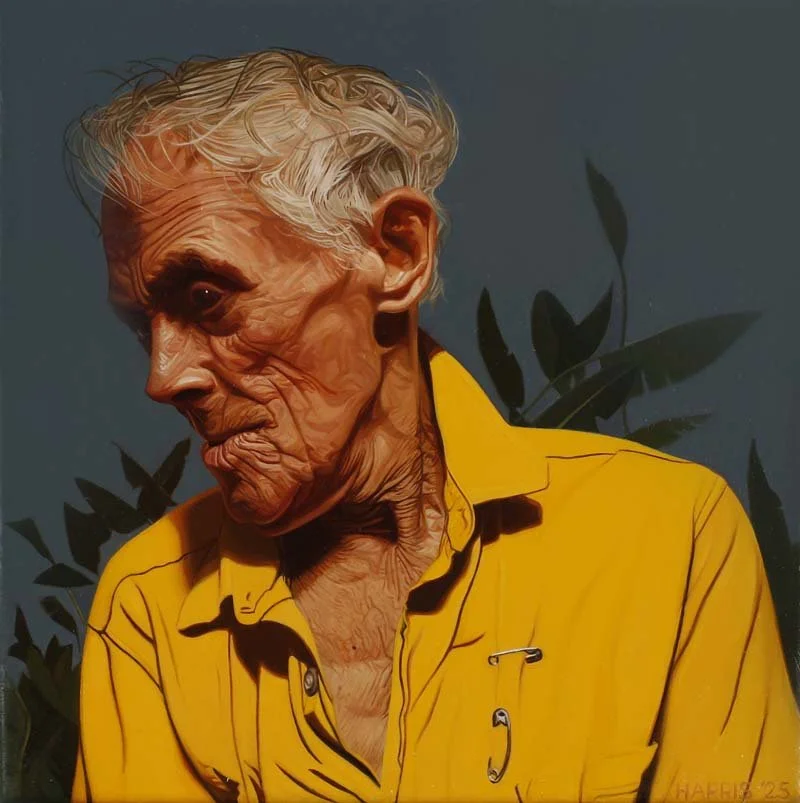
My characters may be puzzled by the world around them, absorbed by personal crisis, challenged socially, or actively threatened by their surroundings. I might show characters caught in private moments of uncertainty and reflection, or vulnerable and mortal before the immensity of unyielding landscapes. Above all, I like to create empathy between myself, the viewer, and the subjects, and through my highly specific, personal, nuanced handling of paint, to amplify the viewer’s connection to the theme of the work.
In many ways, this may be the hardest thing to ask of people in the modern world, but, if I could ask anything of viewers approaching my work, it would be to take enough time with it to allow the work to open up to you. Also to have an open mind and heart, to be calm, thoughtful, and explorative. Don’t feel like you need to totally ‘get it’, or secure a certain narrative for closure. If you spend enough time just looking at the work it should, at some level begin to work for you, it should reveal itself to you emotionally and you will hopefully have some intuitive understanding of it. I often attempt to draw the viewer in to the paintings, asking them to take time with the figure. It’s important to make them feel as though they are sharing space with the subject. If you can come to feel part of the scene, to feel like you are breathing the same air, your skin baked by the same sun, or are threatened by the same fire, you should feel an amplified sense of connection with the character.
I sometimes like to connect the subject and viewer through direct eye contact, as though you have just come across them and you are trying to get the measure of one another. What might you mean to each one another? Is this a confrontation or someone who needs your help or friendship?
Which artists, past or present, would you like to meet? And why?
Rembrandt. Not too much is known about Rembrandt's personality. He gives the impression of being very down to earth as well as fiercely ambitious. It would be fascinating to see what kind of character he was.
Do you draw inspiration from music, art, or other disciplines?
When I can find time, I like to catch up on the cultural side of things. Realist film directors like Ingmar Bergmann, Michael Haneke, Nuri Bilge Ceylan, and Alejandro González Iñárritu are favourites of mine and real inspirations to me.
A great thing about living in the New Forest is…
Considering the surrounding area is highly populated, the New Forest itself is wildlife-rich and can be very quiet. It's also a great place to walk and cycle.
Can you describe a project that challenged you creatively or emotionally—and how you worked through it?
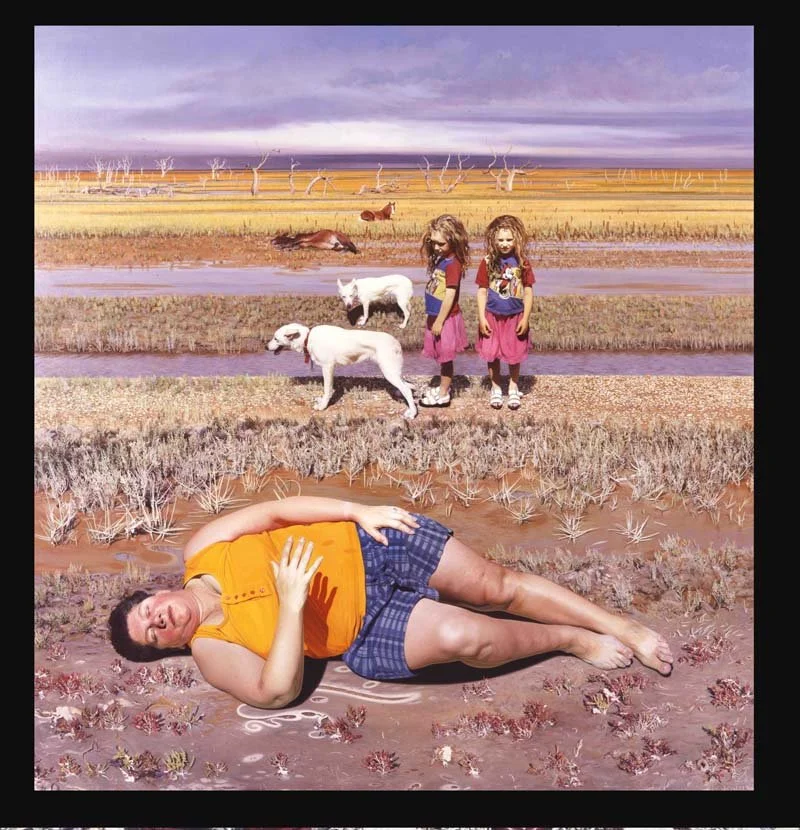
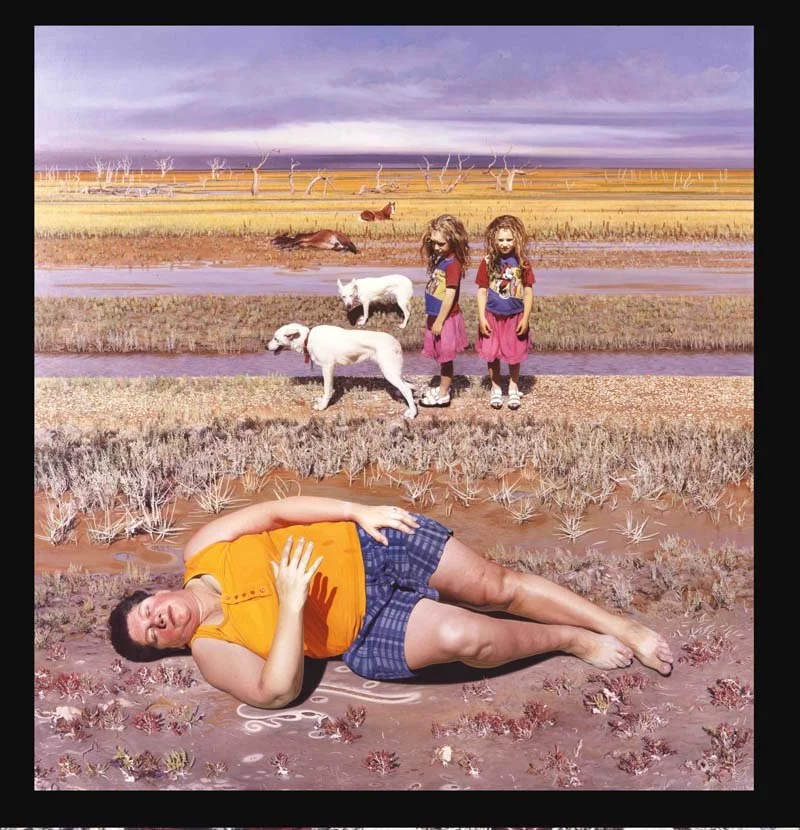
My painting Two Figures at Ebb Tide was perhaps the most complicated painting that I have made technically and thematically. Knitting together different landscapes and figures into a single unified image was extremely challenging. Once I have started a piece like that, I have to become utterly obsessed with it, so it becomes quite stressful at times, and it is very hard to leave the studio when something is unresolved. The painting took over a year to perfect.
Tell us about important teachers/mentors/collaborators in your life.
To be honest, I have ploughed a solitary furrow and found my own way of navigating the art world. My teachers at college weren't really interested, knowledgeable, or encouraging about figurative art.
When I started out, social media didn't exist, and I was completely isolated from other artists. In some ways, this suited me as I could develop my own style unburdened by anyone else’s expectations.
Sustainability in the art world is an important issue. Can you share a memory or reflection about the beauty and wonder of the natural world? Does being in nature inspire your art or your process?
The natural world plays a huge part in my work and life. I have been very lucky to have travelled widely and to some of the wildest places on earth. In my painting, Figures at Ebb Tide, however, the work uses a fascinating local area as its reference point.
Sowley Marsh lies on the New Forest coast. A wall, which once defended the area from seawater, was breached some sixty years ago. Over time, the once mighty oaks, stranded in expanding brackish waters, were reduced to dry husks. As one ecology dwindled, another thrived. The intertidal plants multiplied, marsh grasses spread, and new patterns in the landscape emerged.
As the waters recede, transitory figures wait, anticipating their future in an evolving landscape under a brooding sky.
AI is changing everything - the way we see the world, creativity, art, our ideas of beauty and the way we communicate with each other and our imaginations. What are your reflections about AI and technology? What is the importance of human art and handmade creative works over industrialized creative practices?
I am not the most technologically knowledgeable guy, so at the present time, AI is still just a confusing and slightly threatening presence. My observations so far, however, are that everything I have seen made with AI seems a little empty of emotional content. It somehow fails to connect with you as the viewer. This may well change, but personally, I don't see myself as being anywhere near the cutting edge of AI-inspired or collaborated art production anytime soon.
Exploring ideas, art and the creative process connects me to…
the best version of myself, and to other people who share some of my values and instincts.