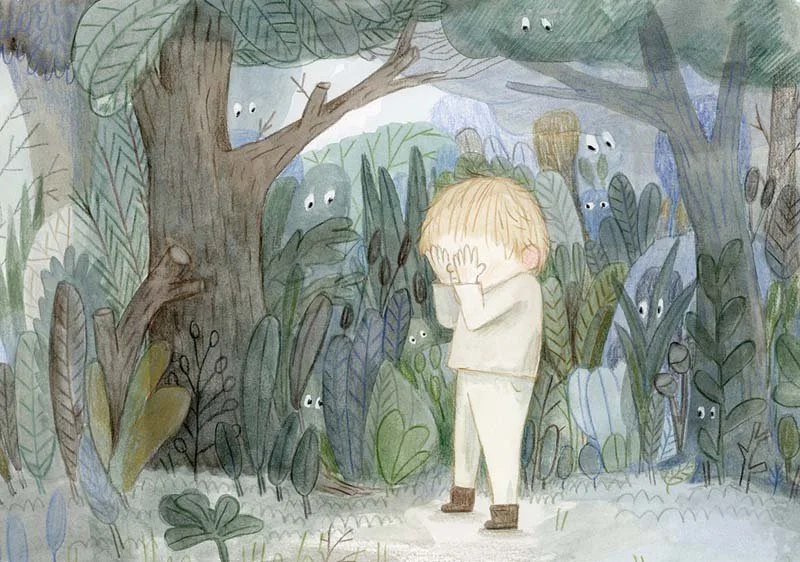


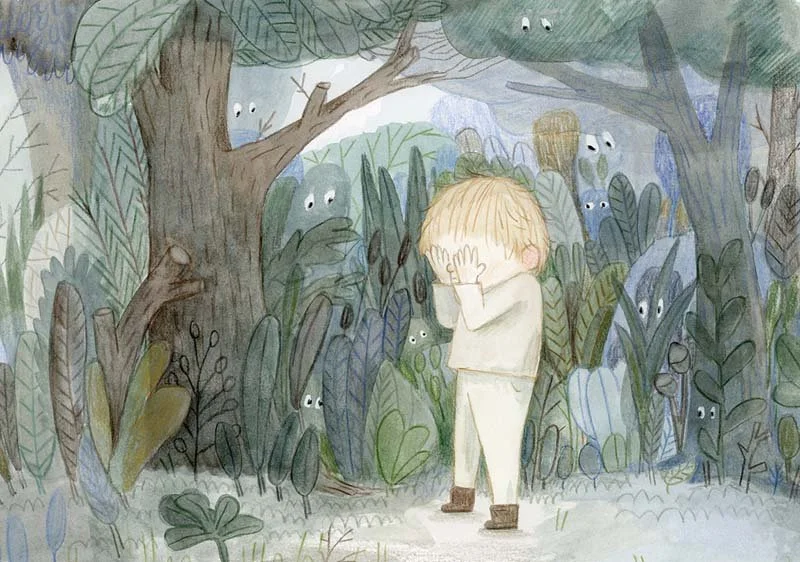
Danish artist Stephanie Donsø on Nordic folklore, the liberation of honesty in art, and the sensory importance of a "lived" creative process.
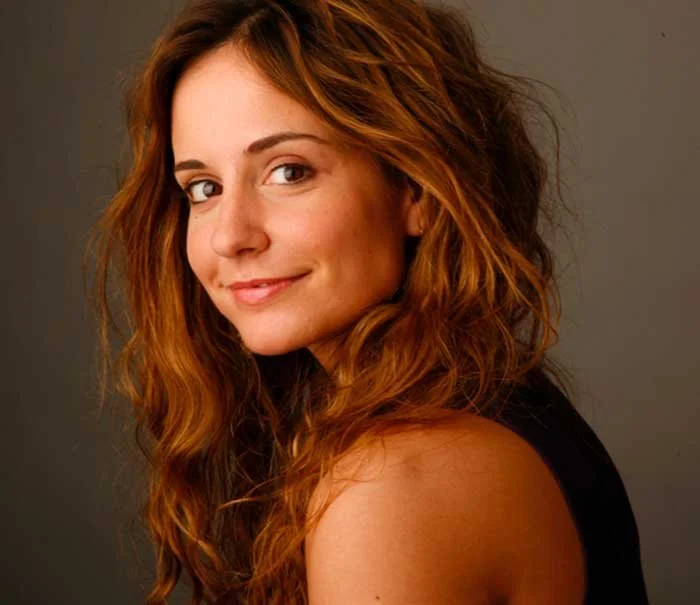
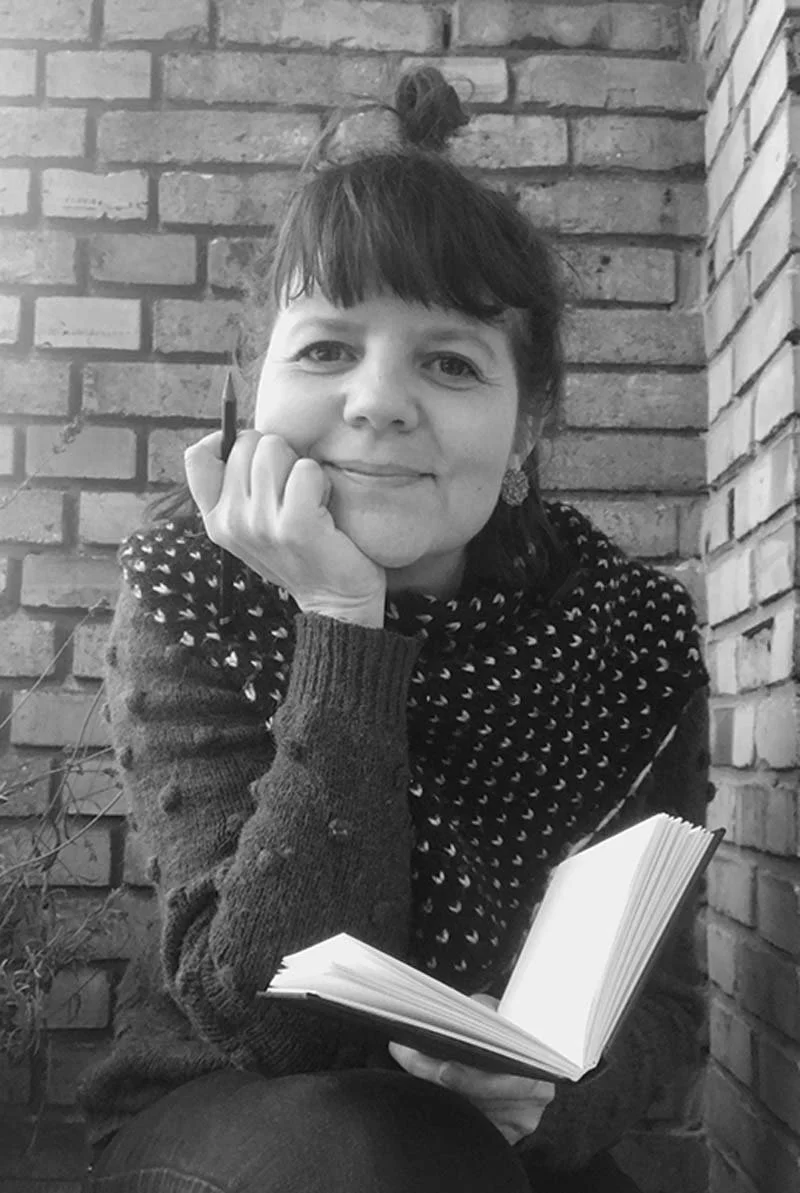
Stephanie Donsø is a Danish artist, illustrator, and maker whose work centers on visual storytelling. With a background in fine art and experience living in both the US and the UK, she explores the intersection of traditional illustration and fine art. Her practice is multifaceted, ranging from intricate one-of-a-kind dolls made from reclaimed fabric to silent picture books like her recent release, FJER (Feathers). Donsø’s work is deeply rooted in Nordic nature and the sensory experience of the handmade, seeking to evoke reflection and a connection to the wonder of childhood. @det_gyldne_blad
How did your upbringing in Denmark and your time abroad influence your art and your thinking about the world?
I'm born in Denmark, but have also lived in the US and later I studied at art college in the UK. Nevertheless, it is the Nordic nature and folklore that influence me, but it was first while studying abroad that I could see that. Until then it was always every other culture than my own that I looked to. I had to travel to really see my own culture and to feel what it means to me, what I missed.
Can you recall a moment when you recognized art as your chosen path?
I had a vision of being an artist when I was around seven. But I never thought of myself being an artist that sticks to doing only one kind of thing and I thought a lot about the word: multi-artist. I was quite bored when going to school as a kid, so my imagination ran off with me and I'd draw instead of listen to the teachers. I just loved to disappear into my own makings. I think school was too conservative for me and I have a hard time with repetition I guess. That is probably also why I like to investigate many fields of art and have done so. I have learned that there is much honesty in art and in making art while it is also challenging to be honest, at least all the time. But honesty is one of the most important things about art. And you can't really get around it any other way. You have to be honest if you want to work with making art and it can be tough to do so, but it is also liberating.
Describe a typical day in your studio.
Sometimes I start my day in the studio with stitching my little one-of-a-kind dolls made of worn out clothings and fabric scraps. That sort makes me very present and connects me to my inner child. Other times I start by sketching, getting ideas down or just sit and stare on what I worked on the day before. Through the years I have found that paper is what I mainly return to and apply it with watercolor, gouache, pencils, oil pastels, ink and sometimes collaged pieces. Sketchbooks can easily be brought along and though I may draw for hours without noticing time I can also quickly leave and return to an illustration which is important as I am also a mother and my studio is in my home. I'm sort of also working in two-three areas at the same time. I have come to realize that is how my brain works. When something is drying I might pick up my sewing equipment and stitch or draw on another project, when that one needs to rest I continue on the piece that has dried.
Tell us about your current projects and the themes driving your work.
At the moment I'm both working on some sketches for a childrens book and making items for my webshop and upcoming Christmas markets. I have also started working towards a soloshow I have next year. It's been a long time since I have done an art show, it's not been my focus for a long time, but now I'm quite excited about it. For the show I’m reflecting on the relationship between illustration and fine art. It is something I think a lot about as I’m originally a fine artist who turned to illustration. But overall I’m just curious about visual storytelling in general and to use that as a communicator.
When viewers experience your art, what emotions or ideas do you hope they connect with?
Something honest, something that has a storytelling feeling about it, something that will make people reflect, giggle, feel, remember being a kid and how the world seemed when seen through a child's eye. I hope people will stop for a while or maybe gather and think of stories and something they experienced in life. I like when a picture makes you think of something you once did, saw or felt.
Which artists, past or present, would you like to meet, and why?
Artists Louise Bourgeois and Nancy Spero, Bill Traylor and the illustrators Adrienne Adams, Alice Provensen, Gyo Fujikawa and Danish Ib Spang Olsen. I'd like to ask them what is their best and worst memory.
Do you draw inspiration from music, film, or other disciplines?
Yes very much. Danish kids television from the 70-80's is a very big inspiration source for me. I also listen a lot to music when working, but not any kind. It depends on where I am in my work. If I need to push myself to get going I'll listen to something that has a quick beat. If I'm somewhere in my work where emotions are more heavy or thoughtful I often listen to classic music or Nordic folk song like Gjallarhorn, Stundum. I also like to listen to music by film composer John Barry.
What is the significance of the Nordic landscape to your creative practice?
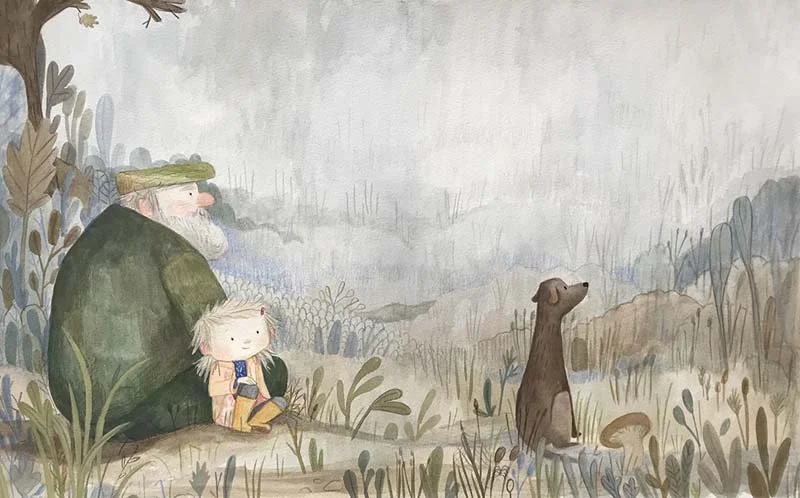
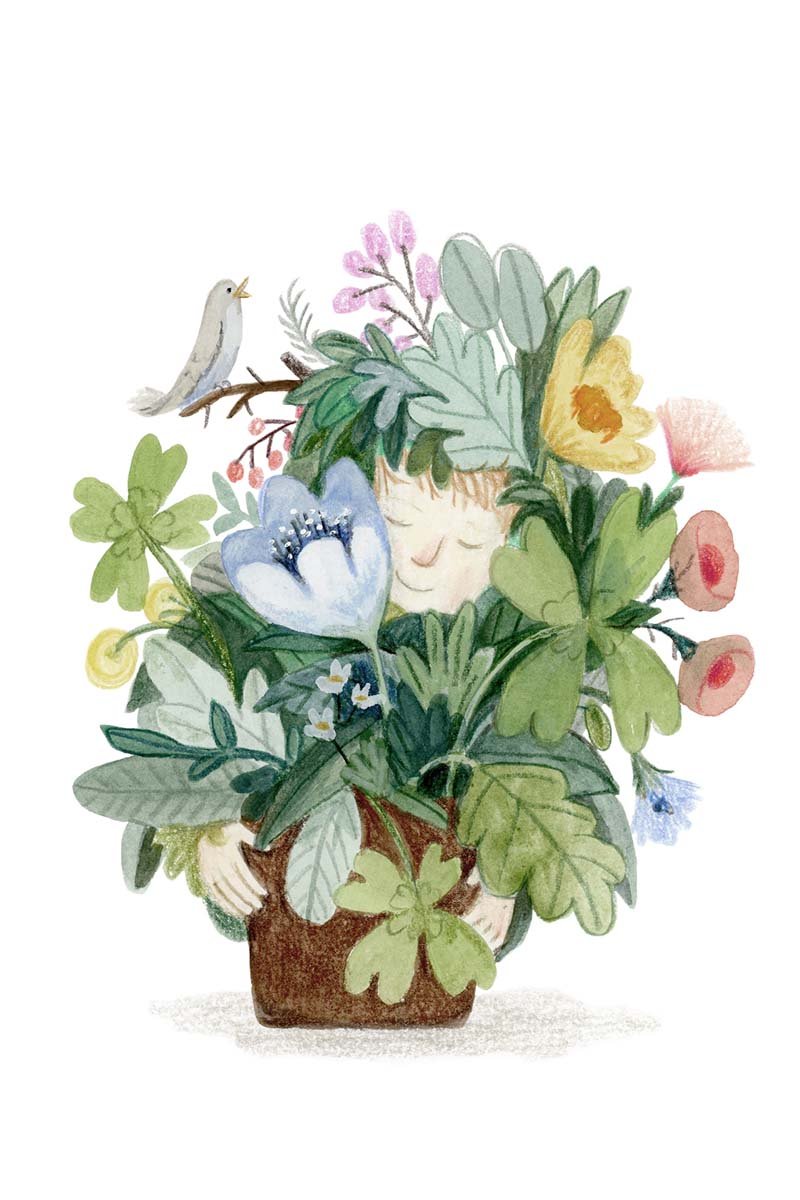
That it is close to woods and lakes. I'm not a city person. Nature has a huge impact on my art and it is always in my work in the shape of trees, plants, leaves...
Can you describe a project that challenged you creatively or emotionally—and how you worked through it?
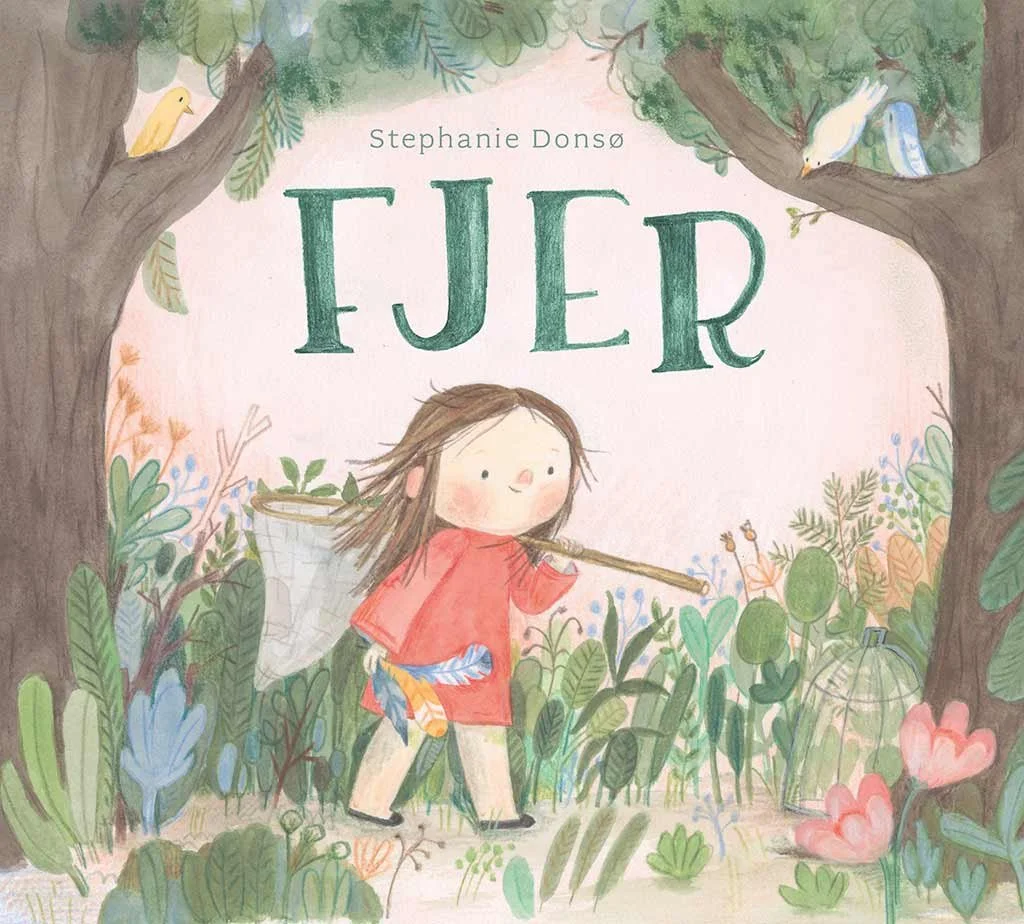
My own latest picture book FJER (Feathers). It is a silent book and has no text at all to tell the story. It was so much in my head, all its moods. There was a great amount of time from when I got the idea and did some roughs for it to when I actually got a green light from the publisher. I felt scared about if I was able to pick my ideas up and connect and I did for a long time find it difficult and stressed about it before I found a way.
Tell us about important teachers/mentors/collaborators in your life.
One of my tutors back at art college a long time ago. She said many things, a lot of it I have first understood later in life. I can still hear her special way of talking, her way of saying the word 'sensory'. The author Anne-Sofie Allermann is a great collaborator. We did the childrenbook 'Liv' together and she is also the publisher behind my silent book. She is direct and spot on with words and content.
Sustainability in the art world is an important issue. Does being in nature inspire your art or your process?
Nature has a huge impact on my art and it is always in my work in the shape of trees, plants, leaves... In my logo I have an Oak leaf. It represents a special childhood memory. In my Danish childhood neighbourhood stood two large Oak trees, one in each end of the street. My best friend had just lost his Grandfather and we often played by one of the Oak trees. It just came to us that we could call the Oak trees for Grandfather. I think we naturally just picked up on the old soul of a tree, that you honour it. That trees and particularly old trees are special.
In an era where digital tools like AI are redefining reality, what is the importance of the physical, handmade act of creation?
I think it is difficult with AI. It gives us fastness that makes a lot of things quick and easy to do, but maybe that fastness is not really good for us. People can't follow along. Sure you can sometimes create an artpiece very quickly and it just works, but you have probably used loads of time before that piece on getting the skills to do so. How do you measure that? All those experiences, all the mistakes, all that did work. It is so much work, so much time spend and then you have AI collecting its info from artists to create something fast and be further trained. But AI art is not lived, it is not breathed work and thereby I question it. I might see an artpiece that is good, but as soon as I hear its made with AI I feel cheated and the piece loses value in my opinion. I want real lived lives behind arts and crafts. Humans are sensory beings. We buy stuff from webshops but usually miss having what we buy between our hands to really feel and know if we want to buy it. That is like AI, it may give us something but not how things really feel.
Exploring ideas, art and the creative process connects me to…
my inner child which I think is important to remember. I don't think of that inner child as being one without knowledge and only concerned about play. I think of that inner kid as one who knows a lot, one who is connected to its surroundings and Earth and is less judgemental. That inner child is of a higher pureness, full of love and care...and play.