

Miami-based artist Thomas Bils on the space between things and moving through it.
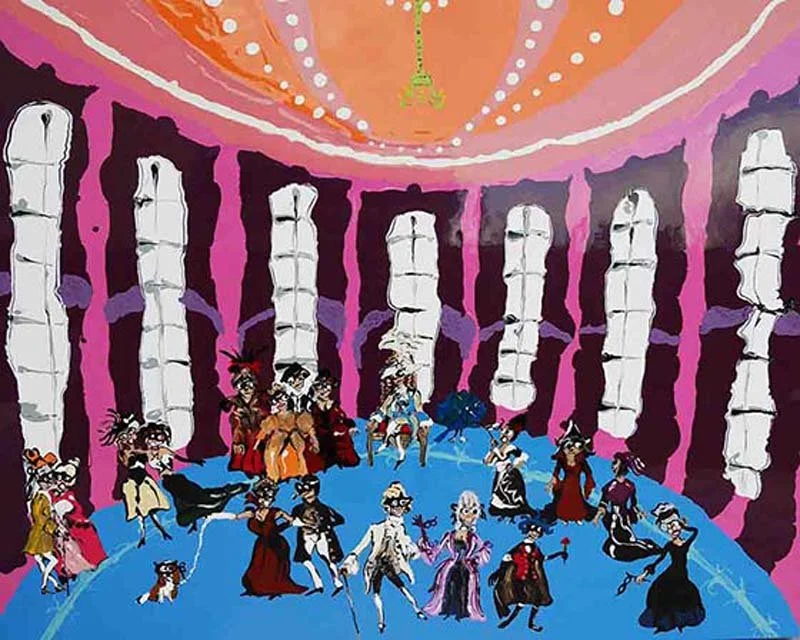
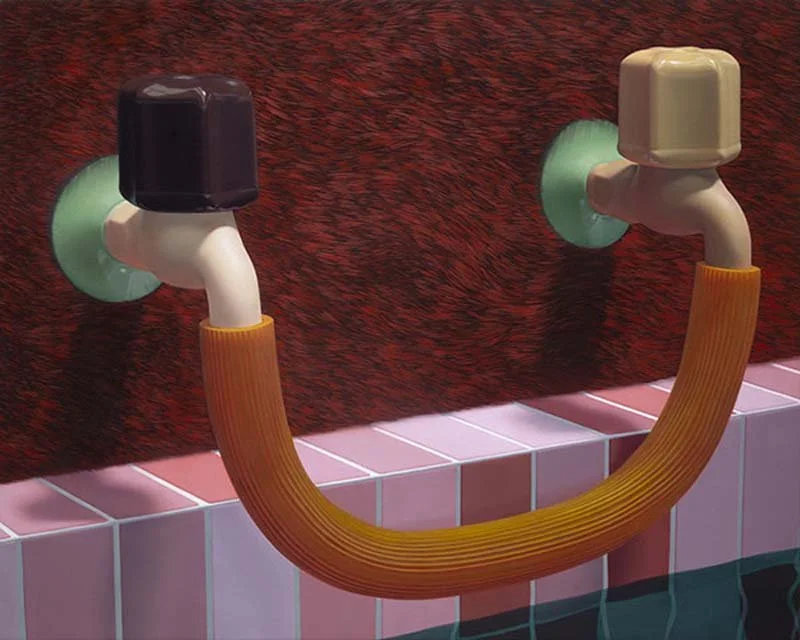
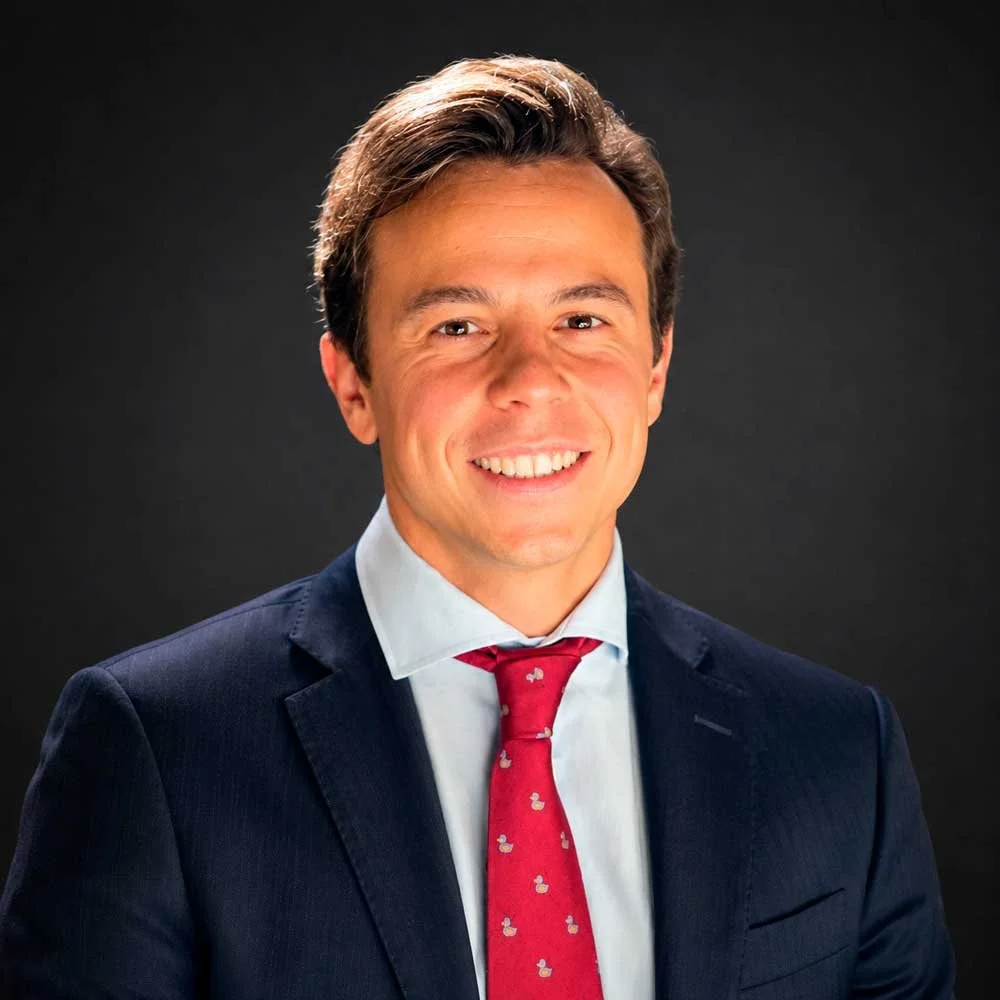
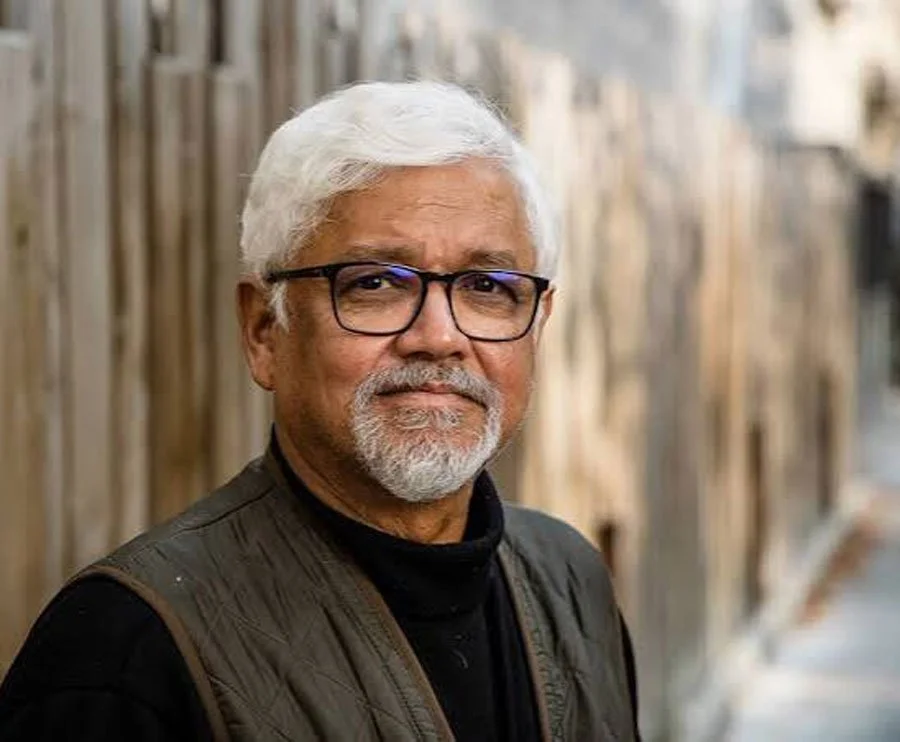
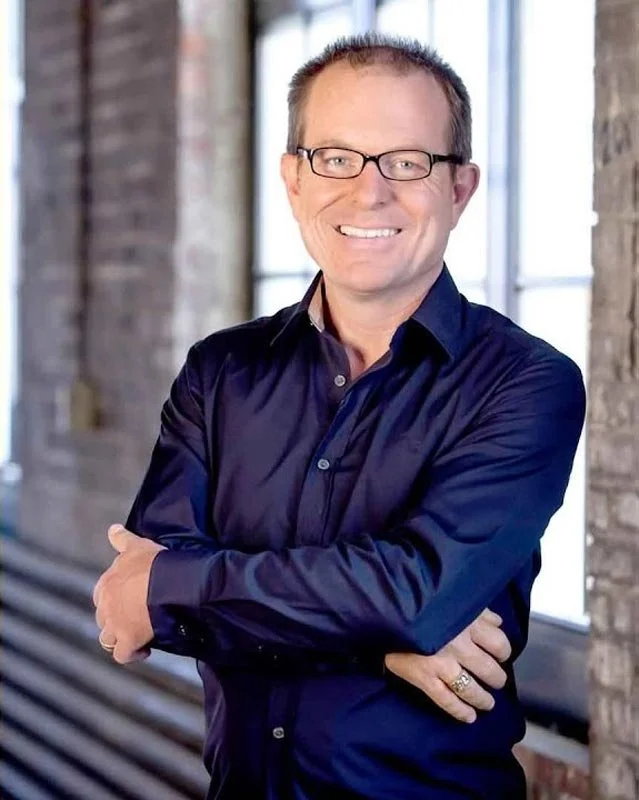
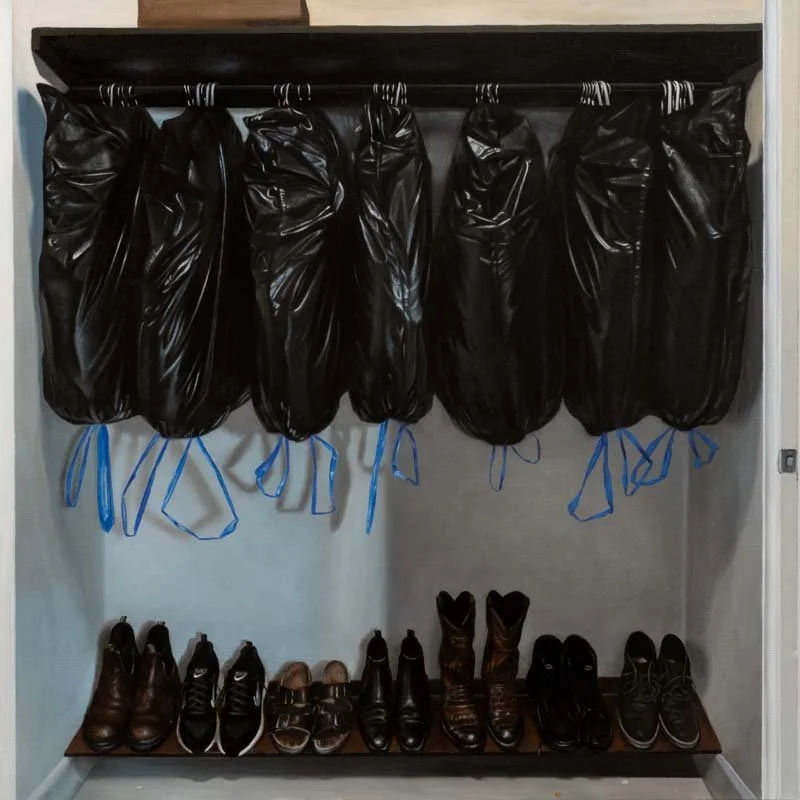
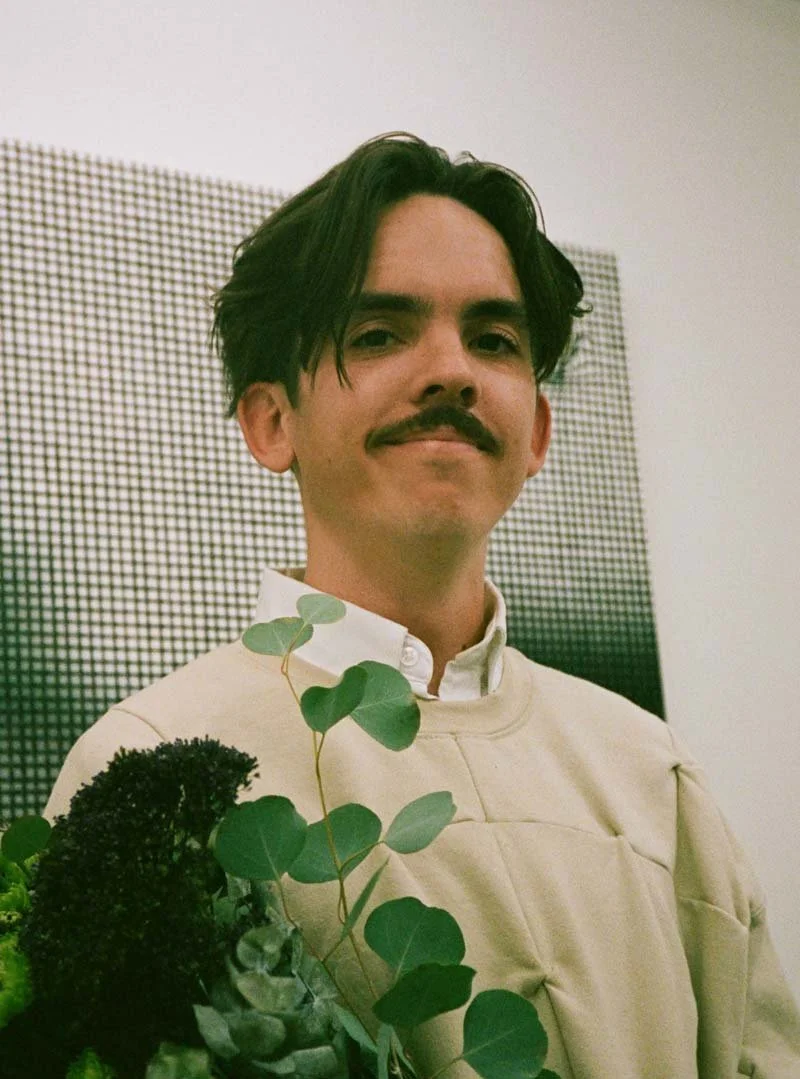
Thomas Bils was born and raised in central Florida before moving south to his current residence of Miami. Thomas Bils paints autobiographically in ongoing investigation into the precarious nature of the world and the banality of disaster. Thomas crafts images employing his role as the unreliable narrator to develop a fragmented reality where personal narratives intertwine with universal anxieties. Within that space the viewer is invited to meditate on the inherent contradictions that define our human experience and the fragility of certainty. The personal microcosm, in Bils's vision, is a delicate construct, forever on the precipice of collapse, where even the most mundane occurrences can hold profound consequences. @thomasbils
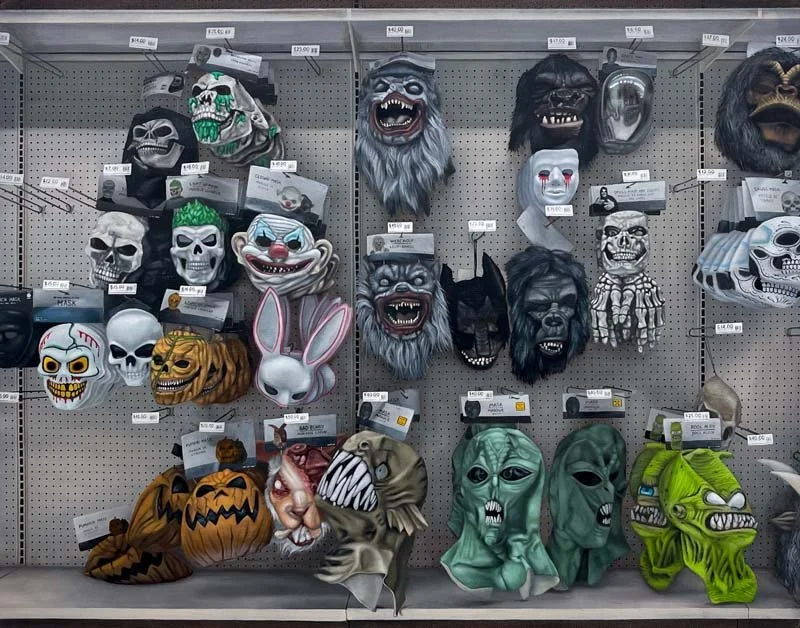
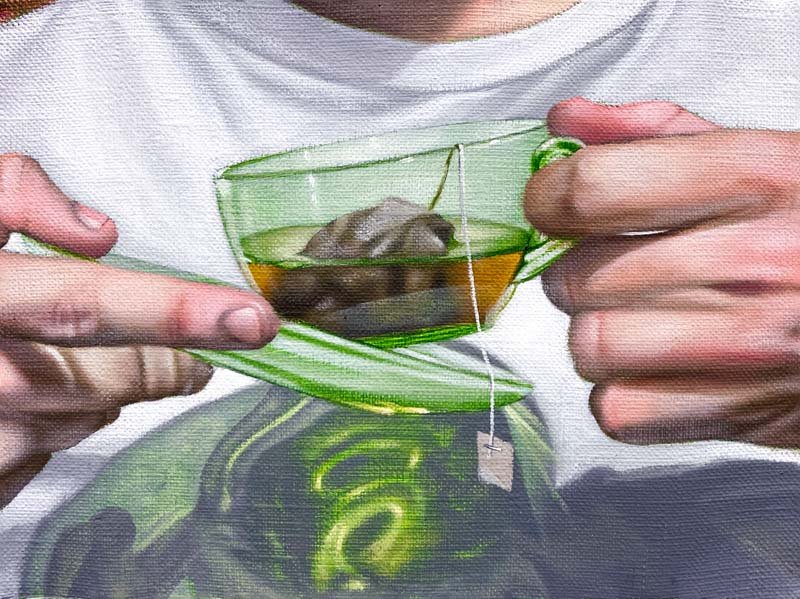
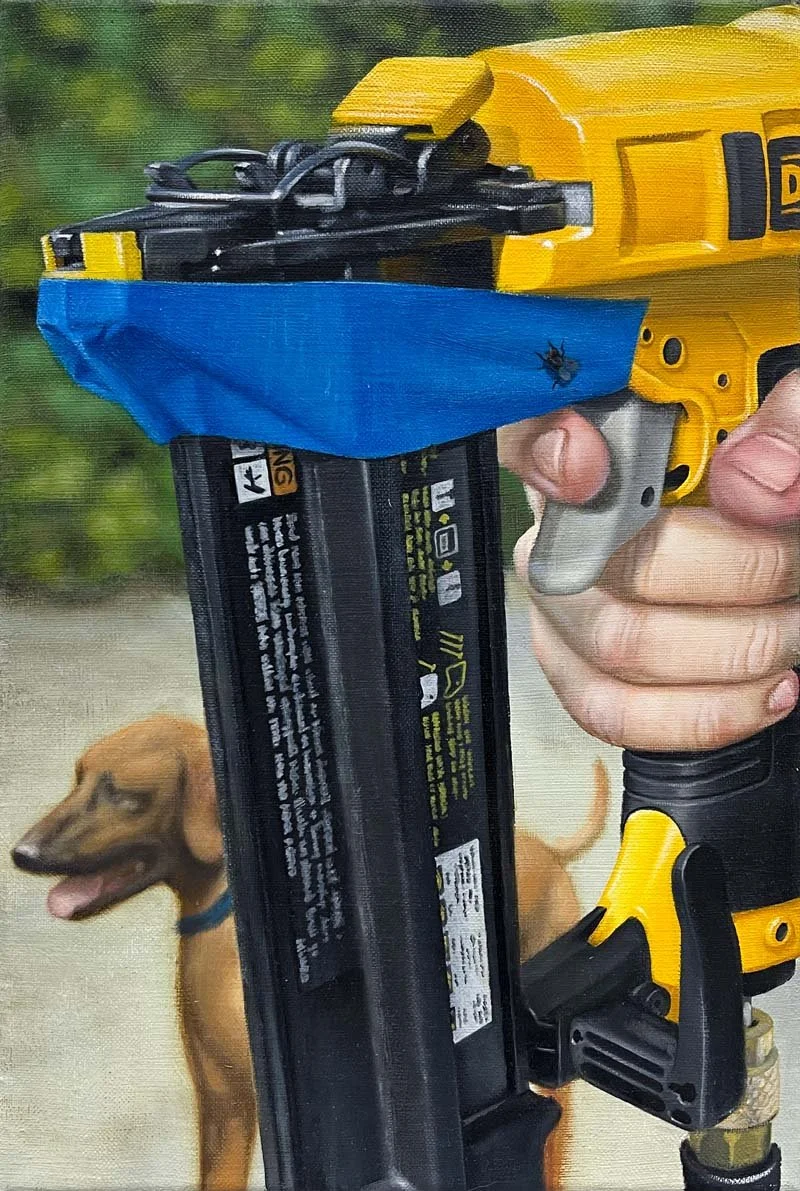
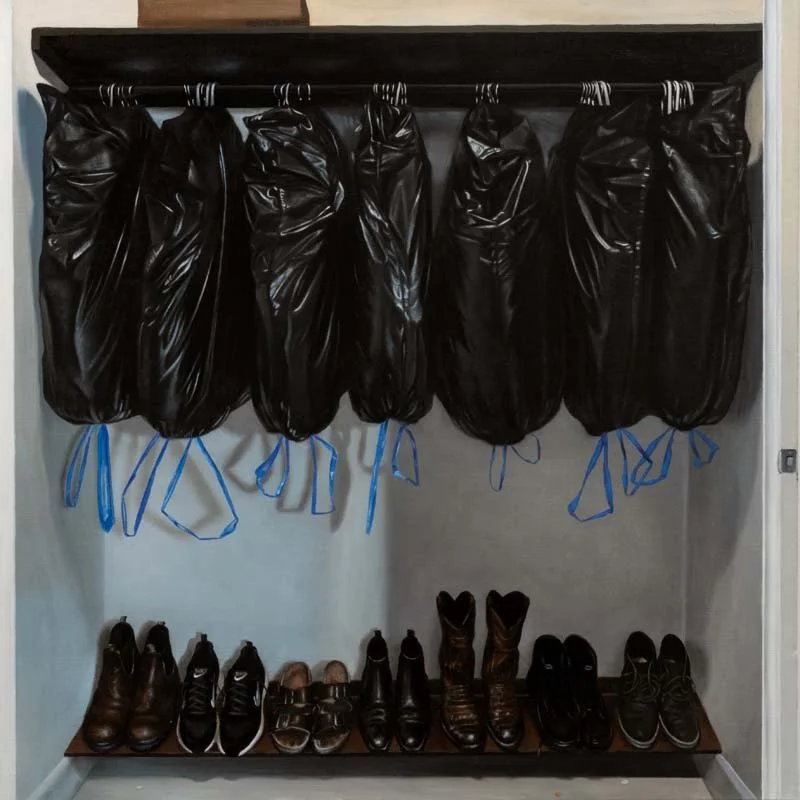
Where were you born and raised? How did it influence your art and your thinking about the world?
I was born in central Florida, and after a brief period in the Pacific Northwest when I was a toddler, wound up back in CF, Melbourne specifically, where I have made all of my formative memories. Despite my loving and competent parents' best efforts, I had an unshakable appetite for mild criminality in my teens and, as a result, found myself hanging out with some of the rougher crowds from time to time. Being a generally soft kid from a good home in the suburbs, I stuck out like a sore thumb, but nevertheless, I found my people once I discovered marijuana. Central Florida has been and will always be a strange place, but it was at this time that the second wave of the opioid epidemic rolled around, which was an especially dangerous setting to discover drugs. Thankfully, I dodged the worst of it. I honestly can’t even smoke weed anymore without getting The Fear, but I was still in the very surreal position of witnessing that storm roll through against this backdrop of the beachy Floridian Americana. Much of the work I do now attempts to capture how strange and bittersweet those years were, goofing off with my stoner friends and getting into occasional trouble, all while something very dark happened right below the surface, too complex for us to understand at the time.
When did you first fall in love with art and realize you wanted to be an artist? For you, what is the importance of the arts?
There’s a few answers to this question. The boring one that I imagine most of my colleagues can relate to is that artmaking has been a constant impulse of mine for as long as I can remember. My earliest of these memories involves my parents handing me a sheet of printer paper and a pencil to keep me from fidgeting during Sunday morning church service. That hour of uninterrupted drawing time eventually bled into any moment that I could manage, scrawling on the edges of homework and eventually dedicated notebooks while hiding in the back of class. I’d say the better anecdote comes from when I first saw the hit 1999 animated film The Iron Giant and its bohemian tritagonist, Dean. The effortlessly cool sculptor who lived in his own junk yard and drank espresso at night was, I believe, the first time I saw a fictional character in media and thought to myself, “that is exactly what I want to be when I grow up.” Suddenly, all of the inconsequential drawings that I crumpled up just as quickly as I scribbled them became the means to an identity and lifestyle that I found incredibly alluring. To me that’s what I’ve found to be the most important role of art in my life; a means to a lifestyle and freedom that I’ve been drawn to since I was a kid. Today, I’m in the incredibly fortunate position that I’m able to make a modest living by just hanging out in my studio all day and painting whatever is interesting to me at the moment. I don’t live in my own junkyard, but I guess growing up involves adjusting expectations sometimes.
What does your typical day in the studio look like? Walk us through your studio and your most-used materials and tools.
I’m a creature of habit, so the pacing of a studio day looks pretty identical to the ones before and after it. I do my best to be awake by 8:00. After years of working early mornings, first at a bakery and then later as a butcher, I refuse to set morning alarms, so 8:00 isn’t always the case. After feeding my cats, Egg and Cheese, and then myself, I’ll arrive at the studio around 9-10:00. From there, I’ll do a precursor check of my email, and if I’m feeling naughty, maybe zone out on YouTube for an hour. I’ve always said that painting is easy, but sitting down to paint is hard, so there’s usually a period where I have to stop distracting myself and just pick up the brush. From that point, I’m pretty glued to whatever painting it is that I’m working on. My studio is large enough that I can have around five to six pieces working simultaneously at any given time, and I’ve outfitted a rolling tool cart with a glass top to work as a mobile palette station. This allows me to approach the work day flexibly to my own mood; some days I’m feeling loosey-goosey and want to execute some large form underpainting for the next seven-foot painting, and other times I would rather sit still for hours and melt into repetitive mark making with my smallest brush. Of course, there are days when I don’t feel like painting at all, and I have to find other means to keep my hands busy. Just last week, I got carried away and built, stretched, and gessoed the next six months’ worth of linens and panels just to avoid a painting I’ve been having issues with. Somewhere in all of this work I find time to have lunch (when I remember) and another cup of coffee (I never forget) before wrapping up, usually around 7:00 or 8:00. At the time of this interview, application season has just started so it’s not entirely unlikely that I’ll stop by the nearby bar to fill out some forms on my laptop over a dirty martini and three to four cigarettes.
What projects are you at work on at the moment? And what themes or ideas are currently driving your work?
The way that my work takes form, it’s rare for me to actually be working on a specific project, especially as my next exhibition is for the NADA Miami Art Fair, where curatorial rigor is less of a priority than it would be for a gallery or museum exhibition. In the studio, I take a more top-down approach and focus on creating individual works that fit within a loose framework that I myself barely understand. Then, when it comes time to exhibit, I take a big step back and survey what I’ve made and figure out in what shape it all fits together as a cohesive body of work. The drawback is that this makes me generally unsure of what it is that I’m actually working on as I’m doing it, as the invisible thread connecting everything hasn’t revealed itself yet. In 2023, I had an exhibition at The Armory Show in NYC, and it wasn’t until after it was all over that I realized I had made a whole body of work about my fear of death. And then the show after that, in 2024, half of my paintings were distinctly green. As of right now, the only things I can say with certainty are that I’m experimenting a lot with glazing techniques, I keep making paintings of food, and the mood in the studio is cheeky. I have also established a rule in the studio that there must always be one painting of my cat in progress at all times.
What do you hope people feel when they experience your art? What are you trying to express?
I’ve always been a strong believer that the work is no longer mine once it’s finished. That is to say, I’m more concerned about how the viewer interacts with the work than any specific message that I may wish to communicate through it. What I'm more interested in is setting up the ideal conditions for sparking a very specific type of curiosity that I grew accustomed to while growing up in central Florida. I would do my best to describe it as one part Proustian, one part suspicious, and one part instinctual. The type of gut feeling children get when they’re discovering something that isn’t quite right, but don’t have the life experience to understand that irregularity often precedes possible danger. I often also think about the phenomenology of noticing; that moment when our psychological autopilot shuts off and our higher awareness takes over when something in our usual environment is out of place.
Do you draw inspiration from music, art, or other disciplines?
When it comes to my inspiration, I like to take a little bit from everything and stir it up in my soup of recollection for later use. I often refer to my work as diaristic, so everything in my field of experience is fair game. My earlier post-undergrad work was often described as being very cinematic, and I pulled a lot from dark, atmospheric films such as Trainspotting and especially Gummo. I always felt drawn to the challenge of depicting impactful images without the sound and movement that film was able to utilize, considering a work to be successful if I could picture the way it would sound or pan across the picture plane. As my work and interests progressed, those influences have gradually faded into the background, and the focus of my work became more about my immediate surroundings in place of mediated imagery.
A great thing about living in Miami is…
Miami has been very kind to me for the most part, at least after the first few years of acclimating to a more urban environment. I think something unique to living in Miami is that, despite being a rapidly developing city, there still is an occasional small-town feel in the way the arts community interacts with one another. If you make art in any serious capacity in Miami, you’re generally taken care of and given a fair share of opportunity as long as you keep showing up to the occasion. I’m told that things are pretty cutthroat and insular in cities like LA and NYC, but everyone here seems to accept that we’re all on the same team.
Tell us about important teachers/mentors/collaborators in your life.
I’ve been very fortunate with the quality of people involved in my journey into being an artist. During my aimless mid-teens back in Melbourne, my greatest aspiration was to become a hometown graffiti artist. This led to my first weekend job at the local art gallery slash spray paint shop. The owner, Chris Maslow, was, I believe, the first person to really convince me that I could, and should, shoot at least a little higher in my goals than a local petty criminal. This led to my asking a mutual friend of ours, Jeff Noble, what I should do if I wanted to be a capital A artist. This friend had just moved to Miami to attend New World School of the Arts, and I should follow in his steps as he was enjoying it. NWSA was the only college I even attempted to apply to, and as I’m sure you can guess, it is how I wound up in Miami, where I still am today. It's worth mentioning that by this point, I had never touched a tube of oil paint, and never really used brushes outside of the occasional outlining tool. That lasted until I met the head of the NWSA painting program, Professor Aramis O’Reilly. When I say this man taught me how to paint, I mean he did it from scratch. My first class with him, Painting 1, was brutal. We had the entire college semester to execute a single painting, an assigned still life he arranged himself. There was no homework all semester, just the understanding that if he could identify three mistakes in our painting, it was an automatic fail. I may have clocked about 200 cumulative hours just standing in front of that easel, going from having never formally painted to a classically trained still life in a single painting. Jeff later told me that when he took that class, he had to hide in a locker one night until security went home so that he could paint overnight to finish in time. Looking back, the three mistakes to failure were a bluff, but it established the attitude of my time at NWSA. That same year, another professor, Fred Snitzer, lectured the entire class after a particularly poor critique day that the position of working artist is just as competitive as that of a brain surgeon, and producing uninspired work as an artist is as acceptable as a surgeon producing dead patients. Whether I agree with the statement or not, I think about it often, especially when I’m thinking about cutting corners in my own practice.
Sustainability in the art world is an important issue. Can you share a memory or reflection about the beauty and wonder of the natural world? Does being in nature inspire your art or your process?
Since my work is often about how we manipulate our surroundings, it goes both ways when I’m inspired by the beauty of the natural world and its steady perversion. Something that I’ve always been particularly aware of is the aesthetics of highway travel. Since moving down south to Miami, I would have to take I95 or the Turnpike back up to Melbourne to see my parents on a semi-regular basis. During these drives, I can never help but gawk at the moments travelling through what almost appears to be what untamed Florida may have looked like if not scarred by the roadway and its necessary utilities. I wish I could do more work on the subject, but by design, the imagery is rapidly fleeting, and even then, it’s obviously dangerous to try to take reference photos while barreling down the highway at 80mph.
AI is changing everything - the way we see the world, creativity, art, our ideas of beauty and the way we communicate with each other and our imaginations. What are your reflections about AI and technology? What is the importance of human art and handmade creative works over industrialized creative practices?
I try to keep this issue at arm’s length. The entirety of my work history involves vocations that are centuries old, and I don’t see them going anywhere or changing all that much.
Exploring ideas, art, and the creative process connects me to…
my internal childhood curiosity. I’ve always found it kind of corny to talk about my inner child, but in recent years, I’ve noticed more and more that the type of involvement my work takes me is emotionally identical to the type of poking and prodding of my environment that I participated in a lot during my early years. I like to work in a top-down approach, where my studio is primarily a place for me to play with imagery and turn over semiotic stones in an effort to see how they interact with one another when solidified into a painted picture. It’s only after the work has been made, and usually from a location away from the studio, where I contextualize everything into a professional practice. I suppose that's what I signed up for when I chose arts and crafts as my calling.