

New York-born artist Virginia Kraljevic on intuition, connection, and the poetry of line.
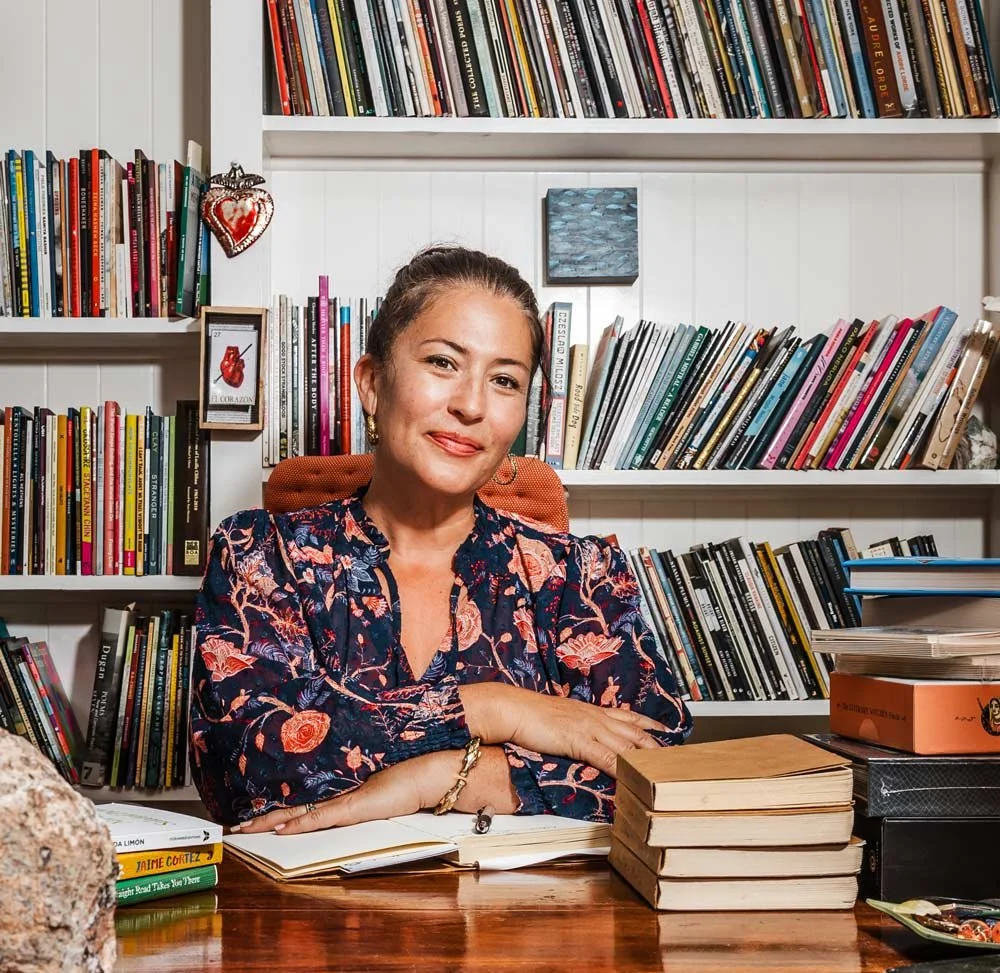
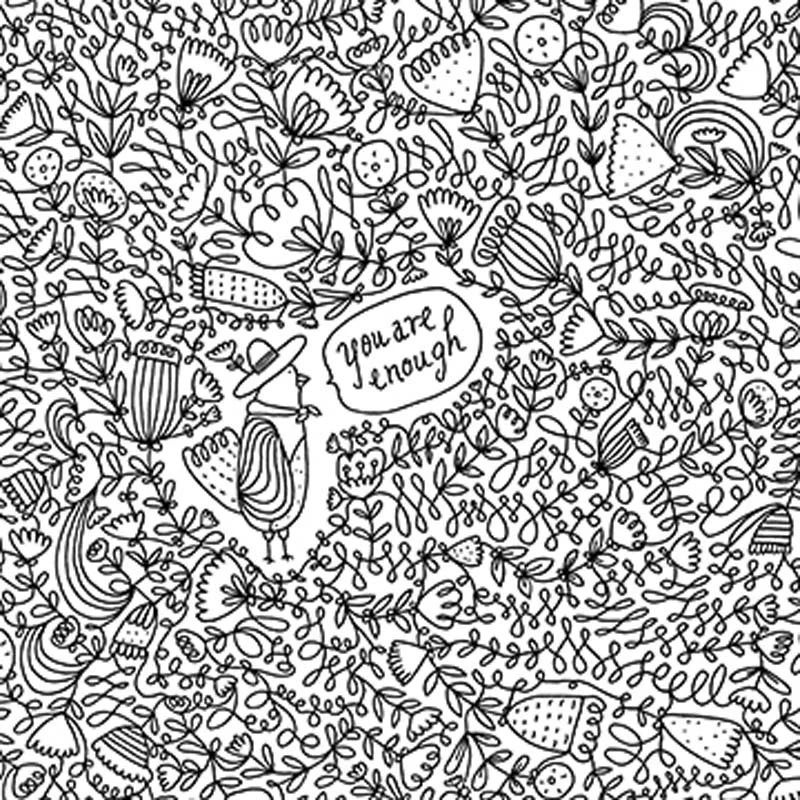
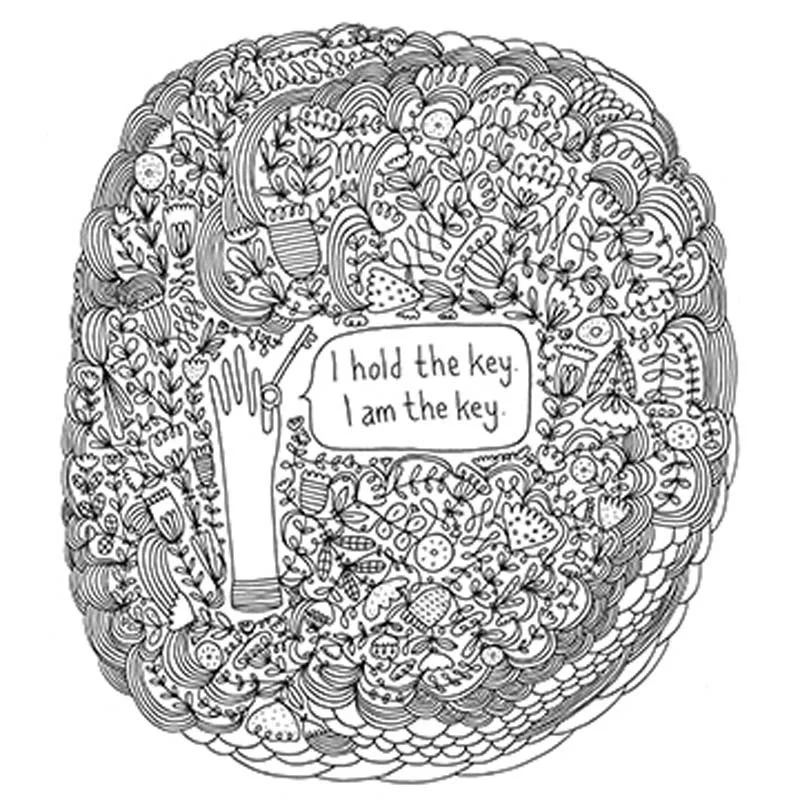
Virginia Kraljevic is a contemporary American artist, educator, and creative director from New York City. Best known for her black-and-white pen-and-ink linework, her work explores themes of connection, poetry, and intuitive discovery. Creative projects include collaborations with Chanel, IKEA, and the Los Angeles Times, with extensions into publishing, textiles, and lifestyle design. Her art has been featured in global media, exhibited internationally, and collected in over 80 countries. With sincerity and refinement, Virginia creates work that offers moments of quiet wonder and imaginative possibility. @virginiakraljevic
How did growing up in New York influence your artistic perspective?
I was born in New York City and raised just a few miles north in Westchester. Growing up with Manhattan essentially in my backyard had a profound impact on me — it offered a foundation and education all its own. I had access to unique experiences, diverse perspectives, and opportunities that simply don’t exist elsewhere. It gave me an expansive, open view of the world that continues to shape my art and outlook today.
When did you first fall in love with art, and what importance does it hold for you today?
I knew I wanted to be an artist when I was five years old. My kindergarten art teacher was a professional artist, and now I see how much that dynamic mattered — her joy and passion poured into everything she did and planted the seed in me. Creating art has always been about self-discovery: peeling back layers and finding the essence of things. It’s an ever-expanding process. I believe that by building a strong foundation within yourself, you can inspire others simply by being the example.
Describe a typical day in your practice and the materials you use.
Right now, I don’t have a “typical” studio day. As a full-time mom of two, teacher, and artist without a dedicated studio space (yet), my practice is interwoven with daily life. Studio time means celebrating small moments, going on adventures with my family, exploring nature, tending my garden, and carving out quiet space to reflect and draw whenever I can. The beauty of pen and ink is its portability — it takes up little space and can travel with me anywhere.
Tell us about your upcoming exhibition at the Tokyo International Art Fair and the themes driving your work.
I’m preparing to exhibit at the Tokyo International Art Fair this November. My current themes explore presence, resonance, healing, poetry, and the quantum field — ideas that invite reflection on time, connection, and the unseen dimensions of life.
When viewers experience your art, what emotions do you hope they feel?
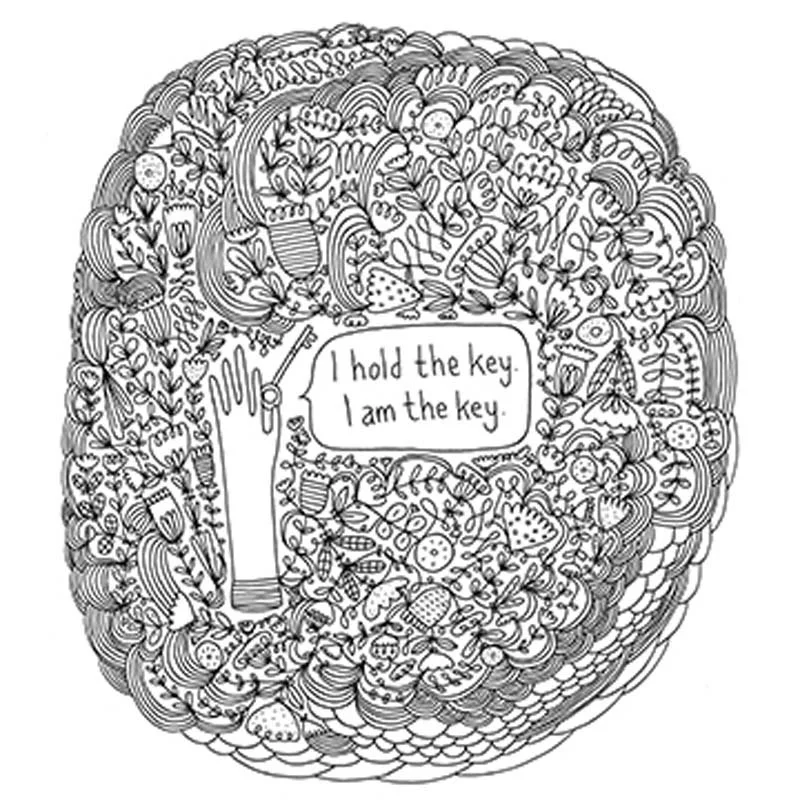
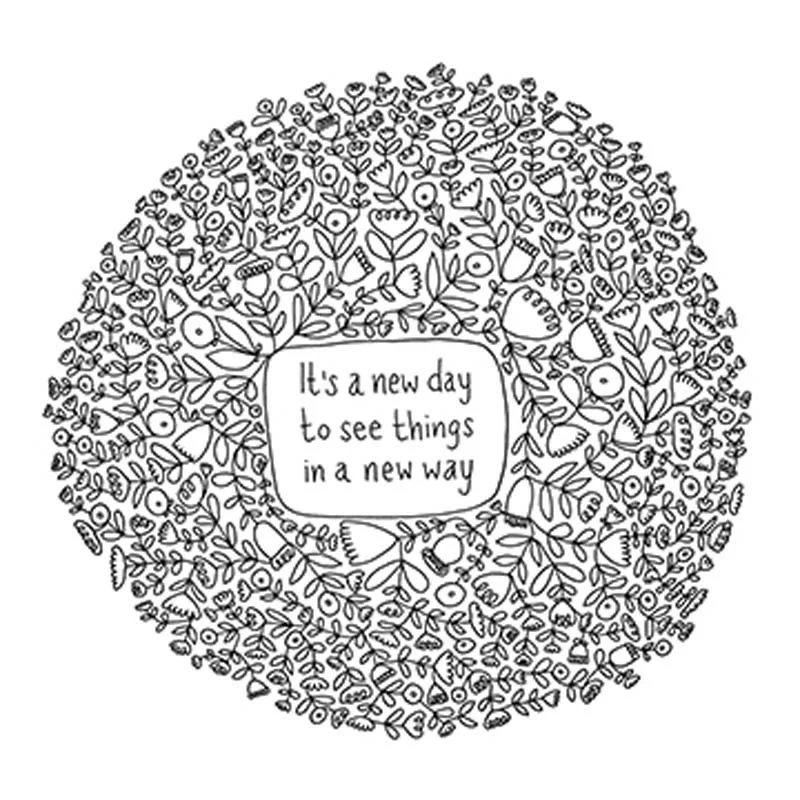
I hope my work creates a moment of pause and reflection — a chance to connect, uplift, and perhaps be transported somewhere unexpected. I often describe my work as whimsical poetry, a blend of imagery and feeling that opens a door into quiet wonder.
If you could encounter any artist, past or present, how would you want that meeting to unfold?
Honestly, I wouldn’t want to formally meet anyone. I like to keep my relationship with art pure and personal. If anything, I’d prefer a Wes Anderson-style twist — running into an artist I admire serendipitously at a café or grocery store, just to observe their posture, mannerisms, and cadence. That kind of encounter feels far more magical, like the chance meetings you’d have in New York City when you never knew who you’d bump into.
How does your fascination with nature and fractals influence your visual practice?
Nature, first and foremost. I’m fascinated by fractals and patterns and keep a small botanical garden at home with over 140 succulent species (and growing). I study shapes, textures, and resonance in plants, and those details build a mental library that resurfaces in my drawings. Each piece is unplanned, and that sense of organic flow mirrors the natural world.
What have you found most creatively nourishing about your move to the Palm Beach area?
As a native New Yorker now living in the Palm Beach area, it took me some time to adjust to the cultural and lifestyle differences — the warm climate, beach rhythms, slower pace, and close-knit community. Ironically, in this smaller place, I’ve found deeper friendships and more connection than I did in New York, despite its millions of people. That has been a real gift.
Can you describe a challenge you faced creatively or emotionally, perhaps in your teaching career?
My biggest challenge wasn’t a single project but my very first semester teaching art to junior high and high school students. I came in with assumptions about what I thought I would’ve wanted at that age, only to realize pretty quickly that teenagers don’t exactly see the world the same way I did. At first, I felt like an old fuddy duddy — it was humbling and had me rethinking my entire approach. But that shift ended up being so much fun. Once I let go of those ideas, I found new ways to connect, and now I absolutely love teaching this age group. The best part is I learn just as much from them as they do from me.
Tell us about the mentors or figures who saw your potential early on.
My kindergarten art teacher remains the most influential figure in my creative journey. After her, I never had another teacher who saw my potential in the same way. My love of art continued to grow, but the dream of becoming an artist dimmed for a while. I didn’t attend art school, and I didn’t begin my independent career until my late twenties. Much of what I know, I’ve learned through experience, persistence, and teaching myself along the way.
Does being in nature inspire your art or your process?
Nature is absolutely central to my life and work. Our home is surrounded by greenery, we live near the beach, and some of my favorite family adventures involve exploring botanical gardens and parks. Immersing myself in different landscapes and plant life feeds my imagination and keeps me grounded in wonder.
What are your reflections on AI, technology, and the enduring importance of handmade work?
AI is changing everything — and nothing at all. Life is cyclical: themes repeat, but always in new ways. I see a resurgence of in-person learning and a growing demand for alternative educational models. While global connectivity is powerful, nothing replaces real, hands-on connection. In a world dominated by screens, making and sharing art feels more essential than ever. Handmade work carries presence, intimacy, and humanity that industrialized practices can’t replicate. That said, AI can be an incredible tool — especially for independent artists starting out. The resources available now are extraordinary. When I began my career, it was before social media, so I know how transformative these tools can be.
Exploring ideas, art and the creative process connects me to…
myself, in all of my iterations — the five-year-old me, the present me, and the future me. That connection feels timeless and transcendent.