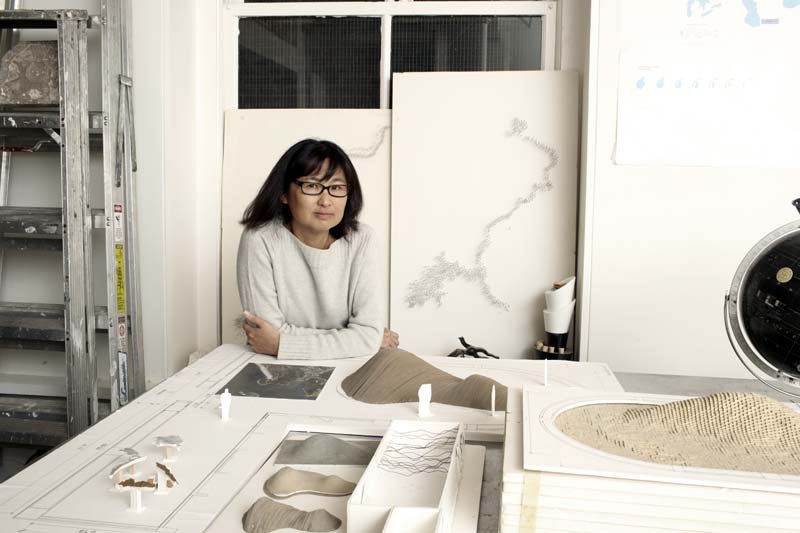
It's a complicated time to think about how we can slow down, be still, and bring a brilliant group of people together to do something that feels purposeful and can be productive. It's a moment where things are moving so fast. When I brought up the idea of a hinge generation, I think it's impossible to know how we will look back and reflect on this time and these moments. We are very invested in enabling people to build new relationships. What we've found from these past gatherings in Aspen is that those are the things people still talk about from 40, 50, or 60 years ago. You were also asking about a relationship with the environment. I think Maya Lin, who is coming to give a keynote lecture, is someone who is very invested in that conversation.
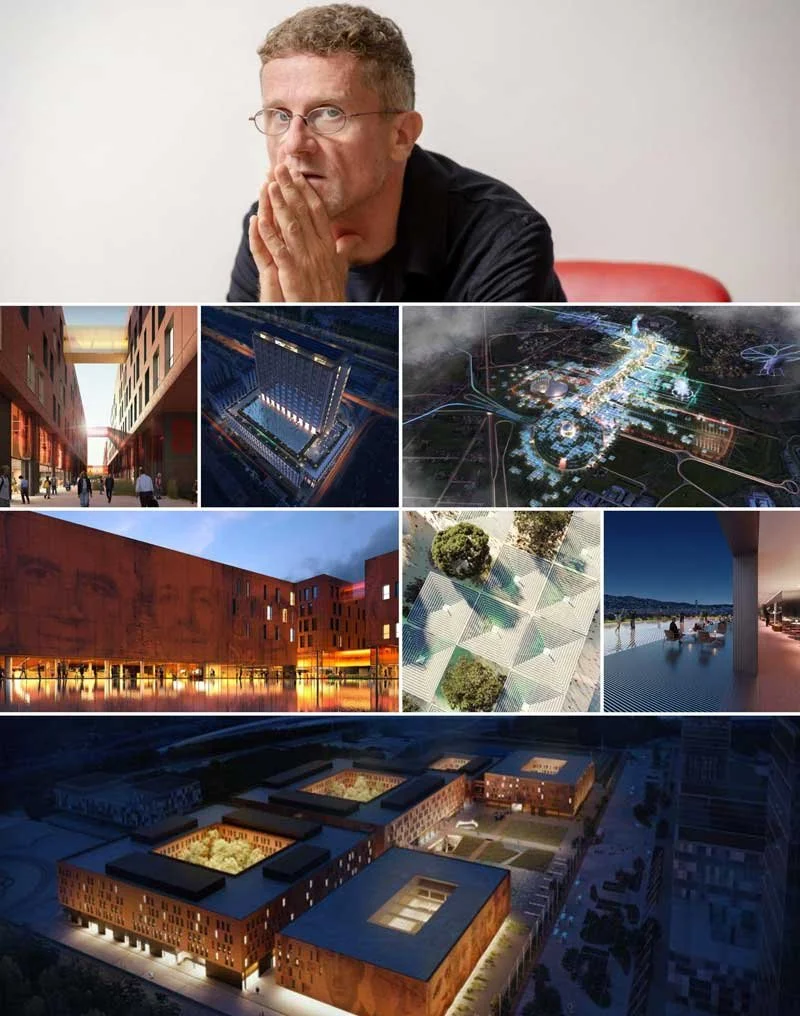
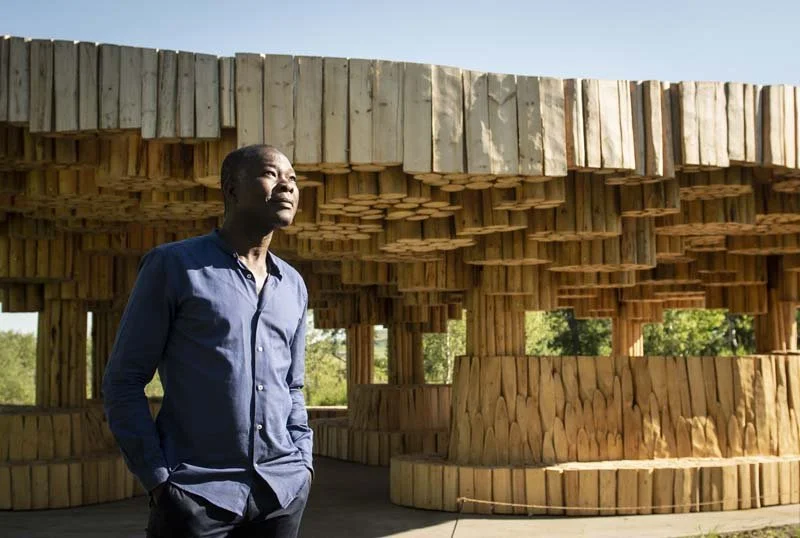
We are also working with the Serpentine Galleries and Hans Ulrich Obrist on the keynote lectures. Francis Kéré is also coming to talk about the sustainability of his architectural practice and how that navigates the world differently. We're also working with Storefront for Architecture, who have done this brilliant swamp project for the last two years. This year, there is a real emphasis on the relationship between the question we have posed for the retreat, which is fundamentally about our relationship with technology and identifying our relationship with the world and how we want to be present in the moment.

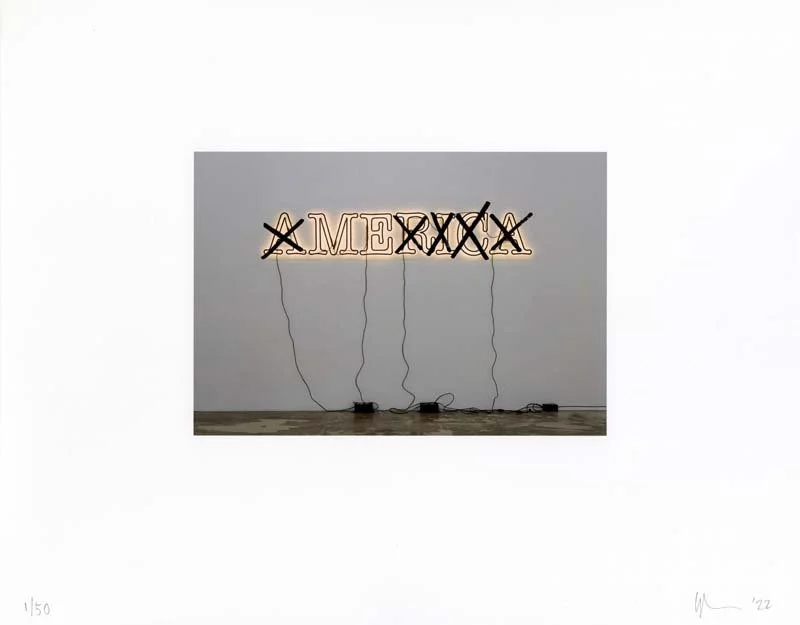
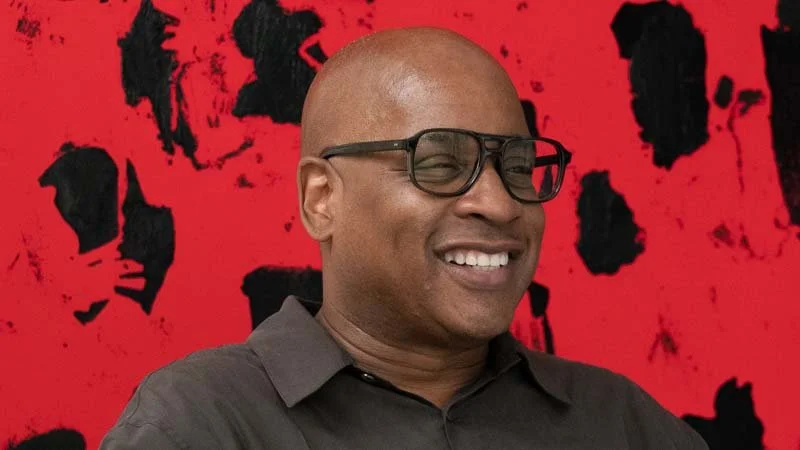

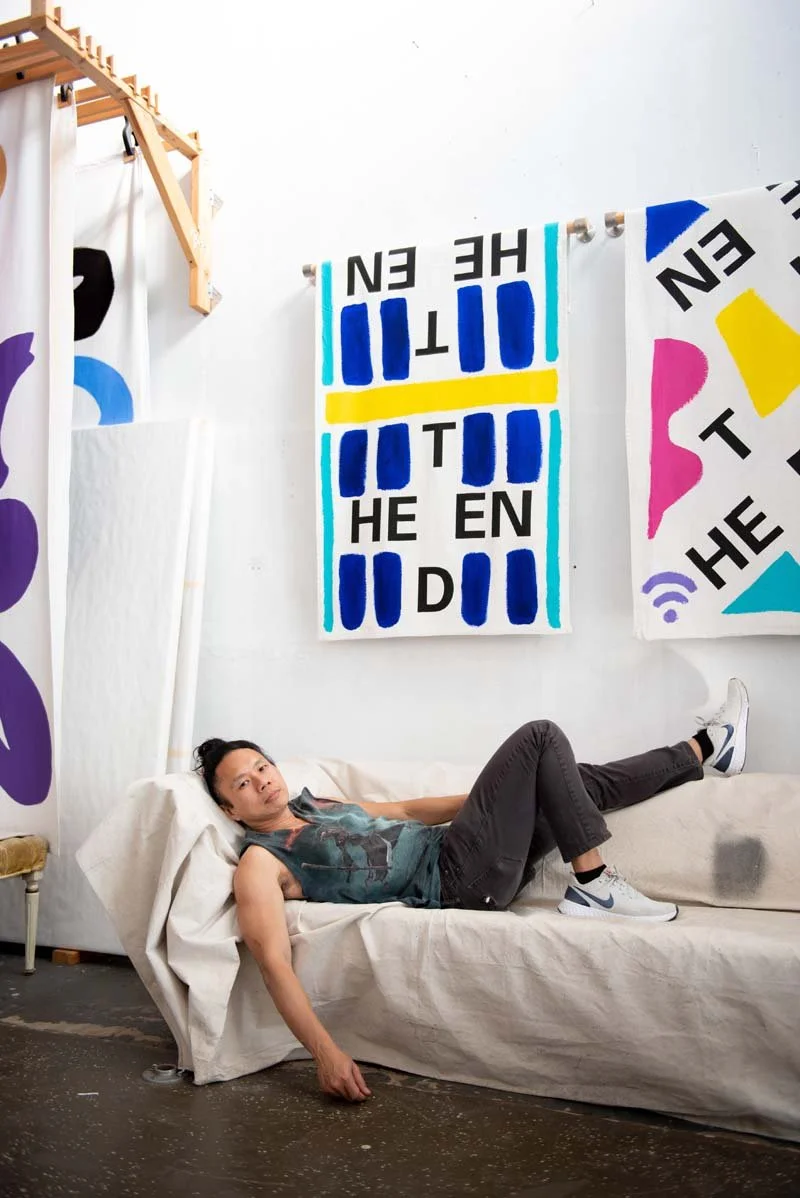

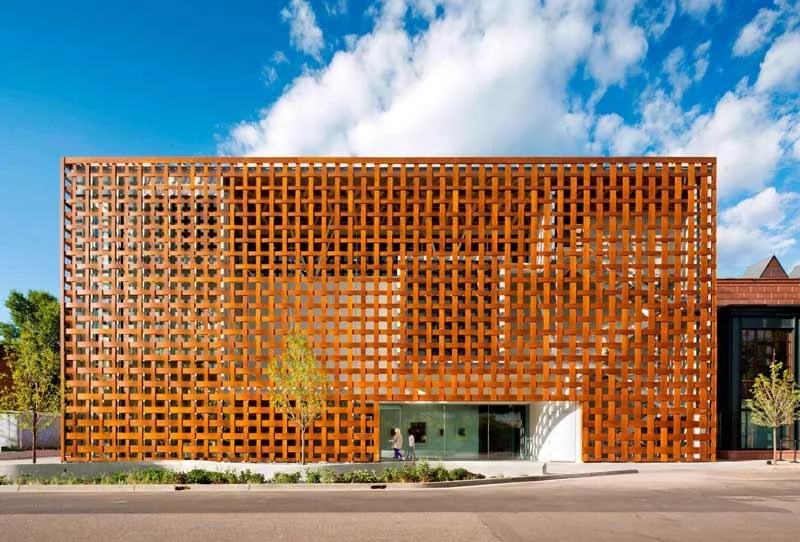
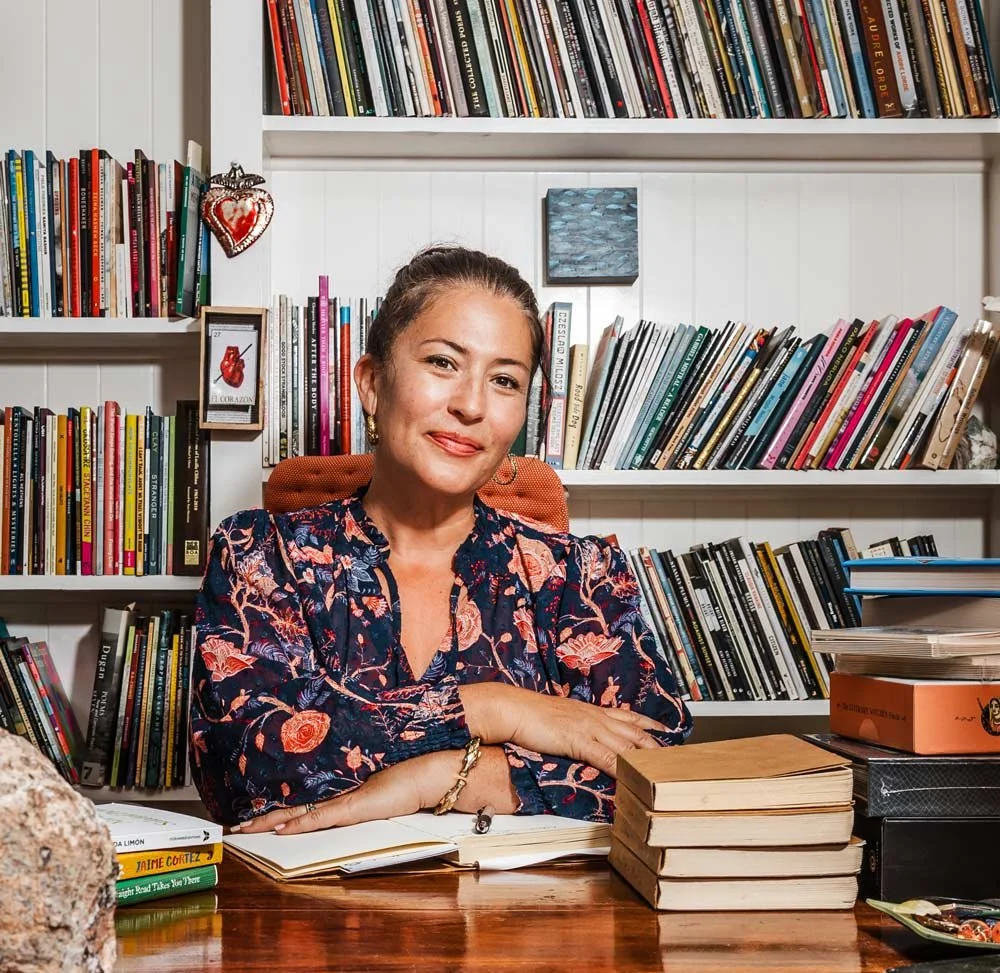
Nicola Lees is truly pushing the boundaries of what a museum can be. Since 2020, she has been director of the Aspen Art Museum, a non-collecting, artist-founded institution dedicated to experimentation and supporting the most innovative voices in contemporary art. Under her direction, the AAM has just unveiled an ambitious, decade-long initiative called AIR Aspen. From July 26–August 1, 2025, AIR isn't just another program; it's the first artist-led global summit, a bold undertaking that will bring together artists, cultural leaders, policymakers, and influencers for yearly talks, performances, workshops, and an annual retreat. It’s designed to explore the profound role of art in addressing the big questions of our time, from AI to how we relate to one another. The inaugural theme, "Life As No One Knows It," promises to be a deeply engaging exploration of what it means to be alive in an era of rapid technological and environmental change, and it will feature an extraordinary roster of creatives whose work transcends traditional disciplines, including Francis Kéré, Paul Chan, Aria Dean, Glenn Ligon, and Maya Lin.
Before her tenure in Aspen, Nicola Lees made her mark as the director and curator of New York University’s 80WSE and as a curator for Frieze Projects at Frieze London. Today, we’ll delve into her philosophy of art, leadership, and the transformative power of this new initiative.
NICOLA LEES
For us, I think it really is about trust and commitments, and I don't think that has necessarily changed over the years. As we work on that, obviously, we are very much invested in how we can engage an audience and spark the curiosity that people are looking for. The most important thing often is how we can spark that curiosity in ourselves. As a way of working, which I think is the most important framework for an institution, the institution should constantly want to learn and evolve, and it isn't a static place. Particularly coming from the opportunity of not being a collecting institution, we are ever-evolving and ever-changing.
THE CREATIVE PROCESS
Within the Aspen Art Museum, you have the tangible world and around it, the natural world. This is a great space to talk about the future and reflect on the past. So, it’s kind of like a place where the past and present can meet. Can you tell us a little bit more about your environmental commitments, the questions around nature, sustainability, and biodiversity, and how that enters into your summit and your planned exhibitions?
LEES
The world is changing very fast and very dramatically. When we have been thinking a lot about the questions around artist leadership or just leadership in general, there have been moments when this term of a hinge generation is also coming up, right?
It's a complicated time to think about how we can slow down, be still, and bring a brilliant group of people together to do something that feels like it has purpose and can be productive. When I was bringing up that idea of a hinge generation, I think it’s impossible to even know how we will look back and reflect on this time and these moments.
We are very invested in enabling people to build new relationships. What we’ve found from these past gatherings in Aspen is that those are the things people still talk about from 40, 50, and 60 years ago. You were also asking about a relationship with the environment. I think Maya Lin, who is coming to give a keynote lecture, is someone very invested in that conversation.
She is a brilliant artist and architect but also someone who can really think through complicated scientific data and predictions of the future while also being able to harness this very sort of poetic, philosophical side. It will be her first trip back to Aspen since 1983, and that is something we are thinking about.
We also are working with the Serpentine Galleries and Hans Ulrich Obrist on the keynote lectures. Francis Kéré is also coming to talk about the sustainability of his architectural practice and how that navigates the world differently. We're also working with Storefront for Architecture, who have done this brilliant swamp project the last two years. This year, there is a focus really on the relationship between the question we have posed for the retreat, which is this idea of our relationship with technology and identifying our relationship with the world and how we want to be present at the moment.
THE CREATIVE PROCESS
I’ve certainly seen that artists can be powerful catalysts for change just because they’re also open and maybe not specialists. I know that the Aspen Art Museum also has notable environmental pledges. I think that it’s interesting.
We’re finding even artists moving into that space of immersive, long-form storytelling.
I think it’s interesting that it can be a little bit more open and multidisciplinary, which I know was very important for you. Just going back to when you came to the Aspen Art Museum in 2020, that was during the pandemic—a difficult time for museums. How can we host exhibitions?
I mean, for us personally as a podcast, we went from doing exhibitions to bringing the conversations we were showing in universities and spaces to podcasting because that was the only way to reach people. It’s nice that it worked out, but it made us all rethink.
Now, do you think that we have really absorbed the lessons we learned from the pandemic? For a lot of people, they started appreciating art more, even if they couldn’t visit the museums. They began to appreciate the arts and what they can do, enjoying music and film within the privacy of their own homes, and made all these kinds of commitments about what they thought society could be after we stopped social distancing. Do you think we’ve really learned those lessons, and how have museums absorbed what we learned during that time?
LEES
Commitment and taking a leap of trust are crucial for us. I think it really is about trust and commitments, and I don’t think that’s necessarily changed over the years.
THE CREATIVE PROCESS
Yeah, I think it’s really interesting, and I like this invitation to bring others in and have them imagine the space. They become co-creators. It’s a kind of partnership. Any work of art is co-created with the one who is viewing it because it’s interpretive and it can’t exist without existing in the mind of the artist, but also the viewer—however it is received. I also strongly believe in this; it’s something a little kind of side project of ours. I call it the invisible arts.
You talked about programs and bringing young people or educational initiatives. I think of teachers behind the scenes; they can be curators, they can be editors. There are so many I call the invisible arts because we don’t think of them. They’re not the big marquee artists, or they could be within an artist’s practice. They can be the fabricators.
There are a lot of invisible hands at work that we don’t hear about. Even cinematographers do so much; you barely hear a shout-out for the cinematographers who do so much in the service of the director, but they are artists in their own right.
I think it’s very important to give space for the established artists whose names we know, but also these invisible pieces of society who do so much valuable work, even if it’s low-paid, like teachers or parents. They do so much to support those who go on to have their names celebrated.
LEES
Yeah, and I think it’s a really brilliant question. It is interesting how one can think about how that needs to be at the core of what we’re doing and how we’re thinking about how an institution can grow and how institutions need to change over the next five, ten, or twenty years.
We did a great show when I was at NYU with Jason Herta, which was really about exactly what you’ve been talking about. I think the other thing that’s so fascinating is actually when you see artists collaborate, work with each other, edit each other's work, or support each other. We’ve been thinking about Air as a support structure as well. You know, it will have this public moment where it will feel like a festival, but it really is part of the institution. I was talking to Charlotte Burns recently about how, with Anonymous as a Woman and all of the other reports she’s been working on, one of the main questions they were asking artists about what they need is often community. I think that is something we need to think through in how an institution can support that creative process as well, how everyone is working together on something. It can also sit outside of the dominant narratives of this idea of a single artist in the studio.
THE CREATIVE PROCESS
Within an institution, art can be outside an institution. It can be a painting on a wall. It can be humble. It can be textile art. It can even be the things we use. Our life can be a work of art.
LEES
Yeah. I think that, in many ways, what we have been thinking about is really wanting to invest in this space. We are doing a beautiful screening at Air with a new film by a brilliant Thai filmmaker called Apichatpong Weerasethakul, which is titled On Blue. We are going to be screening this very early in the morning, and the film is really about our subconscious experience from dusk to dawn. It will then be followed by a talk by Jamieson Webster, who I mentioned earlier, a brilliant psychoanalyst based in New York City. I think the reason I’m bringing this up, though, is that he spoke to us recently about this moment between the conscious and the subconscious mind and sometimes a moment when the subconscious mind knows something but doesn’t really want to articulate it or explain it.
It’s important right now that we delve deeper into the mystery of that space. I think it even came up when we had the brilliant painting exhibition curated by Allison Katz last year. We were thinking about Pompeii and what had been buried, unearthing what has been buried from a psychoanalytical place.
With all the things that are going to move very fast in the next five to ten years, the one thing I want to invest in, and I hope the institution will be able to invest in, is this more mysterious place of the unknown and the unexplainable, that friction between the conscious and the subconscious mind—the mysterious space. When we sit in front of a work of art and have an experience that feels deeply connected and meaningful, it is often in a place that isn’t easily articulated. We spoke briefly about how you’re an artist with many different facets to your practice, but I come from a place more of making and creating than from an analytical space of historical or art criticism.
We want to double down on the things that aren’t so explainable and aren’t so known, and also invest more in enabling us to be in a space with artworks or having more time to read and think differently—not to sound old-fashioned.
Another thing is that Álvaro Enrigue is coming this summer as well. He’s one of the most prolific Mexican novelists of his generation. He wrote an incredible book called Sudden Death, which starts with Anne Boleyn, tells the incredible history of the game of tennis, and surprisingly is about Caravaggio and his paintings.
I think for us, really thinking about a novel that can bring all of those things together and the space of hallucination and dreaming you mentioned is very close to Adrián Villar Rojas, who is also going to be doing a show with us in 2026 and is coming this summer to be in conversation with him. There are many overlaps between how we’re working with Air, the exhibition program, and the institution as a whole.
THE CREATIVE PROCESS
That germ of curiosity and the unknown ties into your theme for this year: Life As No One Knows It. What was the thinking behind that? Please tell us a little bit about the different multidisciplinary voices that are taking part.
LEES
We have been pilot programming over the last few years, but this year we’re delighted that Sara Imari Walker has allowed us to use the title of her new novel, Life As No One Knows It. This will become a theme that will work across both a three-day retreat for about 30 to 40 brilliant minds and also a three-day public festival that will take place at the end of July in Aspen across multiple venues around the city and in the landscape.
Sara’s book is really thinking about how we define life or how we can radically challenge our definitions of life forms. As I mentioned earlier, we’ve been working with a core group of artists, which include Paul Chan, who has, since 2018, been making an AI portrait of himself called Paul “prime”. Also, Zoe Hitzig, a brilliant economist, poet, and author, has recently been working at OpenAI and is really thinking about the future of our relationship with technology.
The three-day retreat will be an opportunity for brilliant minds to come together, ask a specific question, and at the end of the three days, we’ll also be working towards producing a white paper, as well as investing in more research around that topic for the future. The three-day public festival is, in many ways, a response to those conversations, but also an opportunity to open it up to more immersive relationships with the performances and commissions we are working on, particularly a large-scale commission with Matthew Barney, which will be a once-in-a-lifetime, incredible performance.