I think my role and where I'm most comfortable is focusing on the economic harms that the choices this administration is making will limit access to affordable, clean energy. Affordable energy overall, and that they will wind up harming the American people. EDF is standing up and fighting the Trump administration in court every single day. We believe, based on the facts and the law, that we have very good cases and expect to see more wins than not. When the government sets aside all of the things they need to do to land appropriately and just say, "We don't care. This is what Donald Trump wants," there is recourse to step in, intervene, and challenge that. They were sloppy the first time he was president. They're even more brazen now.
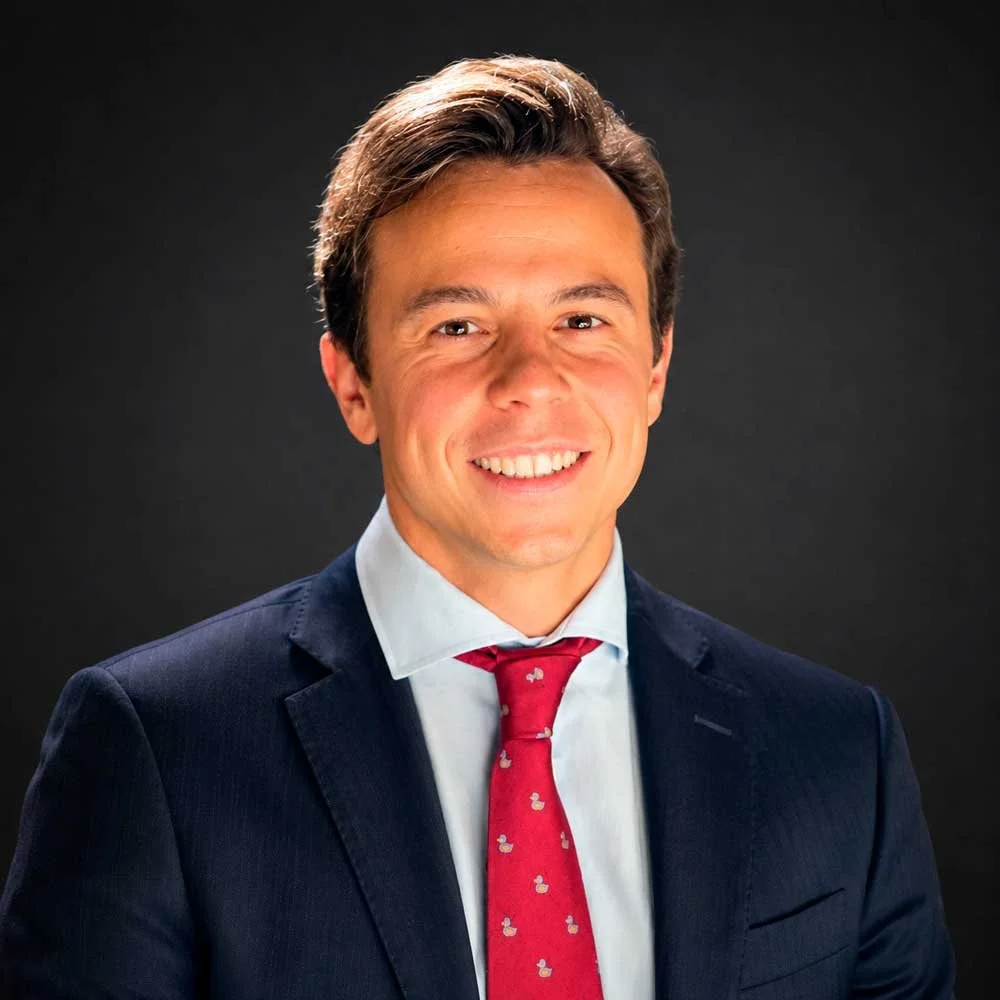
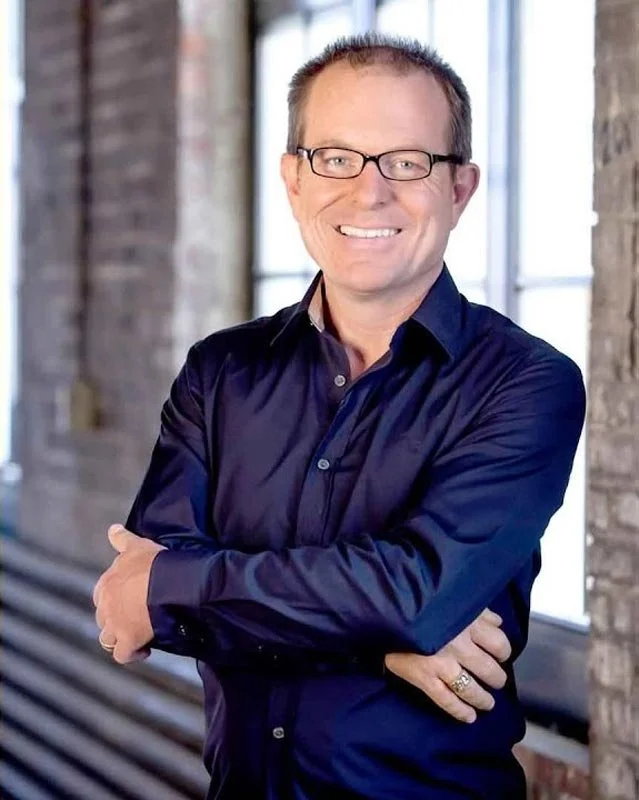
David Kieve has been on the front lines of some of the most critical environmental debates of our time. Before becoming president of EDF Action, the advocacy and political arm of the Environmental Defense Fund, he was in the White House as the director of public engagement at the Council on Environmental Quality. But his journey to the West Wing started on the campaign trail, where he was tasked with a unique role: convincing a broad coalition of voters that Joe Biden was the candidate to tackle the climate crisis. He is a strategist who understands not just the science of climate change but what it takes to implement those policies. We talk about connecting climate policy to everyday costs and the political will required to confront climate change.
THE CREATIVE PROCESS · ONE PLANET PODCAST
The trouble is that there are segments of society that are suspicious of expertise. Considering the administration's decision to rescind the EPA’s endangerment finding and gut regulatory protections, how do you organize and mobilize a response to this kind of foundational attack on the very basis of environmental law?
KIEVE
I think that's right. Yes, I think my role and where I'm most comfortable is focusing in on the economic harms that the choices this administration is making will limit access to affordable, clean energy. Affordable energy overall, and that they will wind up harming the American people.
THE CREATIVE PROCESS · ONE PLANET PODCAST
Yeah, exactly. It's about getting that messaging right because, as you say, the election wasn't a referendum on the environment. It was a referendum. I think it came from a lot of people feeling left out, this urban-rural divide, and the everyday costs were important to them, but it didn't quite line up with what I believe the solutions were offered by both candidates on the table.
So, your work involves connecting climate policy to everyday costs. How do you at the EDF Action ensure that those economic benefits of a clean energy transition and the political messaging around it reach those most vulnerable communities? Those communities that may be Trump voters now, often in rural areas, who are already dealing with crumbling infrastructure and experiencing the first impacts of climate change. The benefits of sustainability just don't benefit the suburbs or urban centers.
KIEVE
That's exactly right. And that's exactly what programs like the Solar for All program, which was targeted yesterday, according to a New York Times story, by the Trump administration, are meant to address. The government is effectively reneging on commitments they made to community-based groups to help them install solar.
That's being challenged. The Trump administration, during his first term, had a spectacularly poor record in court. We are seeing a lot of confidence in them based on the reshaping of the Supreme Court and the fact that Trump appointed three Supreme Court justices. But at the end of the day, the facts and the law matter tremendously.
EDF is standing up and fighting the Trump administration in court every single day. We believe, based on the facts and the law, that we have very good cases and expect to see more wins than not. When the government sets aside all of the things they need to do to land appropriately and just say, "We don't care. This is what Donald Trump wants," there is recourse to step in, intervene, and challenge that. They were sloppy the first time he was president. They're even more brazen now.
THE CREATIVE PROCESS · ONE PLANET PODCAST
Yeah. Another focus is addressing those daily costs. It's really hitting us now. We’re beginning to see what makes it more difficult because the administration has canceled tax credits for clean energy projects and is actively promoting fossil fuels. All these market signals that were so promising under the Inflation Reduction Act have been reversed.
So, how does EDF Action pivot its strategy from supporting a growing clean energy economy to defending the gains already made while pushing back against this new "drill, baby, drill" doctrine? Where do we see those opportunities for market-based solutions when we just don’t have that federal government support, incentivizing them?
KIEVE
Those are challenges and questions we think about every single day. I love that the rallying cry of the One Planet Podcast is that the only thing we can't do is nothing. We agree completely with that, and I think we have an important role to play in educating our audience and the broader public about what's going on and just what the impacts will be on them.
What your audience probably knows, but that very few people throughout America do, is that 93% of new generating capacity that came online in the power sector last year came from renewable sources or batteries. If you've got an administration that is trying actively to stomp out clean energy at absolutely every turn, someone’s going to have to pay for that.
And that someone, unfortunately, is American taxpayers or American ratepayers. What we saw in the 2024 election was effectively the American people spoke loudly and said that they thought things cost too much in this country, and they voted for Donald Trump because they thought he would do something about it. He’s moving us in the wrong direction, not the right direction, especially as it relates to energy prices. A story in Newsweek just this past week revealed they are rising at a rate higher than inflation for groceries and higher than the rate of inflation for housing. The decisions that President Trump and his administration are making every single day are hurting the American people in their wallets.
THE CREATIVE PROCESS · ONE PLANET PODCAST
We just had Rebecca Tickell, the environmental documentary filmmaker, come to talk about regenerative agriculture on our show. I guess that's approaching a tipping point in terms of not a lot of people realizing that regenerative agriculture can draw down the carbon that we are emitting into our atmosphere. It can do that at scale, as long as people get behind it. It's growing gradually, but she says we're heading towards a tipping point and gaining a lot of awareness on that now, too.
KIEVE
One of the things that EDF has long worked on is the understanding that we're not going to make progress just by convincing people who are already convinced and who are doing what they ought to be doing.
We've worked with some of the firms that are some of the largest emitters. EDF is central to the development of something called the Dairy Methane Ag Alliance, which is working to bring down agricultural emissions from methane through voluntary partnerships with huge dairy producers around the world.
THE CREATIVE PROCESS · ONE PLANET PODCAST
So, tell us about climate champions.
KIEVE
Climate champions are everywhere, and they don’t all look or sound the same. EDF Action, as the political partner of the Environmental Defense Fund, has a toolkit that allows us to lean in and participate in elections.
We’ve organized under the banner of Climate Voters Unite. For the past several years, we’ve turned out more volunteers and EDF Action members to participate in elections, showing up at the times when climate champions need us most, in the places where they need us most, to do the hard work that helps win elections.
I myself get anxious around election season, and I’ve found the only cure for that anxiety is to grab a packet, go out, knock doors, and talk to voters. It’s the only foolproof method I have for feeling like I'm participating in a meaningful way and getting out there and talking to folks.
You can educate someone who knows nothing about climate, but that might have some speed bumps and take some time. We do a little bit of that. However, helping to ensure that people seeking office—whether they’re running for city council, state legislature, Congress, or president—are motivated by a belief that we need to do something to address the climate crisis short-circuits the system a bit. You know someone's motives are already aligned with yours, and you know they're likely to do the right thing if they get into office.
We’ve had a pretty good success rate at electing climate champions, and it's happened all over this country.
THE CREATIVE PROCESS · ONE PLANET PODCAST
Yeah, and they have the charisma and the energy, and people just want to see that momentum, and they know it's right. I mean, everyone in the back of their mind, whether they're saying it or voting or they're affected by lobbies or whatever.
You just know, common sense tells you that it's not right to trash the planet you live on for yourself or for future generations. You just know that that's wrong. So, you just have to tap into that sense of right and the sense of energy for those leaders going forward.
So you talked about winning elections. The political fight over climate is now more intense than ever. The administration is using those executive orders and regulatory changes to swiftly reverse years of policy. So, what is the most critical lesson you've learned from this new wave of deregulation and the environmental movement?
How can we apply this to win future political battles? I mean, what kind of strategy do you see for building that broad coalition against an administration that is actively targeting states and cities that pursue their own climate agendas? Can climate still be part of a winning presidential campaign?
KIEVE
I do not believe that the 2024 election was a referendum on climate. What I said consistently in the run-up to the election is, well, of course, climate matters because so much of the progress that was made over the past four years on economic recovery and on rebuilding has been intertwined with the administration's commitments on climate. I've never seen an election that wasn't a referendum to some degree on the economy.
What we saw was that the policies that we enacted over the past four years of the Biden administration were working, and they were working really, really well. There's been some acknowledgment from that, from some strange corners. CBS News just issued a report, and we'll make sure we share it with you after the fact that showed the internal analysis that EPA did about removing something called the endangerment finding, which I'd be happy to discuss if you'd like to.
Removing it would actually raise gas prices for American consumers, and it would cost as many as 500,000 American manufacturing jobs. You can't make ideologically based decisions to privilege and promote pollution that harms the American people and not expect that to have some political consequence. So, I believe the 2024 election was absolutely not a referendum on climate.
It wasn't a refutation of climate priorities to the degree that the American people were speaking. What they were saying was that they would like costs to go down. We're seeing actions taken by this administration that go completely in the opposite direction. I feel really powerfully that it is not just an opportunity, but an obligation to raise my voice and leverage some of the expertise within my organization so that everyone is aware of exactly what is happening.
THE CREATIVE PROCESS · ONE PLANET PODCAST
Yeah, I mean, cost savings, health savings, environmental savings—these are all reasons on the plus side. If that doesn't convince you, I know that Trump and America really love winning. Trump is always saying we'll be winning so much that we'll get sick of winning.
At the present time, China has just become the world's first electoral state. We see the US, of course, has withdrawn from the Paris Agreement and UNESCO, leaving a vacuum in leadership for China to move in on climate issues, because we do need a leader to spur that change.
I don’t mind who it is, as long as it makes it accessible in the time that we need. We need to transition quickly rather than taking forever. So, just reflect then on what that signaling first about America no longer being in the Paris Agreement and UNESCO means. How does that affect your strategy at EDF? I know you're focused on America, but it does affect things.
KIEVE
Look, I mean, I joke. EDF Action is entirely focused on America and American politics, so my joke is that I'm a domestic cat and they don't let me out of the house very often.
But it has been a source of pride to see America step into a leadership role in addressing the climate crisis that we, as the historical largest emitter in the world, have done so much to create. I think the word you used is absolutely accurate: abdication. We are abdicating our opportunity and our position of global leadership right now.
THE CREATIVE PROCESS · ONE PLANET PODCAST
And now you have children and a lot of young people in our project, and all of us really have been affected from time to time by this eco-anxiety. I mean, what is your advice to them? How can they be effective advocates and not be overcome by the many fires to put out, both literal and metaphorical?
There's so much to do, and how do they keep a level head? What do you tell your children?
KIEVE
Yeah, well, I mean, my kids are a little young to drag them out door-knocking with me. But we've talked about this subsidy for metallurgical coal and how it breeds more cynicism in our political process, which is widespread everywhere. It leads people to a very rational decision that their voice doesn't matter in the political process.
What I tell other folks interested in seeing the world become more like we all want it to look is that at a time when civic participation is lower and political participation is lower, that makes your voice more important than it otherwise would have been.
The number of real substantive conversations with elected officials that they have with their constituents who are informed, who know what they're talking about, and who care—that's why a lot of these people ran for office in the first place.
When you have a really substantive conversation about issues you care about with an elected leader, you can see them react positively to that. It restores some of their faith in our institutions and the institutions they're working in. So, I encourage folks to raise their voices.
I encourage them not to give in to pessimism and cynicism, even though it's a very, very easy time to feel that way. The only thing that has ever created change in this world is people raising their voices and demanding it. We have to keep doing that despite worrying that it falls on deaf ears.
THE CREATIVE PROCESS · ONE PLANET PODCAST
So you talked a little bit about family. I'm wondering what started you on your journey, this life of stewardship, of responsibility to the planet and to the next generation? How did you begin?
KIEVE
I've always been interested in politics and the political process, and I believe deeply that we all have a responsibility to try to create the world we want to live in.
The way I saw myself doing that was by helping to elect people who aligned with my values. I started as sort of a generalist. I came to the climate movement a little later in life, but it had always been a concern and interest of mine. Having the opportunity to advocate in a leading way for changes that make a big difference in the lives of everyone has truly been the honor of a lifetime for me and the most meaningful work I've ever done.
THE CREATIVE PROCESS · ONE PLANET PODCAST
Part of this fight for protecting our planet for future generations is, you know, embracing and appreciating the beauty and wonder of the natural world. I see that you have photographs on your wall celebrating the seasons, from spring to winter. Could you share with our listeners your reflections and memories of the beauty and wonder of the natural world?
KIEVE
I've been talking about it a fair amount because my son, who’s 11, the oldest of my two children, has been off at camp in Colorado for the past three plus weeks, and I'm picking him up on Monday. Heading down to New Mexico, which is a special place to me. I was really, really lucky in that my grandparents had a ranch.
I grew up in a city but spent my summers largely out in nature at their ranch and at my other grandparents' home in New Mexico, learning to ride horses, camping, and spending time outdoors. My son is getting a similar experience this summer with his cousin and others at a western ranch in southern Colorado.
Those experiences were absolutely formative for me, and they're volatile and fragile. The ranch hadn't been in the family for a very, very long time. I learned a couple of years ago that it had burned in some of the worst wildfires in New Mexico's history. It's impossible and irresponsible not to draw the connection between the decisions we, as a society, are making to allow the climate crisis to move forward and the human impacts that are happening in places like the community my grandparents were a part of.