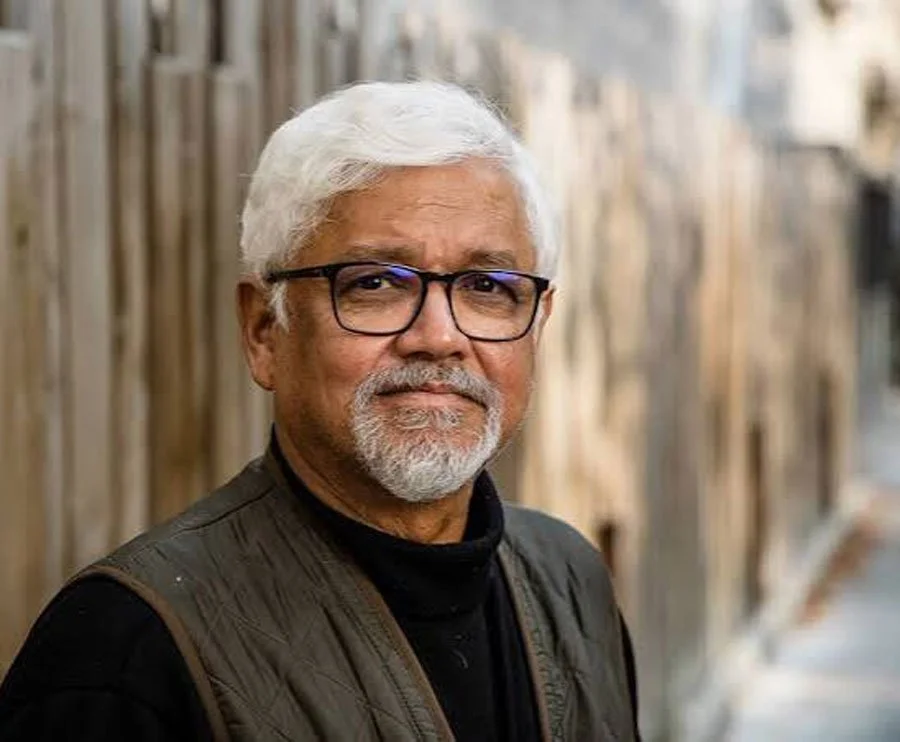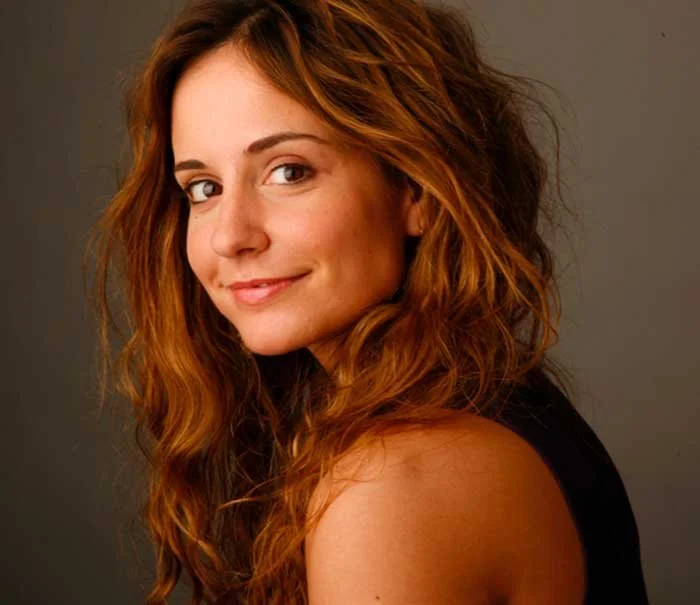


Fanny Allié was born in Montpellier, South of France. She received her Master’s Degree from the Ecole Nationale Supérieure de la Photographie in Arles, France in 2005. Kaliner Gallery, Giovanni Bonelli Gallery, Princeton University, NYC Parks & Recreation, Hudson Yardw Alliance, St Eustache Church (Paris, France) have organized solo exhibitions and public installations of her work. Fanny is the recipient of various fellowships including AIM (Bronx Museum), Foundation for Contemporary Arts, A.I.R. Fellowship Program, Robert Blackburn Printmaking Fellowship, EFA Studio Program, Yaddo Residency, Dieu Donné Workspace Residency, NYSCA/NYFA Fellowship, MacDowell Residency and a Puffin Foundation Grant. @rachelgladfelter
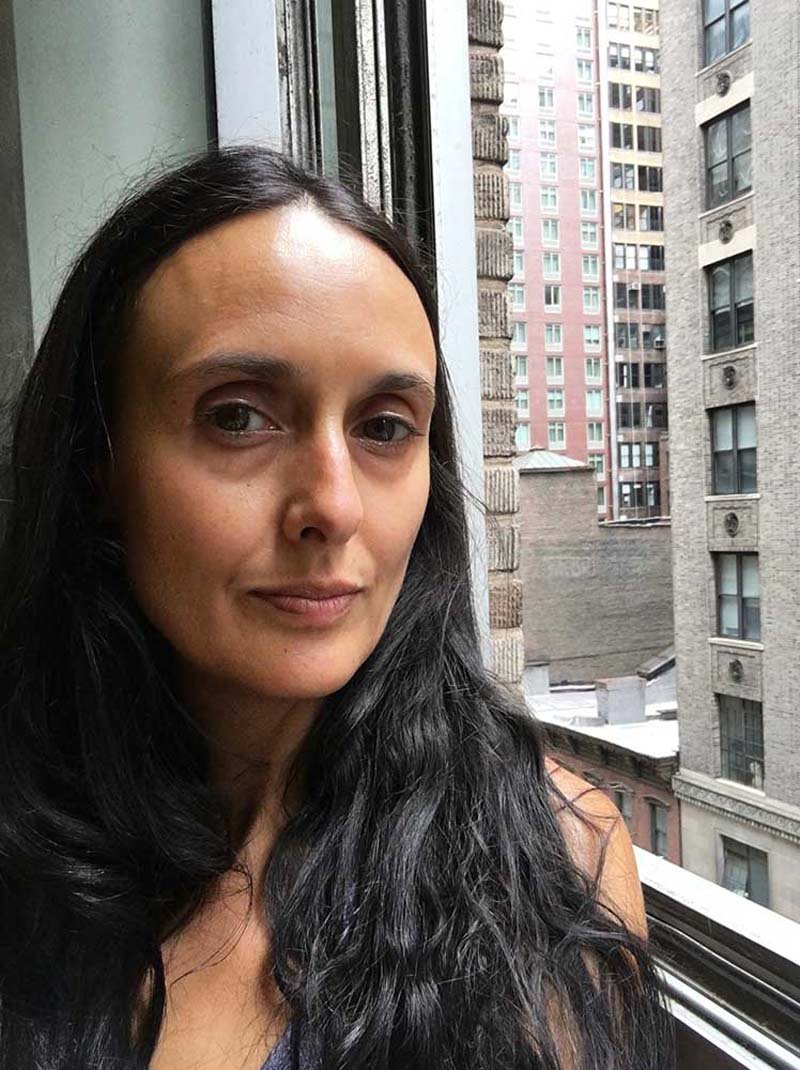
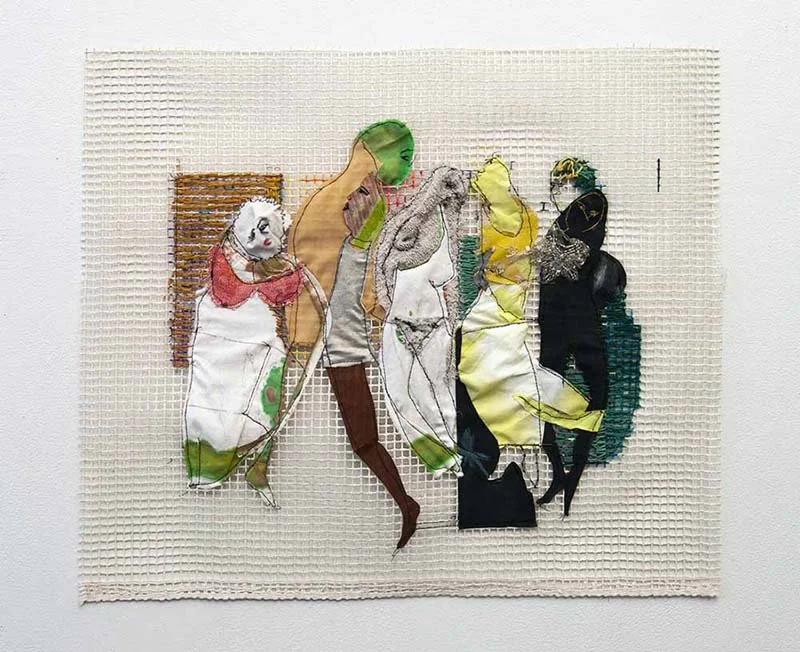
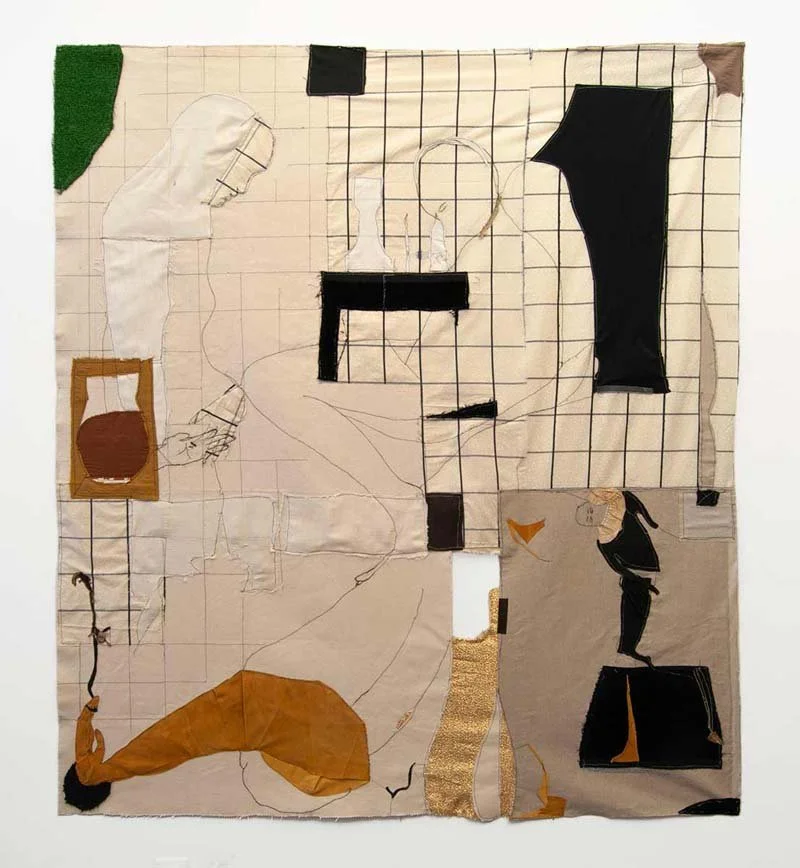
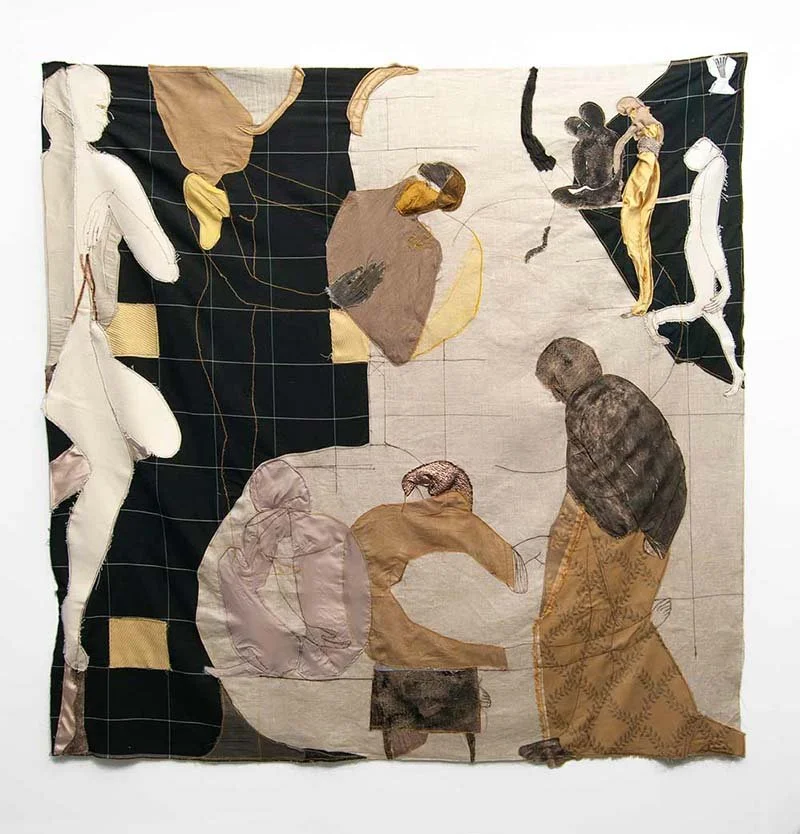
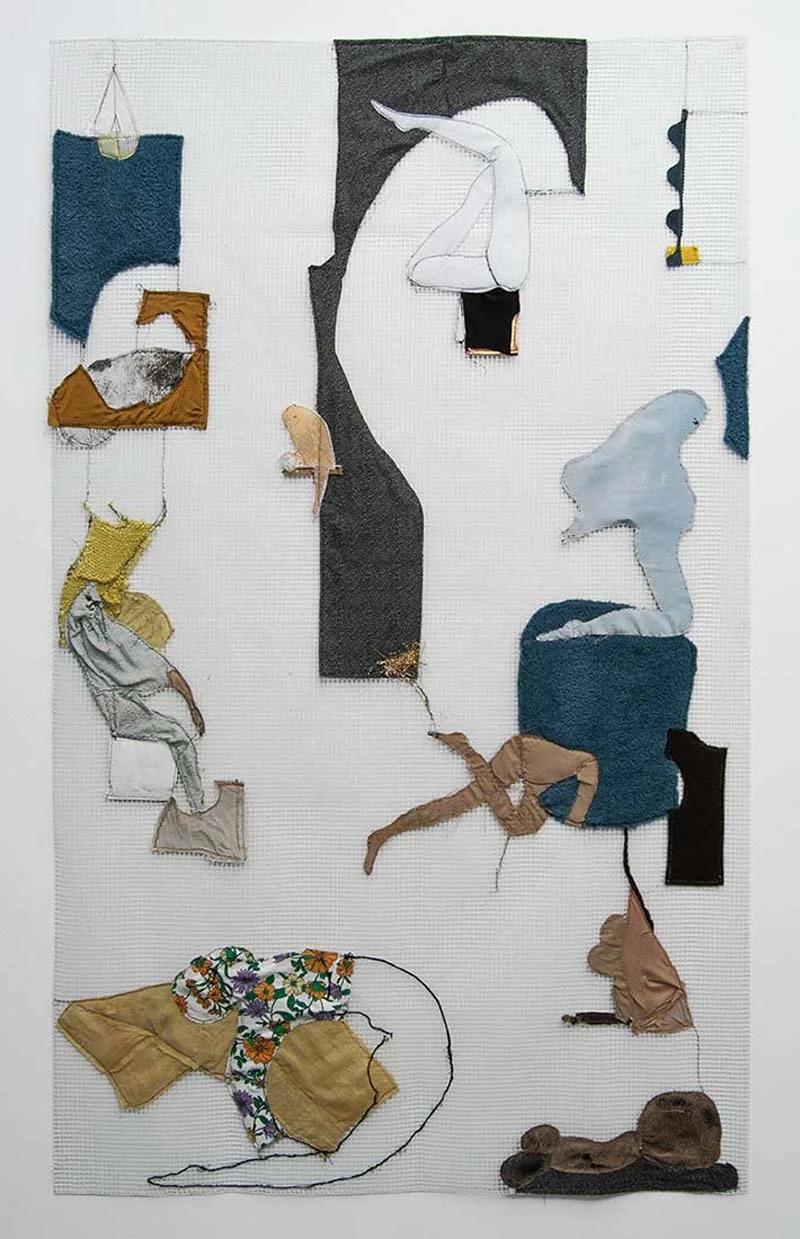
Can you describe how your early life in France has been a source of inspiration? I was born and raised in Montpellier in the South of France. I left Montpellier when I was 20 to study photography in Arles, France (at the National Superior School of Photography). Growing up and studying in small cities made me experience the world and interact with people in a very direct and local way. It was also a different era. I didn't have a cellphone, just a landline, and if you wanted to meet up with people, you just had to set a specific appointment.
When did you first fall in love with art and realize you wanted to be an artist? For you, what is the importance of the arts? At 16, I started staging and photographing my two sisters (older and younger than me), having them wear costumes and props. It was my first creative experience, and it was very free and intuitive. I didn't fully realize I wanted to be an artist then, but I became obsessed with taking pictures of my family and my surroundings. I also learned how to develop my own films at a community center around that age.
Art is an important tool that can connect people together and which can trigger emotions. Art makes us feel more alive.
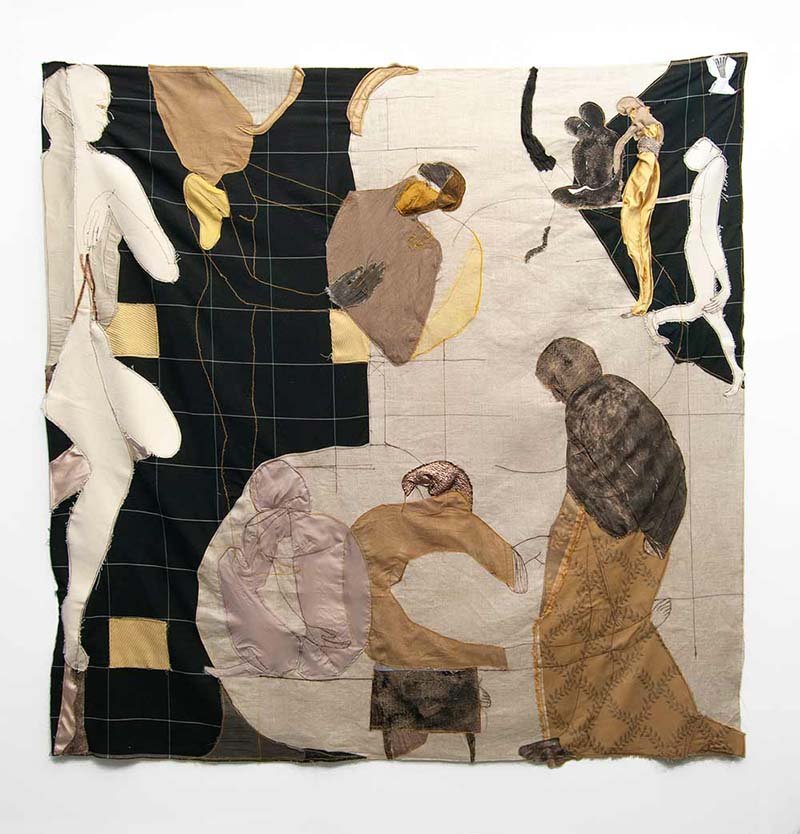
What does your typical day in the studio look like? Walk us through your studio and your most used materials and tools. When I'm in the studio and working on a piece, I keep re-arranging the various scraps together that I place on the floor of my studio. I use sewing pins to attach the pieces to each other, I pin, unpin, and draw, erase, until I reach the beginning of something, like a first draft. Then, once all the parts of that draft are pinned together, I put the piece up on the wall and observe it from different angles, the flow of it. I keep doing this back and forth until the piece is ready to be sewn.
The tools I use the most are scissors, a pencil, a white charcoal pencil, pins, a hammer, and a level.
What projects are you at work on at the moment? And what themes or ideas are currently driving your work? I work on several pieces at the same time, larger pieces with larger figures. I will be included in 2 group shows in the Fall, and I just completed a piece for one of these group shows. I was asked by Mae Colburn, an artist and a weaver, to make a piece using wool skirts that were collected by her grandmother throughout her life (she recently passed away). The group show's title is Wool Skirts: An Exhibition of Legacy, Stewardship, and Transformation.
The ideas that are behind my work are always about ephemerality, memory, passage, life changes, loss, and daily life. I see my pieces as journals that gather fragments/materials of daily life as well as observed gestures, interactions, and micro-moments.
What do you hope people feel when they experience your art? What are you trying to express? I hope people can feel moved or touched when they experience my work, even if they can't really explain why. I'm trying to express my subjective experience of the world in an abstracted way with the beginning of stories, imaginary landscapes, and characters inspired by reality, with a bit of magic and strangeness.
Which artists, past or present, would you like to meet? And why? There are a lot of artists that I like and whose work I admire (such as Belkis Ayon, Marisol Escobar, Ghada Amer, Louise Bourgeois, Annette Messager, Carol Rama, Huma Bhabha, Nick Cave, Judith Scott, William Kentridge. I love seeing their work in galleries, museums, or public places, but I wouldn't necessarily like to meet them.
Do you draw inspiration from music, art, or other disciplines? Besides visual art, I draw inspiration from other disciplines, mostly films and literature. I'm very much into fiction.
A great thing about living in Brooklyn is… the constant energy, the flow of people, the million cultural things to do, also a great place to experience with a child (with my 8-year-old boy)
Can you describe a project that challenged you creatively or emotionally—and how you worked through it? I can't really think of a project that challenged me (other than technically), but one that particularly moved me was a public sculpture and sound installation project in Bella Abzug Park, Hudson Yards, commissioned by Debra Simon and the Hudson Yards Hell’s Kitchen Alliance in 2022.
"Shadows," a series of 10 site-specific steel sculptures, were the outlines of the workers who maintain the park on a daily basis. The audio component was accessible with a QR code, in which the 10 participants were singing songs, whistling, humming, laughing, and sharing stories about their work, life, and family. Working with the participants and recording their songs was, to me, very emotional and precious.
Tell us about important teachers/mentors/collaborators in your life. I don't work with collaborators on a daily basis in the studio, as my practice is pretty personal and solitary. But when I am granted fellowships, I get to work with collaborators/professionals who participate in making my work evolve. The Dieu Donné Workspace Residency (2020/21) and the Robert Blackburn Printmaking Workshop Fellowship (2017) both gave me the opportunity to learn new techniques and gave me more tools to push my work further (paper making and print making).
Sustainability in the art world is an important issue. Can you share a memory or reflection about the beauty and wonder of the natural world? Does being in nature inspire your art or your process? When I do an art residency located in nature, I often bring some natural elements into my work (using the printmaking technique of collography), I print these elements on fabric, and they find their place in the work, for example, when I went to Yaddo last year. The environment in which I find myself inspires my work very much, whether it is nature or the city, but I must say that I'm more inspired by the city and all its discarded treasures.
AI is changing everything - the way we see the world, creativity, art, our ideas of beauty and the way we communicate with each other and our imaginations. What are your reflections about AI and technology? What is the importance of human art and handmade creative works over industrialized creative practices? I'm a bit scared of AI and not a big fan of technology. For example, I have a weekly planner where I write down all my appointments, and I don't use my phone, which I don't want to rely too much on. I don't think AI will replace human art. A handmade creative practice can never be completely explained (even to the maker), it comes from personal experiences and emotions. I don't think we will ever get the same thing using AI, at least I hope.
Exploring ideas, art and the creative process connects me to… myself in relationship to the world and to others.