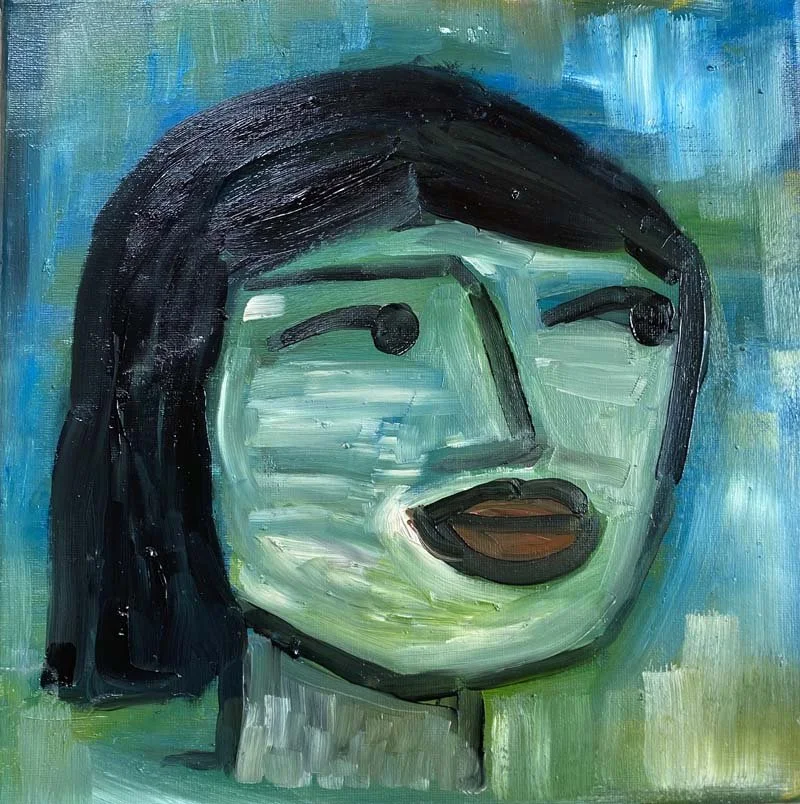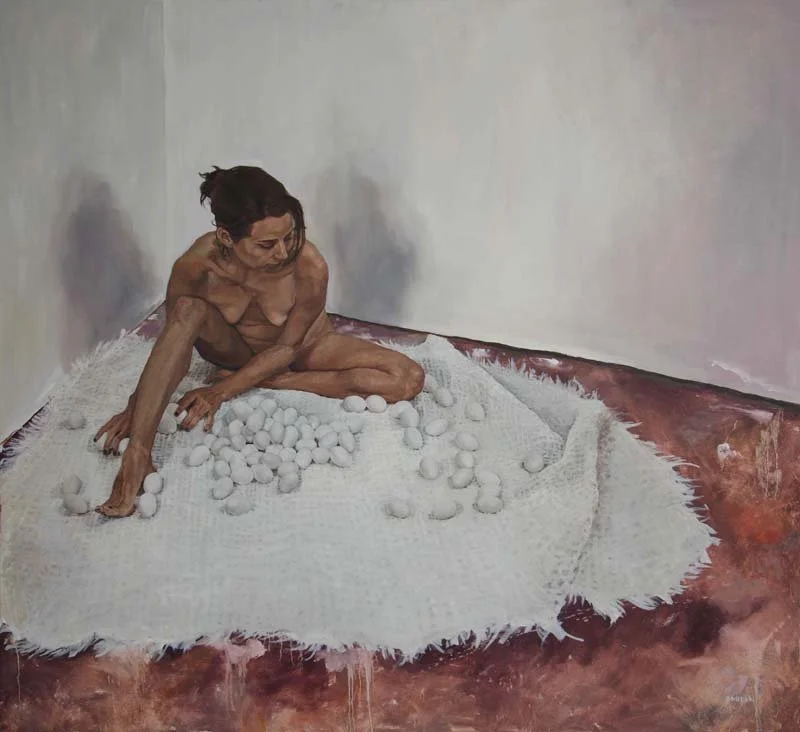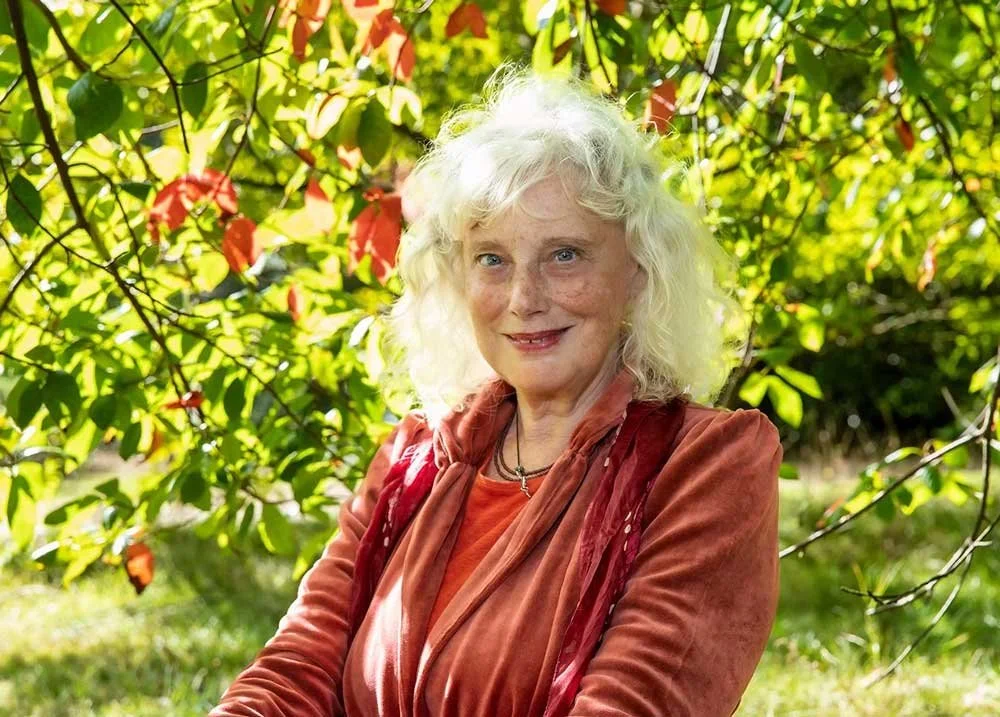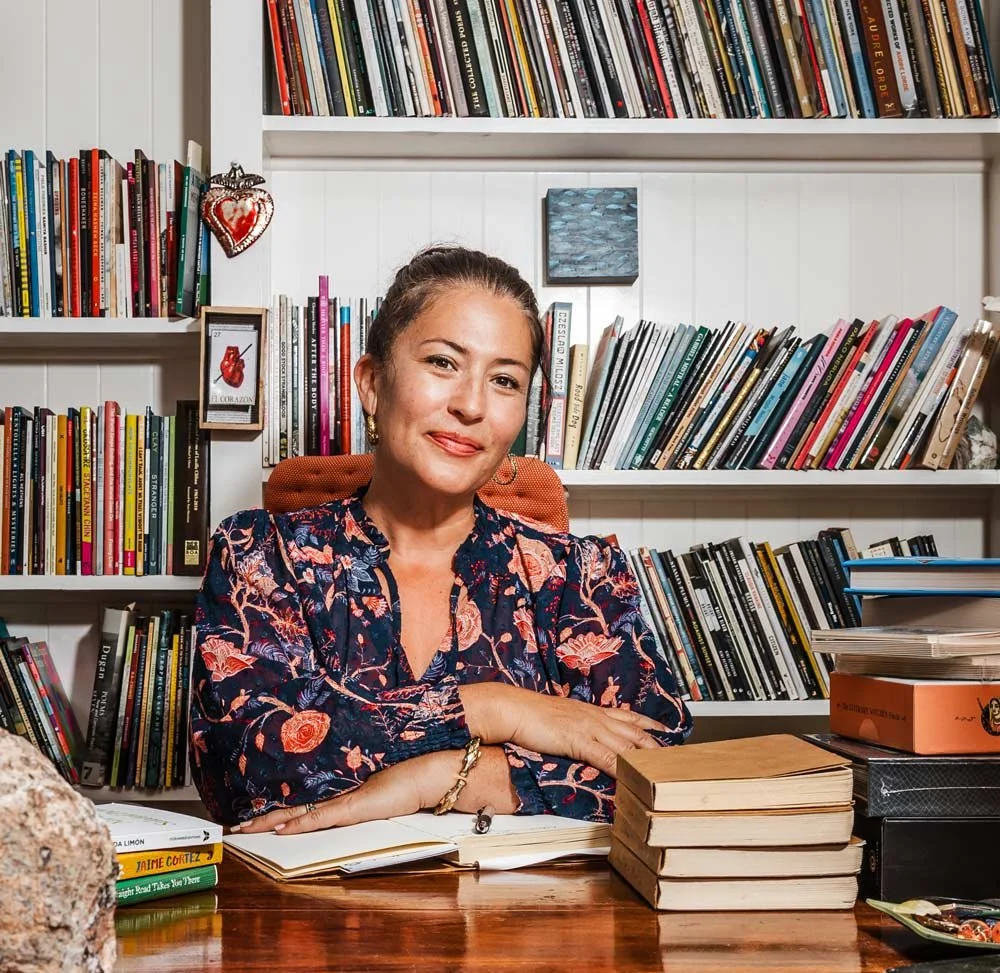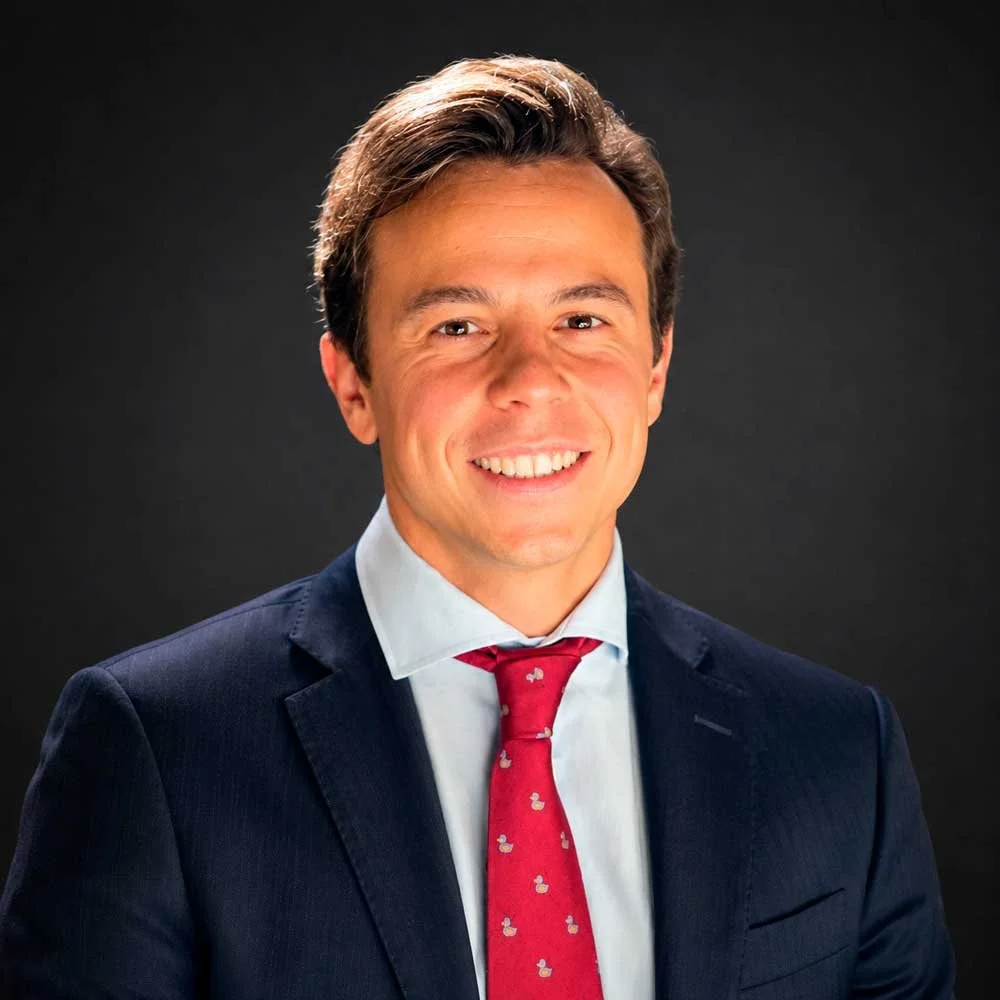


Sama Sbrissa graduated from the Higher Institute of Photography and Visual Arts in Padua. She has been a Professional Photographer for over twenty years.
Her art explores themes related to the body, identity, and human perception, using techniques that integrate visual and conceptual elements. She works predominantly in the studio, avoiding post-production manipulations that might betray the expressive and compositional truth of each shot. National and international exhibitions and recognitions have allowed her works to travel and be seen through many gazes. @samasbrissaphotographe
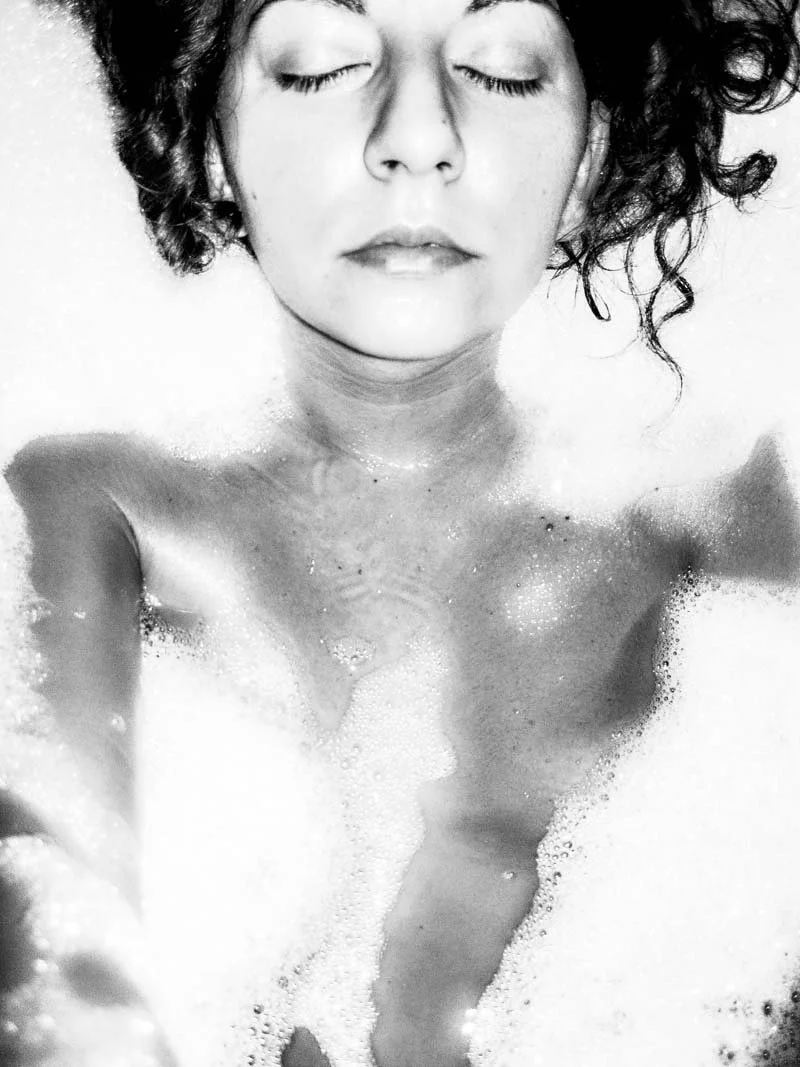

How did your formative years contribute to your artistic development? I popped into this world in Castelfranco Veneto, with a bit of Trieste thrown in from my mom's side. It's like I've got the flat countryside and the salty sea all mixed up inside me.
Growing up in Veneto, I was always daydreaming, trying to escape in my head. To be real with you, I don't think my hometown left much of a mark on me (but maybe I'm just kidding myself!). When it comes to my art stuff, I've always been more about putting my feelings out there rather than drawing what's around me.
The way I think? It's been shaped more by books or things I've seen while traveling. It's like I've been picking up inspiration from everywhere except my own backyard!
When did you first fall in love with art and realize you wanted to be an artist? For you, what is the importance of the arts? I was just a four-year-old kid when I first got captivated by my grandpa's 8mm camera.
It was like magic when I realized that the videos he took of us were frozen on a reel, and we could replay them whenever we wanted. That's when I fell for this art that captures moments and keeps them alive forever.
To be honest, I'm still figuring out what makes someone an artist. About me? I feel more like a craftswoman.
I never really aimed to be an artist - it's something you're either born with or you're not. It's this innate thing. Sure, you can develop it, but if you don't have that spark, you just can't fully get it.
For me, art is an escape hatch and, more importantly, a way to process all the emotions and experiences I've had in life.
It's a form of expression that gives life meaning and paints it with a whole spectrum of colors.
What does your typical day in the studio look like? Walk us through your studio and your most used materials and tools. As soon as I've shipped the kids off to school, I try to optimize space and time by transforming my house into my studio. That’s my studio, and that’s my time!
I love to constantly experiment with different materials, always favoring hands-on work and spending time in direct contact with the materials. I use my hands and get messy - less computer time and more tactile and visual experiences.
I prefer to keep things physical! It's all about feeling the textures and seeing the colors up close. Sure, technology has its place, but for me, there's nothing quite like the real, tangible stuff.
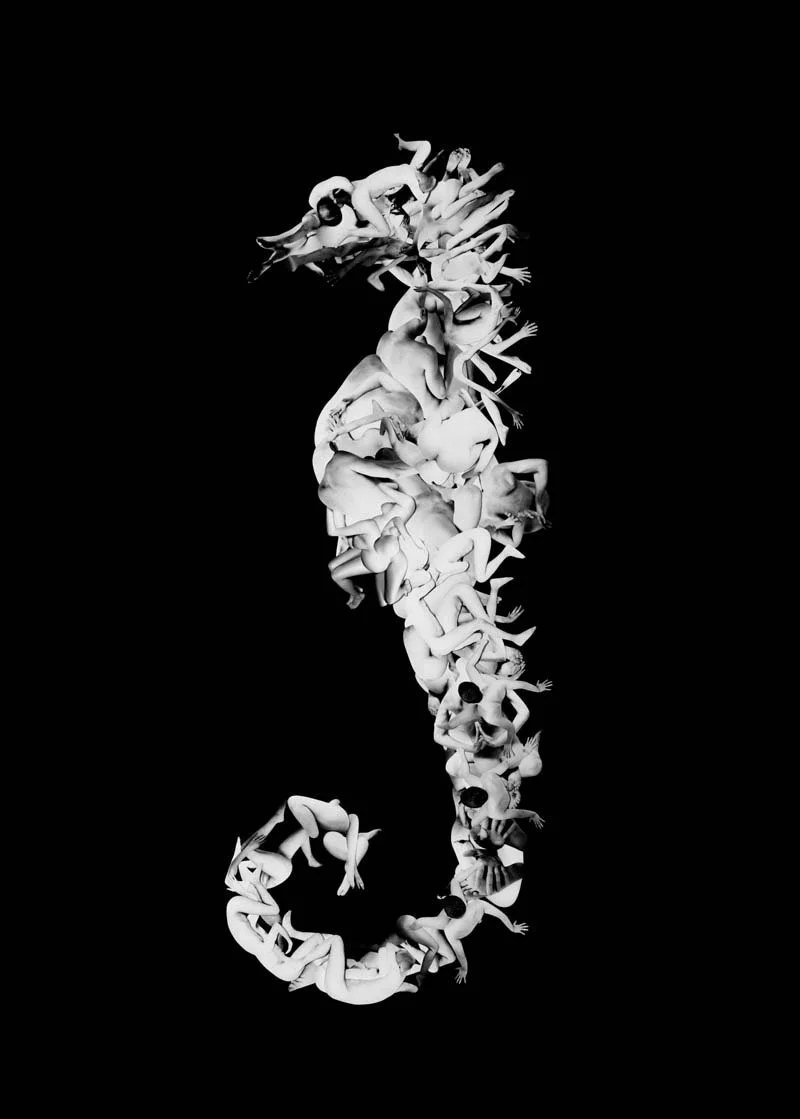
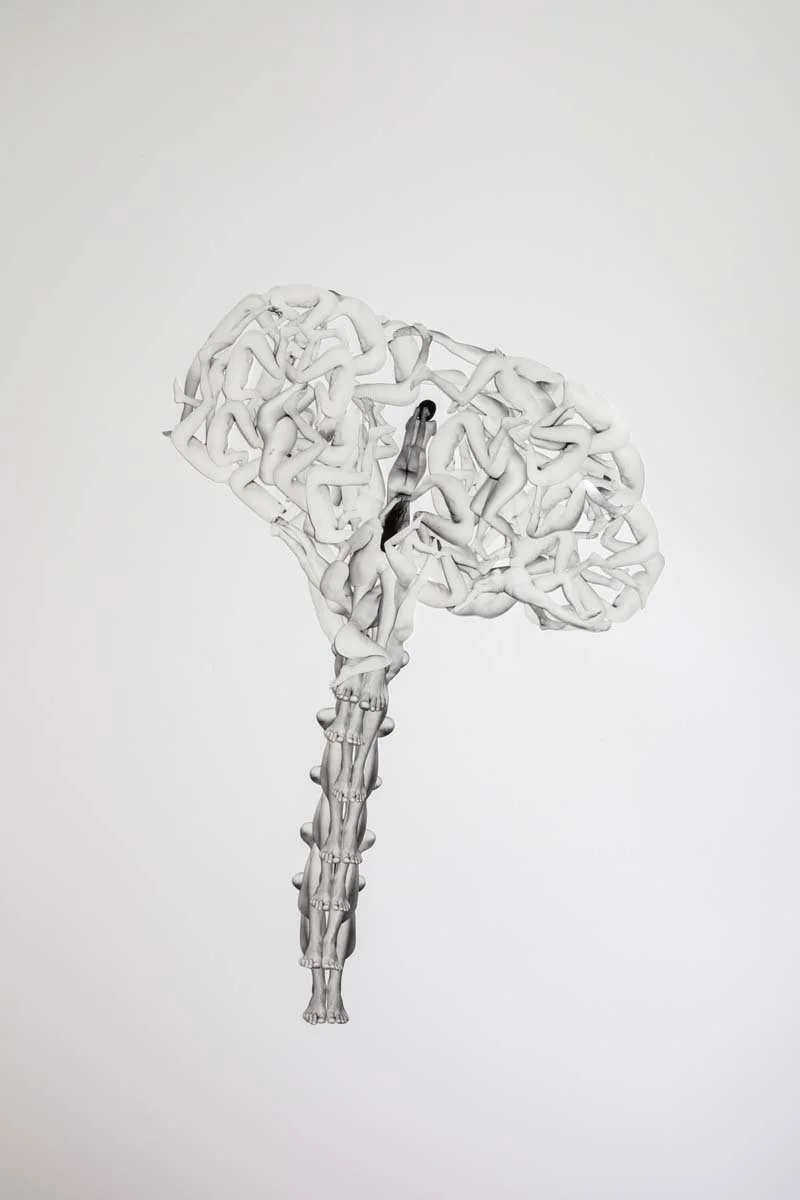
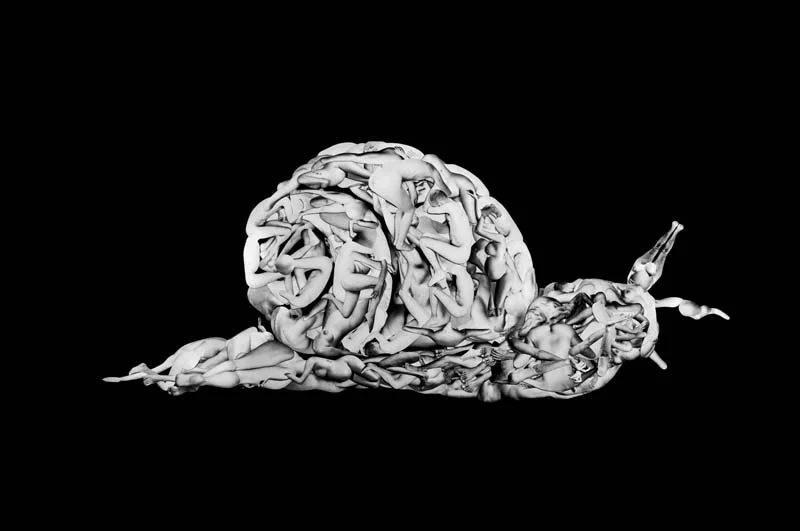
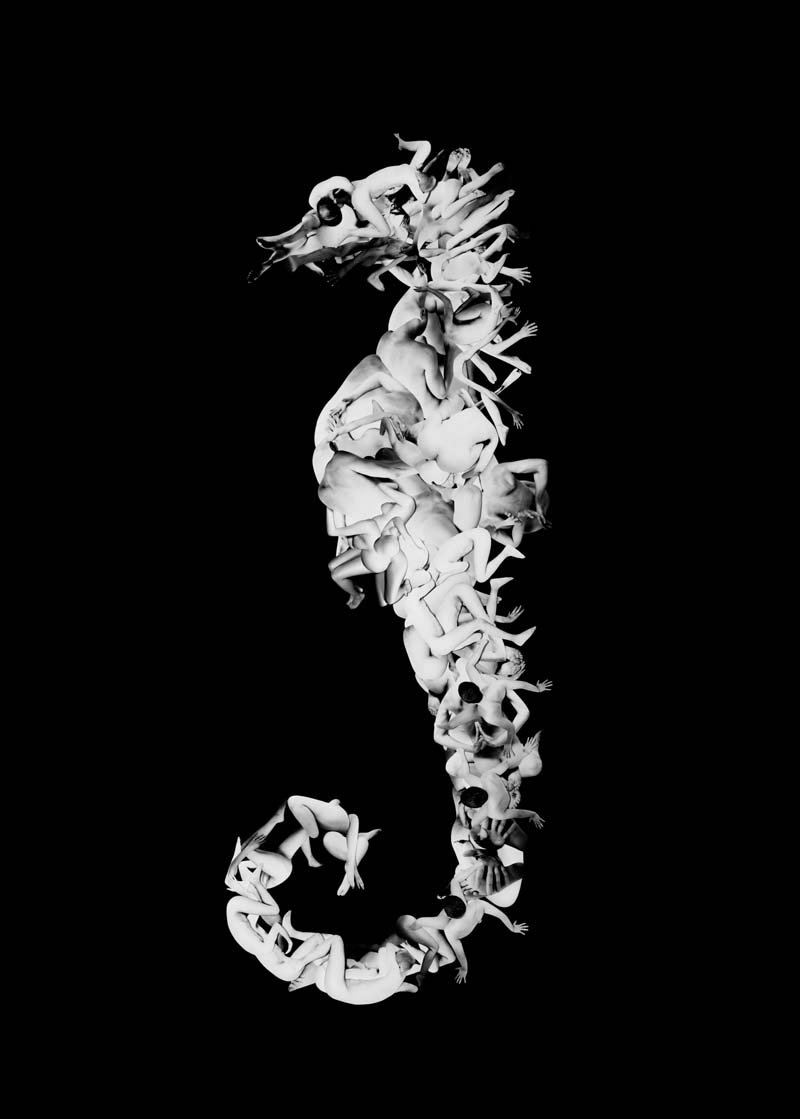
What projects are you at work on at the moment? And what themes or ideas are currently driving your work? These days, I'm mainly using a magnifying glass and scissors to cut up fine art nude photographs I've taken over the years. It's a long-term project that requires hours of manual work to recreate other subjects from these cuttings.
I have to say, I'm really fascinated by science and always try to represent something that has not only aesthetic value but also scientific significance. Initially, I was drawn to the microworld of insects, but now I'm branching out to other living forms as well.
It's a bit like being a scientist and an artist rolled into one. I'm piecing together these intricate puzzles from photographs, creating new life forms in a way. It's meticulous work, but it's incredibly rewarding.
The blend of art and science keeps me on my toes. There's always something new to discover, whether it's in the curve of a hip or the structure of a cell. It's amazing how the human form can mimic nature in the most unexpected ways.
What do you hope people feel when they experience your art? What are you trying to express? I've always enjoyed stirring up interest and amazement, sometimes even a bit of unease. I love the idea of that "wow" moment - managing to provoke an immediate surprise followed by careful observation.
It doesn't really matter what emotion I evoke; the important thing is to trigger something.
You know, it's like being a magician of emotions. One moment you're looking at my work, and the next - bam! - you're feeling something you didn't expect. It could be wonder, it could be discomfort, but as long as it's not indifference, I'm happy.
I guess you could say I'm in the business of reaction. Whether it's a gasp, a lean-in for a closer look, or even a step back, that's what I'm after. Art, in my book, should be a conversation starter, not just wall decoration.
Which artists, past or present, would you like to meet? And why? It'd be amazing to have tea with Diane Arbus. I've read that when she had guests over, she'd put salt in their tea instead of sugar to see if they were sincere and would drink it while saying something nice. I've always found her brilliant and unique in everything she did.
I'd also add a seat for Frida Kahlo and one for Francesca Woodman - two artists who've made me dream with their work.
Can you imagine the conversations? Arbus with her keen eye for the unusual, Kahlo with her raw emotion, and Woodman with her haunting self-portraits.
Do you draw inspiration from music, art, or other disciplines? Besides surrealist movements, I draw inspiration from the fascinating world of science. It's my way of giving meaning to the nonsensical. It's like the thread that ties it all together for me. It's funny how the most logical field can inspire such dreamlike creations. I guess that's my way of making sense of the world - finding the extraordinary in the ordinary, just like those artists did.
A great thing about living in Padova is… Spritz aperitif is quite cheap (it was invented here), Jokes aside, Padova – where I live now - it's quite a place. You've got students from all over, mixing with centuries of history on every street corner.
Can you describe a project that challenged you creatively or emotionally—and how you worked through it? A project that really challenged me emotionally was working through two miscarriages. I tried to confront these experiences with the help of photographic art to express myself and process the grief.
Tell us about important teachers/mentors/collaborators in your life. The most important collaborating teacher in my life, although not directly involved in my artistic projects, is the professor of my heart - and I married him.
Sustainability in the art world is an important issue. Can you share a memory or reflection about the beauty and wonder of the natural world? Does being in nature inspire your art or your process? Sustainability in the art world is indeed an important issue. As for the beauty and wonder of the natural world, it's my most precious source of inspiration for projects.
Everything comes from the beauty of animals, insect exoskeletons, and the shapes of plants and flowers. I find symmetry and perfection in the natural world - we should learn a lot from nature.
You know, it's like nature is this incredible, endless textbook. Every leaf, every bug, every petal - they're all little masterpieces just waiting to be noticed. And when you really look, you start seeing patterns and designs that are just mind-blowing.
It's not just about copying what's out there, though. It's about understanding the principles behind nature's designs. The way a flower unfolds, how a beetle's shell protects it - there's so much wisdom there. In a way, my art is like a conversation with nature, trying to speak its language through my work.
AI is changing everything - the way we see the world, creativity, art, our ideas of beauty and the way we communicate with each other and our imaginations. What are your reflections about AI and technology? What is the importance of human art and handmade creative works over industrialized creative practices? I don't really like anything that's defined as "artificial," to connect with my previous answer about my fascination with nature.
It's a tool that helps me especially with translating other languages, but I wouldn't associate it much with images.
An emotion can never be artificial, and if that ever happens, I'd prefer to die before then.
Exploring ideas, art and the creative process connects me to…
The vital breath
The heartbeat
The continuous blinking of eyelids
Skin rising with emotion
Tears falling
Laughter
Life itself
Art is life, at least mine