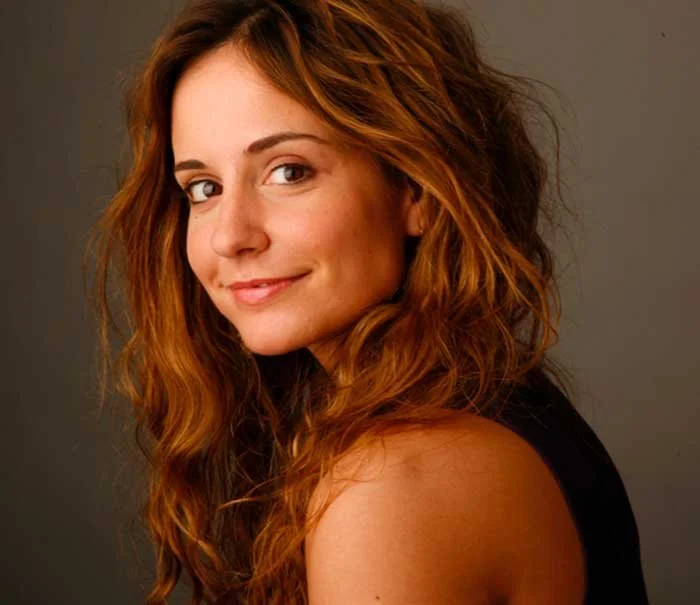


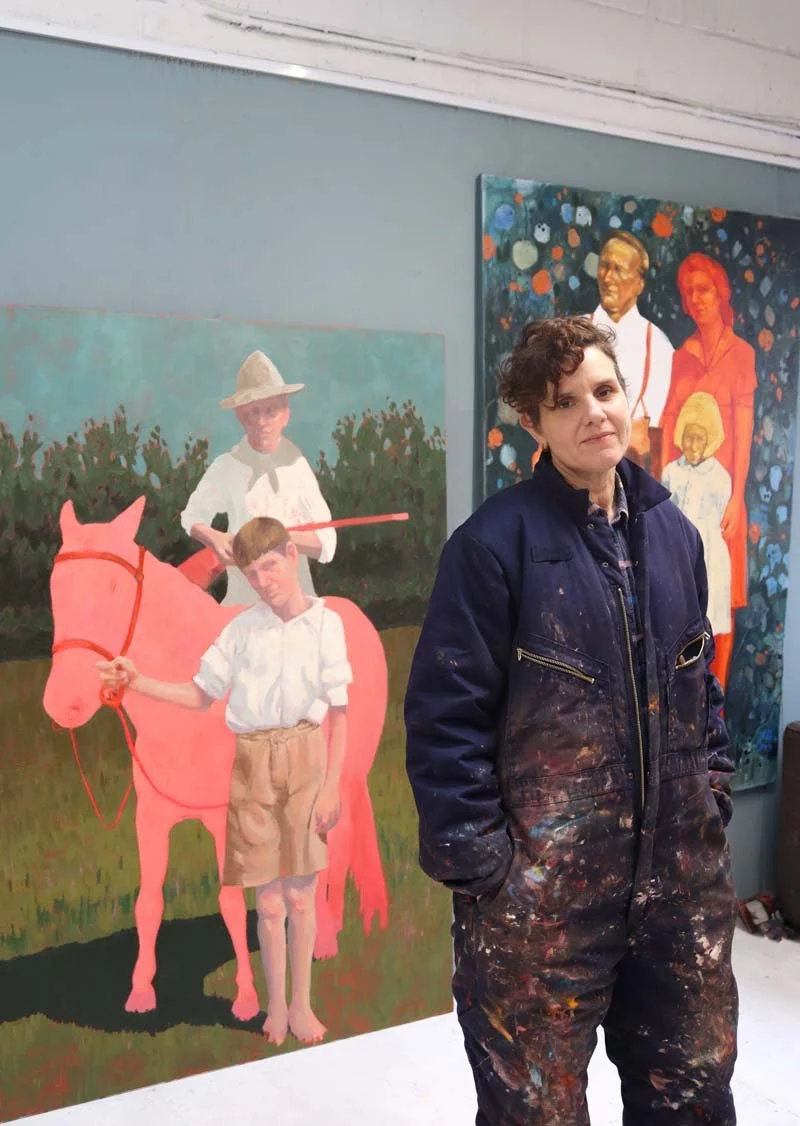
Amy Dury studied BA Printmaking at Glasgow School of Art (1993– 97) and an MA Fine Art at the University of Brighton(2000–02). She works in oil and acrylic paint, alongside drawing and mixed media.
Recent notable events include appearing on Sky Arts Portrait Artist of the Year ’21 and being accepted for the 2021 Trinity Buoy Wharf Drawing Prize. In March 2021, she conducted a livestream portrait painting session for the Tate Instagram. She was chosen to respond to Edvard Munch print for the Society of Scottish Artists 22/23 Annual Show. In 2024, she exhibited at the Royal Academy Summer Show, and in early 2025, she is a guest Presenter for two episodes of Sky Arts ‘Artist Masterclasses’. @amy_dury
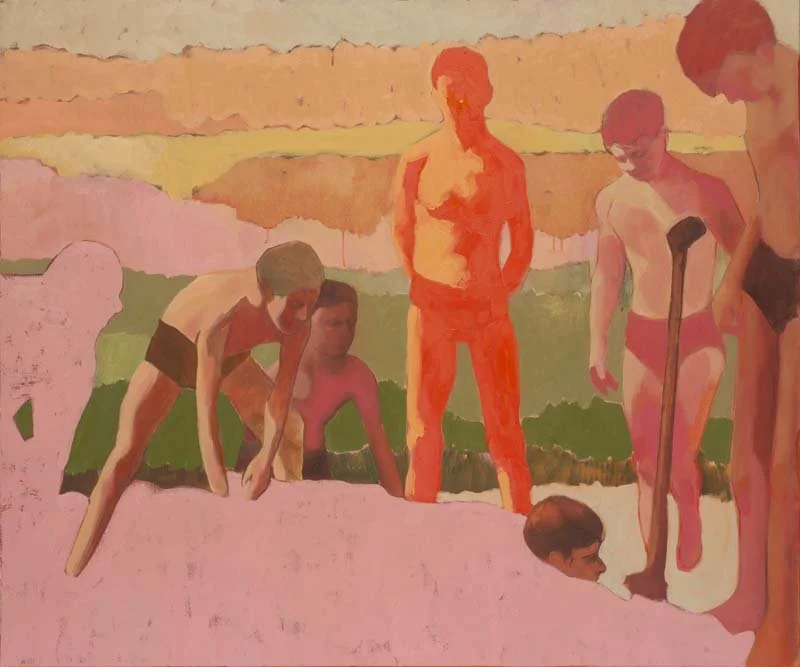
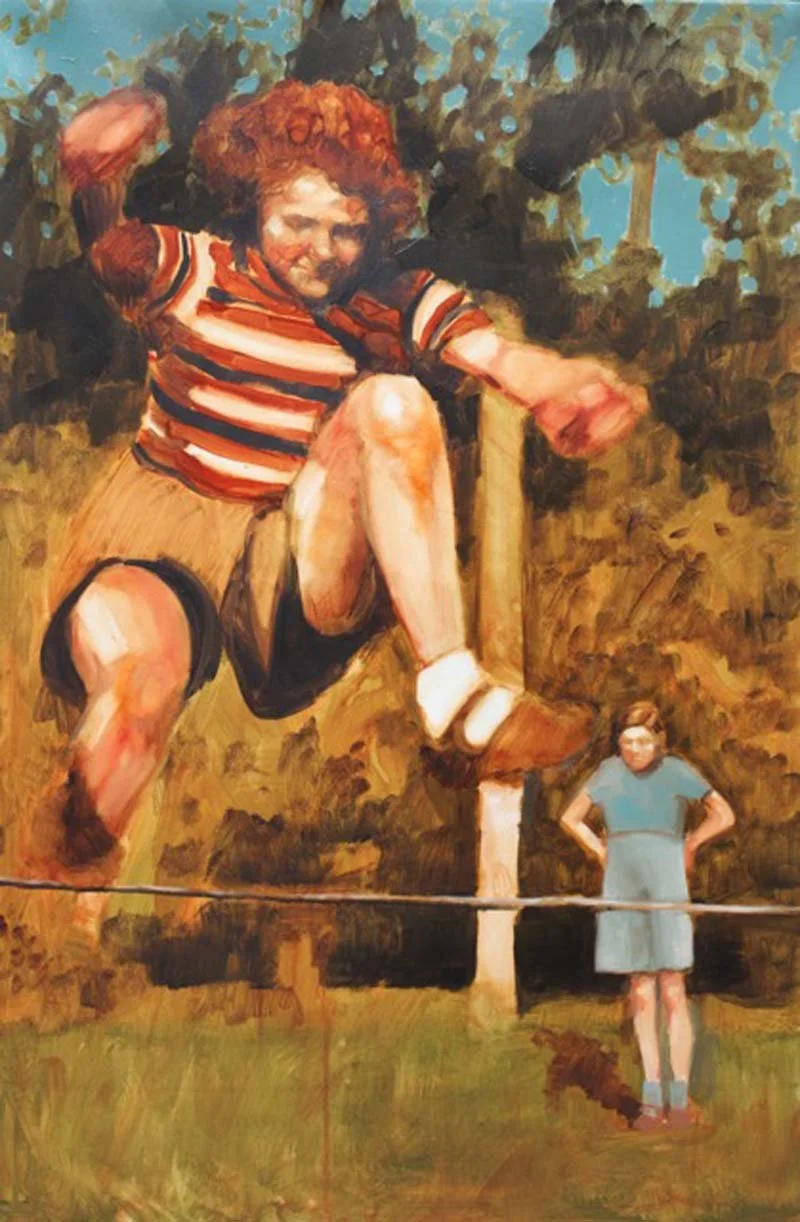
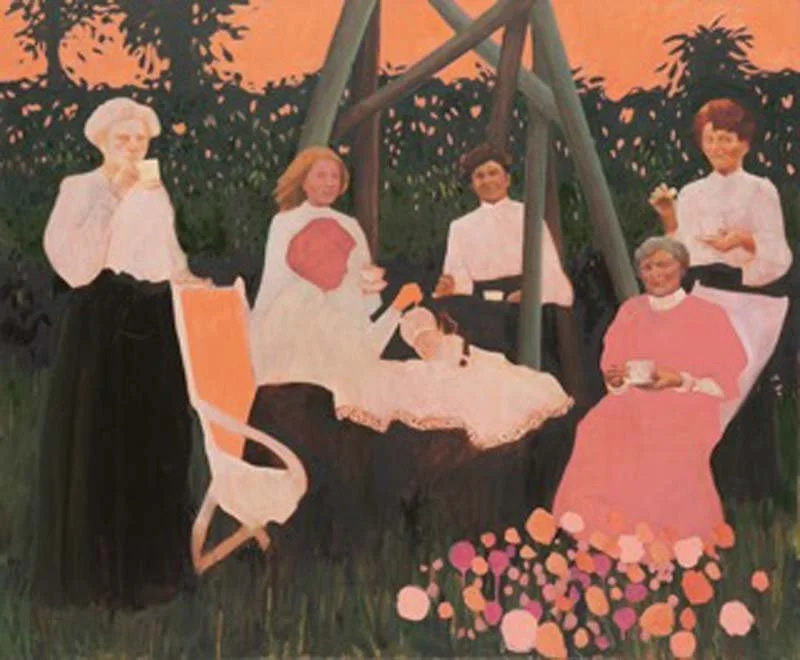
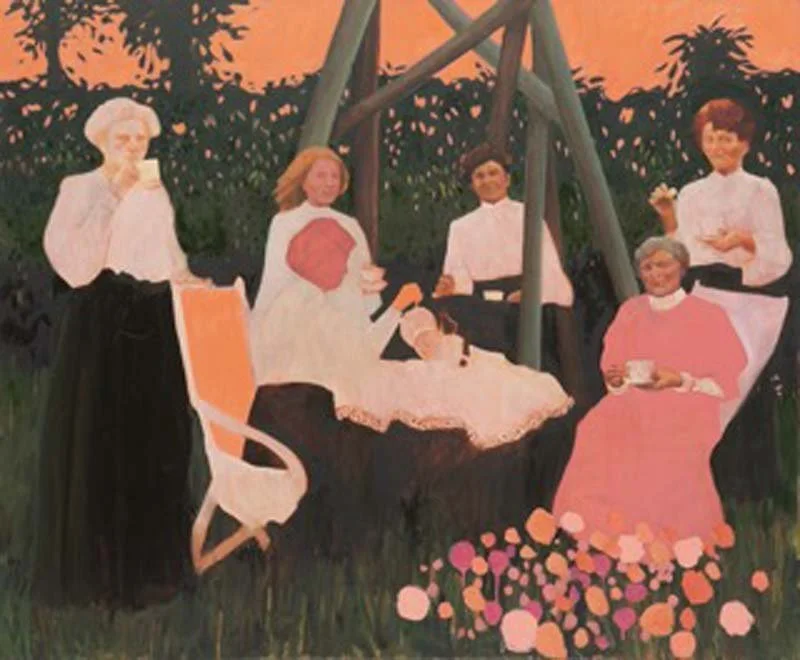
How has your background informed the themes you explore in your art? I was born and raised in South East London. My cultural identity is important to my work, and I try to find references that speak to my experiences. The England of the past was always just out of reach - there was always a certain Enid Blyton rosy-tinted view of Britishness that I loved and was nostalgic for, and the idea of nostalgia itself is very interesting to me.
When did you first fall in love with art and realize you wanted to be an artist? For you, what is the importance of the arts? I always drew and painted and wanted to go to art school - I didn't get in when I was 17 and almost gave up the idea, then decided I needed to try again and did my foundation in Belfast and degree in Glasgow. At the age of 17, I wrote to Lucian Freud to tell him how much I admired his work - and we met for lunch! I saw him on and off over the next 10 years and experienced some great London Art World experiences.
What does your typical day in the studio look like? Walk us through your studio and your most used materials and tools. I have had my own studio for one week. Before then, I was borrowing space or working in my dining room. I am so excited to have my things and books around me, and I haven't yet figured out what a normal day looks like. This also coincides with stopping my teaching job; I am on sabbatical for a year to see how the life of a full-time artist goes. SO it's all new. I’m trying to do at least 5 hours a day, and I start by writing for 12 minutes, stream of consciousness. This helps focus my thoughts and what I need to do. I paint listening to podcasts or books, and maybe go for a walk down to the sea here in Hove.
What projects are you at work on at the moment? And what themes or ideas are currently driving your work? I am preparing for my solo show in New York - Tambaran 2 Gallery, October 28th- Early December 2026. I am also working on a commission for a top European fashion brand that I will reveal when it's finished! My themes are, as ever, power, gender, expectation, and our social heritage.
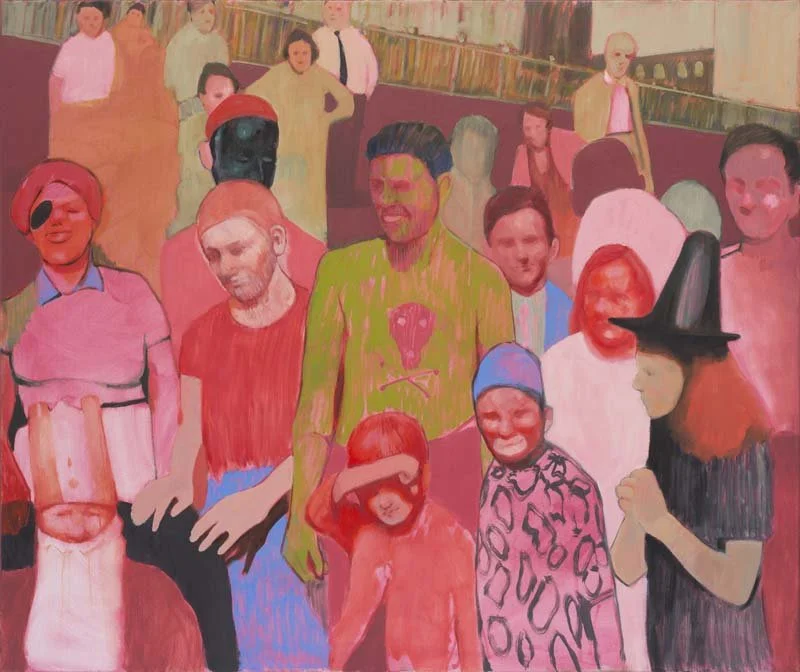
What do you hope people feel when they experience your art? What are you trying to express? Being an ‘unreliable narrator’ is a good place to play. Some people see sweet and nostalgic, some see threat and discomfort. I've painted a few pictures of small boys with pets. Innocent and charming on one hand, but in my head I'm thinking of the training men receive to be keepers, collectors, owners, controllers.... Do people know this? I don’t know.
I like people to make up their own minds about the work. If they want to see sweet nostalgia, that’s great - if they find the edge of discomfort, also great.
Which artists, past or present, would you like to meet? And why? When I was young, I revered figurative artists like Lucian Freud, Peter Howson, Ken Currie, and Jenny Saville. I was awed by Velázquez and Rembrandt on trips to galleries.
In the last few years, my main influences have been Degas, Jennifer Packer, Kaye Donachie, Doron Langberg, and Anthony Cudahy. They’re artists who use figures to tell a narrative with colour and description, weaving in and out of realism.
Do you draw inspiration from music, art, or other disciplines? I love music, but rarely listen to it anymore; it's too much in a way. I love comedy - I find stand-up really inspiring, hearing things you have not heard said before in the open...and comedy seems to be quite strong at the moment. My favourites are John Robins, Katie Norris, Jen Brister, and Laura Smyth.
A great thing about living in Brighton and Hove is…: I recently did a 3m mural on Hove seafront - I painted Mercedes Gleitz, the first woman to swim the channel, and hope that she stands for all the sea swimmers and crazy women and real people who go against traditional cartoony graffiti. Brighton and Hove is a wonderful place to live, and I love its seedy history and how it draws the unconventional and artistic to it.
Tell us about important teachers/mentors/collaborators in your life. Lucian Freud was a good mentor who had self-doubt like the rest of us. There was also my father-in-law, who, as a landscape painter of the Scottish Highlands, taught me how to first handle oil paint and paint all prima.
Sustainability in the art world is an important issue. Can you share a memory or reflection about the beauty and wonder of the natural world? Does being in nature inspire your art or your process? The natural world is everything, and I try to respect it by being largely plant-based and resourceful. Nature inspires me in so much as I revere the order of it and how this juxtaposes against our human-made systems of hierarchy and control.
AI is changing everything - the way we see the world, creativity, art, our ideas of beauty and the way we communicate with each other and our imaginations. What are your reflections about AI and technology? What is the importance of human art and handmade creative works over industrialized creative practices? AI feels terrifying - replacing the need to think, discover, and make. I can see how it has many amazing uses, but I don't yet know what it means for human purposes, which we need to feel ok.
Exploring ideas, art and the creative process connects me to our past and other humans. It's very moving to see smiling, happy faces from the past, knowing they are all now dead. It reminds me of mortality, of our ancestors and all that has gone before, good and bad. Looking at these scenes for a while confronts me with all the hopes and dreams gone by, and where we find ourselves. Painting is a form of communication. I use it to communicate with others and hope they feel something in return that is beyond language.