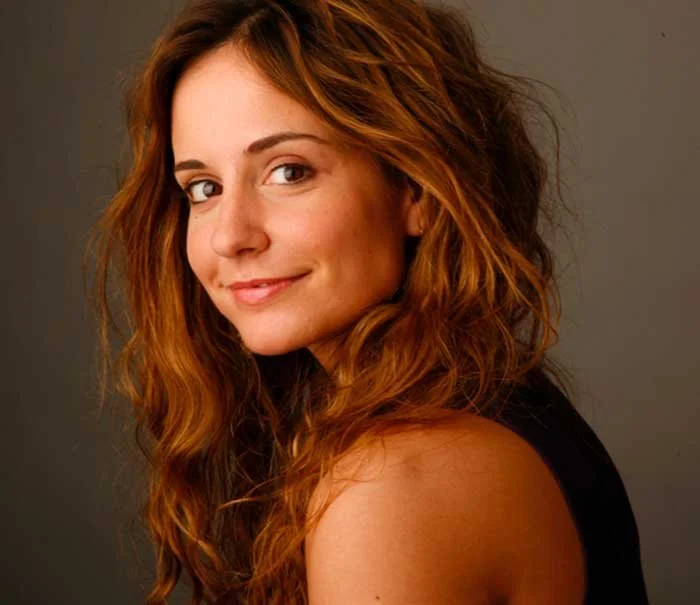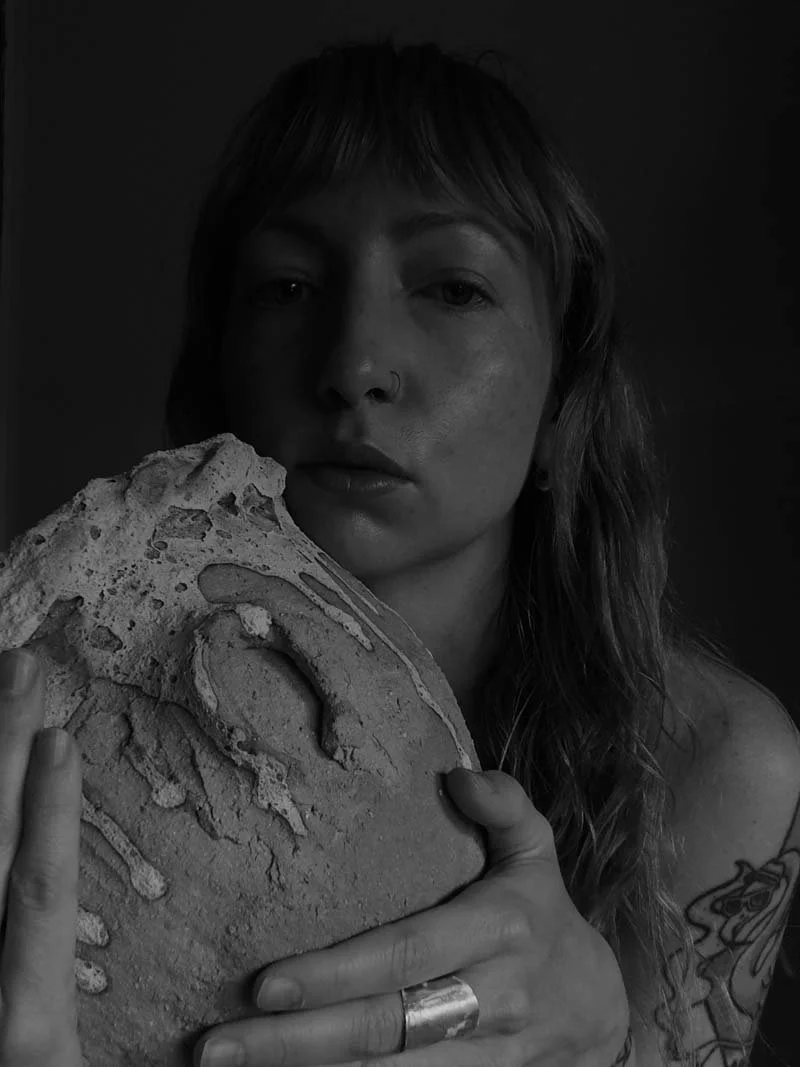


Born in 1989 on the island of Kos, Greece, Natalia Kukulas holds dual nationality, Greek and Finnish, through her mother. She has resided in Finland for nearly 18 years, where she pursued studies in International Business and Art. Her artistic work has been featured in several international exhibitions, reflecting a cross-cultural perspective shaped by her diverse background and academic experiences. @natsku.ceramics
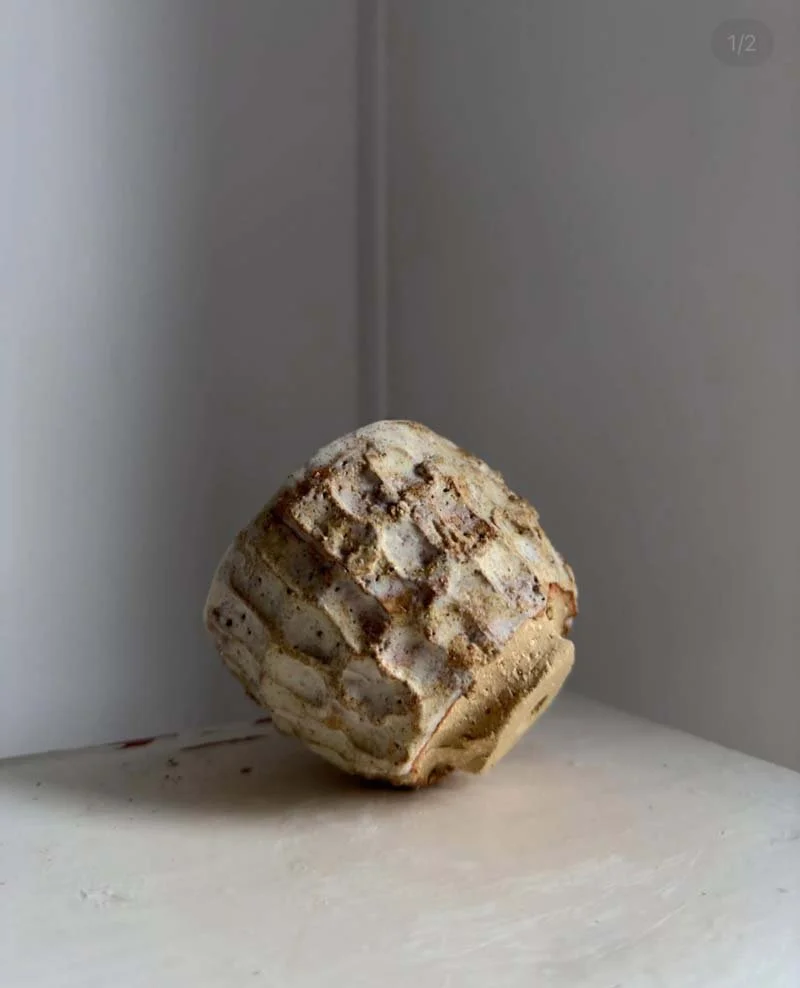
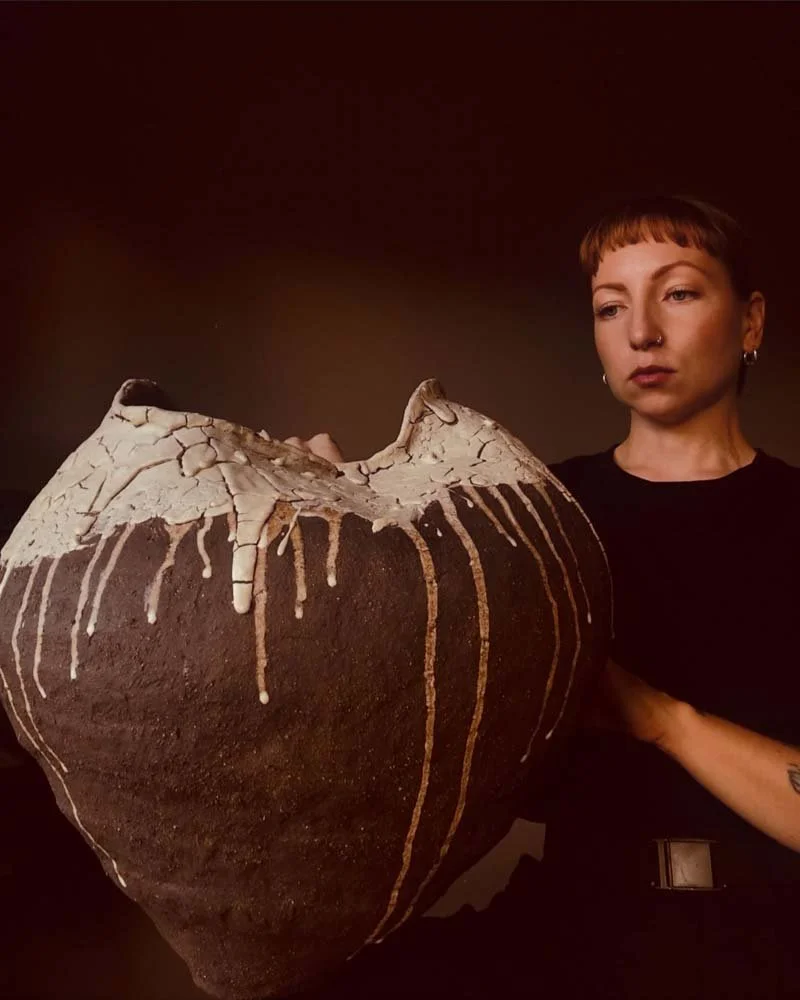

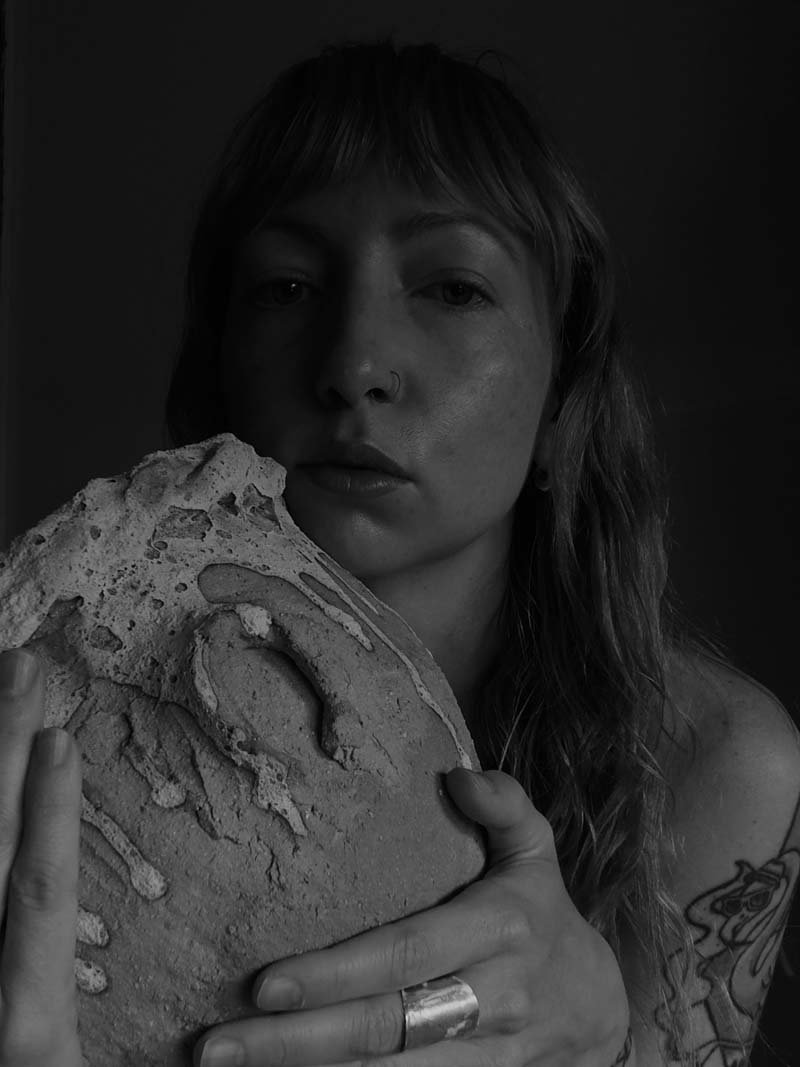
Where were you born and raised? How did it influence your art and your thinking about the world? I was born and raised on the island of Kos in Greece, a place that has profoundly shaped the way I perceive the world and create art. Nature is both my inspiration and my medium—I love working with materials sourced directly from the earth, such as wild clay, seashells, volcanic stones, and ash.
Was there a time when you first realized you wanted to become an artist? I think I was born this way. I never decided to become an artist; it just happened. I have always been creating since I was a child. For me, art is a way of living. I can’t think my life without creating. It’s a need my body and my mind have.
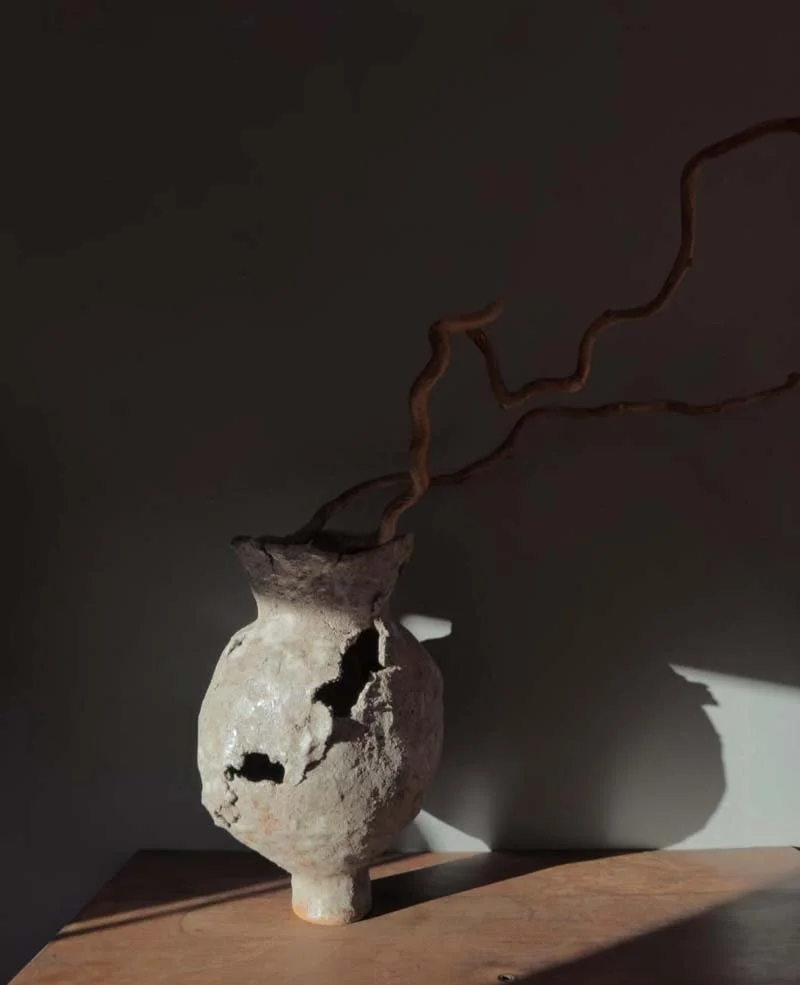
What does your typical day in the studio look like? Walk us through your studio and your most-used materials and tools. My studio is a tiny tiny one next to our home. During summer, I love to work outdoors in my garden while listening to the birds and the sound of the wind. There is always clay in my studio and ingredients I harvest from the nearby nature or from my hometown in Greece. There is always wood ashes from different trees for my glazes and small volcanic stones. Some of my art pieces are there, those that I am very attached to. A typical day in the studio is me creating wabi sabi vases or tableware.
What projects are you working on at the moment? At the moment, I am working on some big vases. The theme is always the same wabi sabi pieces, mostly inspired by imperfection and nature.
What ideas and feelings do you want to call up in your art? I am trying to express that art and beauty in art is not about creating a perfect piece. It’s about its story. How it was made, what material was used and where they are from, how the process felt, and what the artist felt when they were creating it.
Which artists, past or present, would you like to meet? And why? Akiko Hirai, Kazunori Hamana, and Kristina Riska. I just love their uniqueness. All of them have their own style that can be recognized straight away.
Do you draw inspiration from music, art, or other disciplines? I draw my inspiration mostly from nature, but I am also often moved and inspired by artists of all kinds.
What do you love about the place you live? There are so many opportunities in Helsinki. People are nice, and there is art everywhere. Everyone loves art in Helsinki.
Can you describe a project that challenged you creatively or emotionally—and how you worked through it? It’s not a project that has challenged me. It’s the “artist” label that challenges me. It is so difficult to define who or what an artist is, and I keep asking myself every day if I am one. Is anyone who creates an artist? I think my challenge is my own mind.
Tell us about important teachers/mentors/collaborators in your life. My best teachers have been the rewards of being brave. Nobody taught me ceramics; I just bought ten kilos of clay and learned it myself. I studied some contemporary art, but nobody ever taught me ceramics. I learned mostly from being brave and making mistakes. Mistakes are so important.
In what ways does the environment show up in your art? The whole concept of my art is based on the natural world. Trying to keep a zero waste mentality when creating and using material from mother nature I harvest myself.
How do you feel about the growing use of AI in the arts? I see AI as a tool we have to use wisely. I don’t see it as a bad thing. I don’t believe it can replace the beauty in making something with your hands, which cannot be replaced with any machine.
Exploring ideas, art and the creative process connects me to… My heritage, my surroundings, and the shared human experience of expression.