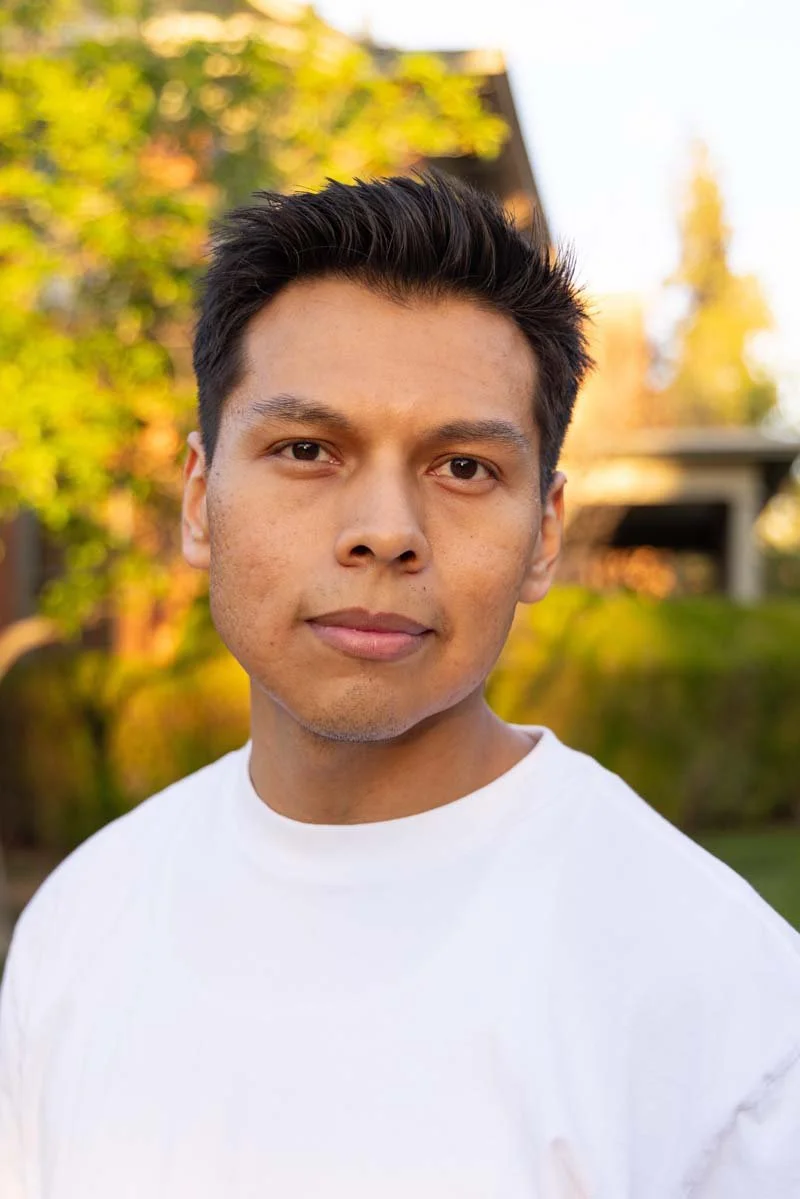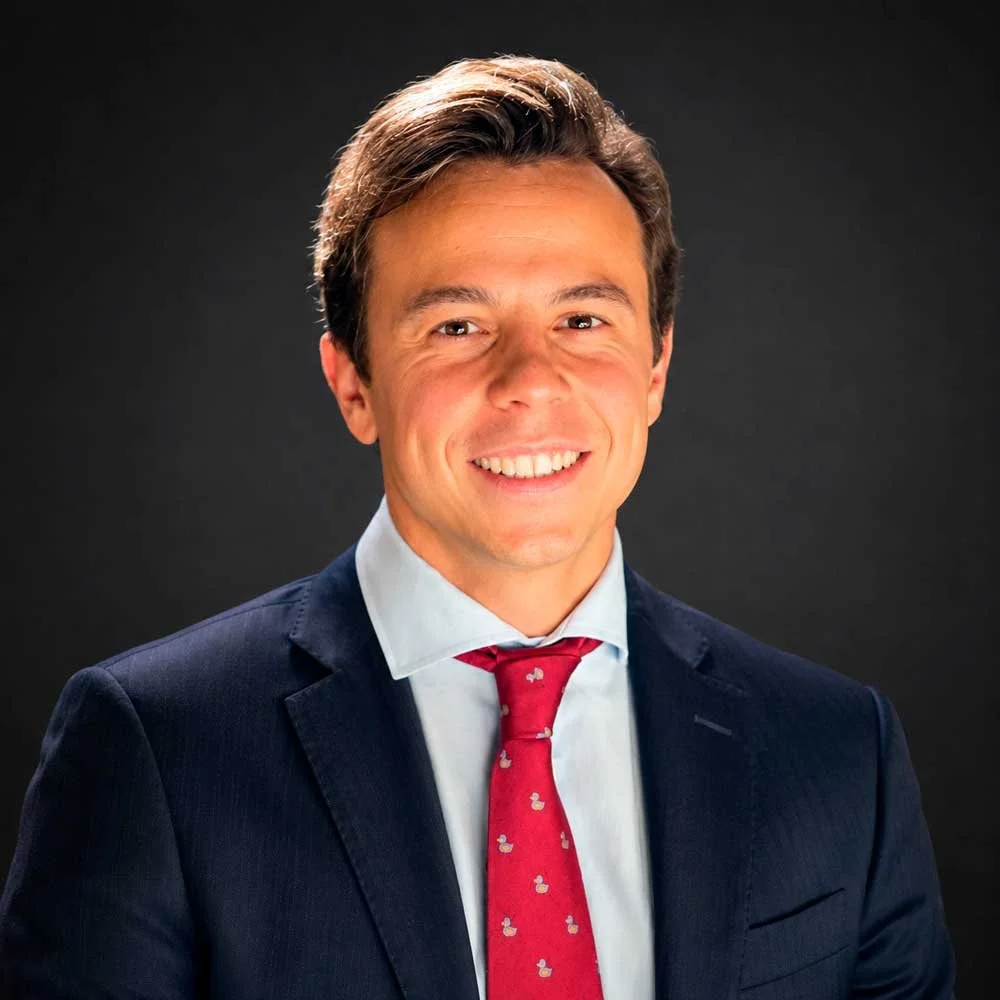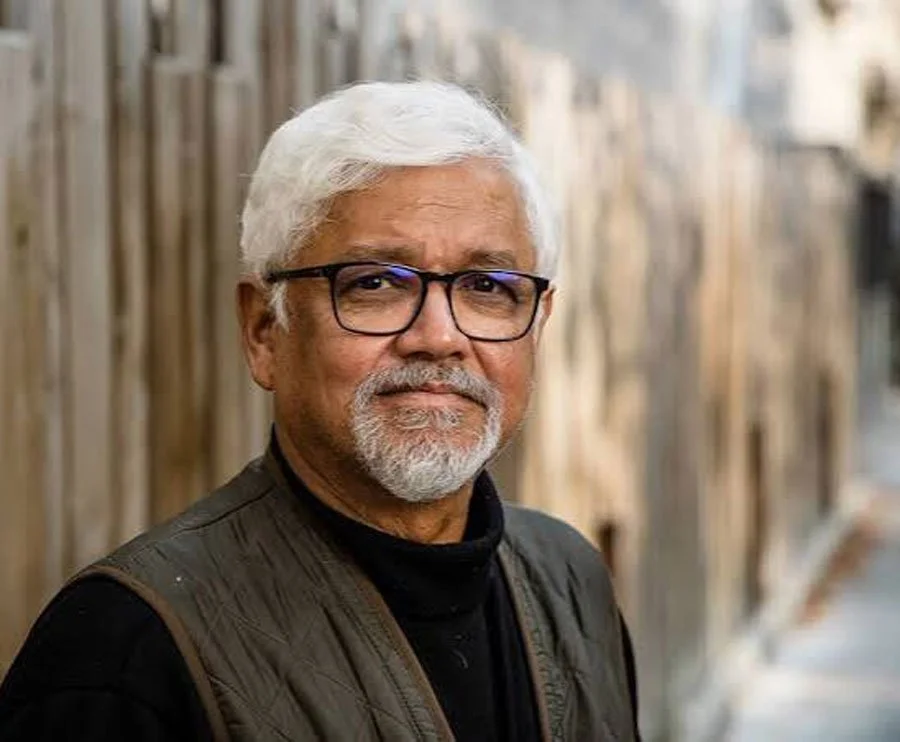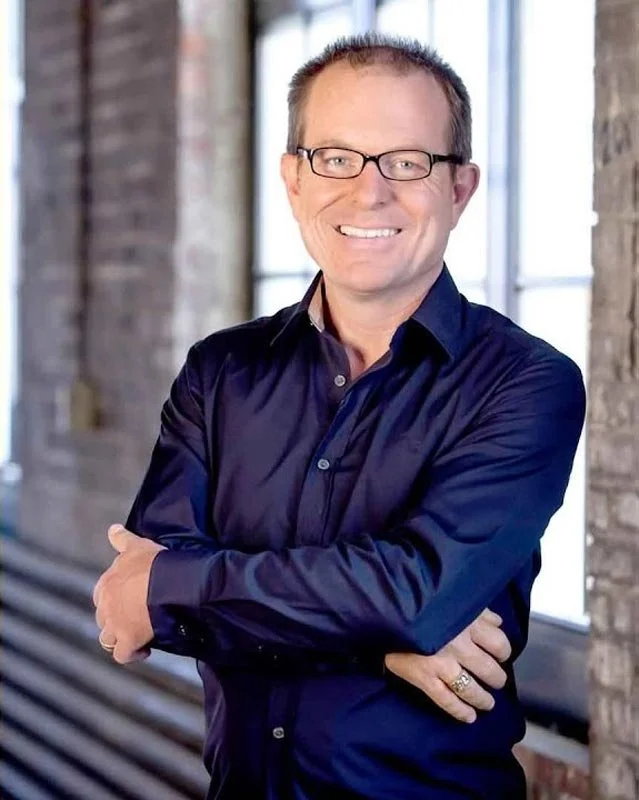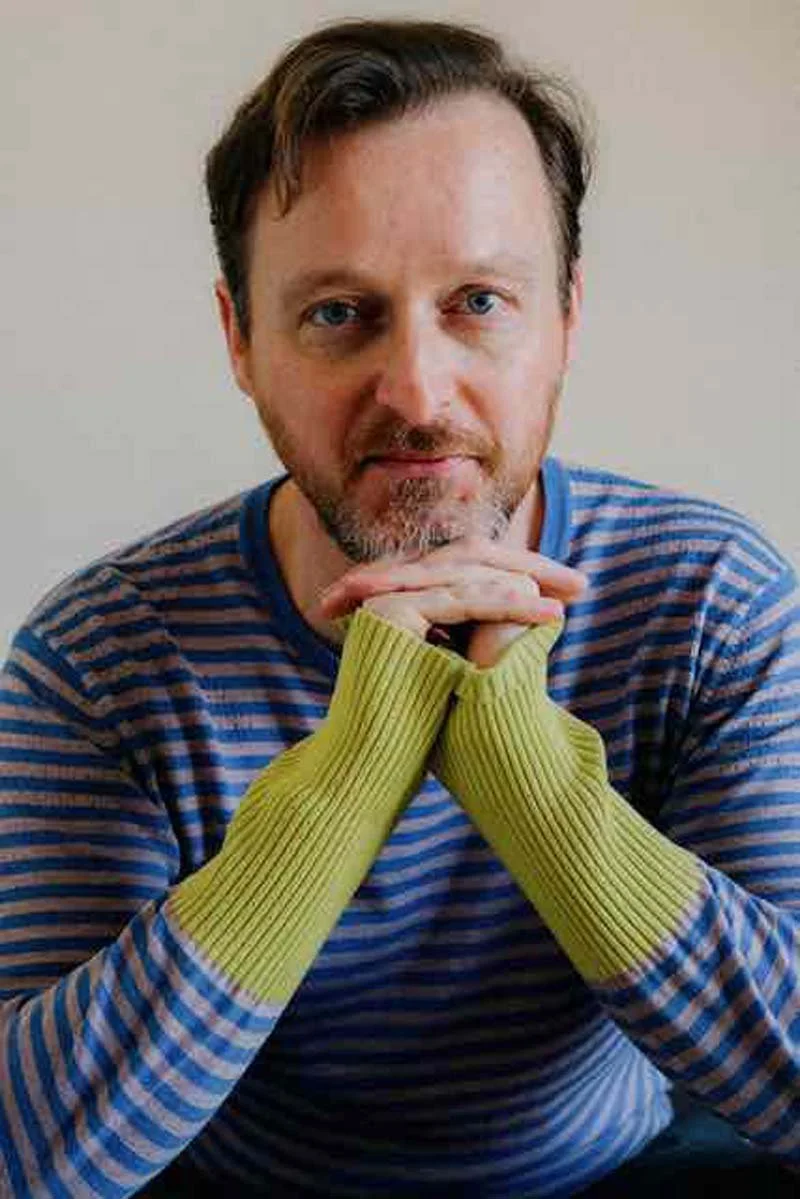


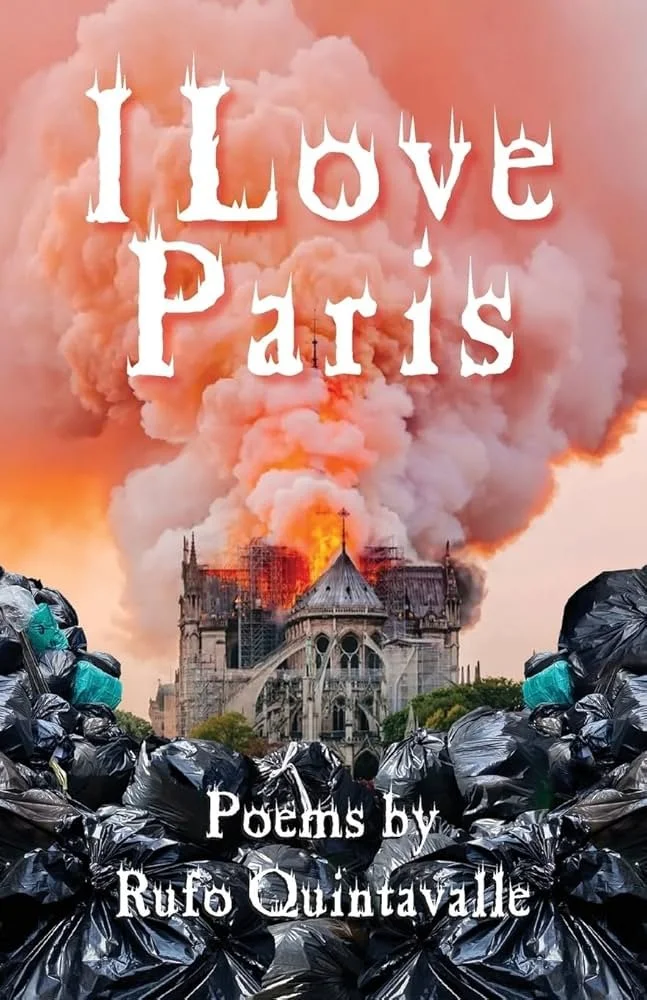
Rufo Quintavalle is a poet and an actor. He was born in London, lived in the US for several years, and now lives in Paris. He is the author of a dozen books of poetry and has taught creative writing at NYU Paris. He acts for the stage and the screen in both English and French. @rufoquintavalle
How did growing up in London shape your view of the world and the kinds of stories you’re drawn to? I was born in London and lived there until the age of 13, when I went to boarding school. I grew up in Chelsea, which is an affluent neighbourhood. It is also a neighbourhood with a very rich creative history. King’s Road was an important part of Swinging London and then later the punk movement. But when I was growing up, it felt as though the party was over - Vivienne Westwood's store was still there at the bottom of my street, but it felt almost like a relic from an earlier time, or the last guest to leave the party. The balance between money and creativity was tipping in favour of the former.
I liked going to watch Chelsea play at Stamford Bridge. It felt anarchic and thrilling. And I loved the singing too - British football chants are an art form unto themselves!
I went to boarding school at Winchester, which is an old private school - one of the oldest in the world, in fact. I had an academic scholarship, so the people I boarded with were more mixed socio-economically than would otherwise be the case in such an establishment. And we are all brainy and allowed to explore our geekiness! I loved it there.
Two things affected me during my time there. First, there was a big environmental protest that took place when the UK government wanted to construct a motorway on land belonging to the school in a place called Twyford Down. A group of New Age Travellers occupied the land to try and prevent the road from being built. I didn't know it at the time, but this was a formative moment in the modern environmental movement in the UK. And part of the broader rave culture that was in the air at the time. Seeing these people leading a life completely different from my own was fascinating to me and left a big mark. A sense I still have that another life is possible - and maybe even preferable.
The other thing that happened during this time was the suicide of a close friend of mine. I spoke to him shortly before he took his own life, and then the next morning he was found dead. I become acutely aware of the fragility of the border between life and death. On a human level, I wish my friend were still alive and wish I hadn't had this experience; on an artistic level, it undoubtedly had a huge impact on me. I think all poetry and any act of creation is a choice, an affirmation of life.
What kind of reader were you as a child? What books made you fall in love with reading as a child? I read a lot. All the time! Roald Dahl, Judge Dredd, Henry Treece's Viking Sagas, Tolkien. Louis MacNeice was the first poet I fell in love with, then Wordsworth and the other Romantic poets. I discovered American poetry as a teenager - Wallace Stevens, John Berryman, William Carlos Williams.
Tell us a little about a typical writing day. I don't have a typical day. And there are many days when I don't write at all. I tend to either be in a writing or a reading mode, rarely both at the same time. When a poem comes, it tends to start as a phrase or maybe a line or two. Then I walk around with that little snippet in my head and start adding to it. Walking helps me write. When there are too many lines to hold in my head, I write a version of the poem down on paper or else go straight to my computer. By the time it is on the computer, it is more or less finished already - just a question of changing a few words or line breaks. The visual aspect of a poem is important to me - how the lines look when they are stacked on top of each other, and in a shorter poem, even the shapes of the individual words and letters become important. We are lucky to have computers because we can control this visual side of our work to a degree that earlier writers couldn't.
Can you describe your creative process behind your poetry book Shelf? Shelf was published by Sagging Meniscus Press in 2021 and is a line-by-line rewrite of Walt Whitman's "Song of Myself". In writing this book, I kept the first and last letter of every line of Whitman's, removed the middle, and refilled it with my own words. It was a wonderful experience that allowed me to become incredibly close to Whitman's own creative process. It also made my writing go in some very unexpected directions. That moment when you are writing something you didn't know you were capable of writing, thinking something you never thought before, is incredibly intoxicating. It's the best part of being a poet, I think - surpassing yourself, channeling something bigger than you, and being absorbed in flow.
Section 33 of Whitman's poem is very long and repetitive, and for a very long time, I was stuck on this section and didn't know how to proceed. Then I set myself an additional constraint - not only would I have to use the first and last letter of Whitman's lines, but I would only allow myself three words per line. Paradoxically, this tightening of the limits was what allowed me to finish the section and then the rest of the book. I don't always use constraints in my writing, but on this particular project, I came to realize how liberating and creative they can be.
Do you keep a journal or notebook? If so, what’s in it? People often give me notebooks and I fill them up with a bit of everything. It isn't really a journal as such, just a jumble of everything that is going on - to-do lists, budget for the month, scraps of poetry, doodles. Journal seems too grand a word! If I see something visually striking as I'm walking around, that often ends up as an Instagram story.
How important is background research in the kind of writing you do? How do you go about your research? I think I research my acting roles more than my writing. Right now, I am working on two films - one about madness, so I have been reading up and watching a lot of films on the topic. The other is a film about Victor Hugo. I'm diving into his poetry and have just started reading Les Misérables. I love Wikipedia as a resource - the way one entry can lead you to another is in some way analogous to the poetic process for me.
Which literary figure would you love to share a long, slow meal with? Samuel Johnson for the conversation, Alexandre Dumas for the cooking, and Emily Dickinson so I can show off about having met her!
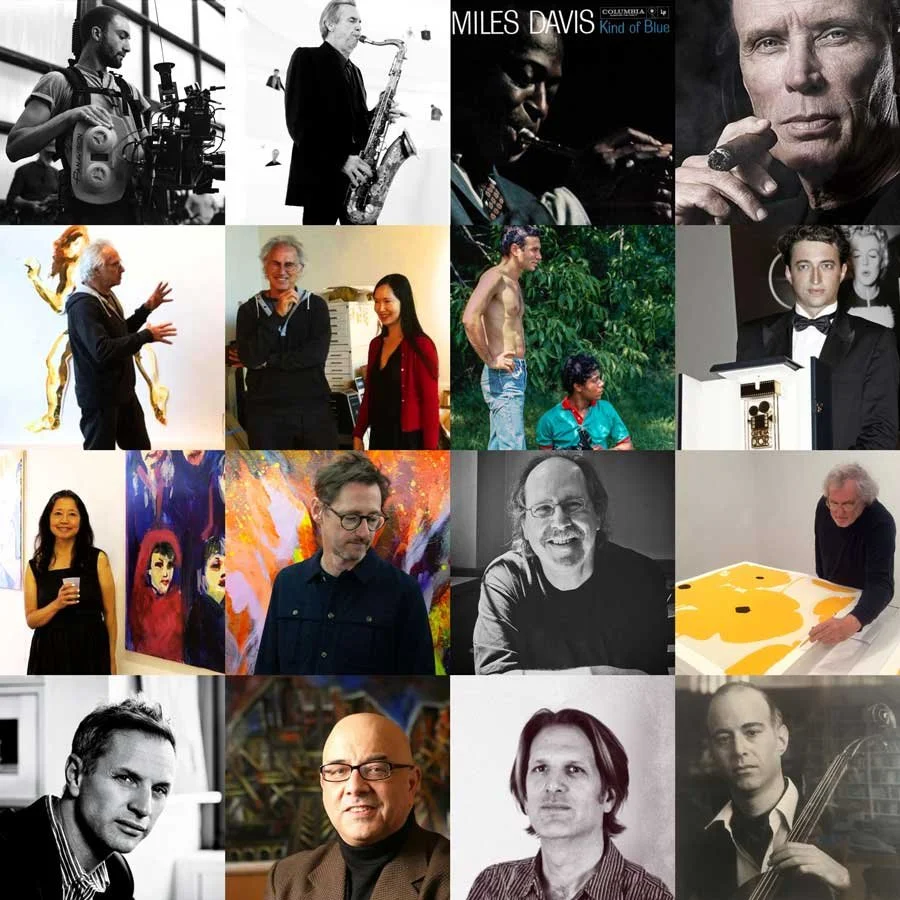
What kind of music do you listen to? Are there any musical or visual artists that inspire your writing? I listen to music all the time. Lou Reed, Leonard Cohen, and Johnny Cash are kind of my Holy Trinity. I don't really draw a firm distinction between poets and lyricists. I love the simplicity of country music; it's almost like haiku to me. Limited themes, short format, but almost unlimited possibilities within those boundaries.
I have always enjoyed spending time with visual artists, and painting and print-making are big sources of inspiration to me. I am collaborating with a fantastic British artist, Kate McCrickard, at the moment on a project called "Salami Asylum" that mixes film, poetry, and painting. I read at the opening of Kate's group show, England's Dreaming, earlier this year. Three British artists who live in France - Kate, Rupert Shrive, and Orlando Campbell - exhibited their work, and I was invited to compose site-specific poetry inspired by their artwork.
What are your reflections on the impact of AI on the future of human poetry? What does authorship mean in this age of algorithmic creativity? AI looks at the past; it can't create the future. To me, it is the exact opposite of poetry. Joseph Brodsky said that language is the way in which humans have evolved that distinguishes us from other animals and that poetry is the highest form of language. Therefore, he felt that writing and reading poetry is our evolutionary duty as a species! Viewed in this light, AI is a form of devolution.
AI also ignores those places where the non-human world impinges on us. Anyone who owns a pet will have observed this - how animals have totally different logics from us, and exposing yourself to those logics is both humbling and liberating. AI is stuck in one way of seeing the world - it analyses human creations from the past. To me, this refusal to acknowledge nine-tenths of existence - dogs, cats, rabbits, bacteria, wind, the dawn - and then claim you are omnipotent is a form of monomania or delusion.
I am reading a book at the moment called "Skin in the Game" by Nassim Nicholas Taleb. It isn't about AI, but Taleb argues that in various fields like politics and economics, you should not pay heed to the opinions of people who don't have some form of skin in the game. AI has zero skin in the game - it can spout nonsense and never be held accountable for the consequences of people acting on that nonsense. As such, it does not possess the ethical responsibility that comes with being an artist. The way in which you arrange words (or paint or music) ought to matter to you; as an artist, you ought to have skin in the game and be willing to stand by your creations.
Tell us about some books you've recently enjoyed and your favorite books and writers of all time. I just re-read Decline and Fall by Evelyn Waugh. I've read it several times already and it still makes me laugh. And because you are having such a good time the more serious or emotionally tender moments hit you almost without you noticing. It is almost a perfectly written book for me. I've been reading a lot of Miss Marple stories. I used to be on team Poirot but I have switched sides; Miss Marple seems incredibly modern in her way of observing human foibles and pulsions. I read Girl, Interrupted as part of the research for the film I mentioned - I enjoyed that a lot also.
Exploring literature, the arts, and the creative process connects me to… Eternity. When I was younger I would have said "God". Maybe it's the same thing.