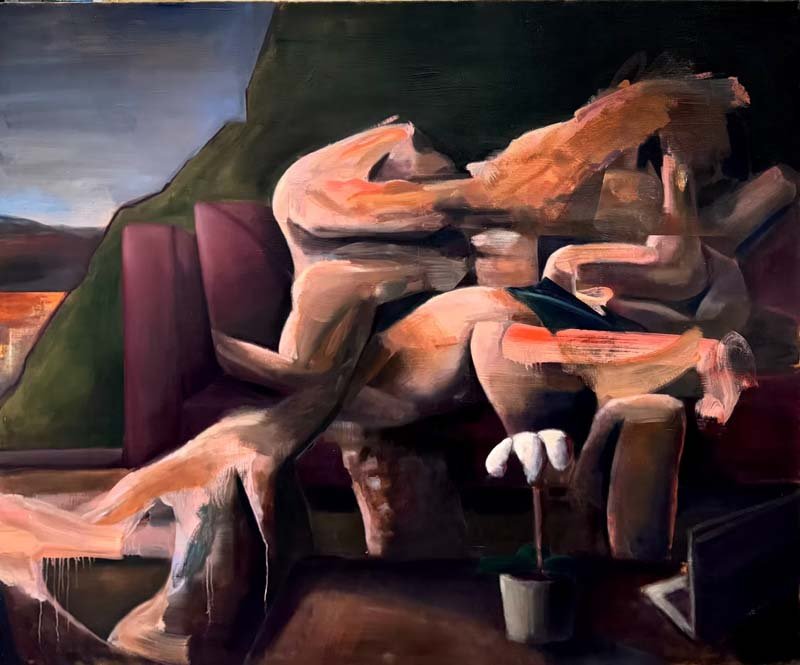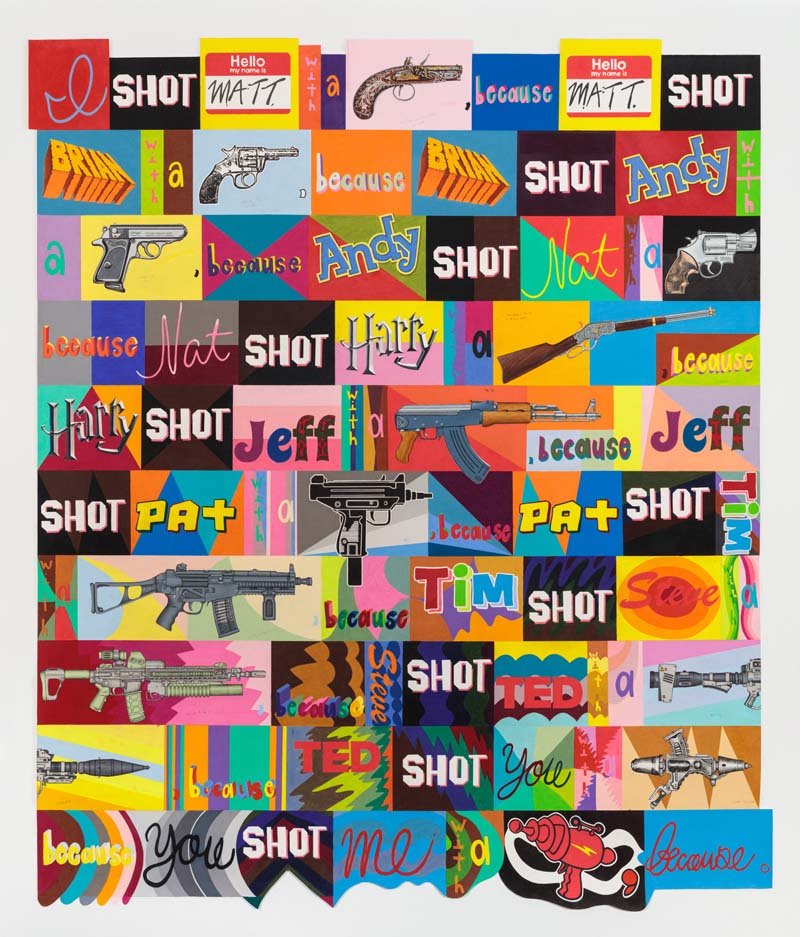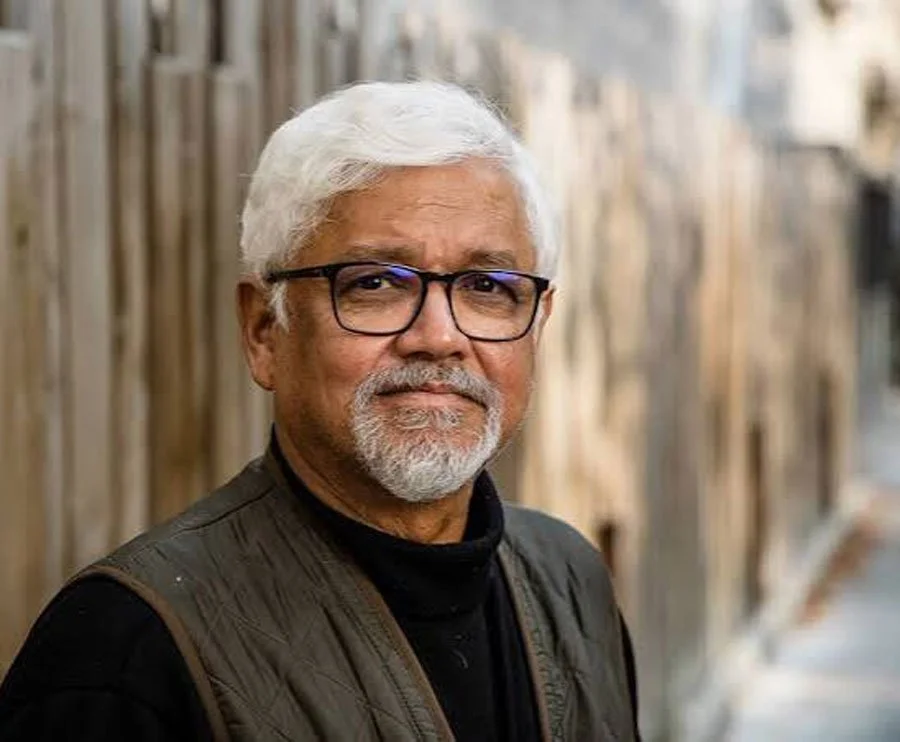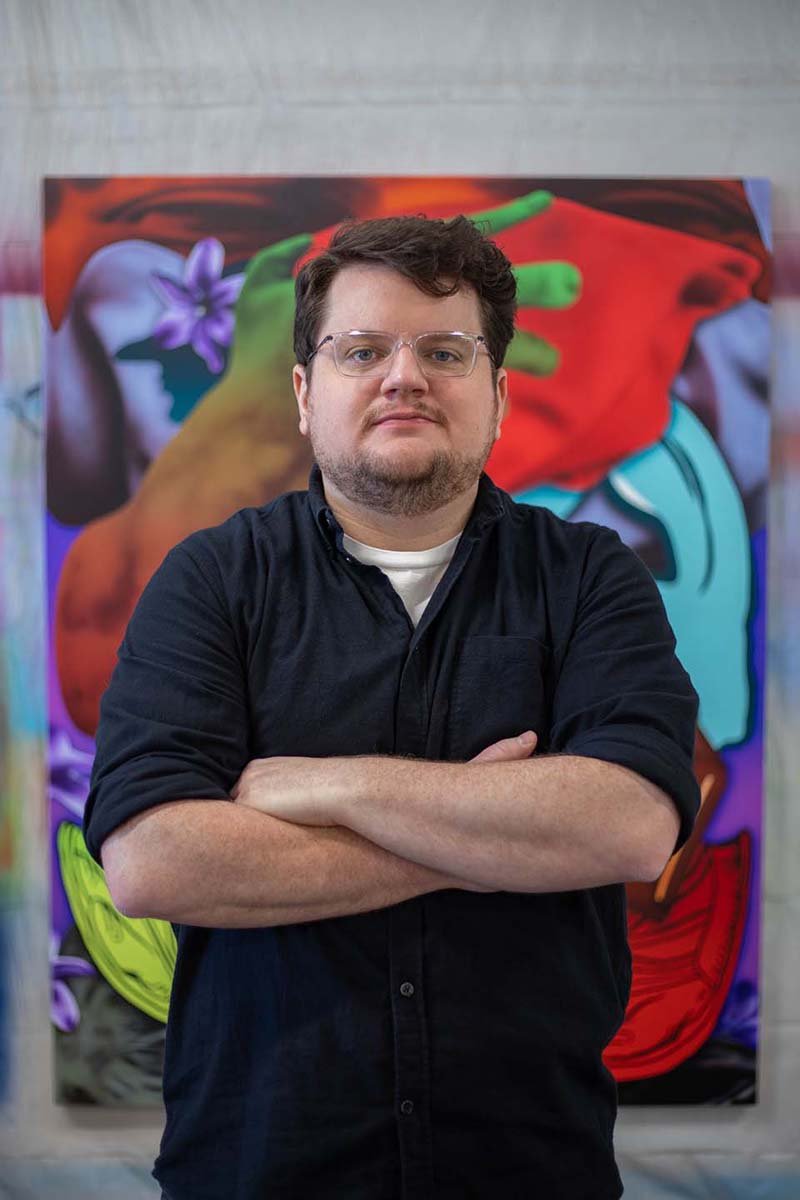


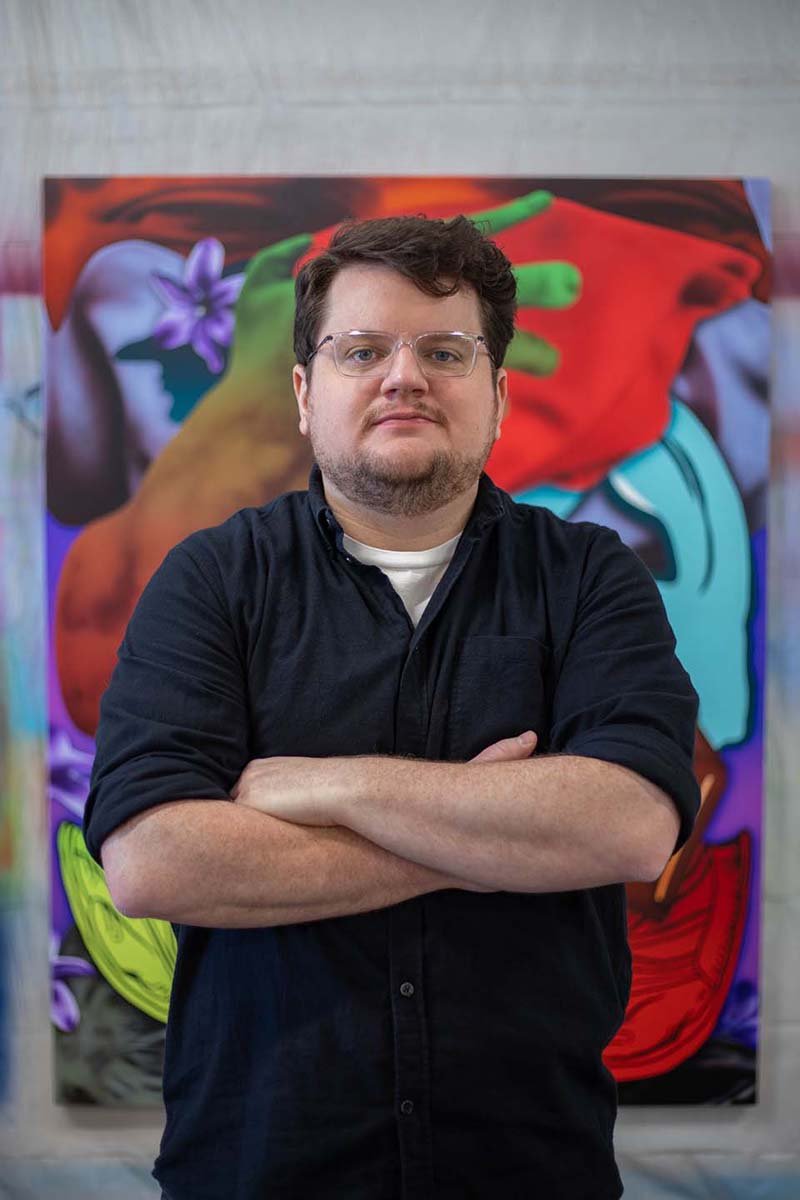
Chris Regner is an artist born and raised in Milwaukee, Wisconsin. Chris is a graduate of RISD’s MFA Painting program. He is represented by Kravets Wehby Gallery. He has shown his work internationally, including at the Kunstmuseum Schloss Derneburg. His work is a part of multiple private collections internationally. His work is in the Pizzuti Collection of the Columbus Museum of Art and the Hall Art Foundation. @raaaaagner
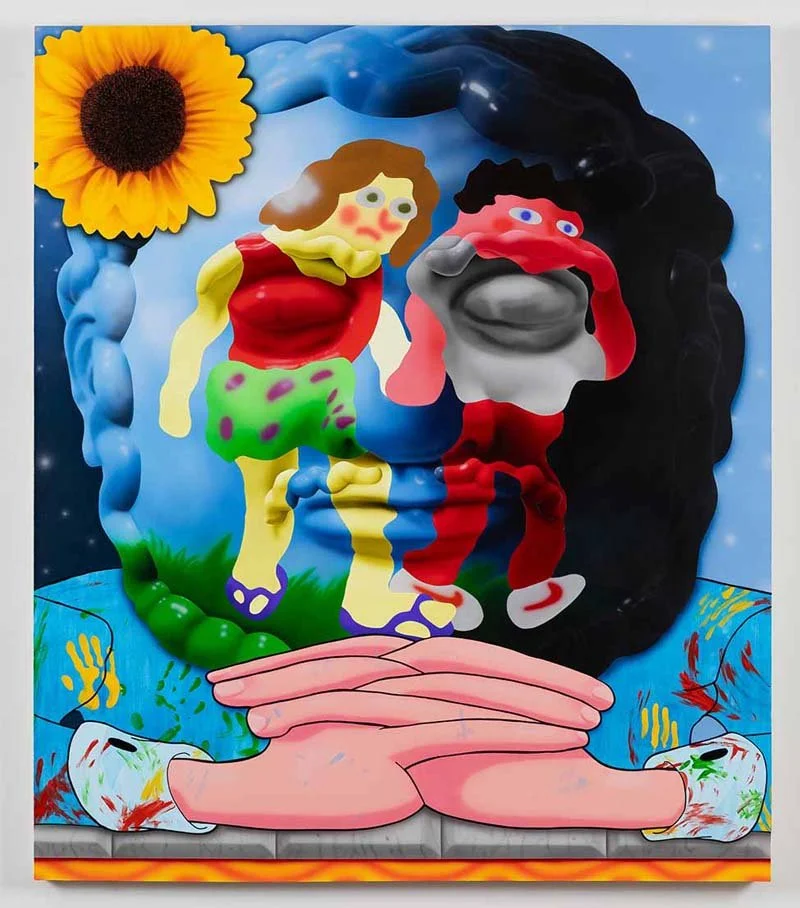
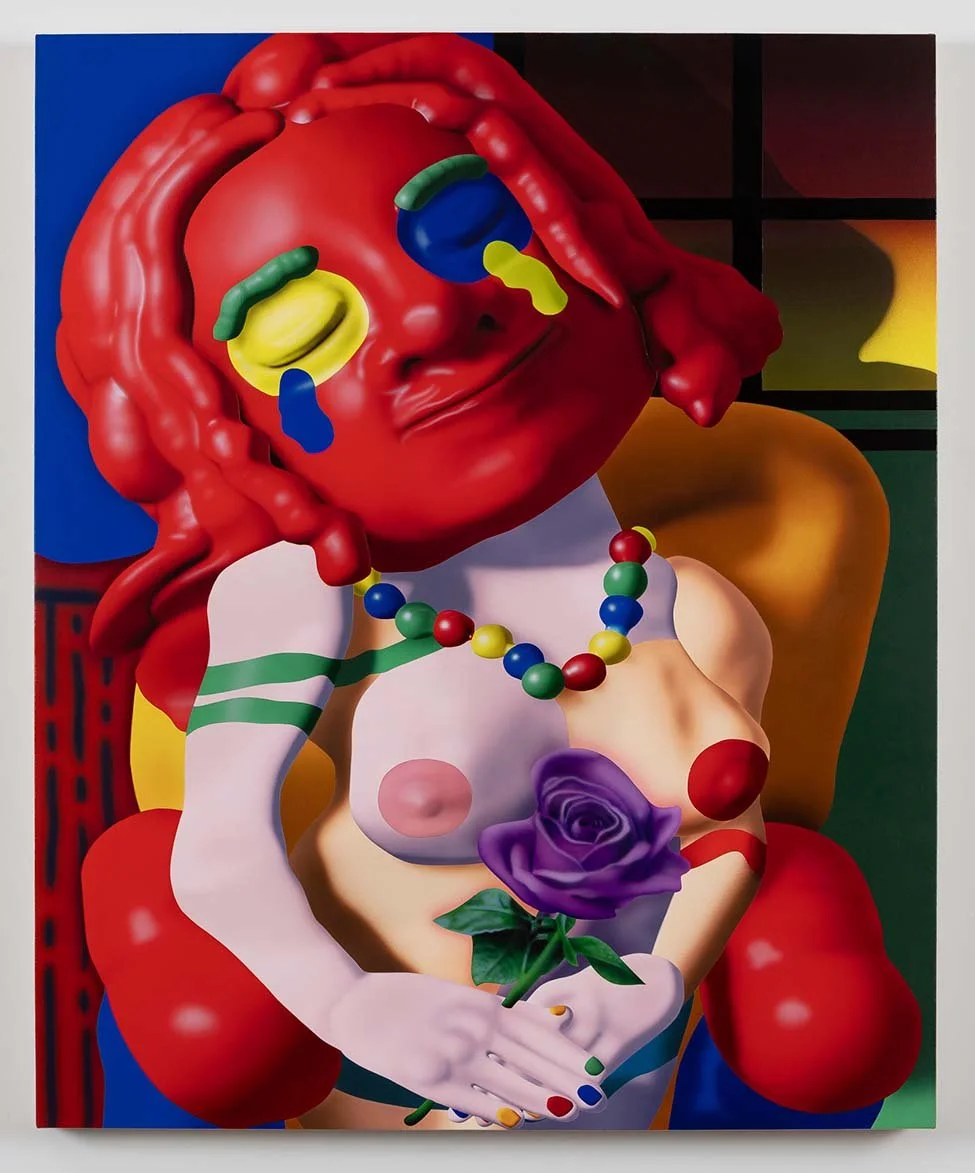
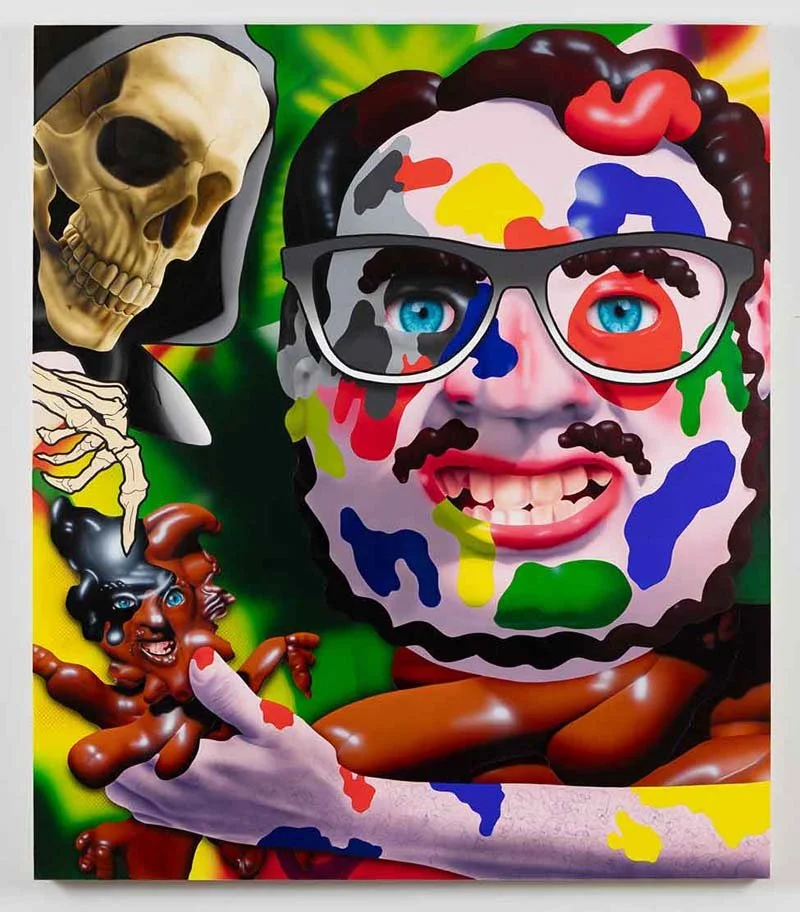
How did the social dynamics of your hometown influence your artistic expression? I was born and raised in Milwaukee, Wisconsin. While it would be difficult for me to draw exact lines between Milwaukee and my art, there are a few things about living here that have helped to develop my way of looking at the world. There is a tight-knit artist community here, with lots of DIY spaces and a few “traditional” galleries. There isn’t the expectation of making a lot of sales, so I believe the artists here truly make art for the sake of loving it. People show up for one another here. I think that way of working, without the market expectations and pressure, has had an impact on the way I view art making. In Milwaukee, people have diverse viewpoints, and I think that mix has helped me to understand that not everything is black and white in the world.
When did you first fall in love with art and realize you wanted to be an artist? For you, what is the importance of the arts? Comic book art was my first love. Specifically, Sonic the Hedgehog and Spiderman. I would spend a ton of time copying the illustrations from the comics, albeit horribly. The precision and motion that those artists could achieve were exciting to me because I couldn’t fathom how someone could make a still image look like it was moving.
The importance of the arts is being able to express the inexpressible. True art can transcend the explainable and evoke emotions that are otherwise beneath the surface. It leaves you questioning your values and allows you to see life through someone else’s eyes.
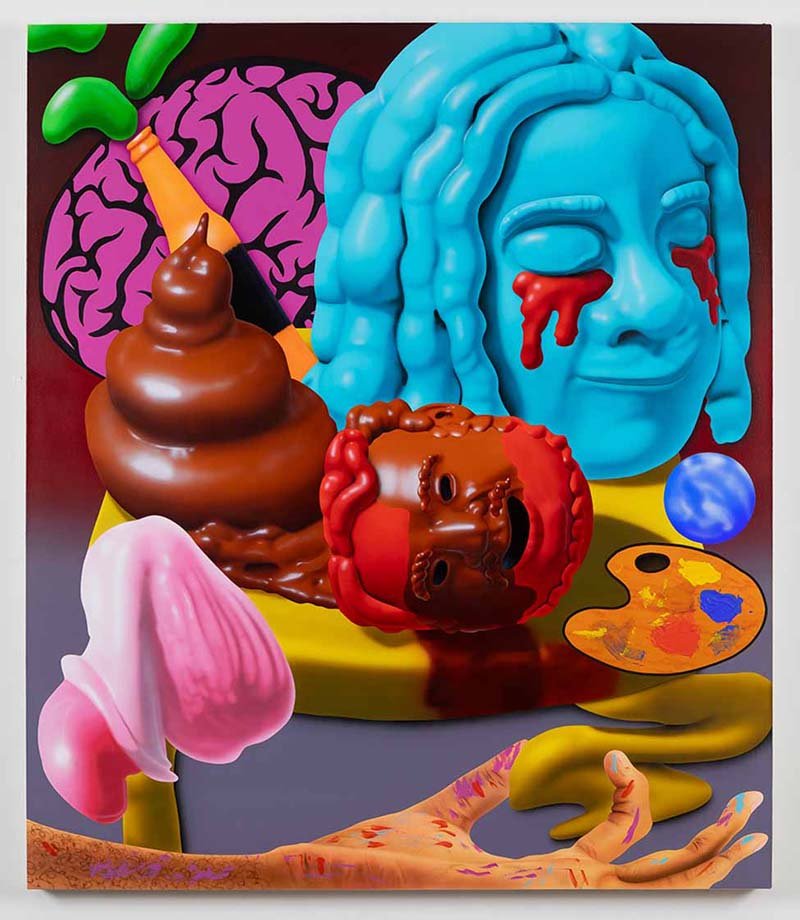
What does your typical day in the studio look like? Walk us through your studio and your most used materials and tools. After I arrive, I spend some time setting up my digital collages on my computer in preparation for painting. I put on my apron and my decrepit Crocs, sip on a Modelo or Coke Zero, and get ready to paint. Some days are priming days, where all I do is prime surfaces over and over and wet sand them to an eggshell finish. Other days, I listen to audiobooks as I pre-mix my many required paint colors. Painting days include a lot of sweating, masking, and airbrushing.
My most used tools are my airbrush, larger airbrush gun, masking tape, Excel blades, computer, and projector. I wouldn’t have much of a practice without these.
What projects are you at work on at the moment? And what themes or ideas are currently driving your work? I’m currently focused on making a series of digital collages in preparation for painting. Current themes are the myth of artistic genius, ambition, famous artists and men as role models, young men, and the potential destruction that some of these men can leave in their wake while pursuing their passions.
What do you hope people feel when they experience your art? What are you trying to express? I want people to feel emotional whiplash. I want there to be laughter, fear, pity, and sadness. I’m trying to express the diversity of emotions that come with being human.
Which artists, past or present, would you like to meet? And why? I would love to meet David Lynch, Peter Saul, Peter Paul Rubens, and Picasso. I’d want to get a meal at a diner that you can still smoke in with Lynch and pick his brain. I’d like to go to Peter Saul’s studio and look at his preparatory sketches. I just want to see how Rubens was as an individual and watch him paint one of his masterpieces. I’d want to get drunk with Picasso and watch him sketch on bar napkins.
Do you draw inspiration from music, art, or other disciplines? Music is deeply inspiring to me. Perhaps it doesn’t directly inform my artwork, but I don’t paint without music generally. I also find myself constantly being inspired by video games. It’s awe-inspiring what the art teams at video game companies can accomplish. Film and television can also leave an impact on the way I think about making art.
A great thing about living in Milwaukee is… The food. Specifically, cheese curds and the variety of beers on offer.
Can you describe a project that challenged you creatively or emotionally—and how you worked through it? I made a series of work based on my lack of a father figure growing up. It has affected me deeply throughout my life and at times has made me feel like less of a man for not possessing the knowledge and experience that a male role model can pass to the next generation. It was cathartic to make paintings based on some of my past trauma, and I feel that I made progress emotionally by working through that series. It also helped that I made a lot of the paintings using dry humor, so I could look at an otherwise depressing reality with some levity.
Tell us about important teachers/mentors/collaborators in your life. I’ve had a couple of teachers who had a real impact on me. First is Shane Walsh, a painter based in Milwaukee, WI, who is represented by Asya Geisberg Gallery in NYC. He helped me develop through observational drawing and painting courses. We’ve had many conversations about painting that have been informative to my practice. He’s also a killer painter who can oscillate between realism and abstraction with ease. Polly Caster was one of my drawing teachers while I was a drawing major, and she helped me immensely with learning how to draw figures and learning anatomy. She also helped me navigate the insecurities and anxieties a young artist can have.
In graduate school, I was affected most by my time with Angela Dufresne and Craig Taylor. They pushed me hard, but with care at the same time. They encouraged me to be more extreme with my paintings and let loose conceptually. They helped to give me the confidence I needed to take bigger risks with my paintings.
Sustainability in the art world is an important issue. Can you share a memory or reflection about the beauty and wonder of the natural world? Does being in nature inspire your art or your process? I was left in awe during my trip to Death Valley. It was during one of the only days of the year when it rained, in the middle of July, and temperatures exceeded 100 degrees. My wife and I were on our honeymoon, and we sat in the car watching the lightning storm roll in, listening to Songs: Ohia at night. It was a sublime experience.
I wouldn’t say nature inspires my art or my process directly, as I’m a bit of a homebody. I tend to connect with digital environments more.
AI is changing everything - the way we see the world, creativity, art, our ideas of beauty and the way we communicate with each other and our imaginations. What are your reflections about AI and technology? What is the importance of human art and handmade creative works over industrialized creative practices? I’m torn on the utilization of AI for creative practices. On one hand, as someone who uses appropriated imagery and digital models for my work, I see a lot of potential in it as a tool. On the other hand, the images are an amalgamation of real artists’ creations, used without credit or revenue.
I think handmade works will become even more important as AI proliferates in our society. I don’t think AI could replicate the authenticity of the true human experience. Also, since painting has already survived photography and digital painting, it can survive this.
Exploring ideas, art and the creative process connects me to… The well where all ideas spring from.