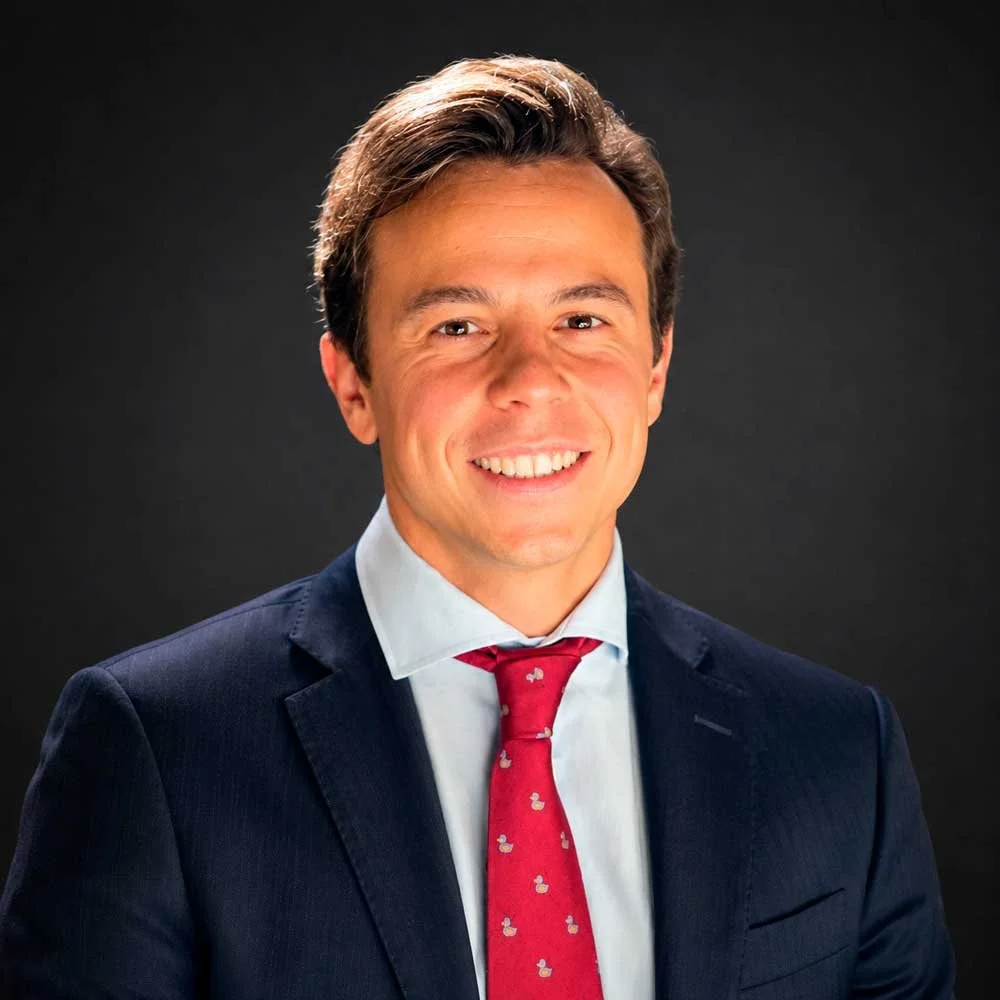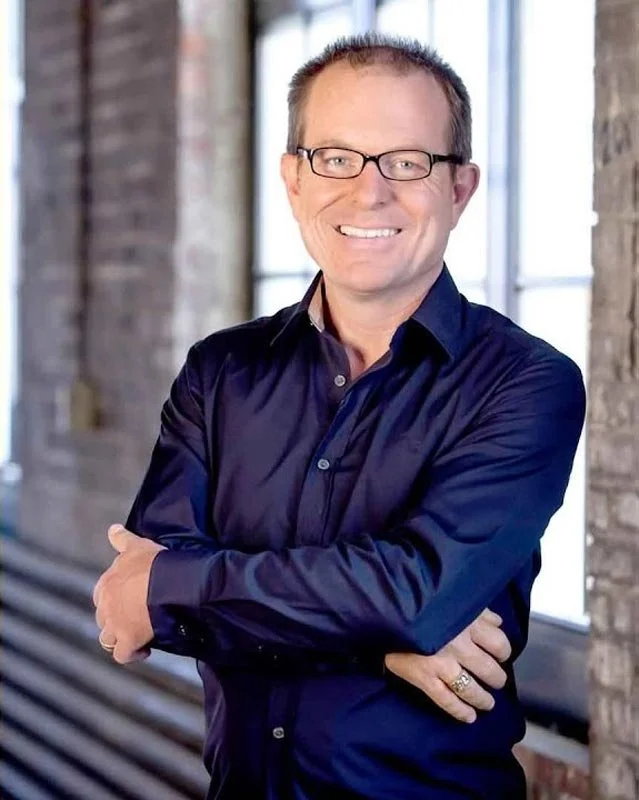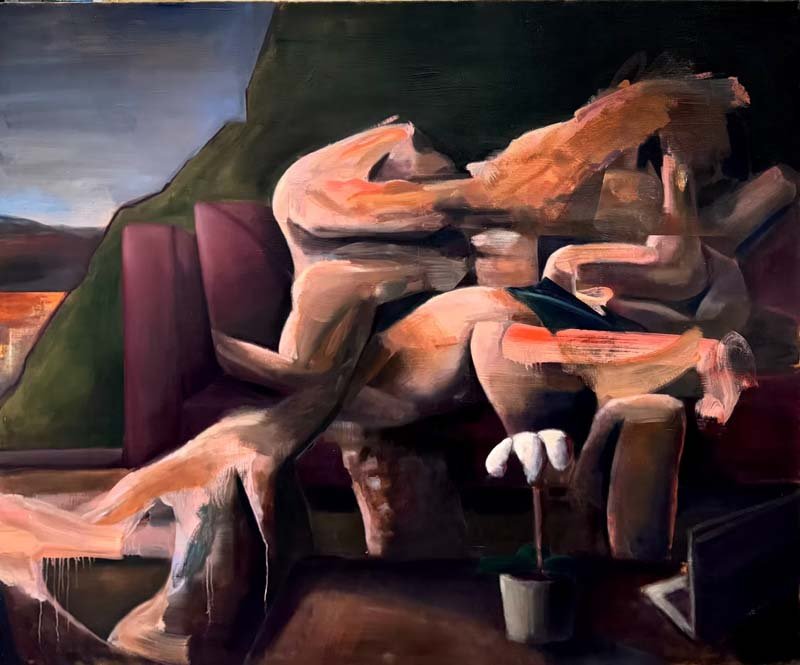


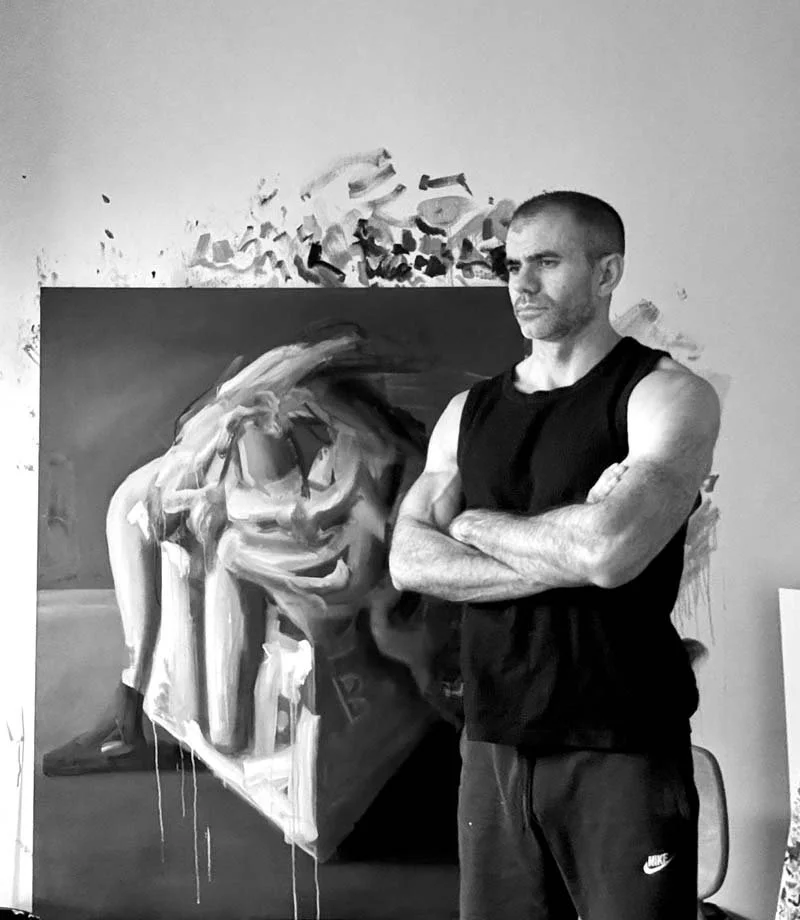
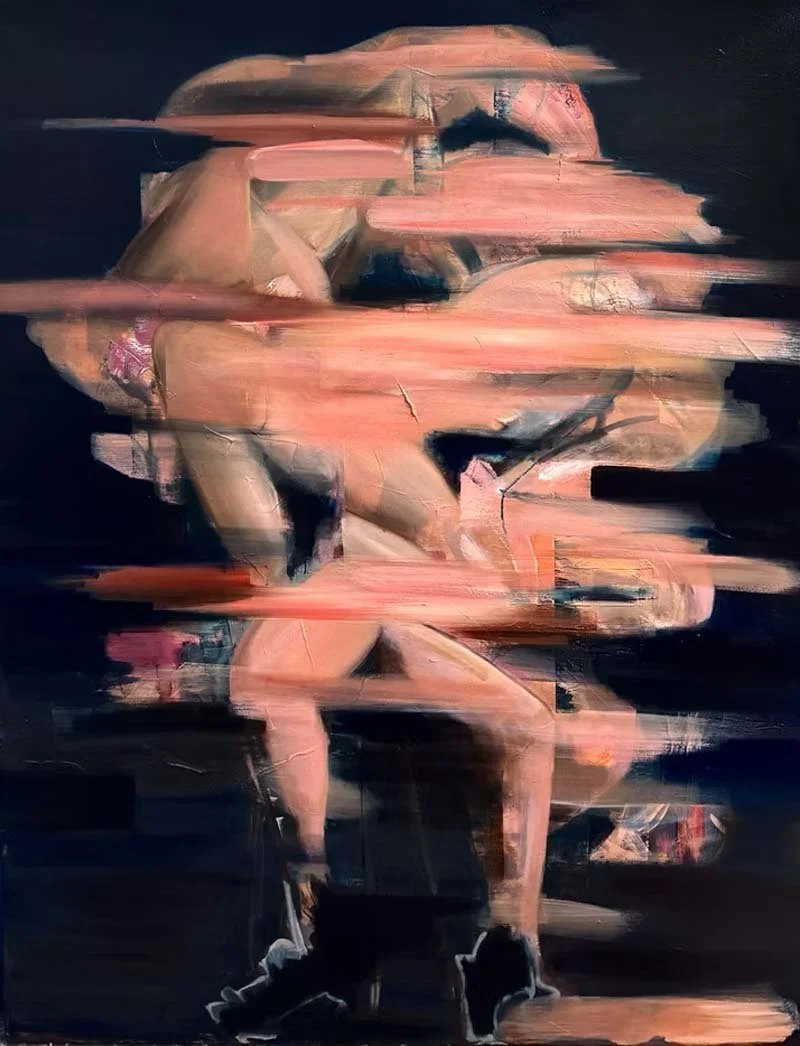
Thomas Tustin, born in 1984, is an artist living and working in New York City. He earned his MFA from Pratt Institute, where he developed a strong foundation in both painting and drawing. @thomastustin
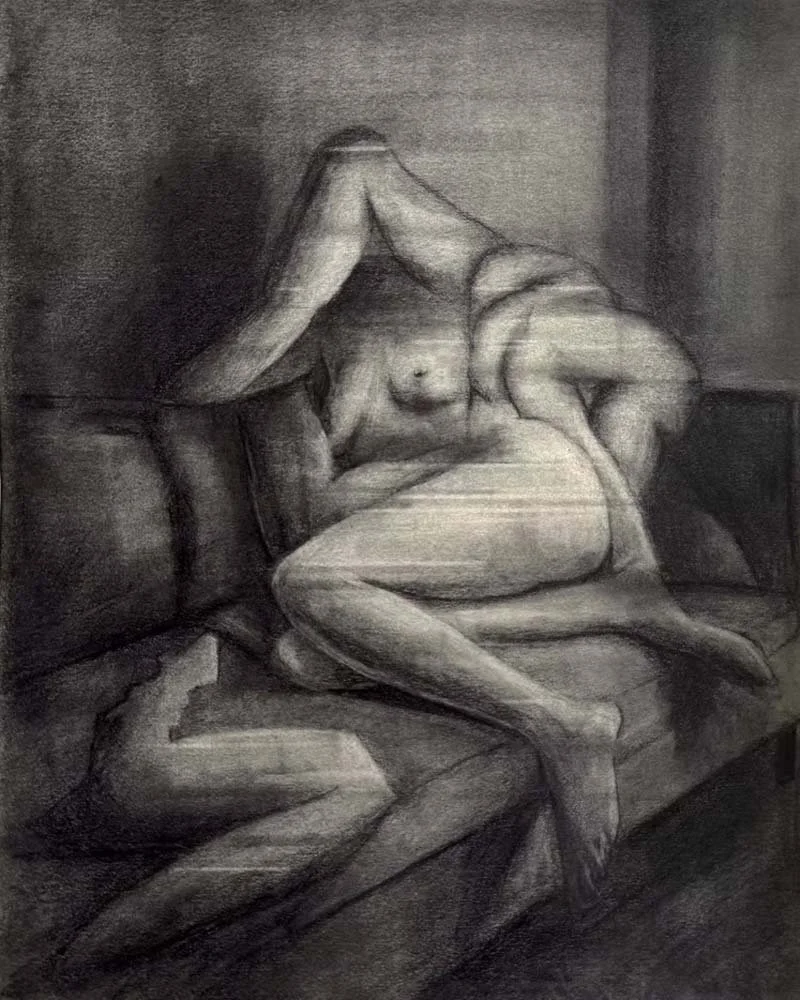
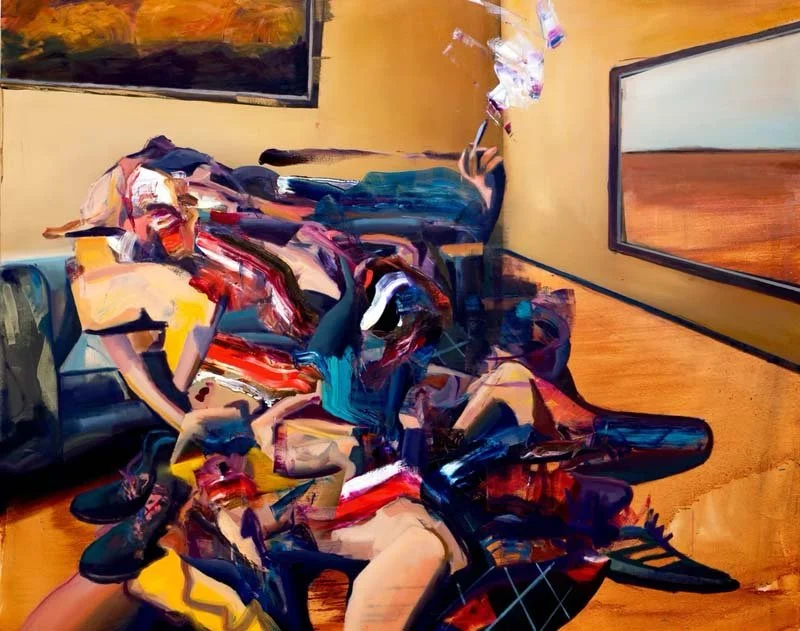
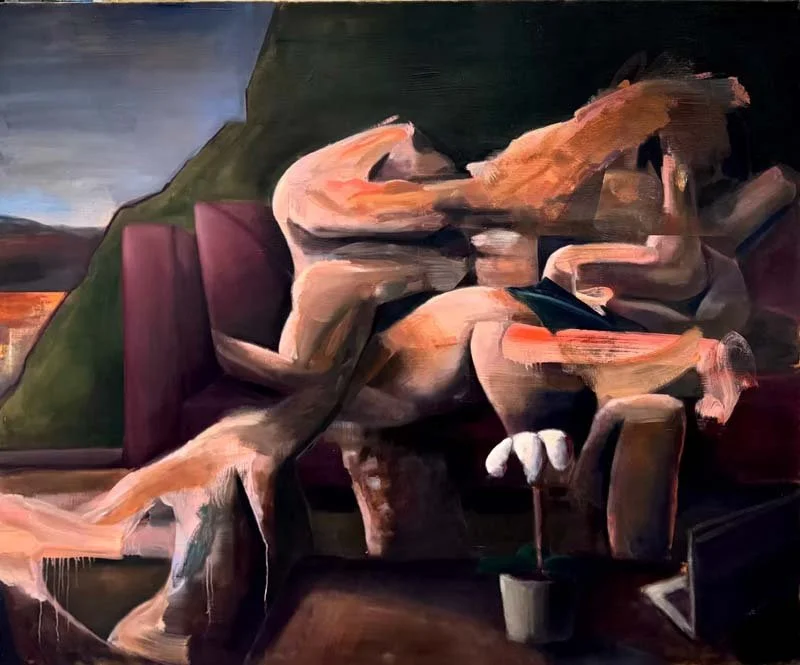
Growing up in the Northeast, what aspects of that environment have permeated your artwork? I was born and raised in Pennsylvania, where my early surroundings fostered a deep appreciation for nature. Growing up in that environment shaped the way I see the world—attentive to detail, texture, and atmosphere—and continues to influence the sensibility I bring into my art and creative thinking.
When did you first fall in love with art and realize you wanted to be an artist? For you, what is the importance of the arts? I first discovered my love for art when I encountered a Cézanne piece at the MoMA. Standing before it, I felt something awaken in me—a drive and clarity I hadn’t experienced before. That moment made me realize I wanted to devote myself to being an artist. For me, the arts are essential because they give shape to our inner worlds, capturing emotions and ideas that words often can’t. Art connects us to each other, and to ourselves, in a visceral way.
What does your typical day in the studio look like? Walk us through your studio and your most used materials and tools.
My life is centered around art, and I structure each day with that in mind. A typical day begins with the gym, which grounds me physically and mentally for the work ahead. From there, I move into the studio, where I spend hours painting, drawing, or developing concepts for new pieces. I approach the studio as both a place of discipline and exploration, balancing technical execution with creative risk. I often end the day visiting a gallery, engaging with other artists’ work to expand my perspective.
What projects are you at work on at the moment? And what themes or ideas are currently driving your work?
Right now, I am focused on conceptualizing a new body of work, allowing ideas to take shape through steady exploration in my sketchbook. This process gives me space to experiment with form, composition, and theme before translating them onto canvas. I see this period as essential groundwork, building the foundation for when I return to the painting studio this fall to fully develop and refine the ideas into larger, finished pieces.
What do you hope people feel when they experience your art? What are you trying to express? I want viewers to experience a visceral reaction when engaging with my work, particularly in how I portray flesh. My goal is to evoke something raw and immediate—an instinctive response that bypasses intellectual distance. Through this, I aim to express the intensity and vulnerability of the human body.
Do you draw inspiration from music, art, or other disciplines? I'm always listening to music as I paint. It plays a large part in my practice.
A great thing about living in New York is… I get to see a lot of shows.
Tell us about important teachers/mentors/collaborators in your life. One of my most important mentors was Michael Brennan. He was my advisor at Pratt and has helped me navigate my own practice and the art world at large.
Sustainability in the art world is an important issue. Can you share a memory or reflection about the beauty and wonder of the natural world? Does being in nature inspire your art or your process? While my work does not address sustainability as a direct theme, I am always conscious of the environmental challenges within my practice, particularly when working with materials that can be toxic. I constantly seek ways to create responsibly while maintaining the integrity of my art. Nature itself continues to inspire me—the beauty, resilience, and complexity of the natural world remind me of the importance of balance, pushing me to explore how an artistic practice can evolve toward greater sustainability.
AI is changing everything - the way we see the world, creativity, art, our ideas of beauty and the way we communicate with each other and our imaginations. What are your reflections about AI and technology? What is the importance of human art and handmade creative works over industrialized creative practices? As AI advances and society adapts to its presence, I believe art forms rooted in visceral, human expression will become increasingly important. Technology can replicate patterns, but it cannot replicate the raw immediacy of human touch, emotion, and imperfection. Handmade creative works carry an authenticity and intensity that industrialized practices lack, reminding us of our humanity and the physical connection between artist, material, and viewer.
Exploring ideas, art and the creative process connects me to… myself and the world.