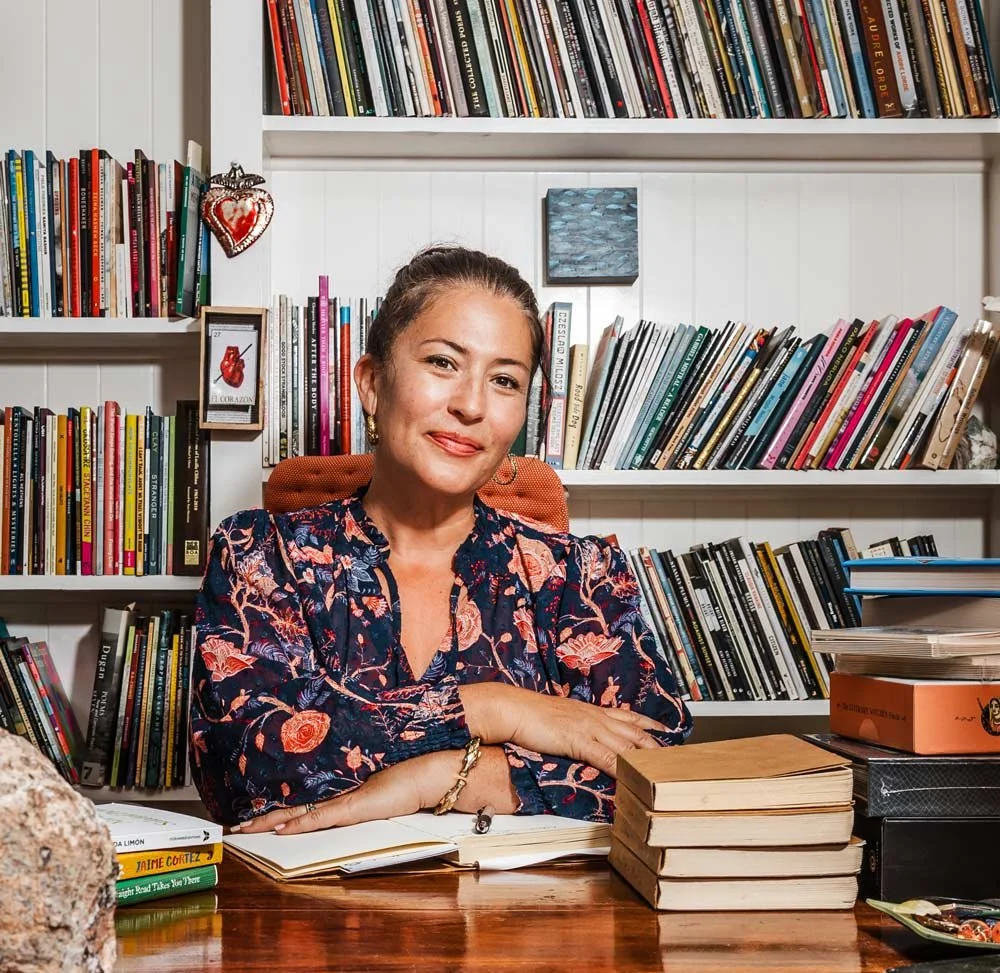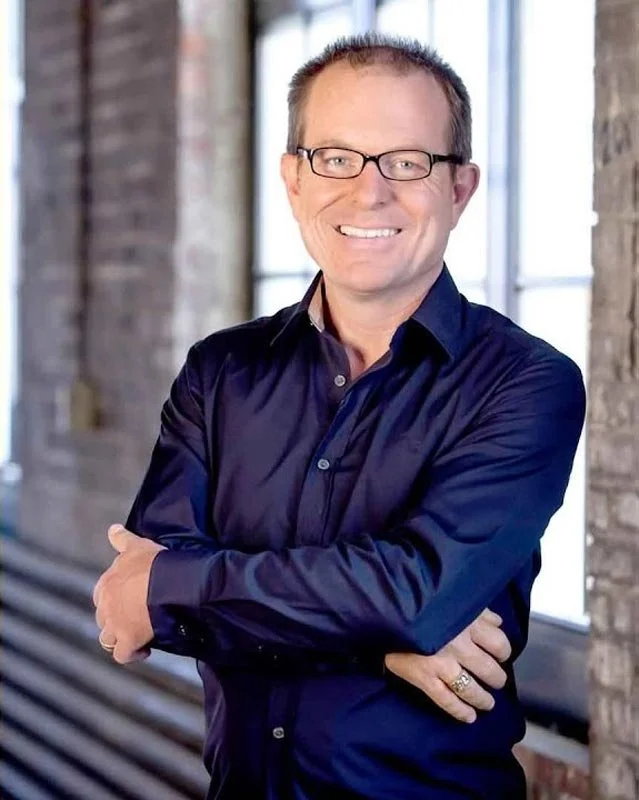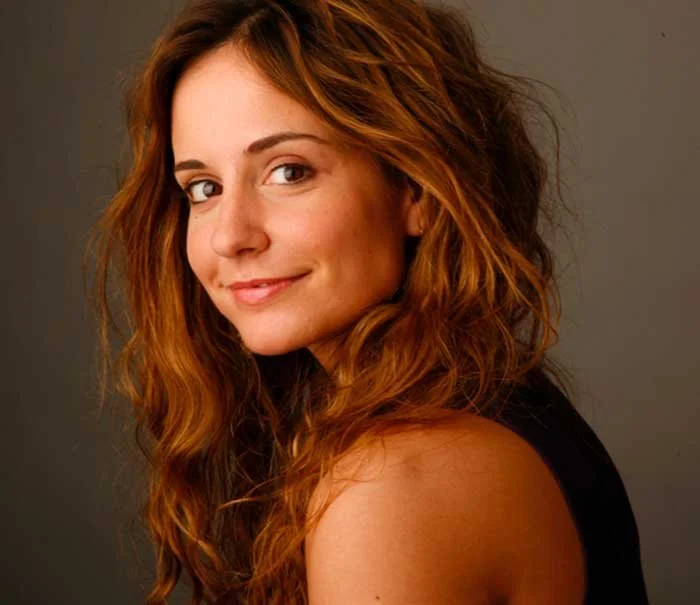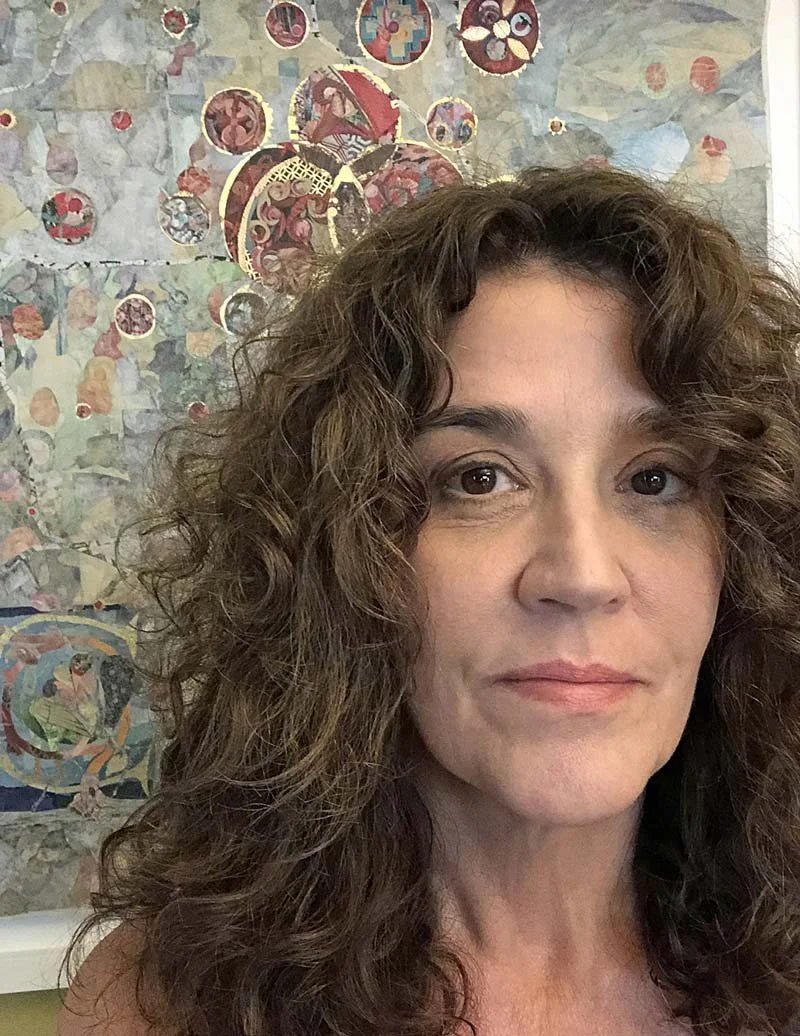


Jennifer Mannebach is a Chicago-based artist, curator, and Gallery Director. Her work addresses boundaries, remnants, and where things collect. She has exhibited at the Hyde Park Art Center, Flatfile Gallery, Jack Olson Gallery, and others, nationally and internationally. She has been a visiting artist at The American Academy in Rome, and more recently, an artist in residence at Playa Summer Lake in Oregon and KHN in Nebraska. Mannebach received her MFA from the School of the Art Institute of Chicago, where she subsequently taught for 6 years. She is an adjunct professor at Concordia University Chicago and North Central College, an Artist/Researcher with CAPE, and the Director for the O’Connor Gallery at Dominican University. Awards include the Illinois Arts Council Fellowship, CAAP grants, IAC grants, and the Governor’s International Arts Exchange Grant. Recent exhibits include the two-person show Fissures, at Boundary in Chicago, and the group show Inform(al) in Batavia, IL. @mannebach_art
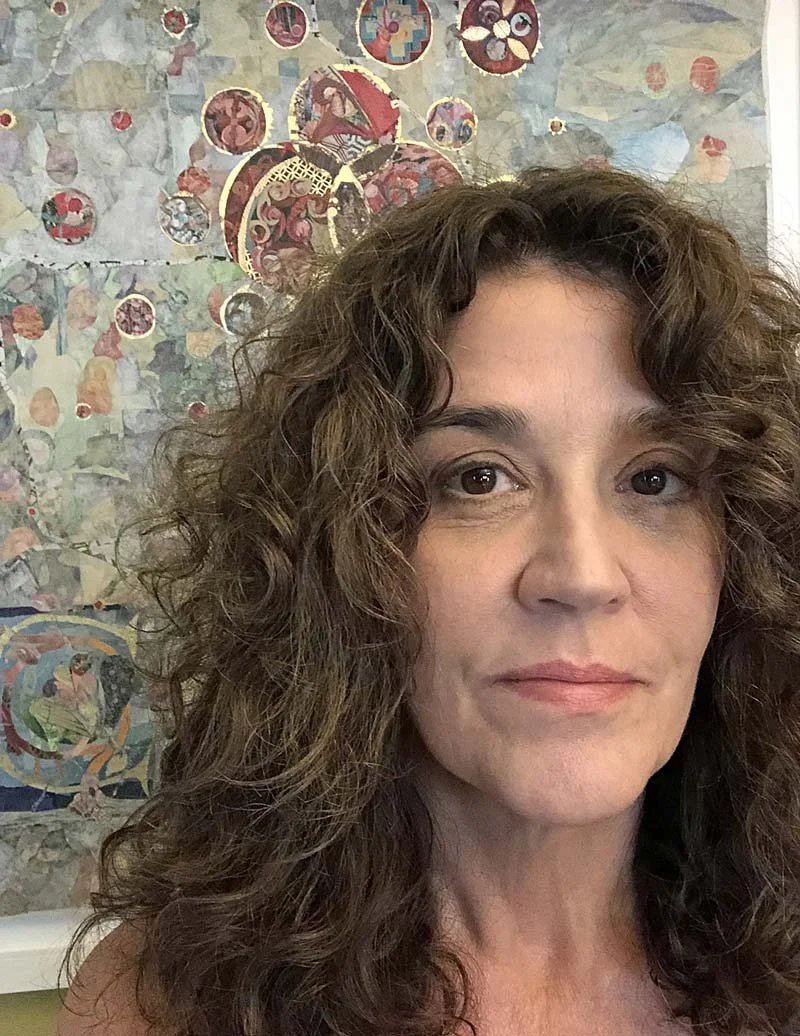
In what ways did your experiences in Illinois inform your artistic themes? I was born in the Midwest, in a suburb of Chicago. Concurrent with the childhood experiences described below, I was an early reader. My parents were strict Catholics, and I found refuge in finding books on the shelf that introduced alternate ideas, myths, and philosophies. It recently occurred to me how important the lakeshore is. Although I don’t spend a great deal of time there, it is a touchstone, and the idea of living somewhere landlocked leaves me feeling slightly panicked.
When did you first fall in love with art and realize you wanted to be an artist? For you, what is the importance of the arts? It has always been my identity, and I can see how my childhood experiences underscore that in different ways. My mother would remark about my looking very intently at things or noticing small things that others didn’t. Drawing was ever-present; however, I have other distinct memories of interacting with spaces in ways that were not tracked as ‘art’ at the time.
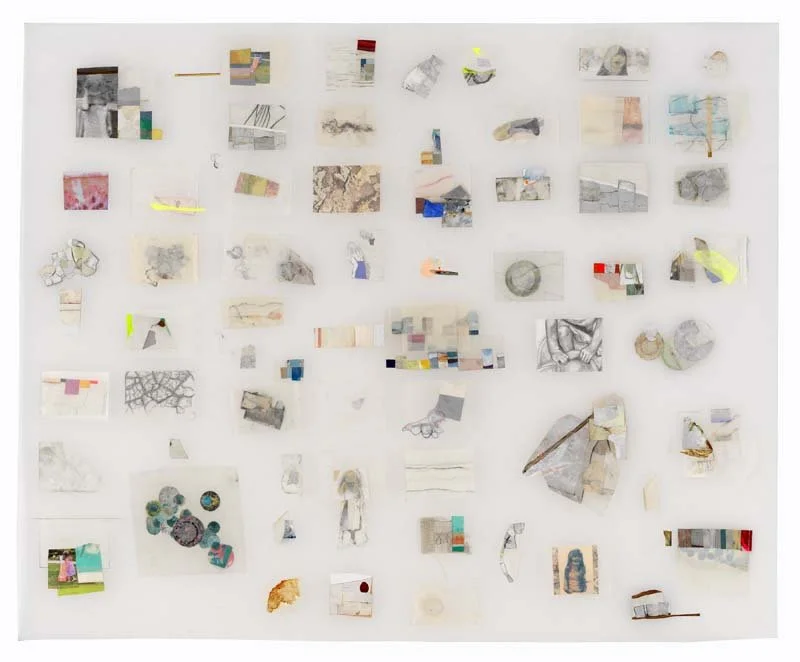
In addition to the usual creation of forts and caves made from objects at hand, I had a bedroom door that was divided into two so that there was an option for the top half to stay open while the bottom remained closed. Yet, even when completely closed, it was never completely private – there was a horizontal slit you could see through. I used to embellish, cover, and alter that area. I consider now how I tend to activate boundary spaces, my love of partial views, and fragmentation.
The arts are critically important. I make things to investigate my own thoughts and questions. Some explorations can develop through conversation or writing, but the catalysts for my visual art are often questions I can’t even articulate. The material studies in the studio are my way of accessing deeper inquiry.
Art triggers a shift from the everyday. Certainly, I am immersed in it, but for anyone who engages with art, a sense of rupture and disorientation can be an opportunity to be more carefully attentive and compassionate.
What does your typical day in the studio look like? Walk us through your studio and your most used materials and tools. I am usually working on more than one thing at a time. I have always painted, but mostly in fragments – collage or sculptural objects. I recently moved to a much larger studio space where I’ve decided to scale up the painting, which feels amazing.
It’s so important to make the space and time. You need to allow yourself to make some bad art - the first ‘version’ that leads to the better versions.
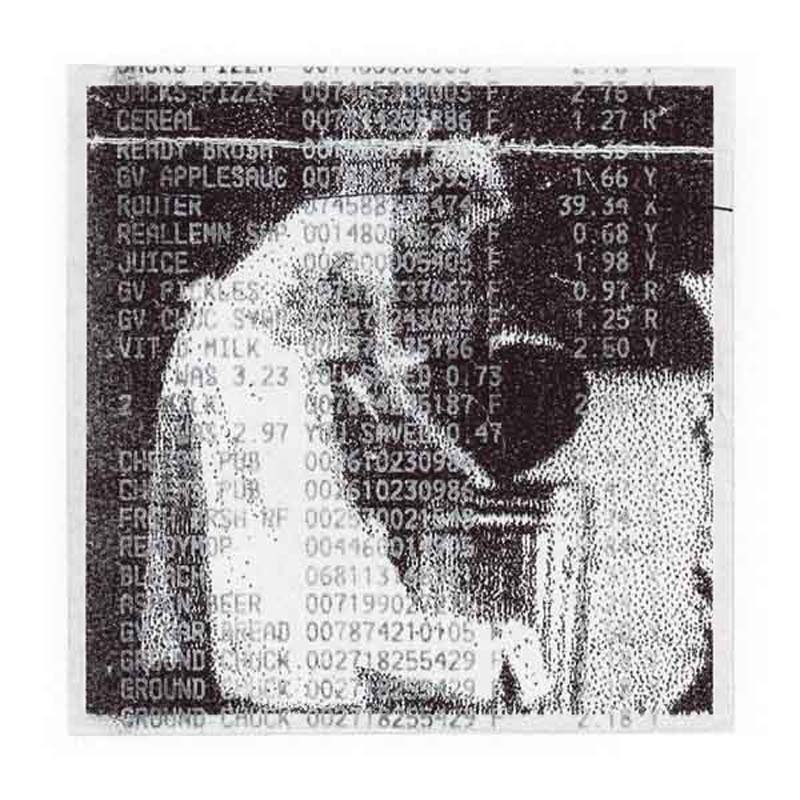
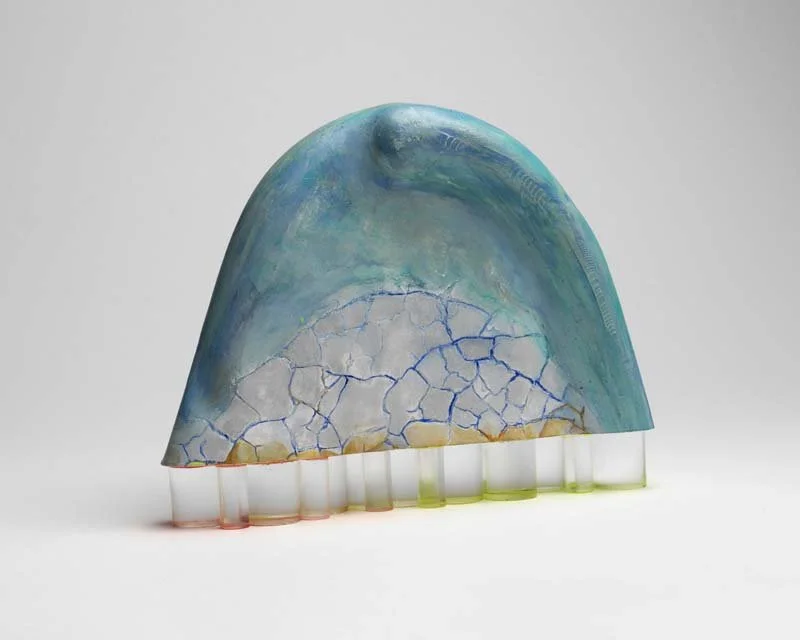
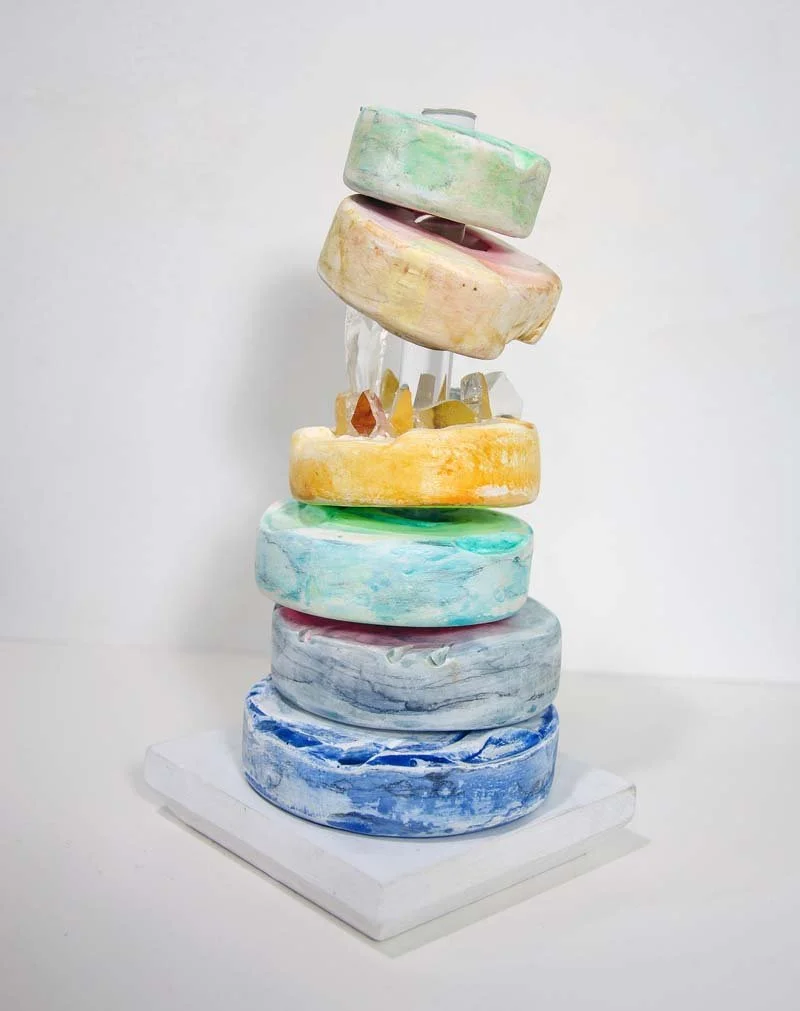
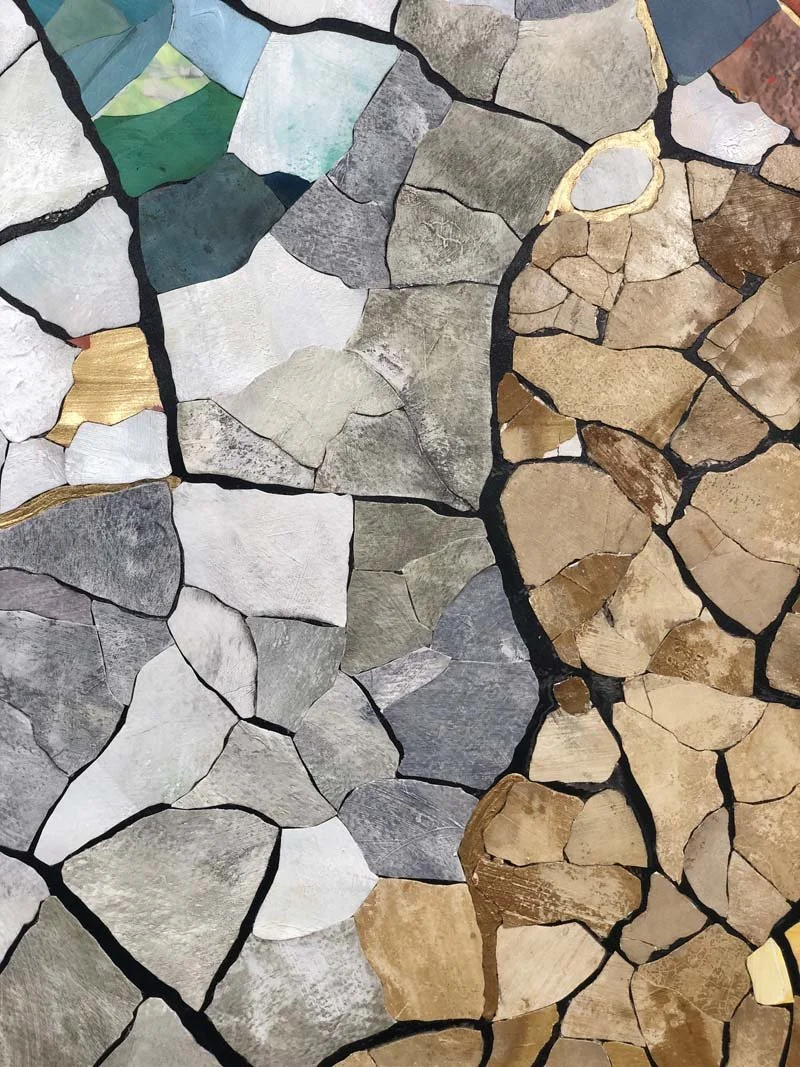
My work is often hard for me to describe concisely because of the mixed material use. I guess it is a collage in the sense of the abutment of material identities. Over a decade ago, I was making work exclusively with masking tape and powered graphite, often back-lit. The lines were created from the graphite drifting into the sticky edges of the tape. I avoided additional color as a distraction to translucency, texture, and line. Since then, my work has incorporated a wide range of colors. It has evolved as my research has shifted. My use of color for recent bodies of work can be inspired by the vibrant hue and chroma of microscopic visualization, or a color palette from a found object or image. I’m still engrossed with fractal imagery derived from hundreds of photos I took of the Playa at Summer Lake (a residency from a few years ago). These are painted and collaged, mostly acrylic. I’m also making sculptures with hydrocal, casting directly from found objects or making latex rubber molds.
The tension between the physically heavy nature of the material and the ephemerality of emotional states interests me. I’m finding more nuanced relationships between my 2D fractal images and my sculpture, further complicating and deepening the relationship between body, environment, and tectonic states.
However… a ‘studio day’ is almost every day, whether I’m physically in the studio or not. I’m always taking notes in a fragmented style and reviewing things in my head about works-in-progress.
What projects are you at work on at the moment? And what themes or ideas are currently driving your work? I’ve always been interested in boundaries, remnants, and where things collect. This has encompassed ideas about shifting ground through mixed media fractal disruptions, based on hundreds of images I took of a summer playa in Oregon. My related sculptures derive from the experience of a distraught child in a video recording, disassembling the children's plastic slide it featured, and casting objects from it. I recognize it as a moment of internal tectonic shift, a breakdown. The source is an old video of my daughter as a toddler, and I initially resisted the direct personal reference as too nostalgic. I came to recognize my motivation not so much as a longing for the past, but the curiosity of looking at it through a different kind of adult lens. She is having a meltdown, allowing it to happen, but still being in the moment. I don’t think that, as adults, we are too far from that. However, we don’t let ourselves feel it because we deal in surfaces and scrolling. We don’t linger enough in the discomfort.
Serendipitously, I’ve found some children’s playhouses and toys that were being discarded and have started taking them apart and casting selected fragments from the shapes. It’s curious to see the little details in molded plastic – outlets, doorframes, stovetops… rehearsal for being an adult. I want to bring the improvisational attitude of some of my smaller 2D works to sculpture, but with the planning of weight and considerations of the 3D process.
What do you hope people feel when they experience your art? What are you trying to express? I know that the research and narrative elements of my work are not always obvious, but I hope the formal elements resonate- fractal patterns and cracked surfaces in conjunction with punctuations of color. To me, they suggest a combination of breaking and growing, and there are intentionally awkward passages of form or color. I hope that viewers find the patience to sit in discomfort long enough to recognize the beauty and the nascent possibilities that are revealed. However, I am not trying to elicit a specific feeling, and I honor the variety of responses and unexpected interpretations that arise.
Which artists, past or present, would you like to meet? And why? Although I certainly don’t rush into situations that evoke fear, I do try to pursue things that challenge me, things that might crack me open a bit so that I learn to accept the leaks and tremors that make perfect composure impossible. At times I find myself looking through a different lens at the acquaintance who makes me nervous, or the family member who tries to tell an uncomfortable truth, unvarnished and perhaps divisive, but with that kernel... Sometimes I’m drawn to the person who is by birth or circumstance incapable of conforming to social norms and not beholden to polite conversation. For that reason, I think Agnes Martin would have been fascinating to meet.
Do you draw inspiration from music, art, or other disciplines? As my work focuses on the borders and edges of where things collect, and the relationships between what happens on either side of these demarcations, I think about DNA/RNA transcription. I like the idea of translation from one expression to another, determining a map that is incomplete. This has informed my studio work for the last decade. I’m also fascinated by the concept of gene editing (CRISPR Cas 9), this collage-type mentality towards manipulating genes, and how that can be extrapolated from micro to macro. When taking out a snippet of info or protein direction, there is a chain of events. Microscopic visualization in scientific disciplines informs my color choices at times.
I also love the challenge of curation. I think my interest in boundaries extends to curating group exhibitions where I can find a charged space between the artists involved. I love how the bodies of work can elide and inform each other, perhaps bringing forth readings that are more in the periphery of how the work is usually seen.
A great thing about living in Chicago is… Chicago is a fantastic city – there is a vibrant art scene, but it is a manageable city, and can be affordable, in relation to what it provides. Not perfect, of course, but I feel that here you can be ambitious on your own terms.
Can you describe a project that challenged you creatively or emotionally—and how you worked through it? When my daughters were very young, I had the opportunity for a 2-week residency at the American Academy in Rome. This amount of time away from home is easy for me now, but was quite difficult at that stage of my life. The emotional discomfort was paired with a general sense of anxiety about what I would make in my studio there. Ultimately, I realized that the critical work was engaging with the city itself– exploring, writing, and taking photos. It was more about gathering and ruminating than making complete work. Subsequently, this played out in a body of work that was more genuine. In exploring the tension between the iconic religious architecture of Rome and the strange beauty of the detritus of a functional city, my photos settled on two categories: iconic structures and ephemeral city trash. Rather than bully them into some kind of cohesion in the moment, I was glad that I waited and allowed the sensibility of that dichotomy to emerge in a way that was less literal and more nuanced and buoyant.
Tell us about important teachers/mentors/collaborators in your life. Although I never got to know him very well before he passed away, I met the artist Michael Piazza when we were both teaching at The School of the Art Institute of Chicago, and he introduced me to the artists at Little City Center for the Arts, a studio where he worked as a facilitator helping adults with developmental disabilities make art. I subsequently worked there for almost 15 years, formed longstanding relationships with many artists there whose passion, humor, and determination were really inspiring to me.
Anne Wilson was an important influence when I was a grad student at SAIC. She remains an artist and educator whom I admire.
In addition to a couple of close artist friends I‘ve had for a very long time, I am also part of a group of artists whom I meet with on a regular basis. (Praxis was formed in 2019 as a collective cohort to support, challenge, and share an understanding of the creative studio practices of its members. Through engaged studio visits, group readings, exhibition visits, and elaborate discussions, the group organically grew to function as an engaging, safe space to share ideas, in-progress thoughts, and opportunities with each other. What started as a simple meet-up of artists grew into a scaffold for the group and their creative visions for their work. All members in the collective identify as women or nonbinary and have deep ties to Chicago, Chicagoland, and Milwaukee.)
Navigating life in this chaotic and frightening time, I often think ---How do you stay alive and awake in your empathy while also feeling protected and functional?
Finding people whom you respect and nurturing the deep relationships you already have is essential.
Sustainability in the art world is an important issue. Can you share a memory or reflection about the beauty and wonder of the natural world? Does being in nature inspire your art or your process? When I was very young, there was a school project where we collected fall leaves and sandwiched them between wax paper, suspending them in the window. Walking home that day, I do remember looking up through the sun-soaked leaves in the trees and thinking – “I caught some of that light!”
More recently, the experience and documentation of the Playa at Summer Lake has been very generative to my practice.
Regarding nature on the microscopic level, cellular behavior and genetic mutations are fascinating to me- the cut and paste aspect of it, which I’ve already described.
I am also a beekeeper. The cycles, patterns,and boundaries of honeybee life are inspiring in ways I don’t always track until later. Thomas Seeley’s Honeybee Democracy details the endlessly fascinating behavior of the hive. Viscerally, I experience smells, sounds, and patterns whenever I open the hives for inspection.
AI is changing everything - the way we see the world, creativity, art, our ideas of beauty and the way we communicate with each other and our imaginations. What are your reflections about AI and technology? What is the importance of human art and handmade creative works over industrialized creative practices? Any new technology is governed by how it is used and can be abused, but I think most agree that this historical moment is more extreme than what previous generations have experienced (the Jenny Holzer quote keeps popping up for me – “Abuse of power comes as no surprise”). We’re already becoming so distanced from each other. Will proof of humanity become coveted? Will the presence of touch or being in the physical company of another human being become fetishized?
I think about connection and presence quite often with my students, especially those who are so distracted and distanced from their own bodies and are losing the ability to be mindful. I fear the shortcut of AI is irresistible to them.
Slow looking is something that artists and educators talk about a lot, but it is not confined to educational discourse. It’s something that everyone needs to make a concerted effort to do periodically. An artist can employ various technologies in their work, but they are the ones making with intention, inquiry, and time. That gets passed on to any viewer who takes the time to look. It can be palpable.
AI can sort things, but lacks the nuance of interpretation. I hope that we can continue to recognize that. Empathy, paired with visual literacy, is essential.
As the writer George Saunders says, “The heart rises in a certain way when it encounters another heart on the page”.
Exploring ideas, art, and the creative process connects me to… A distinct kind of intelligence I can’t access otherwise. A way to connect.