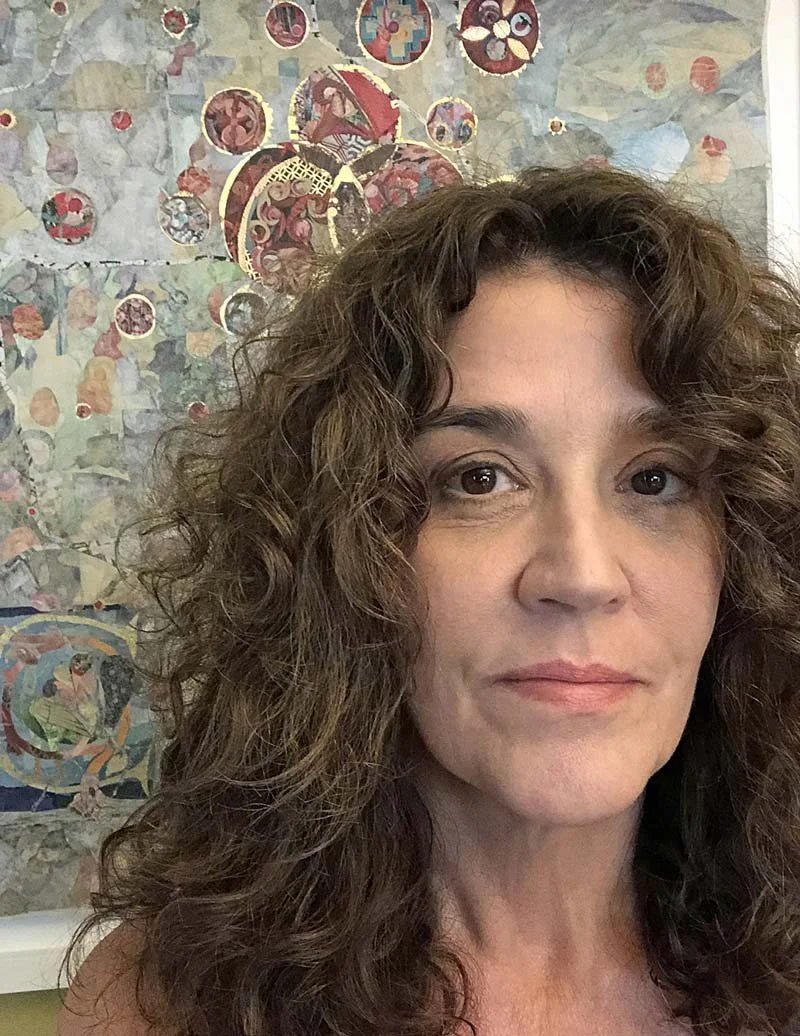
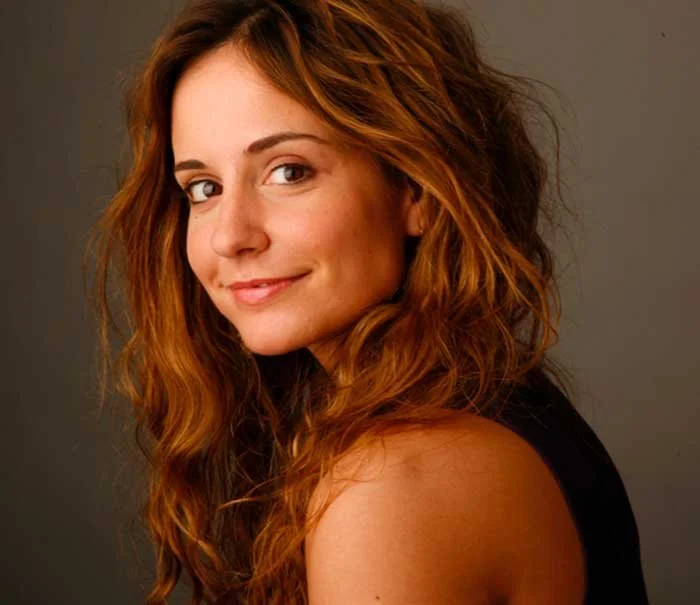
Sophie Achilli is a self-taught artist living in central France. She graduated in English Literature, which strongly influences her work that stems from her many diaries and from the stories she wants to tell. @sophieachilli_art
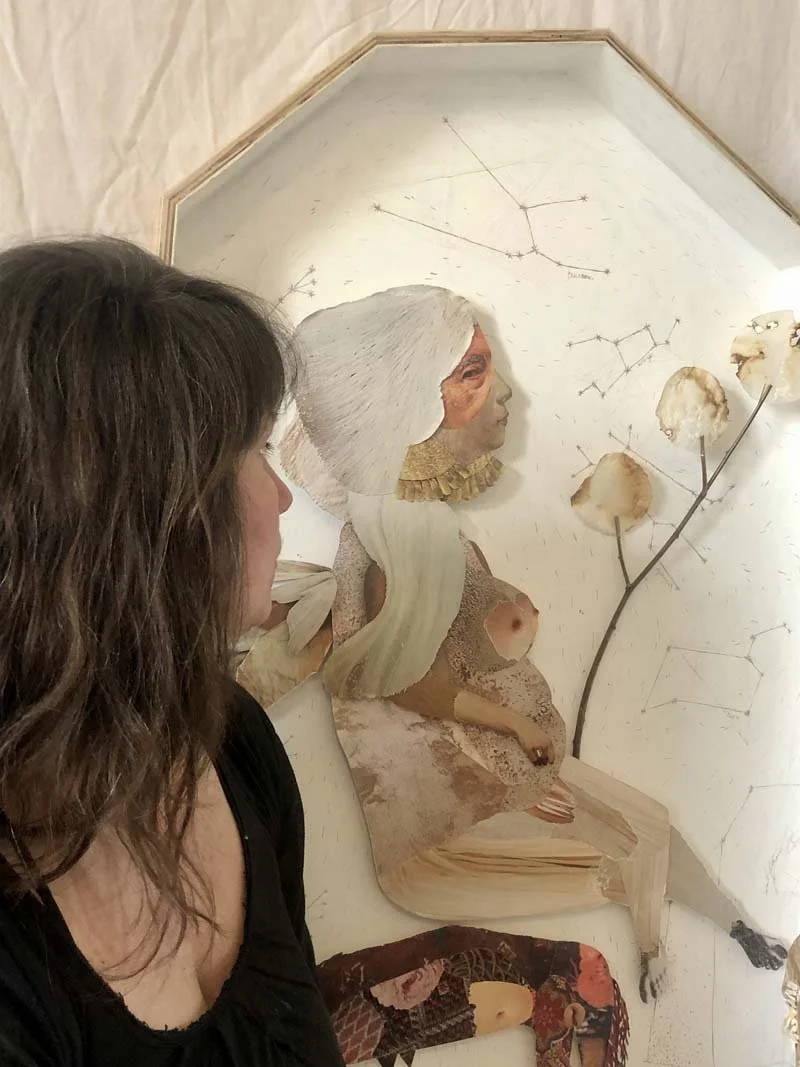
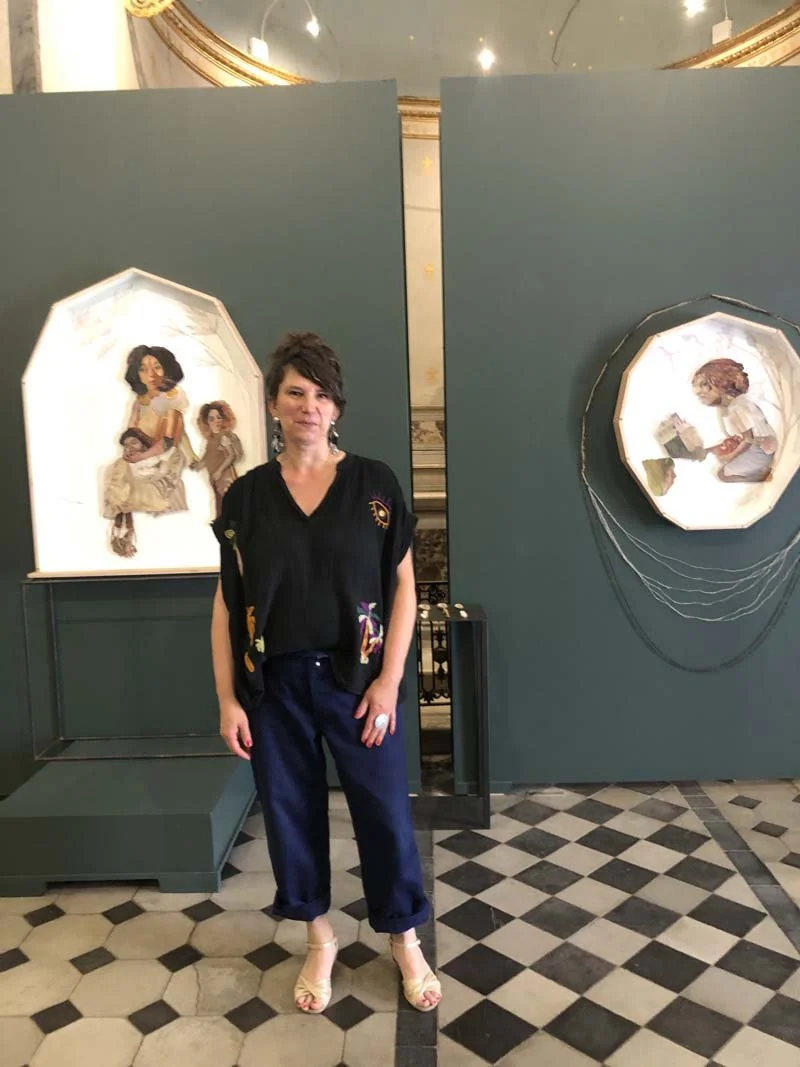
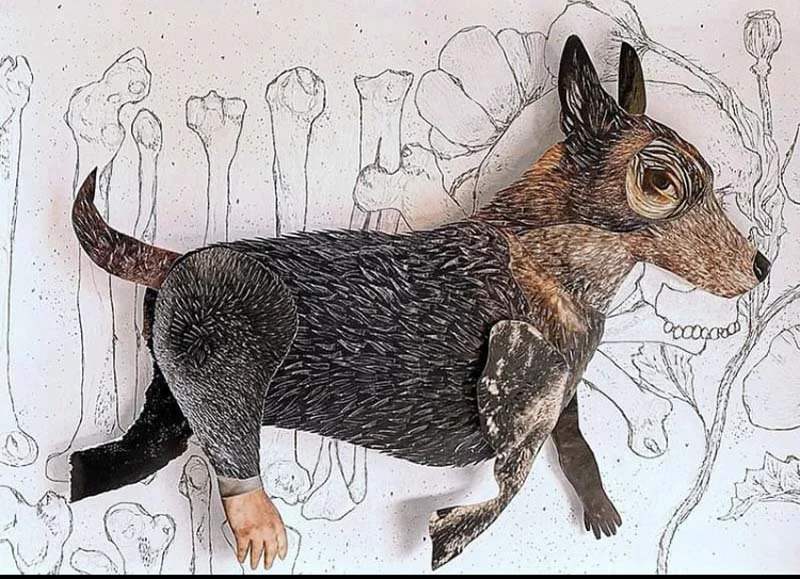
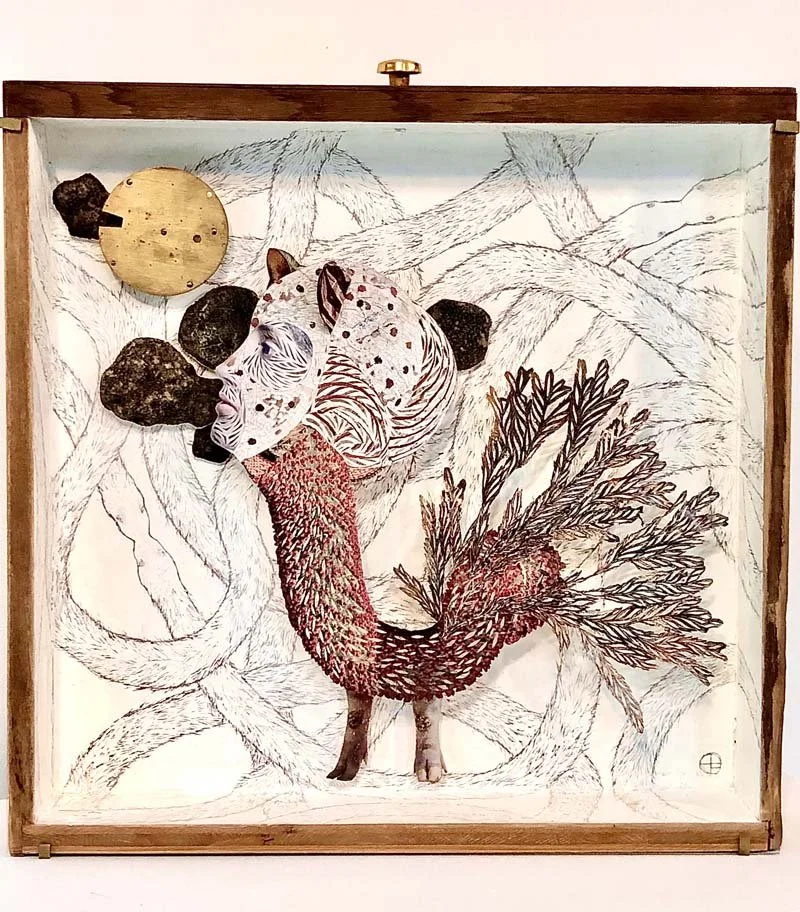
How has your background contributed to your artistic identity? I was born and raised in a rural area of France, where I came back to live after living in Paris, Cambridge, UK, and Sacramento, CA, USA. Nature surrounds my house and my artworks, therefore often include hybrid animal figures and botanical drawings engraved in the background of my dioramas. It is an endless source of inspiration and reflection for me.
When did you first fall in love with art and realize you wanted to be an artist? For you, what is the importance of the arts? I have always wanted to become an artist or a writer, and I remember being fascinated with dry point etchings when I visited museums with my parents as a child.
Creating is essential to me, not an addition to life but life itself, a breathing space I could not do without. It is also, from a wider perspective, the space where we can collectively imagine a better future, by taking a step aside and looking at things in a different way.
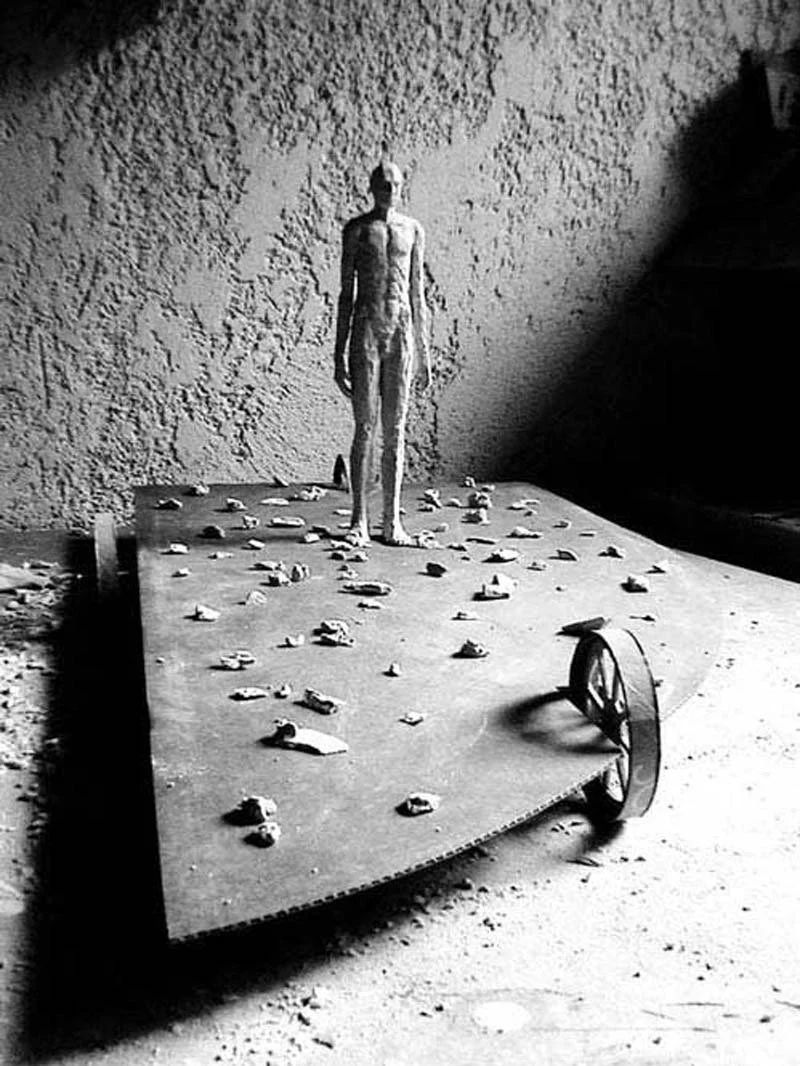
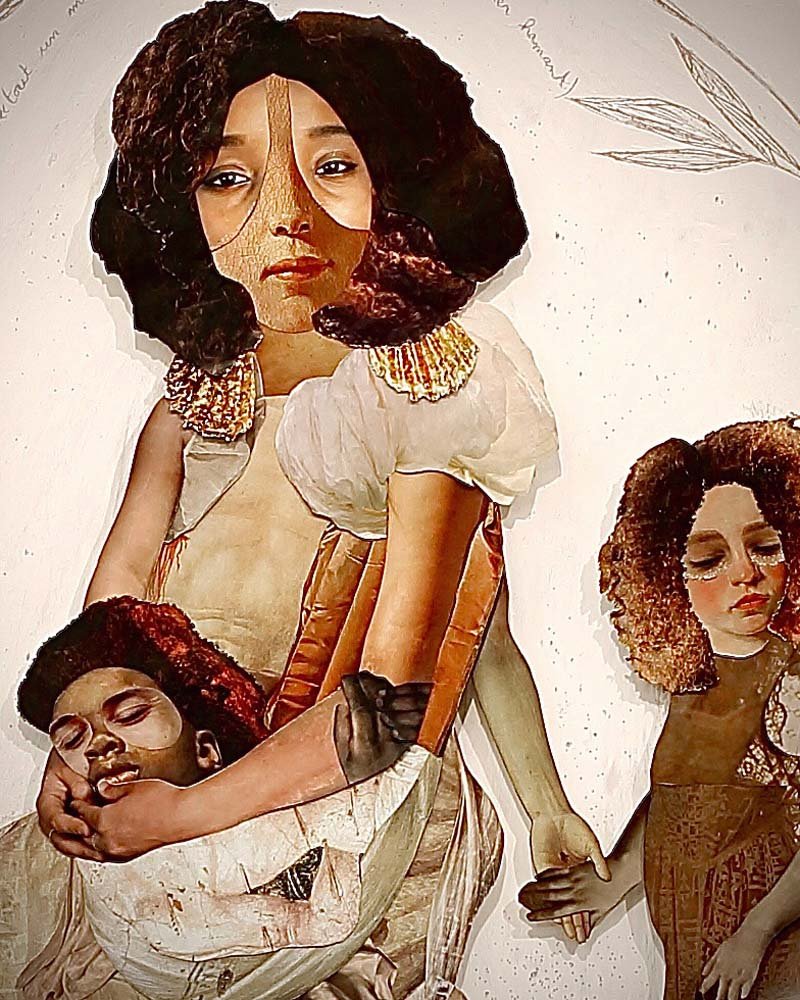
What does your typical day in the studio look like? Walk us through your studio and your most used materials and tools. My studio days start with writing in my diaries, re-reading entries, in order to step into my world. Then I can start creating, making collages from patiently collected bits of magazines and books, classified in envelopes as « eyes », « stretches of land » or « bits of skies »… depending on the phase I am in, I might also be engraving the background of my dioramas with dry point, a very basic tool I hold dear, or cutting out upcycled brown paper into large wall hangings that I then paint and hand-embroider.
What projects are you at work on at the moment? And what themes or ideas are currently driving your work? At the moment, I am working on sketches for a diorama in the shape of a doll for a collective exhibition in South-West France. It tells the story of a doll my mother broke as a child, and is an act of repair and appeasement.
What do you hope people feel when they experience your art? What are you trying to express? I hope it helps them see things from another angle, building empathy in them. My latest exhibition, which is currently on show on the French Riviera, is about exile and encourages viewers to dive into individual and collective stories of displacement and migration.
Which artists, past or present, would you like to meet? And why? Among the living, I would love to meet Kiki Smith, whose work I admire for its meaningfulness and raw beauty, and among the dead, I would be honored to meet Giotto, my favorite painter of all time, whose work is both surprising and accessible, a humble hand held to humanity.
Do you draw inspiration from music, art, or other disciplines? I listen to all types of music while I work, in a truly obsessive way, listening to the same albums over and over again, but I can really get my inspiration from everything, from radio shows to everyday life events.
A great thing about living in rural France is… The quiet! Time to think and ponder, away from the din of the modern world. Yet, I think it is the right distance to look at modernity, and still be part of society in an active, meaningful way.
Can you describe a project that challenged you creatively or emotionally—and how you worked through it? My latest show was intensely challenging, as it also mirrored my own life, a transition from one period to another, children growing up and leaving home, an exile from a former self, as well as a reconnection with my father’s epic departure from his native island of Corsica at age 18. Everything seemed to make sense at the same time, like a gigantic jigsaw puzzle that also reflected current issues about climate change, war, and migration.
Tell us about important teachers/mentors/collaborators in your life. I was lucky enough to meet and share at length with two important French artists, dry-point artist Cecile Reims and her husband Fred Deux, whose work is mesmerizing. I met them when they were really old, and Cecile really supported and encouraged me to believe in my art and carry on working.
Sustainability in the art world is an important issue. Can you share a memory or reflection about the beauty and wonder of the natural world? Does being in nature inspire your art or your process? Of course, sustainability is key to my work; I waste very little and upcycle a lot. Living in nature forces me to respect it and to protect and mend as much as I can. Every day, I am lucky enough to observe huge trees in my backyard, keenly watching their gradual transformations, a process I never get tired of.
AI is changing everything - the way we see the world, creativity, art, our ideas of beauty and the way we communicate with each other and our imaginations. What are your reflections about AI and technology? What is the importance of human art and handmade creative works over industrialized creative practices? To me, the human hand is a perpetual source of wonder, and I don’t really like the idea that we might lose this connection to the real world in the future. I welcome progress, but I usually prefer more painstaking creative processes that allow one to slow down and meditate.
Exploring ideas, art and the creative process connects me to… Both myself and the world at large, which to me is like a vast continuum, without clear boundaries.