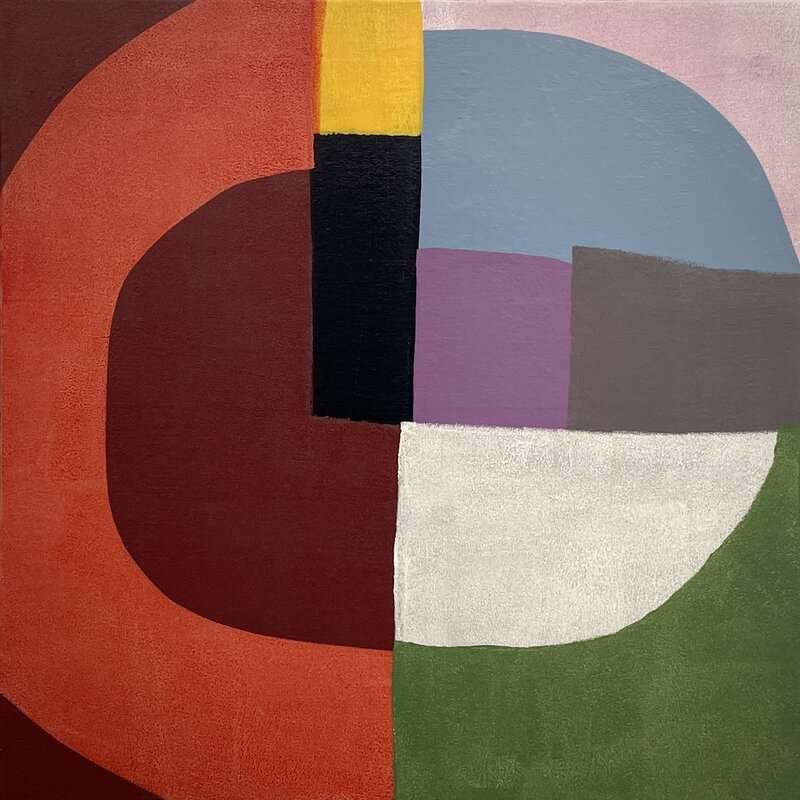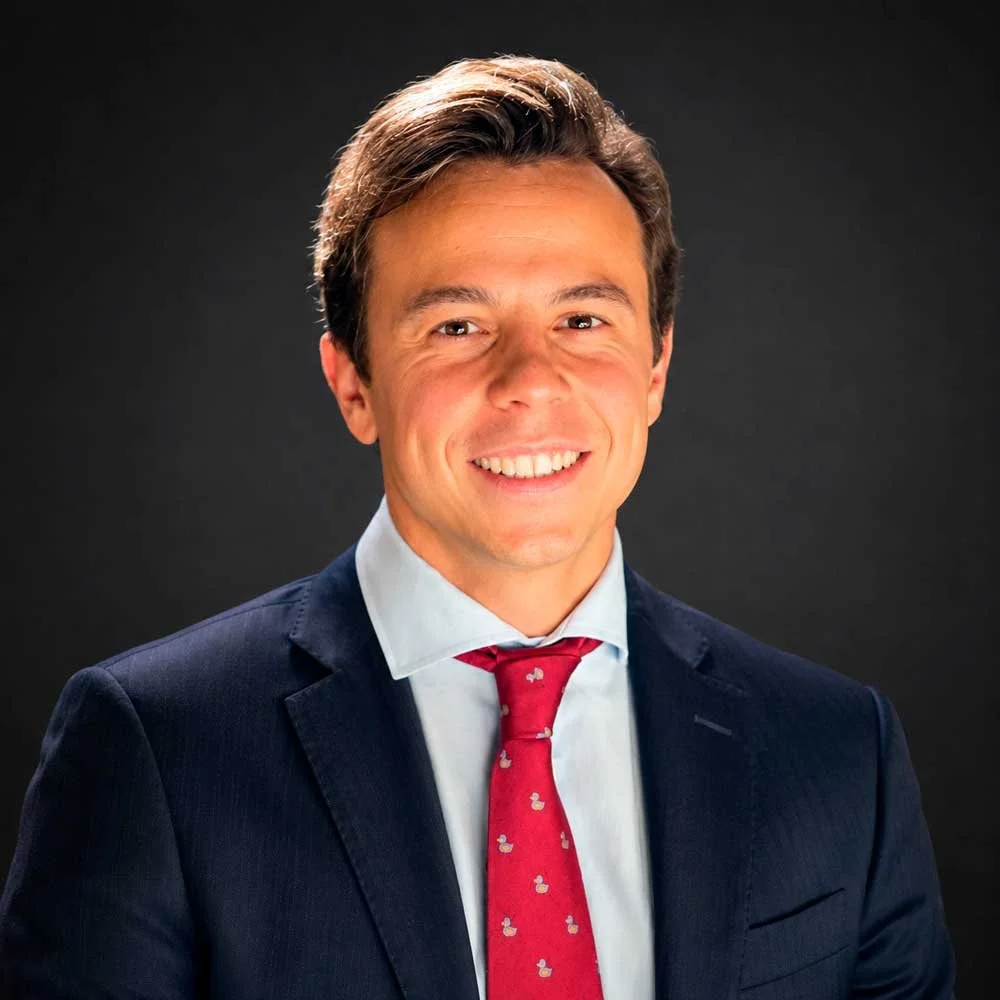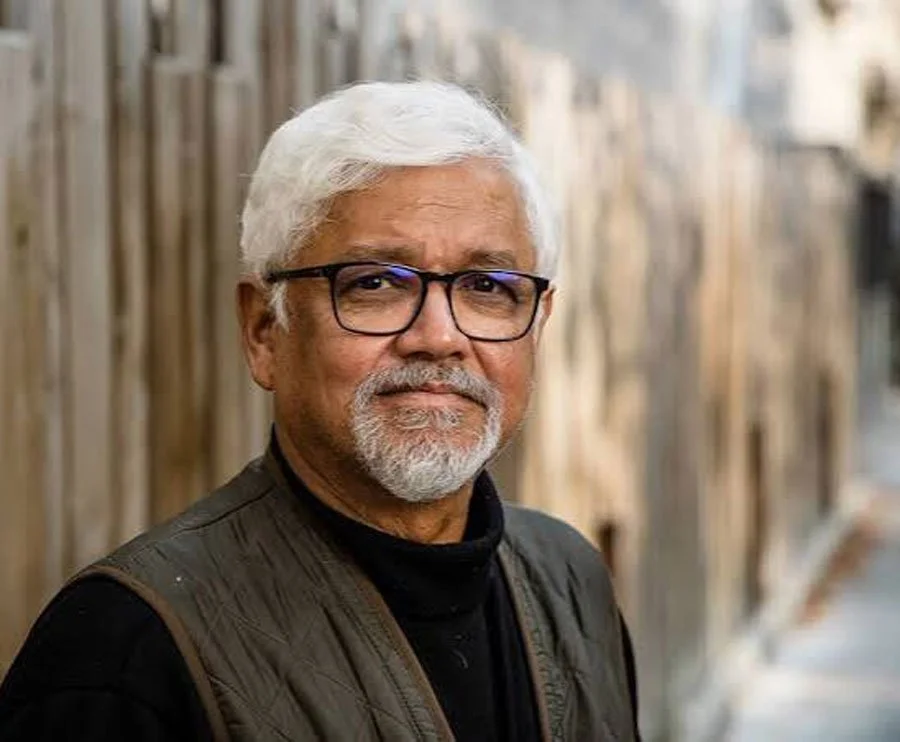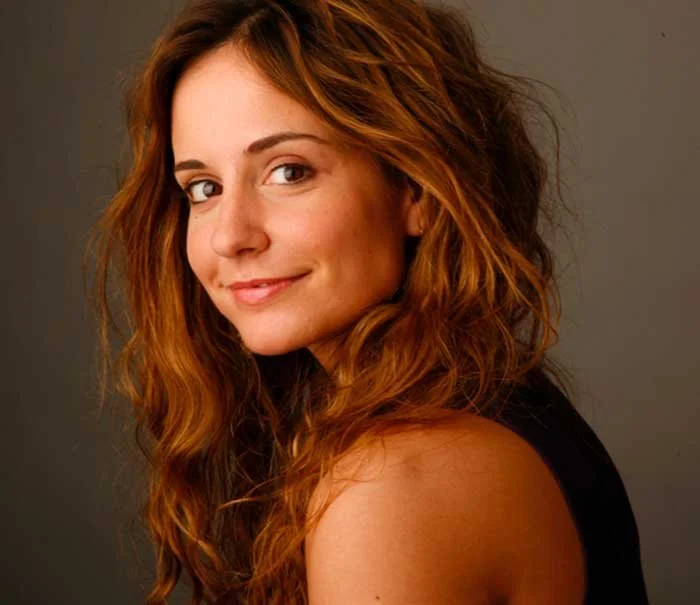


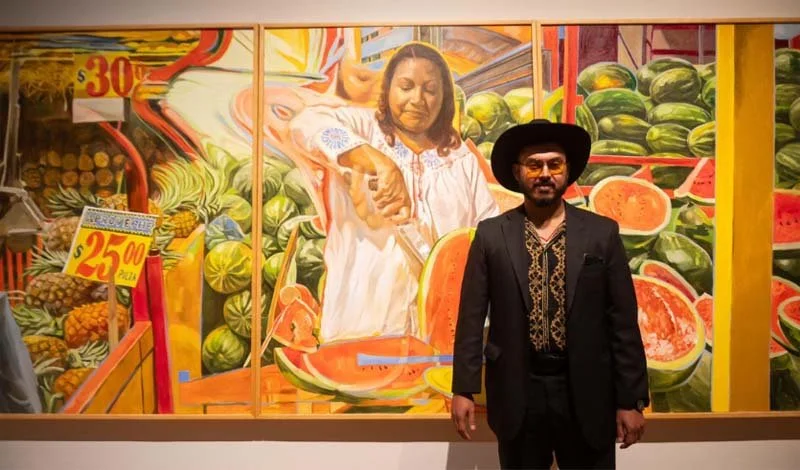
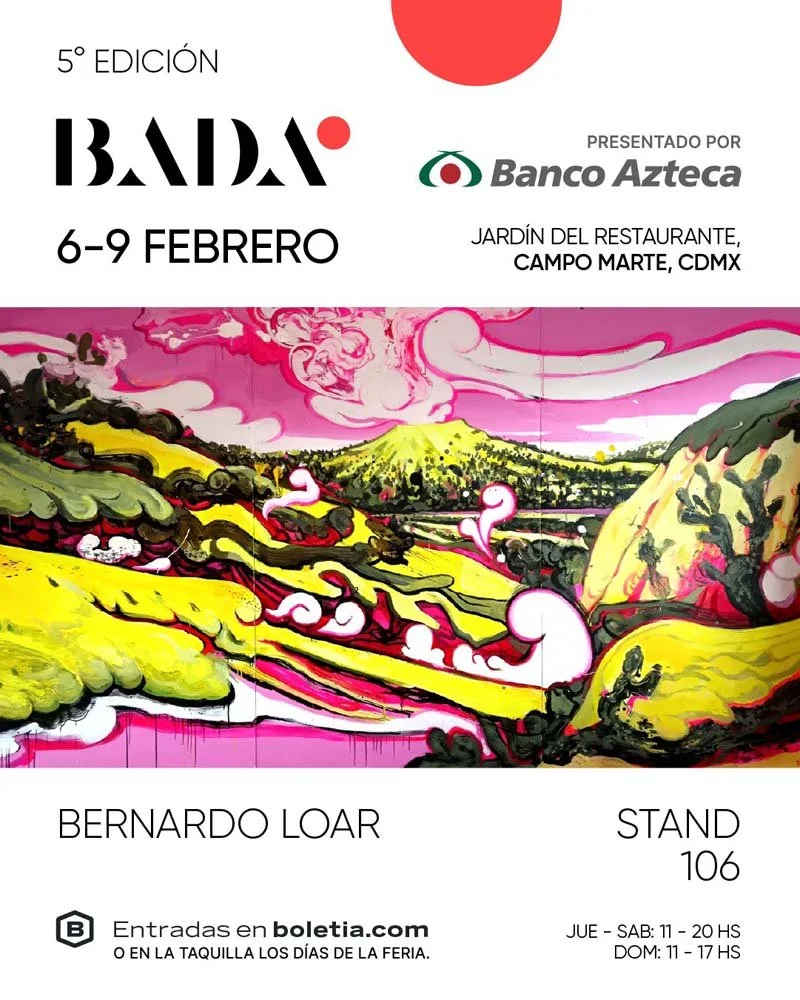
Bernardo Loar, 1992, is a Mexican contemporary visual artist. His work talks about his contemporaneity, spirit and nature. He is represented by the MASH GALLERY in Los Angeles California, the Aldama Fine Arts Gallery and Kolectivo gallery in Mexico City, also part of the MILENIO ARTE collection, has exhibited his work in distinguished museums in the country such as El Museo Soumaya. He has won the Fonca Young Creators' Scholarship. He completed his artistic training at the Faculty of Arts and Design of UNAM and won a scholarship to study painting and engraving at the Polytechnic University of Valencia in Spain. @bernardo_laur
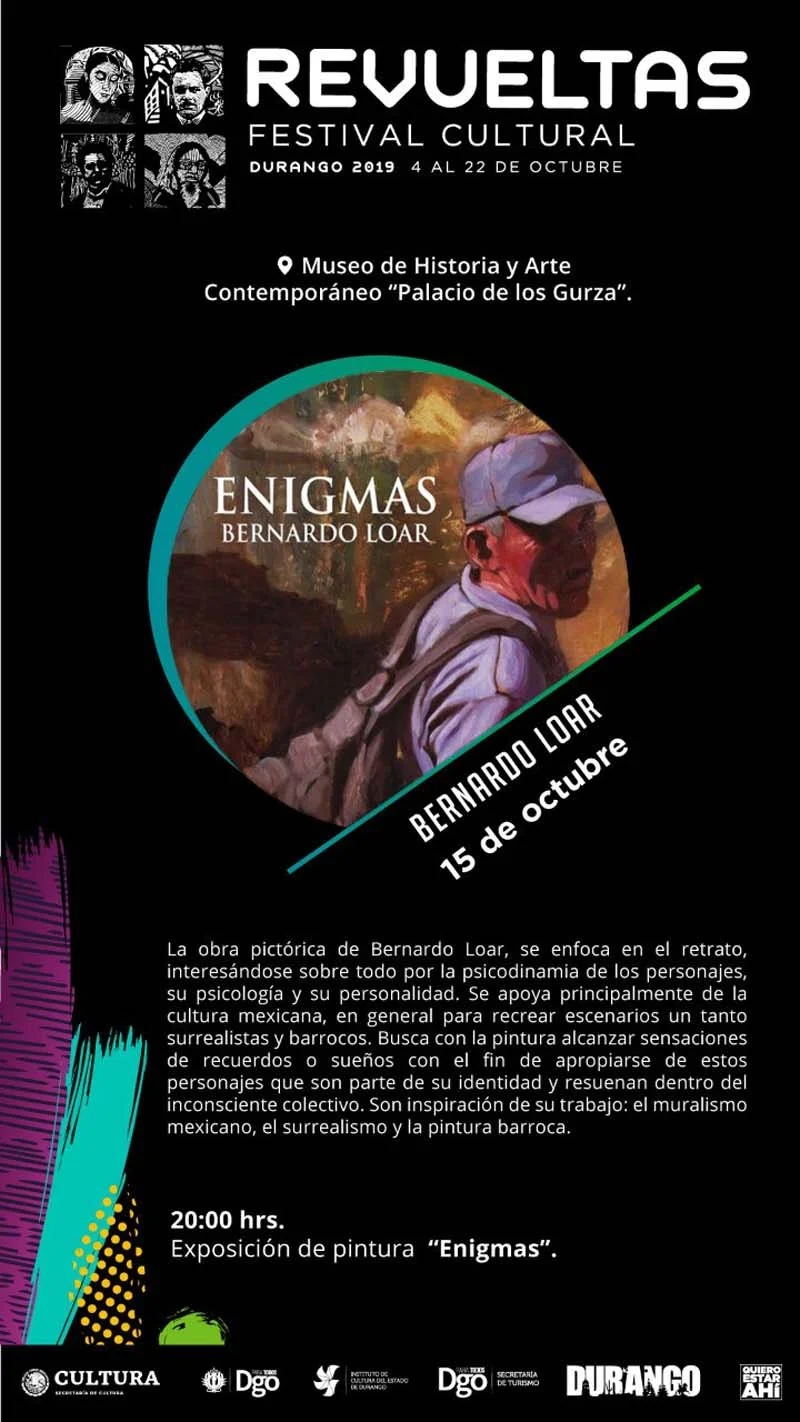
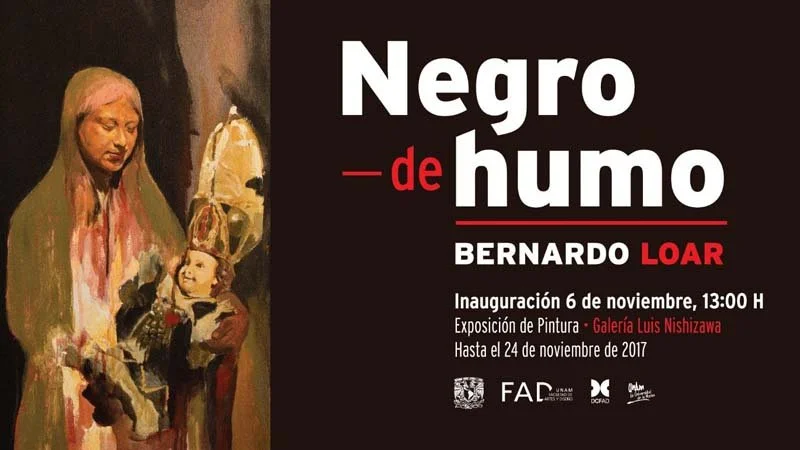
Reflecting on your childhood in Mexico, how did it mold your approach to art? I was born and raised in Hermosillo, Sonora, Mexico, in the neighborhood of Villa de Seris. Villa de Seris definitely influenced my way of doing art, as when I was a child after school I went to the house of culture to see exhibitions of painting and art books. The desert landscapes of Sonora have always inspired me to create, because I like being in contact with nature. The Yaqui culture has also influenced my work as a plastic motif because, since I was a child, I saw in the streets of the neighborhood the chapayecas, with their traditional masks. Also Catholicism has influenced along with magical realism.
When did you first fall in love with art and realize you wanted to be an artist? For you, what is the importance of the arts? From the age of 5 I began to love art, because I liked drawing since then and I discovered that it was the only thing I was really good at in life. Art is important because it is what defines us as human beings, giving meaning to things in the world, and expressing our thoughts and emotions with poetry and beauty to shape our reality.
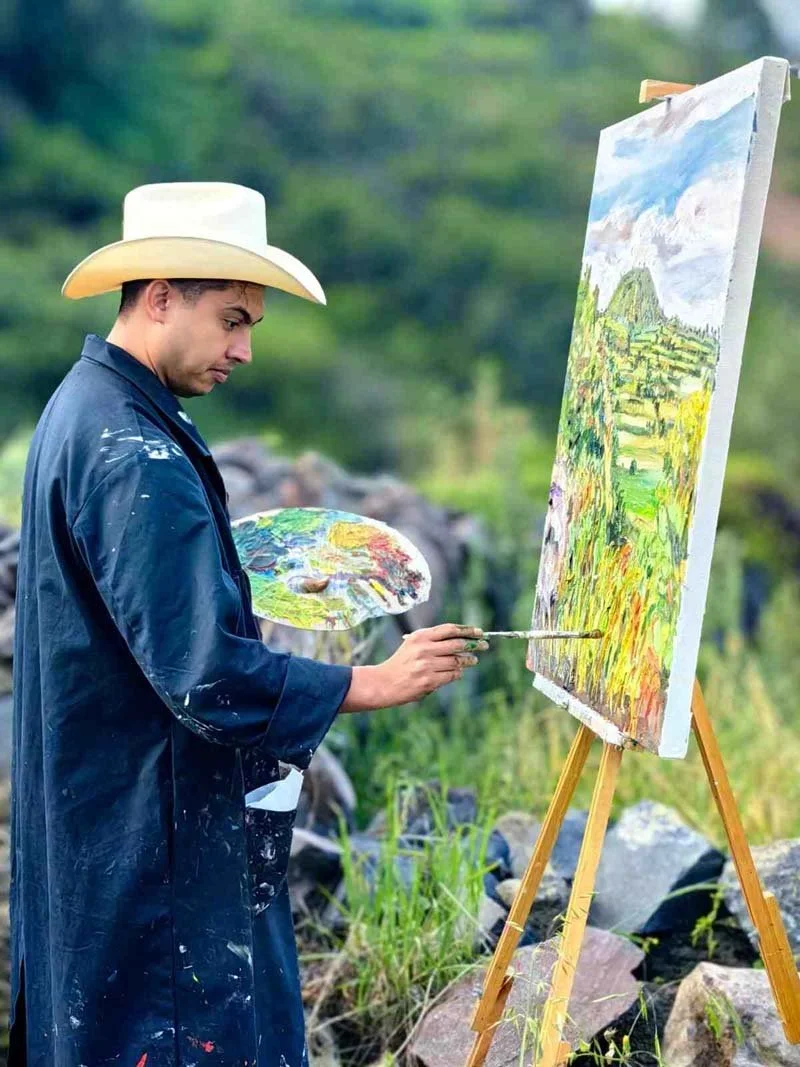
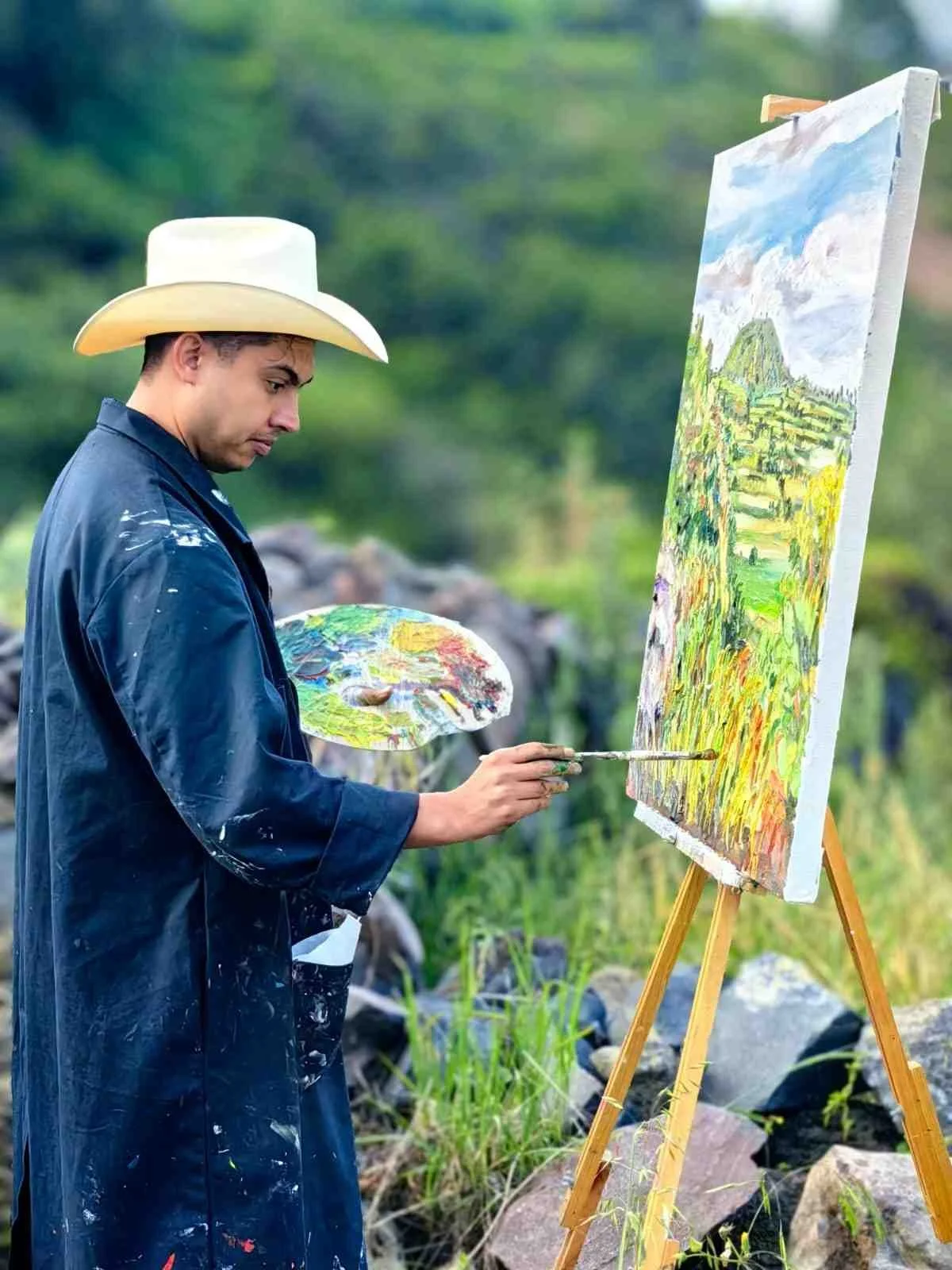
What does your typical day in the studio look like? Walk us through your studio and your most used materials and tools. I start by reading or watching some documentary art. Then I make notes in my sketchbook. I prepare the materials that I will use to paint, serving the oil in my palette, fill a jar with barniceta prepared with linseed oil, damar varnish and solvent without odor and select the brushes that I will use. Sometimes I draw with charcoal on the canvas or start painting directly. When the paintings are greater than one meter I paint with a canvas on the wall, but on my easel. To paint I use as reference photographic images that I take from the internet or with my mobile phone, except for the paintings that I do with sketches made with drawings that I make of studies and my imagination and my outdoor landscapes. When I paint I do sessions of several hours throughout the day, with small breaks to be able to see the works from another perspective. I also take time to be able to document my work and upload it to the internet for promotion.
What projects are you at work on at the moment? And what themes or ideas are currently driving your work? I currently work on several projects at once, one of magical realism, another of landscape, and another of expressionism. In the magic realism I address issues related to daily life and the spiritual. In the landscape I deal with themes about nature, impressionism and Japanese painting. In expressionism I make paintings with a Renaissance caricature style, with images that I create of everyday life and my imagination.
What do you hope people feel when they experience your art? What are you trying to express? A pleasant, reflective or profound aesthetic experience, a reflection of everyday life and the spiritual and I seek to share my feelings, emotions and thoughts.
Which artists, past or present, would you like to meet? And why? From the past I would like to meet Miguel Angel Bounarroti, El Greco, Rubens, Velázquez, Goya, Picasso, Dalí, Monet, Van Gogh, Lucian Freud, Francis Bacon, Andy Warhol, De Kooning. I would like to learn from them their great expertise in technique, their originality, success and personality.
And of the current artists, Neo Rauch, Cecily Brown, Anselm Kiefer, Jenny Saville, Gerhard Richter, David Hockney, John Currin, Demian Hirst, Takashi Murakami. I love their art and want to learn how to be a successful artist like them.
Do you draw inspiration from music, art, or other disciplines? I love listening to music when I work, especially classical music, Mozart, Bach, Beethoven, Brahms, Tchaikovsky, Chopin, etc.
I always consult works of painters when it is necessary either in pictures or in the museum.
Also reading and cinema inspire me, but my own progress working does it more.
A great thing about living in my Mexico is… In Mexico City I can visit great museums and contemporary art exhibitions, as well as sell my art in galleries and art fairs, meet great artists and people involved in the artistic environment.
In Hermosillo I enjoy my family and life more, as well as painting.
Can you describe a project that challenged you creatively or emotionally—and how you worked through it? In my project "I feel that we disappeared" I made a series of paintings of portraits of people who were close to me, with which I no longer live, and it was hard to expose these works because I had an emotional load with the portrayed people.
Tell us about important teachers/mentors/collaborators in your life. My teacher Alfredo Nieto Martínez from the Universidad Autónoma de México was important to me for his teaching of materials techniques and fresco painting.
The art critic Avelina Lesper was my patron and impulse in the artistic field in Mexico.
My high school teacher Alejandro Rivas Santoyo was the first to boost my artistic career and believe in my talent.
Sustainability in the art world is an important issue. Can you share a memory or reflection about the beauty and wonder of the natural world? Does being in nature inspire your art or your process? Yes, my art is inspired by nature and God’s creation. Being in nature invites me to reflect on the spiritual, life and my artistic work.
AI is changing everything - the way we see the world, creativity, art, our ideas of beauty and the way we communicate with each other and our imaginations. What are your reflections about AI and technology? What is the importance of human art and handmade creative works over industrialized creative practices? I think AI is a good tool for the progress of humanity.
I believe that art comes from the spirit and that the industrialization of art lacks spirit. For the art market it is important that a brand artist produces works in an industrial way, but for the artist this can be a problem if their art is very traditional.
Exploring ideas, art and the creative process connects me to… My purpose as a visual artist in the world.