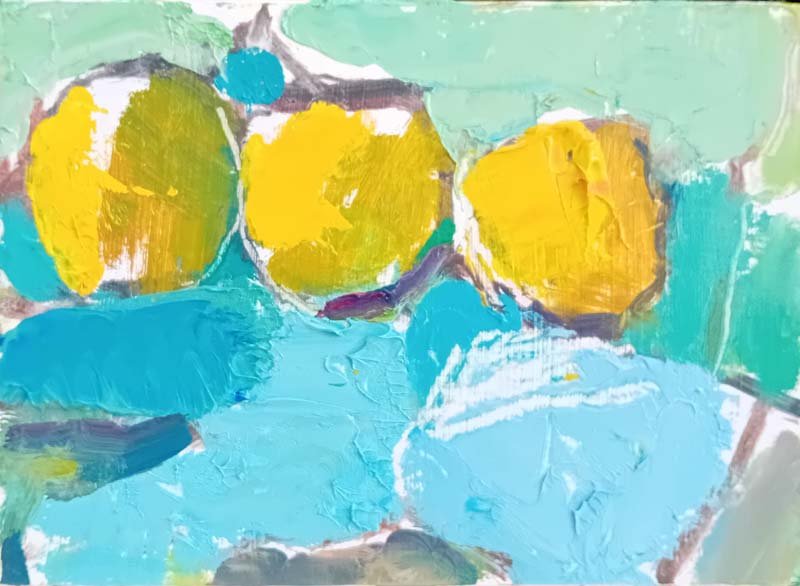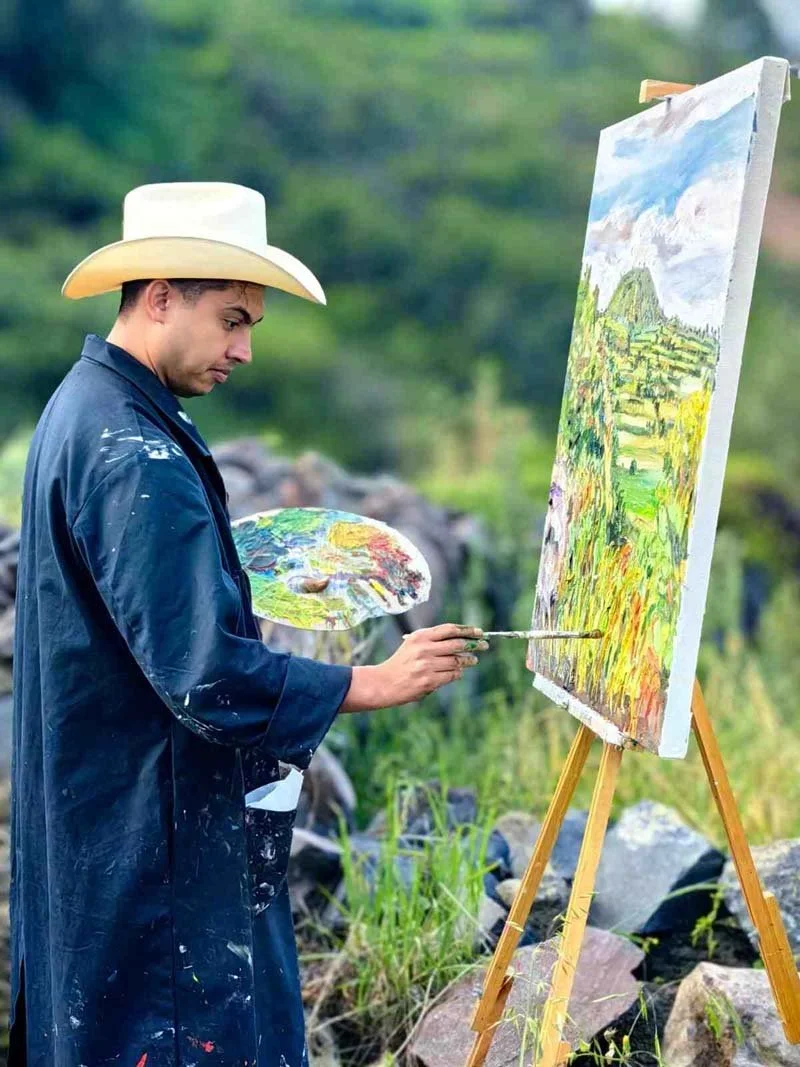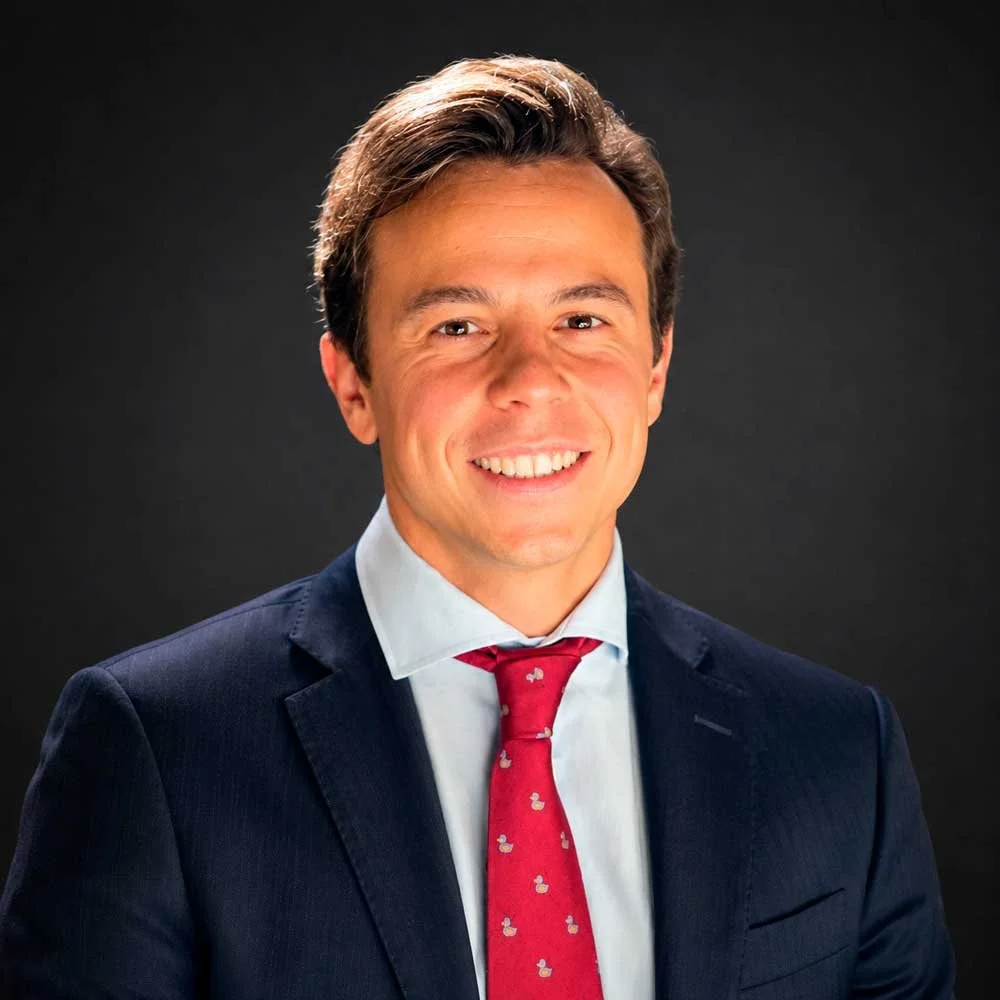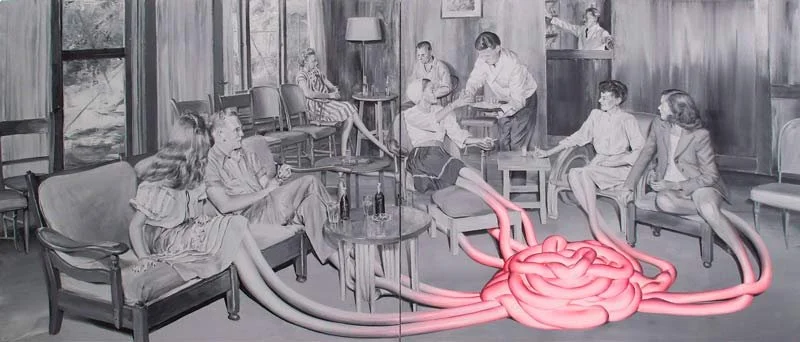


Paco Pomet (Granada, Spain, 1970) lives and works in his hometown. Bachelor of Fine Arts from the University of Granada in 1993, he completed studies at the School of Visual Arts (New York, USA, 2004). He has enjoyed several scholarships abroad: the Academy of Spain in Rome (1999-2000), the Fortuny Scholarship (Venice, Italy, 2000), College of Spain (Paris, France, 2004). In 2010, he received the ‘Excellent Work Price’ at the Beijing Biennale (China, 2010).
In 2015, he took part in ‘DISMALAND, Bemusement Park’, the exhibition organized by Banksy in Weston-Super-Mare (United Kingdom), where he exhibited his work with Banksy himself, Damien Hirst, Jenny Holzer, and David Shrigle, among other artists. Between the end of 2015 and March 2016, his work was the subject of the first retrospective of his work in an American museum: The Baker Museum, Naples (Florida).
In 2016, his work was included in the group show ‘Juxtapoz x Superflat’, curated by Takashi Murakami and Evan Pricco, at Pivot Art + Culture in Seattle
He currently works with the galleries Richard Heller Gallery (Santa Mónica, US), Nino Mier Gallery (Brussels, Belgium), My Name's Lolita Art (Madrid, Spain), Galleri Benoni (Copenhagen, Denmark), and 42 Art Space Gallery (Beijing). He has participated in the following art fairs: The Armory Show, Expo Chicago, Miami Project, Pulse New York, Scope New York (US), Scope Basel (Switzerland), Art Brussels (Belgium), ARCO, Estampa Contemporary, Drawing Room (Spain), Art Herning, and Enter Art Fair (Denmark).
His works can be found in several public and private collections such as the Ministry of Cultural Affairs, IVAM Valencia Institute of Modern Art, Coleccion SOLO (Spain); Spanish Academy in Rome, Luciano Benetton Collection (Italy); Hall Art Foundation, The Patchett Collection, Beth Rudin De Woody Collection (US). @pacopomet
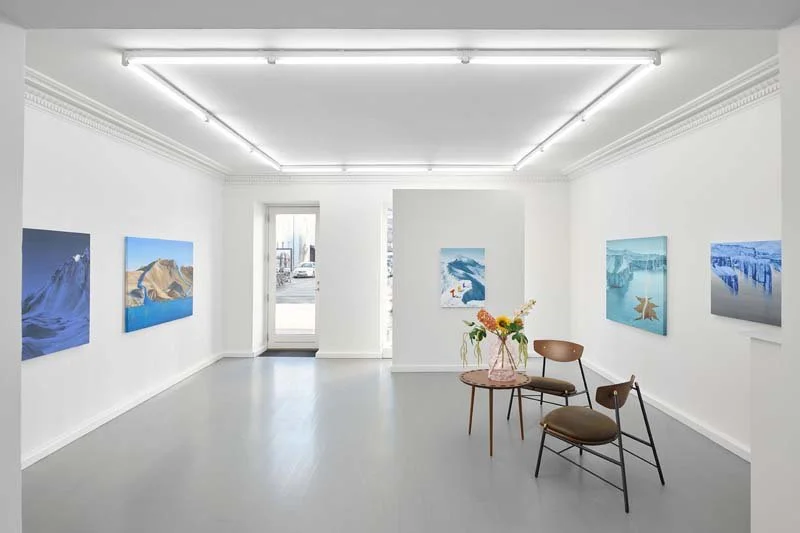
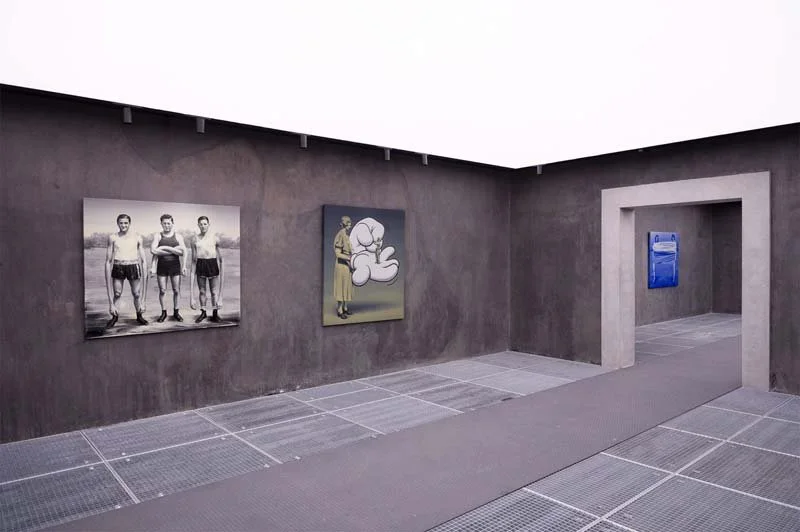
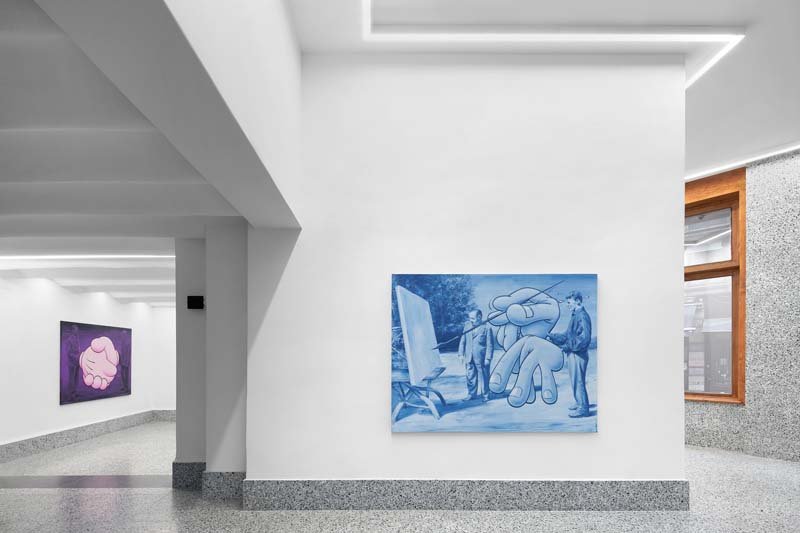
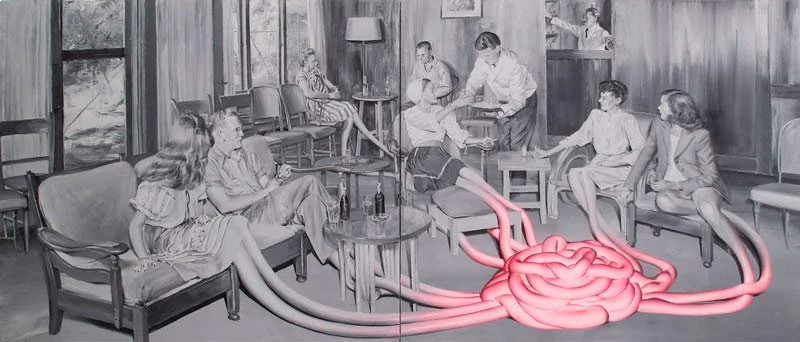
In what ways did your upbringing influence your creative process? I was born and raised in Granada, Spain.
Even though Granada is not a big city and therefore it does not have a large contemporary cultural life, it has an overwhelming history and its cultural heritage is enormous. It is also a very beautiful town and a very comfortable place to live and very easy going. I have travelled a lot through the years but I have always ended up preferring to come back and live in my hometown. My memories of growing up in Granada are very rich and sometimes I find myself being dragged by these memories and looking unconsciously for scenes and images that bring back those feelings.
When did you first fall in love with art and realize you wanted to be an artist? For you, what is the importance of the arts? Although this sounds commonplace for a painter, I began to draw like mad when I was very small. I was a shy, home loving child, perhaps a little introverted, and I spent hours looking at everything. My parents like to say that I’ve always been very observant, but the truth was that I couldn’t see very well and had to get glasses when I was five years old. I used to stare a lot and open my eyes wide just to distinguish things! When they finally got me glasses, I suddenly discovered the world was made in high definition, and I discovered textures, clean edges, dust and little reflections. I became fascinated with being able to distinguish infinite details and became trapped forever by the amazing variety of the visible. This rediscovery of things then led me to enjoy recreating them on white sheets of paper, and likewise, a fascination of the details appearing from the point of a pencil or pen.
Some years later, in school, the classic genres predominated and the discipline consisted of landscape, still life, or portrait. It was a boring, arid, Spartan period, but scared off the lazy imposters of the “calling.” It also served to build up in those of us that stayed on an ever-increasing desire for freedom.
To clean my head after those academic tutorials, I remember doing really crazy, surreal drawings between classes, letting my head and hand go. I remember trying to figure out how to draw absurd and mad ideas that friends proposed, laughing as I tried to manage how to accomplish those challenges. That was great training that served to give more confidence when approaching a problem on paper. There is still a residue from that time in my manner of drawing that brings solutions typical of comics and animated cartoons. After deciding to go to art college, I prepared for admission exams at the Fine Arts Faculty in Granada, so the academic training had to be revisited.
My motivations to devote myself to art come mainly from the everyday feeling of perplexity experienced when witnessing how the world insists on unfolding its meaningless features. As years go by, I find myself more and more misanthropic and skeptical. In any case, I won’t let this invade my spirit entirely, for I can always rely on the redemption of art. In my work, I can always lead a chaotic drift to a safer land of meaning.
I am very interested in current affairs, but in order to fully understand today’s world, it is necessary to look back and examine historical events. Past is full of hints that can unveil the present, so in some ways, we could paraphrase that statement which says that there’s nothing new under the sun (Nihil novi). I have always thought that subjects and themes remain the same over centuries, and that human pursuits, aspirations and chimeras are cyclical. Nowadays, we might have different tools and ways of approaching those issues, but the important questions remain the same, even though the way they show up changes throughout the years. Technology accelerates and intensifies, but, for the moment, doesn’t add new meanings.
What does your typical day in the studio look like? Walk us through your studio and your most used materials and tools. I usually work in long sessions, starting early in the morning. My work schedule looks like an office worker routine ;-)
My working method is simple:
I always draw first on the canvas, to organize the composition and the subject using photos as sources of different provenance, and then I paint over.
To keep myself concentrated on the painting I usually work in long sessions. I work in one painting form beginning to end. So the process in every piece doesn´t lose continuity. And this is so also to maintain the paint fresh and malleable.
Sometimes the applied paint needs to get dried completely so a discordant colour or an area with a different treatment can be added afterwards. Therefore the process of some works can have different stages.
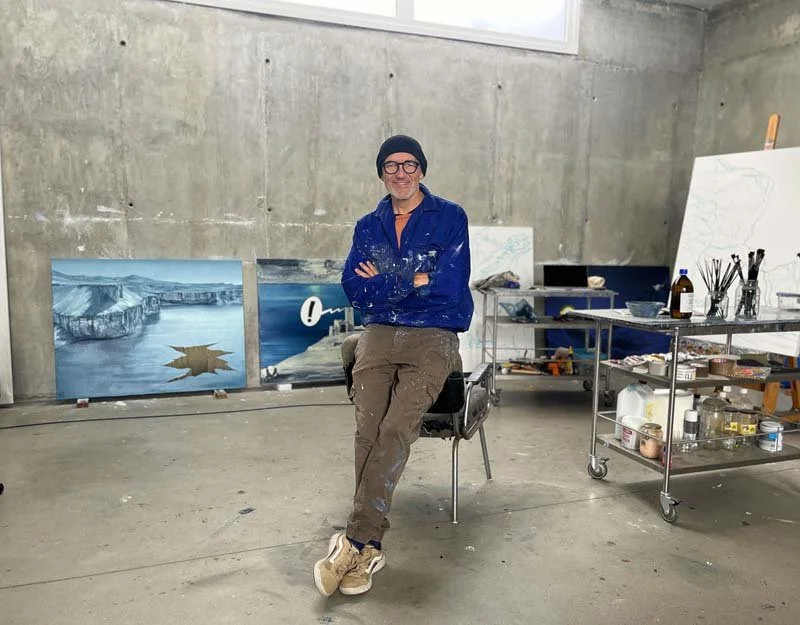
My studio is a 90 square meters place, very spartan, with very good natural light and high ceilings and classic painter tools: easel, brushes, palette knifes, oil and acrylic tubes and tins, a drawing table and a good music system to listen to music.
What projects are you at work on at the moment? And what themes or ideas are currently driving your work? I am now working for two solo shows for January and June 2026 in LA and Tokyo respectively. I am preparing new works using as a source photographs taken by me using models that include family and friends.
Regarding ideas or themes in my practice is such a tricky question. The moment in which the idea is generated is perhaps the most exciting and the one that sparks my greatest interest, precisely because it cannot be completely governed. The aspiration for total control over what is being done, for a stable and recurring methodology, for perfection, in short, is what I believe can stifle the artistic endeavor. A good dose of intuition is required for things to work, a letting go wherever we are, yet conscious enough to stay alert and catch on a sensation, an idea, an approach, a luminous snap from which to begin constructing the work. This moment is elusive, very elusive. Some call it inspiration, but this term doesn't convince me, it's overused and has become a commonplace. I see that moment of coming across a suggestive idea more as a happy moment in which one finds by chance (a chance not without a certain predisposition) something unexpected and in which one finds oneself trapped. It's the opposite of the act of searching, of investigating, of forcing the discovery. It's a matter of being willing, open, of being receptive, and not of projecting oneself into the world, and therefore, it consists of letting the world enter us. Art is not about ego, on the contrary, is is about everything else.
What do you hope people feel when they experience your art? What are you trying to express? I like causing a reaction of perplexity in the viewer and impelling him or her to go across the subject of a painting, and make their own decisions in ways to experience it. I think a good painting can sometimes work as a mirror and possesses the ability to return the viewer to the reflection of his own fears and desires. I still believe that a static image can achieve that. There’s a lot that can be said without appealing to irrefutable statements, taking the long way to address a matter instead of recurring to a direct—or, let's put it like this—a realistic approach.
The figurative play into which I normally plunge when I paint helps me to refresh, revise and examine what I have learnt and inherited, and attempts to feed an active naivety that invites one to look at everything anew with transparency and expectation, questioning visual restraints, aesthetic debts, dogmas and "exams passed".
Which artists, past or present, would you like to meet? And why? It would have been absolutely fascinating to see in action the painters that worked in Lascaux or Altamira caves; to see Velazquez at work and witness his unbeatable technique and be able to meed the Spanish characters of our country Golden Age that he inmortalized; to witness Goya in action on the walls of the Quinta del Sordo, where he "perpetrated" the black paintings; to get astonished accompanying Chaim Soutine in his "plein air" landscape paintings on Céret and Cagnes...
But to put it more "realistic" I would love to meet contemporary artist like Neo Rauch, Louise Bonnet, Friedrich Kunath, Cecily Brown or Liu Xiaodong to talk about their practice and share ideas about the process descriptions that lead them construct such mesmerizing artistic worlds.
Do you draw inspiration from music, art, or other disciplines? Aboslutely. In fact, artists, as any other proffessionals, would not do anything without references. Nothing is pure or completely original, so art is all about contamination coming from many disciplines.
I remember being attracted to cinema and television since I was very little, like an average child. My fascination for cinema lasts until today. I also loved going to the cinema, and I especially treasure great summer memories, both in my hometown and in a seaside village where my family spent vacations in August. Fundamental references were the Marx Brothers, Chaplin, Laurel and Hardy, as well as adventure films from the ’50s and ’60s. Later on, I became fascinated with Buñuel, Fellini, Kurosawa, Truffaut, Bergman, Monty Python, David Lynch and Herzog, among others.
Comics were fundamental in my visual formation too, and I have learned a lot from cartoonist such as Uderzo, Quino, Franquin, Ibáñez, etc. I should mention Gary Larson specifically for his unique mind, as he treasures a very special ability for humor. I enjoyed the most shocking and unexpected humor moments I have ever experienced through strictly visual content.
Regarding music, as Nietzsche once said: 'Life would be unbearable without it'. It is the art discipline that moves me the most and I always play music in my sound system at the studio.
A great thing about my hometown is… The easy going way of life, the exceptional climate, ist contained size with a lively and exciting everyday life and its unique beauty.
Can you describe a project that challenged you creatively or emotionally—and how you worked through it? I specially remember Dismaland, the art project that Banksy organized in Weston-Super-Mare, west coast of England, in the summer of 2015. Works by 58 artists, including Jenny Holzer, Damien Hirst and David Shrigley were featured in the park. Banksy said he contacted the "best artists I could imagine" to exhibit.
It was such and adventure for me and my family, as we didn't even know where we were heading to when we were picked up at Luton airport two days before the opening. Everything was kept secret and confidential amidst the preparations. We spent a few days there and the experience was fantastic. It was so exciting and so much fun to be part of this and it was like no other event I have taken part before, challenging and enthusiastic in its artistic and political activism.
Tell us about important teachers/mentors/collaborators in your life. I had several teachers in the Fine Art College that were important in my artistic training, but I must say that I had to build my career rather individually and with very little personal help. I received rather encouraging energy from artistic residencies in the Spanish Academy in Rome (1999-2000) and Spanish College in Paris (2005).
I increased my self confidence when I started my professional collaboration with My Name's Lolita Art Gallery in Madrid in 2006. Finding an honest dealer that also believed in my work was very important at that time and was a definitive boost for my career.
I have a special loving memory of Roger Gustafsson, a finish curator that was very fond of my work and selected me for the Beijing Biennale in 2010. His eager and passionate spirit was so encouraging and his beautiful lust for life was so inspiring for me. I really miss him...
Sustainability in the art world is an important issue. Can you share a memory or reflection about the beauty and wonder of the natural world? Does being in nature inspire your art or your process? It is totally crucial. Nature is a referential motif in my painting practice, a constant inspiration. I have in many occasions referred to nature through my work, as it is the only true fact that we are humans related to and depend on. I love hiking and enjoying sights, and when a good idea that is somehow connected to nature arises I can't wait to see how I will manage to make a good painting out of it.
The fact that my father was a geographer and that I grew up among maps and references to climate, orography and travel, has been decisive in my formation as an artist.
AI is changing everything - the way we see the world, creativity, art, our ideas of beauty and the way we communicate with each other and our imaginations. What are your reflections about AI and technology? What is the importance of human art and handmade creative works over industrialized creative practices? I am afraid we are managing to turn AI from a means to an end in itself. And this is tragic. We should not forget that IA is just a tool to ease our work not to replace work. Let us not forget that any sort of computation comes from binary systems that summarize the infiniteness of the unfolding of the world into a pathetic combination of ones and zeros. This ugly simplicity, combined monstruosly to enormous levels, can only bring infinite sadness. Infinite sadness in the sense that if we try to replace originality and creativeness with predictable algorithmic processes we are doomed, de-spiritualized, soulless.
With the internet we have abolished distance, with IA we pretend to abolish time. And doing things properly and enjoyably needs time.
Exploring ideas, art and the creative process connects me to… the exciting feeling of seeing everything for the first time, of experiencing the innocent enthusiasm of witnessing the mysterious unfolding of the world.