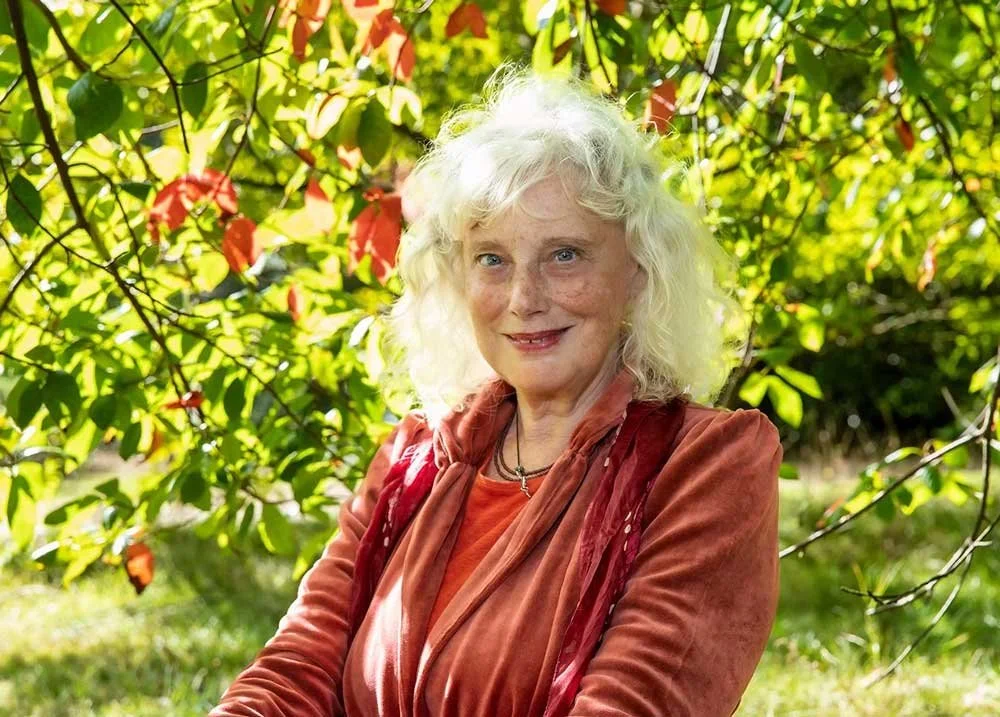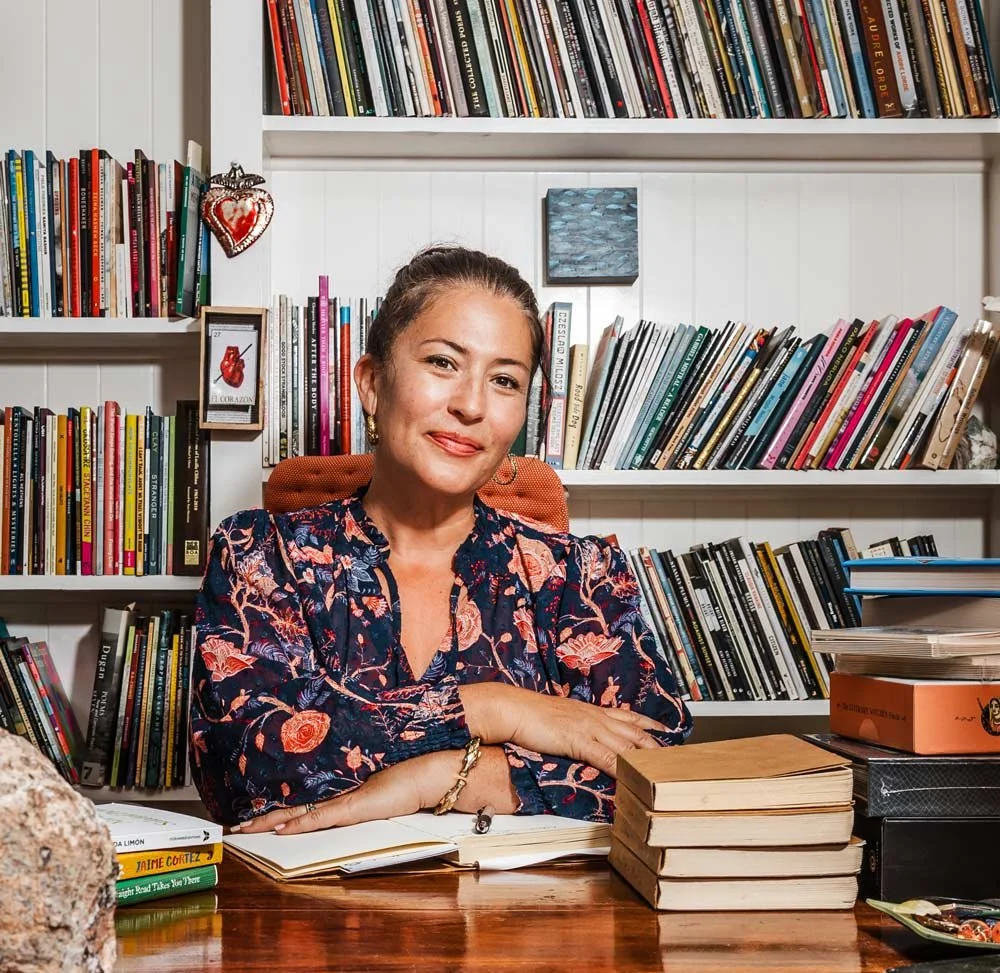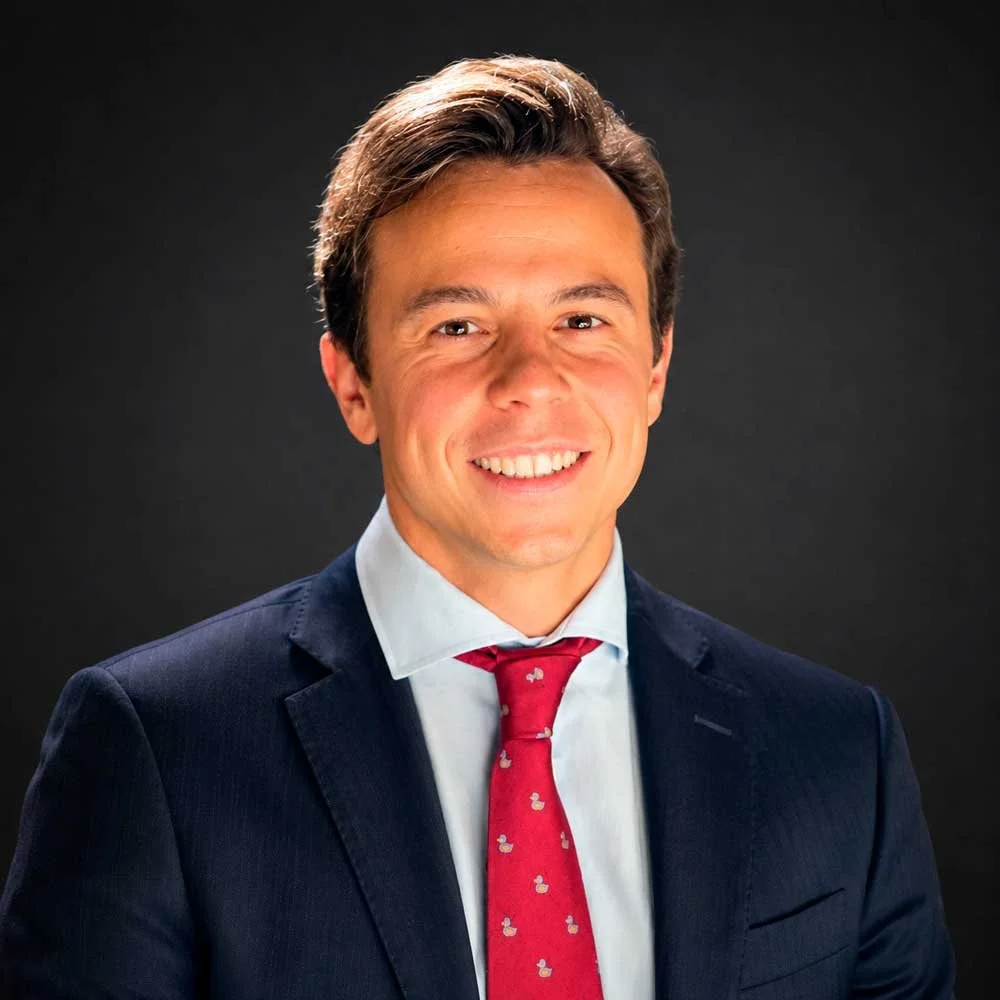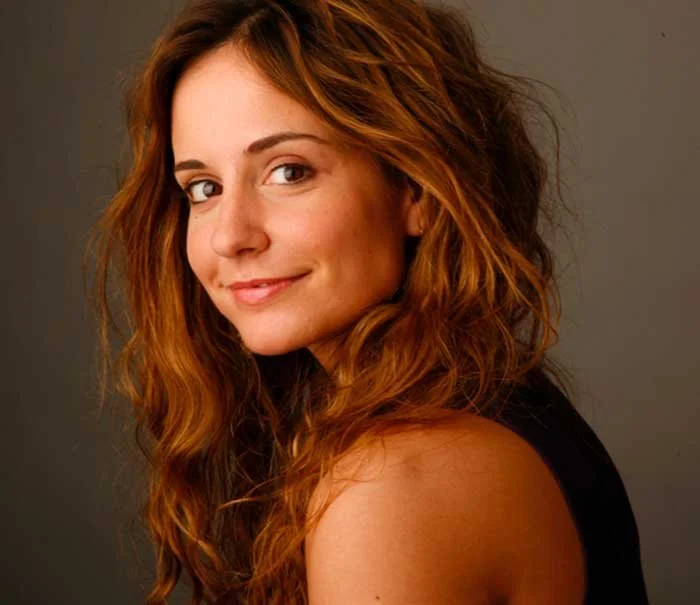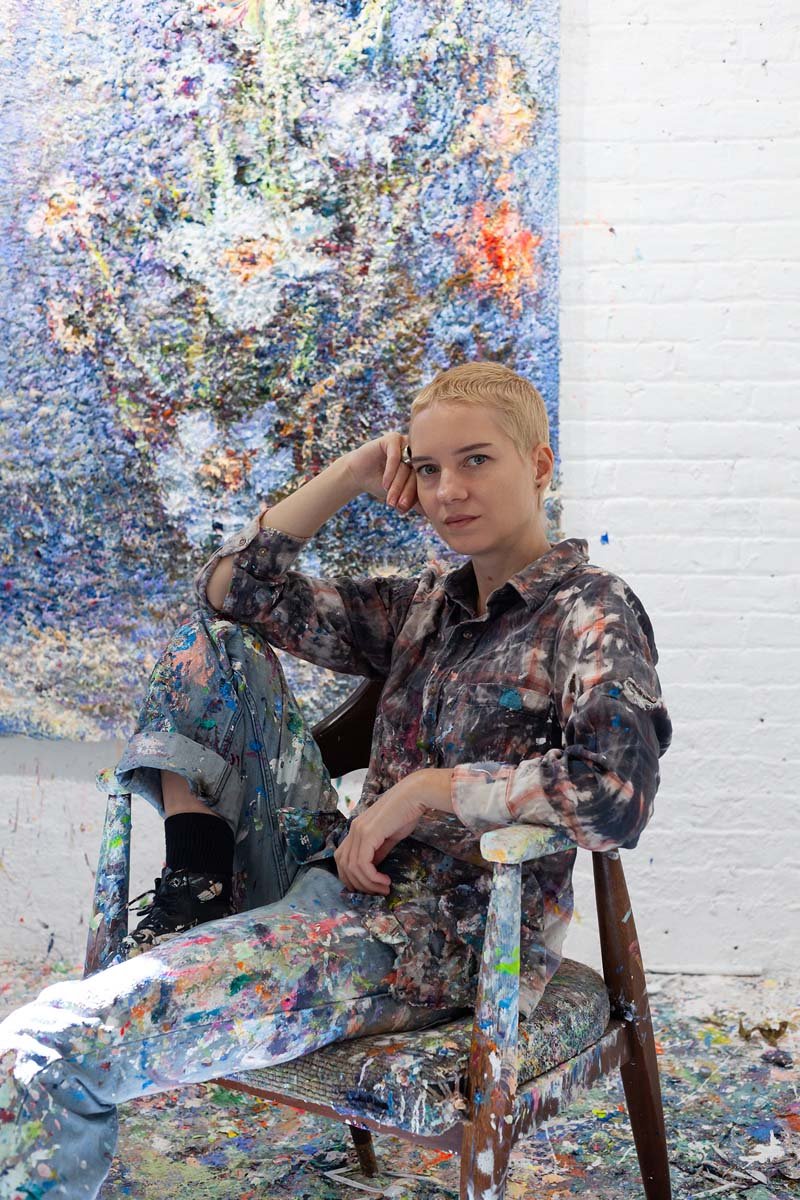


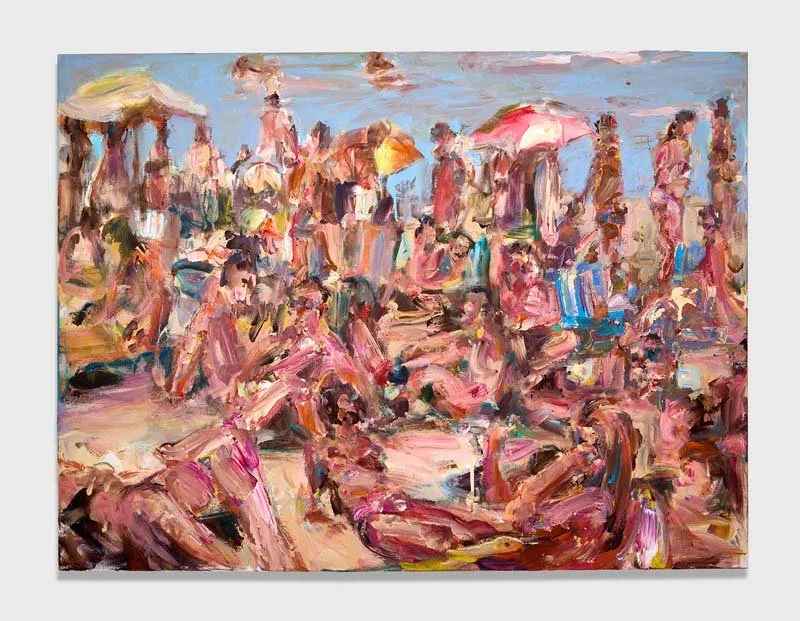
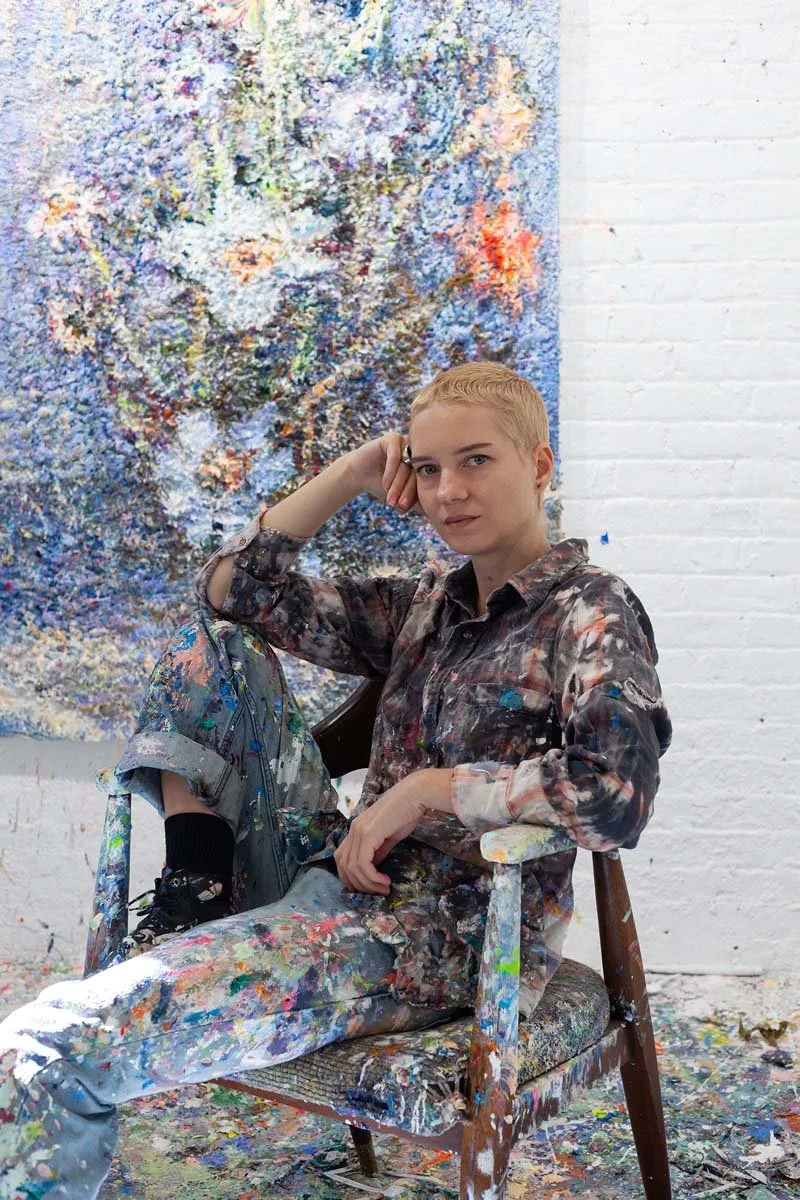
Chrissy Angliker is a Brooklyn-based Swiss-American artist. Her art is focused on visually translating how she perceives life itself—seeking balance between control and chaos. At the center of Chrissy’s practice lies her unique exploration of her ever-evolving partnership with paint. Over the past decade and a half, Chrissy has successfully exhibited her art in Europe and the U.S. She has been featured in several publications, including Forbes Online in 2017 and Interview Magazine Online in 2022, and she has been commissioned to collaborate with several companies, including Blick Art Materials and Utrecht Paints. @chrissyangliker

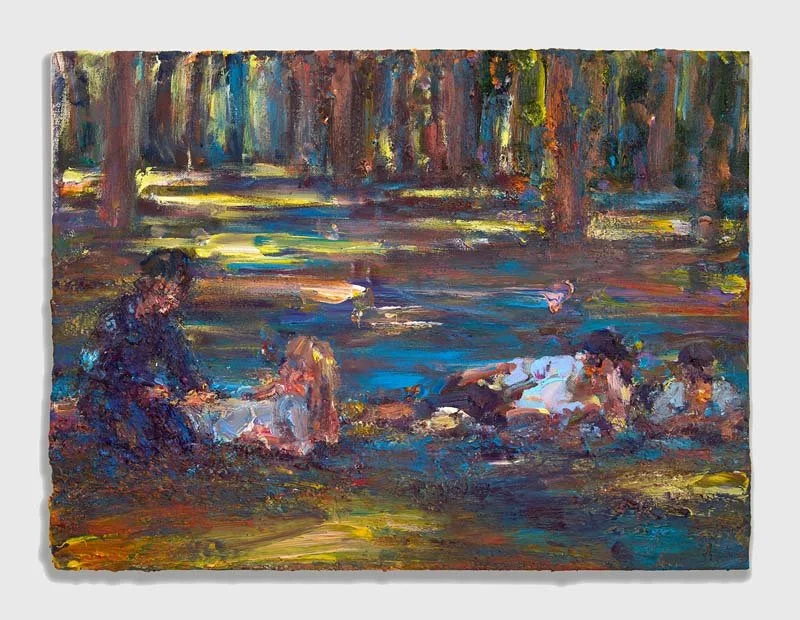
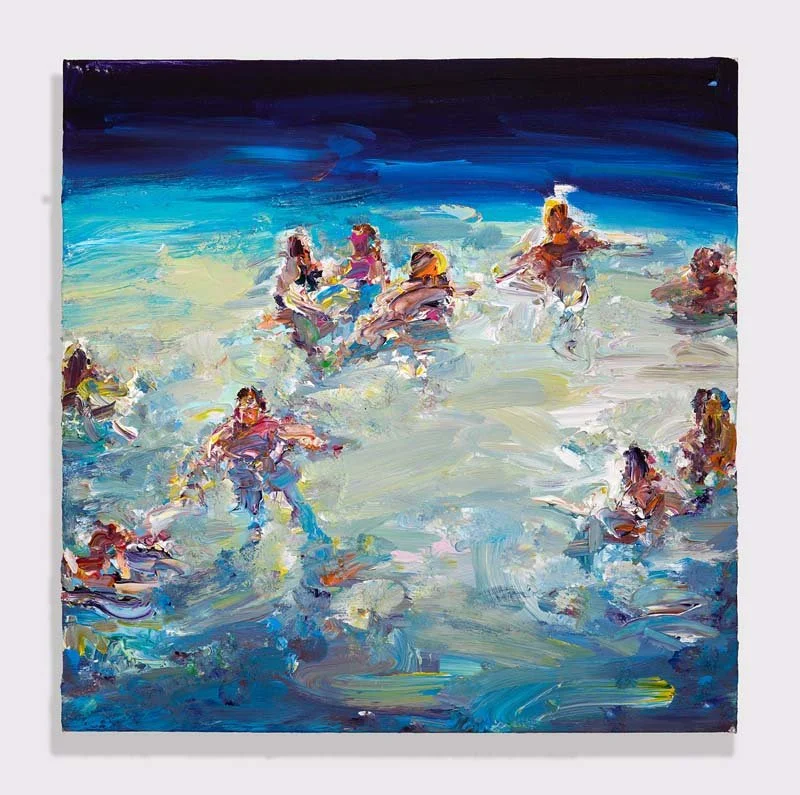
How did your formative years contribute to your artistic development? I was born in Zurich, Switzerland, and raised in a small town called Greifensee, and later in the city of Winterthur. I lived in Switzerland until I was 16 and then moved to the States to go to an art high school outside of Boston. My childhood and teenage years shaped me greatly. Most memorable was the amount of time I spent in nature and the freedom and creativity I found in it. As a kid, I was always outside. There was a little patch of forest right behind the apartment complex where I would roam with my friends, pretending to be a pack of black panthers. That later became a funny story when my family and I would visit friends in the States, and I’d tell them that I was in a black panther club. That club was great because we were unsupervised and were creating our own little world in those woods. There wasn't another need outside of nature. Being in Brooklyn now for over two decades, the need to escape into the wilderness happens for me in my studio, which is a sacred space for processing.
When did you first fall in love with art and realize you wanted to be an artist? For you, what is the importance of the arts? Just like the realization that my need to spend time in solitude in the studio has its roots in how I spent time in nature as a kid, so organically arose the need for art. I always loved making things out of found things in the woods, drawing, painting, and sculpting. Then, when I started school, I had this terrifying realization that I couldn't read and write like my peers. I just couldn't think that way. That was the moment that drawing switched from fun to also having a function. I would draw cartoons for my friends instead of passing notes, just to be part of the conversation and to perhaps deflect from my learning difficulties. In that moment, drawing images became a communication tool, and from that point on, I leaned into it and had the strongest desire to become completely fluent in it since I couldn’t be fluent in language. Then many different milestones and fateful encounters reassured me that this was my language and my path (hugely important was my early mentor Juri Borodatchev, whom I write about in the section: Tell us about important teachers/mentors/collaborators in your life. ) For me, the importance of the arts is many things. I think art is extremely healthy to create and to consume. To me, art is the physical manifestation of digesting life and sharing that outwardly with others so that there is tangible proof of that inner labor that we all do and which connects us all. To me, art is innately human and healthy, which connects to the AI question later.
What does your typical day in the studio look like? Walk us through your studio and your most used materials and tools. I love my studio. It is my sacred ground. I love every object in it. Paint gets to run wild from the canvas into the space. A month ago, I would have told you I only have acrylics in my space, but a huge thing has just happened: I'm experimenting with oil paint for the first time since high school! I’m absolutely losing my mind in this exploration, but underneath the panic, it feels extremely timely and important to be following this instinct. Fingers crossed and stay tuned… I start my day by getting emails out of the way in the morning or after, to keep business out of the studio. Arriving at the studio, I first look around and feel the space. Sometimes the space will need fine-tuning, rehanging of the art, or just sitting and feeling the energy before it feels just right for me to be able to fully lose myself to create. Once I touch paint, it is usually an uninterrupted meditative process of being in dialogue with my medium for several hours straight. I set an alarm for lunch break and the end of the day. At the end of the day, I take a picture of what I’ve worked on so that I can look at it from a safe distance in the evening. I try to stick to a normal workweek and weekends off to have a life outside of the studio. It helps having a partner to hold me to it.
What projects are you at work on at the moment? And what themes or ideas are currently driving your work? I just came out of a very busy 2024 through summer 2025, with shows back-to-back in the States and Switzerland. Now, a fair I was going to paint for in December fell through, and I have this big opening. As scary as this shifting landscape in the art world is, I’m trying to take this opening as an opportunity to follow some threads that never had the time to be fully explored, like exploring oil painting. Regarding the subjects I’m exploring - after the elections at the end of 2024, my chest was on fire for an entire month, and I had to create guardrails to gain some control of that fire so that it wouldn’t be pointed at others or me, but it would burn productively in the studio. This fire is enormous fuel—the one blessing coming out of this dystopia. I’m focused on looking at us humans, strangers specifically, and by painting them, I get to touch and channel that fire, of which they and I are the source. It’s an act of not looking away and trying to reconcile the self and the other, to explore our collective humanity. I started going to figure-drawing gatherings to move into physical closeness and intimacy and reality. Being in the presence of a nude stranger is symbolically and physically so incredibly charged, and that charge is my muse right now. I get to touch the primal part in them and me. My live drawing sketches are expressive and full of life. These little bangers are giving me hope and are the beginning of something bigger.
What do you hope people feel when they experience your art? What are you trying to express? I hope people get to have their very own experience with the work. I believe the process of making art is completely mine, and the finished work is completely theirs. My greatest hope is that the viewer gets to connect with the emotional charge that was poured into the work.
Do you draw inspiration from music, art, or other disciplines? Consuming art by others fills me up with encouragement to keep creating because their efforts give me so much. I go to shows and concerts for appreciation and awe, but not really for direct inspiration. The thing that fills me up is my own relationship to and bewilderment of the world, and the need to translate that. My life and questions are the raw material, which I perceive as a constant search for balance between control and chaos.
A great thing about living in New York is… The absolute magic of living in NYC is the incredible artists of all kinds that I've met and got to be friends with over the years. And I'm lucky to have been invited into incredible women-led artist groups, which have encouraged me and supported me in so many ways over the years. Also, I consider the gathering of these groups as my higher education. Being able to do studio visits with artists I so admire and be part of a shared conversation is the greatest gift.
Tell us about important teachers/mentors/collaborators in your life. I knew I wanted to be an artist early, but that fully solidified when I met my first real artist at 13. Juri Borodatchev became my mentor for many years. The magic of meeting Juri was that he was fresh off the boat from Russia and couldn’t speak German. We would sit shoulder to shoulder in front of an easel, and I would start drawing the still life. Then he would chime in with his lines, and I would chime back in—without words and only through lines he taught me how to become fluent. Looking back, there couldn't have been a more powerful and poetic way to show me that art is a language, specifically my language, taught to me without language. Also, by learning in that way, I got to see how differently Juri and I communicated through our marks. I felt he was painting in Russian and that I did not have to imitate him but to find my own language and try to become as fluent in it as he was. Juri helped me understand what being an artist and what making art meant for me.
AI is changing everything - the way we see the world, creativity, art, our ideas of beauty and the way we communicate with each other and our imaginations. What are your reflections about AI and technology? What is the importance of human art and handmade creative works over industrialized creative practices? I believe that art is a human need. Some need to create it to connect; some need to consume it to connect, or both. AI can produce a product, but it can't charge it with the energy that artists do. I believe the canvas absorbs my feelings—that is what I'm emptying out of myself and charging the canvas with. To me, art is built from the inside out, and the surface of the work is only the entry point. I'm sure AI will be able to make striking art that you might not be able to tell the difference from, especially digitally, but that transfer of human emotion will never be possible, because AI is not human. The physical object won't have that human charge, which I feel is the most valuable part exchanged through art between humans.
Exploring ideas, art and the creative process connects me to… the mystery and finding the poetry of living this specific life.