

Michael Weller is a painter residing in Dorset, UK. He studied librarianship in Manchester and realised early on that he didn't want to be a librarian. Going to life-drawing classes cheered him up a bit. He pursued a degree in Fine Art, studied portraiture, and was a New English Art Club drawing scholar.
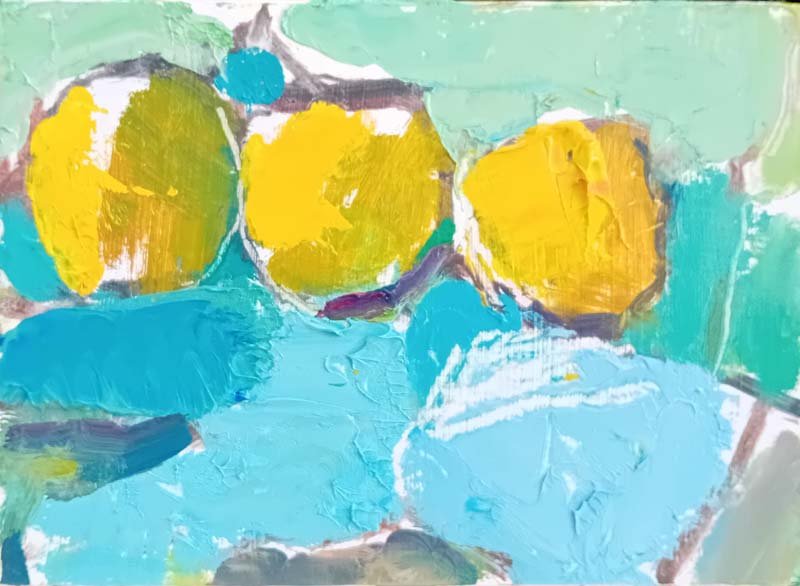
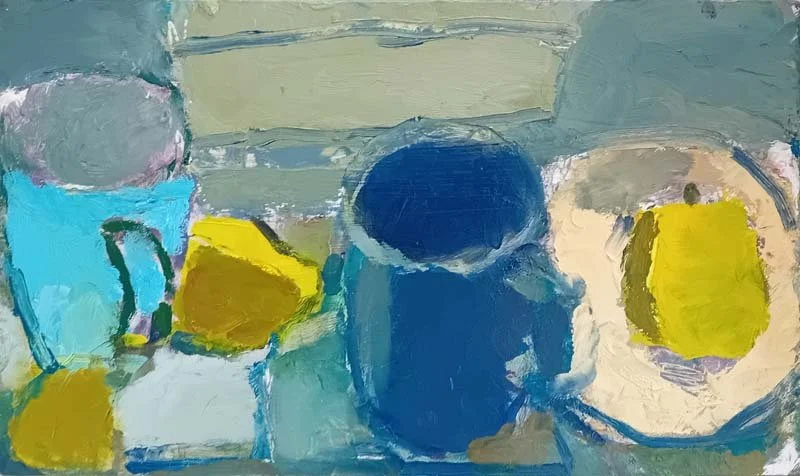
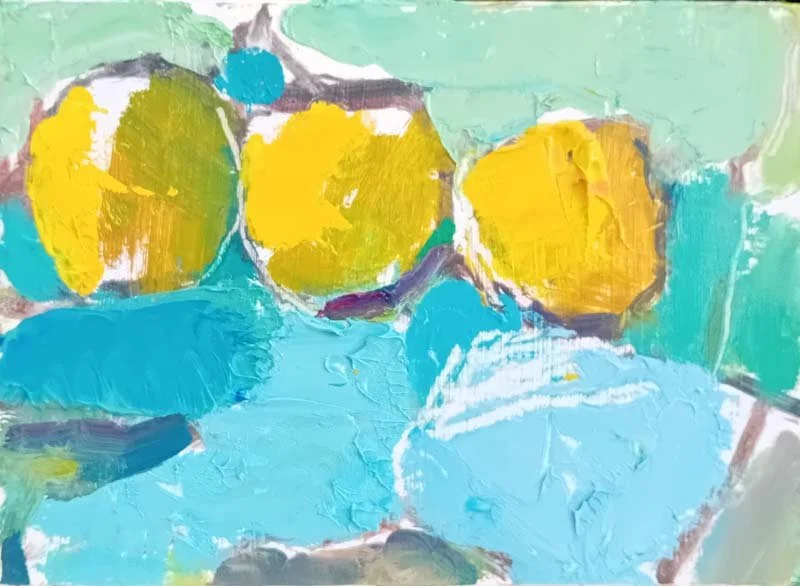
He paints things around him at home: oranges, apples, a blue mug, a milk bottle, a packet of coffee. He moves them around until he wants to paint them.
The New English Art Club elected him to membership in 2022. GrandyArt in London represents him, and Tregony Contemporary in Cornwall, and Franklin Gallery in Scotland, and he teaches online through Winslow Art Center and ArtDrawPaint. @michaelweller
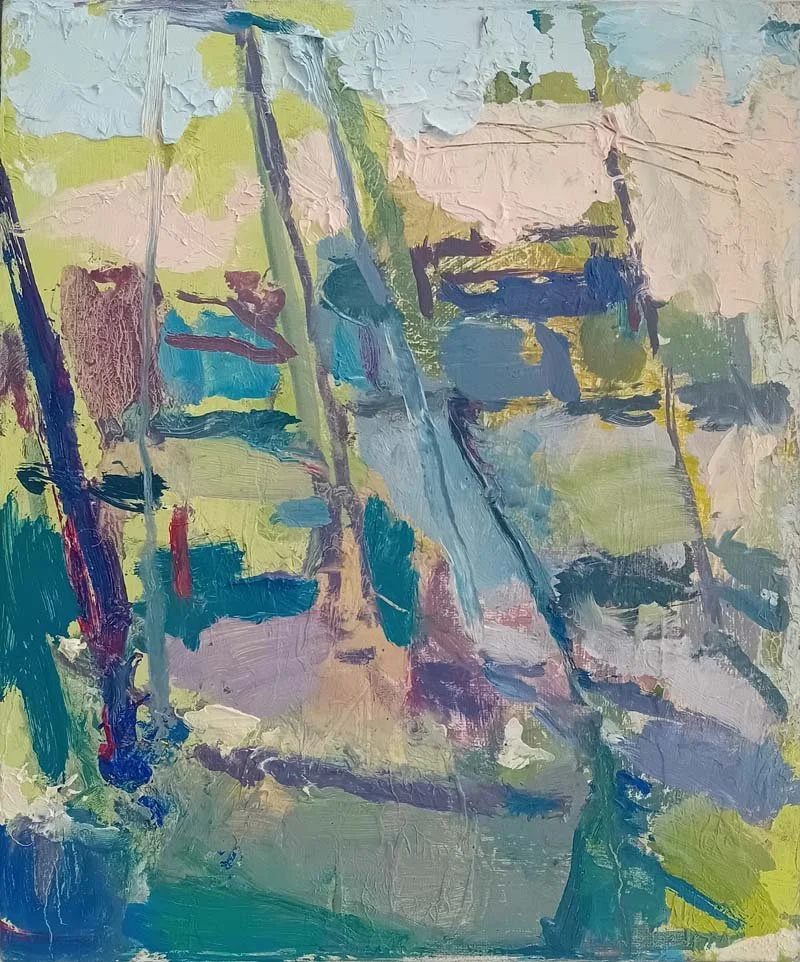
What memories from the UK continue to inspire your art today? I was born in Bournemouth, Dorset. I can remember going to the beach after school. We left when I was seven or eight. We kids were in the back of the car, and my mother was in the front passenger seat with a goldfish bowl in her lap, with the goldfish in it.
When did you first fall in love with art and realize you wanted to be an artist? For you, what is the importance of the arts? I did a drawing of a boot in my new sketchbook, and it was widely admired. Being good at drawing was a consolation for hating sports and games. Life would be poorer without art, more grim - that's how I feel anyway.
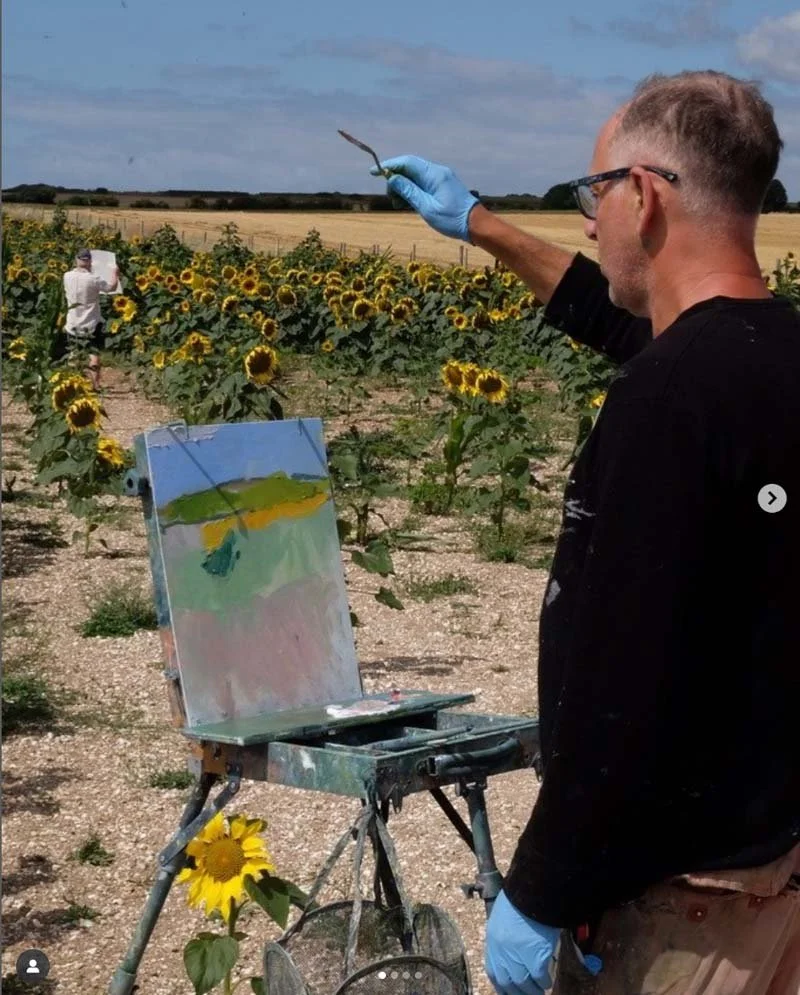
What does your typical day in the studio look like? Walk us through your studio and your most used materials and tools. I have a shed in the garden where I paint. I go to the shed around 9 am. I leave the door open so more light comes in. I paint the same objects, and move them around. I find a board that's probably been on the floor for a while, and a brush. I paint some lines. I stop and go back to some older painting. I work on a few at once. Around 4 or 5 pm, the light is going and I stop.
What projects are you at work on at the moment? And what themes or ideas are currently driving your work? I like Bonnard's painting The Table, where one of the objects looks like it's about to fall off the table. The objects in my still lifes are very simple - a red bowl, a blue mug. Things that lend themselves to abstraction or being made of paint.
What do you hope people feel when they experience your art? What are you trying to express? The presence of a group of things that is made out of paint. It's nice if they're a bit moved or amused.
Which artists, past or present, would you like to meet? And why? Bonnard and Vuillard, who paint everyday things and like to paint.
Do you draw inspiration from music, art, or other disciplines? It's nice to play some music like Nick Drake or Sparklehorse.
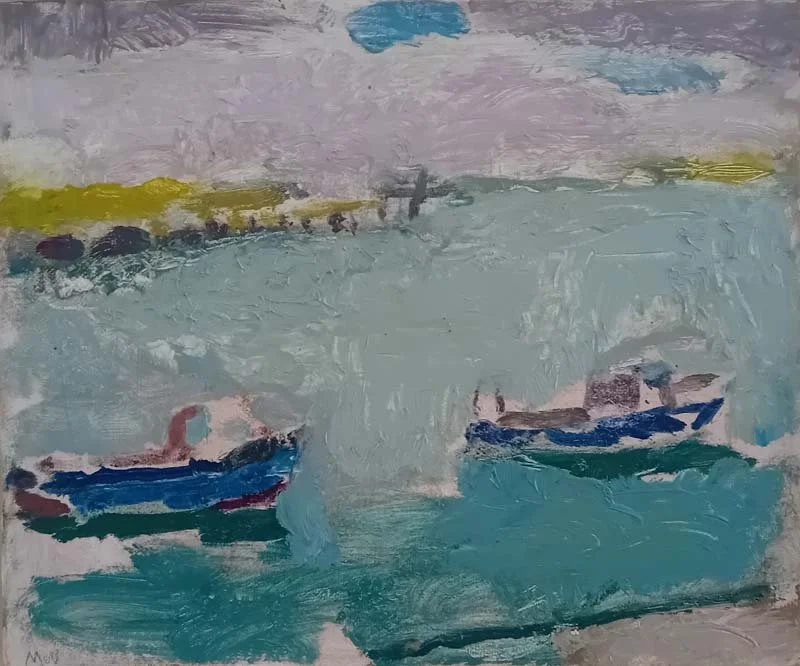
A great thing about living in Weymouth is… Weymouth has a working harbour. Fishing boats. The houses have character. I like to go there to paint.
Can you describe a project that challenged you creatively or emotionally—and how you worked through it? It's all quite challenging. I move around the painting. I paint several at the same time.
Tell us about important teachers/mentors/collaborators in your life. My favourite teacher was Jayne Kay, who taught us printmaking. She said if you want inspiration, all you need to do is look out the window.
Sustainability in the art world is an important issue. Can you share a memory or reflection about the beauty and wonder of the natural world? Does being in nature inspire your art or your process? I used to take all my painting equipment, including a heavy easel, up a hill in Hampshire. I'd paint the view. Sometimes there was a lot of sky, other times, more land. Sometimes it rained up there, and then the rain would pass.
AI is changing everything - the way we see the world, creativity, art, our ideas of beauty and the way we communicate with each other and our imaginations. What are your reflections about AI and technology? What is the importance of human art and handmade creative works over industrialized creative practices? I like paintings that have a handmade look - the lines wobble, the paint goes over the lines or not quite up to them. Let it be a bit awkward. Leave one or two mistakes. It's a way in. Bonnard says, "Let it be felt the painter was here."
Exploring ideas, art, and the creative process connects me to… Life.