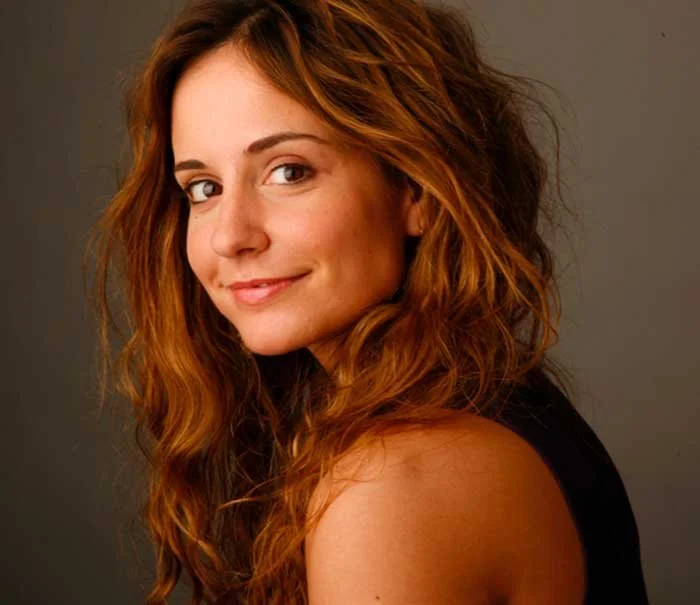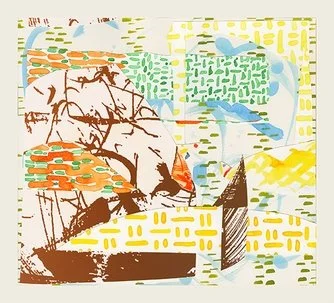


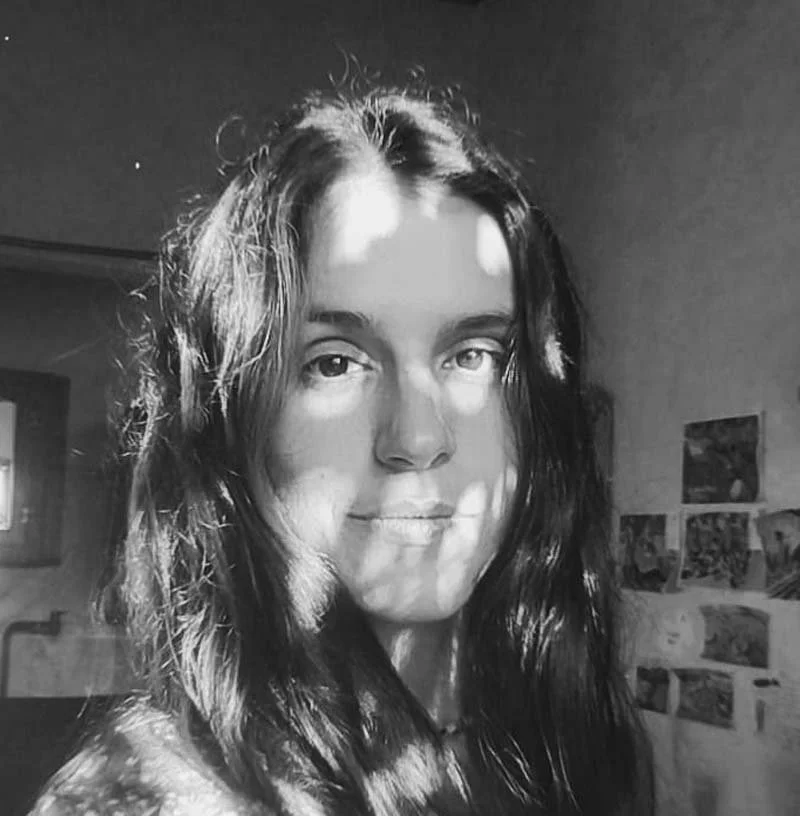
Fiona Aman, known artistically as Fi Naaye, is a multidisciplinary visual artist and 2D experimental animator based in Brazil. Self-taught and deeply inspired by dreams, memory, and nature, her practice explores emotions as poetic visual language. Through collage, hand-drawn animation, and hybrid techniques, she creates immersive narratives that move between the real and the imaginary. Fiona has collaborated with renowned filmmakers, musicians, and cultural projects, and her work bridges spirituality, identity, and sensorial experiences, seeking to reveal the subtle connections between inner landscapes and the natural world. @fi.naaye
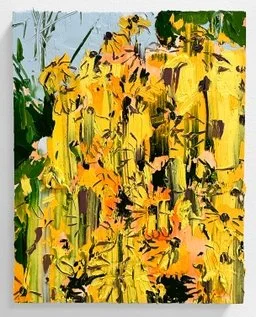
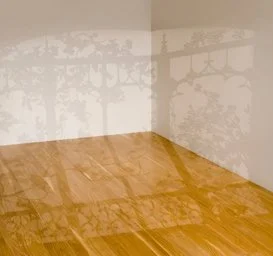
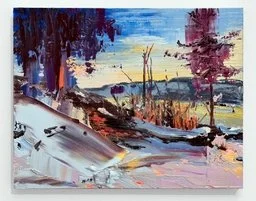
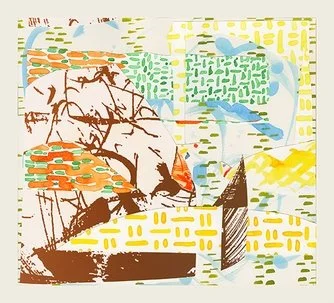
Can you discuss the impact of your childhood experiences on your artwork? I was born in Buenos Aires, Argentina, where I studied Eastern philosophy teaching, which gave me a deep connection to introspection, memory, and understanding the world. When I moved to Brazil, I opened myself to the world of audiovisual art, and this experience completely reshaped my identity and my idea of transformation. Being a migrant, learning a new culture, and putting down roots in another place have profoundly influenced my artistic themes. My work seeks to translate emotions and inner landscapes into poetic visual experiences, exploring displacement, transformation, and belonging.
When did you first fall in love with art and realize you wanted to be an artist? For you, what is the importance of the arts? Since I can remember, art has been a part of my life. My mother painted, and I admired the artists she introduced me to, as well as the stories from the world of art. I have always admired those who live by expressing their emotions creatively. Every form of expression feels admirable to me; my dream was to be an artist in any way possible: poetry, music, visual arts, painting, and gastronomy. All of it is part of the magic of being, intuition, and expression. For me, art is a language that connects with our deepest self, with the power to evoke reflection, emotions, connections, and the ability to bridge the conscious and the subconscious.
What does your typical day in the studio look like? Walk us through your studio and your most used materials and tools. My day in the studio varies depending on the project, but what I value most is experimentation, allowing me to understand where the project wants to go, as if it lets me be a channel of expression. I try to keep my mind as far away as possible, along with my expectations and frustrations, giving them no space, to open the field of intuition and the unexpected. I enjoy working with what emerges rather than what I expect it to be.
I have a small desk with various materials for experimenting, and I also work a lot on my iPad, creating 2D frame-by-frame animations, always trying to blend organic and experimental techniques that arise from the ideas opening up in the moment. My studio is a place where I can achieve emotional catharsis, allowing me to show what I feel, dream, or think, in the form of images.
What projects are you at work on at the moment? And what themes or ideas are currently driving your work? I am currently developing experimental animation projects, exploring transformation, memory, and the relationship between bodies and nature. I am beginning my first authorial short film, where I plan to bring everything I have learned so far into a larger space, developing the idea of identity, the cracks that remain in a migrating body, displacement, and the connection with emotions of transformation. I work with organic and hands-on techniques, blending collage, drawing, and 2D animation, always leaving space for intuition and the unexpected. I always try to approach my projects as if they were a spiritual journey of discovery, where each work becomes a space to explore the fragility and strength of life through visual language.
What do you hope people feel when they experience your art? What are you trying to express? I hope that those who experience my art can feel a deep connection with their own emotions, finding spaces to reflect, dream, and question. I aim to express the intimacy of the human experience, the fragility and strength that coexist in every body and memory. My work seeks to open doors to intuition, transformation, and empathy, inviting viewers to connect with their own feelings and those of others, to perceive the invisible through poetic and sensory images. Each piece is an invitation to explore inner worlds, dreams, and emotions in a silent dialogue between the art and the observer.
Which artists, past or present, would you like to meet? And why? I prefer artists who are closer to me, with whom I can speak naturally, as if they were my friends, in a space of fluid and sensitive exchange, where there is room to express and inspire. Fortunately, I have artist friends I already know who are an anchor in my journey. Artists I have yet to meet, and would love to, are those who are open to being sensitive humans with me, willing to share, listen, and inspire from their authenticity.
Do you draw inspiration from music, art, or other disciplines? Yes, I find inspiration in many different disciplines. Music, the sounds of my surroundings, dance, poetry, cinema, and literature all influence my work deeply. I also draw from nature, dreams, and everyday experiences, observing how gestures, emotions, and memories can be transformed into images. I am interested in exploring the connection between different artistic languages, allowing each discipline to dialogue with the others, and in this way, translating sensations and emotions into poetic and experimental visual forms.
A great thing about living in Brazil is… the proximity to nature and local culture, which inspires and nourishes my artistic work. Living here allows me to connect with landscapes, sounds, and daily rituals that feed my creativity. I also value the diversity of human experiences and the opportunity to observe how different ways of life coexist, which enriches my perspective and opens paths to explore emotions, identity, and transformation in my projects.
Can you describe a project that challenged you creatively or emotionally—and how you worked through it? Every project presents creative and emotional challenges. I always find myself trying to remove my mind and expectations from the process, to make space for intuition and the unexpected. I have never felt that a work is completely finished, as I am always eager to explore new things and grow alongside it. Each project offers its own learning and emotional experience, teaching me to trust my visual language and accept that constant transformation is part of creation.
Tell us about important teachers/mentors/collaborators in your life. I value all the people who have come into my life in different ways; each one is part of who I am and what I feel. My greatest teachers are my pains, achievements, joys, and failures, but I certainly would not be where I am without people who have significantly shaped my life and artistic journey. Thanks to João Bernardo, a Brazilian composer, I had the opportunity to create my first animation for a music video at his request, a project that went to several international festivals and opened my path into the world of animation. Later, I met Diego Akel, an animator from Fortaleza, whom I consider my true Master in animation and work dynamics; I learn so much from our exchanges and friendship, and he is undoubtedly a fundamental piece of my puzzle. I must also mention my partner Felipe, who gives me invaluable emotional support, and my daughters Nara and Luma, who are the driving force in my life.
Sustainability in the art world is an important issue. Can you share a memory or reflection about the beauty and wonder of the natural world? Does being in nature inspire your art or your process? Nature is a fundamental part of my life and one of my greatest sources of inspiration. I live in a village among mountains, with waterfalls and rugged landscapes, and every walk is essential to expand my mind and soul, allowing me to create new things. Although I was raised in the city of Buenos Aires, I have always felt a deep impulse to be close to nature. There was a period in my life when I studied Phytotherapy and Spagyria, the alchemists’ pharmacy, which left profound roots within me. For me, nature is the artistic manifestation of the Earth; everything is contained within it.
AI is changing everything - the way we see the world, creativity, art, our ideas of beauty and the way we communicate with each other and our imaginations. What are your reflections about AI and technology? What is the importance of human art and handmade creative works over industrialized creative practices? I believe AI and technology offer new tools and possibilities, but human art remains irreplaceable because it contains the presence, emotion, and experience of the creator. Handmade works reflect the intimacy, imperfection, and sensitivity that connect deeply and uniquely with others. Technology can expand horizons and allow experimentation, but it cannot replace the humanity of creation, the ability to transform emotions, memories, and experiences into images, sounds, or gestures that convey something only a human being can express. For me, the most valuable aspect of handmade art is its capacity to be a bridge between the inner and the outer, between the artist’s life and the audience’s experience, something that will always remain profoundly human.
Exploring ideas, art and the creative process connects me to my deepest intuition, my emotions, memories, and dreams. It allows me to feel alive and present, opening spaces for reflection and discovery, and establishing a silent dialogue between what I feel, what I imagine, and what I can share with others through my work. Each project becomes a journey of connection with myself and the world around me, a bridge between the intimate and the collective.