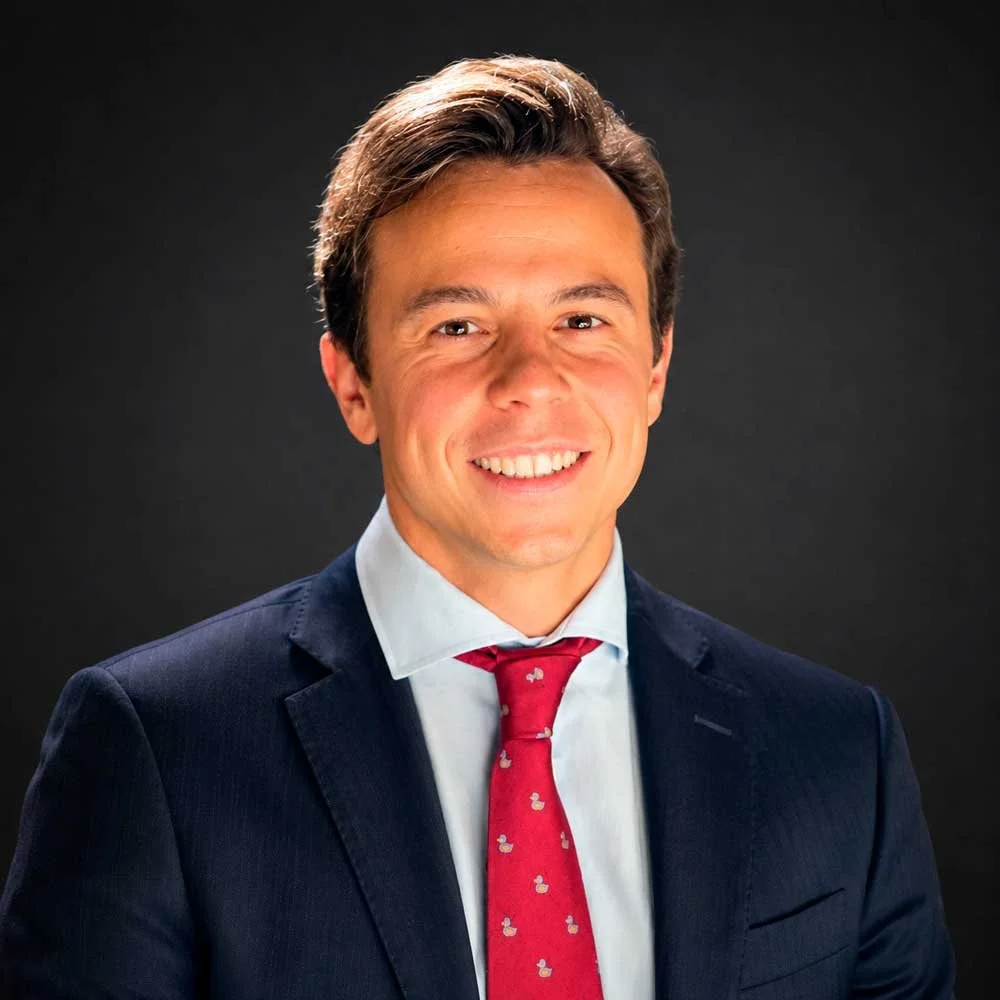


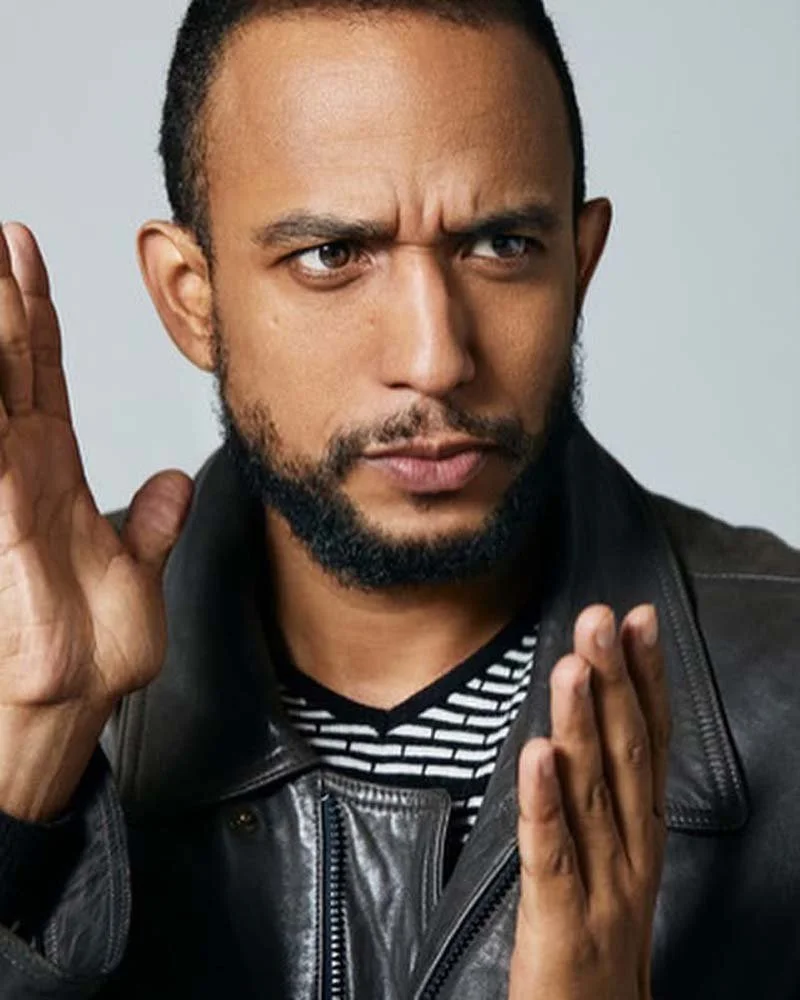
Jose Duran is a painter, designer, and sculptor, born in the Dominican Rep in 1979.
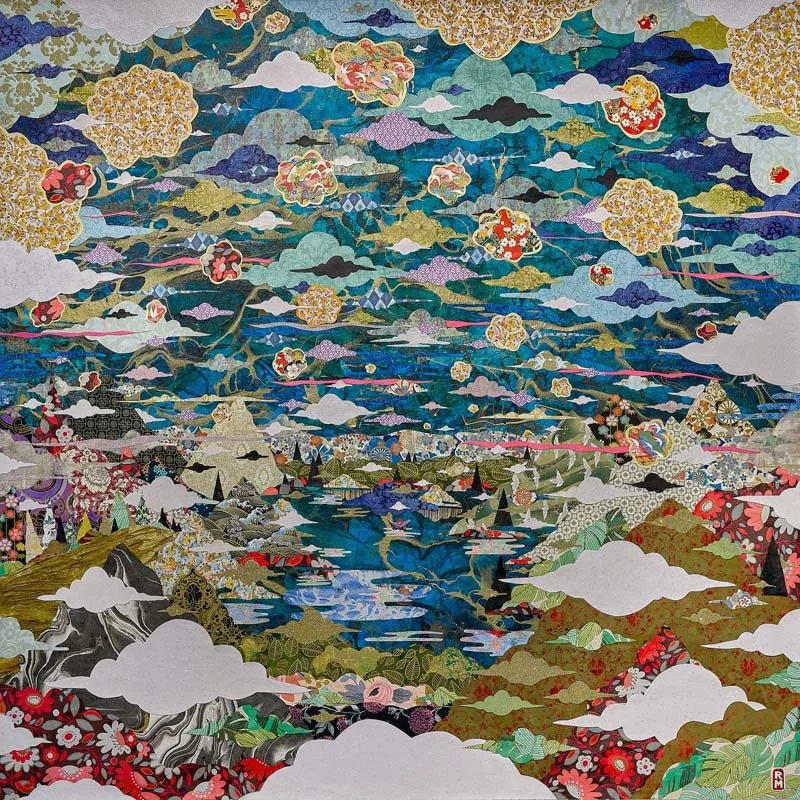
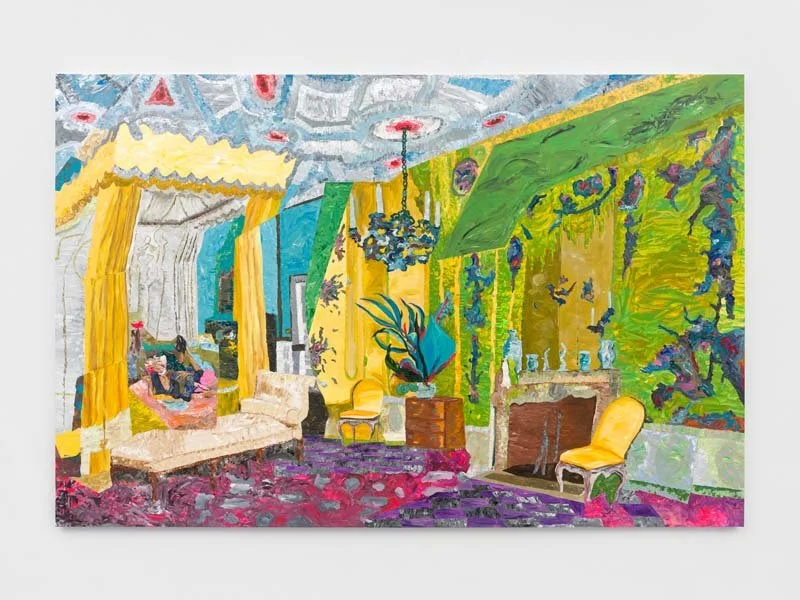
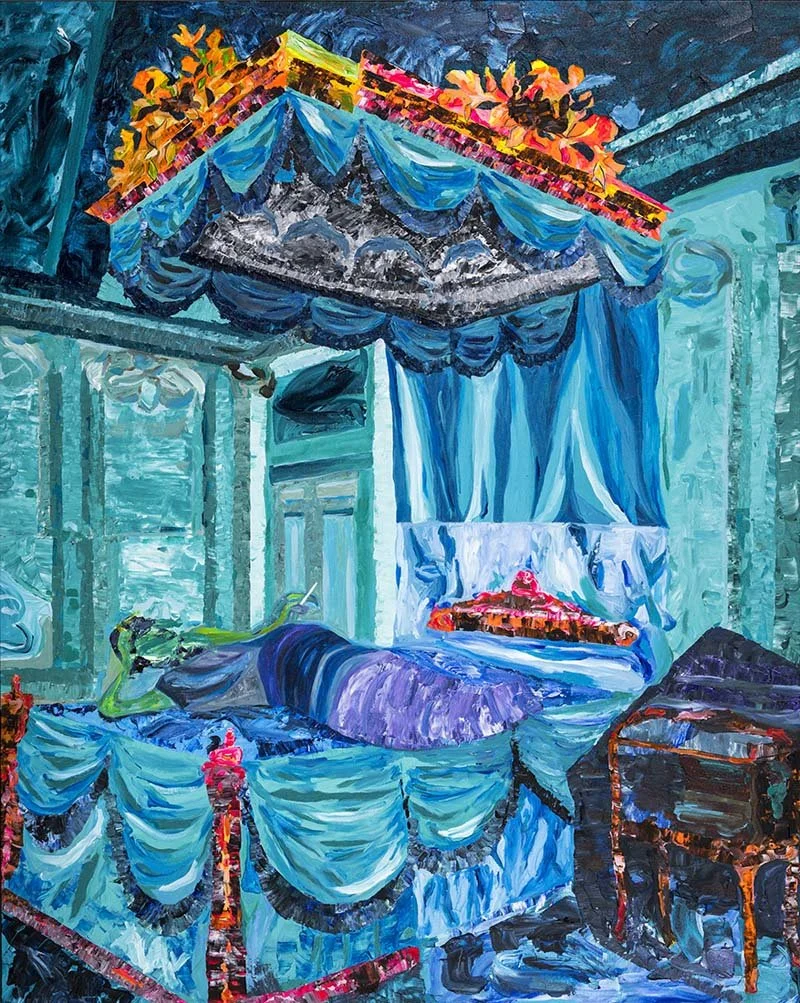
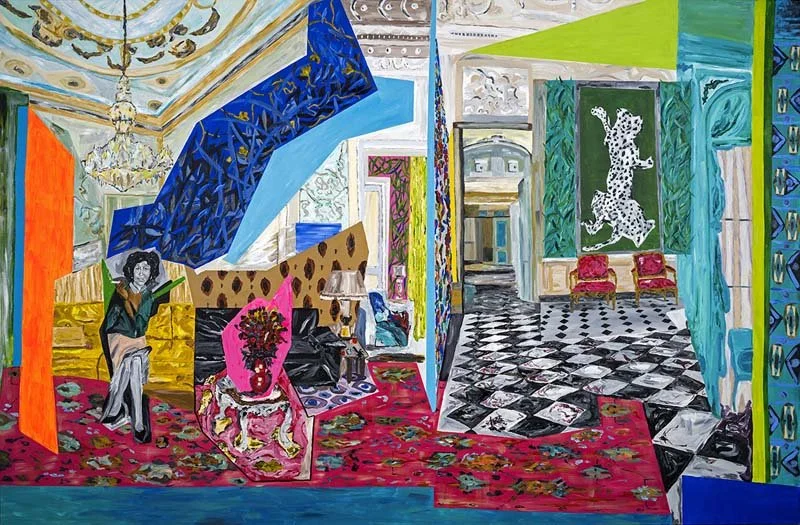
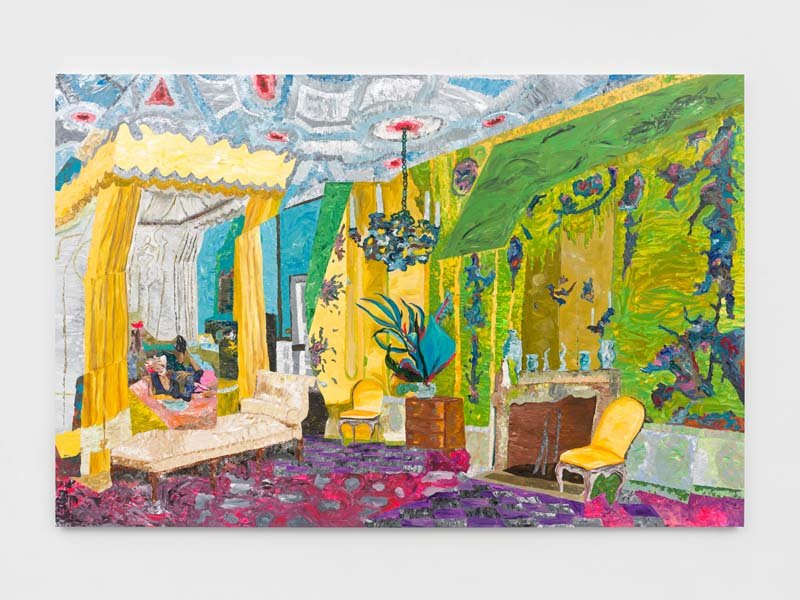
Creating fantastical worlds of cosmopolitan opulence and sumptuous, dangerous foliage, Jose Duran’s practice is anchored in extensive research of Black people’s practices of survival, celebration, vengeance, sabotaje, and aspirational desires. Delicately wielding masterted techniques and whimsical sleight of hands, the artist creates marbled textures and mottled strokes that mirror the excess of his compositions. Drawing from baroque and rococo interiors to create scenes of architectural lavishness and femininity, Duran designs complex compositions that compel the eye to travel and anchor the work in whimsy and play. Duran places Black feminine figures at the center of his worldbuilding as a reclamation of Black women’s contributions to European markers of taste and the ties between Black colonial labor, in particular Black feminine labor, and European wealth. @Joseduranstudio
How has your background in the Dominican Republic contributed to your artistic identity? I was born and raised in Moca, Dominican Republic. I was raised by two amazing parents, my mother was the best hair stylist in town, and my father was the best iron molder for shoe makers in the country. I used to spend countless hours at my mother’s beauty salon, watching her create her magic. I used to love talking to the ladies while they waited for their turn, listening to the latest gossip, and admiring the latest fashion styles. The weekends and summers I used to spend them with my father, helping him at the mechanic's garage. Having my parents work in two totally different artistic industries gave me the knowledge to navigate and interact with people.
When did you first fall in love with art and realize you wanted to be an artist? For you, what is the importance of the arts? My first love was fashion. I remember using clothes to express my feelings. I was a rebel! After spending 15 years in the fashion industry, I went on to continue my studies in business administration and Mandarin language. During the pandemic, I discovered a new love. I never knew I could become a painter, especially at 41 years old. After spending a couple of weeks practicing in 2021, I discovered my new passion. Being a painter has opened my eyes to a new world! I started seeing colors differently, the nature around me was more impressive, it was like seeing a movie in the theater with 3d glasses, it was so amazing, I can’t explain it with words. Art is extremely important for society and the world; it serves as a powerful tool for communication and self-expression. It allows people to see the world differently, and it has always promoted cultural awareness.
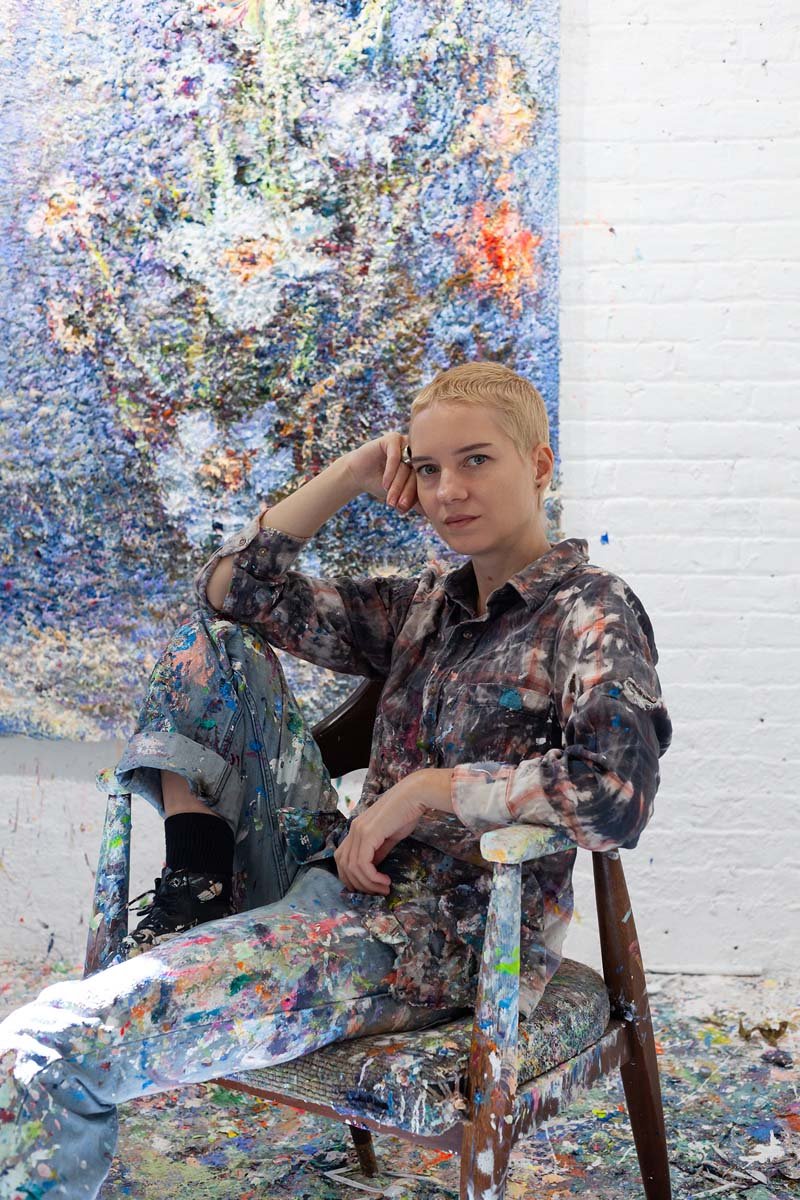
What does your typical day in the studio look like? Walk us through your studio and your most used materials and tools. I live and work in the same space. My studio is located in the Bronx, a place where I feel connected with the community. I like to wake up super early in the mornings, make coffee, and head to the gym. After working out, I will make a light breakfast while thinking about the piece I need to finish or begin creating. I would spend around 5 hours in the studio. After, I would head to see my father, who was recently diagnosed with dementia. I will spend from 3 to 5 hours with him at my brother’s apt. After, I head back to my apt/studio, prepare some food, and spend some time online talking to friends. I like to go to bed around 9 so I can wake up with energy by 6 am.
What projects are you at work on at the moment? And what themes or ideas are currently driving your work? I am currently doing an investigation of the atrocities that the inquisitors and the inquisition committed against black curanderas in Cartagena, Colombia. Last year, I spent some time at Apollo Constantino Project Residency in Cartagena researching Black healers from the 1600’s specifically Paola de Eguiluz, who was born in Santo Domingo in 1592 and sent to Cartagena to be trail by the Inquisition for her healing and love attraction powers.
What do you hope people feel when they experience your art? What are you trying to express? I hope people can see the emotions, feelings, and my state of mind at the time I created the work. My art is very personal and carries a lot of emotions; viewers can see it in every stroke and line, and color composition. I want the viewers to see movements, an alive piece of art. When I have a solo show, I love to spend time in the Galeria. I will go at least w time a week to see the reaction of the viewers. I love talking to people about the stories of each piece of work. I love hearing what they see and what they feel when viewing my work.
Which artists, past or present, would you like to meet? And why? I would have loved to have coffee with Vincent Van Gogh. I would have loved to listen to his stories and his dreams.
Do you draw inspiration from music, art, or other disciplines? I draw inspiration from art, architecture, music, and artistic movements as Rococo.
A great thing about living in my city/town is… The Bronx is the only borough that still has the energy of NYC. It is full of hope and dreams of a new generation of immigrants that make this part of New York so special.
Can you describe a project that challenged you creatively or emotionally—and how you worked through it? My first exhibition as a visual artist was inspired by my mother. After her passing, I was never able to see an Image of her or listen to her favorite salsa songs from the 70s. The first big painting I created for the show was an image of her sitting in a resting pose, smoking her favorite cigarette. I remember crying while making it. It was a process I had to do to heal her passing and for me to understand that she is in a better place. During the opening of the show, I played her favorite songs, and I also cried.
Tell us about important teachers/mentors/collaborators in your life. It is crucial in the art world to have teachers, mentors, and collaborators. Mickalene Thomas, Kehinde Wiley, and Derrick Adams have been my friends, mentors, and collaborators for over 20 years. During my fashion years, they always collaborated with my projects. My first fashion presentation was at Rush Arts, which was run by Derrick Adams in 2006, where I collaborated with Mickalene Thomas, Kehinde Wiley, David Cruz, and Shinique Smith. It was their first collaboration with any fashion brand. I have always learned from them the business of art, but mostly the creative process and how to navigate the art industry.
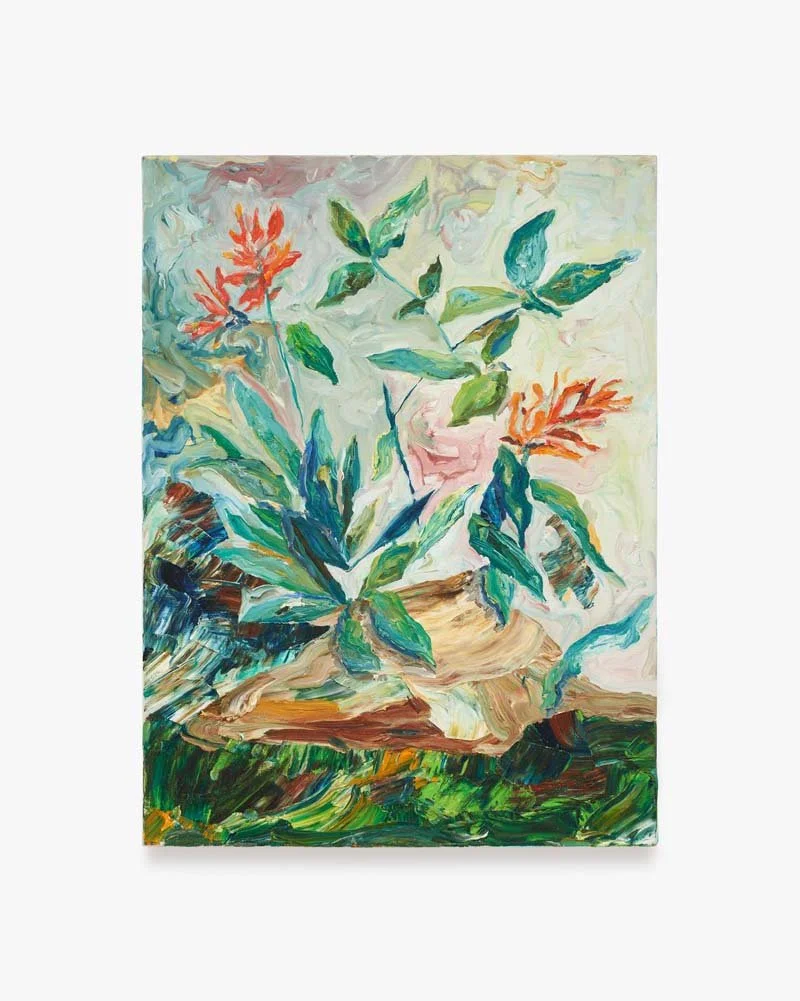
Sustainability in the art world is an important issue. Can you share a memory or reflection about the beauty and wonder of the natural world? Does being in nature inspire your art or your process? Sustainability is very important in my art practice. I graduated with an MBA from National Taipei University of Technology in 2019, and my thesis project was Consumer Behavior on Sustainable Fashion. With my investigation and findings, I was able to deeply understand the importance of sustainability and its practice in the art and creative world. After finishing my studies in Taipei my intentions were to go back in the fashion industry with new ideas towards a sustainable in the fashion world but realize a small percentage of fashion consumers cares about sustainability when making a fashion purchase and I just didn’t want to be part of the industry that harms the environment the most and stared to navigate into a different path as a creator. Now I am investigating plants and their love attraction properties. My last show at Hannah Traore Gallery was inspired by Paola de Eguiluz, a healer from the 1600s known for her knowledge of love attraction practices using plants and spells.
AI is changing everything - the way we see the world, creativity, art, our ideas of beauty and the way we communicate with each other and our imaginations. What are your reflections about AI and technology? What is the importance of human art and handmade creative works over industrialized creative practices? As an artist, I think of AI as a tool to improve my practice. Artificial Intelligence is here, and we have to learn how to use it for our benefit. Art created by humans has feelings and emotions that a machine will never be able to imitate.
Exploring ideas, art and the creative process connects me to… My mother’s dreams, desires, and goals.