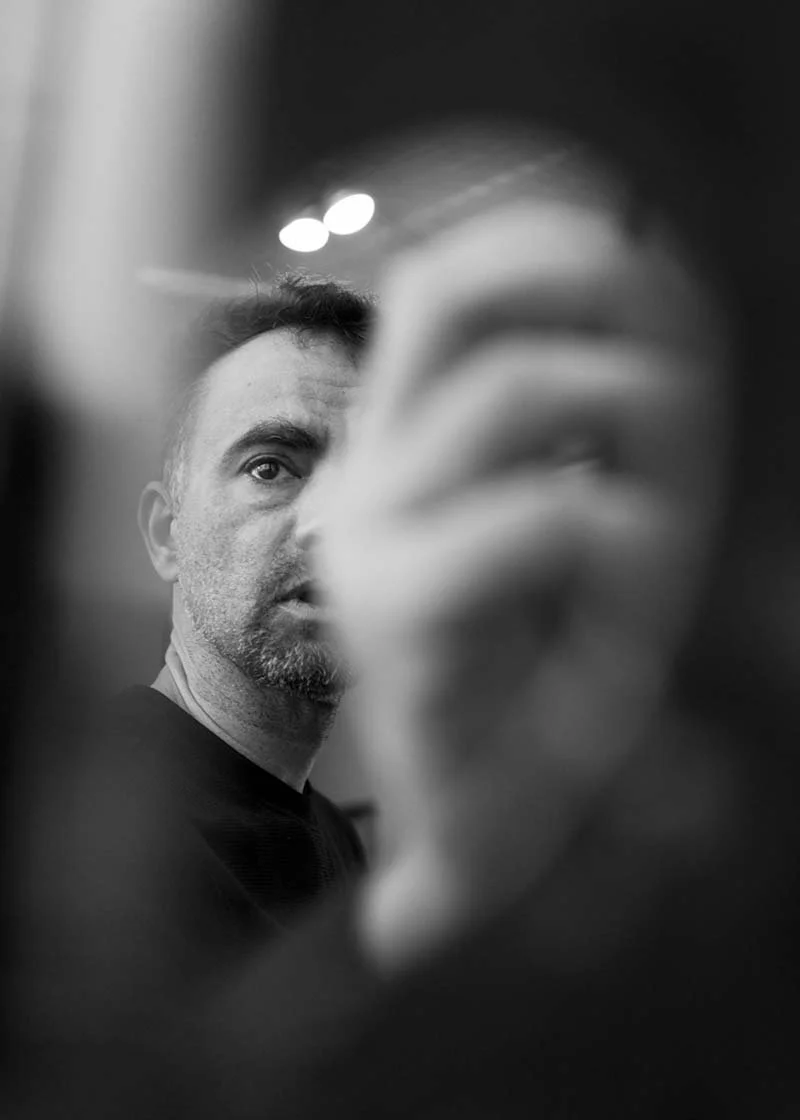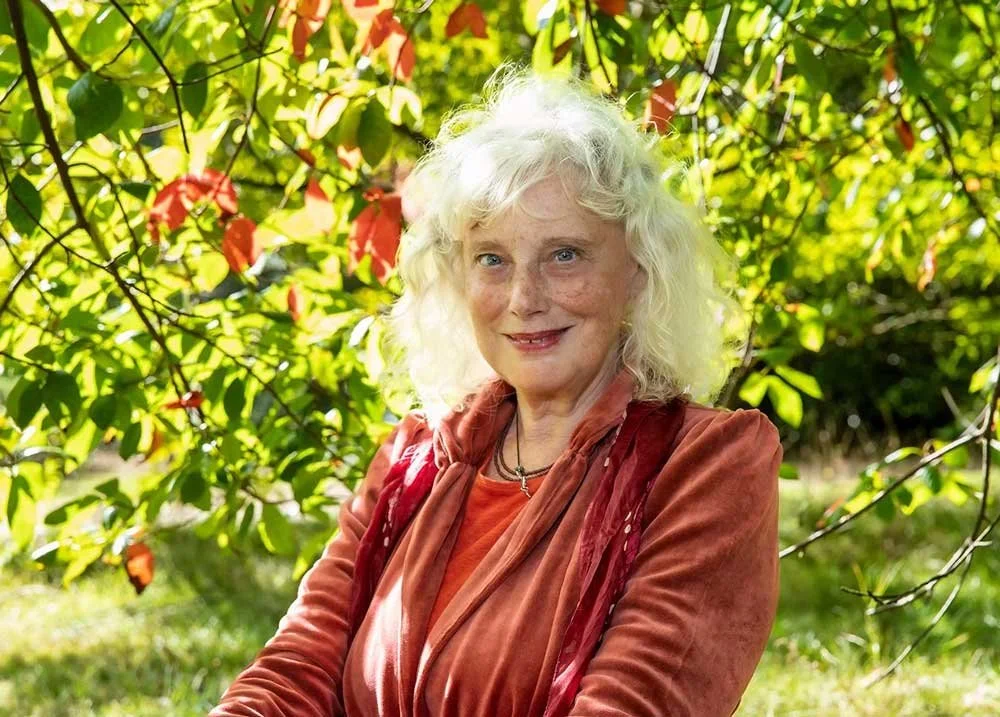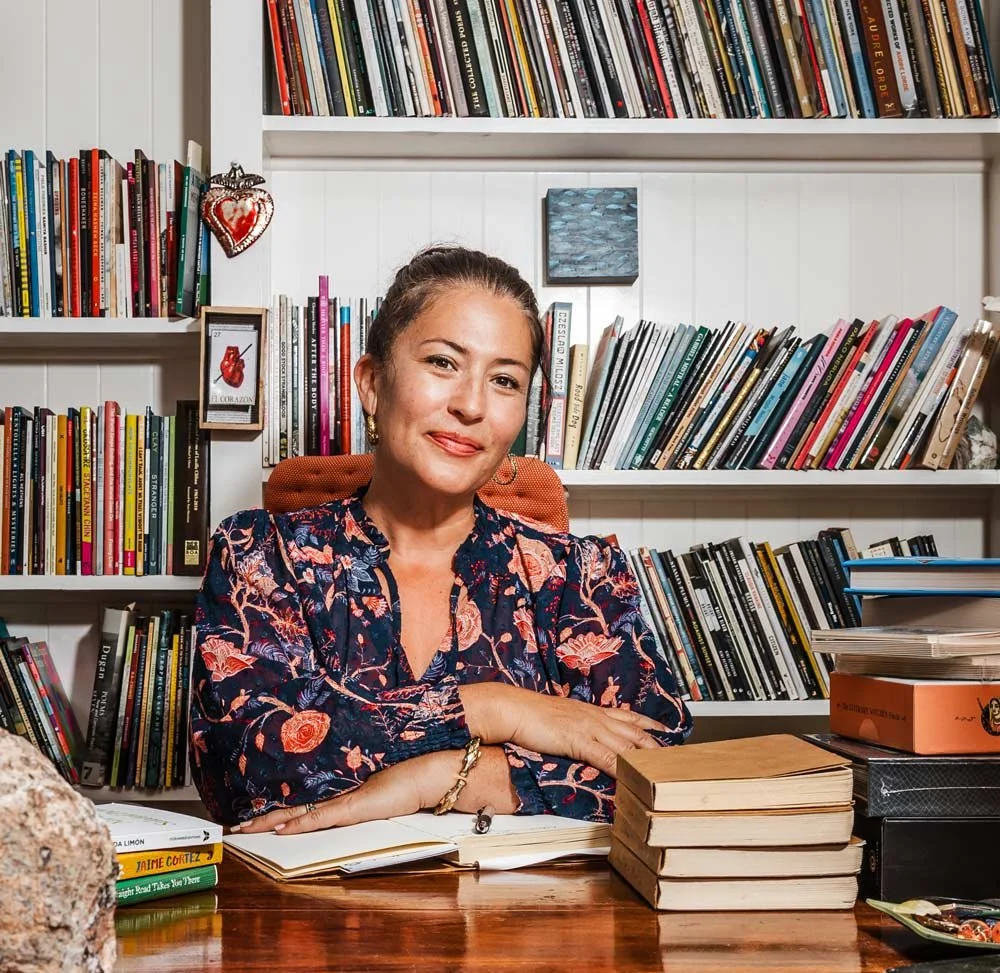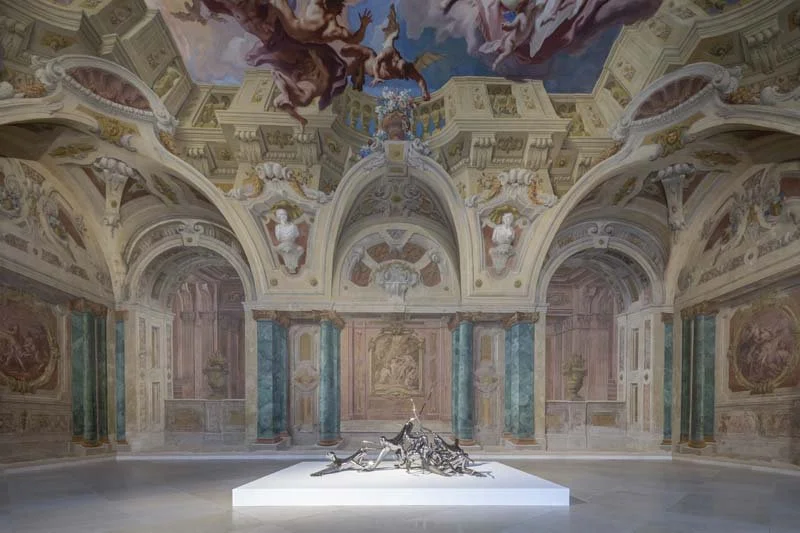


Rona Pondick was born in Brooklyn, New York, in 1952, and lives and works in New York. Since 1984, she has had 53 solo exhibitions of her work in museums and galleries internationally, including Galleria d’Arte Moderna Bologna, Italy; Groninger Museum, Groningen, Netherlands; Rupertinum Museum für moderne und zeitgenössische Kunst, Salzburg, Austria; Cincinnati Art Museum; Israel Museum, Jerusalem; and the Upper Belvedere, Vienna, Austria, among others. Her sculptures have been included in over 250 group exhibitions, including numerous biennales worldwide: the Whitney Biennial, Lyon Biennale, Johannesburg Biennale, Sonsbeek, and Venice Biennale. Pondick has participated in group exhibitions at museums internationally including the Mori Art Museum; Peggy Guggenheim Foundation; Museo de Arte Contemporânea de Serralves, Ca’Pesaro, Centre Pompidou; Palais des Beaux-Arts de Lille, France; Pera Museum, Istanbul; Kaohsiung Museum of Fine Arts, Kaohsiung, Taiwan; Daimler Chrysler, Berlin; and the Philadelphia Museum of Art, among many others. Her work is currently in the collections of 53 museums worldwide including the Whitney Museum of American Art; The Metropolitan Museum of Art; Philadelphia Museum of Art; Museum of Fine Arts, Boston; Museum of Contemporary Art, Los Angeles; Nasher Sculpture Center, Dallas; San Francisco Museum of Art; Art Institute of Chicago; New Orleans Museum of Art (Sculpture Garden); High Museum of Art Atlanta; The Nelson-Atkins Museum; Carnegie Museum of Art; The Belvedere, Vienna; and Centre Pompidou. Pondick works with Thaddeus Ropac, London, Milan, Paris, Salzburg, Seoul; Nunu Fine Art, Taipei, New York; Marc Straus Gallery, New York; and Sonnabend Gallery, New York. @ronapondick
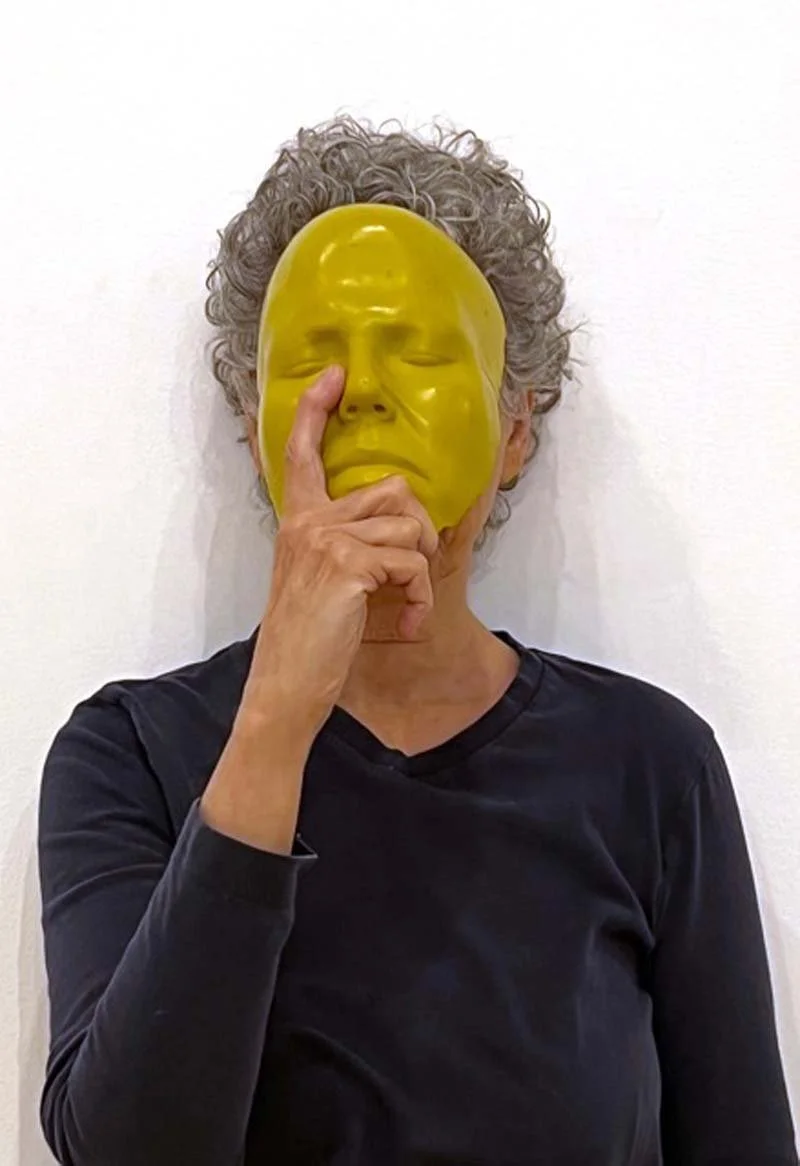
How did your early environment shape your artistic sensibilities? I was born and raised in Brooklyn, New York. Growing up in the city helped shape me and made me who I am today.
When did you first fall in love with art and realize you wanted to be an artist? For you, what is the importance of the arts? When I was 8 or 9 years old, I started going to the Metropolitan Museum. I would stand in front of the Egyptian art, mesmerized. I don’t remember when I decided to be an artist, but I started making art when I was a kid. I knew when I was very young that I never wanted to do anything else or be anything else other than an artist.
What does your typical day in the studio look like? Walk us through your studio and your most used materials and tools. I like to work every day, and I don’t think of it differently than I do about brushing my teeth or hair. It is something I do routinely. I love my life and what I do, and I feel lucky to be an artist.
My studio is a place where I try to give myself the freedom to play. I don’t think hierarchically about materials, approaches, or technology. I have used traditional approaches to making sculpture as well as cutting-edge technologies, using a wide range of materials. I often kid around and call myself a ‘material-holic’.
What projects are you at work on at the moment? And what themes or ideas are currently driving your work? The exhibition “Bellmer Nauman Pondick: Material Desire” will open in New York and run from March 6–May 30, 2026. The show will be at Nunu Fine Art, and it is in collaboration with Sonnabend and Ubu Galleries, New York. The exhibition will be accompanied by a fully illustrated catalog with an essay by the art historian Albert Godetzky, and an interview with Nunu Hung and me, discussing how the exhibition evolved.
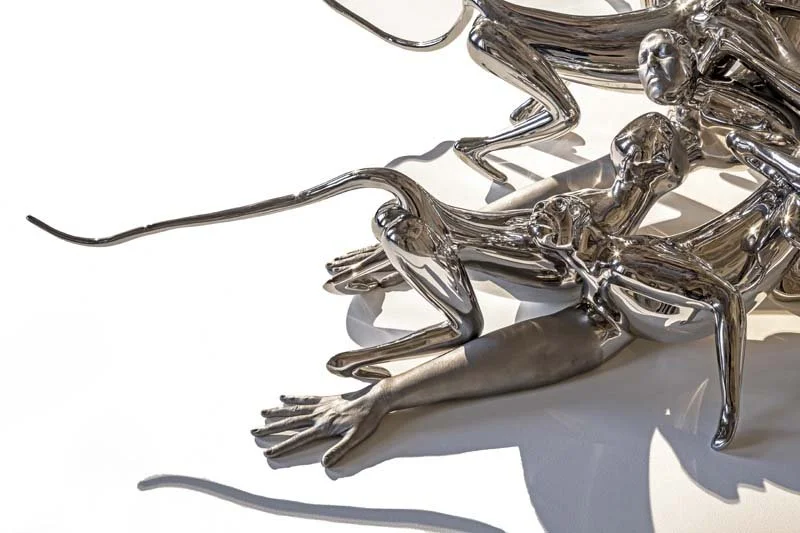
On November 29th, 2025, the Sonnabend Collection Foundation will open in the newly renovated Palazzo della Ragione, in the city of Mantua, Italy. The collection is a permanent installation in which my sculpture, “Dog” (1998-2001), is included.
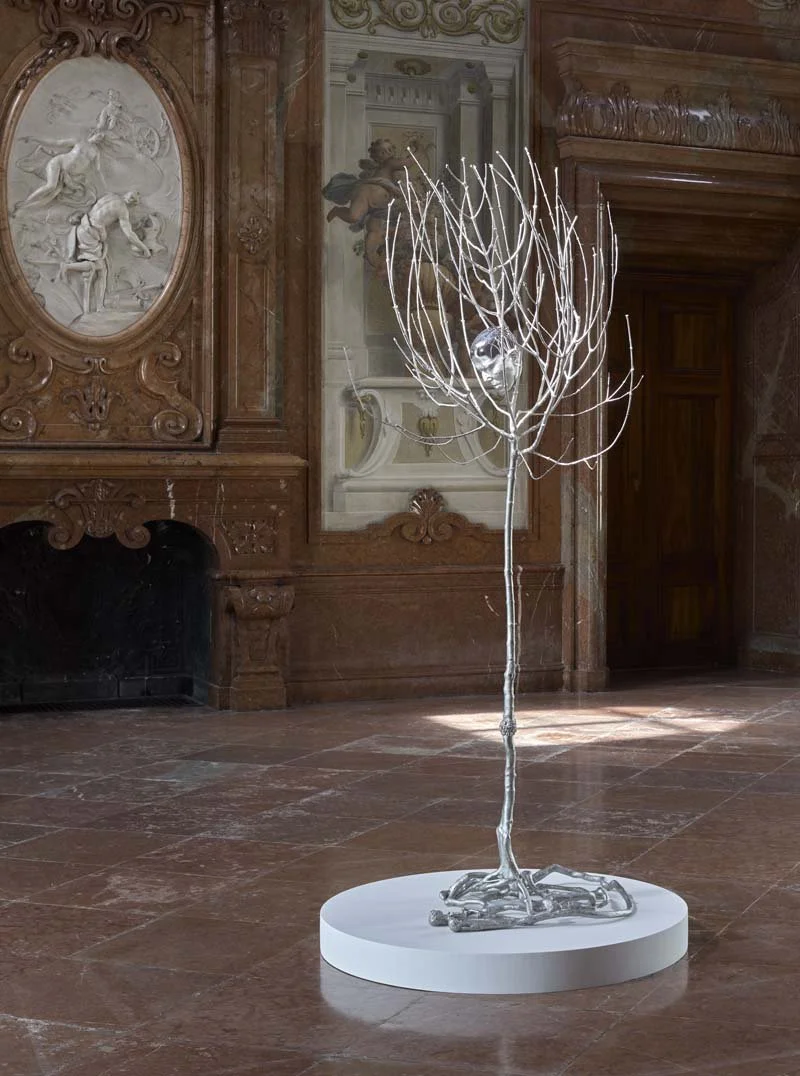
Joel and Sherry Mallin generously donated 5 sculptures they owned to the Herbert F. Johnson Museum of Art. We are currently installing “Untitled Tree” (1997) on the grounds of the museum opposite the I.M. Pei-designed building.
Over the last year, I have been informally talking to several museums, discussing and planning shows in the future, which sadly I cannot discuss at the moment. But all very exciting!
What do you hope people feel when they experience your art? What are you trying to express? I want my viewer to feel my work in their own bodies. I want it to be a visceral experience. I hope my work mirrors what it’s like to be alive.
Do you draw inspiration from music, art, or other disciplines? Kafka and my mother influenced me.
A great thing about living in New York is… I could get naked, stand on the corner, scream my head off, and no one would pay any attention.
Tell us about important teachers/mentors/collaborators in your life. In 1975, I met my husband, Robert Feintuch, while we were studying at Yale University School of Art. We moved in together a week after meeting, and we never separated. He is a painter, and I am a sculptor—we couldn’t be more different than each other, but we’ve grown, fought, and worked side by side. Even though we are both fiercely independent, there is very little we don’t share!
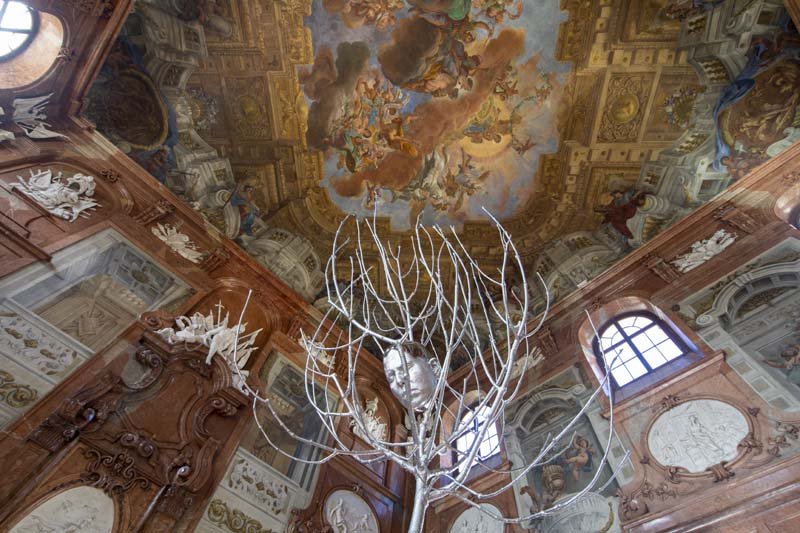
Sustainability in the art world is an important issue. Can you share a memory or reflection about the beauty and wonder of the natural world? Does being in nature inspire your art or your process? Thirty years ago, collectors asked me if I was interested in doing an outdoor commission. I remember thinking that sculpture just could not compete with nature. I was looking at the collectors’ apple orchard and thinking, if you can’t beat them, join them. I decided to take a tree, remake it in metal, and scatter forms with teeth on the ground like fallen apples. When I installed the work back in nature, I loved its dialogue with the changing seasons.
AI is changing everything - the way we see the world, creativity, art, our ideas of beauty and the way we communicate with each other and our imaginations. What are your reflections about AI and technology? What is the importance of human art and handmade creative works over industrialized creative practices? I use old and new technologies when I make a sculpture. I started working with 3D computer scanning and 3D printing in 1998. I use technology when I need to and see it no differently than I do a hammer or saw. I never use tools or technology for the sake of using them. But if a technology can assist me, I have no issue using it.
Exploring ideas, art and the creative process connects me to… The world.