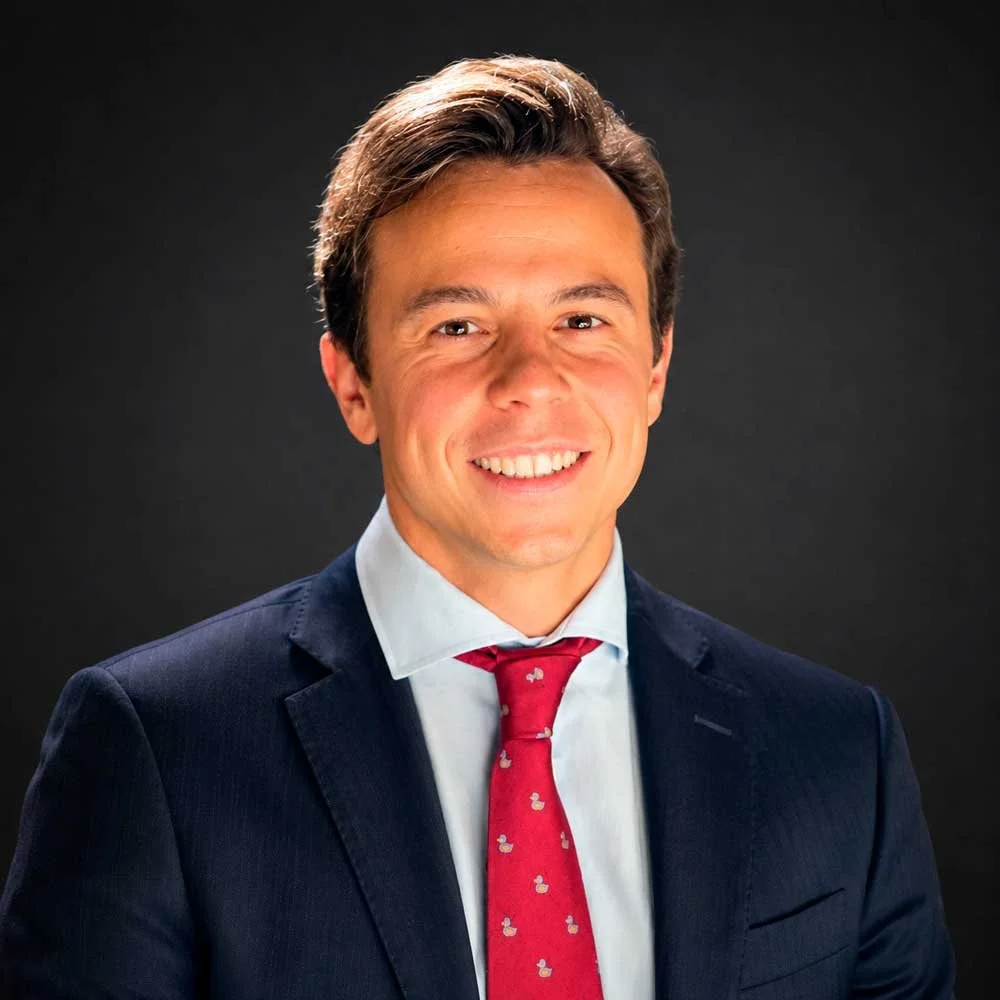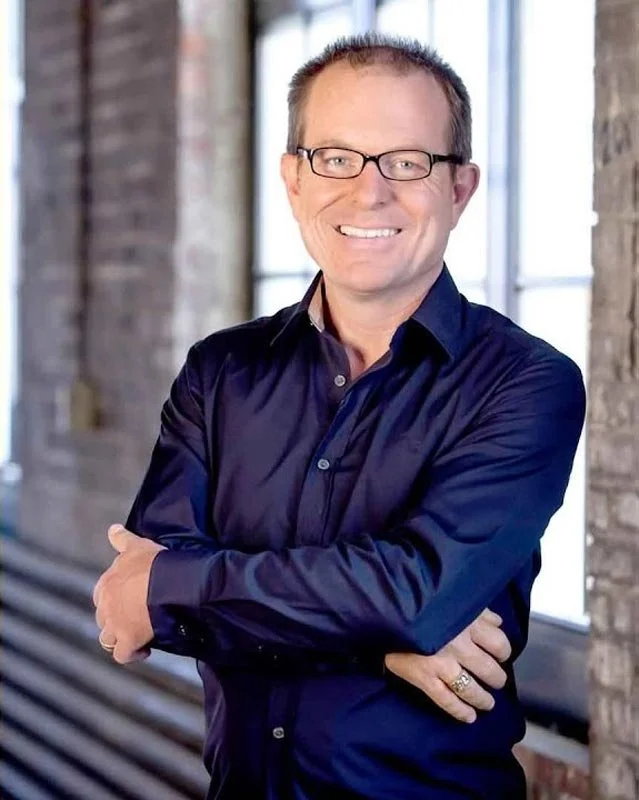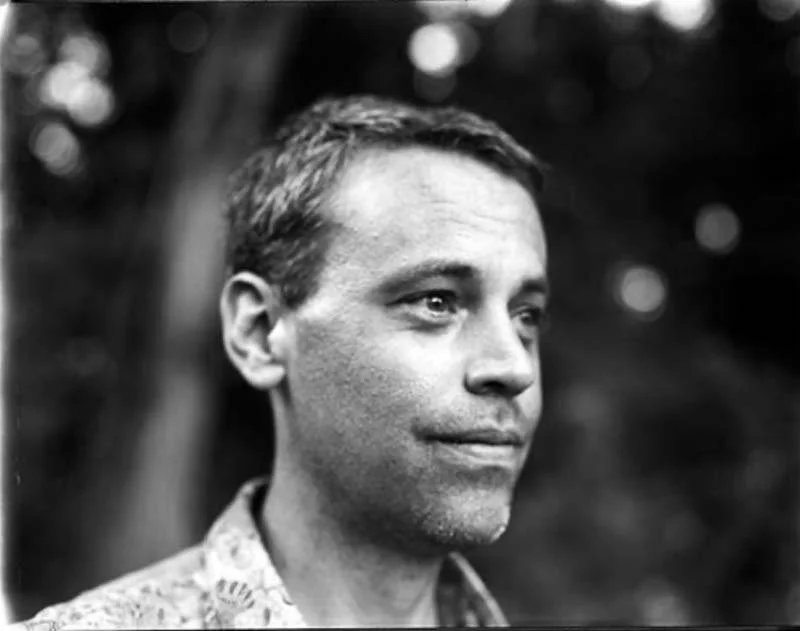


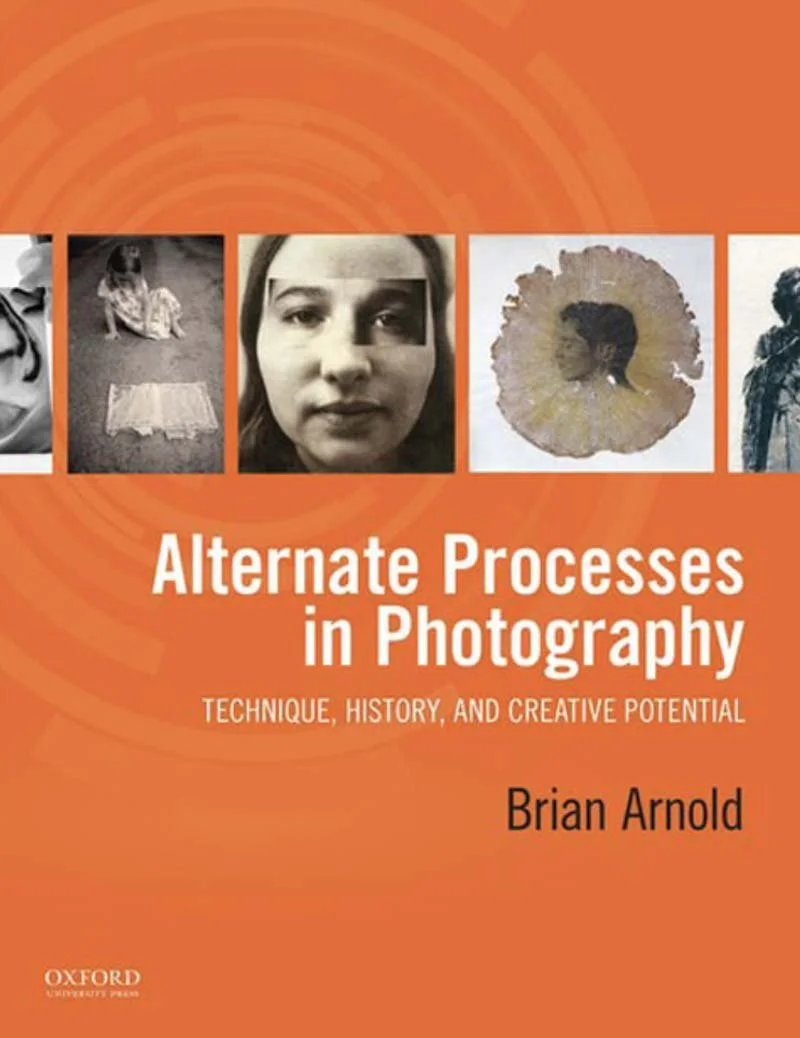
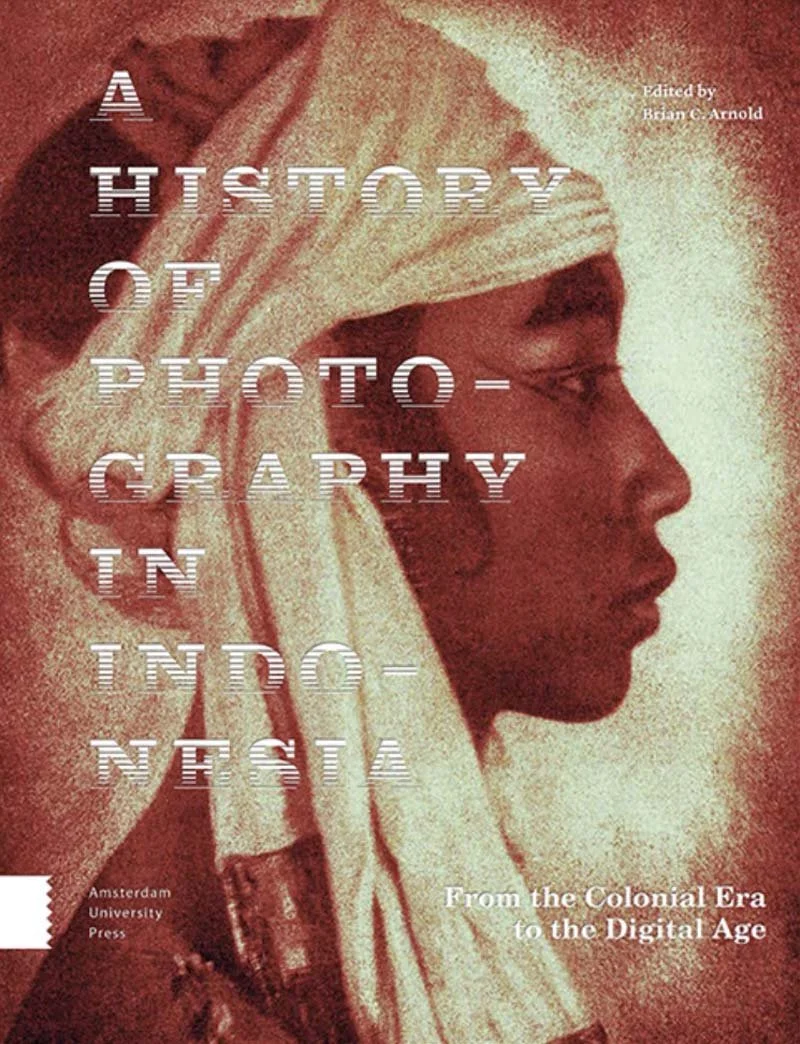
Brian Arnold is a writer, photographer, and translator based in Ithaca, NY. As an undergraduate, he attended Colorado College, finishing with a major in English and a minor in Ethnomusicology. After college, Brian discovered photography and went on to complete an MFA at the Massachusetts College of Art. Today, he regularly contributes to several different blogs and journals about photography. Between 2017-2022, he finished 3 books on photography. The most recent of these, A History of Photography in Indonesia: From the Colonial Era to the Digital Age (co-published by Afterhours Books in Jakarta and Amsterdam University Press), was a finalist for the historical book award at Les Recontres d’Arles. Brian is currently developing a new book of essays called Something About YU: Photography in the Western Balkans. @briancarnold
Where were you born and raised, and how did it influence your writing and your thinking about the world? I was born and raised in Denver, CO, and do think of this as an important part of my education and worldview. There is nothing like the American West, and living here taught me to appreciate light, space, and history (especially as encoded in landscapes). My first job in the arts was at the Colorado History Museum - this taught me to see and understand this place in a much comprehensive and meaningful way. This sense of place is an important part of the work I do today.
What did your bookshelf look like as a child? Were there any particular titles that really left a mark? I was raised in a very well-educated family that really valued reading, though I was in high school when I really became an avid reader. I had a wonderful English teacher who turned me onto some really great books, most important of these for me was Trout Fishing in America by Richard Brautigan - this really introduced me to more experimental and alternative world views.
After I made this connection, I quickly found writers who promoted similar counter-cultural visions - Jim Carroll, Andre Breton, Philip K. Dick, and Gertrude Stein, along with many others. Once I really started reading, I was pretty voracious about it.
Is there a “typical” day of writing for you? I pursue a multidisciplinary creative practice. I have an MFA in photography and continue to work actively on making new pictures. Over the last 10-ish years, writing has become an increasingly important part of my work. I try to start each day with an hour or two in my studio working on my photographs, and then follow this with a couple of hours of writing. Life being as it is, this doesn’t always work out, but I do strive for a daily practice. For the most part, I do manage a couple of hours of writing every morning.
Like any writer, reading is an important part of my practice, and this is also part of my daily work. I try to balance reading for pleasure and for research, but these days all of my reading focuses on my interest in the visual arts.
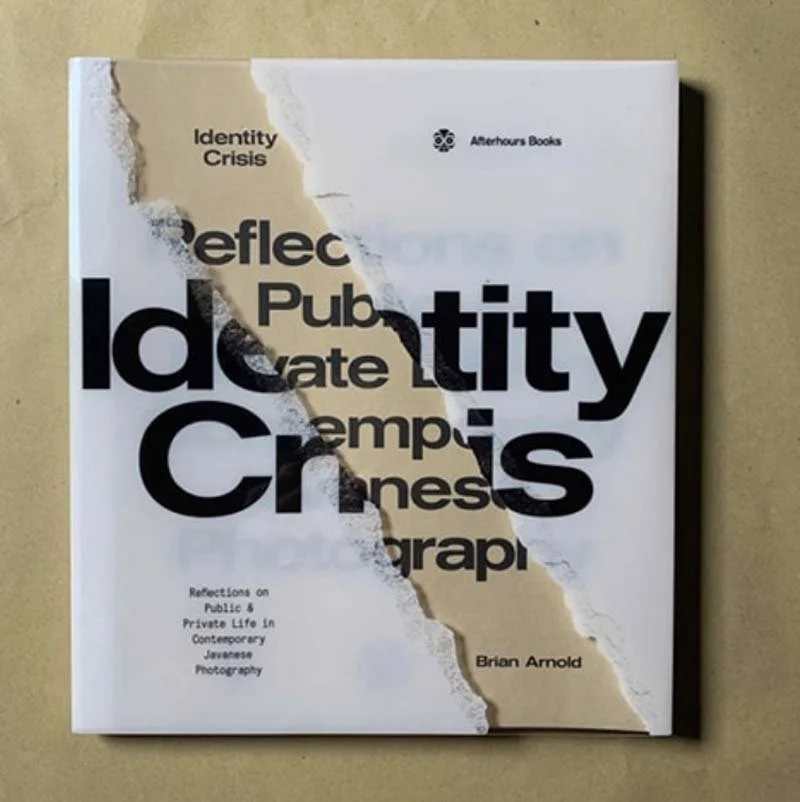
Tell us about the creative process behind your most well-known work or your current writing project. My most well-known or important project and my current work are deeply connected. Between 2011-2022, I developed a lot of different projects in Indonesia - this includes writing, photographing, and curatorial work. This also resulted in two books I wrote about photography in Indonesia.
My current project started in 2024 after my second trip to Novi Sad, Serbia. I am currently trying to transfer the ideas and methodologies I developed in Indonesia to a new locale, the Western Balkans/former Yugoslavia.
Working in Indonesia, I learned a great deal about networking, cross-cultural collaborations, and colonialism. With my current work in the Balkans, I am trying to do something similar, looking to dive deep into a region of the world that is too often overlooked.
Ultimately, both of these projects are rooted in deep curiosity about culture and representation, but are also about personal growth. I’ve engaged both these regions as an attempt to find new ways to be myself.
Do you keep a journal or notebook? If so, what’s in it? When I was younger, I kept journals, but not so much today. These days I’m more inclined to make sketchbooks - these are more collages that include photographs, small drawings or watercolors, and short notes for my writing projects.
Extensive research is clearly central to your work. What is that research process like, and what kinds of sources have been the most influential? Research is essential. To write meaningfully about photography in Indonesia or the Balkans requires some understanding of the political, social, and cultural context behind the pictures. With both these projects, I’ve extensively researched the history of the regions, and tried for a balanced or multifaceted approach that includes historical documents, music, films, literature, and language (I earn part of my living as an Indonesian language translator, and I’m actively studying Serbo-Croatian).
Which writer, living or dead, would you most like to have dinner with? Living - Robert Adams, both a remarkably accomplished photographer and writer on photography.
Dead - Cormac McCarthy. In looking at the South and the American West, he demonstrated an incredible sense of place.
Do you draw inspiration from music, art, or other disciplines? For me it is all about photography. By far, the majority of my writing is a reflection on things learned by looking at photographs. It’s a medium that has sustained my interest for decades, and in many ways, my writing is just the current phase of this lifelong interest.
As an undergraduate student, I was deeply involved in music. Indeed, it was gamelan - music unique to Bali and Java - that first got me interested in Indonesia. I don’t play much anymore, but still consider it part of my research - it’s been fun to explore music from the Balkans as I’ve developed this new project!
In a way, photography embodies the intersection of art and machine technology. As someone who writes at that intersection, what are your reflections on the rise of machine-assisted or generated creativity? I understand AI is the next revolution, but ultimately I’m not too worried about it changing art and literature. Ultimately, I think we look to the arts to learn how others emotionally or intellectually make sense of the world. AI, while undoubtedly has tremendous potential in developing and changing our world, doesn’t have intellectual or emotional capacity.
That said, I have found AI to be a great research and editing tool and do use it occasionally for my writing.
Tell us about some books you've recently enjoyed and your favorite books and writers of all time. The last few years, I’ve been reading a lot of artist biographies. My favorite of these is Ninth Street Women by Mary Gabriel.
In researching the Balkans, I’ve discovered some other amazing writers, including Ivo Andrić (the only Serbian to win the Nobel Prize) and Slavenka Drakulić.
Writers I’ve thought of as favorites over the years include Cormac McCarthy, Robert Adams, and William Carlos Williams.
Exploring literature, the arts, and the creative process connects me to… Myself and the world.