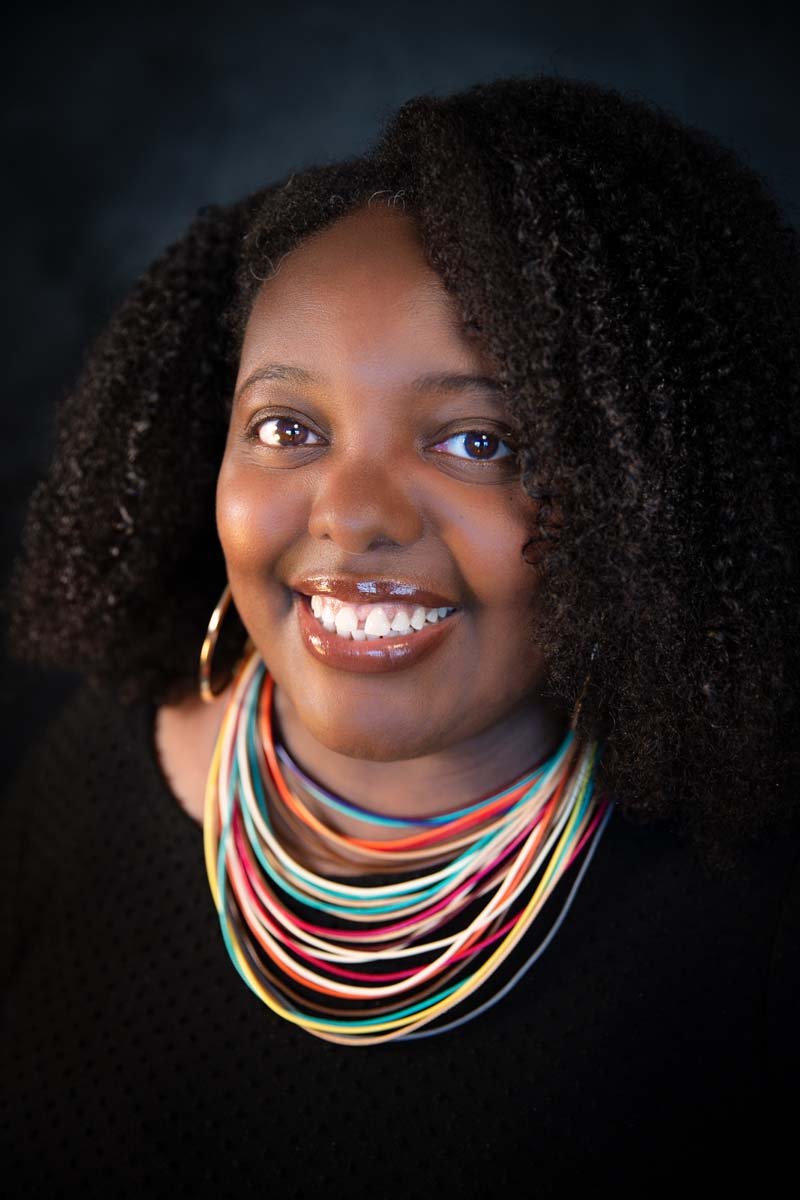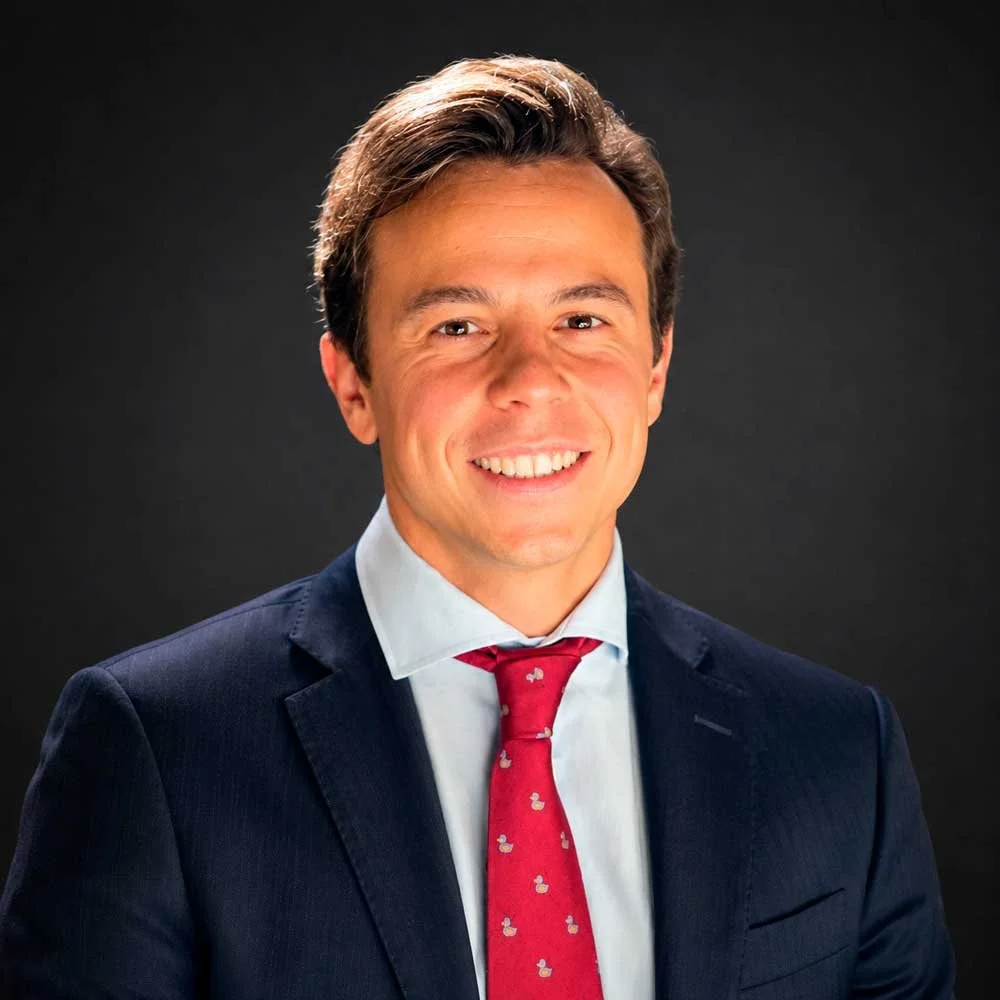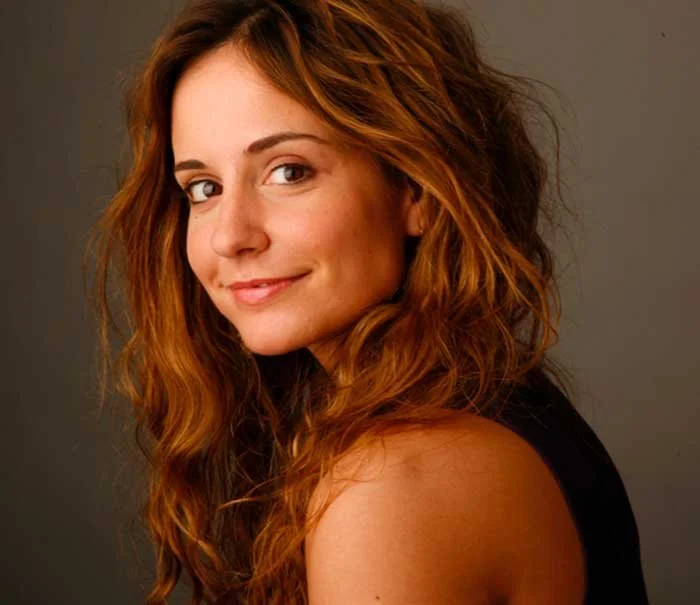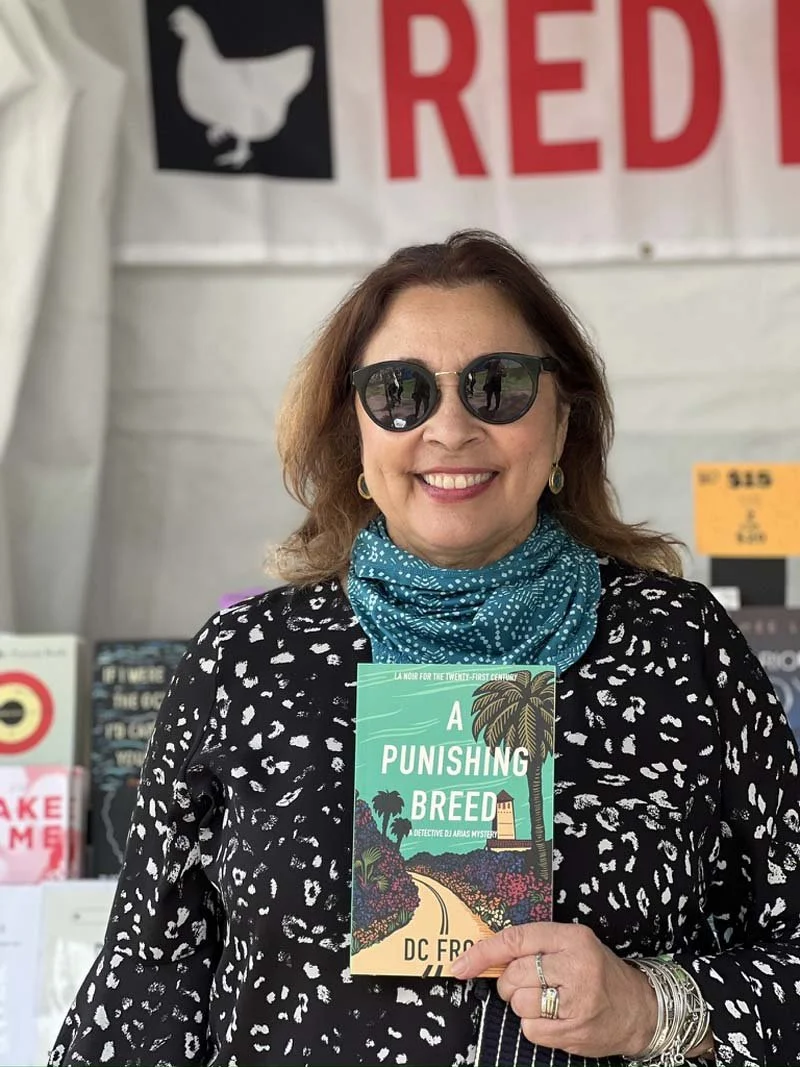


D.C. Frost is a second-generation Angelino. For almost twenty years, she has worked at a small private liberal college in the heart of Los Angeles. Denise loves and respects Southern California, a melting pot of class and culture that is often misrepresented and misunderstood in
popular fiction and media. D.C. lives in Eagle Rock, California, with her husband, who is an NPR journalist and reporter, and three rescue dogs. D.C. and her husband have an adult son, a filmmaker, who resides in Los Angeles. @dcfrost_writer
You grew up in Southern California. In what ways do its landscapes and communities show up in your writing? I was born in Los Angeles and raised in many Southern California locales. My father was a football coach, so we moved around: Atascadero, Palmdale, San Luis Obispo, Quartz Hill, Montclair, Upland. The geography and diversity of Southern California and Los Angeles have infused my writing with an appreciation of a vast and ecologically varied landscapes and a vast appreciation of a diverse population of people.
What kind of reader were you as a child? What books made you fall in love with reading as a child? I read Archie Comic Books in kindergarten, graduated to Nancy Drew in elementary school, and in high school I read every Agatha Christie novel. I became fanatical about reading as a teen; I read whole Thomas Hardy and Kurt Vonnegut books in a weekend. I read Gone With The Wind in 72 hours. I loved being immersed in books. And I have an obsessive personality!
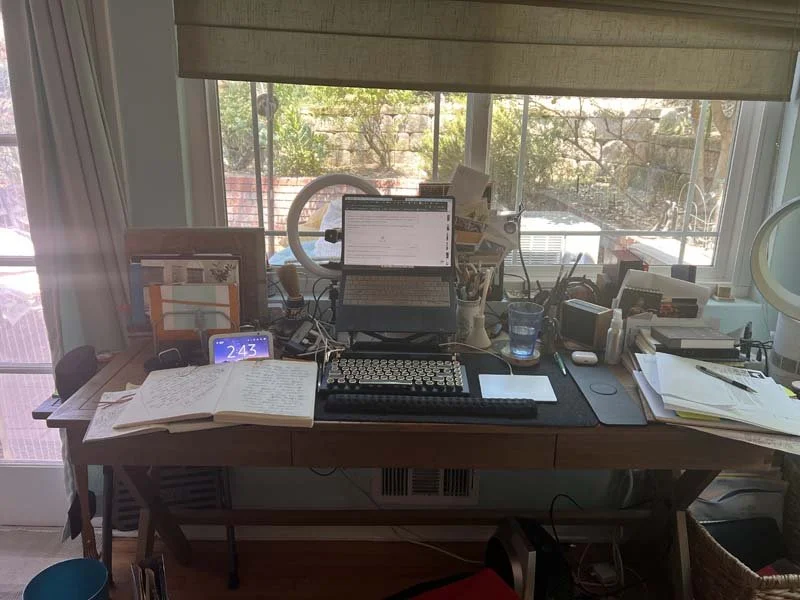
Describe your typical writing day. When I was working full-time as a fundraiser, I would get up at 5:00 am and write until 7:30 am. Now I write 4-5 hours a day, and when I'm trying to finish a book for a deadline (I just submitted my second book), I work approximately 8 to 9 hours.
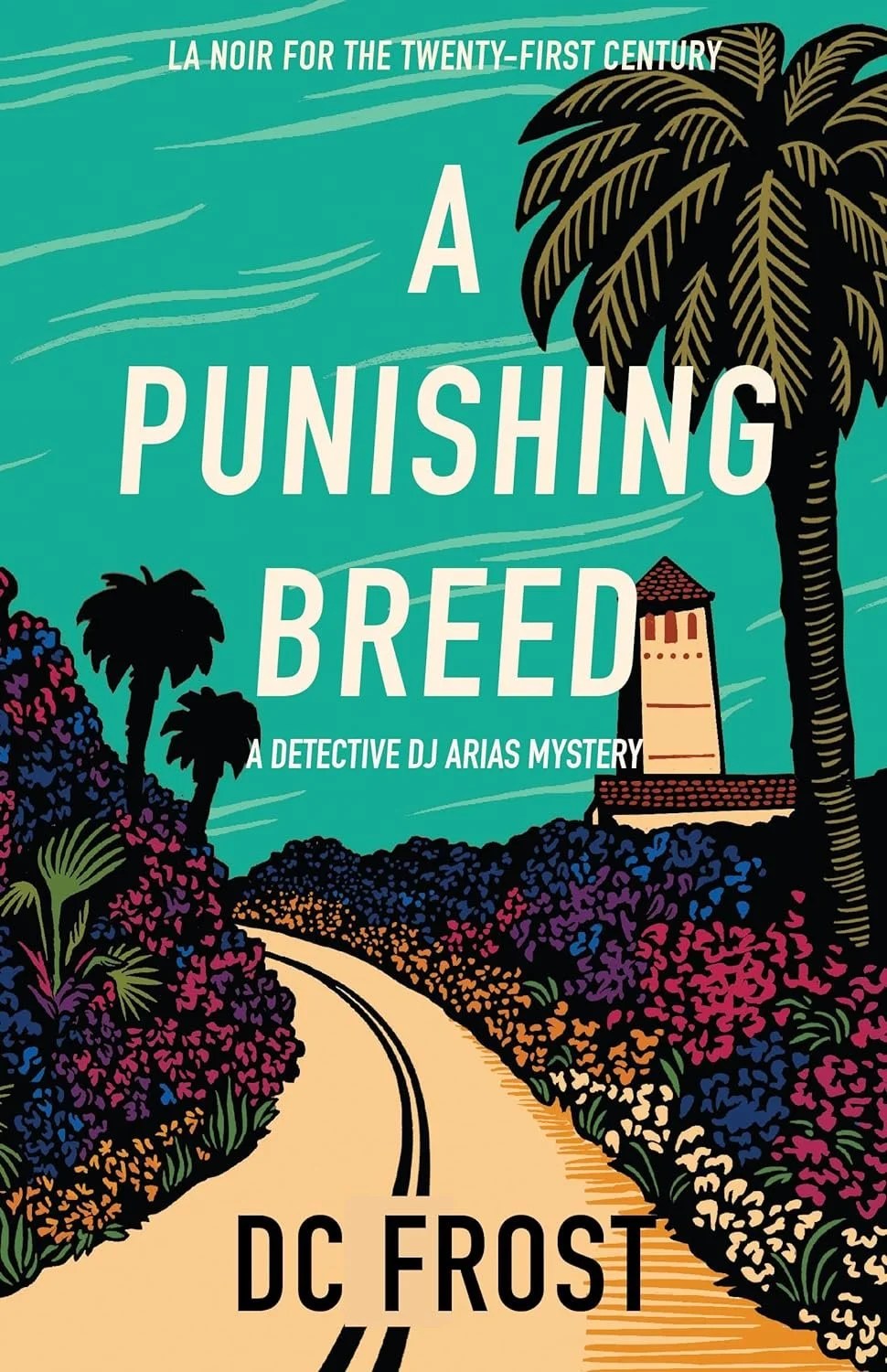
Tell us about the creative process behind your most well-known work or your current writing project. I don't outline, which I would say like a jolly idiot on my book tour for A Punishing Breed. For my upcoming book, A Shadow of Jaguars, I had an idea for the beginning, and I let it take its own circuitous journey. I cut out 70,000 words and 2 other endings before I landed where I wanted. I don't outline, still true, not so jolly. This one is for my grandparents and the immigrants like them who are hoping for a better life in Los Angeles and the United States. I am hoping for a better United States.
Do you keep a journal or notebook? If so, what’s in it? I keep a notebook with my own ideas and notes for each book. I don't think anyone else could read it - and going back after a few months, I can't either.
You do a lot of research in your professional life—does research also play a large role in your creative work? I research everything, all the time, and I love it. In my professional life, I had to research people, professions, wealth factors. I find people's personal and professional journeys fascinating. I use Google, social media accounts, and books that refer to a person or place that I am writing about. The greatest part of research is when a keyword or fact illuminates a focal point in the story. It's magic!
Which writer, living or dead, would you most like to have dinner with? Stephen King. I love his writing, his openness about his addiction and overcoming it, I refer constantly to his book On Writing, and I am a fan of his politics and his kindness apparent in his social media posts. The Shining, The Mr. Mercedes Trilogy, The Outsider, and Holly Gibney are all favorites of mine.
Do you draw inspiration from music, art, or other disciplines? Yes. All of the above. I create a music soundtrack for each novel that reflects important plot points of the story (I usually get about halfway through - then forget about it), going to a museum is inspiring and mind-opening, and watching a movie or series that touches me makes me want to be a better creator.
What are your reflections on the increasing entanglement between AI and human creativity? How is your own writing practice affected—or challenged—by new technologies? I never use AI to write or rewrite. I think that is a very slippery slope. However, using AI for research has been an amazing way to view different sources of material quickly. I still need to delve deep into that research and travel along my own path, not just take the headline. Coming up with core and unique ideas is a human quality, and I believe it will remain so. Writing about human connections, love, hate, birth, death, what binds us together, the inconsistencies of the human heart have to originate from human beings.
Tell us about some books you've recently enjoyed and your favorite books and writers of all time. Long Bright River by Liz Moore destroyed me. I think I loved it even more than The God of the Woods. Dead Money by Jakob Kerr was a great read. Don't Flinch by Stephen King - he's still the king, Head Cases by John McMahon, Killers of a Certain Age by Deanna Rayburn. English Music by Peter Ackroyd and Lolita by Nabokov are books I read again as soon as I finished them. Favorite authors: Agatha Christie, Stephen King, Thomas Hardy, Michael Connelly, PD James, Anthony Horowitz, Richard Osman, Ayn Rand (obsession as a teen).
Exploring literature, the arts, and the creative process connects me to… The underneath...of our lives, souls, minds, and hearts. It digs beneath the surface and opens up all the possibilities of the human experience. Art can change minds and lives. And it should. Or it can alleviate the harshness and darkness - and that's a miracle worth experiencing.