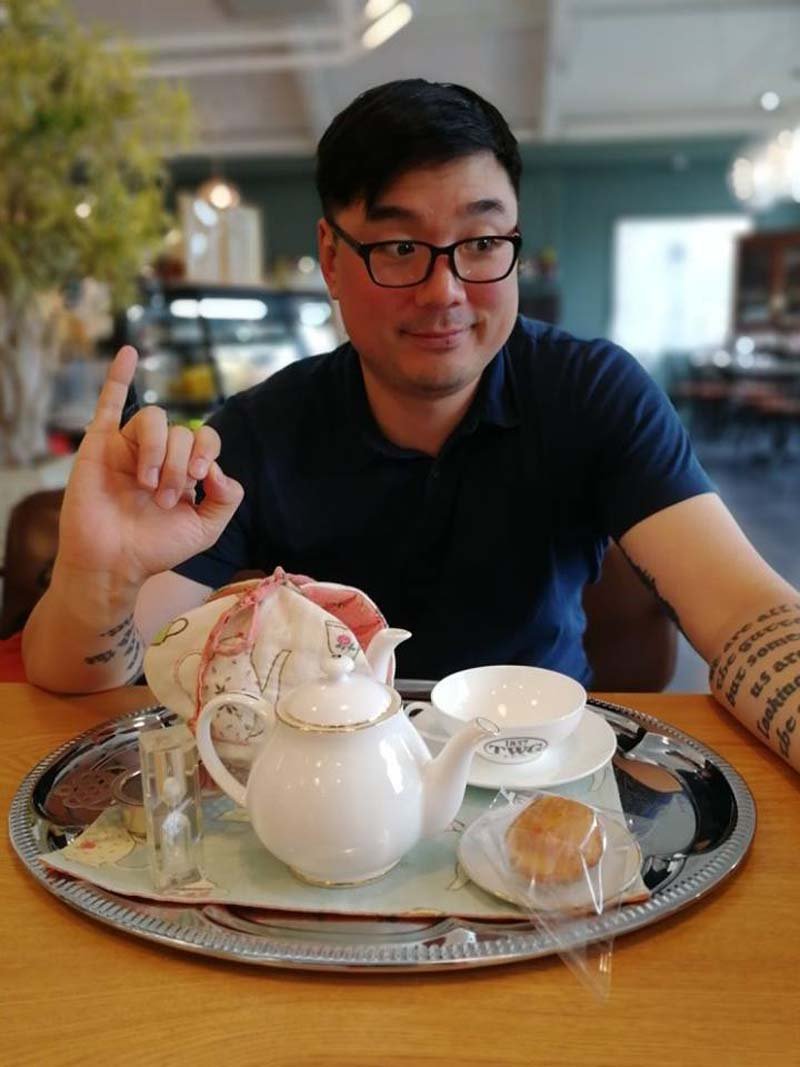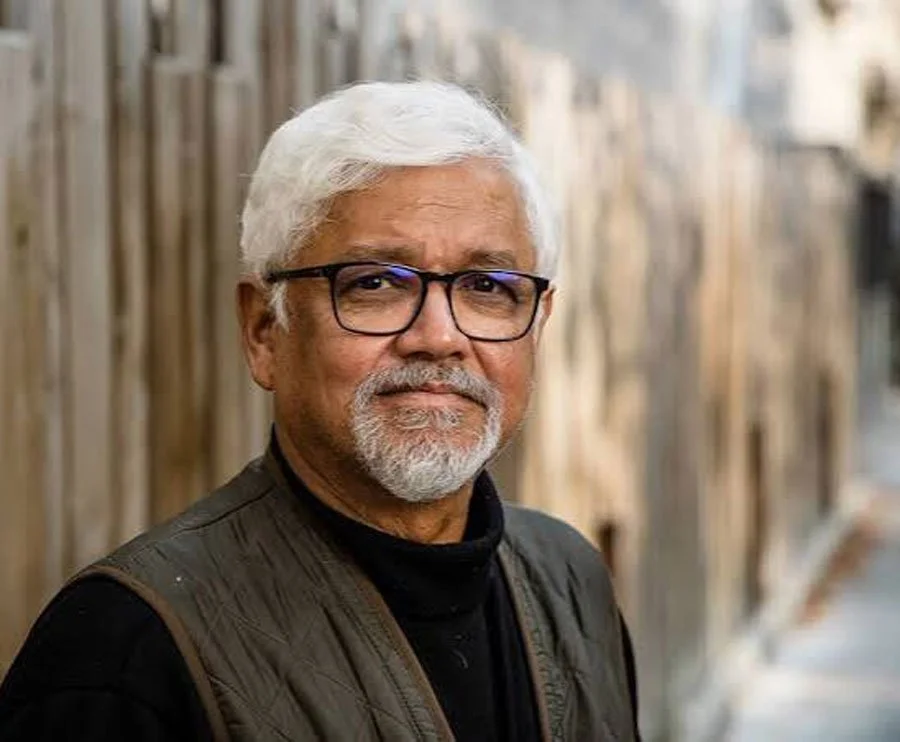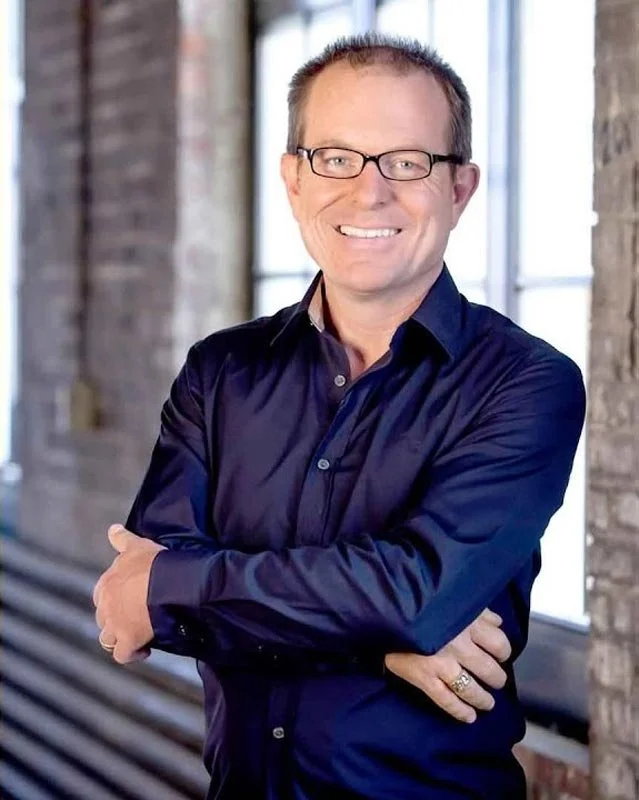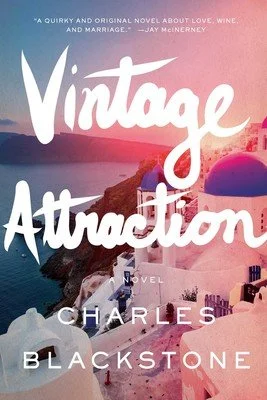


Charles Blackstone is the author of the novels Vintage Attraction and The Week You Weren't Here and the co-editor of The Art of Friction. He lives in New York City. @charlesblackstone
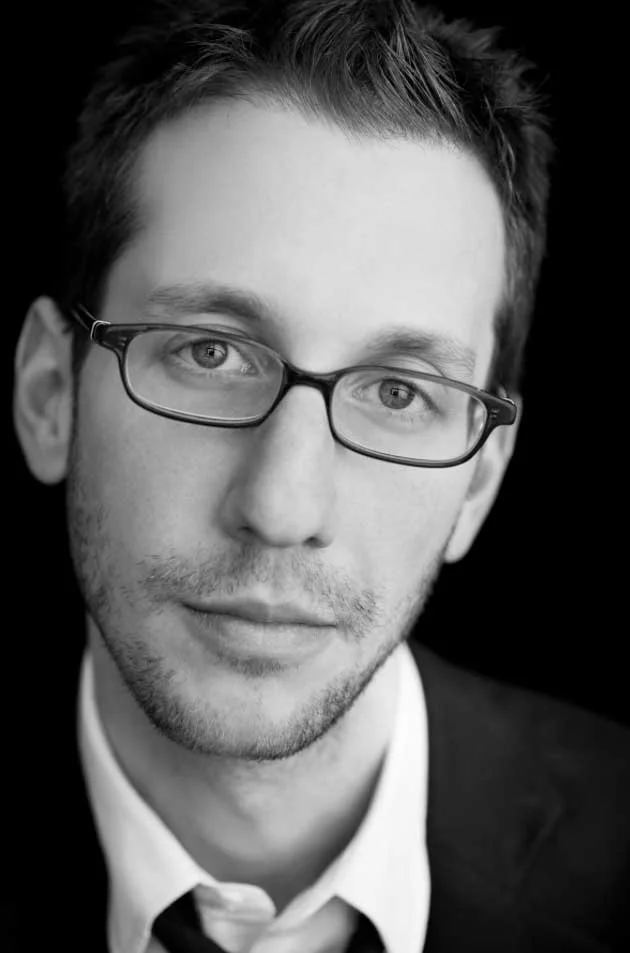
How did growing up in Chicago shape your view of the world and the kinds of stories you’re drawn to? Chicago gave my perspective an urban lens. The politics, the architecture, the culture of empiricism, the privileging of intellect over return on investment, I think it all informed my enduring aesthetic. I feel different about it now that I've been in New York for over a decade. The Midwestern reserve that masks deep interiority doesn't exist here, so the way I perceive people, place, and the quiet complexities of human relationships in my writing is a lot different, I think.
Were you the kind of kid who always had a book in hand? Which ones stood out? I was an intense, slightly precocious reader—of everything that wasn't books. I was reading from a very early age—undiagnosed autism-spectrum likely—but the content I was drawn to was advertisements, brochures, credit card applications, business cards, the phone book, manuals. I fell in love with language through what I'd call now deep improvisation through the world of play (I was a school principal, a video store owner, obsessed with most forms of forms). I thought I was illiterate because I didn't want to read children's literature. When I discovered realism and contemporary American fiction before and during ninth grade (and also began writing my first novel), I realized what the problem had been all along. I still don't have a mind for most genres, like fantasy. Also, during the time I wasn't a reader, I was an avid watcher of TV and movies—not the stuff for kids, but, like, St. Elmo's Fire and About Last Night. I think this was the text I sought. I'd watch these movies over and over. Maybe it helped me figure out how to write good dialogue?
Describe your typical writing day. I only really have writing days when I’m immersed in a project. On those days, I don't really have much mind or patience for anything else. So try to fend off the distraction demons early enough to at least get something done that needs doing (drafting, editing, getting notes down for past and future chapters). I never used to outline—I’d start with a character in a scene and follow where it led. But with this novel, I’m working from a detailed outline, and it’s made the process so much more focused and deliberate; I vastly prefer it.
Can you share some behind-the-scenes insight into your most recent novel? Were there any unexpected turns or discoveries in the writing process? My current novel came out of a long silence. For about ten or eleven years I thought I might never write fiction again. And I was okay with it. I was retired! Occasionally, I'd hear about someone else working on a book and I'd get nostalgic, or when some kind of scene or even elevator pitch for an entire novel would come to me, but I knew I couldn't do anything with it. I began outlining the new one and found characters that I could sustain or that could sustain me for the duration. I also found myself getting really interested in a story about failure, friendship, ambition, betrayal, and the things we carry from one life chapter into the next. (It also could be an apt descriptor of my first two published novels.) Since the beginning, the creative process for me has been obsessive and both joyful and heartbreaking. I think having the detailed outline (and then going even deeper into chapter by chapter) gave me a sense that I not only had something to say but also the equipment to say something again.
Do you keep a journal or notebook? If so, what’s in it? When I'm working on something, I take notes, and there used to be a lot of scribbles on the backs of envelopes and napkins but now I tend to send myself a text instead. What these notes contain: a mix of dialogue (overheard or imagined), stray images, dream fragments, and the occasional chapter-opening lines. I'm also often thinking about snags I hit in a draft when I'm not in front of the screen. The ideas or executions that weren't quite right, but I didn't know how to fix them at the time. Often when there isn't paper around, I'll have a line that I don’t want to lose, and so the phone, generally attached to me, or me to it, is a good solution.
How do you research and what role does research play in your writing? It probably depends on the work. The last novel was set in the world of food and wine, and so obviously I had to immerse myself in the bottles and vineyards and culture in order to get it. That was a kind of macro research over years. I would say the current novel took a different form of macro research; there was life I had to live and years to work and rework it in my mind in order to begin using it for the story. I do have a red flag when I start going down a Google rabbit hole over trying to get some very specific detail. It often backfires. It becomes more specific than it needs to be and disrupts the storytelling. What I'm working on now is set a decade-plus ago, and so I do have to occasionally Google to find out if a phrase or piece of technology existed in, like, 2012.
Which writer, living or dead, would you most like to have dinner with? I'd like to have dinner with Jay McInerney again because the wine that is drawn to him is always amazing.
Do you draw inspiration from music, art, or other disciplines? Absolutely. Music (diagetic or non-diagetic) helps me access a scene’s emotional temperature. I also find myself drawing from filmic tropes, mise en scene from actual scenes. Visual art and architecture are part of a larger aesthetic discourse for me. Atmospheres or structures may not directly shape how I think about pacing, space, and emotional weight, but I like to think they're buried in my subconscious and lending a helping hand (brush?) as we go.
As a novelist, how do you think AI impacts that field or the genre of fiction in general? AI and technology, like computer keyboards and paintbrushes, are tools that are only as powerful as the person who possesses them. Scrivener is useless unless you have something for it to help organize. I don't think any technology can replicate the messy, contradictory interiority that makes a story feel alive. (And no technology or writing workshop can teach someone who doesn't get the messy contradictions how to do so.) It's like cooking. You can replicate a restaurant kitchen in yours, but if you can only microwave boxed mac and cheese, your guests are still going to be disappointed.
Tell us about some books you've recently enjoyed and your favorite books and writers of all time. I always say my favorite book and writer is whoever I'm reading at the time. I just finished Molly Jong-Fast's memoir, a now-favorite book about an all-time favorite writer, Erica Jong. I also found rereading Carver stories very helpful in trying to convince myself that I could write again.
Exploring literature, the arts, and the creative process connects me to… To a larger discourse that needs all the help it can get these days.