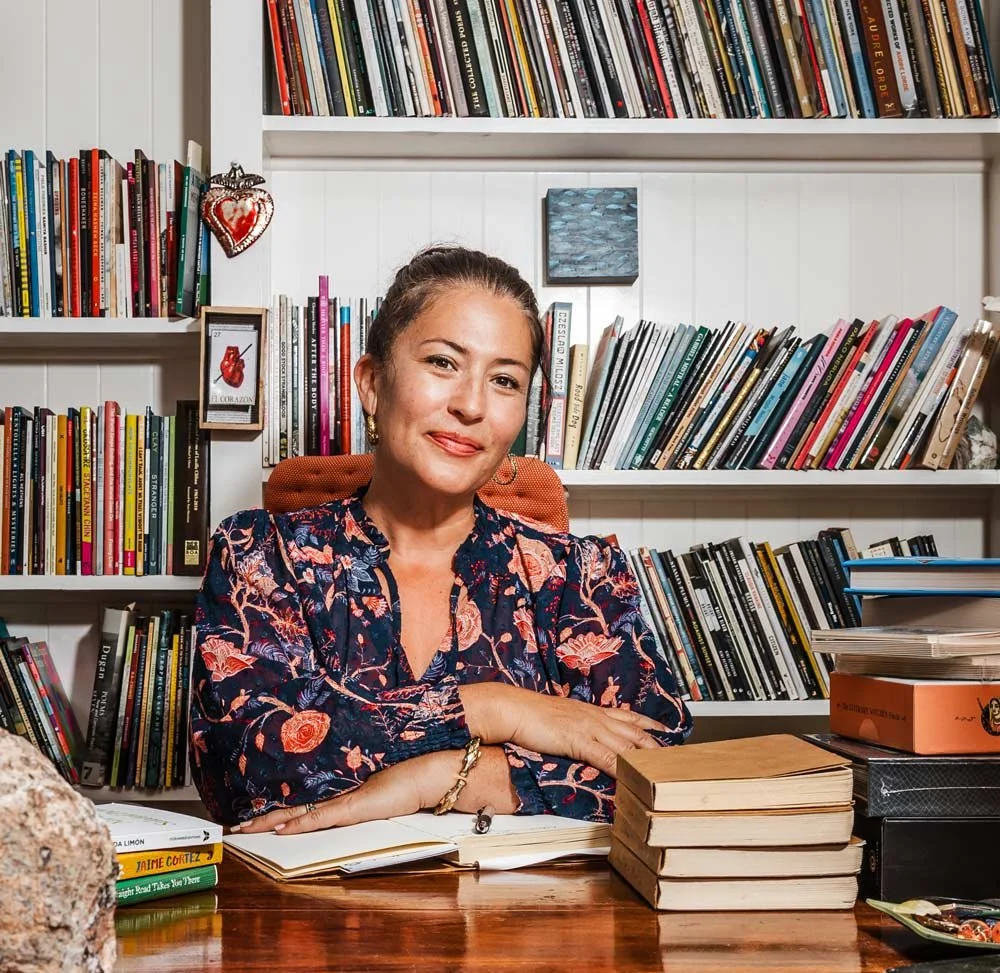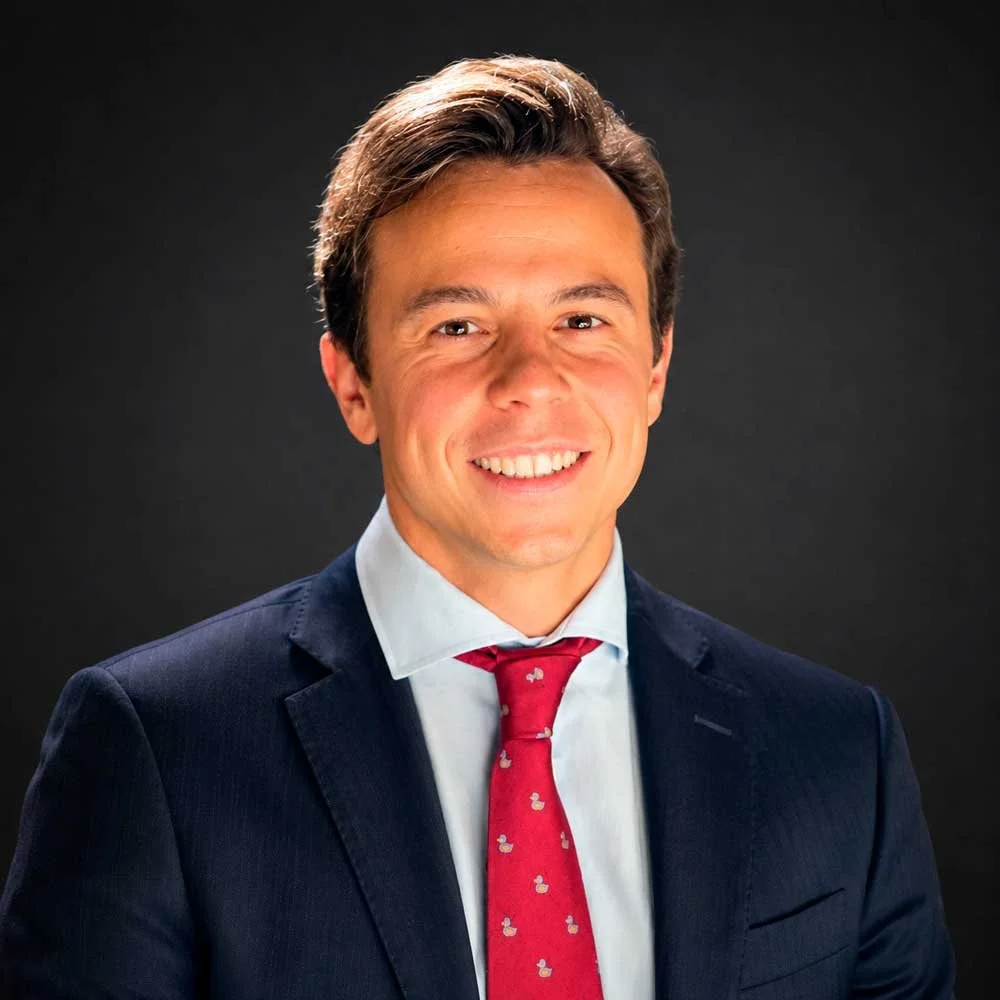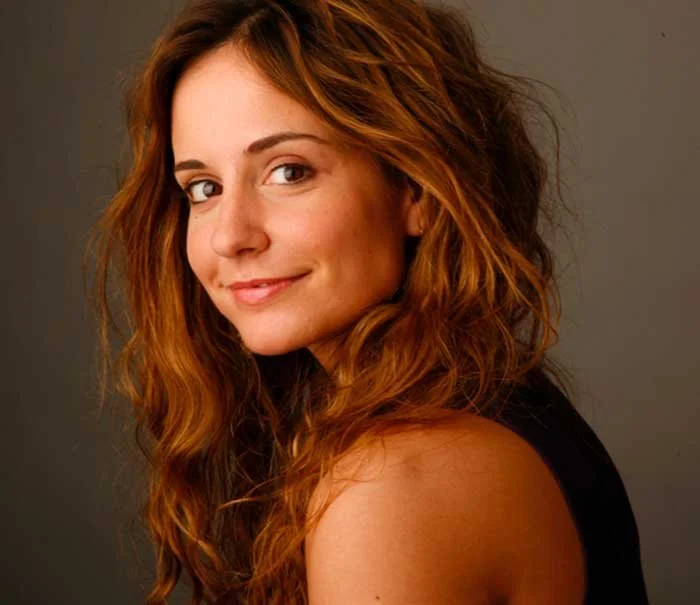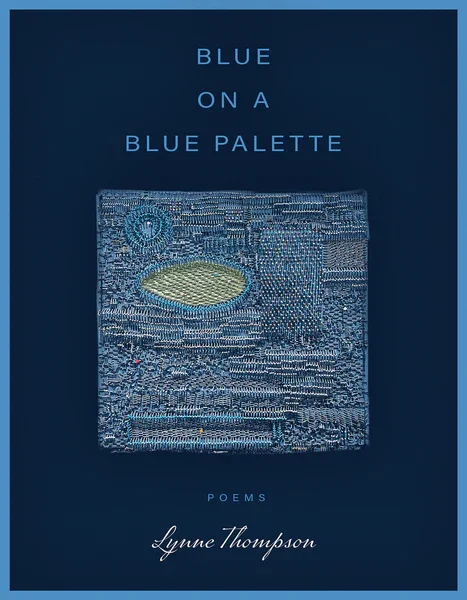
Lynne Thompson was Los Angeles’ 4th Poet Laureate and she received a Poet Laureate Fellowship from the Academy of American Poets. Thompson is the author of four collections of poetry: Beg No Pardon, winner of the Perugia Press Prize and the Great Lakes Colleges New Writers Award; Start With A Small Guitar (What Books Press); Fretwork, winner of the 2019 Marsh Hawk Poetry Prize selected by Jane Hirshfield; and Blue on a Blue Palette, published by BOA Editions in April 2024. A lawyer by training, Thompson serves on the Board of The Poetry Foundation and is President of Cave Canem. @letpms
You were born and raised in Los Angeles—how does that environment still echo in your writing today? I was born and raised in Los Angeles as the adopted daughter of Caribbean immigrants. These circumstances set up a kind of plurality that allowed me to see the City as both an insider and an outsider, as my parents often sought ways to bring and sustain memories of their childhoods in me, and I fought to find my birth history. My writing often embraces these multi-layered ways of being as in, for example, my poem "Émigré" where the speaker identifies her father's love for the game of cricket and "the King's English" and is eager to embrace his self-definition.
What kind of reader were you as a child? What books made you fall in love with reading as a child? I was a voracious reader from a young age, but I must admit to a jealousy when comparing my experience to that of youth of today who have the advantage of multicultural literature. I read the usual suspects of the day: Little Women, Robert Louis Stevenson's A Child's Garden of Verses, Nancy Drew......sigh.....
Can you walk us through your daily writing rhythm or rituals? When I'm on a project, I'm like a terrier with a bone. I can work from breakfast through dinner with necessary comfort breaks, but without being cognizant of the passage of time. Of course, this doesn't happen every day.......and I don't beat myself up about that. Often, I work best when I'm working on more than one poem/project at a time. And the process varies depending on mood and something else I can't define (perhaps just following the muse?) I might draft a poem margin to margin—whether on the page or in the computer—then return to it to determine whether it should be finalized in couples, quatrains, etc. (sculpting). Or the poem may tell me what it wants to be: a villanelle, a sonnet, free!
Tell us about the creative process behind your most well-known work or your current writing project. I'm currently working on a New & Selected collection, which compels me to reassess older work to identify what should be included or excluded and why, and to find a way through newer work to pull on threads that, when assembled, will make for a compelling read. I've compiled a summary of New & Selected collections by other poets and that process has been useful in understanding what makes them successful....or not...
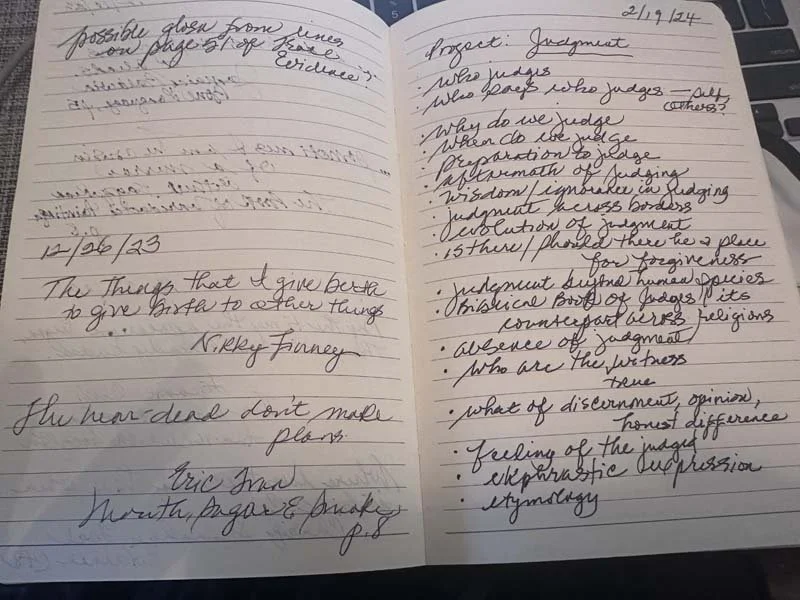
Do you keep a journal or notebook? If so, what’s in it? I keep journals which have everything in them: drafts of poems, personal correspondence; recipes; notes about the writings of others; lists for a variety of uses/reasons; potential bequests, doodles....
What’s your approach to research—formal, instinctive, or a mix of both? Often, in the course of reading nonfiction, I'll come across a factoid that causes me to go down a rabbit hole of investigation and research. Such was the case when I read Marjoleine Kars’ book Blood on the River: A Chronicle of Mutiny and Freedom. There was one sentence that referred to women rebels and I took that fact to create my poem "Rage on Berbice 1763". Right now, I'm reading Katie Holden's The Language of Trees and who knows where that will lead!!
Which writer, living or dead, would you most like to have dinner with? I'd give a different answer every day (maybe every hour) of every week but today, I'm focusing on M. NourbeSe Philip whose literary oeuvre is breathtaking but I'd pay her if we could spend time discussing her unforgettable book Zong!
Do you draw inspiration from music, art, or other disciplines? All of the arts are disciplines I draw on, but visual art in particular is called out in numerous poems I've written. I'm particularly interested in African American artists and my latest obsession is Richmond Barthé.
What are your reflections on AI, technology and the future of storytelling? And why is it important that humans remain at the center of the creative process? Your questions have the answers embedded: I worry that AI will remove/diminish/eclipse the human element in literature that gives it its uniqueness, like a fingerprint. I know there are those who argue that "unique voice" can be replicated ....nevertheless, I despair....
Tell us about some books you've recently enjoyed and your favorite books and writers of all time. Recently: The Sisterhood: How A Network of Black Women Writers Changed American Culture, Courtney Thorsson; The Ghost Forest: New and Selected Poems, Kimiko Hahn; and (a few of) my favorite authors: Toni Morrison, Lucille Clifton, Leo Tolstoy, Pablo Neruda, Agatha Christie.
Exploring literature, the arts, and the creative process connects me to… The universe of ideas (artistic and otherwise) and places and people with whom I would otherwise have no connection.