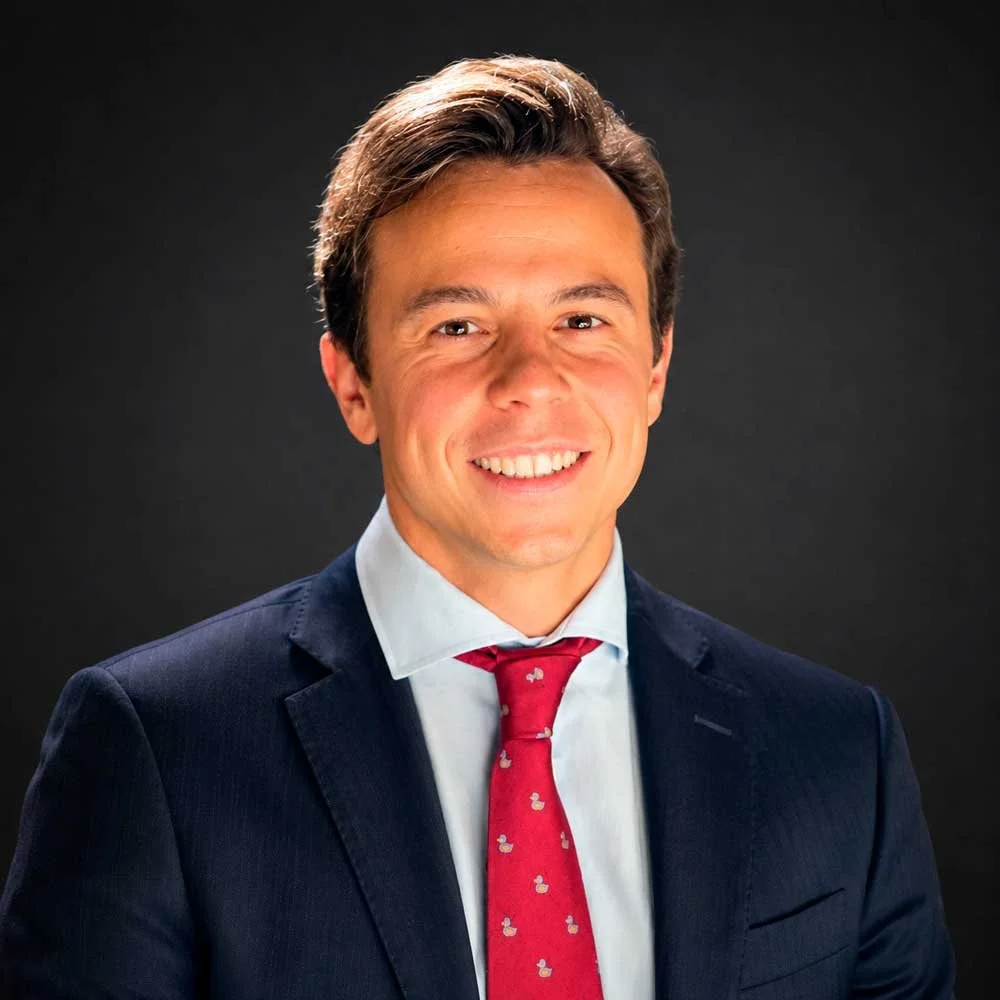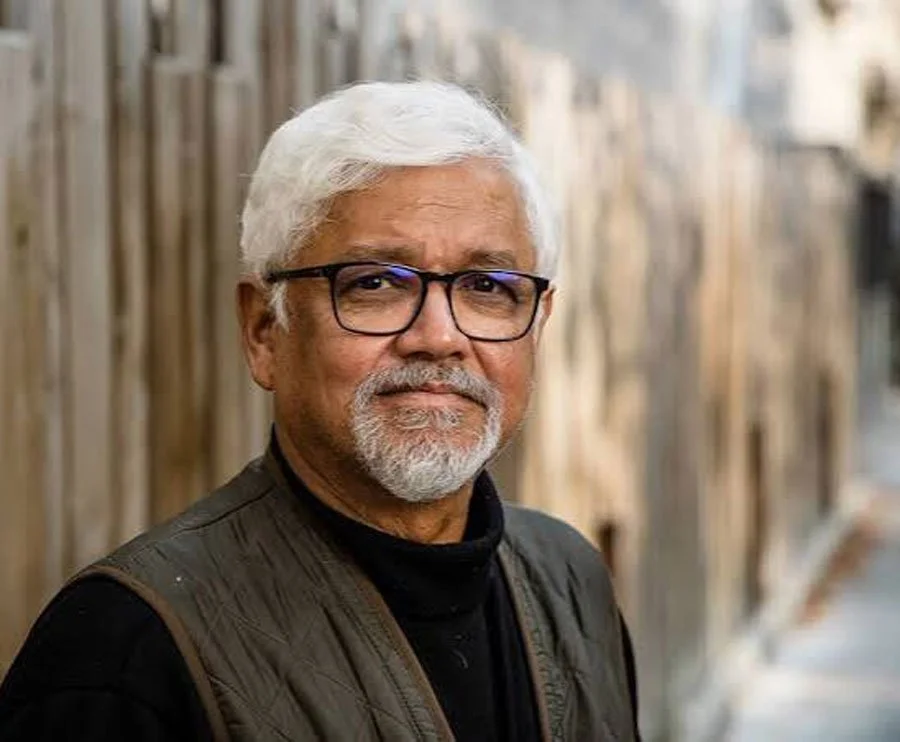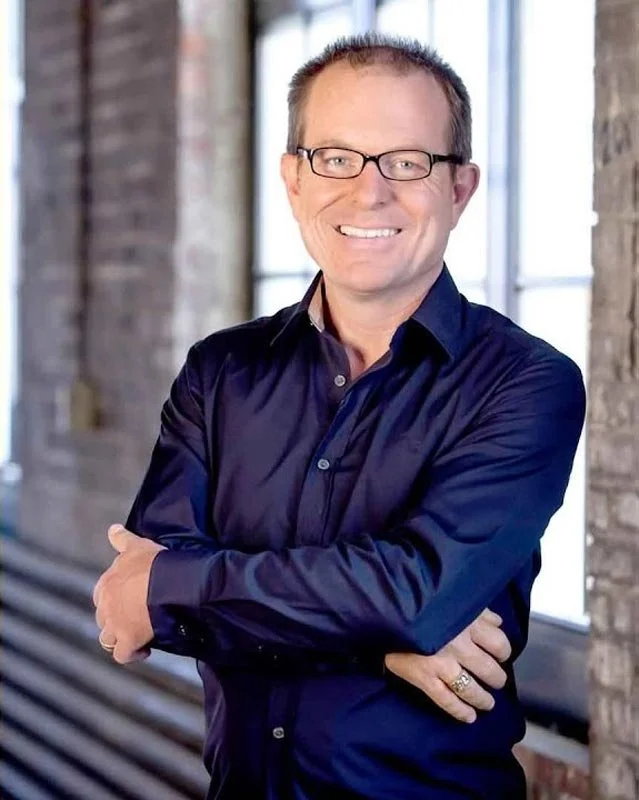


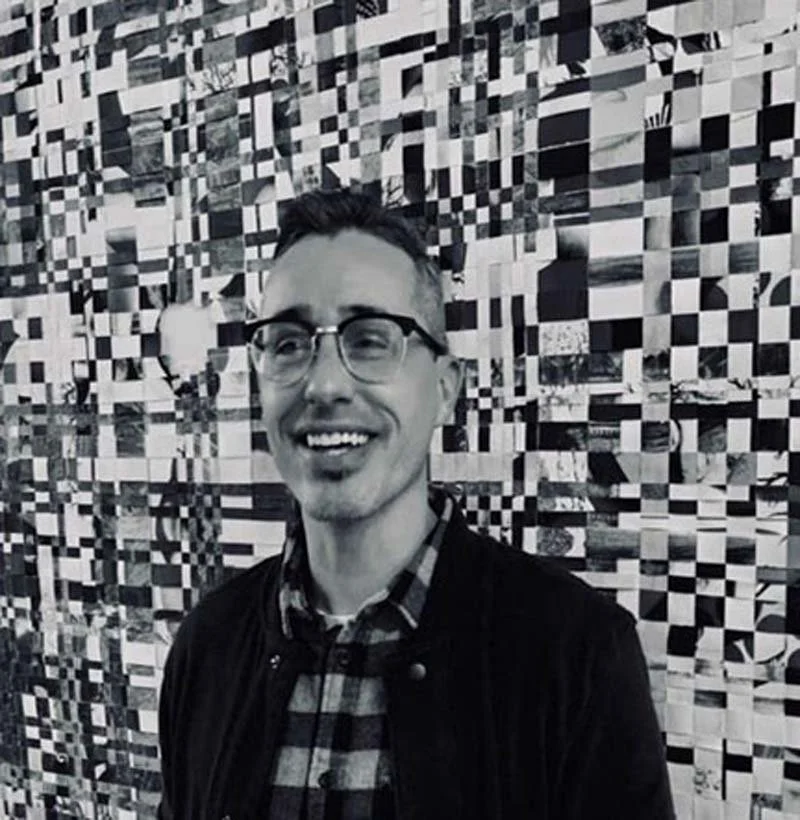
Jonpaul Smith. Born in Logansport, IN, Smith received his M.F.A. and Graduate Certificate in Museum Studies from the University of Cincinnati, D.A.A.P. His B.A. is from Hanover College in Indiana, and he also studied fine arts at the University of Wollongong in Australia. Smith has exhibited widely in the United States and abroad. His work is included in many prominent private and public collections. @jonpaulsmithart

How has the community of your hometown influenced your artistic journey? I was born and raised in Logansport, Indiana. Growing up in a small town in north central Indiana, where craft was appreciated, has given me an innate interest in art versus craft and the dialogue inherent to that discussion. As a child, I always admired and watched my mother create beautiful things. The blending of traditional craftsmanship with modern technology surrounded me. My family also owned a liquor store, and I was inundated by the resulting consumer packaging at an early age. I found the process of how my father would display the products to the masses in organized rows and detailed color grid patterns intriguing. Consequently, it made me acutely aware of people’s buying habits and trends.
When did you first fall in love with art and realize you wanted to be an artist? For you, what is the importance of the arts? I have always been drawn to creating. Where I was raised, there were many great craftspeople who were a constant source of inspiration. My grandfather could make and create anything out of metal, my aunt made beautiful oil pastel portraits, and my mother can create anything she puts her mind and hands to. So, I think I have always been in love with creating, and it was not until school that I began to see that as art.
I think the importance of the arts is rooted in what it means to be human. To express ourselves creatively is often a tool to express thoughts, feelings, and emotions that are universal to the human experience. Often, the arts are a way in which we can challenge or highlight societal inequalities and allow space for dialogue around those topics. We can use the arts to grapple with these challenges and provide an opportunity for individuals and society to experience the narratives of others they may never encounter in their daily lives.
What does your typical day in the studio look like? Walk us through your studio and your most used materials and tools. The day always starts with a cup of coffee and the meows of my studio cat, Ruthie. I like to keep business hours in my studio, a true workday in relation to the production of my work. This schedule changes with the ebb and flow of daily life, but for the most part, it is what I maintain when possible. However, the many steps of gathering information, inspiration, sketch-booking, and other such avenues of my creative process have no set hours. Much like the time required for each work and show is different.
The tools I use the most in the studio are my printmaking press, 7-foot-long ruler/straight edge, and many, many utility blades.
What projects are you at work on at the moment? And what themes or ideas are currently driving your work? I am currently preparing to teach a series of workshops on the Dutch Caribbean island of Saba through the Sea and Learn Foundation. I am excited to get to share my process of paper weaving in such an awe-inspiring location.
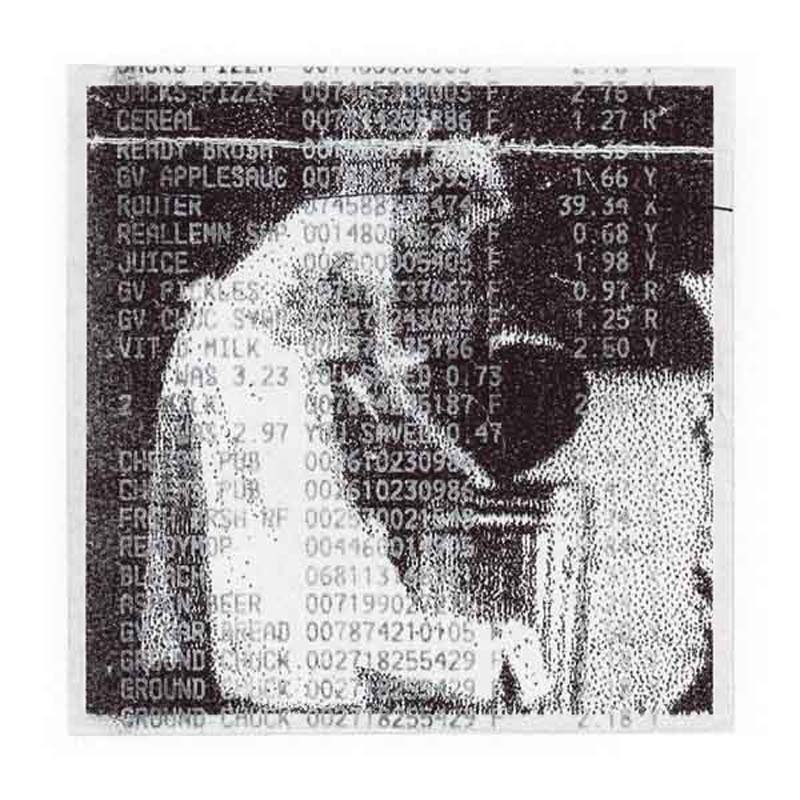
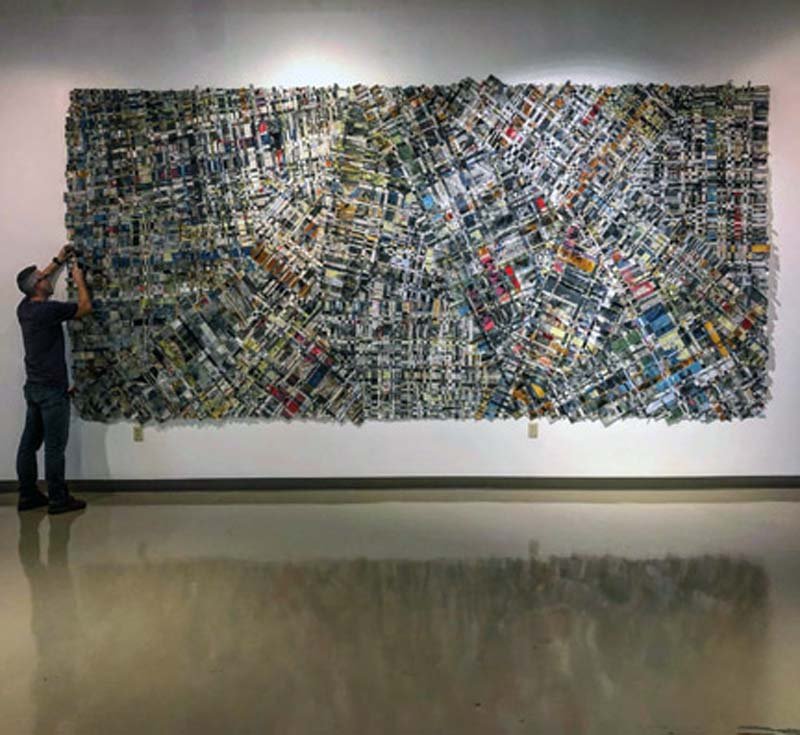
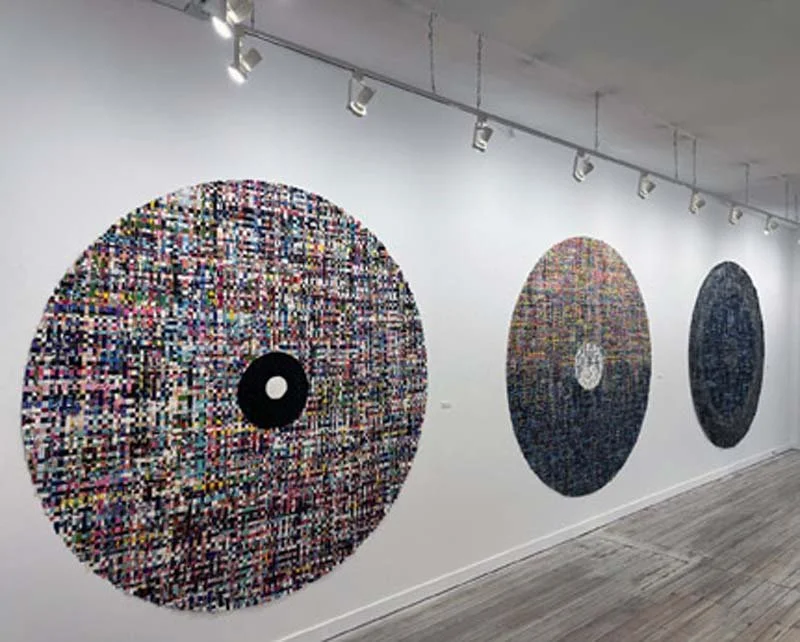
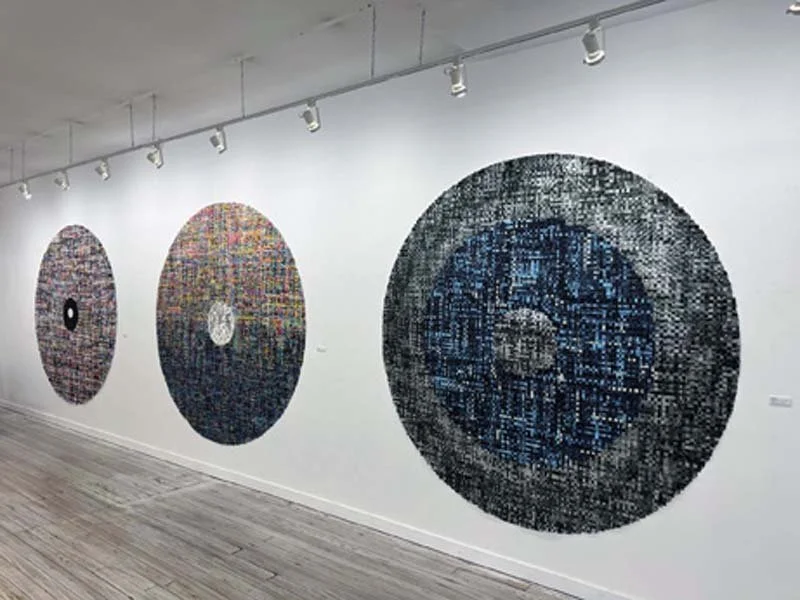
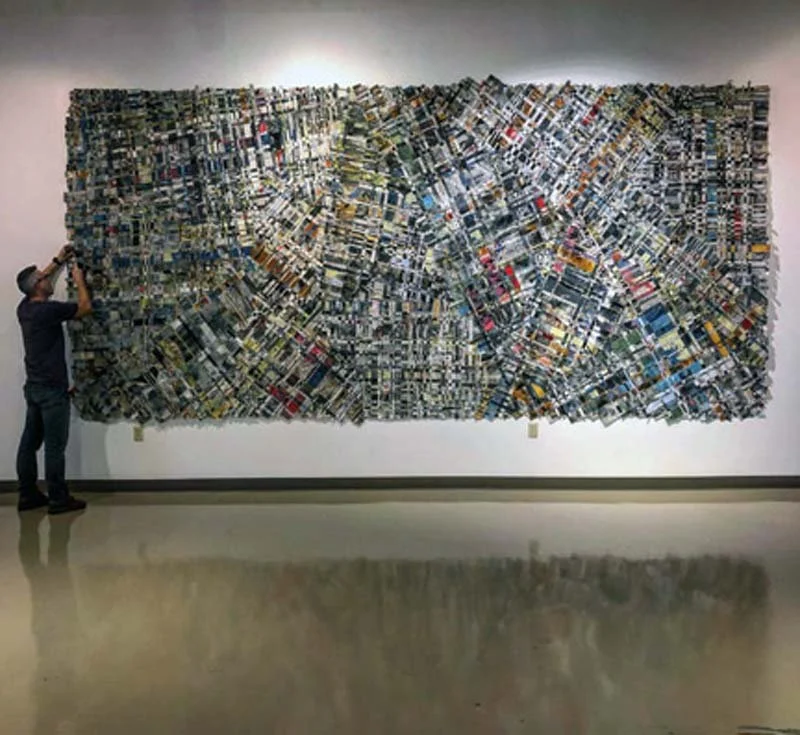
I consider my process to be one of gathering and disseminating information, rooted in the paper scraps and ephemera of our consumer culture. Through the use of traditional and alternative printmaking methods, with the combination of other mixed media and found or discarded paper, I try to explore open-narrative, visual experiences. My most recent work involves the use of found and discarded paper from our consumer-based culture. These are transformed into a complex, tapestry-like construct, made up of hundreds of interwoven strips of discarded consumer packaging, traditional and non-traditional prints, and other paper ephemera. Which similarly make use of (and, in a sense, refine) pop culture imagery.
What do you hope people feel when they experience your art? What are you trying to express? I try to create work that allows a viewer to bring their own interpretation to the piece. I do not want my work to make definitive statements; instead, it should highlight these juxtapositions of surface, color, and broken imagery to allow the viewer to create their own visual narrative within my work based upon their own individualized experiences and biases. I want them to be able to see the work from a macro to a micro level. From a distance, it can be interpreted much like a color field study or a quilt-like pattern. Yet upon closer examination, you can see each small window created by the woven pattern is a little cell, making a microcosmic view of the work. This push and pull in the work is asking the viewer to go between the two different viewpoints. It also sometimes could be as simple as, "Can you imagine how long that took to create that?"
Which artists, past or present, would you like to meet? And why?: I would like to engage in a "Bill and Ted's Excellent Adventure" type of meet-up. Getting to meet the people of the past you admire in the context of their period of time. Not only talk with them but see the environment that shaped them and their work, instead of the frozen-in-time work and caricature of an individual. So much of what shapes a person is their environment, and I would like to experience that alongside the conversation. I feel a kinship with El Anatsui. I love his work. First off, it’s a found material, and it’s a looked-down-upon material. It usually consists of liquor bottle caps, or the wrappers off of bottles, or whatever found material. Then he has a team that chains mails them all together.
There’s another artist, Tom Fruin, who went around to various parks to collect old drug paraphernalia bags, old vials, that sort of thing, and make these large quilts out of them; he'd stitch them together. He’d collect the detriment from drug abuse and make something interesting out of it. So, they’re really ethereal. Once you understand what it is, it becomes pretty powerful. It’s pretty neat work. I’ve always loved Frank Stella and Roy Lichtenstein. As a kid, I just thought Lichtenstein was the best. I just thought he had it all figured out.
Do you draw inspiration from music, art, or other disciplines? Much of my inspiration is these disjointed, unaligned interests that wax and wane over time. My Mother and her creation of beautiful objects, which always filled me with awe and inspired me to create, disliking most of what our consumer-driven world creates but being astonished by the breadth of human creativity; “Pop” culture of yesterday and today, and the natural world and its unending complexity of form and variety. Really, the list is long and ever-expanding. Every day, something catches my attention and begins the ideation process. It can be something that would inspire most, or the banality of a bright piece of trash flapping in the wind, stuck in a fence.
A great thing about living in Cincinnati is… Cincinnati has a very vibrant and supportive arts community. Not only visual, but all creative and performing arts are supported here. Teaching workshops, actively exhibiting, and supporting my fellow creatives are what help me stay connected with our greater arts community. There are a lot of great institutions and people in Cincinnati working tirelessly to keep our arts community thriving. I hope I am a small part of that. It helps it is a beautiful old city with great architecture, cultural institutions, and the natural beauty of the Ohio River Valley.
Can you describe a project that challenged you creatively or emotionally—and how you worked through it? What I find more challenging than individual projects are the multiple roles I hold as an artist. The older I become, the more I realize life is a series of ever-changing roles that we step in and out of. In relation to my art, it would be the role of an entrepreneur. Besides the actual creation of the work as my main focus, the logistics of the “business of art”, creating and shipping work for shows, and keeping up with communication. Learning from and being open to these new roles as they pass through my life has had an overall positive impact on my work and professional development.
Tell us about important teachers/mentors/collaborators in your life. There have been instructors in my past who have made a great impact. Setting a tone of professionalism in the approach of my work, I still carry with me. My high school art instructor was a great influence. She allowed me to see this as a profession and not a hobby.
I have had wonderful opportunities to collaborate with outstanding artists. I have been lucky enough to create an edition of prints with Susan Goldman of Lily Press and with Jake Ingram of Jackalope Editions - fantastic printmakers. In Cincinnati, I am very fortunate to work with DIY studios and create some beautiful, limited-edition serigraphs. The stupendous artist and person, Amos Paul Kennedy Jr., has been kind enough to allow me to create with some of the leftover strips from cutting down prints; they are magical in their color.
Sustainability in the art world is an important issue. Can you share a memory or reflection about the beauty and wonder of the natural world? Does being in nature inspire your art or your process? I think about sustainability in my work quite often. Most of my materials are scraps from post-consumer waste, end cuts of paper, and leftover scraps from tearing rag paper down to size. Wherever possible, I upcycle materials or creatively repurpose them for shipping materials and etc. Pattern, it’s everywhere. The natural world. Any time outside is crucial to me: biking, kayaking, and I have a pretty large garden. I grow some vegetables, but it’s mostly flowers. Watching all the different ways that nature can express a bloom is quite inspiring. I’ve always been into those sorts of things. It’s random stuff, too. I love a good wallpaper sample book. Paint sample chips. Weird design leftovers. I have all of these old cigarette carton tops that my father used to cut off the cartons and then use as note paper. That sort of stuff influences me in some way, too.
AI is changing everything - the way we see the world, creativity, art, our ideas of beauty and the way we communicate with each other and our imaginations. What are your reflections about AI and technology? What is the importance of human art and handmade creative works over industrialized creative practices? Culture and technology have always evolved, and the relationship between them is constantly changing. I grew up in a world where the internet was not a thing, then a kind of niche interest, to now, where it is incorporated into every part of our lives. I view AI in much the same manner. It will change many aspects of daily life, and with that will come benefits and certainly difficulties as well. We have done this many times across human culture, e.g., electricity, telephone, television, antibiotics, air travel, and air conditioning. We constantly create new technology that, in turn, affects culture. It advances culture but often also creates a nostalgia for bygone eras. From the increased automation of production for goods was born the Arts and Crafts movement, a yearning for handmade goods and crafts. I feel that as humans, we will consistently have this pull for the future, but a sense of loss for what was.
As someone whose studio practice is heavily based in long process-driven techniques, I, of course, love seeing the human hand present in the creation of a work. Understanding the hours poured over a work to make it come to fruition is something I greatly enjoy. However, I do not feel that the hand and hours spent in the creation of a work can imbue importance or beauty to it solely. I have no doubt humans will find a way to live, work, and create along with AI, and hopefully, what comes out of that can create beauty.
Exploring ideas, art and the creative process connects me to Everything. For me, it is the lens through which I see, navigate, and live in this world. I was wired through nature or nurture to interpret most things through a creative process. I assume it is not much different for those trained through science to use a scientific process for deduction or reasoning. The film "Powers of Ten" makes me think of the creative process in a similar manner. That is when pulled back or zoomed in; it is all connected. My creative process and the way in which I interpret the world are my ideas, which become my art and studio practice. I have never been able to separate it from my daily life. There are definitely times it would be nice not to want to collect that piece of paper, or store that little scrap, or just get that random picture, but it is so intrinsically a part of me, I realize that will never happen. So, in essence, the creative process connects me to me.