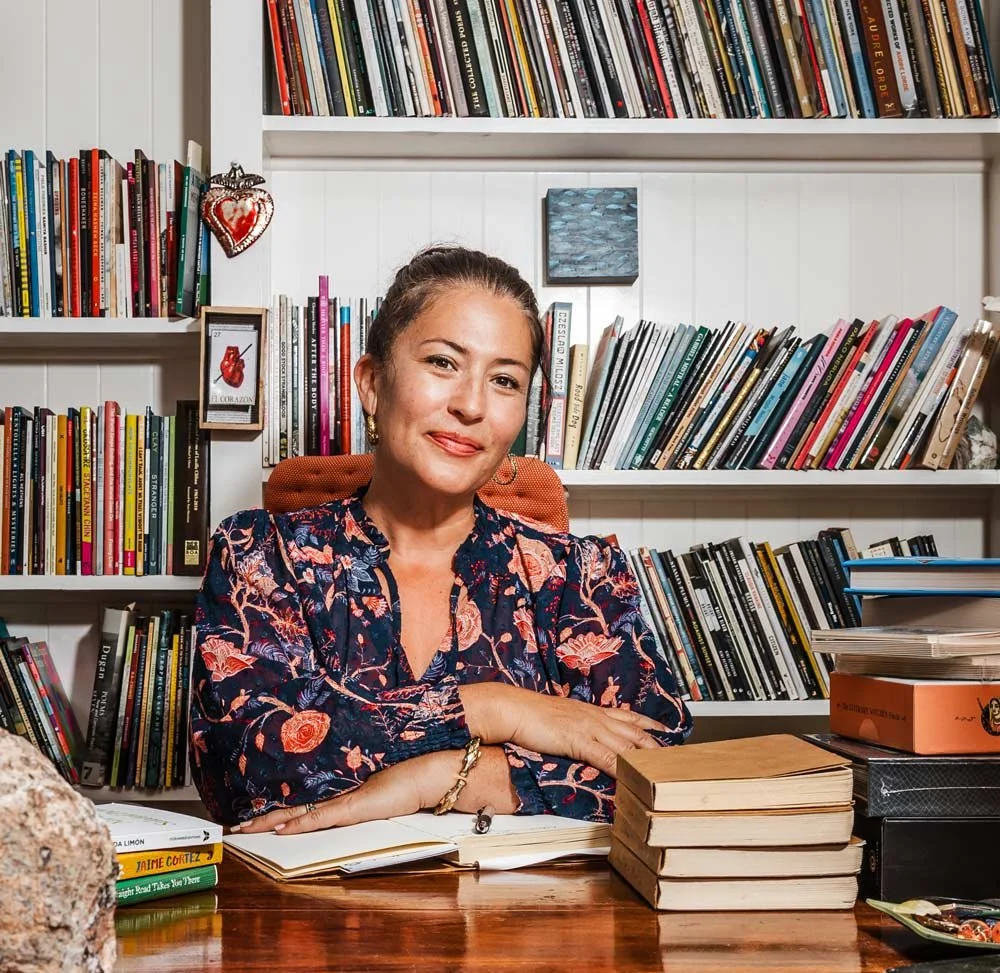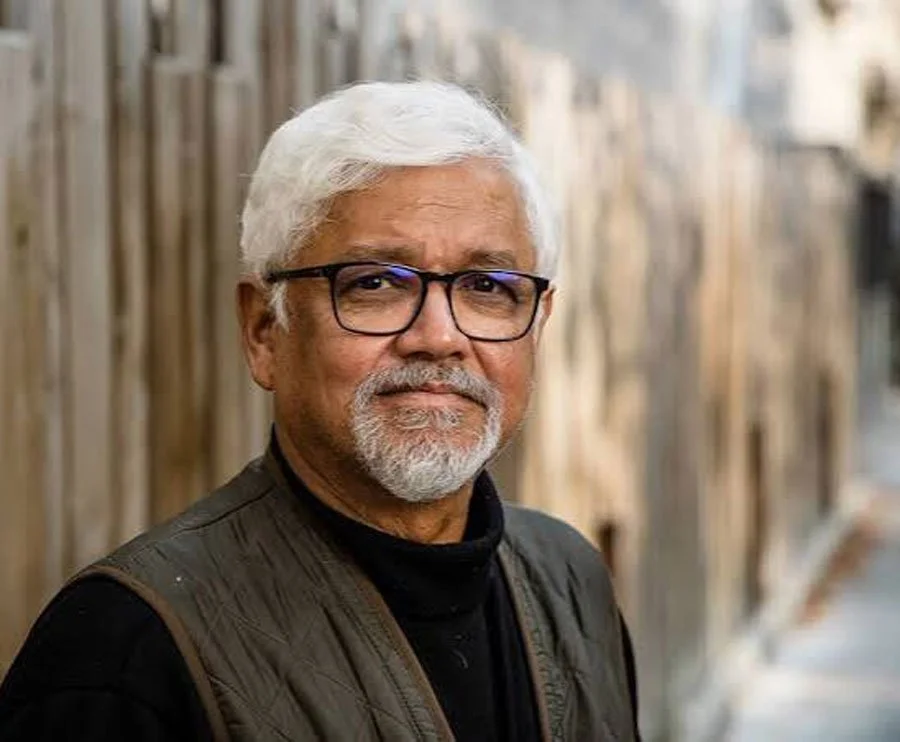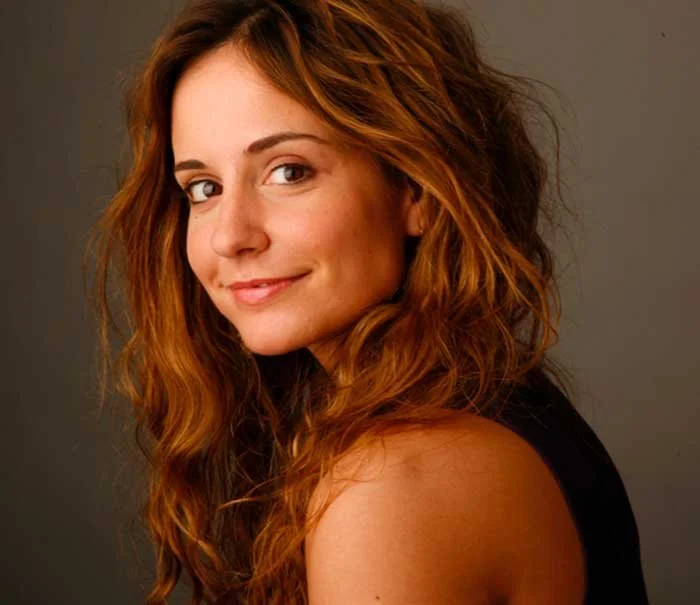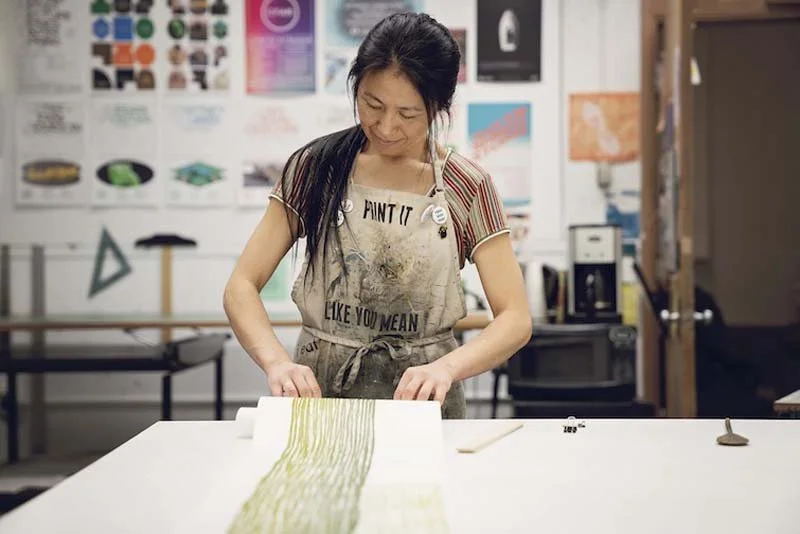


Mika Aono is a multidisciplinary artist based in Caldas da Rainha, Portugal. Born in Japan, she holds a BA in Special Education from Miyagi University of Education, a BA in Art from the University of Oregon, and an MFA in Printmaking from the San Francisco Art Institute. Her work probes humanness in absurdity and futility through meticulous, laborious processes—finding meaning in the meaningless—and embraces serendipity in everyday life, believing art can unite beings across worlds. She is the director of Atelier Ghostbirds, a contemporary art gallery and printmaking studio. She secretly wishes to be a gentle superhero. @mika.aono
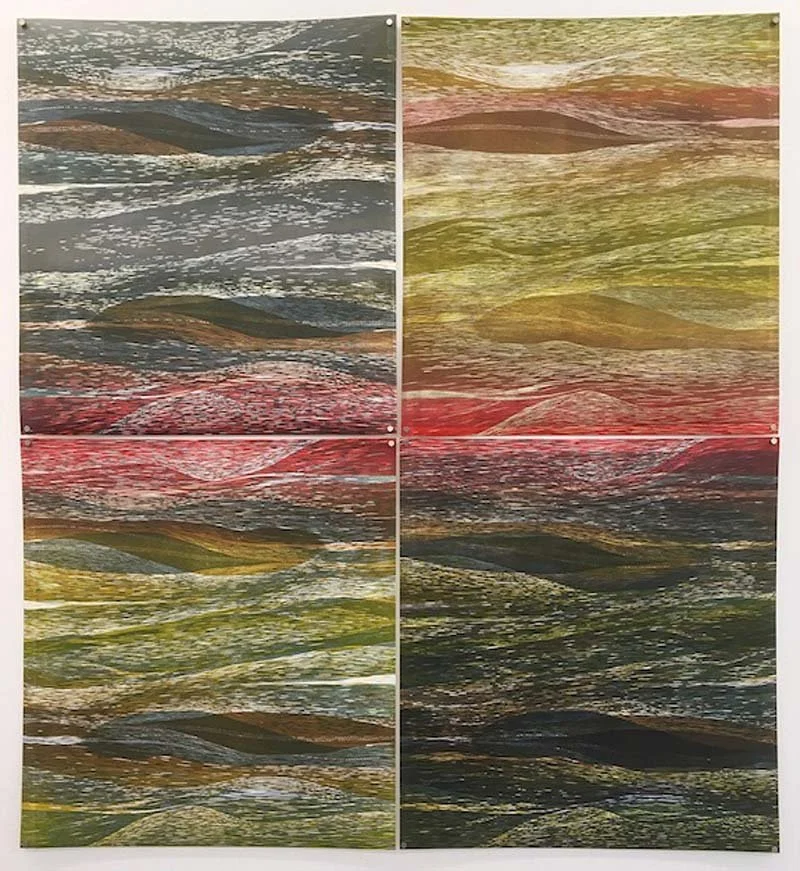
What memories from Japan continue to inspire your art today? I was born in Sendai, Japan, and spent my early childhood in a small traditional house my grandfather built after the war. He was a carpenter. When I was three or four, I became completely obsessed with drawing ships. I have no idea why, but every day I filled page after page until our little living room walls were covered. They were all so similar: a big boat floating on a vast ocean, a cabin in the middle, sometimes stacked like a tall building, always sunny and bright. I never got tired of drawing them—it was pure joy.
My father was strict, stubborn, and determined that I excel academically. I was always studying above grade level, and by age 10, I was competing in national abacus competitions and standing apart from my classmates. I was so miserable, though. He was so intimidating that I never dared look him in the eye—he reminded me of the fierce guardian statues at temple gates. My mother, on the other hand, was kind with a quirky sense of humor and secretly supportive, even if she never challenged my father. She would take my sister and me to the park during cherry blossom season with sketchbooks in hand. When the petals began to fall like snow, it felt like a dream. I can vividly recall the smell and the physical sensation. Those moments led me to join my school’s art club at the age of nine.
In middle school, I discovered an interest in formal drawing. One day, my teacher pulled me aside and told me to try seeing and drawing the air between objects. Something clicked. After that, I stayed after school, setting up arrangements of forms and sketching them. It might sound boring, but watching them come to life on paper was thrilling. Later, I began painting in oils until I graduated from high school.
Even though I loved making things with my hands, I lacked confidence. I feared my father would never approve, so I studied special education instead—a respectable career. But I longed to see the world. I passed an exam to study abroad in the U.S., where I dove headfirst into every fine art class I could find—sculpture, fibers, glass, ceramics, book arts... For a while, I thought clay would be my lifelong medium.
Printmaking came later. In Japan, every child does a little of it in elementary school, so it felt too familiar. But when I took a community college class in the U.S., it transformed me. I fell in love with the physicality of carving, the balance between meticulous planning and spontaneity, the richness of color, and the magic of layering images. My first serious piece was a self-portrait with an improbable color palette in strange blocky shapes built up in 11 layers. The more I printed, the more complex and alive it became—it felt like I was under a spell.
For years, I avoided anything that might evoke “Japanese,” eager to place myself firmly within the realm of contemporary art. Yet, people often recognized the “wabi-sabi” sensibility in my work, and the labor-intensive nature of my process is undeniably rooted in my upbringing and my father’s belief in “hard work.” After my parents passed away, I had a stark realization of my own mortality. I softened. I surrendered a little. And I accepted that Japan isn’t just part of my past—it’s part of me.
When did you first fall in love with art and realize you wanted to be an artist? For you, what is the importance of the arts? It happened unexpectedly. During my graphic design class (trying out a way to make a living through something creative), during a project critique, the instructor suddenly blurted out to me, “What are you doing?! Just go study Fine Art!!”
That comment lodged itself in my mind like a seed. Maybe I could do this, maybe it could be more than a dream… I became serious about studying fine art, but not in a straight line. I took quite a detour to get here, but somehow I arrived nonetheless.
During my graduate school years at San Francisco Art Institute, I encountered extraordinary artists, peers, and mentors who were so generous and profoundly shaped me. They gave me so much—not only in knowledge, but in the way I see the world.
There are countless forms of art, yet I feel many people still view it by a very narrow definition. To me, art pushes us to see, to investigate, to explore, and to be inspired. It’s about opening the frame entirely. It deepens our experience of life infinitely richer and denser.
What does your typical day in the studio look like? Walk us through your studio and your most used materials and tools. It entirely depends on what project I’m working on. I might be deep in online research, revisiting a passage in a book, or wandering around getting lost and stumbling upon things that are strange and beautiful.
I have two distinct practices.
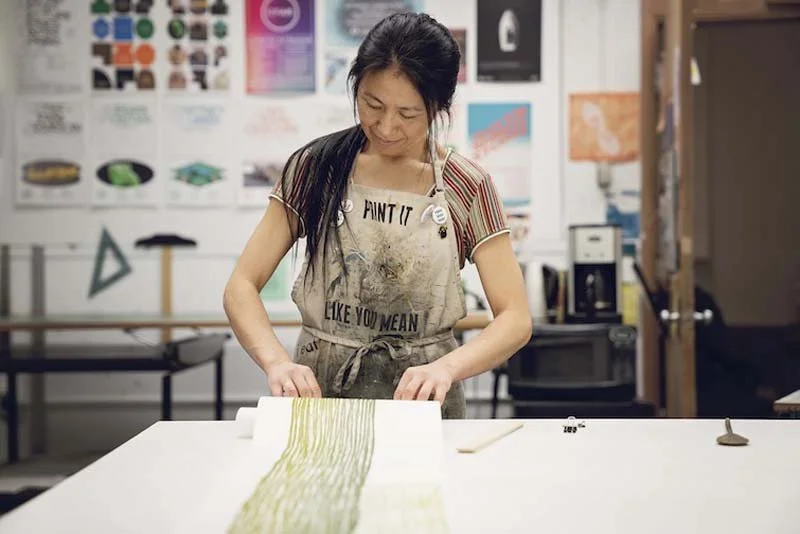
As a printmaker, I practice traditional printmaking techniques. I adore the time-honored processes of etching. There’s something deeply satisfying about translating the images in my mind into reality through working with hand tools, inking plates, and pulling a print with a heavy etching press. I love the precision it demands, the slow planning, and the challenge of mastering the craft, which only comes with time and practice.
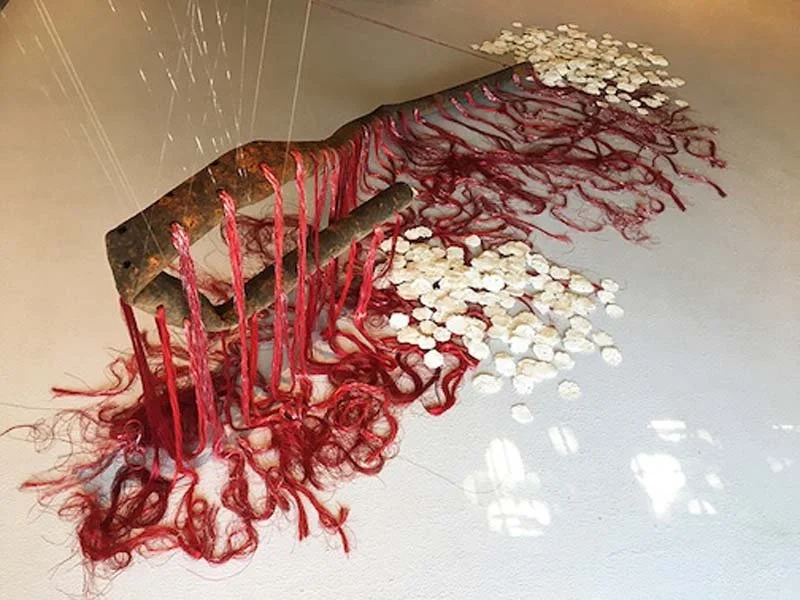
As a contemporary (and admittedly, somewhat eccentric) artist, I use art as a way to make sense of this life. I’m drawn to projects that invite viewers’ participation or surprise accidental viewers. I enjoy incorporating mundane found objects that are easily overlooked (i.e., a piece of junk) or creating pieces that don’t necessarily look like “art” at all. I’m fascinated by the kind of art that exists beyond the idea of a product or tangible objects, yet still leaves an imprint.
What projects are you at work on at the moment? And what themes or ideas are currently driving your work? As a gallery director, I’m preparing an Open Call for Mail Art, open to anyone, anywhere. All submissions will be exhibited and auctioned to benefit the Global Fund for Human Rights. The theme is Fragments of What Makes Us Alive.
This theme came from an epiphany—a series of moments that made me realize we’re all navigating this chaotic life in a vehicle (our body) we never got to choose. Some are extremely lucky; others endure pain from birth to death. And yet, here we are—right here—sharing this same moment in time. Whether we like it or not, we’re here only briefly. The entire history of humanity makes up just 0.007% of Earth’s life span. If the universe’s history were condensed into a single year, human history would fit into the last 12 seconds.
I carry deep gratitude for everything around me. Truly. It’s extraordinary—to see beauty, to feel pain and sorrow, to move, to taste, to hear music, to cry and cry again. In the film Michael, the angel protagonist knows his time on Earth is ending. Standing in a vast field at sunrise, birds singing, he sighs to a dog, “Listen to the earth…I’m gonna miss everything.” I felt that in my bones. When my time comes, will I miss this place? Or will I be relieved at finally being able to stop trying so hard?
Right now, I want to pay attention to fully inhabit my given life and understand every detail. Would you join me? Take a moment. Focus on what you cherish in this living world. What’s important to you? What makes your life worth living?
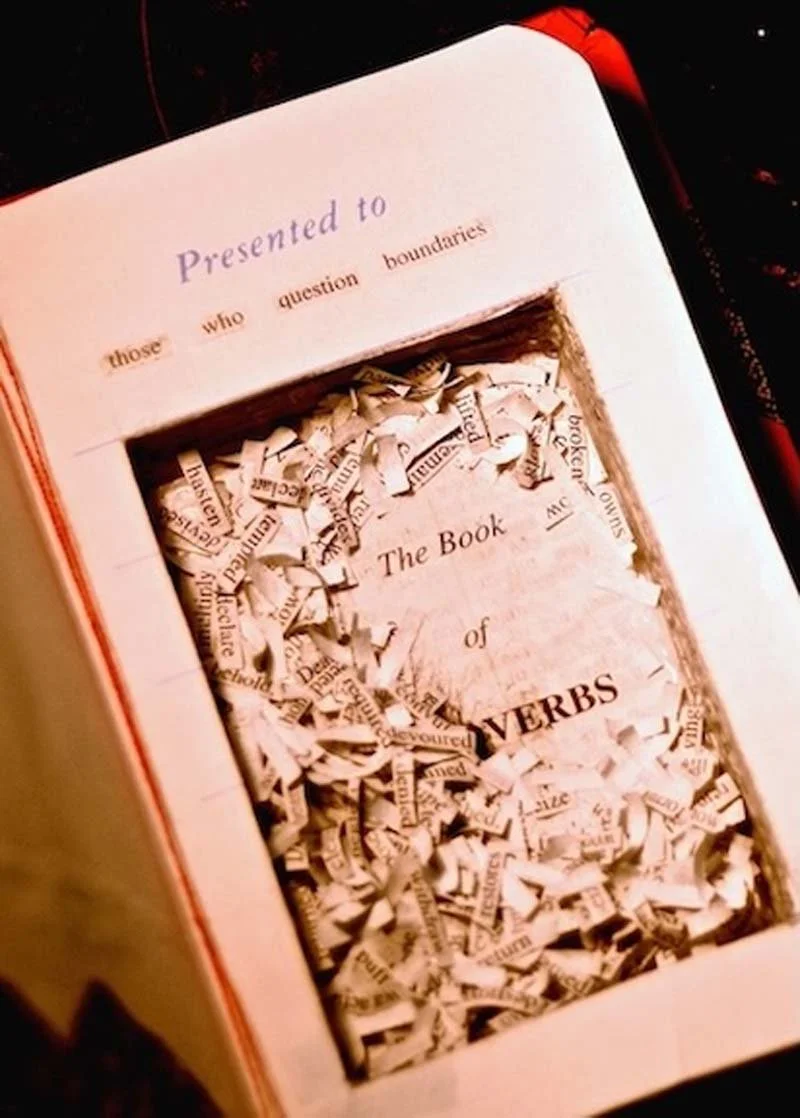
- For my personal project, I’m working on an artist book, the extension of my earlier project, Marks You Carry. During the exhibition, I asked visitors to write down one word describing someone or something precious to them. I adore those words: belonging, release, connection, empathy, light, the mess of it all…—and by the individuality of each person’s handwriting, and the way they placed their cards on the wall. Now I have a stack of deeply human, warm, loving words in my hands. They give me chills.
Sometimes, no, often, I’m overwhelmed by the suffering in the world. But wherever I am, whenever I can, I try to live with intention. For me, that means living life as art.
What do you hope people feel when they experience your art? What are you trying to express? Every viewer comes and faces my work with a unique cultural background and different thought processes, and personal ideology. My hope is that they feel something, anything, with intensity and depth. I pour my heart into each piece, and I deeply care and pay close attention to every detail. Every so often, my work finds someone who profoundly resonates with it. When that happens, it’s like a quiet connection sparks across time and space. It brings me immense joy.
During my residency in Salvador, Brazil, I happened to see incredibly shiny, leathery seeds from giant pods scattered all over the street. I was buying a huge, juicy papaya from a street vendor at a market when I noticed them. Those seeds were so captivating that I found myself on the ground and started picking them up. I got startled when a woman selling flowers nearby offered me a plastic bag. When I looked up, I realized everyone was watching me(!!), so I was curious what I was doing. I exclaimed, “They are so beautiful!” They smiled and started pointing towards more seeds. Even local kids started to join in to help. I’m sure it was quite a sight to see a small Asian woman who can’t speak a word of Portuguese, treating these ordinary seeds as precious gems with such excitement. That’s precisely why I do art. It’s this series of tiny moments that connect us.
Which artists, past or present, would you like to meet? And why? It’s a tough question because I admire so many. But if I have to choose just one, it would be Eva Hesse. I first saw her work in person years ago, and something in it caught me—quietly, insistently—and has never let me go. The way she listened to her materials, how she coaxed vulnerability out of them, touches me beyond words.
She died just a few months before I was born. I secretly imagine that a small fragment of her spirit drifted into me and stayed. She has been my muse, my love, my companion across time. I wish I could have been there to embrace her in those moments when she felt alone, struggling in a world where men’s voices drowned out so many others.
Every year, I keep my own Eva Hesse Memorial Day. Sometimes I write to her. Sometimes I make something in her honor. Sometimes I simply think of her—stubborn, tender, and fierce—working in her own way against the tide.
Do you draw inspiration from music, art, or other disciplines? Absolutely! Inspiration lurks in the most unexpected corners. It sounds funny, but a good idea often strikes me while I'm driving mindlessly. Creativity often hides in ordinary moments: the roughness of a surface under my hand, a forgotten token, a fragment of melody, or even an overheard conversation in the street. Poetry, especially from Japan’s post-war era, echoes most strongly for me. I am perpetually moved by the voices of other artists, writers, musicians, and poets—they deepen my perspective, often revealing unexpected questions. It can be profoundly stirring and unearth new angles for me. The mundane could become the extraordinary, and it's my job to catch that exact moment before it disappears.
A great thing about living in Portugal… I live in a small town, Caldas da Rainha, in Portugal. I love my town because we can walk everywhere. To have the oldest operating outdoor farmers' market unfurling daily in the praça is amazing. One can only imagine the vibrant, fresh produce, aromatic herbs, and locally crafted treasures.
And then, the wonderful art school! What a remarkable asset to have in the community. I love talking to the students and professors. Especially, I admire the art students; they are energetic and very sincere about their creative processes. Our town has such pride in its tradition of ceramics. Indeed, it nurtured an incredible community of artists here. I feel very fortunate to have this place as home.
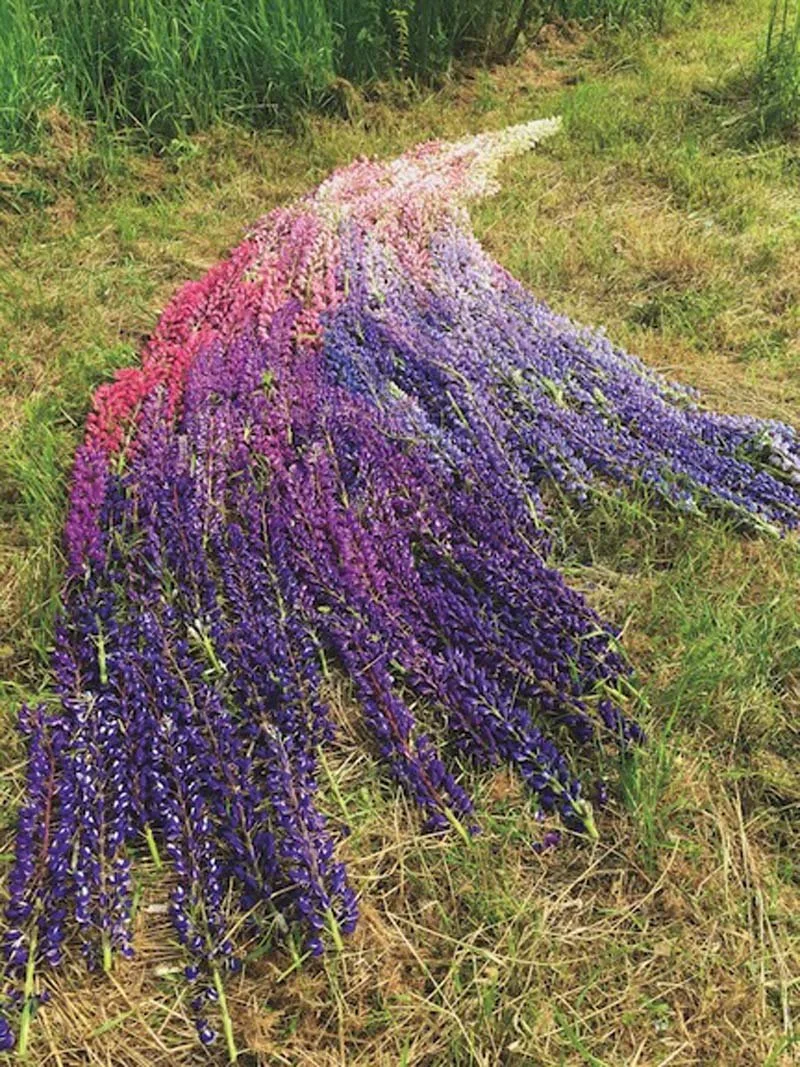
Can you describe a project that challenged you creatively or emotionally—and how you worked through it? During a residency in a remote Finnish town, I felt completely stuck, adrift, not knowing what to do. So, I wandered: long daily walks in the wild, lingering out late in the endless summer light. It nudged me to work on a small intervention project, disturbing the usual a little bit. I changed the ordinary scene to make people pause. One series I called “Filling a Hole”; I find a man-made cavity and fill it with whatever I can find in nature. Sometimes with comic results. Another project, “Marker” series, was to mark directions or a spot in the wilderness with plants and flowers surrounding the area. I sorted by vivid colors arranged in a sweeping form. It must have looked strange in the process, darting through the wild with fistfuls, but the final effect was visually arresting and surprising, even to me.
These miniature discoveries sparked my curiosity and led to more projects I ended up wholeheartedly investing myself in them. I learned to let go of expectations, to trust my instincts, and follow the materials and processes wherever they led. Once I’m in the middle of making, there’s nothing that can stop me.
Tell us about important teachers/mentors/collaborators in your life. In middle school, I was hopelessly in love with my teacher. I was struggling and felt lost, unable to fit in. He once described seeing yourself as a Jell-O or slime-like substance. It’s malleable and able to settle anywhere with ease, but still unchanging at your core. You are always you. The image has never left me. It reminds me of the Buddhist idea of water—how we bend and adapt, how we embody impermanence, yet something essential remains within.
Sometimes, my collaborators are nothing but silly, found objects whispering strange stories. Their oddness inspires me in ways I can’t always explain.
I hold a close constellation of teachers, colleagues, peers, family, and friends who’ve been supporting me and pouring love, and I am deeply fortunate to be surrounded by those people and to have the chance to do what I do.
Sustainability in the art world is an important issue. Can you share a memory or reflection about the beauty and wonder of the natural world? Does being in nature inspire your art or your process? I’m endlessly fascinated by fractal patterns in veins and neurons, in branching trees and winding rivers, in lightning strikes and the invisible architecture of internet networks. While working at the University of Oregon, I had a chance to connect with a physicist who devoted his research to fractals: nature’s most efficient design for transmitting information or passing resources. I’ve never believed in the false divide that sets nature against humanity; to me, we are woven from the same thread.
Sometimes the beauty in nature strikes with such force it almost hurts—those moments when you think, Who needs art when nature exists?
During my trip to Iceland, where I visited another artist residency, I recall driving alone after midnight towards the far north. Earlier that night, I did a little play of hide and seek with the sweetest Icelandic arctic fox, its little bear-like face peering out from the brush. Hours later, I stood at the edge of a cliff staring at a black, raging ocean, utterly alone. It was stunning, terrifying, and exquisite. I felt the hum of fear in my spine. I thought, if the sea swallowed me whole, no one would ever know.
However, art is not just “beauty.” It is the act of thinking, swallowing, regurgitating, and then crying out what we are. Humans are strange creatures. We don’t live solely by instinct. We insist on wanting more... on taking something simple and making it achingly complicated until one day, we dissolve into dust.
AI is changing everything - the way we see the world, creativity, art, our ideas of beauty and the way we communicate with each other and our imaginations. What are your reflections about AI and technology? What is the importance of human art and handmade creative works over industrialized creative practices? I love the slow intimacy of doing everything by hand, but I also embrace technology, especially the clean execution of a laser and cutting-edge printing mechanisms. I would never abandon the venerable methods developed in the 1500s, which will always be my anchor, the ground beneath my feet, but my curiosity nudges me forward, asking how these evolving tools might weave into my practice. It’s not a matter of choosing one path over another.
In fact, I honestly sense a hunger these days; people are longing to see artists’ hands in their works: the imperfect, the messy, the traces of process left visible in the work itself.
Exploring ideas, art and the creative process connects me to… life itself. To me, it’s a way to figure out who we are, how every living being on this Earth is all ultimately connected in a fragile web.