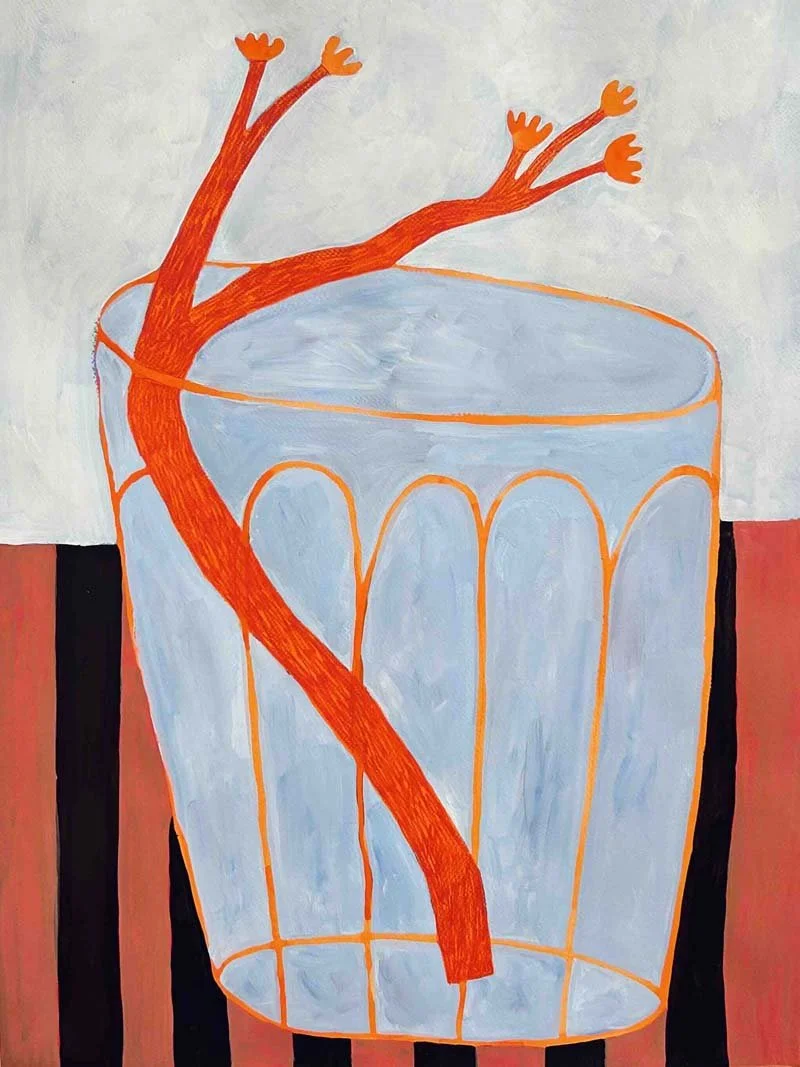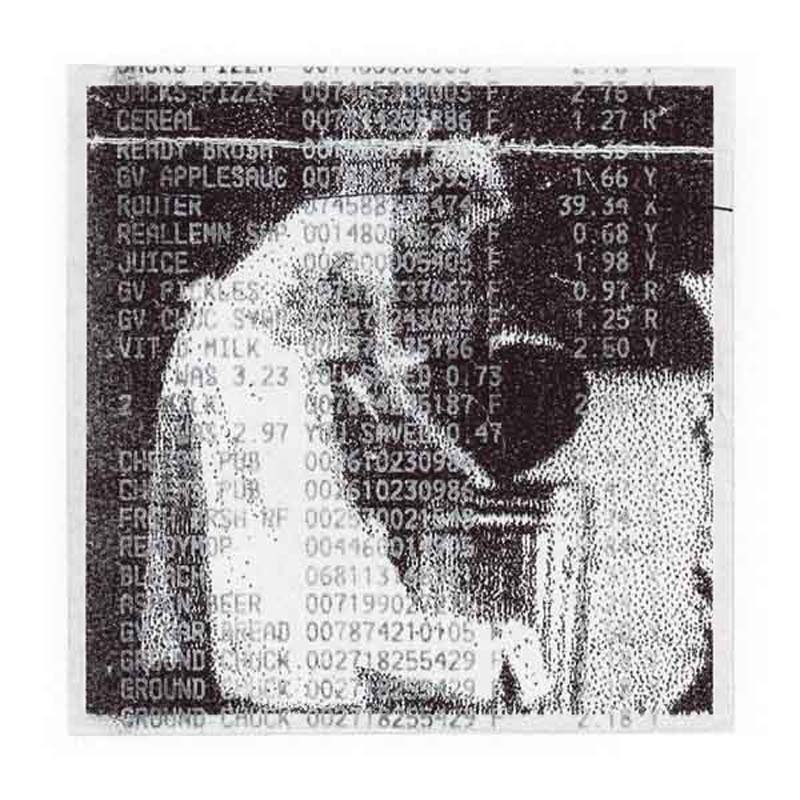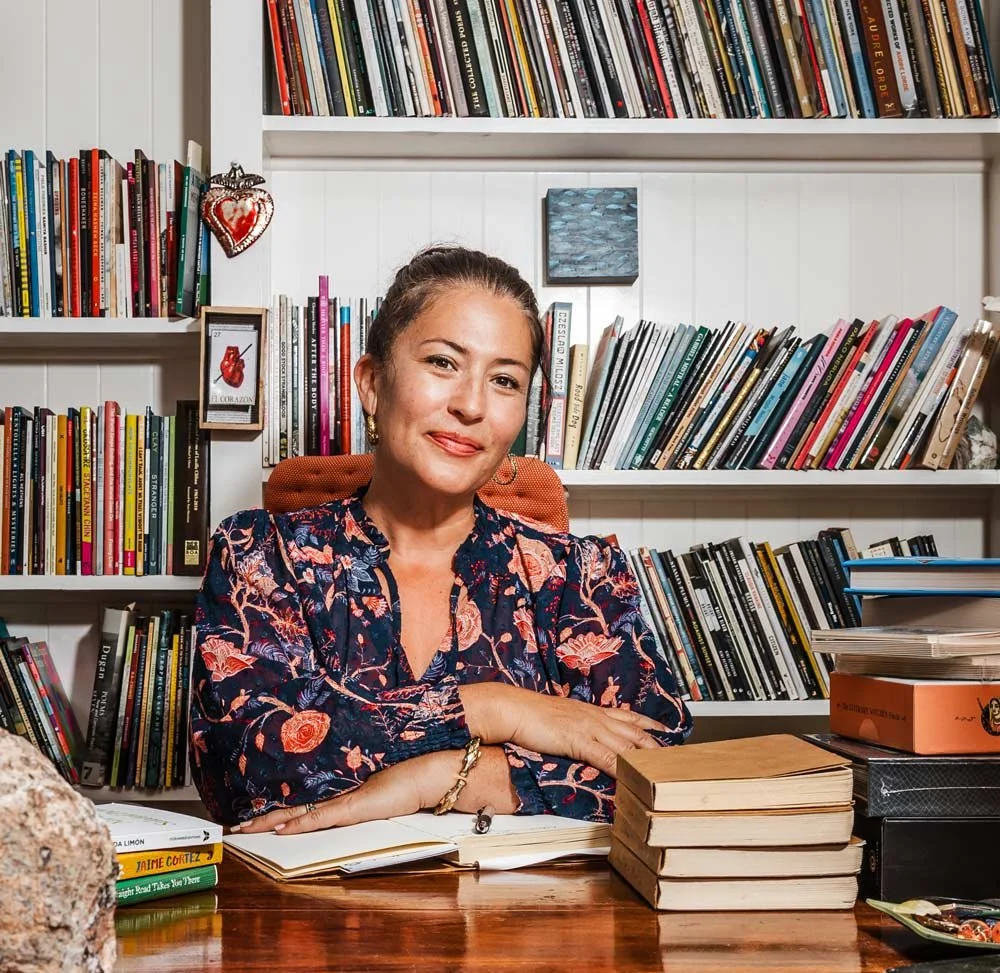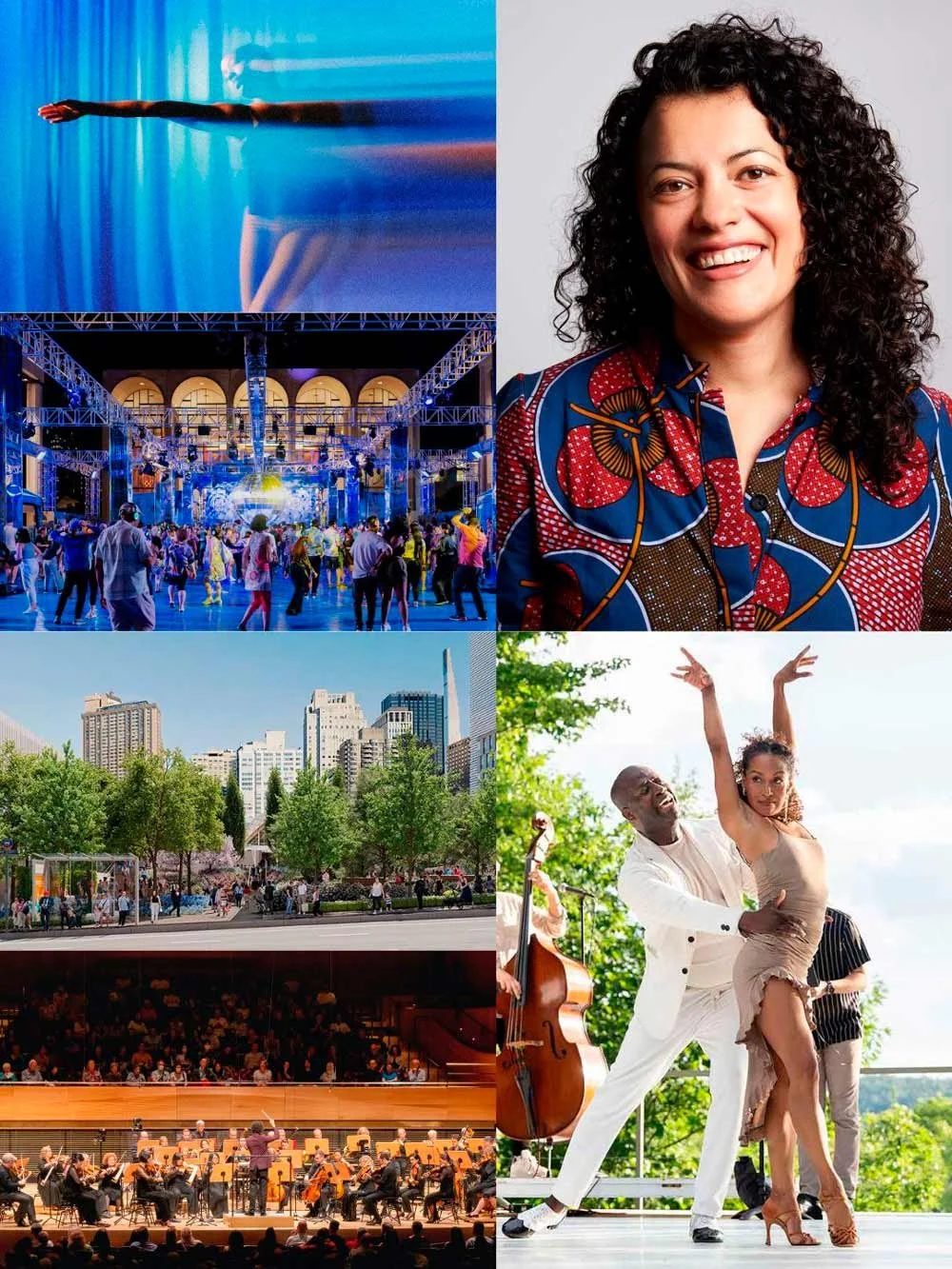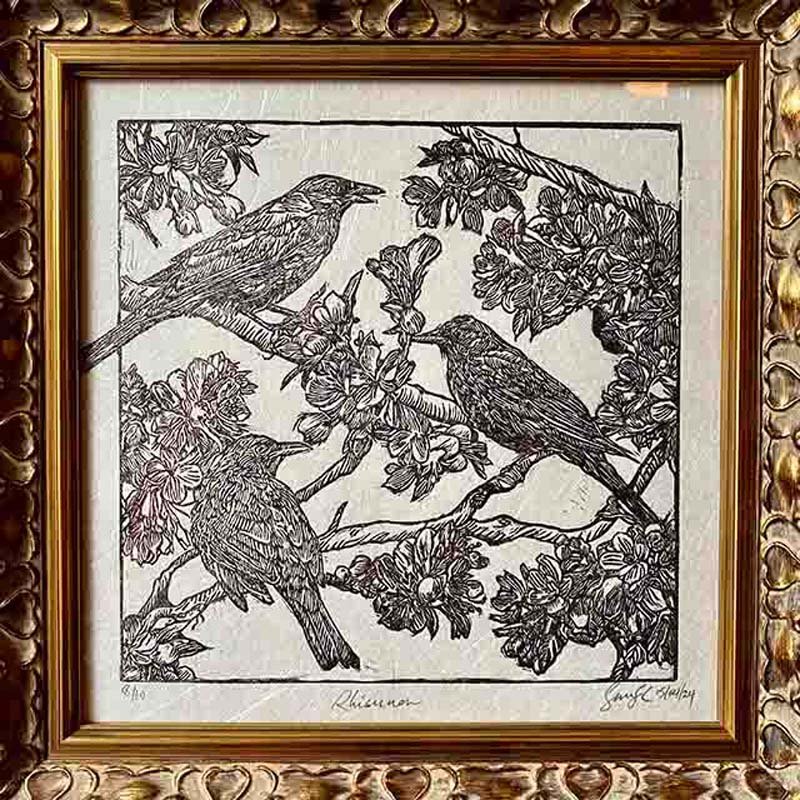


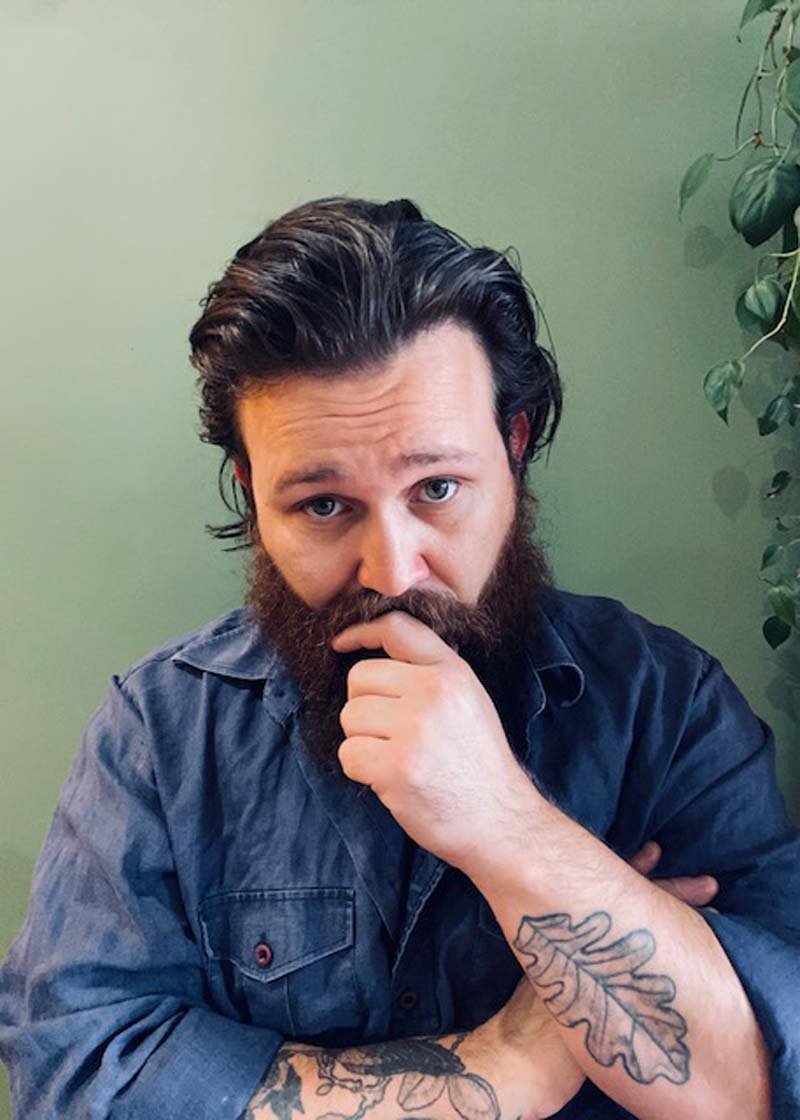
Sam Simpson-Crew is a London-based artist and printmaker, exploring a spiritual connection to the natural world through the creation of incredibly detailed and meticulously carved relief prints. After graduating in 2013 with a BA (Hons) in Fine Art, he spent time designing prints for apparel, working as an artist’s assistant, and founding a skate company, before reviving his printmaking practice in 2023. Since then, he has exhibited both locally and internationally.
Exhibition highlights include Mini Print Cantabria 2024 and the inaugural Printworks festival at The Maltings earlier this year. He is also currently featured in The Director’s Cut, an online showcase from the Woolwich Contemporary Print Fair. @samscartist
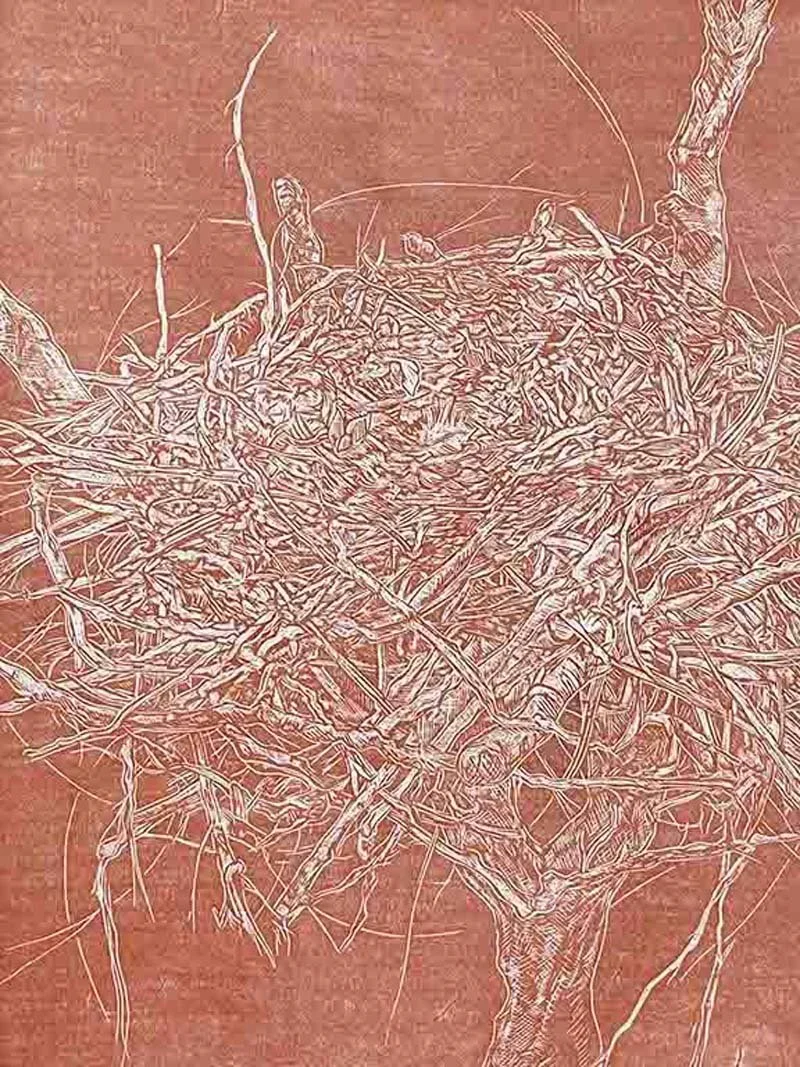

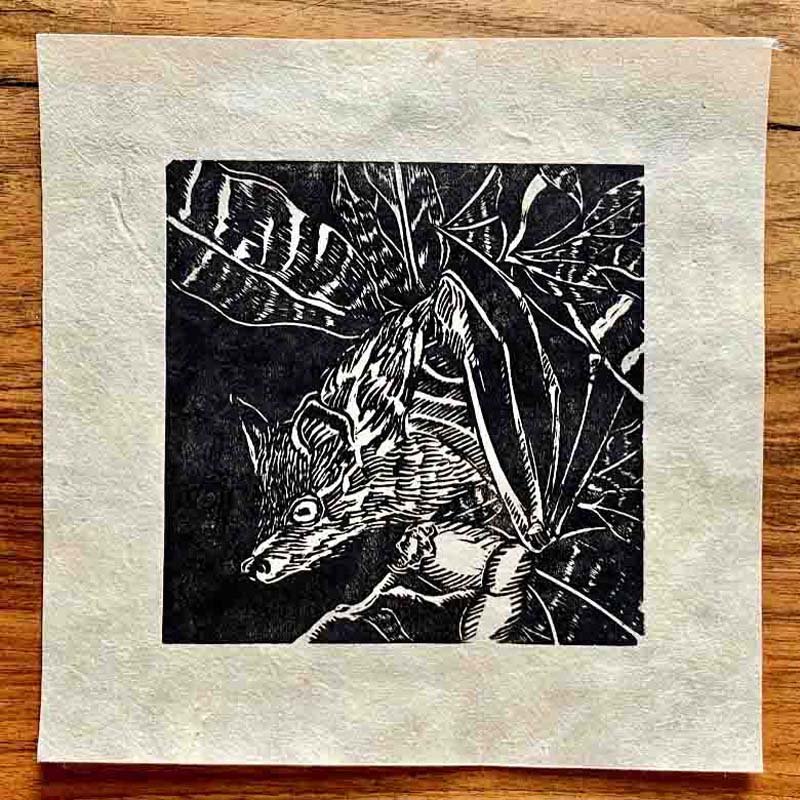
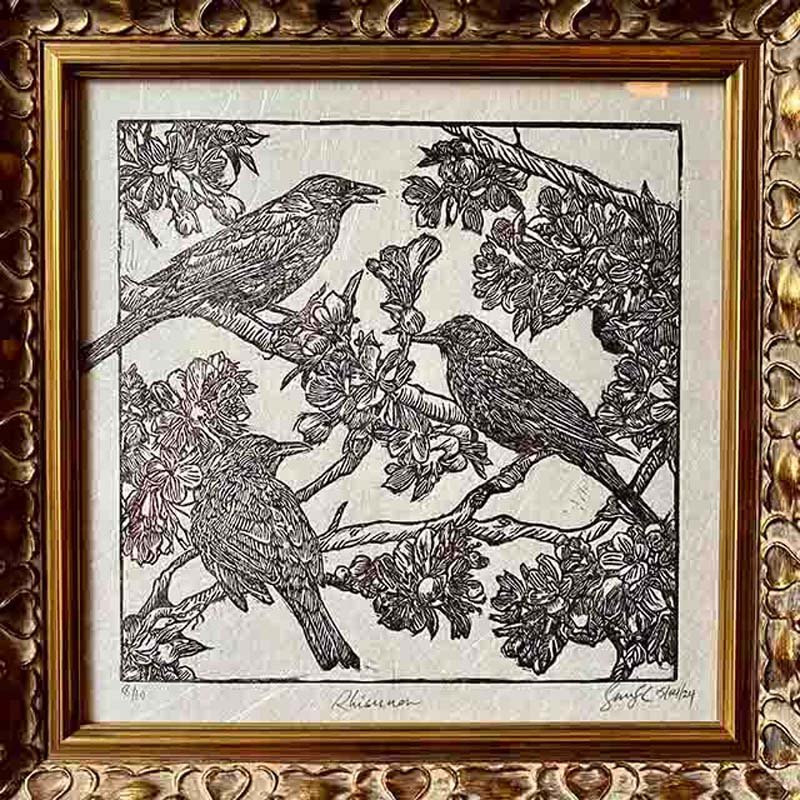
All limited edition lino prints.
How has your background contributed to your artistic identity? I was born in Camden, London, at the Royal Free Hospital, but London isn’t really where I’m from. Moving to Hong Kong at 1, my childhood was spent growing up in this most wonderful, chaotic of concrete jungles. As someone of mixed European and Asian ancestry, coming of age surrounded by such a wonderful blend of cultures definitely had a lasting impact on how I see myself. I’m very much a child of the old British Empire; hopefully, some good coming from the bad, and this knowledge underpins my understanding of my place in the world.
Creatively, it would be impossible not to be inspired by this melting pot. All the beliefs and superstitions, coupled with the artistic techniques and influences, drawing from Chinese ink painting and Japanese print, coupled with my parents’ Arts and Crafts backgrounds, have certainly shaped my sense of style within my work, and also my understanding of my practice within the wider context of our increasingly interconnected world.
When did you first fall in love with art and realize you wanted to be an artist? For you, what is the importance of the arts? I don’t know that there was a single penny-drop moment. I know I have always been creative, and the idea of working with my hands was important from a very young age, so every endeavour has been in this vein: I wanted to make furniture, work in a sandwich shop, open my own pie shop, make surfboards - the list goes on! At 16, I made my first board, which kick-started my interest in working with spray paint, leading to working with stencilling and ultimately screen printing. This resulted in an internship under Singapore-based graphic artist Mojoko, followed by a stint studying Japanese woodblock print at art school.
What does your typical day in the studio look like? Walk us through your studio and your most used materials and tools. Honestly, it’s utter chaos. My studio is currently a desk in the corner of my incredibly small bedroom, and it is cramped and messy. Once I’ve managed to pull myself out of bed and made coffee, tripping over the doom piles of materials and laundry, I’ll grab my sketchbook and whatever tools I can find, and get back into bed to do some drawing. I’ll often cut my prints in bed too - a nightmare on my back, but far less traumatic than the prospect of tidying up my desk and clearing space.
I’ve never been one to keep a tidy, organised work space, which is often at odds with being a printmaker, but very much in keeping with my slightly chaotic neurodivergent brain. What may look like a bomb site to some makes total sense to me.
I consider myself very lucky to live in a creative household; there’s always a sewing machine out on the dining room table, or some new musical instrument tucked into the corner of the living room. Occasionally, I’ll add my printing press into the mix, but the rest of the time it’s me and the doom piles. The flip side of this is that it encourages me to be able to work in any environment, drawing en plein air, carving prints behind the bar at my day job, and, while it’s nice out, spending as much time working in the garden as possible.
As for my most used materials and tools, I primarily work in relief printmaking, so traditional artist’s lino is a staple in my studio, and I love my little Swiss-made gouges, along with my Japanese marking knives. Most of my prints are hand printed, again using my trusty little Japanese barren and some cheap stainless steel spoons, however I also have a Fome tabletop etching press that I have adapted to run relief prints through - how I’ll chose to run a load of prints is entirely determined by the mood I wake up in, however if I’m doing a huge run, say of Christmas cards, I’ll run them through the press.
What projects are you at work on at the moment? And what themes or ideas are currently driving your work? So many projects. I’ve always got a stack of unfinished blocks waiting to be carved, and new ideas popping up left, right, and centre. My current obsessions are trees and bird nests, as I feel both are allowing me to explore ideas revolving around materiality, playing with new carving techniques, textures, and detail, more so than my more stylised pieces allow.
Alongside this, I’m also fascinated by the materiality of certain intaglio methods, such as collagraph, playing with a combination of texture and line. I love the scope for creating works that feel more natural, more organic, and expressive; however, these pieces are currently more in a quiet, developmental stage and not something I’ve started sharing publicly.
Themes that underpin my practice are nature, myth, and childhood memories of growing up in Hong Kong, drawing on natural imagery to explore themes of nostalgia and my spiritual connection to the land. I’m fascinated by the passing of the seasons, and themes of life, death, and rebirth - I think this is why bird nests are currently such an obsession of mine, symbolising both the optimism of a new start, and the sadness or melancholy surrounding an empty nest, with trees providing the constant sentinel keeping watch over this whole process of life.
What do you hope people feel when they experience your art? What are you trying to express? I would like people to take pause, to be drawn in initially by the detail, to appreciate the technical skill required to carve what I carve, and through that to take a moment to contemplate their place in the natural world. Creating my work at times has almost a meditative quality for me; it’s often the closest I will come to having a totally quiet brain, and I’d love to be able to share that peaceful contemplation with others through my work.
As for what I’m trying to express, I guess it’s as simple as saying my soul. This is who I am, and this is how I see the world, and I would like others to view me within this context.
Which artists, past or present, would you like to meet? And why? Victor Hugo - I love the spontaneity in his work, creating rich, textured tonal backgrounds and picking out fine detail. Plus, I think we’d be fairly politically aligned, and I’d love the chance to chat politics and writing, all while gushing over his “simple sketches”.
And then there’s Anselm Kiefer, for the pure expression and materiality of his work. I’m constantly trying to shake off the rules picked up working for a pop artist - precision, repetition, good clean lines. I feel a conversation with either of these artists would help with that immensely.
I’ve also had the pleasure of meeting so many of my friends and colleagues through social media, and it’s lovely to be able to chat with so many artists, swapping ideas and inspiration. We’ve recently established a little group of London/South UK printmakers, and we’ve got our first real-life meet-up happening later this month!
Do you draw inspiration from music, art, or other disciplines? Absolutely, there isn’t a single day that passes where I’m not listening to music for some portion of it - at my day job, I’ll have music on for a solid 8-11 hours. It’s always been such a huge part of my life, and there’s no way I could not find inspiration in it.
The music I listen to is very lyric-oriented, with the stories told shooting off little sparks of inspiration. I love the potential for an image to tell a story, but I find it helps if there’s a solid backbone to it, and as I draw a lot from mythology, I’ll also draw from poetry and music.
A great thing about living in my city/town is… It’s London, what’s not to love? As an artist, it’s great to have so much on your doorstep, some of the best museums and galleries in the world at your fingertips, but it’s more than that.
As someone from a mixed background who grew up surrounded by so many different cultures, I thrive off the multicultural nature of this city - it’s a wonderful melting pot of different cuisines, music, celebrations, and art.
And then, as someone inspired by nature, it’s obviously slightly lacking compared to some places I’ve lived, but there’s so much green space, so I still feel like I can escape the city and find inspiration, without actually having to stray too far.
Plus, I’m an old-school street skater, so something about all the concrete does speak to my soul.
Can you describe a project that challenged you creatively or emotionally—and how you worked through it? I think just the act of choosing to revive my art practice was a challenge emotionally - it came at a turbulent period in my life, dealing with a separation and trying to find myself creatively after a long dormant period, struggling with my mental health.
There’s a lot of pressure to live up to, having a creative family background and a dead dad who was an artist, and trying to say “no, this is me” and forge my own path outside of that context was a lot to overcome.
But on the flip side, I felt like there was so much pent up after such a long break that when I finally started flexing my creative muscles again, the seal was broken, and the flow of ideas and experimentation that followed couldn’t be stopped.
I don’t feel like I was consciously steering the ship, but for once in my life, my autopilot was functioning correctly, and I was very much along for the ride.
Tell us about important teachers/mentors/collaborators in your life. I will always credit my A-level art teacher as being the most important encouraging force in my life, and now, almost 20 years later, he’ll still chip in on Instagram and push me to be more true in my expression, and to overturn the years of bad habits I picked up working for other artists.
He’s an absolute legend and I’m so glad to have got the chance, years later, to grab a pint and have a catch-up.
Sustainability in the art world is an important issue. Can you share a memory or reflection about the beauty and wonder of the natural world? Does being in nature inspire your art or your process? Yes, I’m immensely inspired by nature - it’s my primary source of inspiration and the subject matter of the bulk of my art.
I’m so fortunate to have lived in some truly beautiful, unspoiled habitats - the rainforests of Costa Rica being the most recent and notable. I’ll never forget the sound of a tropical downpour hitting the corrugated tin roof of the shack I lived in, or trapping scorpions in my kitchen while trying to make my morning coffee. It’s not a comfortable way to live, but I’ve never felt more in tune with my surroundings than I have in those moments.
Sustainability informs my practice too - I’m in a constant effort to reduce waste, to find new, non-toxic, non-damaging materials to work with, and to recycle and reuse whatever I can in the creation of my work - this has driven my experimentation into paper making, and using found/waste materials in my currently experimental print pieces.
AI is changing everything - the way we see the world, creativity, art, our ideas of beauty and the way we communicate with each other and our imaginations. What are your reflections about AI and technology? What is the importance of human art and handmade creative works over industrialized creative practices? I struggle internally with the use of AI on a daily basis.
On the one hand, I truly believe AI has the potential to be the most wonderful tool, to aid and support people to express themselves where they may not have previously felt or been able to. It has the potential to be a great equaliser, to empower those who may otherwise not have had a voice; however:
The environmental impact of AI is troubling, as is the nature of generative AI, scraping and devaluing the work of creatives, infringing on intellectual property rights, and flooding the market with cheap and readily available “work” in the place of paying actual humans who have spent years honing and perfecting their crafts.
But we’re still in early days, this is the time to shape AI into the tool it has the potential to be, and to develop ways of making it more environmentally sound.
From a personal perspective, as someone who both makes and appreciates art? AI-generated work, while fascinating, will never take the place of a piece of art, music, or poetry that was actually created by a human. This is because, for me, when I consume this work, I’m looking for a human connection. I want to feel the artist’s emotional charge, to see their process - every mark expressing a moment in that person’s creative process, and to tap into that shared creative lineage that I feel connects us to our ancestors, all the way back to when those first humans started making their marks on cave walls. There’s a shared human consciousness that I feel is expressed by all artists, and I don’t feel that AI will ever be able to replicate that.
Exploring ideas, art and the creative process connects me to… My sense of soul, my world, and my ancestors who have gone before - both close and long, long past.