

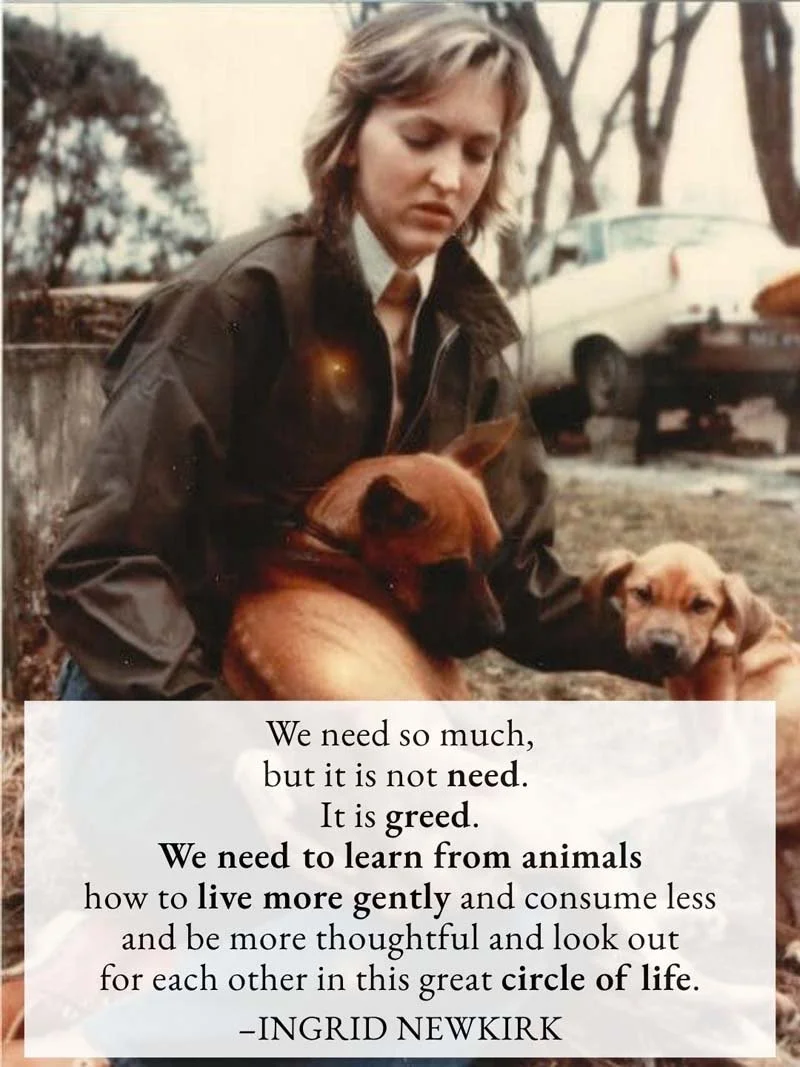
We need to learn from the animals how to live more gently and consume less and be more thoughtful and look out for each other in this great circle of life.
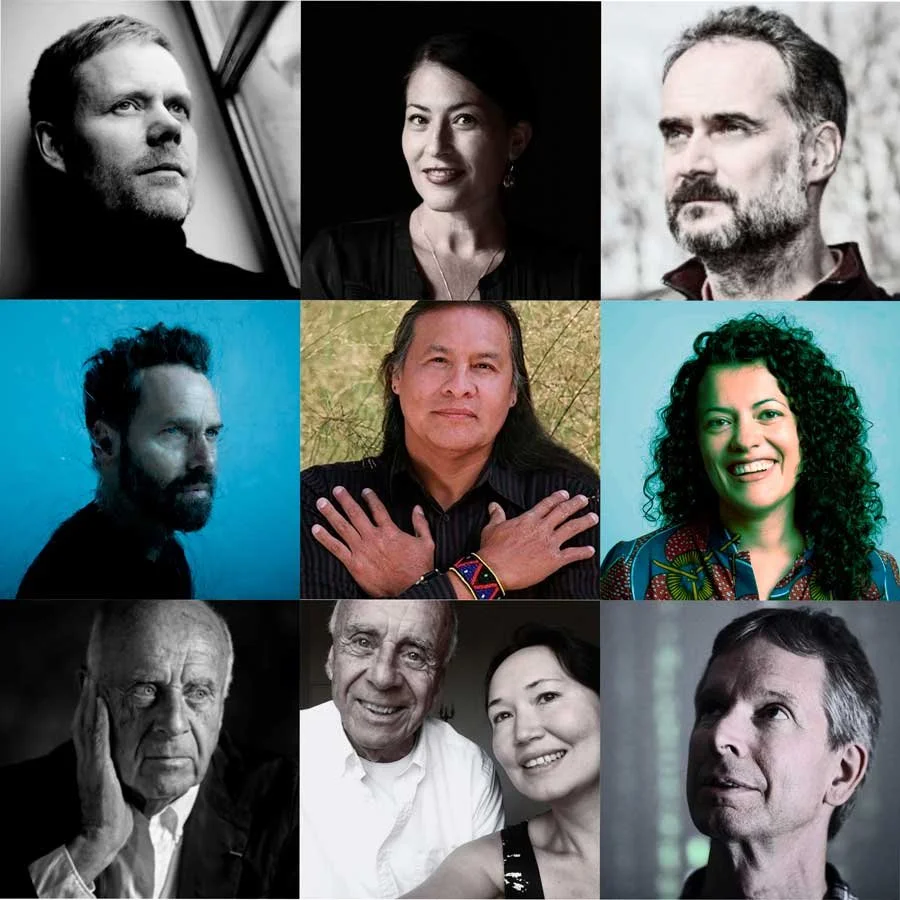
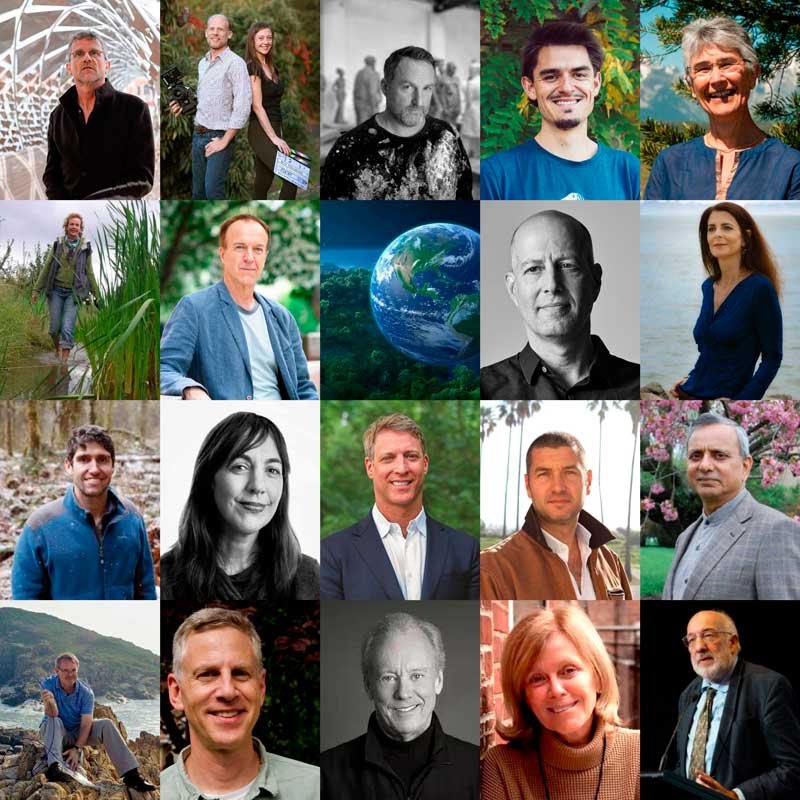
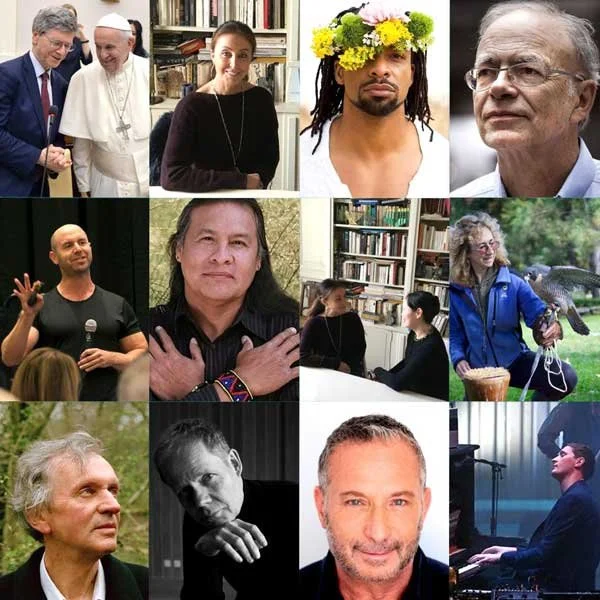
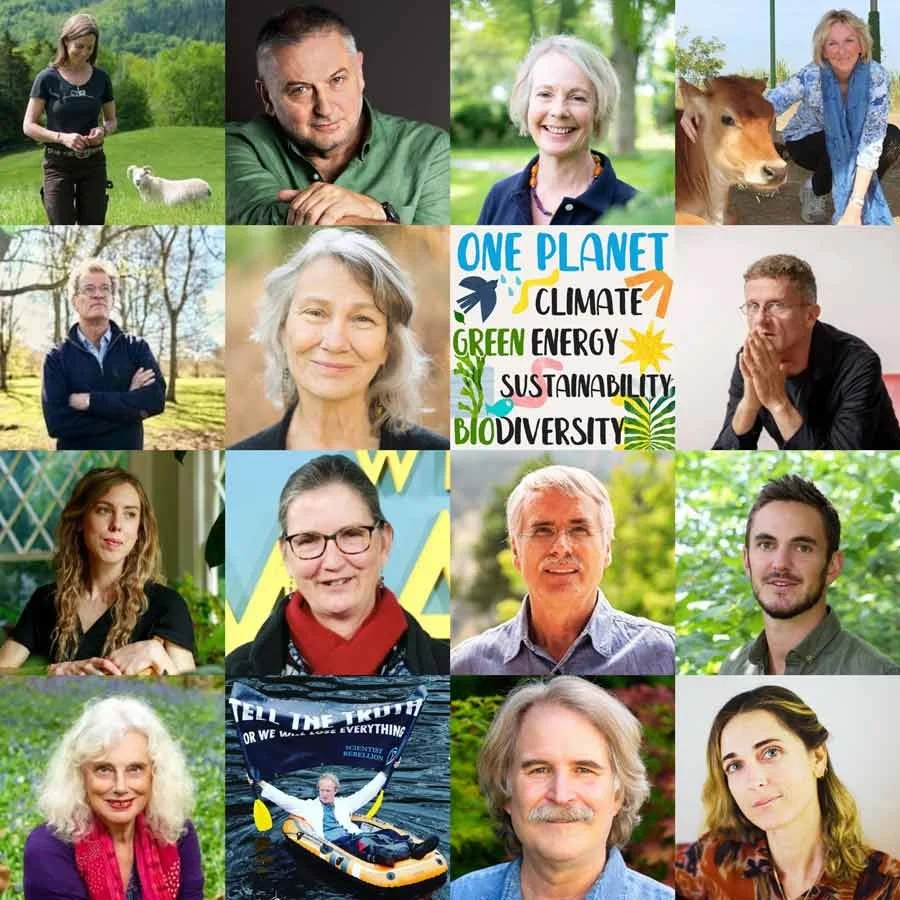
Our shared moment in time reminds us that we are one part of a vast ecosystem. Today, we explore how humanity can live in harmony with the Earth by paying attention to the land and lives of animals around us. We listen to those who translate the voices of the living world: authors Yann Martel, Georgi Gospodinov, Chiara Barzini, Erica Berry, Kristin Ohlson, Helen Whybrow, screenwriter-director Caroline Thompson and Emmy van Deurzen. We reflect on our changing environment with Nobel Peace Prize-winning climate scientist Kevin Trenberth, soil expert David Montgomery, restoration ecologist Tom Crowther, wetlands conservationist Jane Madgwick, Scientist Rebellion co-founder Tim Hewlett, architect and urban designer Carlo Ratti. And Ingrid Newkirk reminds us that our survival directly depends on the health of the natural world.
INGRID NEWKIRK
Co-Founder of PETA · Author of Animalkind: Remarkable Discoveries About Animals and Revolutionary New Ways to Show Them Compassion
Why should it be one day when we think about our entire home and the future of the planet? It needs to be that we think about the Earth, the animals, what we can do for our health, all those things, every day.
And you are right. Because if you take a place like Alaska, which was for millennia a pristine wilderness with waters that were clean, land that was fertile, beautiful trees and flowers, and all the species from whales to turtles to beavers to muskrats to insects all over the place, billions upon billions of animals.
It was still clean as a whistle, still pristine. They know how to live in harmony and they know how to protect the Earth. No one taught them. It was not a lesson in school. There was not a video that they managed it, and in come human beings. And we put up oil rigs and we drill and we put up our skating rinks and our shopping malls and our highways.
We need so much, but it is not need, it is greed. So we need to learn from the animals how to live more gently and consume less and be more thoughtful and look out for each other in this great circle of life.
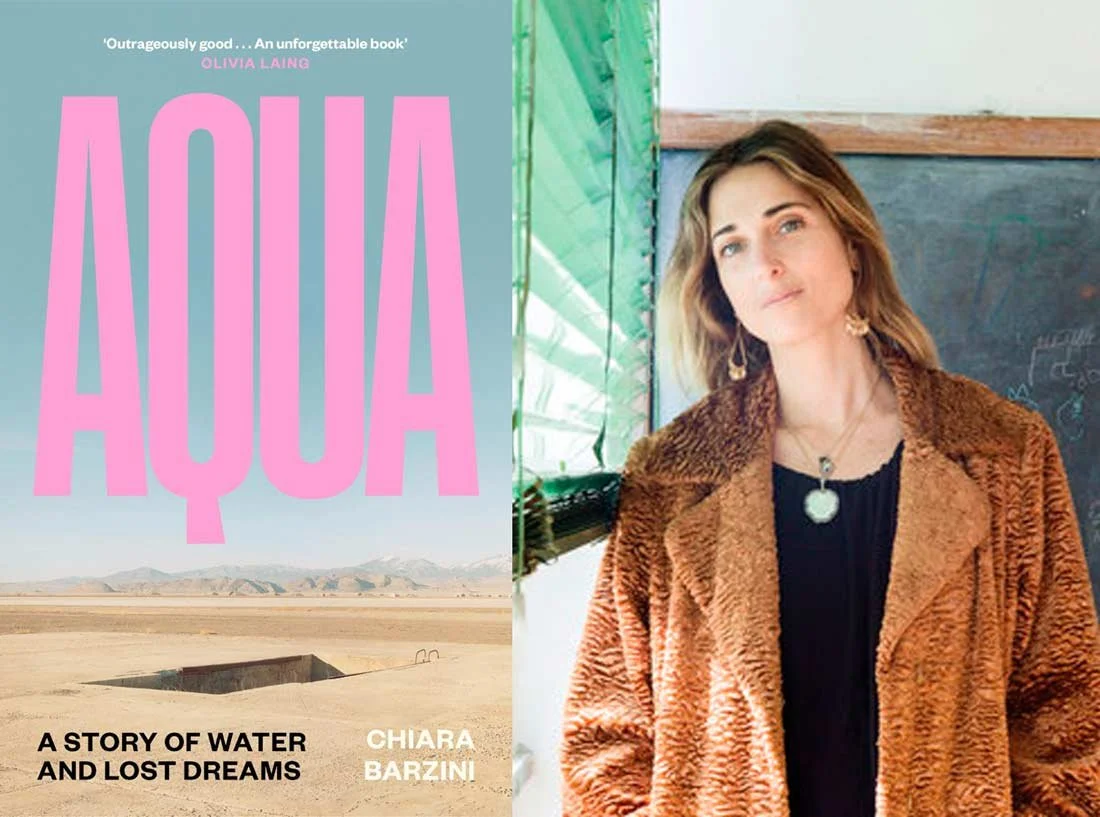
CHIARA BARZINI
Screenwriter · Author of Aqua: A Story of Water and Lost Dreams
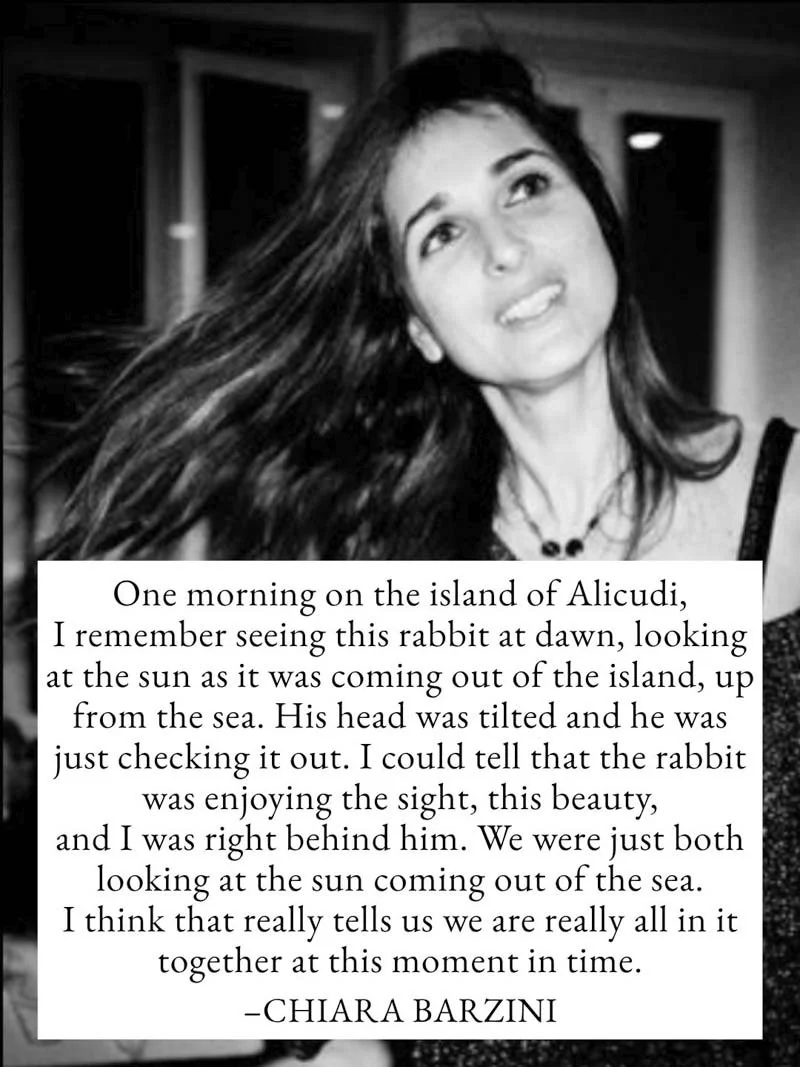
I remember one morning on the island of Alicudi. I remember seeing this rabbit at dawn, looking at the sun as it was coming out of the island, up from the sea. His head was tilted and he was just checking it out. I could tell that the rabbit was enjoying the sight, this beauty, and I was right behind him, and we were just sort of both looking at the sun coming out of the sea. I think that really tells us we are really all in it together at this moment in time.
INGRID NEWKIRK
And they are artists too, Mia, of course, as you well know. In the book, I talk about this little fish. Divers went down into the sea and they could not figure out what these alien patterns were. There were magnificent circles with all sorts of swirling patterns, all symmetrical, geometrically perfect in this vast design.
It looked as if alien beings had descended from another planet and made this pattern on the ocean floor. It turned out it was this tiny fish who uses his fins to carve this out so perfectly so as to impress a female fish. We have also seen, for example, the bowerbird. The bowerbird goes out and collects anything shiny or pretty, just as we might decorate our homes, the way an octopus decorates their home with shells.
The bowerbird brings back yellow flowers and red flowers and even little plastic things that he finds, and he makes an entranceway that is so spectacular to his beautifully woven nest. He makes a little walkway that is all decorated so as to say to a prospective partner, 'Look what I have done. Come and admire my handiwork.' It is admirable. I could not do it, but they are very artistic.
ERICA BERRY
Author of Wolfish: Wolf, Self, and the Stories We Tell About Fear
It is extraordinary. You think of this anthropomorphic supremacy that we have where we think humans are just so smart. A wolf could be walking down a path and could tell if the last wolf that passed—they have different ways of marking territory, if it is squatting urination or lifting a leg urination, that codes different things.
A wolf would be able to tell the sex, the age, what this animal had eaten and what its mood was in a truly invisible way to my human eye. I think understanding the ways that they are in communication is important.
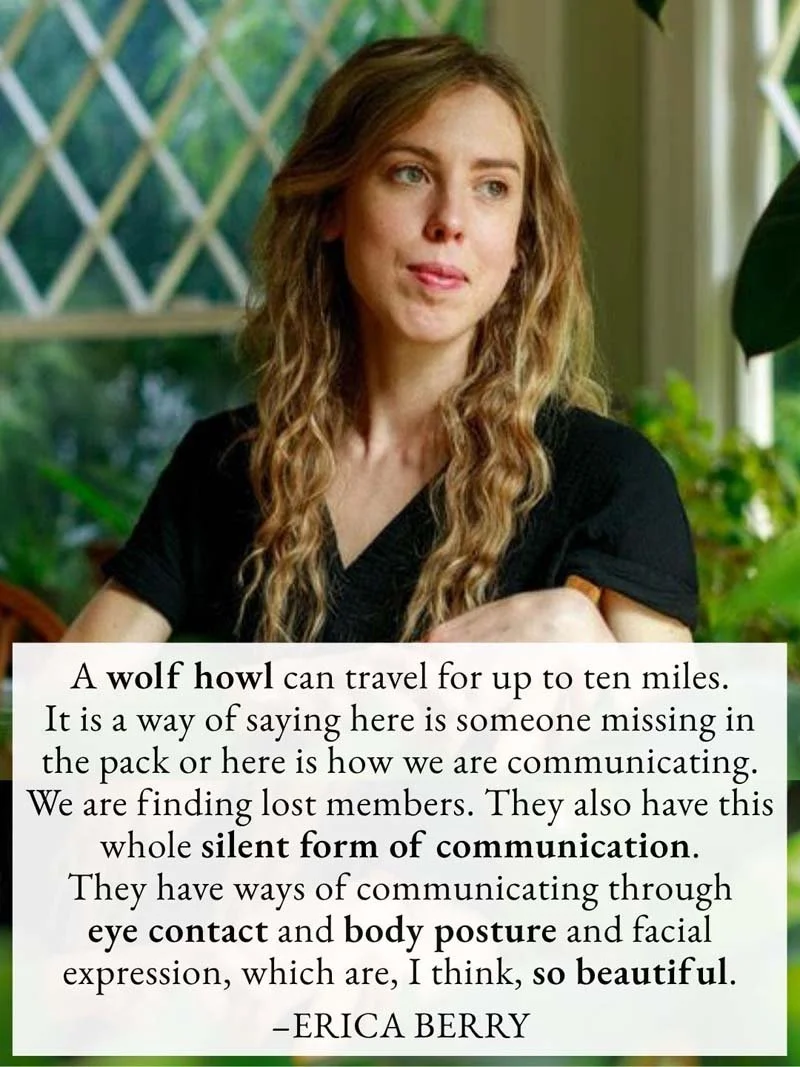
We think so much about wolf howls. That is the stereotype of how wolves communicate, but that is just one of the many ways. A wolf howl can travel for up to ten miles usually, and it is a way of saying here is someone missing in the pack or here is how we are communicating. We are finding lost members. They also have this whole silent form of communication that was interesting. It is a sort of social gaze, where if you have a prey animal and there is a number of wolves that are around it and they are going to start a charge or a hunt, they have ways of communicating through eye contact and body posture and facial expression, which are, I think, so beautiful.
So much of my looking at the wolf was learning how to look at another animal and not just see it in response to me, and not just think about what this wolf has to do with me. I wanted to think about how this wolf is existing on its own and communicating totally regardless of me. How are they communicating about this deer that they see? That is so beautiful to try to imagine, to put myself in that landscape, but also imagine this is not about me at all.
YANN MARTEL
Booker Prize-winning Author of Life of Pi · Son of Nobody
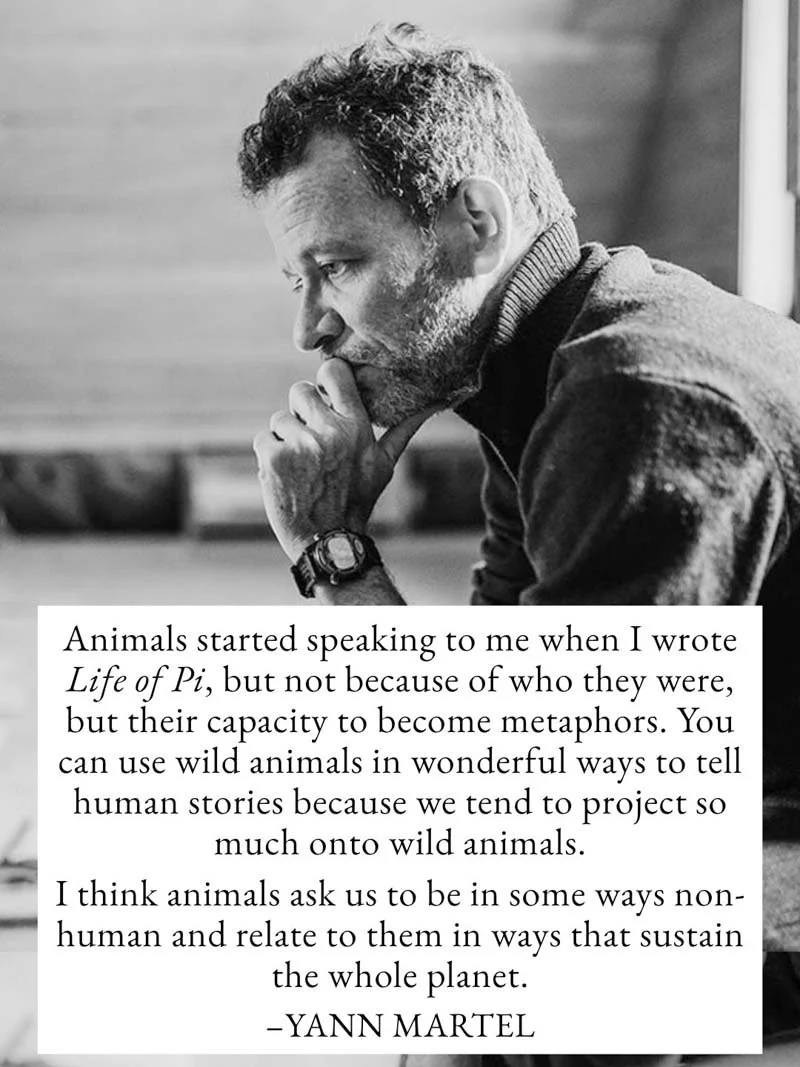
Animals started speaking to me when I wrote Life of Pi, but not because of who they were, but their capacity to become metaphors. You can use wild animals in wonderful ways to tell human stories because we tend to project so much onto wild animals. Animals to me as a writer are wonderful literary devices.
As a citizen of this planet, my tortoise is kind of like a little ambassador of the wild. It represents its wild species, and I realized if I am going to relate to it, and in this particular case I have to take care of it, I have to make sure it eats every day and I have to take care of the terrarium. It asks me to step out of my humanity and try to interact with something whose language I do not speak, and in fact, whose little culture I do not understand.
But I have to nonetheless somehow relate to it. Animals, I think, ask us to become diplomats and to relate to each other like diplomats would with other cultures, because after all, we share the same planet. We are co-responsible for it in terms of humans. That means allowing them to live and to thrive, really. And we are not doing that very well right now. I think animals ask us to be in some ways non-human and relate to them in ways that sustain the whole planet.
GEORGI GOSPODINOV
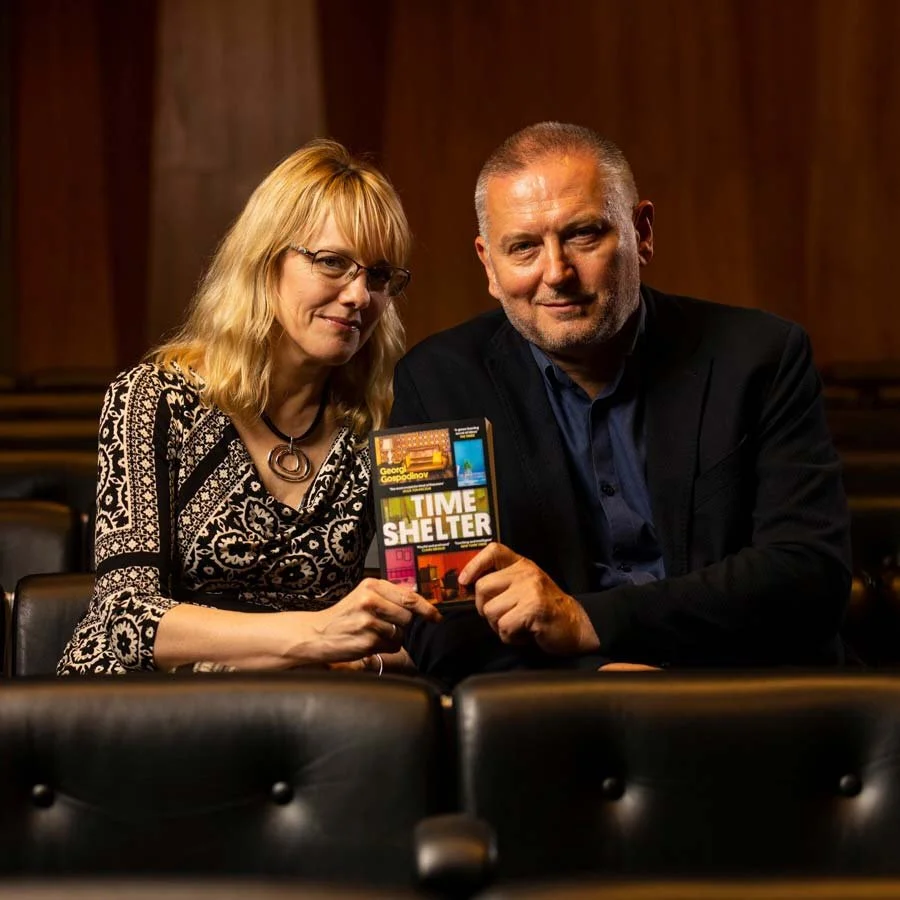
Booker Prize-winning Author of Time Shelter
Death and the Gardener · The Physics of Sorrow
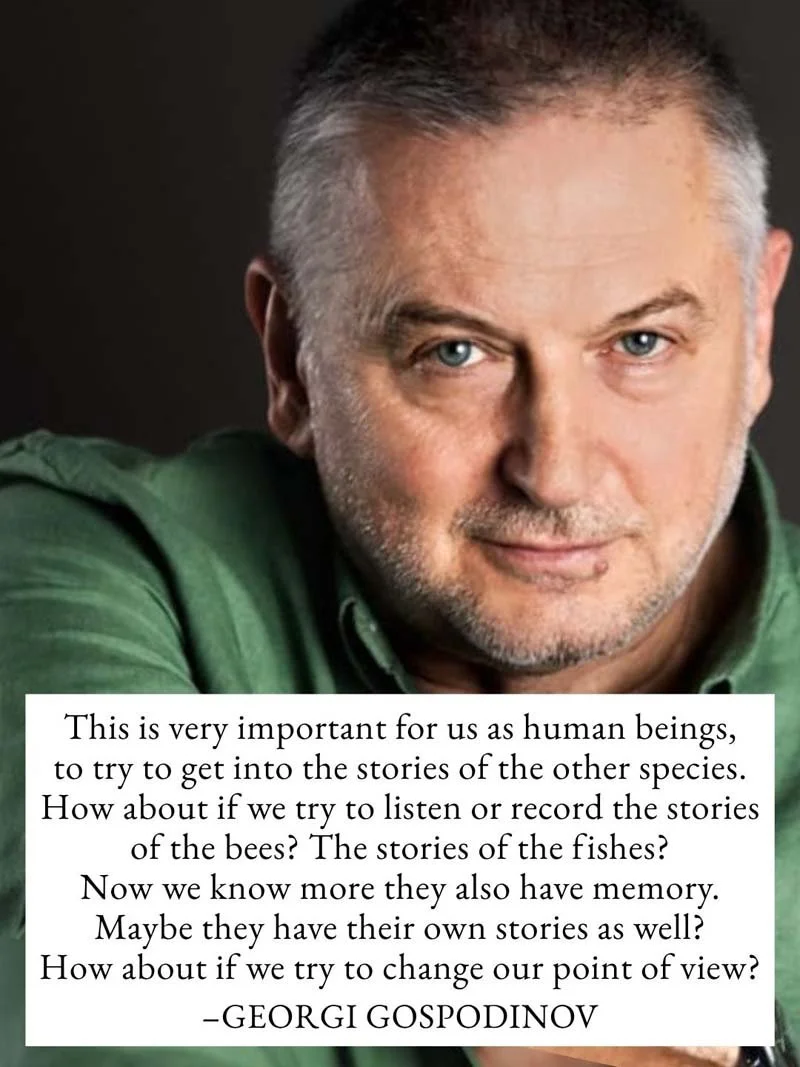
I suggest, how about if we try to listen or record the stories of the bees, the stories of the fishes? Now we know more and more that they also have memory, even insects, bees and so on. Maybe they have their own stories as well. How about if we try to change a bit our point of view?
Let us say taking some classical literature like The Old Man and the Fish by Hemingway. We are empathetic to the old man. It is very exhausting trying to catch these big fishes. But how about if we tell this story from the point of view of the fish? Because the real tragedy is not for the old man. He survived. The real tragedy is for the fish who is dead and filleted from other fishes and so on, and what kind of story it will be.
This is very important for us as human beings, to try to get into the stories of the other species. I could call this environmental empathy, and this is in a way non-anthropocentric empathy. This is also important when we are talking about animals and bodies.
JANE MADGWICK
Ecologist · CEO of Plantlife · Fmr. CEO of Wetlands International
Co-author of Water Lands: A vision for the world’s wetlands and their people Rages
I think from a very young age, I wanted to work with nature and conservation. This was set very early. I got involved how I could, studying of course, but volunteering, then doing field research. I suppose I had a science entry to the business, to ecology and conservation. Pretty much through experience, you learn that it is not just about science, but it is really about bringing people together around conservation.
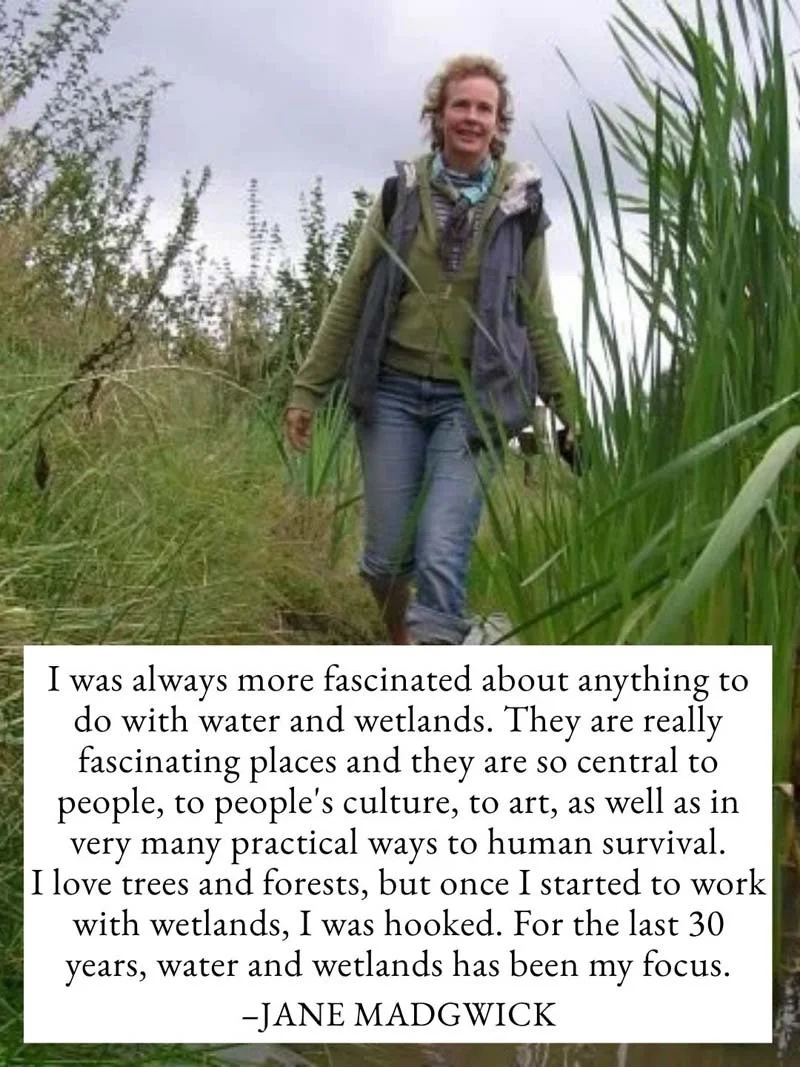
I was always more fascinated about anything to do with water and wetlands. They are really fascinating places and they are so central to people, to people's culture, to art, as well as in very many practical ways to human survival. I love trees and forests, but once I started to work with wetlands, I was hooked. For the last 30 years, water and wetlands has been my focus.
EMMY VAN DEURZEN
Existential Philosopher & Psychologist
Author of Beginning To Live: The Art of Existential Freedom
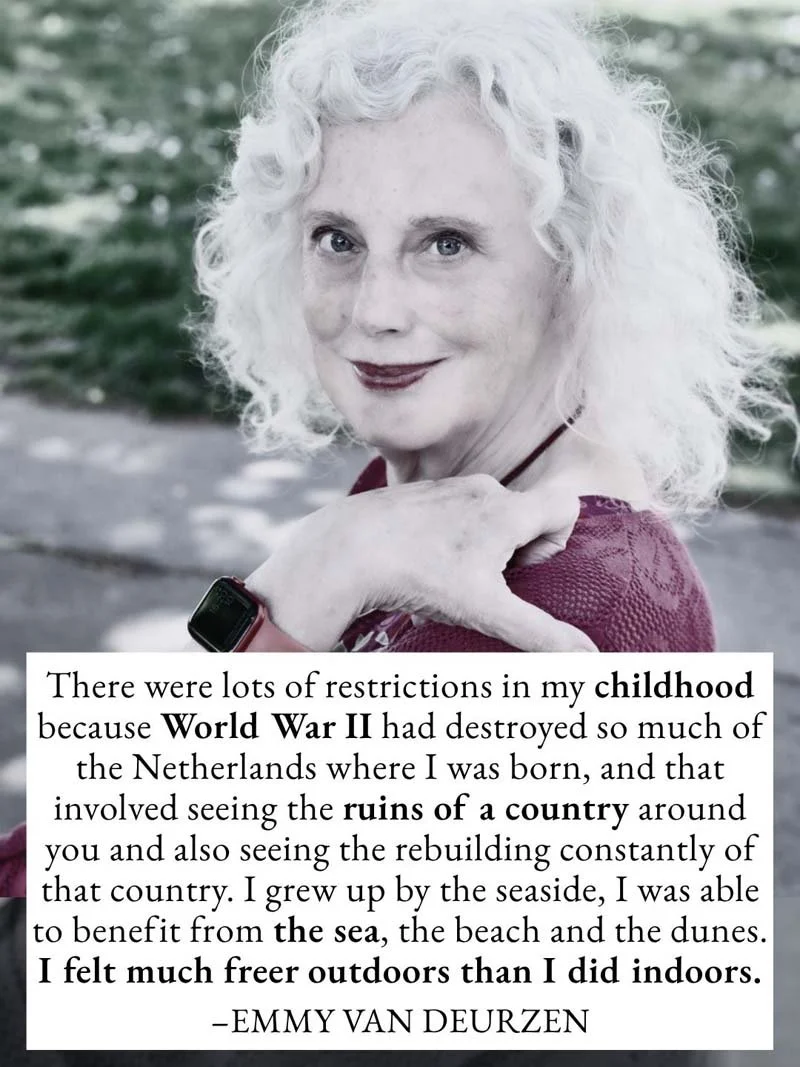
Yes, there were lots of restrictions in my childhood because the Second World War had destroyed so much of the Netherlands where I was born, and that involved seeing the ruins of a country around you and also seeing the rebuilding constantly of that country. It also meant that the housing stock had been reduced so much that there was no space for people, and that I lived until I was 17 in a really tiny one-bedroom flat, and that my freedom was severely obstructed very physically in that way.
Fortunately, at that time in the 1950s in the Netherlands, children were able to roam freely outdoors. There was hardly any traffic in our neighborhood. We could run around after school every day of our lives. Because I grew up by the seaside, I was able to benefit from the sea, the beach and the dunes, which are very large at the southwest of The Hague, where I grew up. I had an amazing access to the natural world, but a very restricted safety in the house I lived in. That was quite an opposition in some ways. I felt much freer outdoors than I did indoors.
CAROLINE THOMPSON
Award-Winning Screenwriter · Director · Novelist
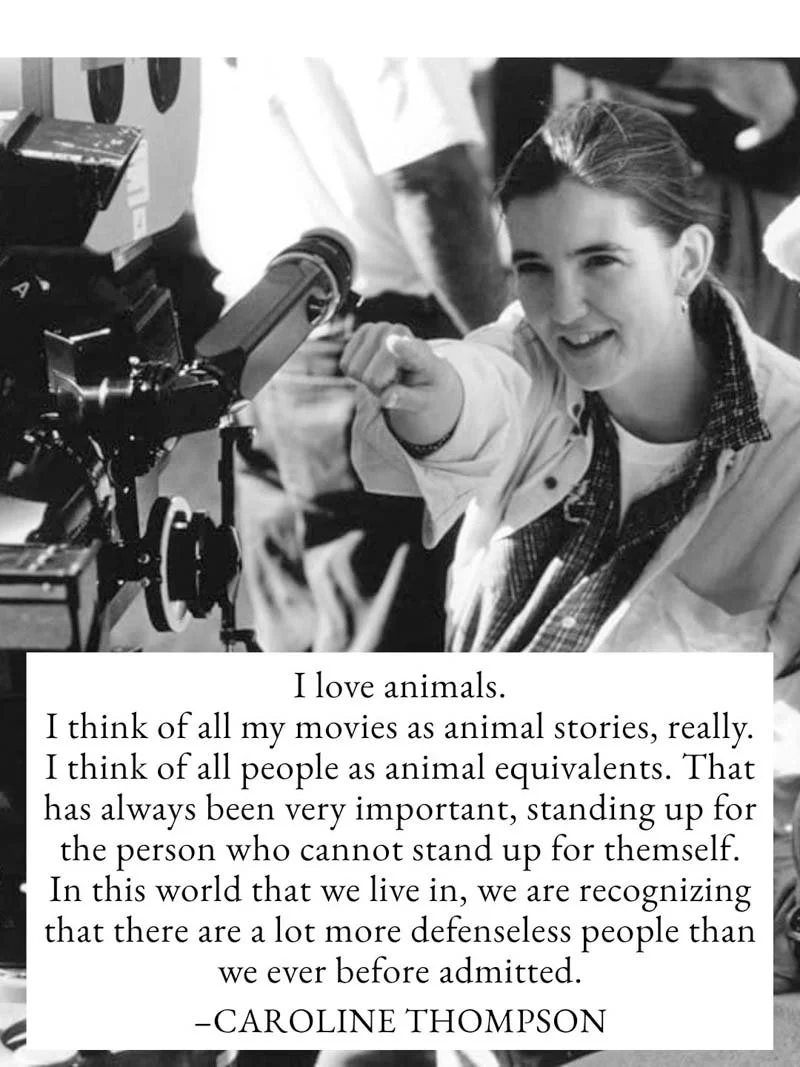
It is really important to me. I love animals. I think of all my movies as animal stories, really. I think of all people as animal equivalents. That has always been very important, standing up for the person who cannot stand up for themself.
MIA FUNK
Artist · Writer · Host of The Creative Process and One Planet Podcast
You can see a through line in your work, from Welcome to Marwen, to Edward Scissorhands, the kind of outsider–misunderstood, tormented for their difference.
CAROLINE THOMPSON
Screenwriter · Edward Scissorhands · The Addams Family · Corpse Bride
Yes, that is exactly right. I think it is still a mission worth aiming at because God knows, in this world that we live in right now, we are recognizing that there are a lot more defenseless people than we ever before admitted.
MIA FUNK
Oh, definitely. What is interesting about all of these instances is this animal artistry is not one of being dominant over nature. It is still utterly in harmony.
INGRID NEWKIRK
Co-Founder of PETA
Oh, it absolutely is. When you see a bird or even a squirrel make a nest, you have to be absolutely stunned at the talent. If you look up in a tree, can you imagine going and finding a twig somewhere and putting that first twig in the crook of a tree up so high, and then going and getting a second twig and trying to keep them from falling off the branch, and then weaving all these other twigs in this intricate design and filling the bottom of the nest with moss?
Sometimes birds and squirrels will pick up plastic to try to make it rainproof. They have learned what that is. Sometimes they will take discarded cigarette butts and stick that between the twigs to repel insects. This is all so clever. It is so artistic. It is so talented. It is almost impossible for a human being with fingers on both hands to figure out how we could do that ourselves.
Yet they do it and they do it every year, and they do it again if a storm knocks down their nest. We should be in awe and respect animals. Absolutely.
TOM CROWTHER
Ecologist · Founder of Restor · Author of Nature's Echo
Co-chair of the Board for the UN Decade on Ecosystem Restoration
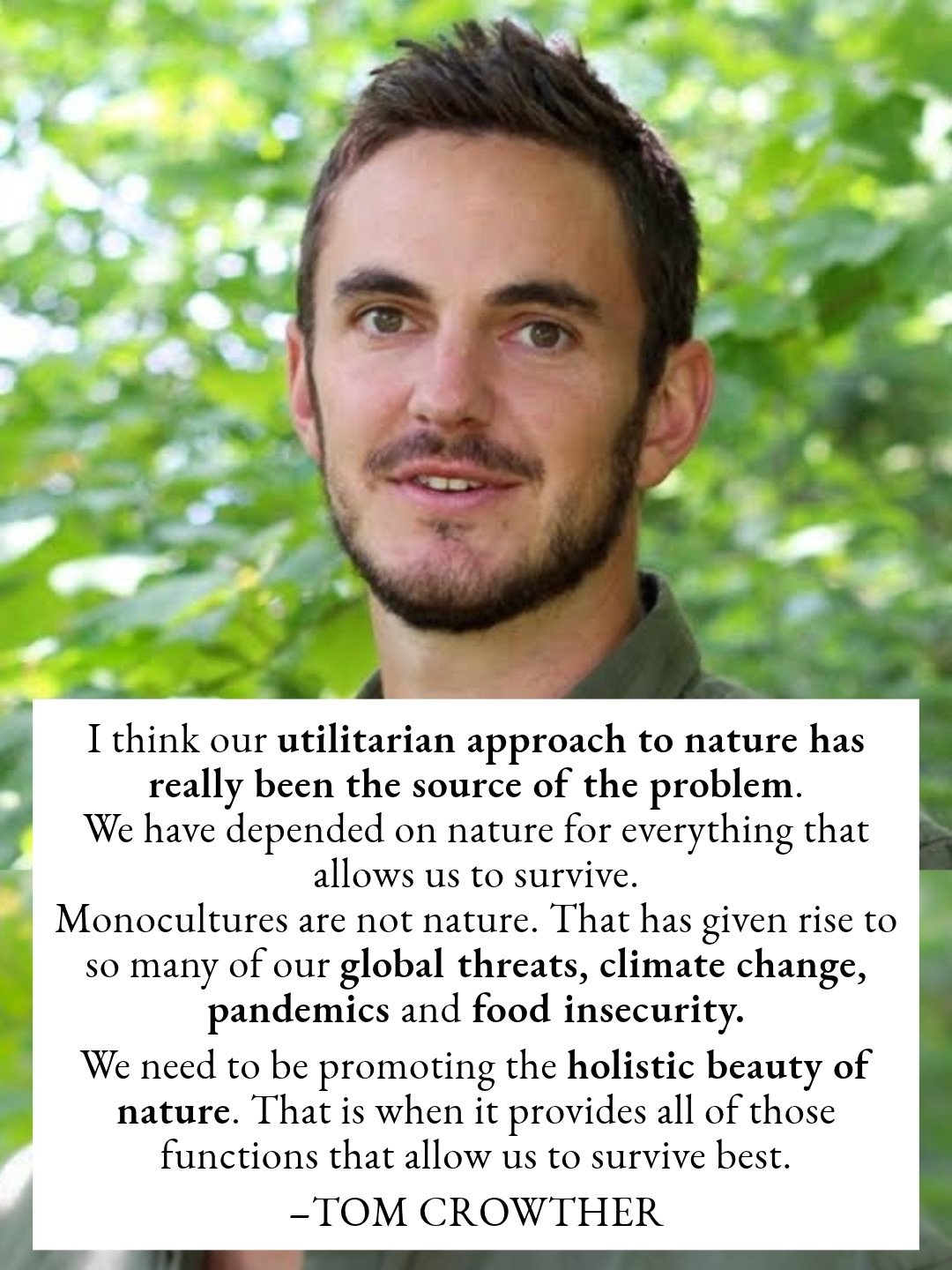
I could not agree with you more. I think our utilitarian approach to nature has really been the source of the problem. We have depended on nature for everything that allows us to survive. What we tend to do as humans is extract the parts that give us a function. We extract the parts that are for food and then we propagate them, and we extract the parts for timber and we propagate them.
That leads to these monocultures that are not nature. They are extensive reductions of biodiversity, and that is what has given rise to so many of our global threats, climate change, pandemics and food insecurity. That is all stemming from our utilitarian approach to find the functions of nature. Instead, what we need to be doing is promoting the holistic beauty of nature, and that is when it provides all of those functions that allow us to survive best.
DAVID MONTGOMERY
Geologist · Author of What Your Food Ate: How to Heal Our Land and
Reclaim Our Health · Dirt · Growing a Revolutiontion
Most of us do not think about soil when we sit down for a meal with friends, but we should. We all know that a fresh pear is healthier than a pile of salty potato chips, but it is all too easy to lose sight of another dimension to our health: what is in that pear and how it got there. How do we grow our food?
In a world awash in clickbait headlines about what to eat and what to avoid, few know that the typical grocery store carrot now contains less zinc than those our great-grandmothers served as kids, or that the beef sizzling on the barbecue probably packs a lot less iron than what our grandparents ate as children. Reports of troubling nutrient declines span the human diet, from fruits and vegetables to grains, meats and dairy. While we mostly hear arguments over the future of agriculture centering on differences between organic and conventional farming, the real story is not that simple and far more interesting.
Over the past century, farming practices have changed food in ways that reduced levels of beneficial compounds in our diet, ranging from those in fruits and vegetables that help prevent cancer to fats in meat and dairy that modulate inflammation. Too many of us have never heard of fats that are good for us or know that our health suffers when we do not get enough plant-made phytochemicals in our diet. Yet when it comes to lifelong health, an adequate supply of such compounds appears as fundamental as getting enough exercise.
There is no shortage of opinions about what we should eat. People argue endlessly, for example, over whether we should eat less meat, more meat, no meat or meat that is not meat. What is typically missing from the framing of dietary choices is how we grow what we eat. The way we raise our crops and livestock proves as important as what we choose to eat.
HELEN WHYBROW
Shepherd · Organic Farmer
Author of The Salt Stones: Seasons of a Shepherd’s Life
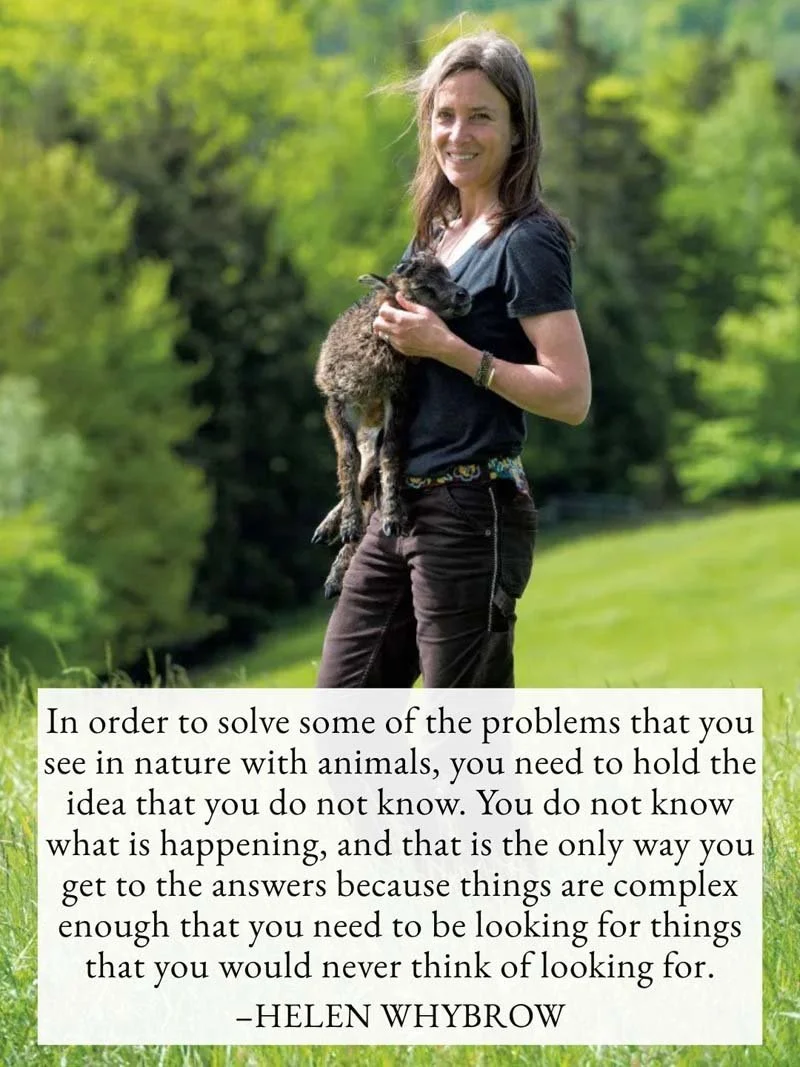
In order to solve some of the problems that you see in nature with animals, you need to hold the idea that you do not know. You do not know what is happening, and that is the only way you get to the answers because things are complex enough that you need to be looking for things that you would never think of looking for. I am sure this is probably what it feels like to be a scientist.
My book covers 20 years, and I did that intentionally so that people would feel empowered to realize I did not know what I was doing either. I came to this with a lot of questions and I learned through a lot of mistakes and through simply watching things happen. The story about Lita begins fairly early in the book. She is this beautiful, vigorous, tall mother ewe who has triplets.
It is hard for a ewe to produce enough milk to feed three babies. They only have two, so we have four, and so it is a stretch, but she was doing great and the three lambs were growing like wildfire. Then one day I noticed that she is just getting thinner and thinner, and she is ravenous and her lambs are ravenous, and she is eating everything I am giving her.
KRISTIN OHLSON
Author of Sweet in Tooth and Claw · The Soil Will Save Us
Even if people reject the theory of evolution or cannot quite recall how it works, they think of nature as red in tooth and claw, as the poet Tennyson wailed. Vicious and a never-ending battle of survival for meager resources. Even scientists do not grasp how pervasive cooperative interactions are in nature. Today's ecologists grew up with the paradigm of organisms primarily competing with each other.
Biologist Richard Karban told me a lot of ecologists are surprised by how much cooperation exists among plants and other organisms. They are not looking for it in their research, he said. Consequently, we seem to have developed a zero-sum game view of nature, suggesting that whatever we take—we humans or those ravens, cypresses, invasive garlic mustard, or any living thing—comes at the expense of other living things and the overall shared environment.
As we humans keep growing in number, this view suggests it must regrettably follow that the rest of the world will suffer. But what if we are applying Darwin's insights wrongly to the world and thus missing the generosity and cooperation that exists in the natural world?
TIM HEWLETT
Co-founder of Scientist Rebellion · Astrophysicist
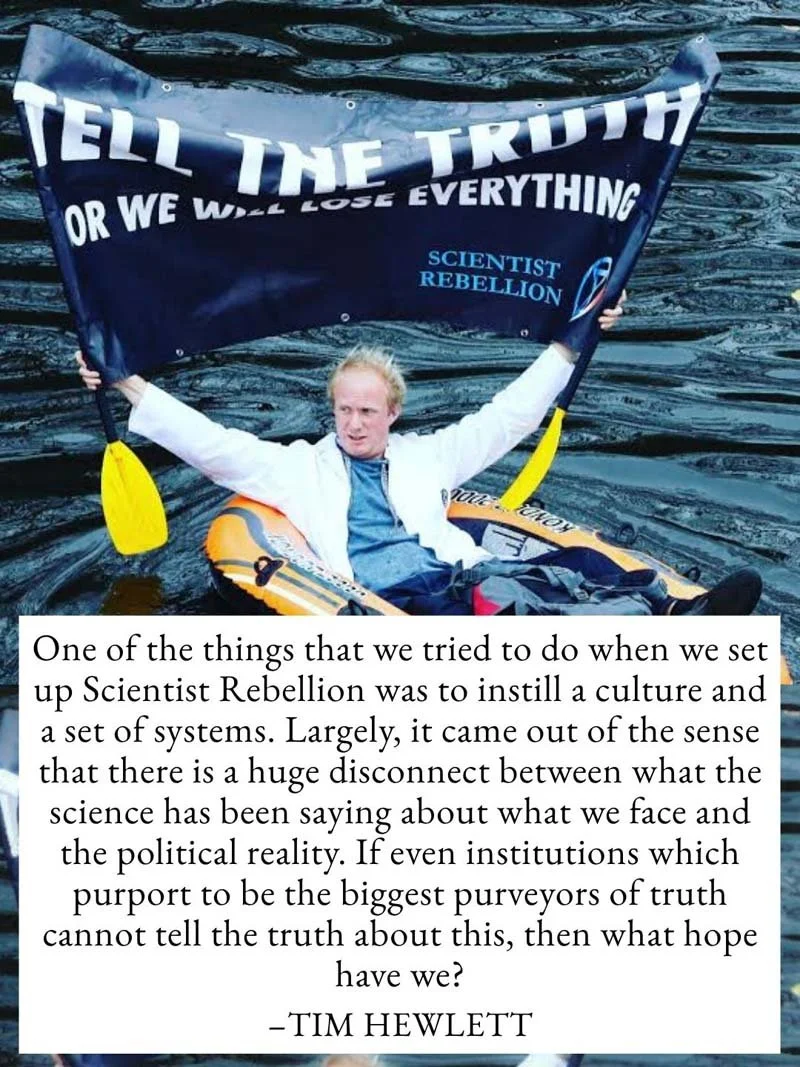
One of the things that we tried to do when we set up Scientist Rebellion was to instill a culture and a set of systems. Largely, it came out of the sense that there is a huge disconnect between what the science has been saying about what we face and the political reality, as well as the response from the scientific community. I think there is a large amount of naivety about the role of the scientific community in the crisis, and I do not mean that in a positive way entirely.
We started it by doing an action at the Royal Society in London, which is one of the oldest, perhaps the oldest institution of science in the world. It is very prestigious, and yet they do not really have any kind of a noticeable plan about climate breakdown. They do not challenge the realities which are driving us to the point of annihilation. We thought that was a good place to start. If even institutions which purport to be the biggest purveyors of truth cannot tell the truth about this, then what hope have we?
KEVIN TRENBERTH
Nobel Peace Prize-winning Climate Scientist
Author of The Changing Flow of Energy Through the Climate System
The work that I have been focusing on in the last few years deals very much with the flow of energy through the climate system. This relates more directly to the main sources of human-induced climate change. The reason for that is because the direct effects of humans are relatively small from space heating and electricity use. The main way in which humans change the climate is by interfering with the natural flows of energy through the climate system.
We have the sun beating down with a certain amount of radiation coming in. Some of it is reflected. The net amount received is called the absorbed solar radiation. Then we have our planet, which, in order to reach an equilibrium, is radiating back to space in infrared wavelengths. This is the outgoing longwave radiation.
Because of the increasing blanket of greenhouse gases, the outgoing longwave radiation has been somewhat diminished. The way in which it gets cranked back up again is by increasing the temperature of the Earth, and so then it can radiate at a greater rate. The difference between the incoming radiation and the
Outgoing radiation is the energy imbalance, what happens to that energy as it flows through the climate system and its consequences. It is really this extra energy that we have available and what happens to it that matters. The changes in the global mean surface temperature, which are so often used as an indicator for climate change, we talk about two degrees Celsius above pre-industrial levels, but those are not really a relatively small consequence. They are not the cause of the climate change, although they do certainly feed back and influence the nature of the climate change.
CARLO RATTI
Architect · Engineer · Director of MIT's Senseable City Lab
Curator of Venice Biennale’s 19th Int’l Architectural Exhibition
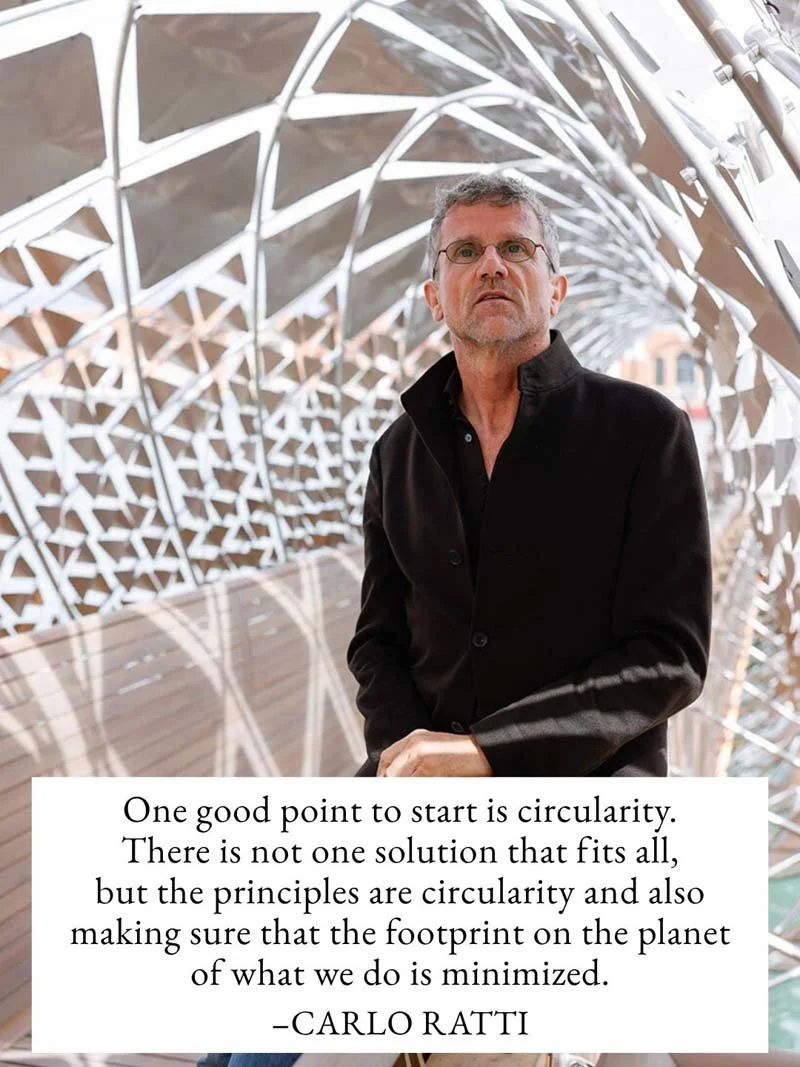
One good point to start is circularity. And again, that is a very simple thing, but it is very difficult to implement. Circularity means whatever we do at the end of life, it is either reused or recycled. And again, that is what happens in nature. Everything goes back in the circle, while the linear economy is when you do things and everything at the end goes to the landfill. I think what we need to do is go in a better direction. The good news is that there are a lot of new technologies. The furniture world is becoming more circular. I think the concrete world is also starting to become more circular. There is certainly a key principle. And the other principle, of course, is about emissions. We know the key issue with concrete, as you mentioned, is about emissions, and there again, there are interesting solutions. Some of them are coming back from the past, like pozzolan, which was the concrete of the Romans and is being used now in order to organize concrete today. I would say there is not one solution that fits all, but the principles are circularity and also making sure that the footprint on the planet of what we do is minimized.
DAVID MONTGOMERY
MacArthur Fellow · Co-Author of The Hidden Half of Nature
The Microbial Roots of Life and Health · What Your Food Ate: How to
Heal Our Land and Reclaim Our Health
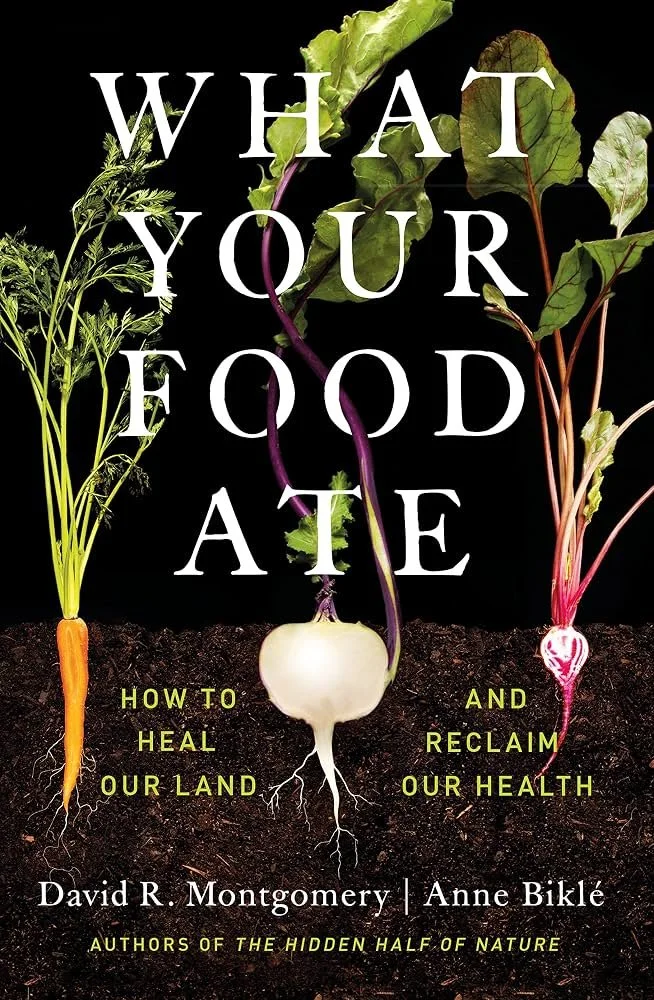
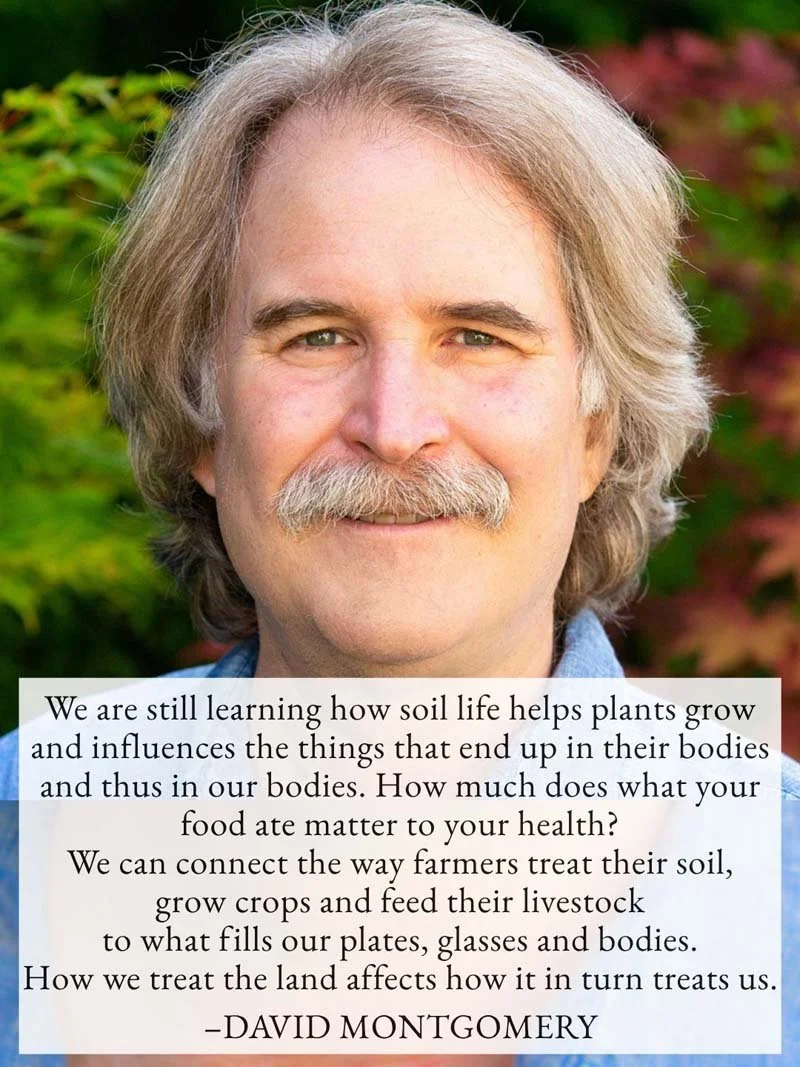
We are still learning how soil life helps plants grow and influences the things that end up in their bodies and thus in our bodies. What role does better soil play in growing a better peach or carrot? If we want the healthiest food, is organic farming good enough? To answer such questions, we need to examine the long-running relationships that all plants develop with a vast menagerie of soil life. You may have heard about the importance of our microbiome, particularly the gut microbiota that dwell in our colon and transform what lands there into compounds that benefit our health. Similarly, the tiniest soil dwellers influence crop health, and what is true in the human body holds true for soil too.
Routinely killing or disrupting microbial partnerships rarely benefits the host. Soil is the starting point for foods that come from the land, and a groundswell of evidence, observations and research points to an underappreciated factor contributing to food quality: the health of the soil on farms and ranches. The substantial body of evidence shows that the state of the land influences the health of crops for better and worse. The nutritional quality of the pasture crops or rangeland that livestock eat strongly influences their health, but does soil health affect human health as well? How much does what your food ate matter to your health? Like beads on a string, we can connect the way farmers treat their soil, grow crops and feed their livestock to what fills our plates, glasses and bodies. How we treat the land affects how it in turn treats us.
MIA FUNK
When we reflect on our future on this planet, there is so much that we can learn from nonhuman animals in terms of living in harmony with nature. What are some of those things that you have learned?
INGRID NEWKIRK
Co-Founder of PETA
Understand animal liberation is human liberation. Because if you only care about humans, then care about them clogging their arteries with animal flesh and dying of heart disease, cancer, stroke, and high blood pressure. If you only care about humans, which is very selfish and narrow-minded, then care about animal rights because you will care about humans too. You will not destroy the rainforest to grow animals, and the rainforest means climate change for all human beings. We need to learn from the animals how to live more gently and consume less, be more thoughtful, and look out for each other in this great circle of life.