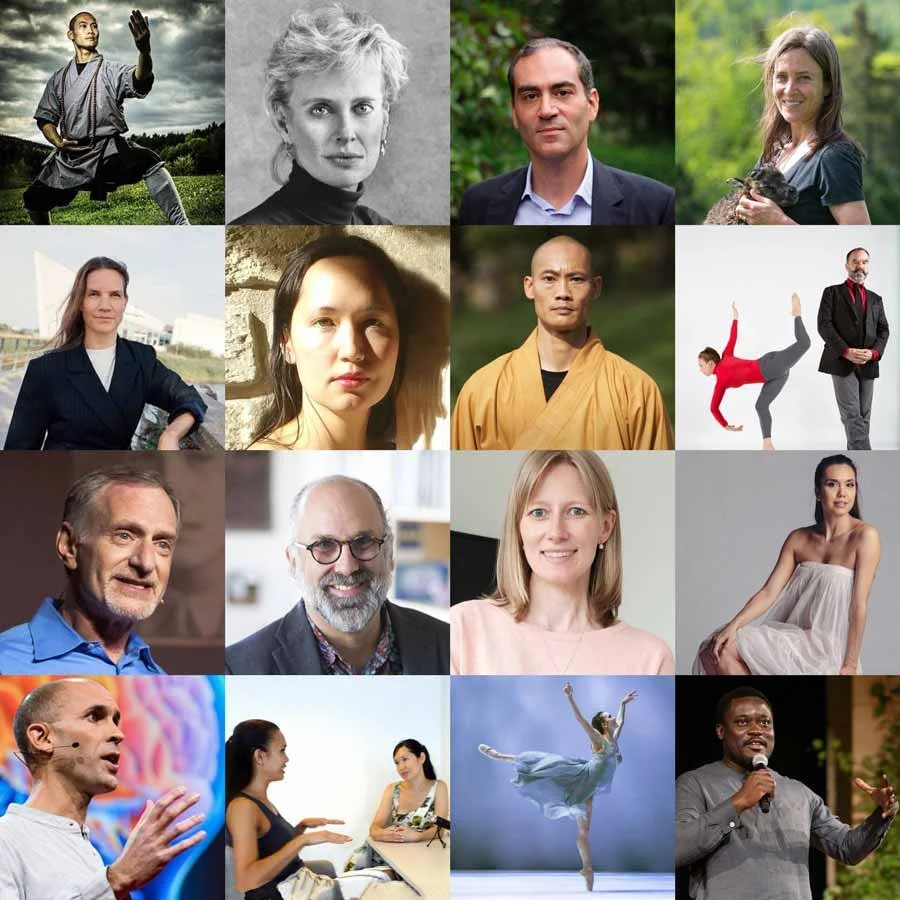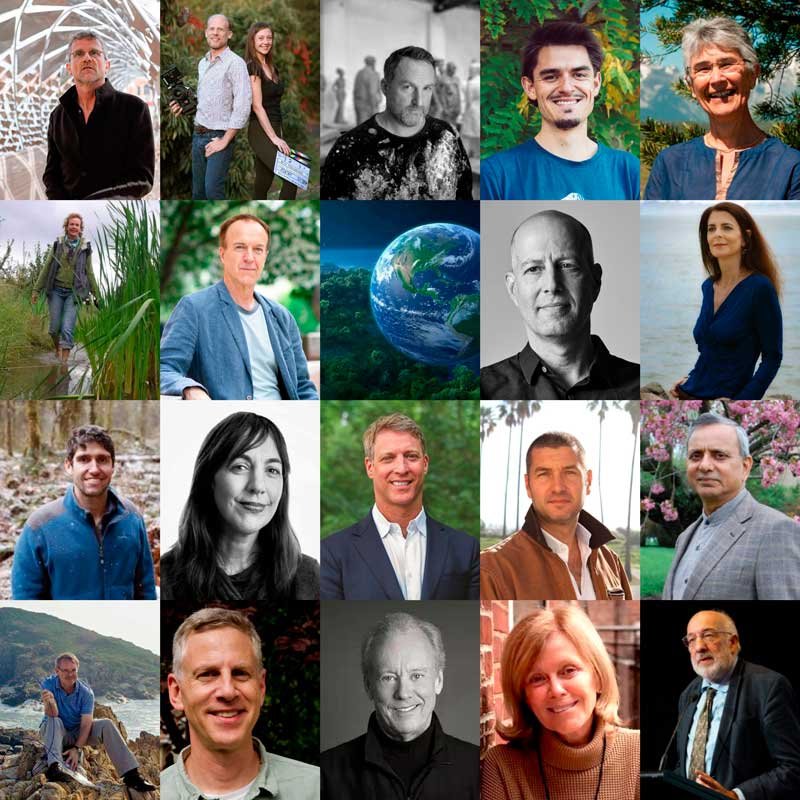


It's my past selves that I feel are so intertwined with the experience of moving home and of childhood, that they're inside of us, that they're with us.
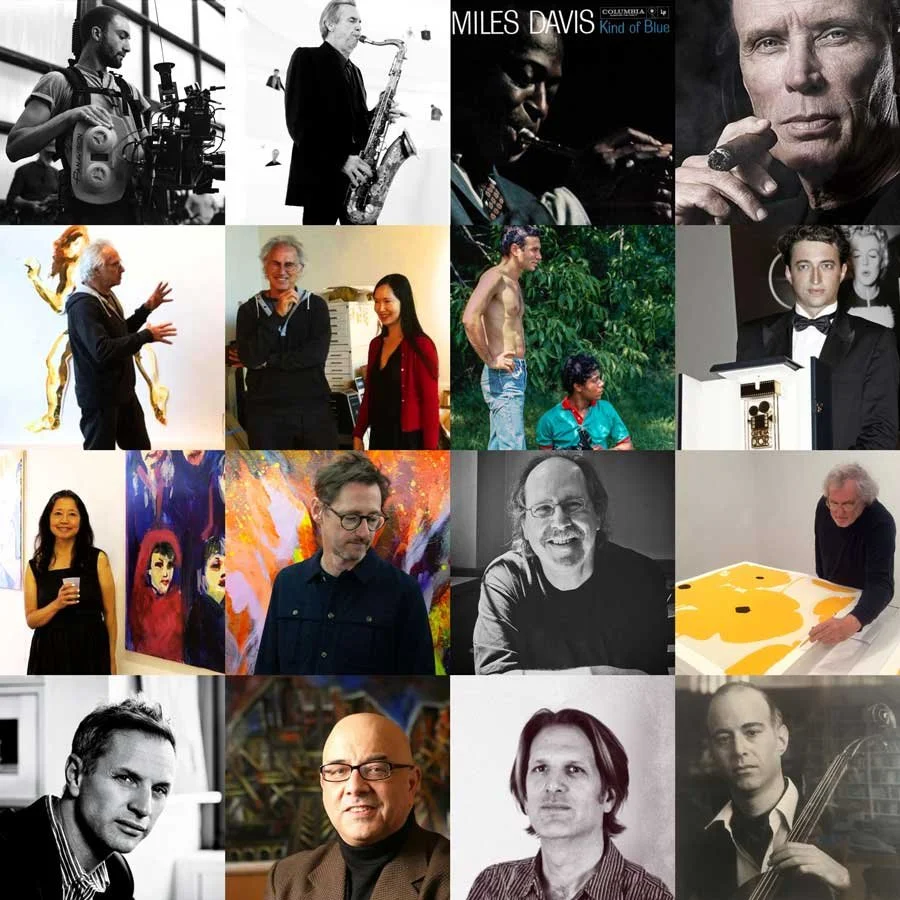
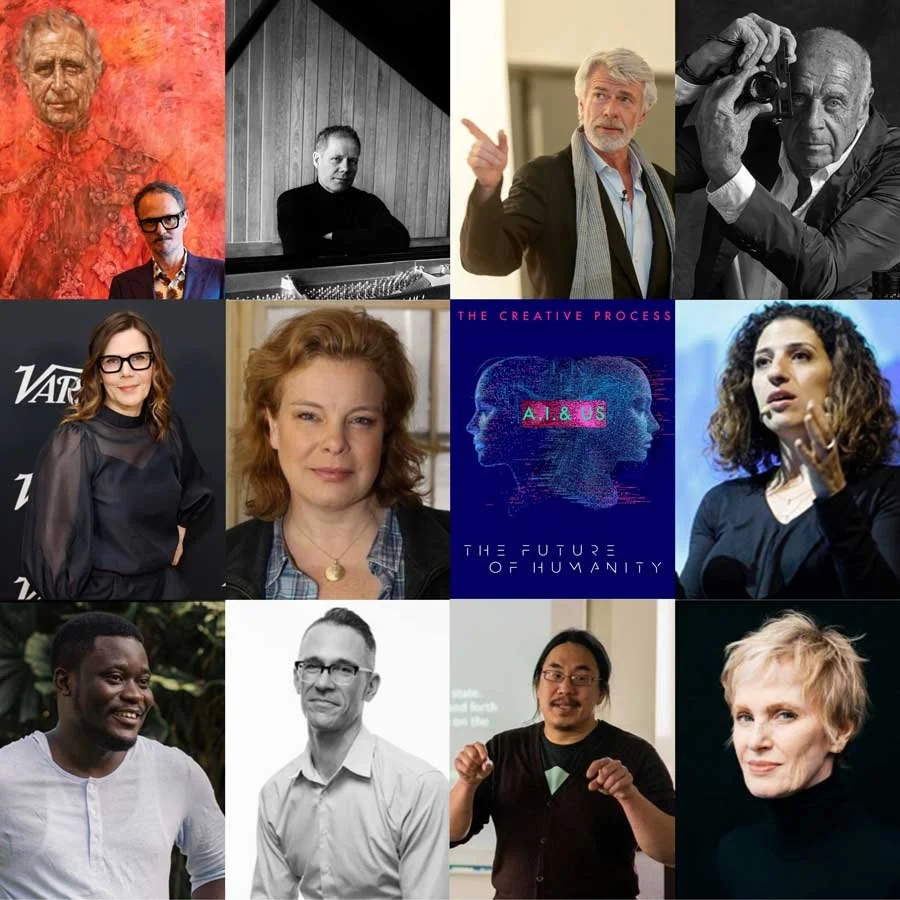
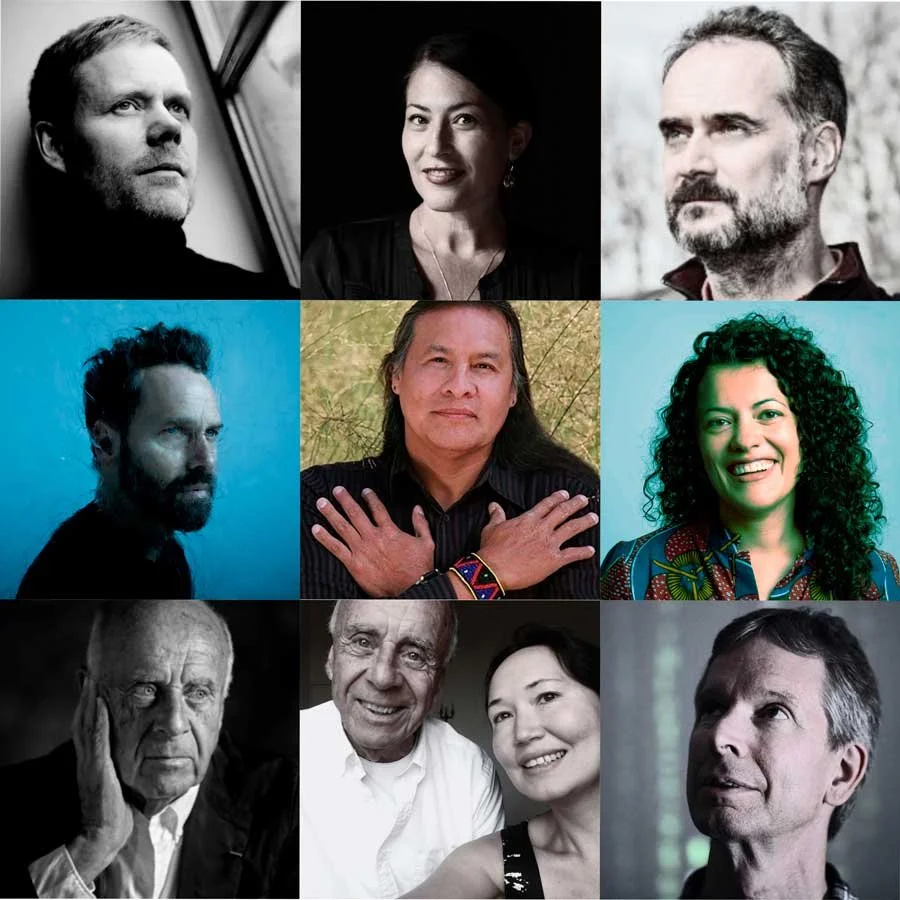
Those past selves that the poet Ada Limón speaks of aren't ghosts, they are part of our present. Before we had the words to explain the world, we understood it through the warmth of sunlight, the scent of rain, and the sound of a mother’s voice. Today, we are joined by composers Max Richter and Dustin O'Halloran; biologist David George Haskell; and cognitive psychologist Donald Hoffman. We hear from the host of First Voices Radio, Tiokasin Ghosthorse, Lincoln Center’s Chief Artistic Officer, Shanta Thake; and photographer Ralph Gibson, who reflect on beauty, childhood and the memories that give their life meaning.
ADA LIMÓN
24th Poet Laureate of the United States
Author of Startlement · Against Breaking: On the Power of Poetry
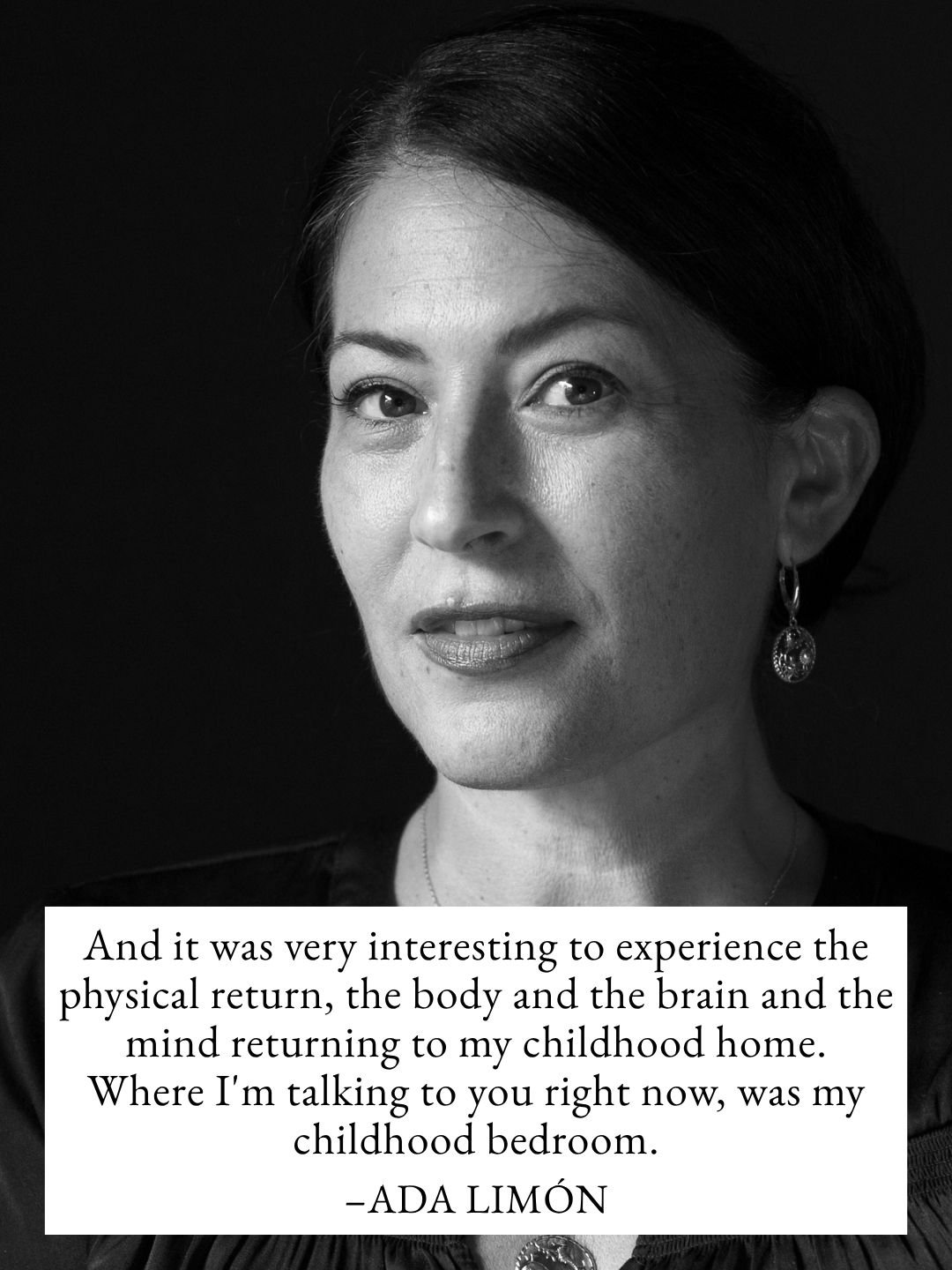
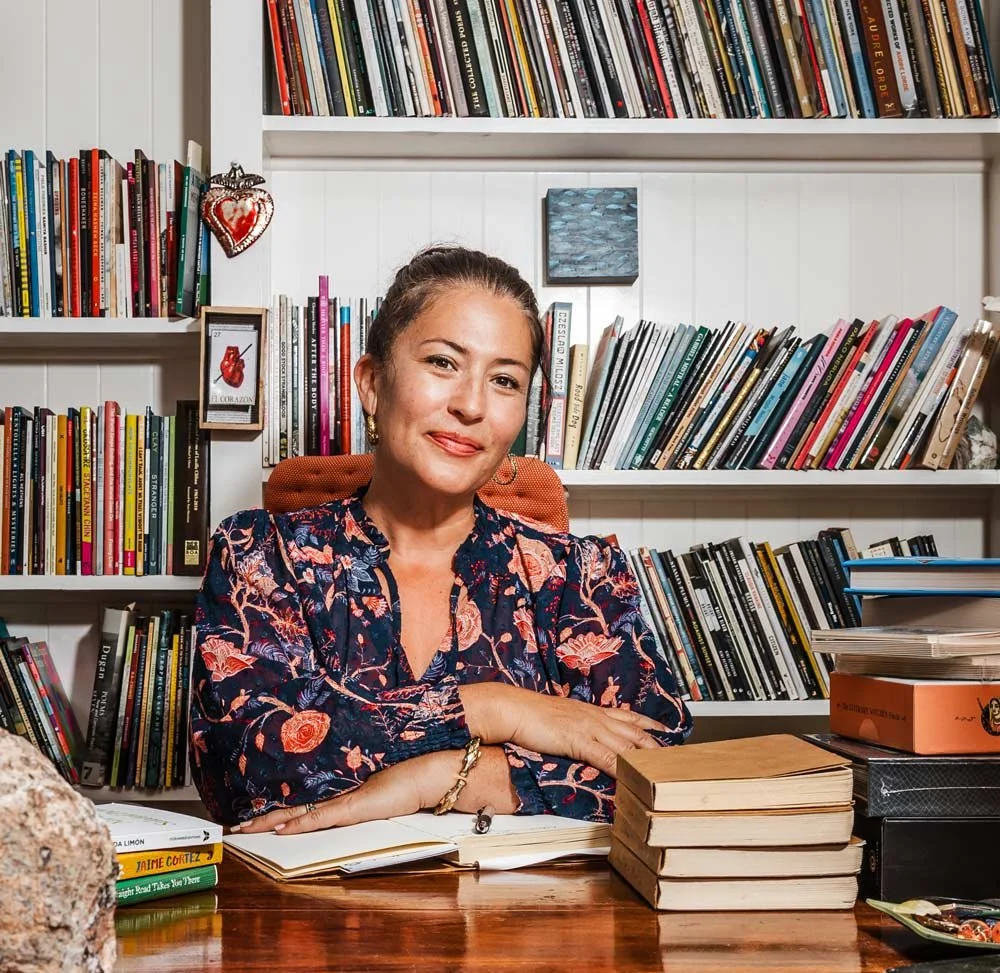
And it was very interesting to experience the physical return, the body and the brain and the mind returning to my childhood home, not just to my home valley, but to my childhood home, a place where my office, where I'm talking to you right now, was my childhood bedroom. The thought of the little self who I was when I first made my first steps, when I first read a word, when I first learned how to read, all of those things were here. And so I moved into this house when I was six months old, so this is the place of memory for me. I can feel my little self in this room. And I remember so well spending hot summer days inside with the fan on, reading, and trying to figure out the language for songs that I was going to make up for my dog.
I walk in the same valley, and I go for the same walk. In fact, I just got back from a little three-mile jaunt that I do near daily. And I was thinking about how many times I used to walk to that same and look at it and dream, and now here I was doing the same thing. So it's not as much as the people who have passed, although they're here, but it's my past selves that I feel are so intertwined with the experience of moving home and of childhood, that they're inside of us, that they're with us.
TIOKASIN GHOSTHORSE
Founder · Host · Exec. Director of First Voices Radio · Founder of Akantu Intelligence · Master Musician of the Ancient Lakota Flute
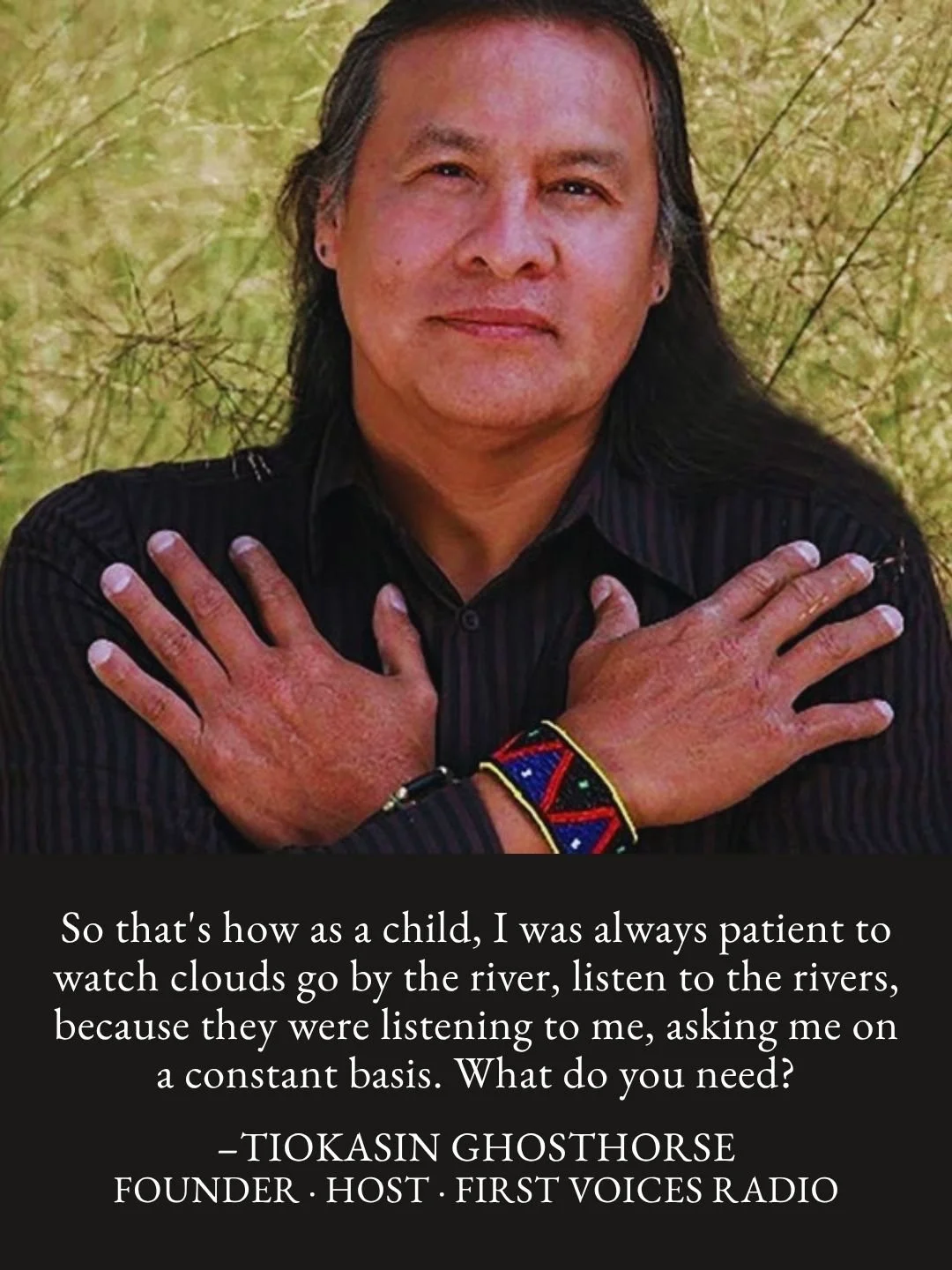
Yes, I have to say I was born at a time when it was against the law to be born naturally, we had to go to the Western hospitals. And at this time, there was no phone, we lived in a log cabin, my parents and they lived with that. I would say abundance because they had their own gardens and there was a running river right there, but they had no electricity either. There was no such thing as Wi-Fi, of course. So what they did is, because it was against the law for children to be born naturally, my father and my grandfather were out hunting on horses. My grandmother and my older brother were home in the log cabin, and my mother was, of course, ready to bear a child to be born.
And her water broke, and she lived three miles from the hospital, and since my grandfather and father were out hunting, there was no car. So she waddled. She walked three miles to the hospital and on the way, she said to hold on, hold on, hold on. Finally, she got to the hospital and my father arrived just in time on horse. And there I am with the lesson that I want to say here that I was taught from that point of understanding I was going to be born to being born is my mother saying, hold on, hold on. That meant I had the virtue of patience.
MAX RICHTER · CBE
Oscar & Golden Globe-Nominated Composer
SLEEP · The Blue Notebooks · The Leftovers · Ad Astra · Hamnet
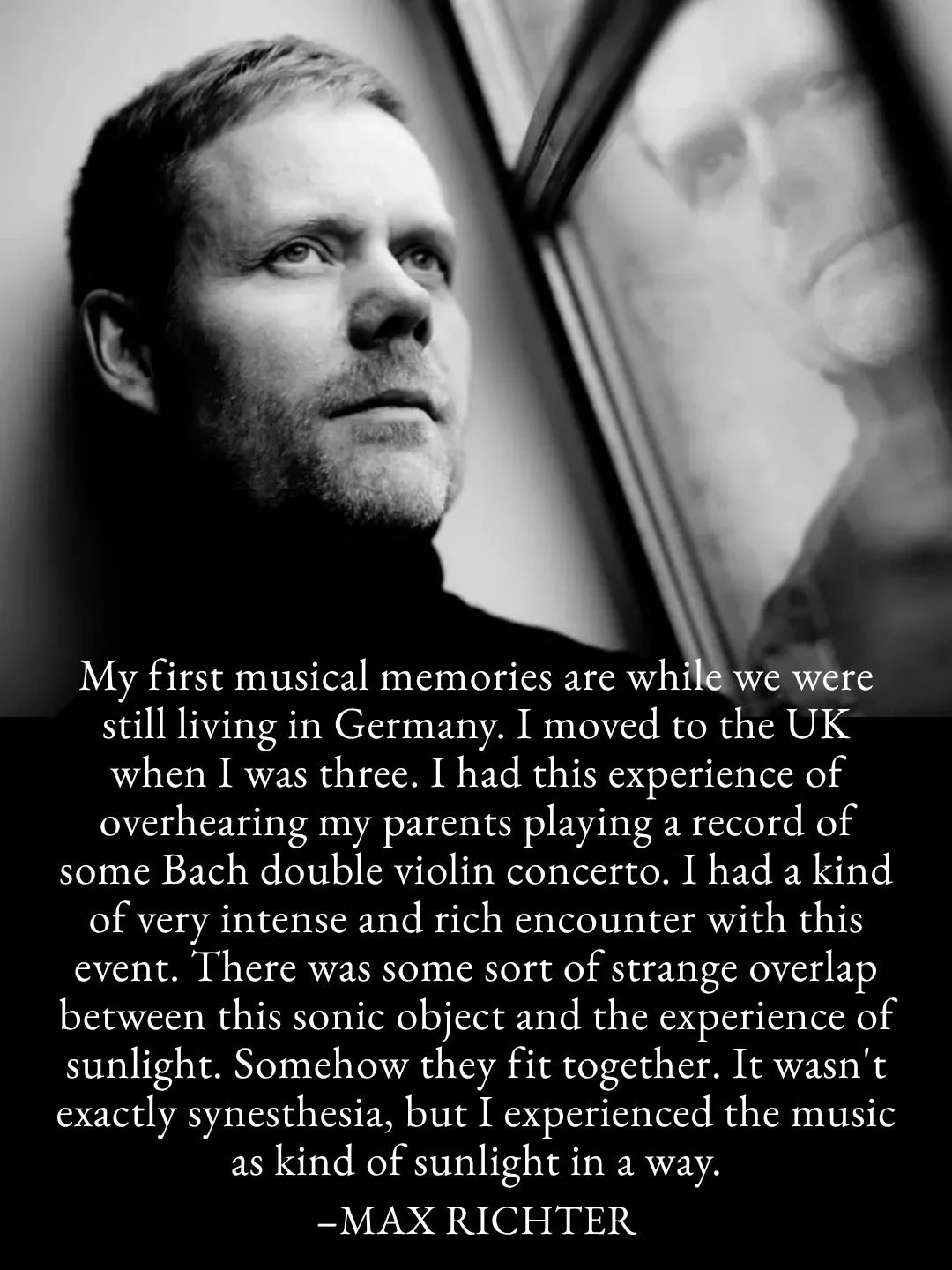
Well, yes. My first musical memories are, I can sort of pinpoint the time really, because it was while we were still living in Germany. And I moved to the UK when I was three. So it was before that. And I had this experience of overhearing my parents playing a record of some Bach double violin concerto. And I had a kind of very intense and rich encounter with this event. And the first was that I had this feeling that there was some sort of strange overlap between this sonic object and the experience of sunlight. That there was a kind of, somehow they fit together. It wasn't exactly synesthesia, but I experienced the music as kind of sunlight in a way.
And the other thing was that while I was listening, obviously followed the melodies and loved what was happening in the music. But I also had this intuition that there was something else behind these sounds. A grammar. Something which caused them to add up to more than just sounds. So that there was a structure, some kind of grammar, some kind of language, which was governing the relationships and made them add up to something more. And I wanted to know what that was. I wanted to know what the rules were that made that structure happen. So that was one of the things that really lit the fuse for me.
TIOKASIN GHOSTHORSE
Lakota Activist · Educator · Musician
So that's how as a child, I was always patient to watch clouds go by the river, listen to the rivers, because they were listening to me, asking me on a constant basis.
What do you need? What do you need?
Do you need air? Do you need food?
Do you need water? Do you need warmth?
What do you need?
So it was always caring for me, and I was aware of that. Instead of me going to nature and listening. Well, we're told anthropocentrically that we humans can listen to nature. But not if we don't know that nature is already listening to us and providing that ability to listen, see, so it all goes back to where Earth is alive and to be patient enough for you to understand and that she is having patience enough for you to understand.
That's a lot of words, but that's how I was very curious. As a boy wanting to in the only way that could satisfy my curiosity is by understanding things a little different, coming from the culture that I come from. That's what I want to say all through the little boy until I qualified to speak as an adult. And once I was able to do that, then I took all my experience of those decades of growing up. I say decades of growing up because I don't think a human being is totally grown up until they realize where they're at in consciousness and in presence and in this moment.
That's the energy of evolving. So that's how I was growing up. And this allows me to speak from that heart of that little boy and yet use words that are foreign to me in this English and try to convey what I was feeling then and throughout my life.
SHANTA THAKE
Chief Artistic Officer · Lincoln Center for the Performing Arts
Let's see. I would say... Oh, I grew up next to an amusement park, so I always like the sound of a rollercoaster. I have a huge sense memory of being at home. I worked at this amusement park, Holiday World, for five or six years of my childhood, since I was 14 years old. So I have many, many sense memories of a rollercoaster, the sound of the clicking up of a rollercoaster. And the sights and sounds, the scents of corn and soy fields and what that is like. The sound of a football game, a Friday night football game, which animated most of my high school life. Marching bands. All of those feel very uniquely American, but it certainly was a huge part of my childhood.
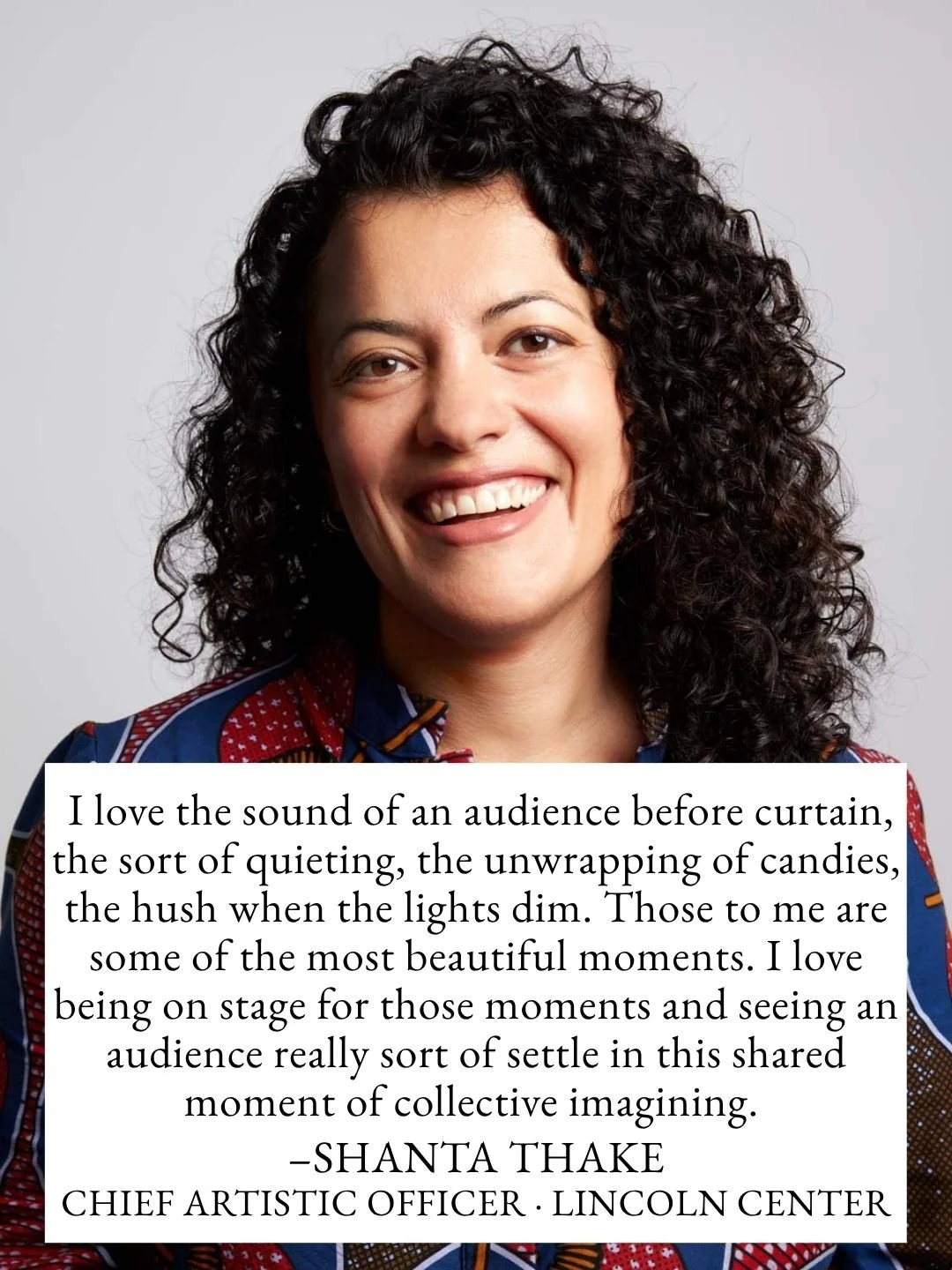
I love the sound of an audience before curtain, the sort of quieting, the unwrapping of candies, the hush when the lights dim. Those to me are some of the most beautiful moments. I love being on stage for those moments and seeing an audience really sort of settle in this shared moment of collective imagining.
DUSTIN O'HALLORAN
Emmy Award-winning · Oscar-nominated Composer · Musician
1 0 0 1 · Silfur · Transparent · Lion · Lumière (Expanded)
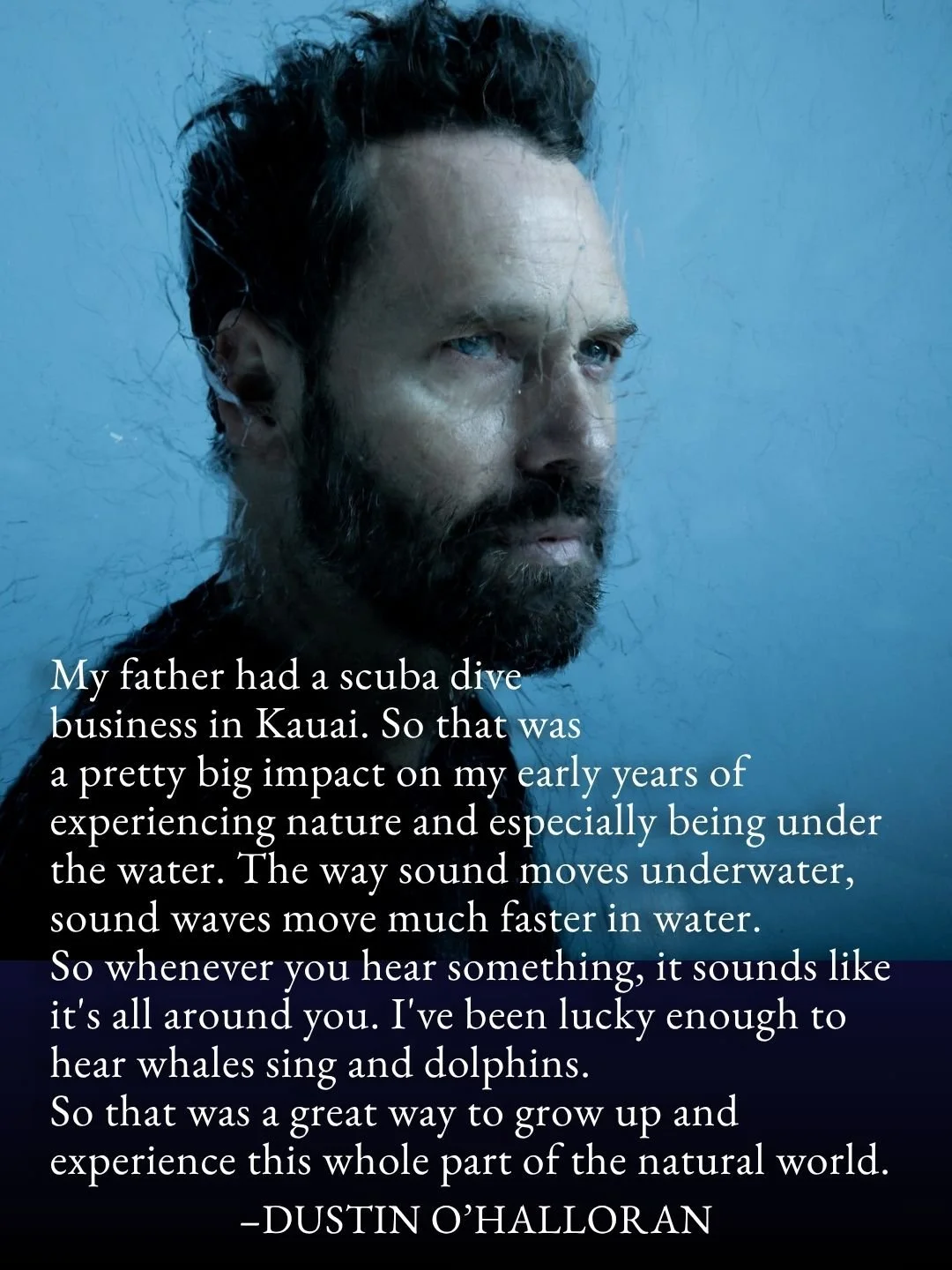
My father had a scuba dive business in Kauai. So I grew up scuba diving since I was about eight years old, and that was a pretty big impact on just my early years of experiencing nature and especially being under the water. The way sound moves underwater, sound waves move much faster in water. So whenever you hear something, it sounds like it's all around you. And I've been lucky enough to hear whales sing and dolphins. So that was a great way to grow up and experience this whole part of the natural world that most people don't get to.
The thing about nature that I think is most profound is that it is always truthful. And I think that that's something that always resonates with me. Whenever I'm in raw nature, there's just an undeniable truth and a sense of how it's supposed to be. And I think that that's something that I reach for in my own music and where I try to take myself out of my own single being to try to be in touch with all of it. And I think that that's just something that's so resonating in nature, the sense of wholeness and connectedness.
When I'm writing music, I don't think I'm ever specifically trying to capture any of these moments specifically. I think it's just the way your mind works when you're in nature and the way you're able to hear yourself and peace really. So there's always this very strong connection to creativity in nature for me.
DAVID GEORGE HASKELL
Biologist · Author
The Songs of Trees · How Flowers Made Our World
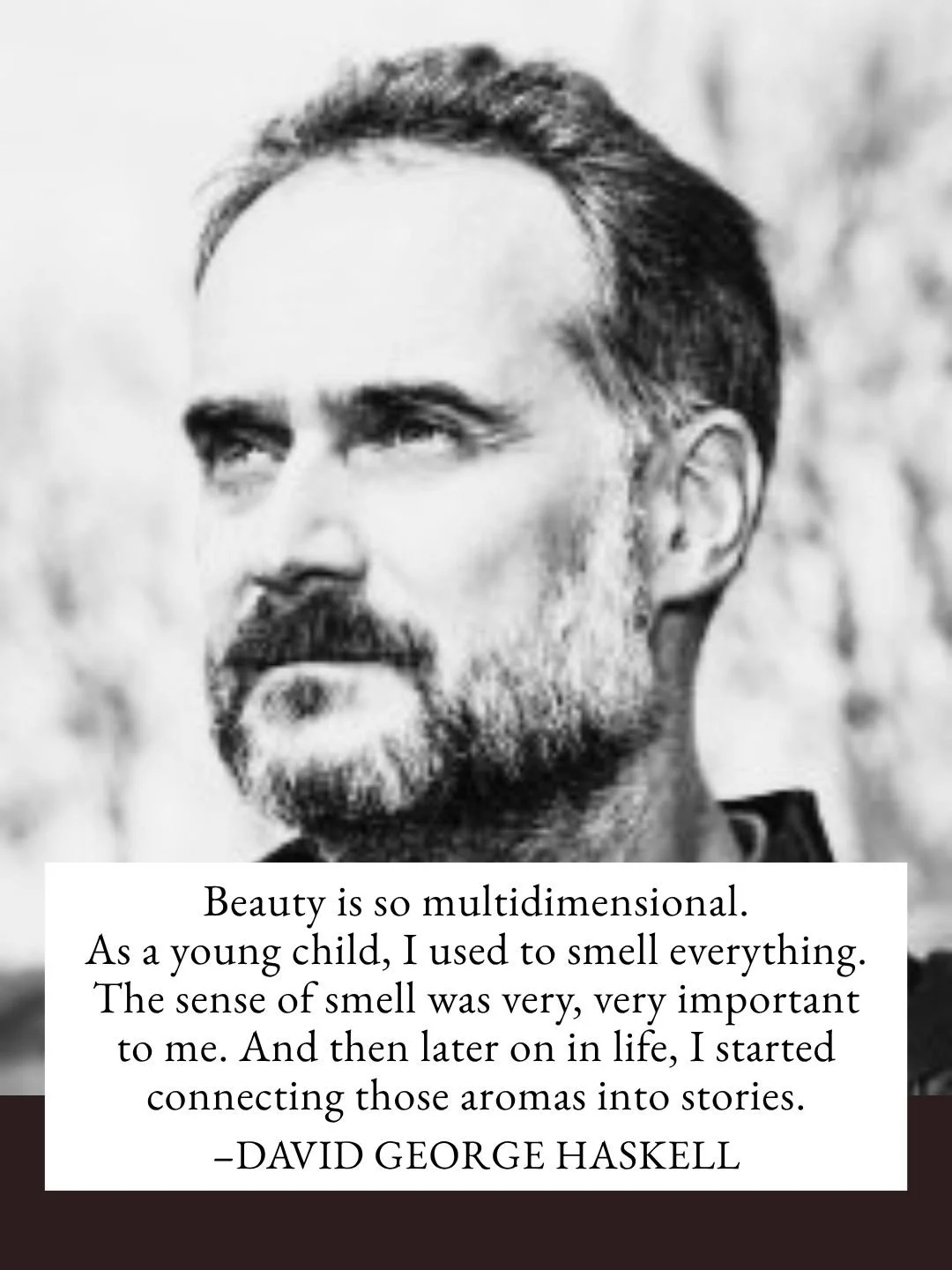
That is a very hard question because for me, beauty is so multidimensional. As a young child, I used to smell everything. Every book I would sniff, I'd sniff the spice jars. I loved to go to the cheese shop because there were so many different aromas. So there were pleasant aromas and then some quote-unquote not so pleasant. And so the joy that comes from aesthetic appreciation, although I wouldn't have termed it like that when I was five years old, came to me first, I think, through my sense of smell. And later probably through music.
But the sense of smell was very, very important to me. And then later on in life, I started connecting those aromas into stories. Oh, this flower smells this way because it's speaking in an aromatic language to a single species of bee or to some flies, or whatever the pollinator is. And that to me is a sort of intellectual beauty of these sense impressions that then lead into ideas and stories from the present and past. And then my own past is like, oh, I remember this flower from 20 years ago. And so there's an emotional connection.
And so that sense of beauty for me, there are early moments, but then they grow, they sort of blossom if you will. As I think this is true for a lot of us as we age, we weave new parts into those stories. Some of them are very sad. They remind us of people and places that are now gone from us. But even in that connection, in that grief, there's a remembrance that I think is really important and really human.
MAX RICHTER
Composer · Pianist · Producer
While The Flood Rages
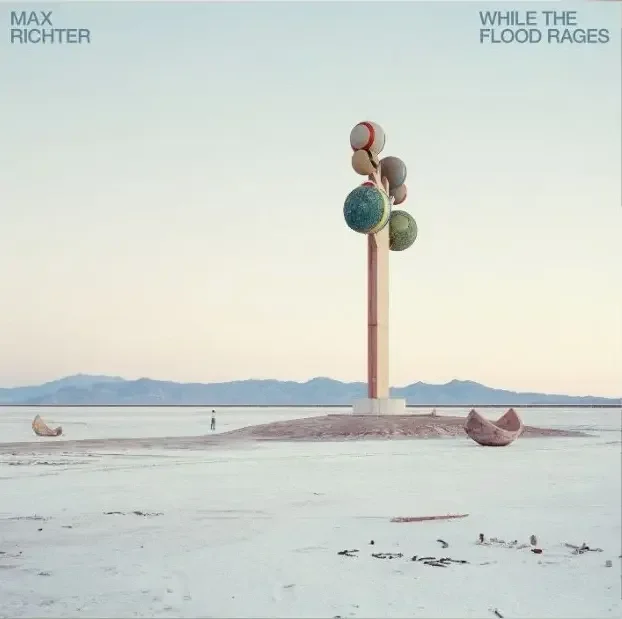
Well, the natural world has its own sonic language, its own fingerprints. And that's one of the beautiful things about being out here. We've built this studio out in the woods, and as somebody who's been a city dweller most of my life, the city obviously is a very rich sonic environment. And we are sort of habituated to that. But out here, there is another acoustic environment, another sort of sonic fingerprint and always changing.
And every day is a sort of a different sound picture. I walk out the door and, yes, you do hear it changing over time. The leaves are coming in now. Different kinds of bird song. The wind sounds different. It's a wonderful thing to be around and to experience.
DUSTIN O'HALLORAN
Composer · Musician
A Winged Victory for the Sullen · Eleanor the Great · Lumière
Because I feel ultimately people want human stories and people want to connect. And I think that it's such a powerful thing and it's moving so quickly and just in the short time in my lifespan, it's happened and my generation is the last generation to remember a world without the internet and what that was like and what did we do with our time? What did we do with the in-between times? And I think a lot about people growing up now and have no idea that there were moments where you could be bored and your mind would wander and what you actually access in those times and how important it is. There's so much happening right now and I think that it's a very interesting time even if there's a lot of concerns.
ADA LIMÓN
National Book Critics Circle Award-winner
Author of The Hurting Kind · The Carrying
It's not something you move past. I keep thinking about the idea of growth. And you mentioned the mother tree, is so beautifully said, and I keep thinking about how as we grow up, grow older, and we think of growing wiser, and we think of forward momentum. And what I'm finding here is the deepening of the root systems, so that all that forward momentum might be happening, but at the same time, the roots are going further and farther to stabilize and to reach out, and they're happening at the same time. It's not one or the other, it's not that I look back or I look forward, it's that the simultaneity of this moment is creating this really rich present that is new for me. And I'm really delighting in it, and sometimes I'm overwhelmed by it.
DONALD HOFFMAN
Cognitive Psychologist
Author of The Case Against Reality: How Evolution Hid the Truth from Our Eyes
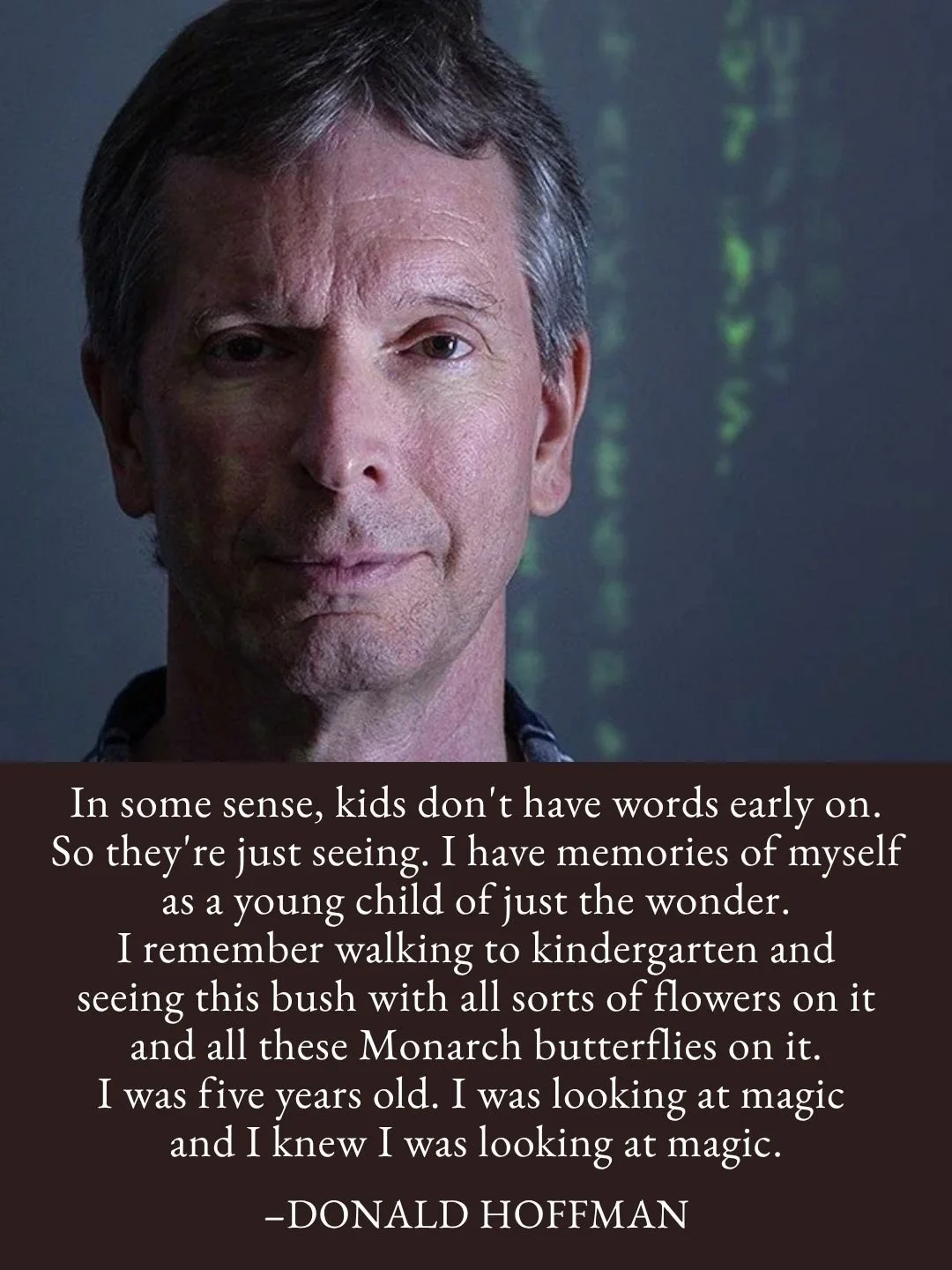
So I see that in children, and that continues into adulthood and I think that's one of the things that we face in meditation is letting go of our complaints. That is letting go. What's interesting to me is that it is there in childhood. In fact, one of the first things you do when you're born is you cry, you come out and you start crying. So we're born. And initially this is about the only way we can communicate is to complain by crying.
But then there's the openness to new experiences. In some sense, kids don't have words early on. So they're just seeing. Without a filter of words then, and I even have memories of myself as a young child of just the wonder. I remember walking to kindergarten and seeing this bush with all sorts of flowers on it and all these Monarch butterflies on it. And I was completely internal. I was five years old.
I was looking at magic and I knew I was looking at magic and I stayed there so long that I was late to kindergarten. And I learned that I got in trouble for that. So taking time to enjoy the magic I learned early on was something that would get me in trouble. And so that's growing up and becoming adults and so forth. We often learn to not give time to the magic because there is no time for it. You need to get onto the next thing.
So I say to myself and my grandchildren that they can see things and love those things without sometimes the veil of concepts that adults have. I see it. I name it. I think I know everything about it and I don't pay any more attention to it, but if I can just look at that tree, look at that tree trunk, or look at that plant and let go of all thoughts, literally don't name it. Don't bring up all the stuff I've learned about it, and its genus and species and whatever it might be, if I can just let go of all that and just be with the plant in silence for a couple minutes, something happens. The perceptions become more vivid. It's more alive. It's not as dead as when you're just seeing things and labelling them and moving on.
MIA FUNK
Artist · Writer · Host of The Creative Process and One Planet Podcast
It's so interesting when you look at children and they're really discovering their vision for the first time. And I think that they must see things more abstractly or just with their feelings or their sense of shape or even the physics of things. Even everything is a mystery and you can see them gnawing on their foot as though it were a—
RALPH GIBSON
…a legitimate object to gnaw upon!
MIA FUNK
But it's almost separate. I think that it must be so surreal to be again in the brain of a child, to just discover.
RALPH GIBSON
Photographer
The Sonambulist · Self-Exposure
Sacred Land: Israel Before and After Time
It's true. I was with a friend and he took his little daughter, she's four years old or something, to see an elephant. She couldn't see it. We were too close to it. It was too big. She couldn't see it.
MIA FUNK
And so in a sense it becomes a part of you. So the instinct to capture images or to make music, is it some sense to make it a part of you, to understand your times? How has it helped you understand the times you've lived in?
RALPH GIBSON
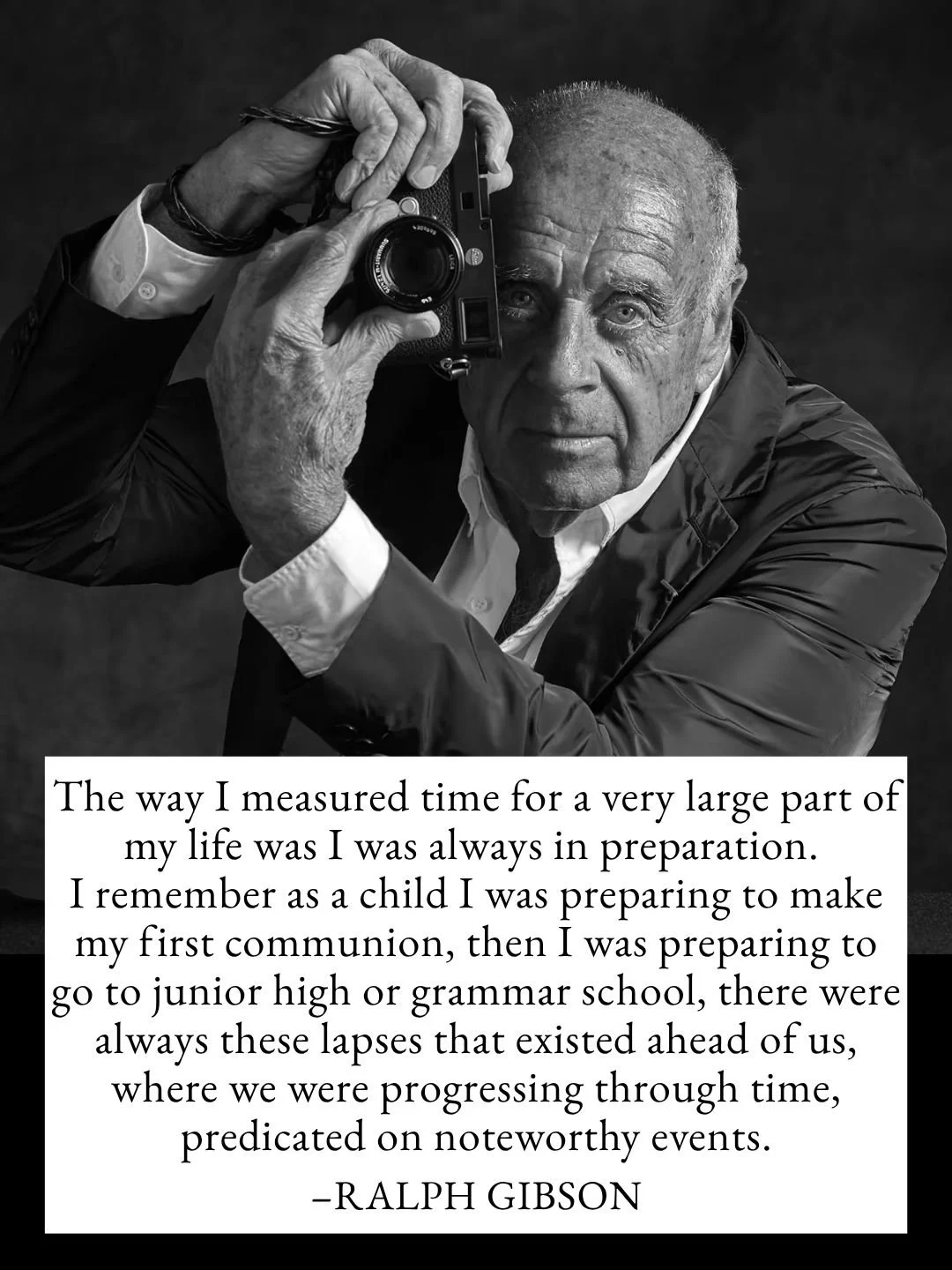
The way I measured time for a very large part of my life was I was always in preparation. I remember as a child I was preparing to make my first communion, then I was preparing to go to junior high or grammar school, there were always these lapses that existed ahead of us, where we were progressing through time, predicated on noteworthy events. Then I went into the Navy. Then I got my driver's license, then I got out of the Navy. And so all these things were, I was always functioning as though there was going to be a significant event, which occurred in some kind of concept of the future.
And that coincided in parallel with the fact that when you're young, you feel essentially immortal, because the idea of being old or dying is so abstract, it's so far away, that you see, I don't know what age you are, let's grab an age and say 27.
MIA FUNK
Oh, that's a nice age.
RALPH GIBSON
Yes, I thought you might like that. So the thing is, when you're 27, all you really can do is process the experience of having lived for 27 years. When you're 40, that's what you know. You know what it's like to be 40, but you don't really know what it's like to be 45 and so on.
RALPH GIBSON
So now that I'm in this phase of my life, Bukowski has this beautiful quote, he said, 'When you're young, time lies before you like an ocean. When you get older, you feel time rushing towards you.' Well, I'm in that phase where all I'm really interested in doing is maintaining my health and doing my push-ups and profiting from as much time as I have left. Because now, I'm at the very peak of my powers as a photographer. I'm getting pictures much faster and in greater ratio, and I'm moving through the experience at a rate that I always had yearned towards. And in terms of exhibitions and publications and all that, I have everything I wanted when I was 40.
I think that there's this valley oak that is outside of my office now, and I remember that that was the first tree I just had this connection to, and I still look at it every day and talk to it every day. And I remember being in a tire swing and throwing my arms up, and the tire swing was on that tree, and just going round and round and round and staring at the branches thinking it was to be sort of flying inside of this tree. And I was both dizzy but feeling very alive, that's one of my earliest memories. I love it because it's me with this beautiful tree, this valley oak.