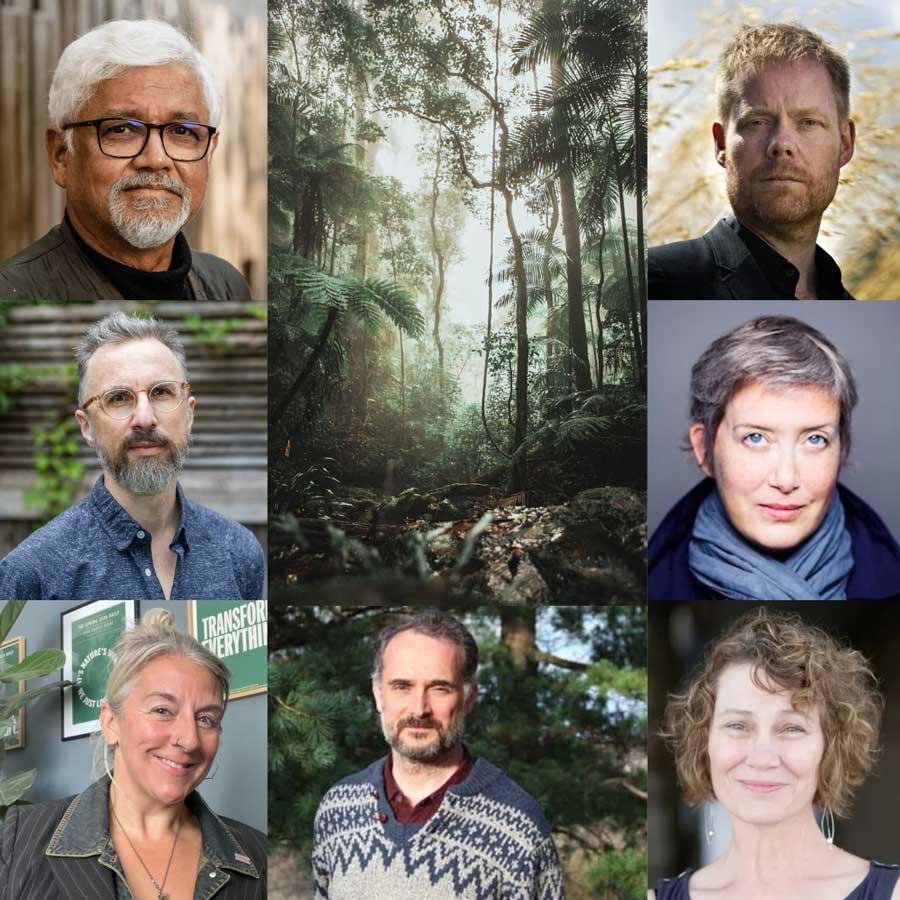


So that's what I would love for people to see and to realize is that nature is so incredibly beautiful and diverse. And so are we.
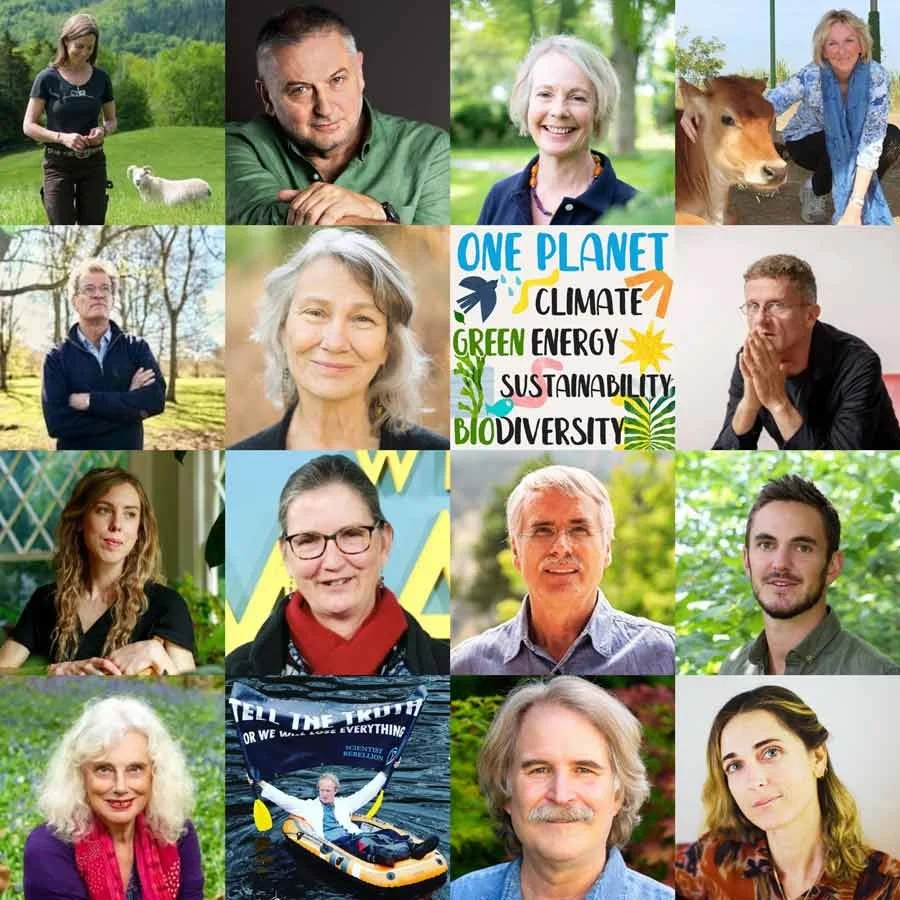
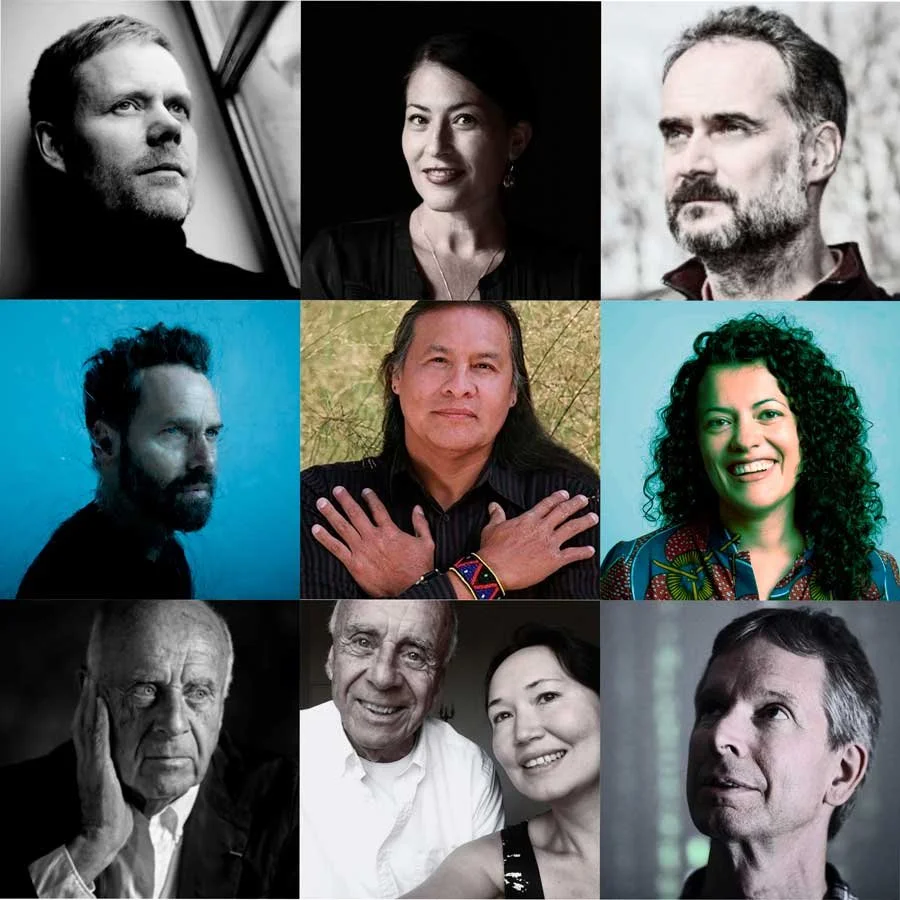
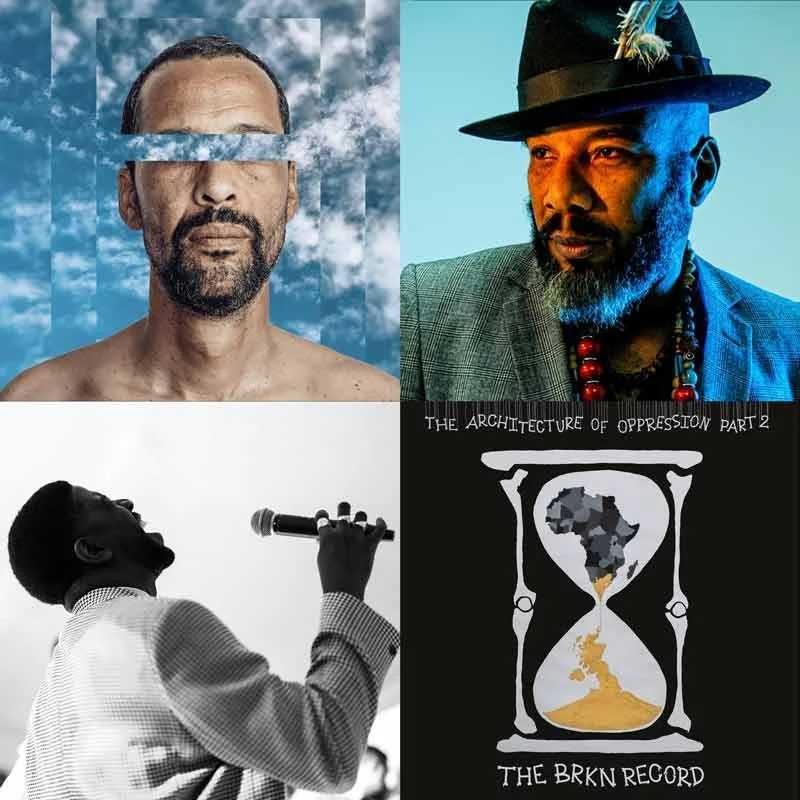
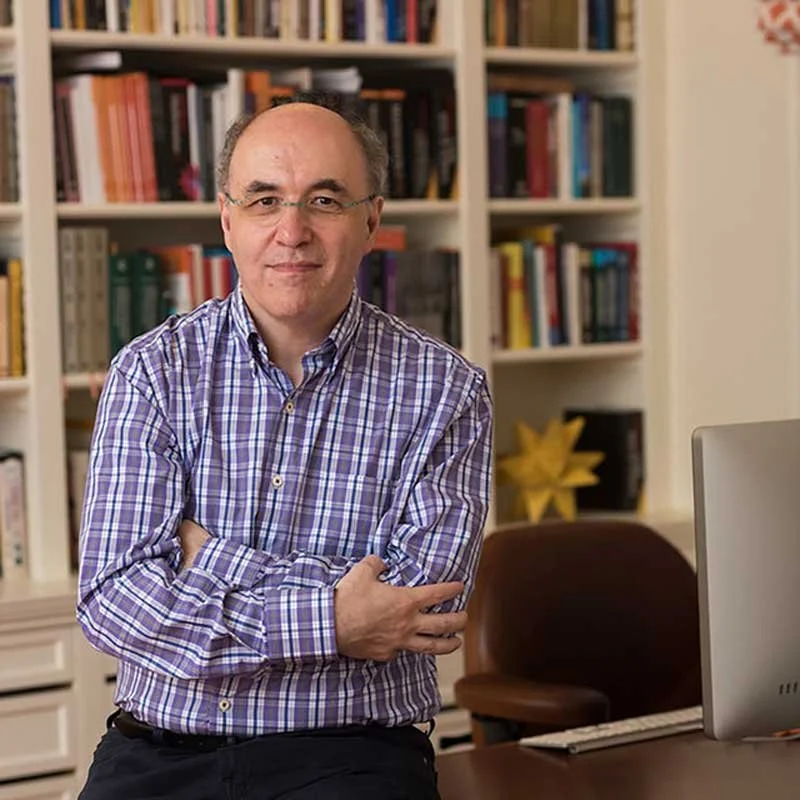
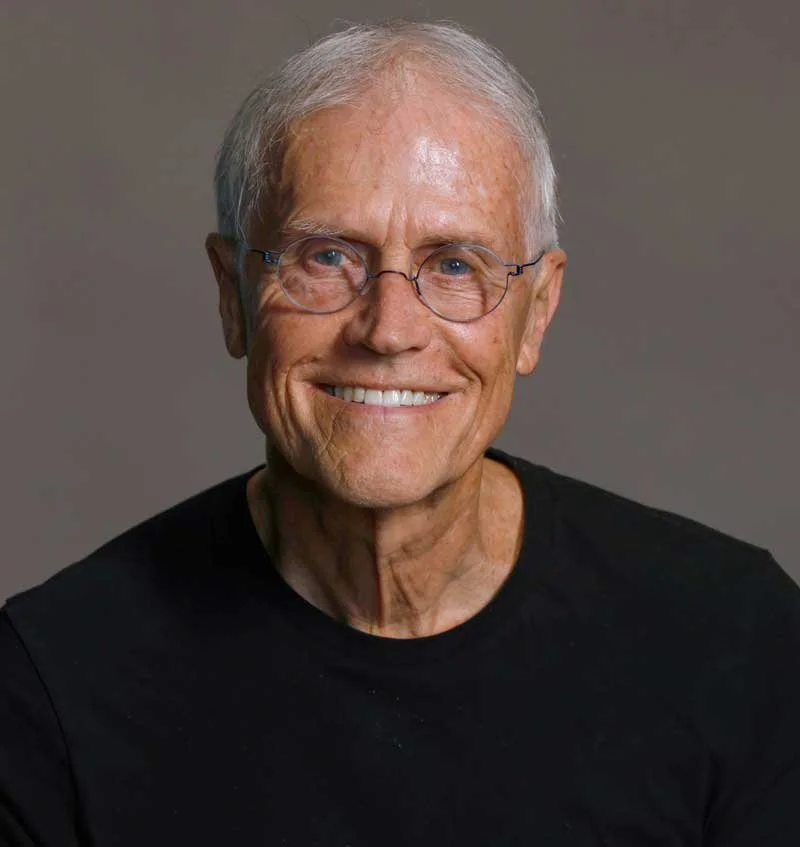
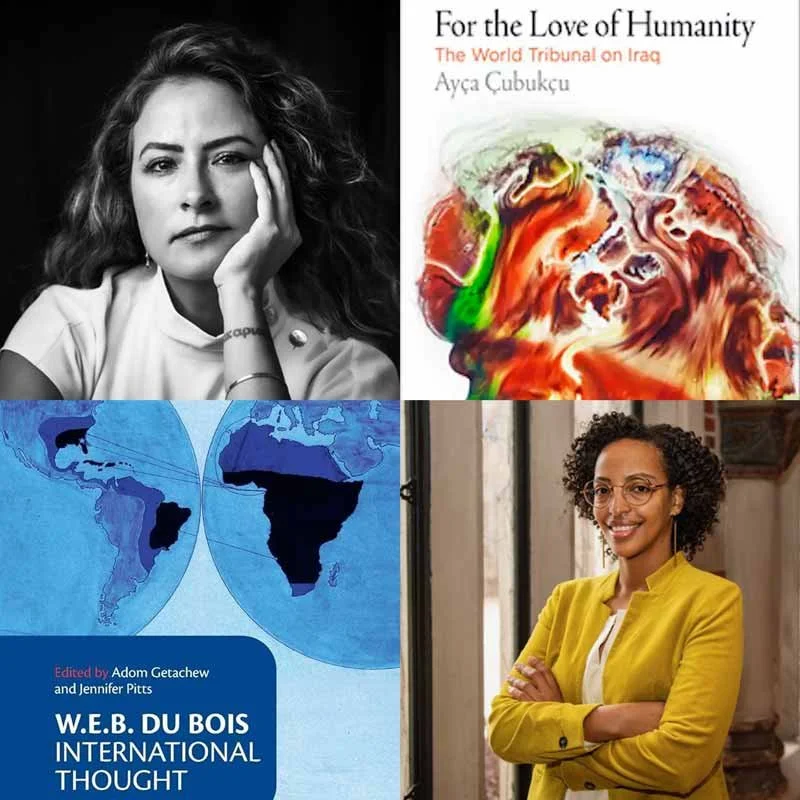
Today, we’re looking at how the landscapes of our childhood shape the way we see the world. We explore memory, nature, and attunement to the present moment with composer Max Richter and writer and biologist David George Haskell. We’re joined by authors Kristin Ohlson and Dan Werb who revisit the freedom of youth. Novelist Amitav Ghosh shares his sensory his experiences of Calcutta. Writer and musician Eiren Caffall reflects on finding hope and living with illness, while circular economy designer Claire Potter reflects on the living world and the art of noticing.
MAX RICHTER · CBE
Oscar & Golden Globe-Nominated Composer
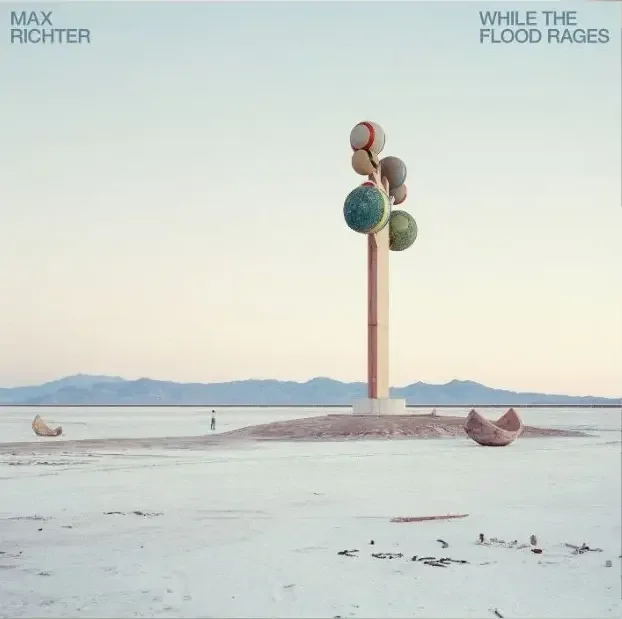
While The Flood Rages · SLEEP · The Blue Notebooks · The Leftovers · Ad Astra · Hamnet
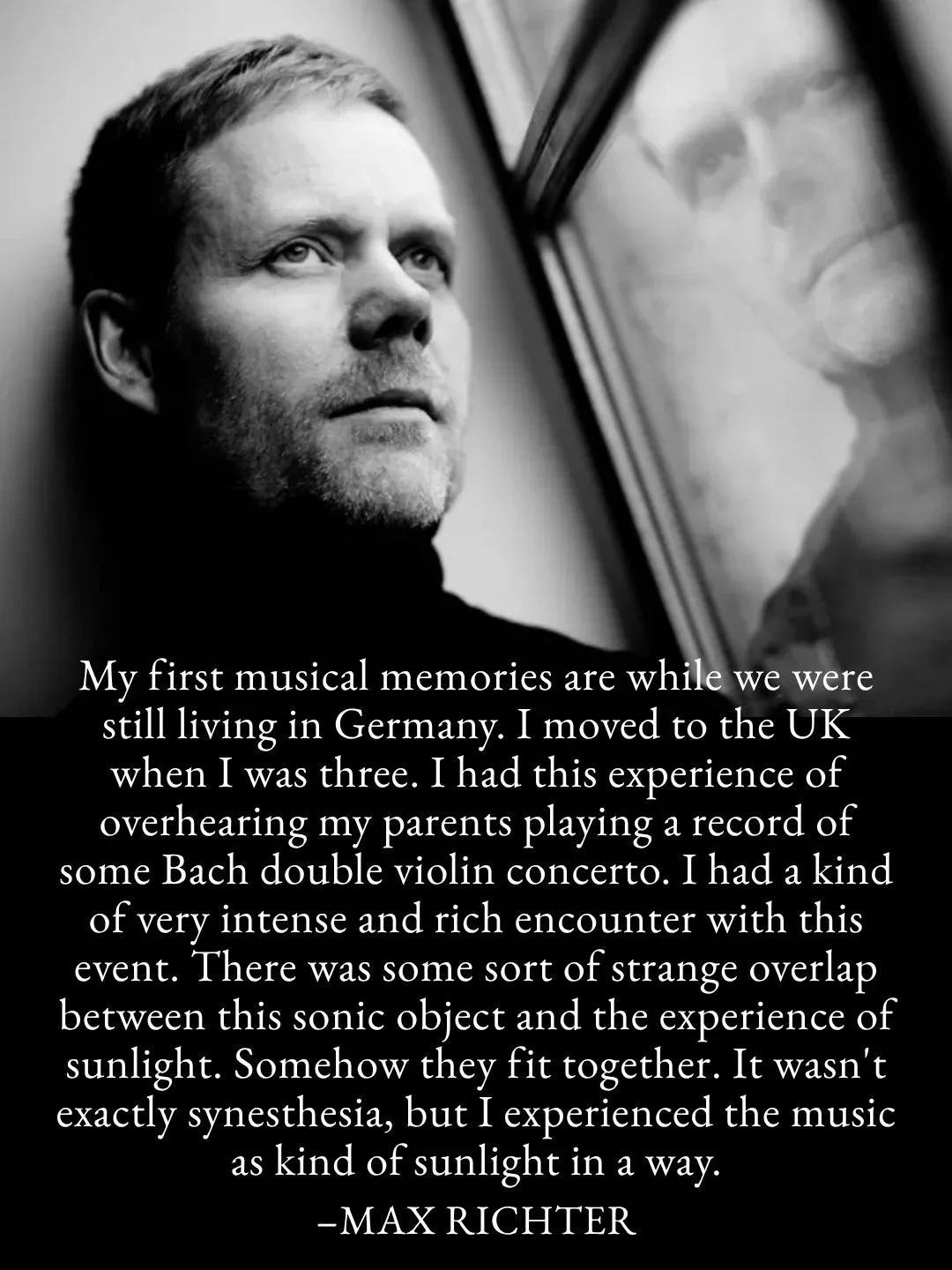
As a composer, I in a way sort of coexist with a continuous stream of music, which is just sort of happening to me mentally at all times. I've had this experience since early childhood. Just at that time, I thought these sort of musical fragments, ideas and melodies were like my other toys. I thought of them as my building blocks or whatever it was, or my drawings, and that I would just sort of play with these bits of music mentally. Later on I found out that that was called composing and that you could do that as a thing to do. I sort of still have the same feeling about it really. I feel very lucky in a way to be able to make my life inhabiting this language, which I fell in love with in early childhood, and that I found a way to integrate that with my other occupations and life concerns. These are really trying to interrogate the bigger questions of our lives. For me, music is a vehicle to travel through life.
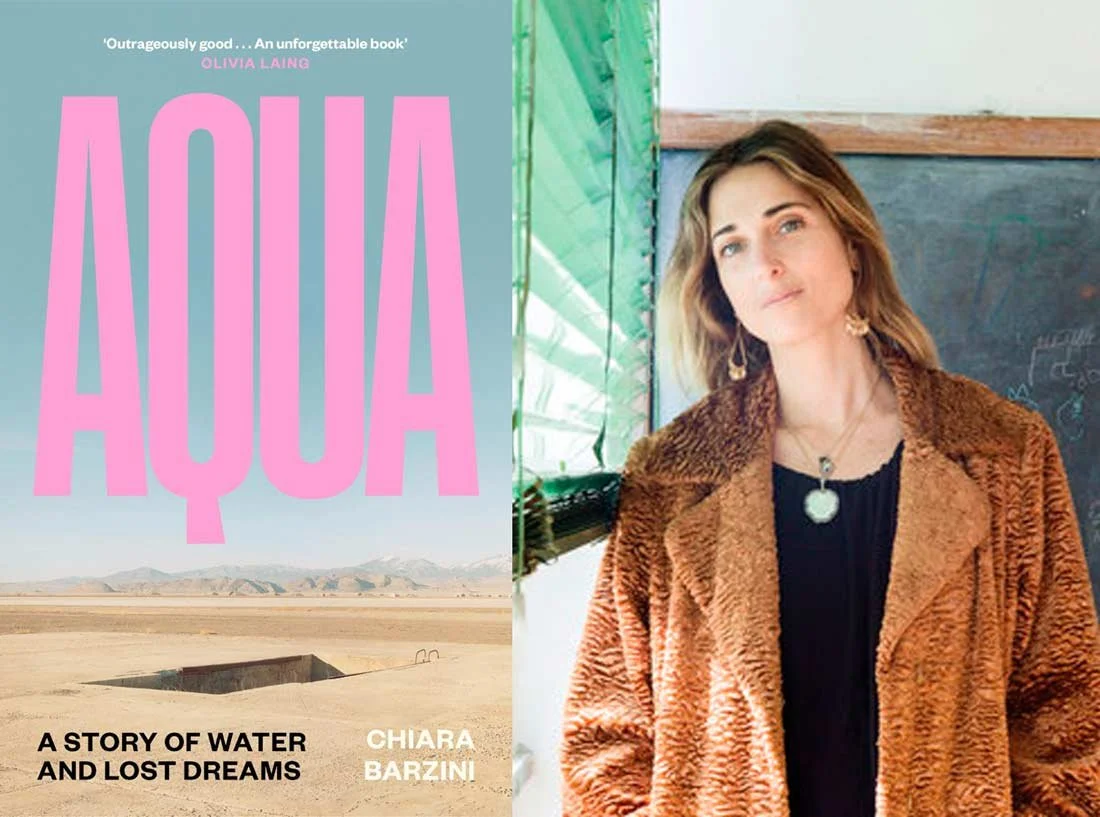
CLAIRE POTTER
Circular Economy Designer
Author of Welcome to the Circular Economy
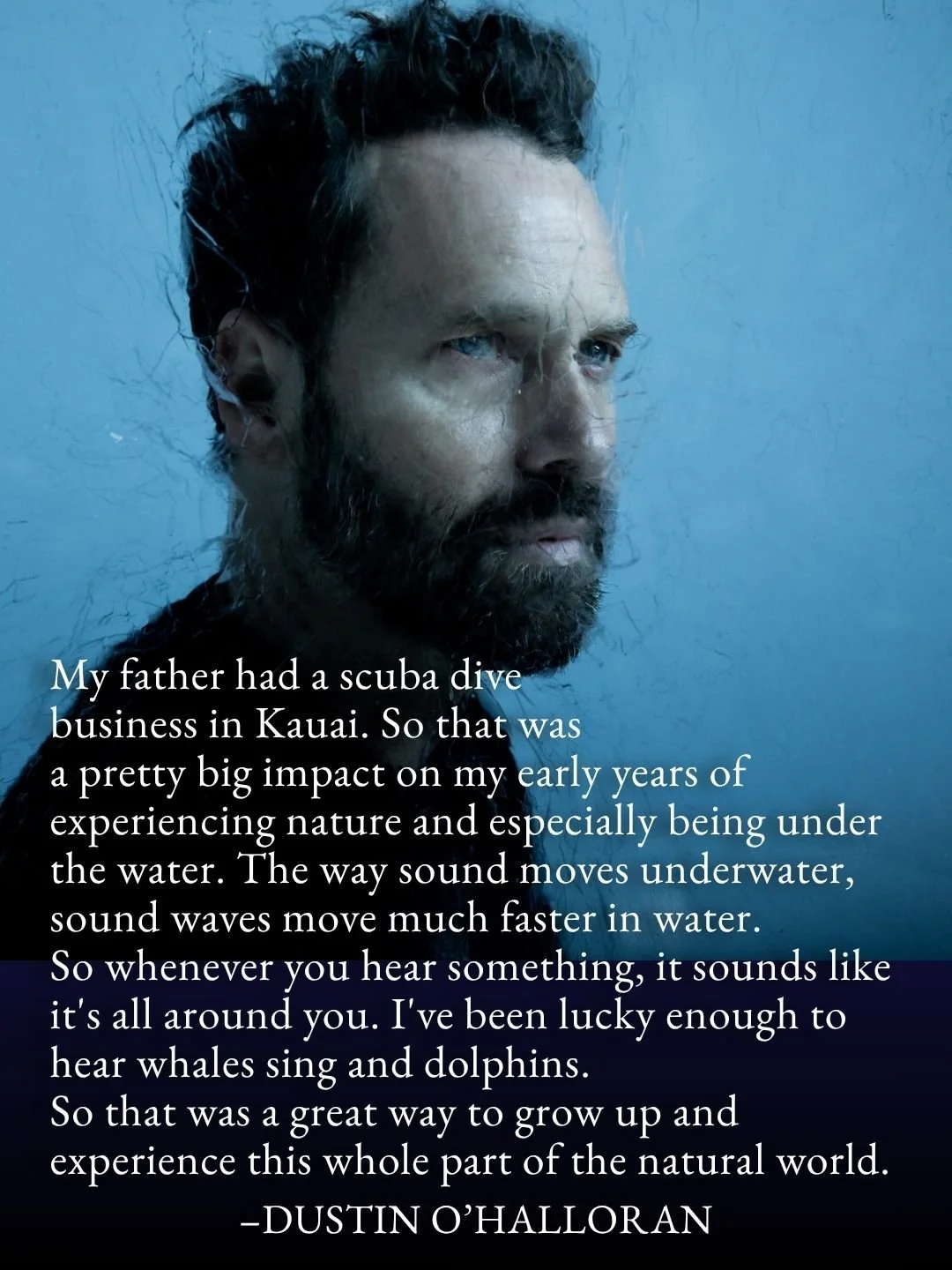
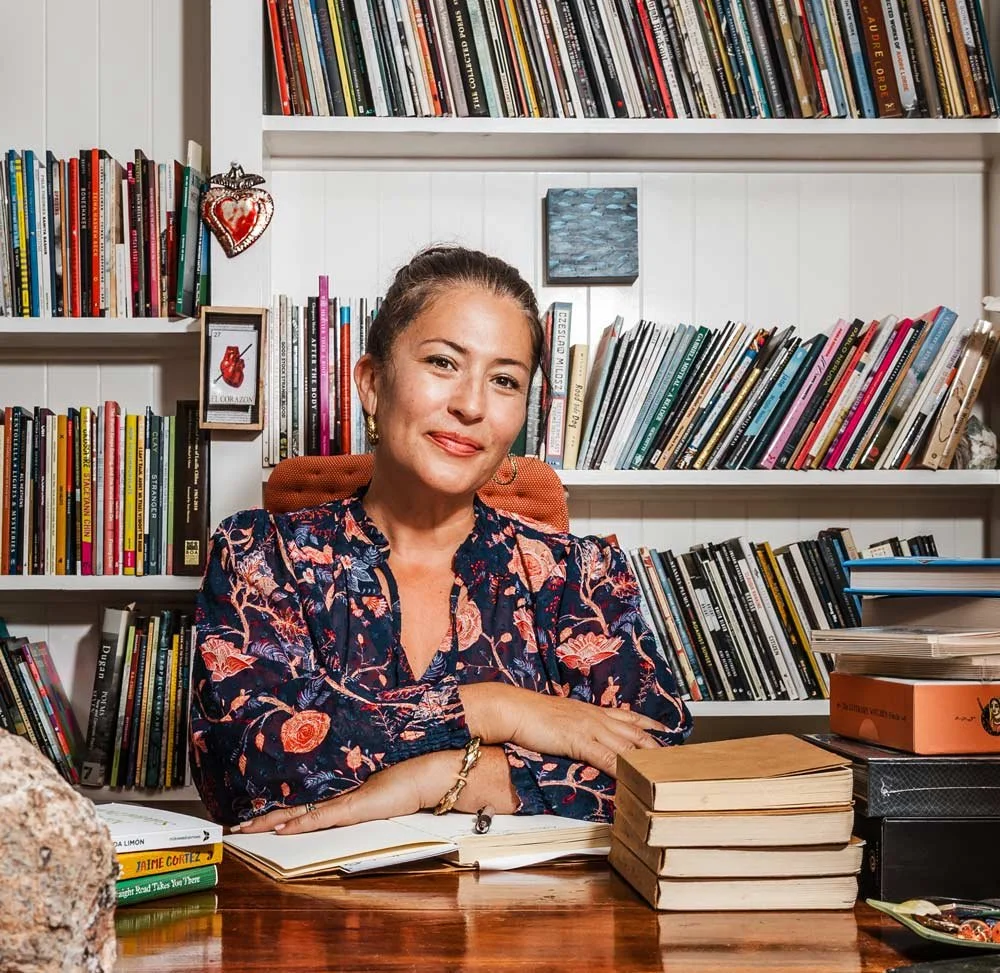
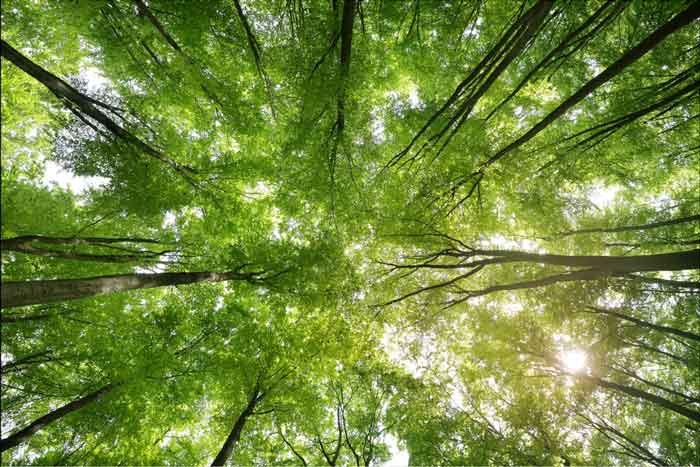
What a lovely question. I quite often talk about how you protect what you love. I'm very lucky growing up in Brighton in the UK. I'm right on the seafront. As a kid, I wanted to be a marine biologist, like a lot of kids in the city, and I love the natural world. I love—you could probably hear the seagulls right on cue. I love the natural world and I had access to green spaces. We went on holiday to the New Forest, which is just down the coast, and a world without that and having the awe of nature is just something I can't even imagine. I'm very lucky that I did have that as an upbringing. That's something that I would want all of the next generations to have in some way or another, to have the ability to access and be amazed by how staggeringly beautiful, complicated, awful in some ways and just brutal the natural world is. But then really sit and think about how the natural world just gets on and does it. It doesn't need interference from us. It doesn't need us to design a particular space. It just doesn't. I look out the window and there are trees that are just doing their thing without any interference from us whatsoever. They're doing it in such a beautifully connected and inclusive way that they're supporting each other. Every species is benefited from everybody else. You could remove humans from that equation and nature would just carry on doing its thing. That's what I would love for people to see and to realize, is that nature is so incredibly beautiful and diverse. And so are we, so how can we take the beauty and diversity of the natural world and actually learn a lot more and stop thinking we're separate from nature? Because we are pretty much all part of that same biosphere on the planet.
EIREN CAFFALL
Writer · Musician Author of All the Water in the World
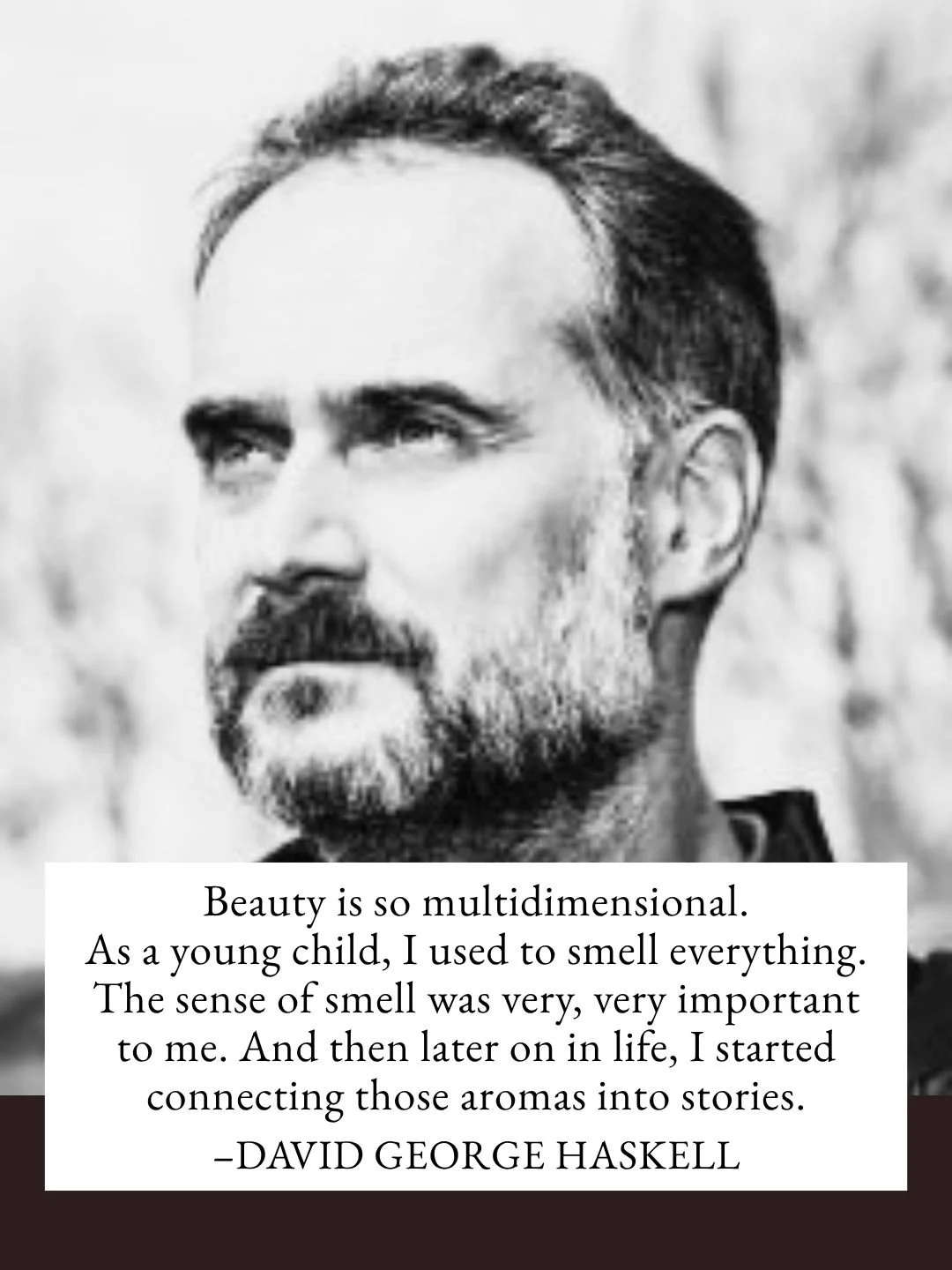
I never knew my grandfather. I knew both my grandmothers, but my grandfather who was one of the ancestors with this disease, I never knew him. At the same time, his practices and his way of thinking were so shot through all of the training that I got as a young person growing up. One of the things that was so clear to me in the philosophy that I feel was part of that upbringing was that my family has all been interested in the environment in one way or another. He was a fisherman.
He trained my father to fish, and my father trained me to fish. There's this legacy of information that's being passed on generation to generation in terms of relationship to the natural world that is very practical. I can teach you the skill and you'll be able to take it on, but it's also a worldview that said I am allowed as a person, even as a person with an illness, to be able to participate in the world and to learn new things. There was also this real idea—and I feel like this is very much a part of the novel as well—that I may not make it to be able to train you as my child, to be able to fully inherit everything that I am and all I've come to understand about survival and what it means and how to thrive in the moment in which I find myself.
But I can leave you as much of a roadmap as possible, and as much information about how to understand and how to thrive even in the worst-case scenario. In my own family, what that looks like is that we're all very stubborn. We all very much believe in our right to survive. We all very much believe in the complex care economy of medicine and science that has enabled each generation to survive a little bit longer than the last with a little bit better quality of life. My quality of life is leaps and bounds beyond what my great-great-grandfather was facing three generations ago.
What enabled me to exist in this moment with that whole legacy was this decision that my life was worth living, and that they were entitled to have a full human experience. I was told when I was diagnosed by a doctor that he knew how to end polycystic kidney disease in one generation, and that was that people like me should never have children. That's not a new thing to be told. This planet is full of people who are practicing eugenics and really want to make sure that there are people who don't get to reproduce.
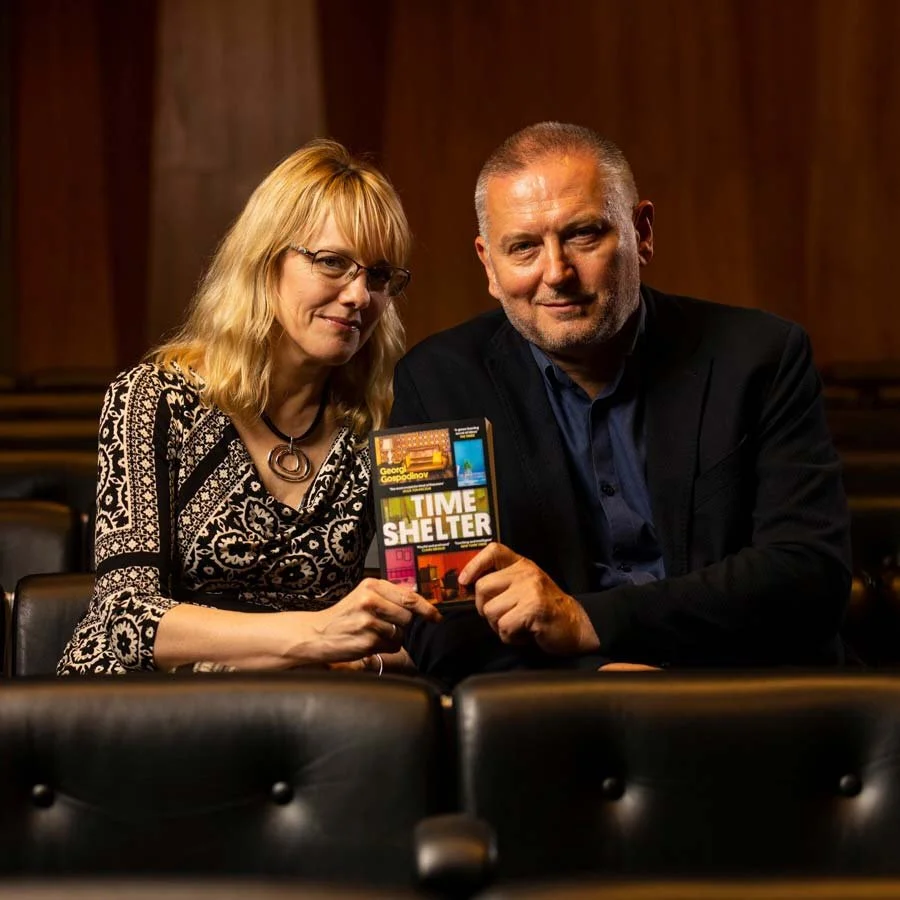
Every time that we reject that notion that there are people who deserve life and who don't, and that there are places that deserve preservation and don't, we push back against that and make the generational project a little bit stronger. By the time we're four generations into the project of my family, I'm the person here saying I'm over 50 and I'm alive and I'm healthy enough to write and tour and have children, and who knows what will be the next iteration of that. When writing a novel like mine or a memoir, what I'm trying to do is to remind people that there isn't a single human life that gets to be the savior life that gets to change everything and turn it backwards. This is a relay race where we're handing information on and we're improving as much as we possibly can, and we're holding onto history so that the next generation doesn't have to reproduce everything that's been learned and been understood.
We're trying to gather that all as much as possible because that accumulation of knowledge and wisdom and expertise and the practical aspects of that—like medicine, like museum science, like climate science—each of those things makes possible the world that we want to see. We have to train ourselves to believe that that's possible, even if the diagnosis is really stark in the planet or in the body.
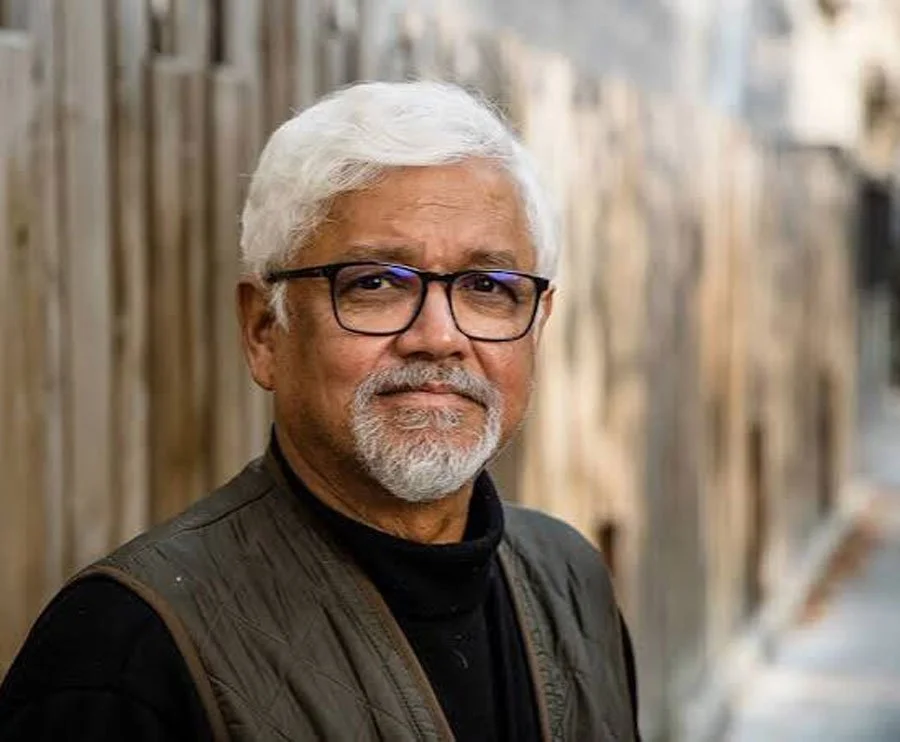
AMITAV GHOSH
Author of Ghost-Eye
For me, it really begins with a sense of sensory discovery, trying to remember how things looked and how things tasted when I was a kid 60 years ago. That's become a very important thing to me, which is why this is a book that is, in some very important sense, primarily about food. Because food is the primary medium through which most humans engage with their environment. It's how we process our environment, and it's how we relate to our environment. Nothing is more important than food in this regard.
Yet you'll find that within our circles, within university circles and educated circles, that is something we are systematically taught to devalue, the relationship with food. Partly because food seems to occur very often in connection with women, if you like, or simply because we've inherited a kind of Protestantism, which is inherently very puritanical and which really devalues all things of the body. I think this AI thing is very much connected to a complete devaluing of the body. Food is one very important way of finding your way back to time.
In the process of writing this book, I realized how difficult it is. I remember when I was a child, if you went into a market in Calcutta, you would see at least 100 different kinds of rice. They were kept in these canvas or jute bags, and they looked different. Some of them you wouldn't even recognize as rice, but each of them served a particular purpose.
You ate them with a certain other kind of food, or you grew them in certain circumstances. Some were drought resistant, and some were flood resistant. Now, if you go into a market in Calcutta, you'll see maybe four varieties of them, and that's because of the onslaught of industrial agriculture.
DAVID GEORGE HASKELL
Biologist · Author · The Songs of Trees · How Flowers Made Our World
The sensory connection in the present moment really matters. Just going for a walk in the park, appreciating the colors of the leaves changing or the sounds of the birds, or how human sounds merge with others is really important because it brings us into the present moment. It connects us to other human beings and to the more-than-human world. Yet our education system and our culture dismiss it and distract us from it.
Developing this aesthetic capacity to be curious about and to take delight and to find sorrow in the everyday things, like the taste of a cup of tea, whilst knowing that's a Camellia plant that you're tasting and somebody's hands picked that tea, is vital. Really being present for that, for me, has been transformative. In my own work as an educator, I try and offer that invitation to people both as a way of enriching our writing and our scientific practices, but also, more importantly, just enriching our lives and bringing something worth remembering to the future.
Because in 50 years for young people now, you're still alive. In 50 years, the people who haven't yet been born will want to hear those stories. What was springtime like back in 2026? What were the sounds of the birds that you heard or didn't hear? If you've paid attention now, you'll have stories to tell the future.
KRISTIN OHLSON
Author of Sweet in Tooth and Claw · The Soil Will Save Us
My childhood was certainly a lot less monitored. They talk now about helicopter parents and parents who are shuttling their kids off from one activity to another and making sure that they never fail at anything. I had parents that were of a different ilk. They were busy, there were illnesses and there were various reasons, but they were not terribly hands-on, which was a kind of great thing.
They gave me lots of books to read, so I was a big reader when I was a kid, but it was back in the era where kids were naturally free-range. Everybody ran around the neighborhood and ran around in vacant lots. People kept horses not far from my house, and the kids in the neighborhood used to just run around there all the time. Even though there were plenty of opportunities for us to hurt ourselves, as it was a big cliff to fall off of and there was the opportunity to get kicked by the horses, I spent a lot of time puttering around outside by myself and with other kids.
Honestly, one of the things that I loved to do when I was by myself was visit a vacant lot that was full of these ant mounds. The whole field had all these ant trails that were just constantly busy. I would just sit there for hours as a kid and bring handfuls of sugar and handfuls of breadcrumbs and drop them and watch the ants move them around. Sometimes I would drop sticks in front of the ant trails to see how they would get together to move things. I was really very interested in things like that, and I began to think of myself as a writer when I got to college and started writing for the college newspaper.
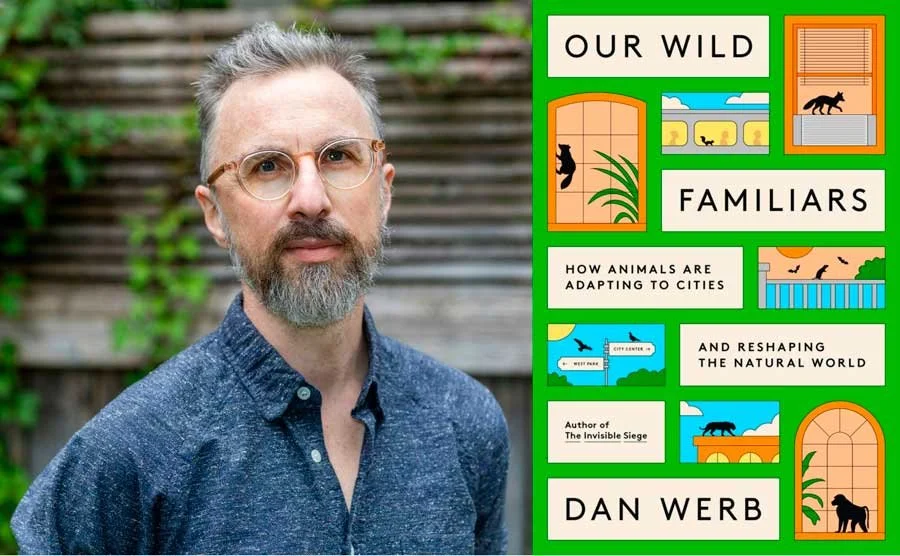
DAN WERB
Epidemiologist · Musician · Author of Our Wild Familiars
That's a really good question. I have to say what comes to mind immediately are ocean waves. I grew up in Vancouver right on the Pacific Ocean, and it's a beautiful place. The water—it's the sound of the ocean and it's the feeling of the undertow dragging on my legs and trying to pull me in, which is a sense memory that I always come back to.