

INTERVIEWER
“The most powerful story in The Red Notebook would have to be the lightning story. You were fourteen years old when it happened. You and a group of boys went out on a hike in the woods, and suddenly you were caught in a terrible electric storm. The boy next to you was struck by lightning and killed. If we want to talk about how you see the world and writing, surely that would count as a fundamental moment.”
PAUL AUSTER
“That incident changed my life, there’s no question about it. One moment the boy was alive and the next moment he was dead. I was only inches away from him. It was my first experience with random death, with the bewildering instability of things. You think you’re standing on solid ground and an instant later the ground opens under your feet and you vanish.”
– The Paris Review
And there it is. The crux. The kernel. The heart at the heart of Paul Auster’s work.
The music of chance. The terror of chance. The utter volatility of chance. How mercurial and fearsome and stunning.
Paul Auster’s final novel swoops around the capriciousness of life with wide, swooshing wings and an unflinching gaze.
A little book that feels immense and inevitably fated. A book about all the little things and big things crisscrossing in an elderly man’s brain.
A last novel that is elegiac as hell and mournful and spirited and holding on, holding on for dear life.
Our beloved Brooklyn Existentialist lives on.
He gave us an Everyman as a swan song.
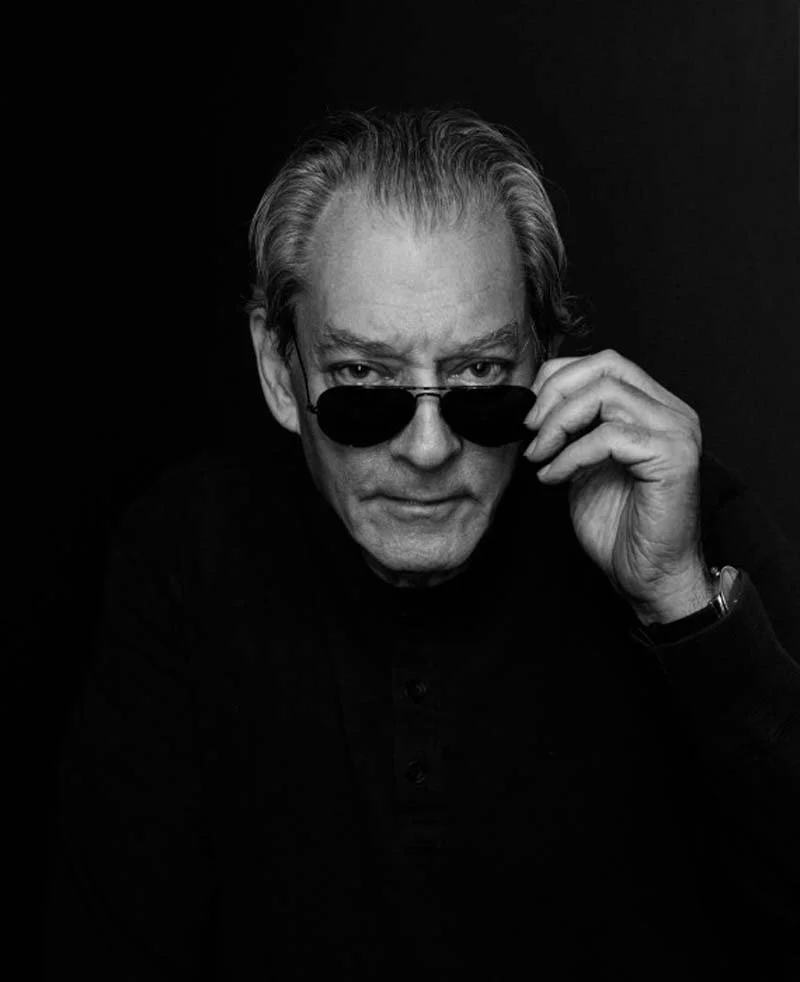
Photo credit: Spencer Ostrander