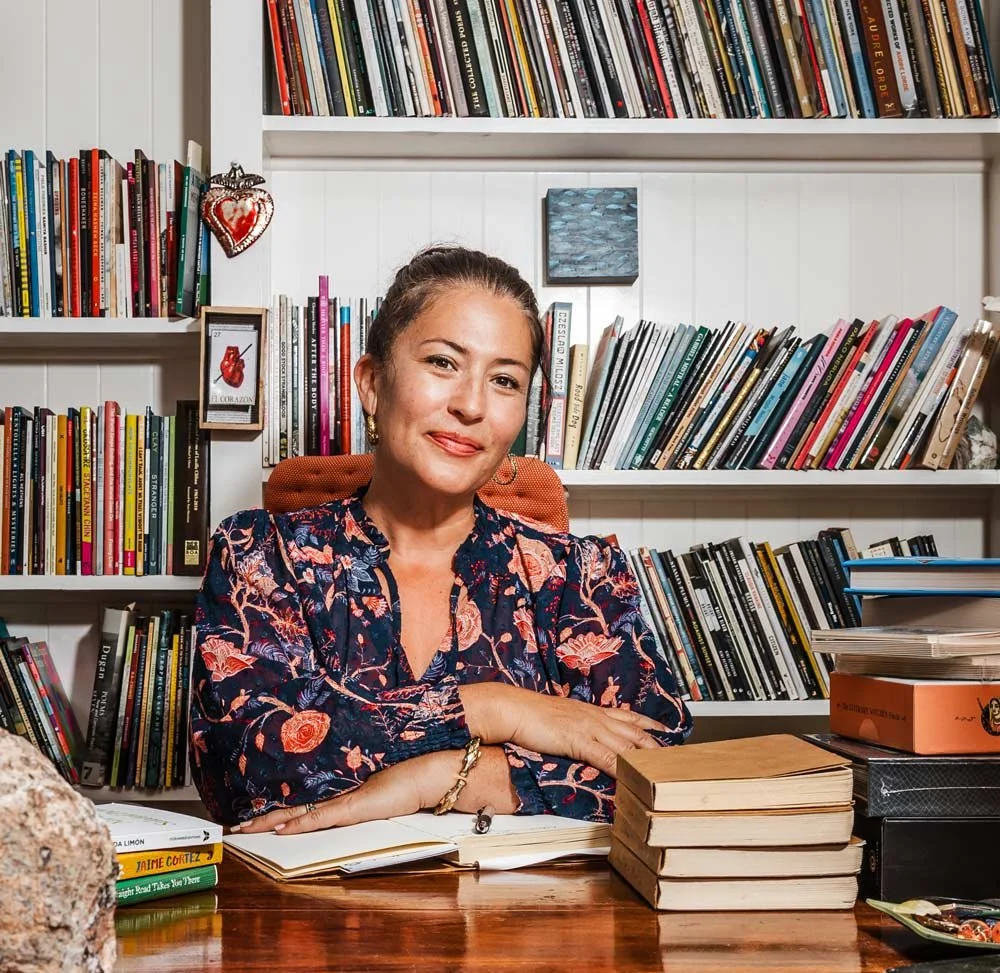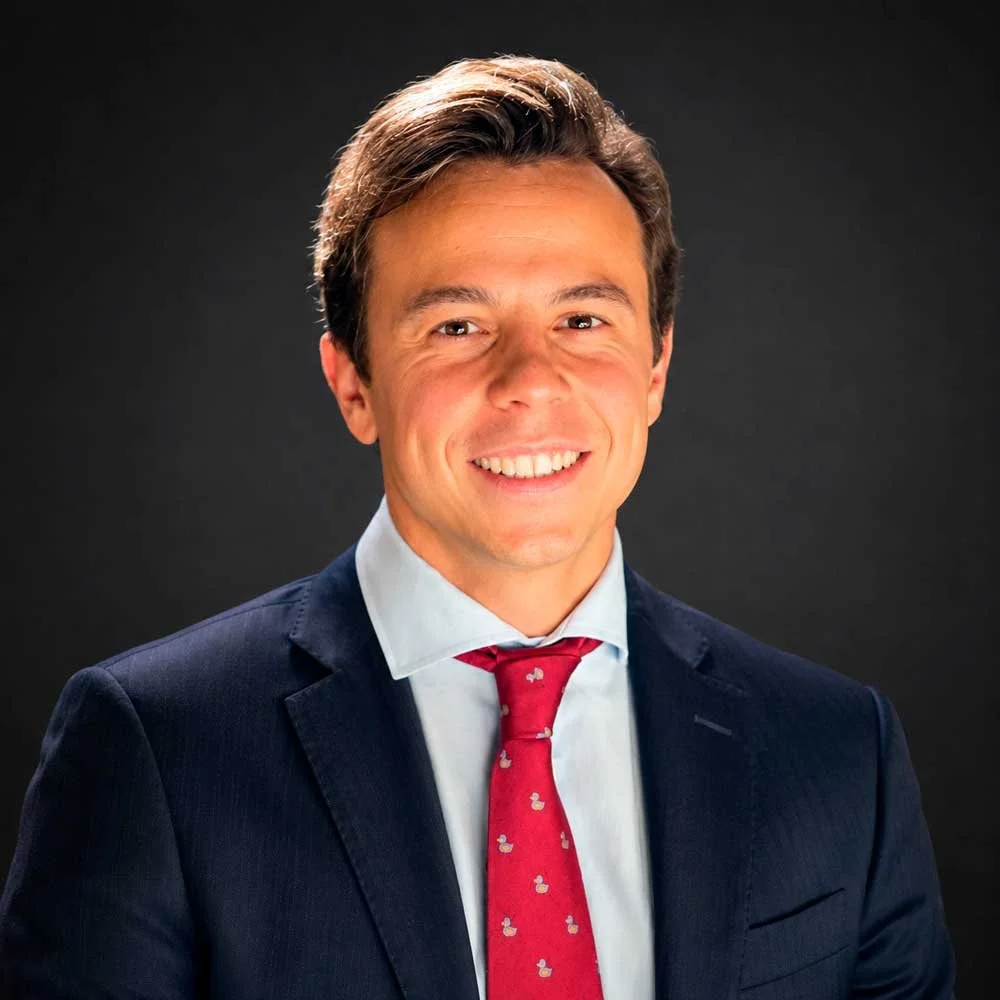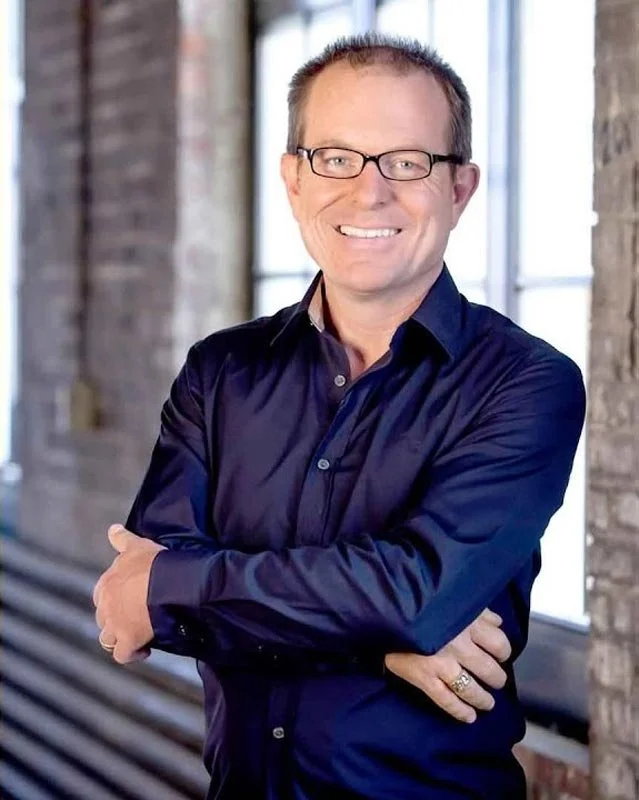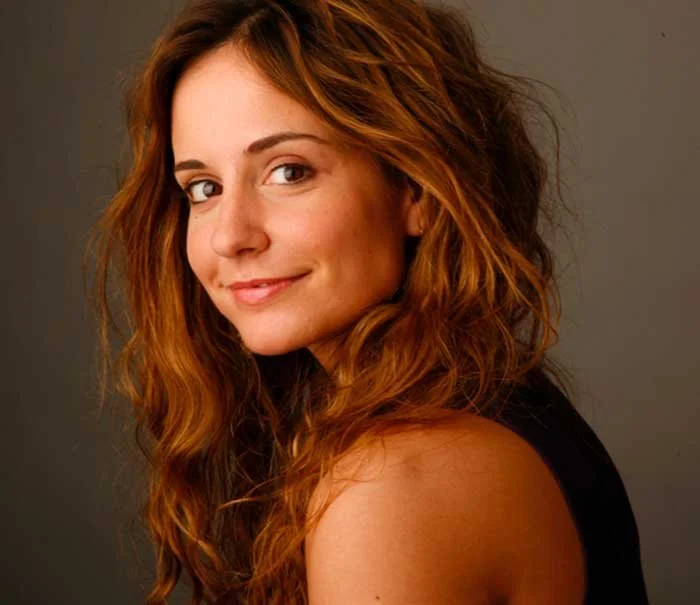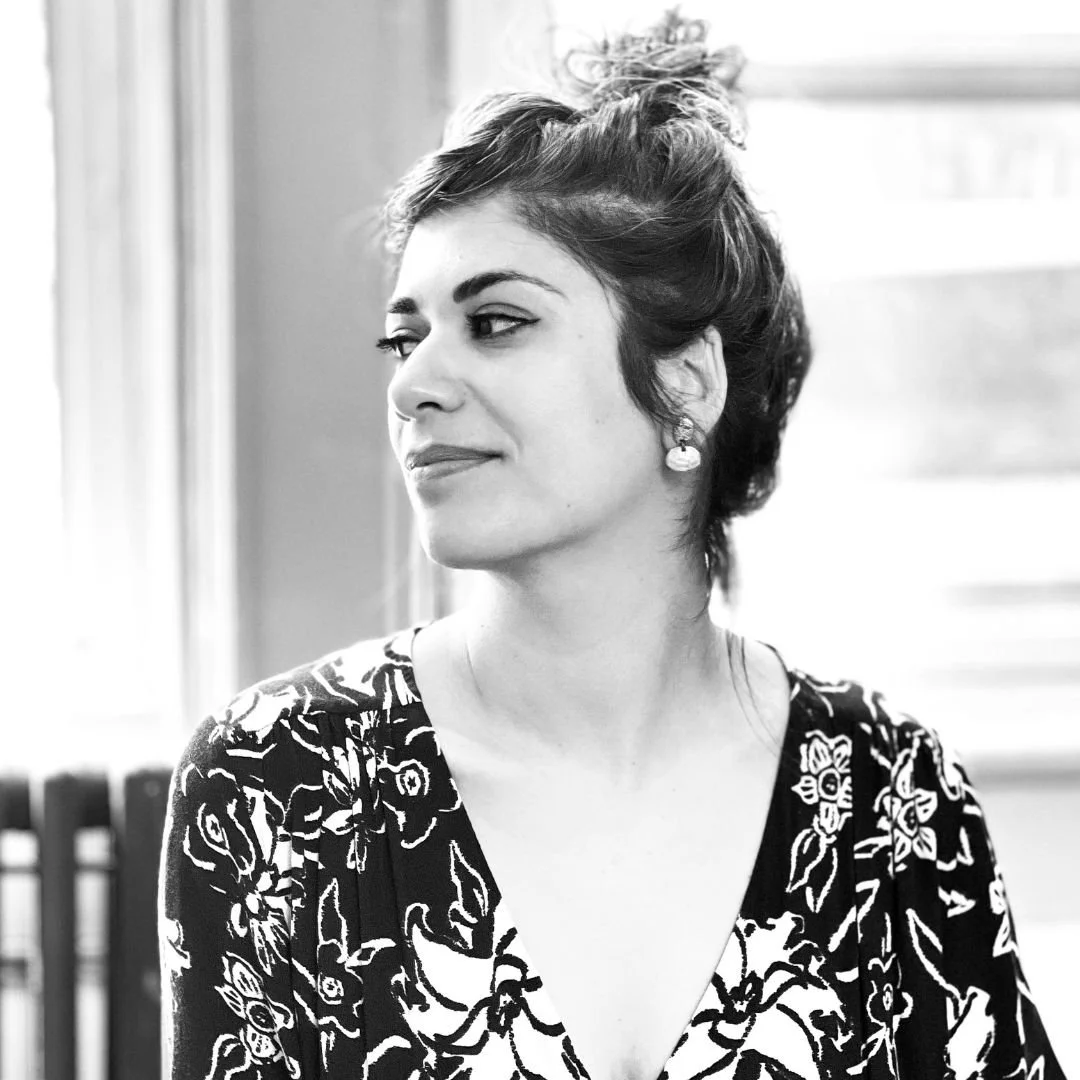


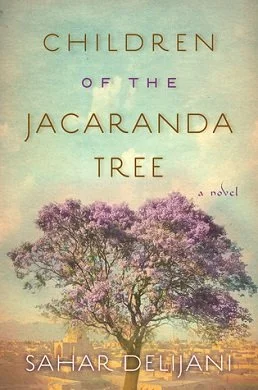
Sahar Delijani is the author of Children of the Jacaranda Tree, an internationally acclaimed novel, translated into thirty-two languages and published in more than seventy-five countries. Delijani’s writing has appeared in The New York Times, Literary Hub, McSweeney’s, BOMB, Jewish Currents, The Kenyon Review and more. Born in Iran, Delijani grew up in California and lived for many years in Turin, Italy. She lives in New York City. @sahardelijani
How was being born in Iran influence your writing?
I was born in Iran and moved to California in 1996 at the age of twelve. My parents were political activists who opposed the authoritarian rule of the Islamic Republic. Their activism led to their imprisonment, and as a consequence, to my birth in 1983 inside the notorious Evin Prison in Tehran. This history of persecution and imprisonment has profoundly shaped my life and work. Much of my writing draws on my family's history and experience in Iran, stories of tyranny and resistance, persecution and memory, and on both the failures and the power of storytelling as an act of defiance and survival.
What did reading mean to you as a child? What books or authors made you fall in love with reading?
As a child I would read anything I found on my parents’ bookshelves, no matter how thick or heavy. In Iran of the 1980s and 90s, much of the translated literature was subject to heavy censorship (as it is now). Yet despite those restrictions, there was - and still is - a vast and passionate readership in Iran, where books remain deeply woven into everyday life. I grew up reading everything from Farsi translations of Victor Hugo, Jack London, Gabriel Garcia Marquez and Howard Fast to modern Persian poetry of Forugh Farrokhzad and Ahmad Shamlou. These stories and poetry continue to shape and echo through my writing to this day.
Is outlining an important part of your writing routine?
I do very little outlining when I write, especially when it comes to fiction. I usually begin with a general sense of the story but rely heavily on discovering it as I go. My goal with a first draft is to get as much as possible onto the page before turning to revision. That doesn’t mean I don’t edit as I write, but I prefer to see the story unfold in front of me before going back to shape it. Some days are devoted entirely to writing, others to editing. Editing helps me clarify my thoughts about the story—what’s missing, what needs to be developed further, what should be cut. Outlines, on the other hand, tend to constrain me more than they help; they confuse rather than guide me.
Tell us about the creative process behind your most well-known work or your current writing project.
My current writing project focuses on life after prison—on political prisoners who, after their release, must rebuild their lives and find their footing in a society that still regards them as pariahs and enemies of the state. This book has been many years in the making. I started the first draft in 2015, inspired by my parents’ and family’s experiences after their release from Evin Prison and those first, formative years of reintegration. Yet I felt something was missing, though I couldn’t name what it was. I had done many interviews with my parents for these sections, but over time I began to see that the book needed more.
In the years since, I’ve been rewriting and expanding it—adding fictionalized accounts of my interviews and eventually a present-day voice that reflects on storytelling itself and the trauma of writing about trauma. The process has been both enriching and slow, shaped by the many books I’ve read and films I’ve watched, particularly from the MENA region and Latin America, exploring how others narrate state-sponsored violence, survival, and the fragile hope of beginning anew. All of this has become the foundation of this project.
Upload a Photo(s) of Yourself: IMG_7331.heic
Do you keep a journal of any sorts?
No, not really.
Which writer, living or dead, would you most like to have dinner with?
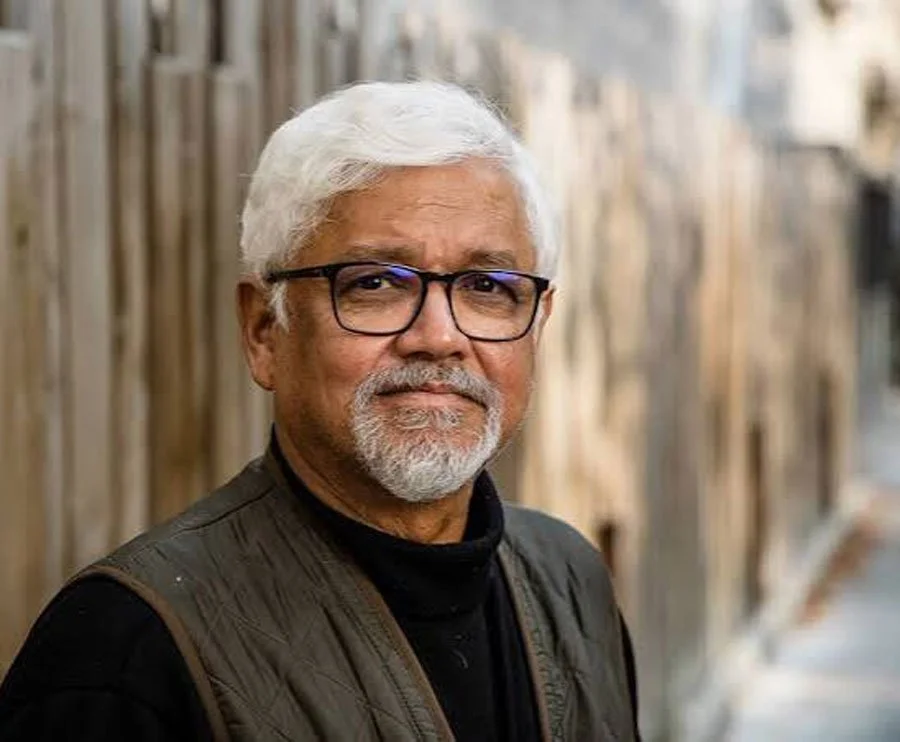
Arundhati Roy.
Do you draw inspiration from music, art, or other disciplines?
I’m often deeply inspired by visual art installations that engage with politics, memory, and the human dimension of what we often see only as newsreels. I’m drawn to how concepts such as resistance, the endurance of memory, and inherited trauma are reimagined and explored visually. This gives a new dimension to my own thinking. Because my writing is both political and deeply personal, I find it essential to approach similar stories through a different medium—through imagery, texture, and materiality rather than words alone.
Do you have any questions for Mia Funk (artist, writer and founder of The Creative Process)? Or any reflections or creative responses to her paintings?
How did The Creative Process podcast come about? What were some of your challenges first in starting it and then in keeping it going? Had you done a similar thing in the past? Was there a particular experience in your life that made this endeavor easier?
As a writer, how do you think we should respond to the rise of machine-generated content?
I believe this is a crucial moment for us as creatives. The use of AI and technology in both our everyday lives and our artistic practices has become undeniable—its presence irreversible. What matters now is learning to engage with it ethically and thoughtfully. AI can help us think, explore, and discover new ways of seeing and understanding the world.
Coming from a migrant background, I’ve seen firsthand how transformative AI can be. My parents, who don’t speak English fluently, used to rely on others to translate for them. Now, with AI, they can communicate directly—with doctors, bank managers, and others—expressing themselves clearly and confidently. It has given them a voice and a sense of independence. Their use of AI may not be creative work, but it shows how profoundly this technology can touch our lives.
Still, I don’t believe AI can ever replace human creativity. Our creative vision—how we see and translate the world—is shaped by our unique mix of experiences: our backgrounds, languages, memories, foods, friendships, and the books that have formed us. That complexity cannot be replicated or copy-pasted. AI can serve as a powerful tool for research and discovery, but the heart of creativity will always come from our long, evolving journey as human beings and citizens of this world.
Tell us about some books you've recently enjoyed and your favorite books and writers of all time.
The books I've recently enjoyed is Milkman by Anna Burns, Prophet Song by Paul Lynch, and The True True Story of Raja the Gullible by Rabih Alameddine.
My favorite books of all time are The God of Small Things, Flights by Olga Tokarzcuk, Austerlitz by W.G.Sebald, and Disgrace by JM Coetzee.
Exploring literature, the arts, and the creative process connects me to…
before anything else, to my past. As someone who left her country behind and has not been able to return for more than a decade, literature remains my only way of reconnecting with that history. It brings it all back to life and allows me to become an active participant in it once again.