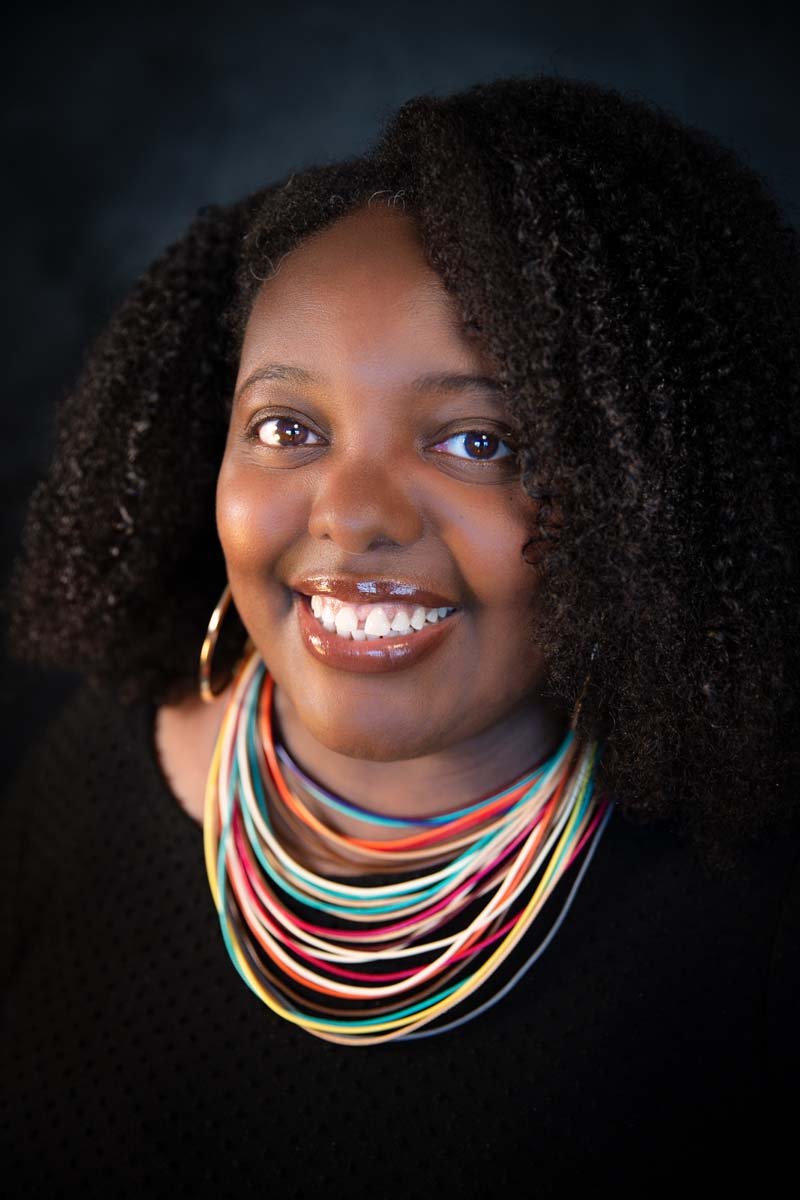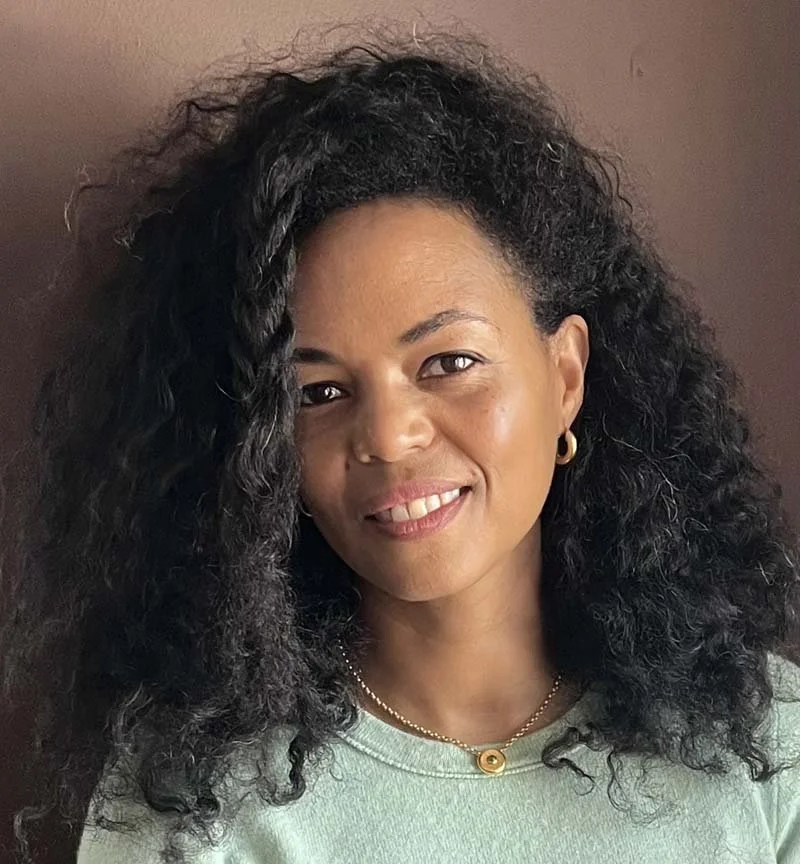
Girl with Dove

Girl with Dove

A Conversation with Writer SALLY BAYLEY

One of the key factors of where I came from is that it is a terminus: a railway terminus. I think that the idea of a terminus is very important, the end of the line. So, it’s a place easy to write about in relation to elsewhere because, as a child growing up there, you were always dreaming of leaving and going elsewhere.

A History of Photography in Indonesia

A History of Photography in Indonesia

A Conversation with Writer BRIAN ARNOLD

I was born and raised in Denver, CO, and do think of this as an important part of my education and worldview. There is nothing like the American West, and living here taught me to appreciate light, space, and history (especially as encoded in landscapes). This sense of place is an important part of the work I do today.

The Stories We Carry

The Stories We Carry

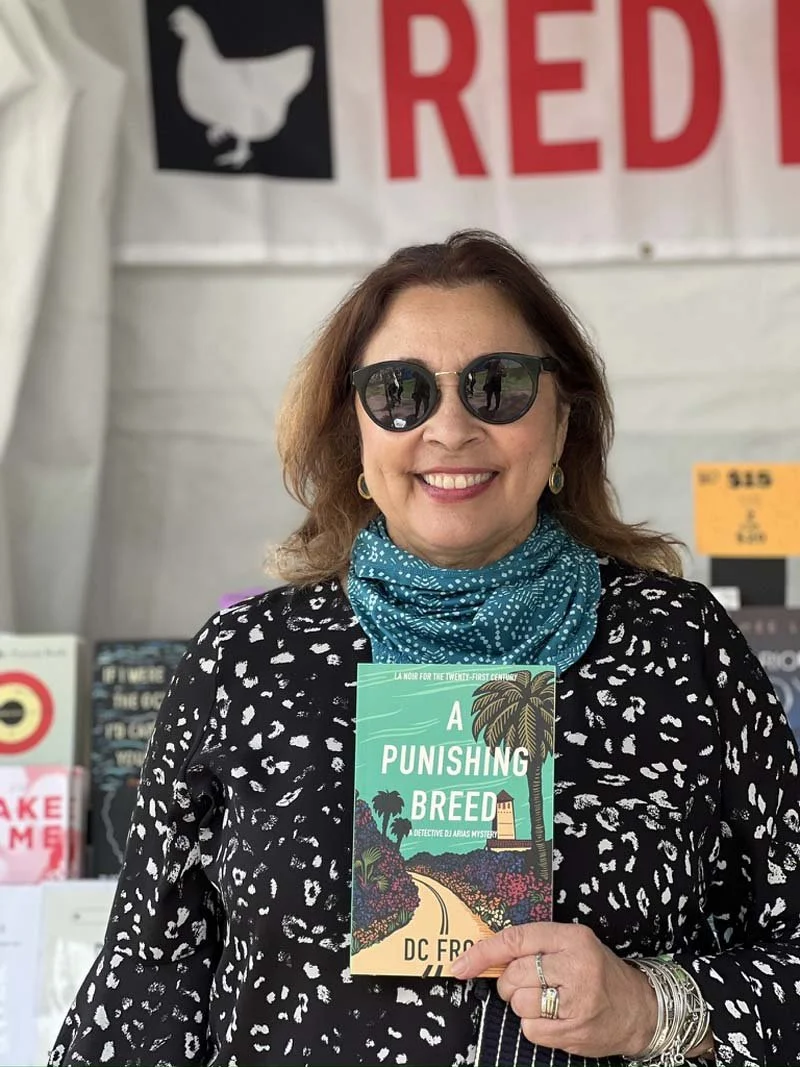
A Conversation with Writer D.C. FROST

My father was a football coach, so we moved around: Atascadero, Palmdale, San Luis Obispo, Quartz Hill, Montclair, Upland. The geography and diversity of Southern California and Los Angeles have infused my writing with an appreciation of a vast and ecologically varied landscapes and a vast appreciation of a diverse population of people.

Algarabía

Algarabía

A Conversation with Poet ROQUE RAQUEL SALAS RIVERA

My parents were political activists during a period known as the "carpeteo," in which the Puerto Rican government actively persecuted, blacklisted, and harassed activists. Information often had to be protected. This has shaped my writing style into one that moves between open, direct language to one that is more obscure and coded.

 Driving in Cars with Homeless Men

Driving in Cars with Homeless Men

A Conversation with Writer KATE WISEL

In a news article about his restaurant Rocco’s, my dad lays out the highly specific three-day endeavor of building a gumbo. He talks about waiting for the meat to arrive and unwrapping it like a present. The way the ingredients guided him, the physical feel of chopping vegetables and how that spoke to the needs of the gumbo. So, in terms of influence, my instincts as a writer mirror the process of cooking. And I was raised to witness and revere that process as not just a job but as a spiritual discipline.

Room Swept Home

Room Swept Home

A Conversation with Writer REMICA BINGHAM-RISHER

I also spent countless hours in libraries and historical archives, piecing together the contextual lives and times of women who are often left out of the archive. Much of the work was writing persona poems in the voices of these women, writing formal verse to try to get some emotional distance from things that would leave me spent and broken, having to recount the hardest circumstances of their lives over and over. I was also determined to build in joy whenever we could because their stories are really a triumph.

When Nothing Feels Real

When Nothing Feels Real

A Conversation with Writer NATHAN DUNNE

We lived in a run-down part of Bangalore with no electricity, TV, or a working toilet. My parents were Protestant missionaries, and God was always present: at the dinner table, rickshaw station, or cheese shop. Each year during the Diwali festival, our family gathered on the roof to watch the fireworks. In the morning, I joined the local children to collect the colorful paper shells.

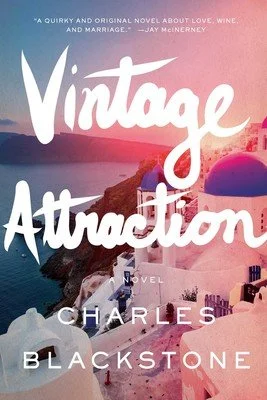
Vintage Attraction

Vintage Attraction

A Conversation with Writer CHARLES BLACKSTONE

Chicago gave my perspective an urban lens. The politics, the architecture, the culture of empiricism, the privileging of intellect over return on investment, I think it all informed my enduring aesthetic. I feel different about it now that I've been in New York for over a decade. The Midwestern reserve that masks deep interiority doesn't exist here, so the way I perceive people, place, and the quiet complexities of human relationships in my writing is a lot different.

Sugar & Survival

Sugar & Survival

A Conversation with Writer MICHELLE GURULE

I spent all of high school reading whatever memoirs I could find and began dreaming of writing one myself. I journaled religiously and often shaped my own experiences into little stories. That journaling habit was a huge gift to my writing—it trained me to capture dialogue. If my mom said something funny, I’d jot it down. That impulse to document became second nature.

The Echo Chamber

The Echo Chamber

A Conversation with Poet MICHAEL BAZZETT

I didn’t know that people growing up among the cornfields of southern Minnesota could end up as poets. But I did know my mundane world of asphalt streets, maple trees, and split-level ranch houses was only a thin veneer laid over what used to be the bed of a huge inland sea. I knew the world existed in layers, and that the world we see is not all there is.

On Poetry, Migration & the Navajo Nation

On Poetry, Migration & the Navajo Nation

A Conversation with Writer CHRIS HOSHNIC

As a child, I was captivated by the polished dreamscapes of television and literature; the nuclear families with their summer camps, road trips, and Rockwellian kitchens. I longed for that kind of stillness and scripted joy. But my reality was one of caretakers and cousins, of being left in the trusted hands of others while my parents worked hard to sustain us. All of this migration, longing, caretaking, has left an imprint on my writing. It’s taught me that home is not always a fixed structure, but a series of returns.

Poetry as Practice

Poetry as Practice

A Conversation with Poet RUFO QUINTAVALLE

Seeing these people leading a life completely different from my own was fascinating to me and left a big mark. A sense I still have that another life is possible - and maybe even preferable.

Telephone of the Wind

Telephone of the Wind

A Conversation with Poet EDDIE KIM

When I write poetry, it feels like an explosion of sorts, a desperate need to share, explore, or get out a feeling––it's obsessive. When I write prose, I have a bit more room to meander and excavate as I write. I find the process therapeutic. Often, I end up digging up some subconscious memory or realizing the true impact of an experience. I enjoy that process. It's empowering. It feels special, vulnerable and haunting.

Blue on a Blue Palette

Blue on a Blue Palette

A Conversation with Poet LYNNE THOMPSON

I was born and raised in Los Angeles as the adopted daughter of Caribbean immigrants. These circumstances set up a kind of plurality that allowed me to see the City as both an insider and an outsider, as my parents often sought ways to bring and sustain memories of their childhoods in me, and I fought to find my birth history. My writing often embraces these multi-layered ways of being.

Dear Twin

Dear Twin

A Conversation with Writer ADDIE TSAI

I've always loved reading. My father acted in a Chinese theater group my entire childhood and during the many hours he rehearsed (in a language I wasn't fluent in) I would read books. There was a lot I didn't learn directly from parents or other family members, and so I also reached out to books to help me with what I needed to learn as a child and adolescent. The book that made me want to be a writer was Lois Lowry's first novel, A Summer to Die.

Fire Is Not a Country

Fire Is Not a Country

A Conversation with Poet CYNTHIA DEWI OKA

I was born, and lived, in Bali, Indonesia for the first decade of my life. On a visceral level, the land that I grew up in, which in many ways exists now only in my memory, is the lifeblood of my body of work. It is the origin of my sense of color, size, time, texture, and scent; it is the source of my fidelity to salt and bitterness; it is where I gained my specific literacy of shadows and distances, of cadences and the ways that myths realize themselves through bodies.

Harlem, History & the Art of Form

Harlem, History & the Art of Form

A Conversation with Writer NKOSI NKULULEKO

I don't have something to say every day, but staying idle is not an option. Sitting in silence, amongst the trees, watching a bird is not being idle either. That's also a kind of research before looking up the kind of tree it perched on.

Race, Inheritance & Intergenerational Healing

Race, Inheritance & Intergenerational Healing

A Conversation with Writer DIONNE FORD

I was born in Maine, the whitest state in the country, and raised in what abolitionists called the slave state of the North, New Jersey. New Jersey is one of the most diverse states demographically, but it’s also highly segregated. All of these tensions and dichotomies have shaped me and influenced my writing, which is always circling around how a place affects and motivates people's actions and beliefs.