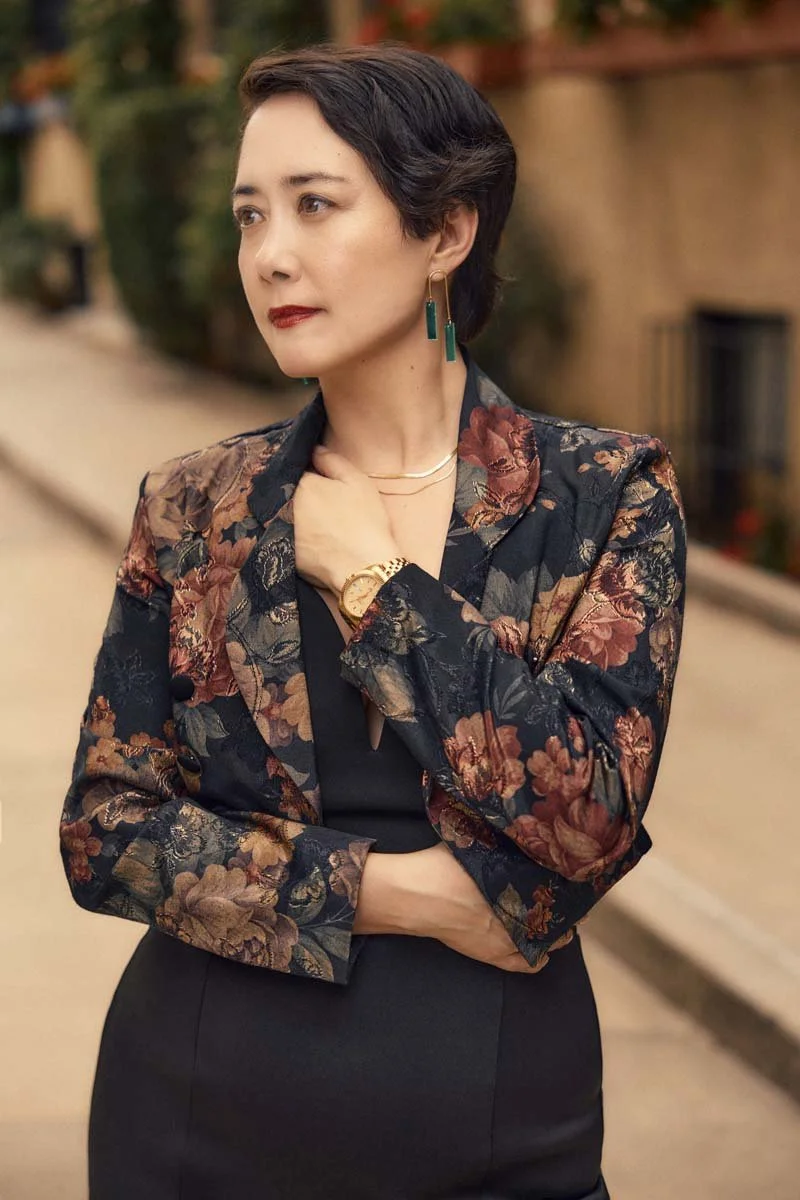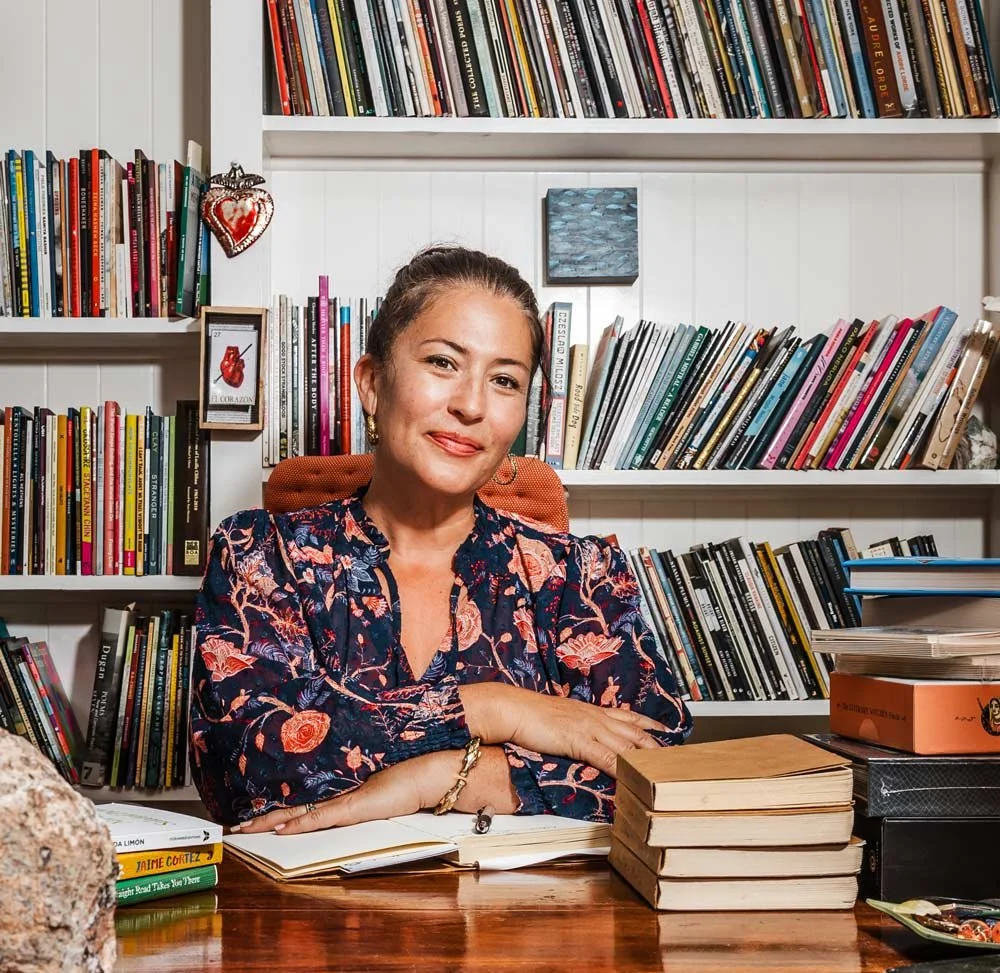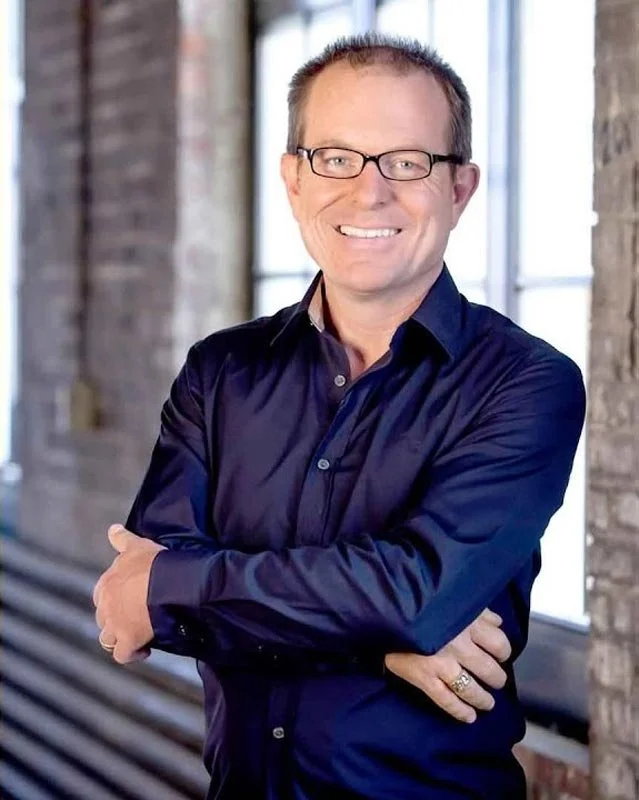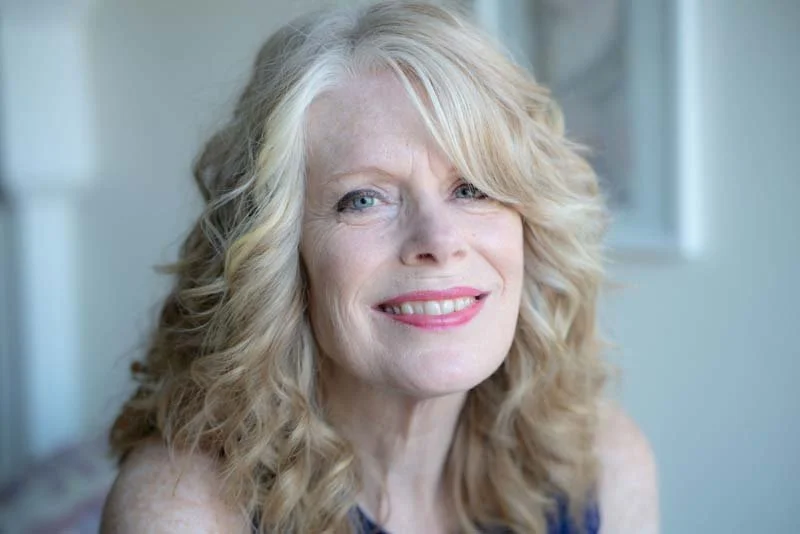


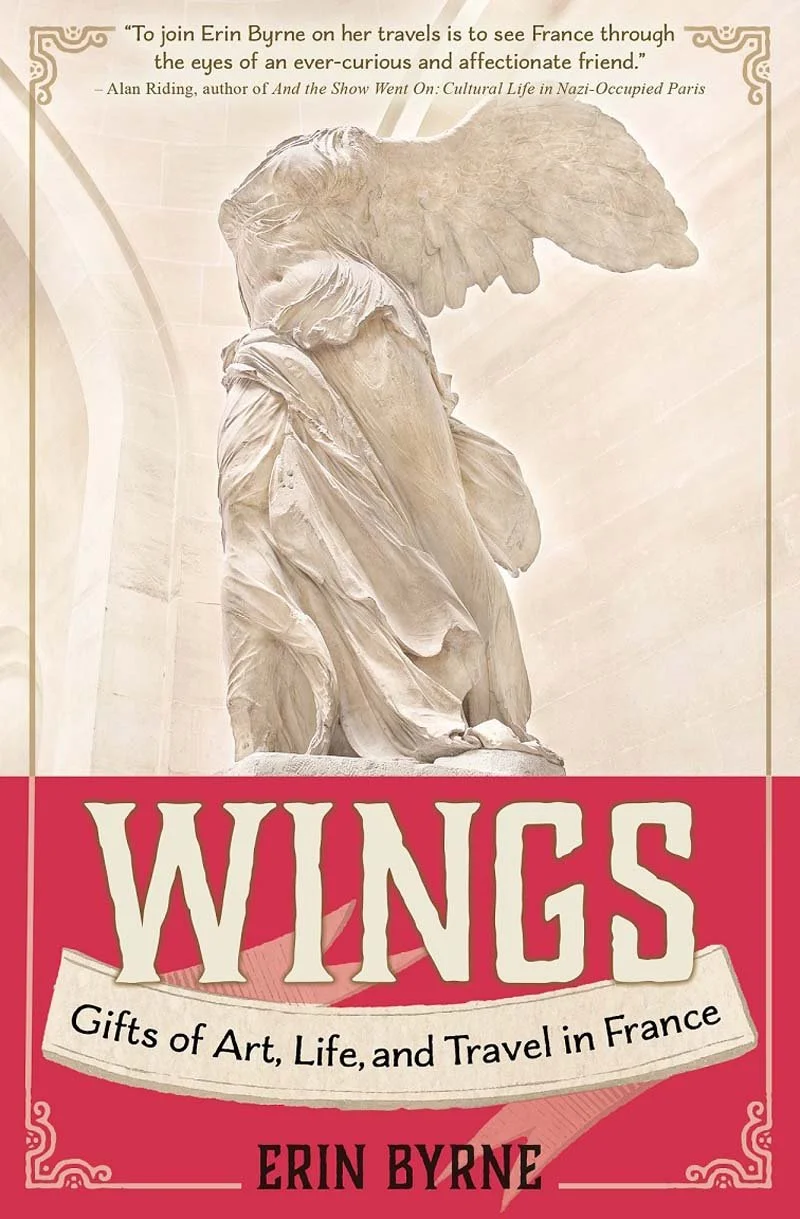
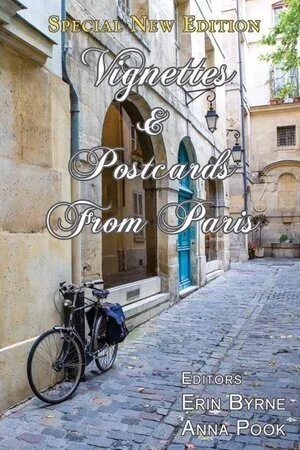
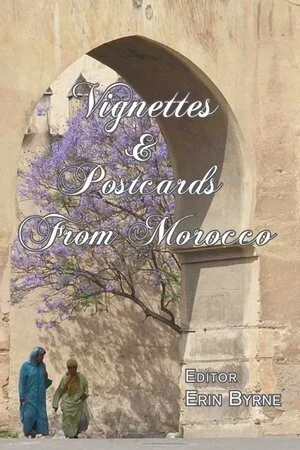
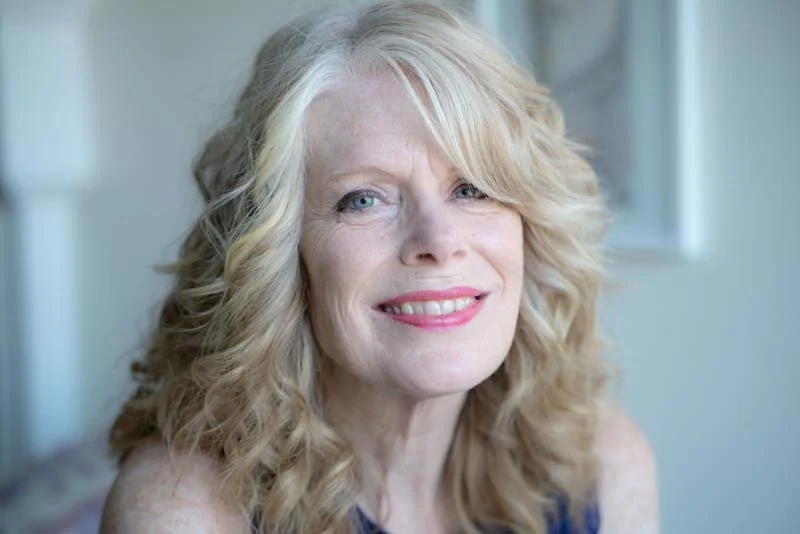
Erin Byrne is the author of Wings: Gifts of Art, Life, and Travel in France, editor of Vignettes & Postcards from Paris and Vignettes & Postcards from Morocco, and writer of the film The Storykeeper. Awards for her work include a Lowell Thomas Award from the Society of American Travel Writers, a Grand Prize Solas Award for Travel Story of the Year, three Next Generation Indie Book Awards, and an Accolade Award for film. Erin has recently completed the novel, Illuminations, which her agent is sending to publishers. She is currently working on Siesta, a film set in Spain. @ebyrnewriter
How did your upbringing in the U.S.’s Pacific Northwest influence your writing and your thinking about the world? I grew up in the Seattle area in Washington state, a place of bays and islands, of forests and mountains, of rain and emerald greens. My family always sailed, so from an early age I dreamt of sailing to far horizons, traveling the wider world.
My family had much going on under the surface. As a writer I've always probed the depths underneath places and people, history and art, literature and life. My travel essays in Wings follow this theme, as do the pieces in Vignettes & Postcards from Paris, and Morocco. The Storykeeper film is about what was happening inside a young boy during the occupation, and Illuminations shows all that simmered beneath façades in occupied Paris. It is an exploration of what makes some people find courage during crisis and others descend into violent depths. My current film, essays, and short stories reflect this.
What did your bookshelf look like as a child? Any favorites that still linger? I was a voracious reader who escaped into faraway places through books. The first book that captivated me at six years old was I See the Sea, in which a girl goes to the beach and finds a world of wonder. After I went to the beach, I yearned to capture on paper the scents of the sea and of the air, the sand between my toes, seagulls’ cries, and the wind lifting my hair. This is the same feeling I have when I write now. The Hound of the Baskervilles filled my being – the moor, the fog, the sinister creature, and later, Dickens and the mysteries of Ngaio Marsh. My first real travel obsession was England; my first published piece was about the Tower of London. Reading and writing are inextricable for me.
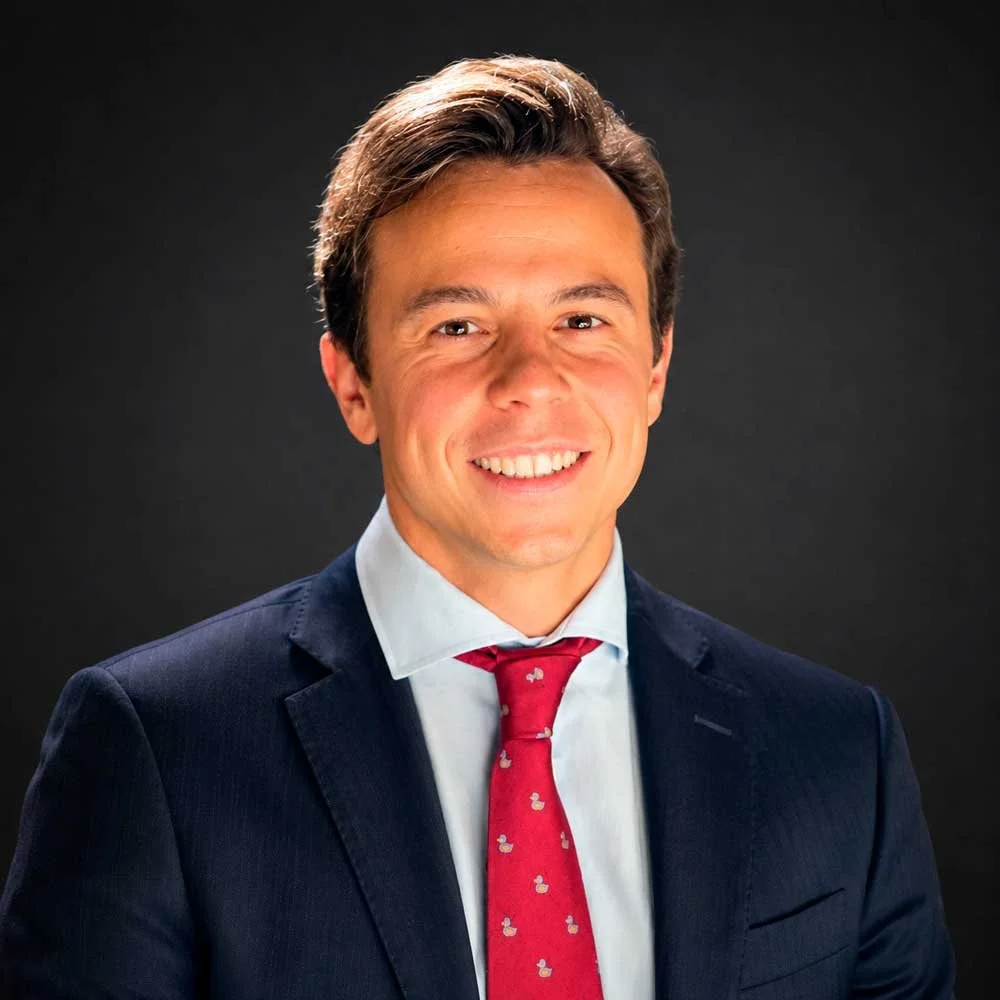
Describe your typical writing day. I usually know the beginning and the ending before I begin. I outline everything because I've always got elements of history and place that must be woven tightly together. I'm usually writing about some aspect of the psyche worthy of exploration. Right now, I'm writing a longer short story to accompany a film I'm working on with Rogier Van Beeck Calkoen (filmmaker of The Storykeeper). It's called Siesta, the story of an uptight American who travels to Spain and rebels against the culture there. Our goal is to make a full-length feature. We are planning to make a short first, and this story goes into more depth with the character and peels back the layers underneath his resistance to life in a small village.
I write every weekday from 9 am – 1 pm, then edit from 3 - 4, sometimes 5 pm. I stick to this routine because I believe that in discipline we find the magic. You show up, the inspiration comes, not the other way around. It starts with you and paper and pen. I do all my early drafts by hand, and edit by hand, so for others, it starts with the keyboard. Either way, it begins with the writer showing up.
You recently completed Illuminations, a novel about resistance in occupied Paris. How did the project take shape, from first idea to final draft? Illuminations took me eight years to write. My agent is currently sending it out to publishers.
My creative process began with tons of travel and research to fill my imagination and my being with occupied Paris. Then I spent long periods of time ascertaining the story (which felt fully formed outside myself, and I had to grasp it, understand it, live it, and shape it). To get to the heart of the novel, my brain and body (intuition) had to work in synch, with each acceding to the other at different times. There's an intuitive rhythm I got into that involved being available at all times for connections to strike, most often in the middle of the night, and puzzling the pieces together until they fit.
Next, I edited, and edited and edited and edited. This is where the story starts to become real, to shine, to show you its contours. Simon Van Booy, an amazing writer and mentor, helped me edit. I'm not big on writers weighing in on each other's work, except for only a few carefully chosen people, because only the writer (and his or her subconscious) knows the story. Simon is a person I trust, admire, and wish to emulate. The changes he suggested made the book that much stronger. Then my agent Kimberley Cameron helped me fine-tune it a bit more. She's also a person I trust completely. Both of them know me and understand what I'm trying to do in this book, and their insight was invaluable.
Do you keep a journal or notebook? If so, what’s in it? When I travel or research I take copious notes. I keep a notebook by my bedside and often in the middle of the night I awaken and write feverishly (sometimes in the dark). Insights into characters, odd historical questions, whole sentences or particular words that capture what I'm after just come to me then unbidden. Again, it feels as if the story is outside of me and it becomes clear in these odd spurts. I sometimes wonder if this is a little crazy, but I suppose we have to be willing to do whatever it takes.
How do you research and what role does research play in your writing? Research plays a huge role in anything I write. I view research as a way of unleashing magic, as so often when I'm delving into a topic, I find the precise detail I'm looking for, almost as if the piece of writing was missing just that ingredient.
If you could resurrect one writer for a meal and a chat, who would it be? This changes all the time, depending upon what I'm reading. I've just finished devouring the body of work of Niall Williams, Irish writer, and I'd love to know how he slows himself down enough to receive the brilliance that emulates from his work. Before that, I wished to know how Barbara Kingsolver stayed so incredibly true to her character, Demon Copperhead. The arc of that book and all she is doing now with the proceeds from it, truly lit a fire inside me. Always, Hugo, Dickens, of course, but any Nobel Prize winner, or even Seneca or Marcus Aurelius would be fun to have a glass of bubbly with.
Do you draw inspiration from music, art, or other disciplines? Music, art, and film infuse my writing. As I wrote Illuminations, I listened to the music that played at the time in France, including jazz, which was banned in most places but allowed in some of the settings of my book. Now, writing Siesta, I listen to Spanish guitar, flamenco. I also often play music that would be a soundtrack to a film, because it incites me to imagine my characters in action. To live in the world of a story, we must indulge all of our senses, so that sometimes includes eating or drinking, saturating myself with images, and even scents – anything to put me in the world of my story. If I'm writing about a bitterly cold day in Paris, it helps to be walking down Boulevard Saint Germain in a biting wind with snowflakes swirling, so I do it, or find my notes from a time I did.
What are your hopes or concerns about the role of AI in creative expression? We write about humanity. To an artist, actually using AI in a piece of work is like biting into plastic fruit.
Tell us about some books you've recently enjoyed and your favorite books and writers of all time. My favorite book of all time is Les Misérables, that timeless story of transformation that, no matter how many ways it's depicted, encapsulates human nature in all its ugliness and glory. Another astounding book is Cat's Grin by Francois Maspero, a semi-autobiographical novel of a boy during the occupation of Paris. Leo Africanus, Suite Française, Love in the Time of Cholera, A Place of Greater Safety, The Lacuna, Good Night Irene, and This is Happiness are all fabulous. Anything by Hugo, Tolstoy, Salman Rushdie, Gabriel García Márquez, Simon Van Booy, Barbara Kingsolver …I could go on forever.
Exploring literature, the arts, and the creative process connects me to… the meaning of life lies beyond the merely rational and observable.