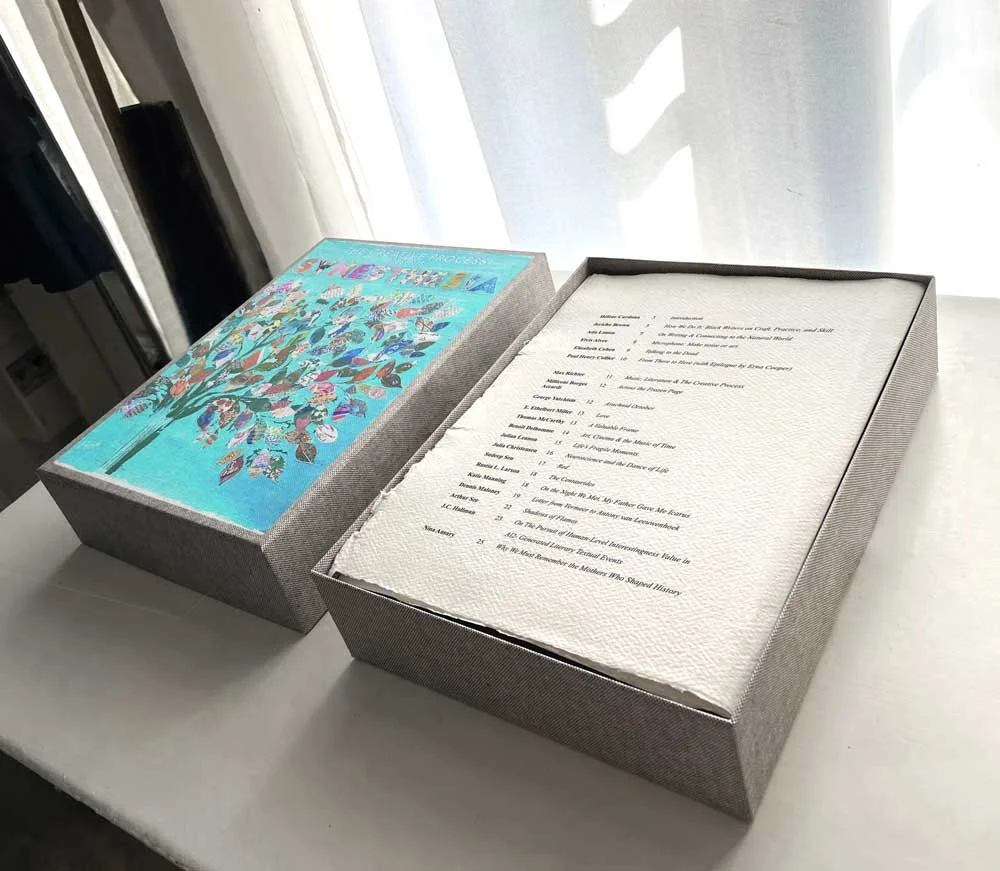
Issue 1: SYNESTHESIA presented by The Creative Process
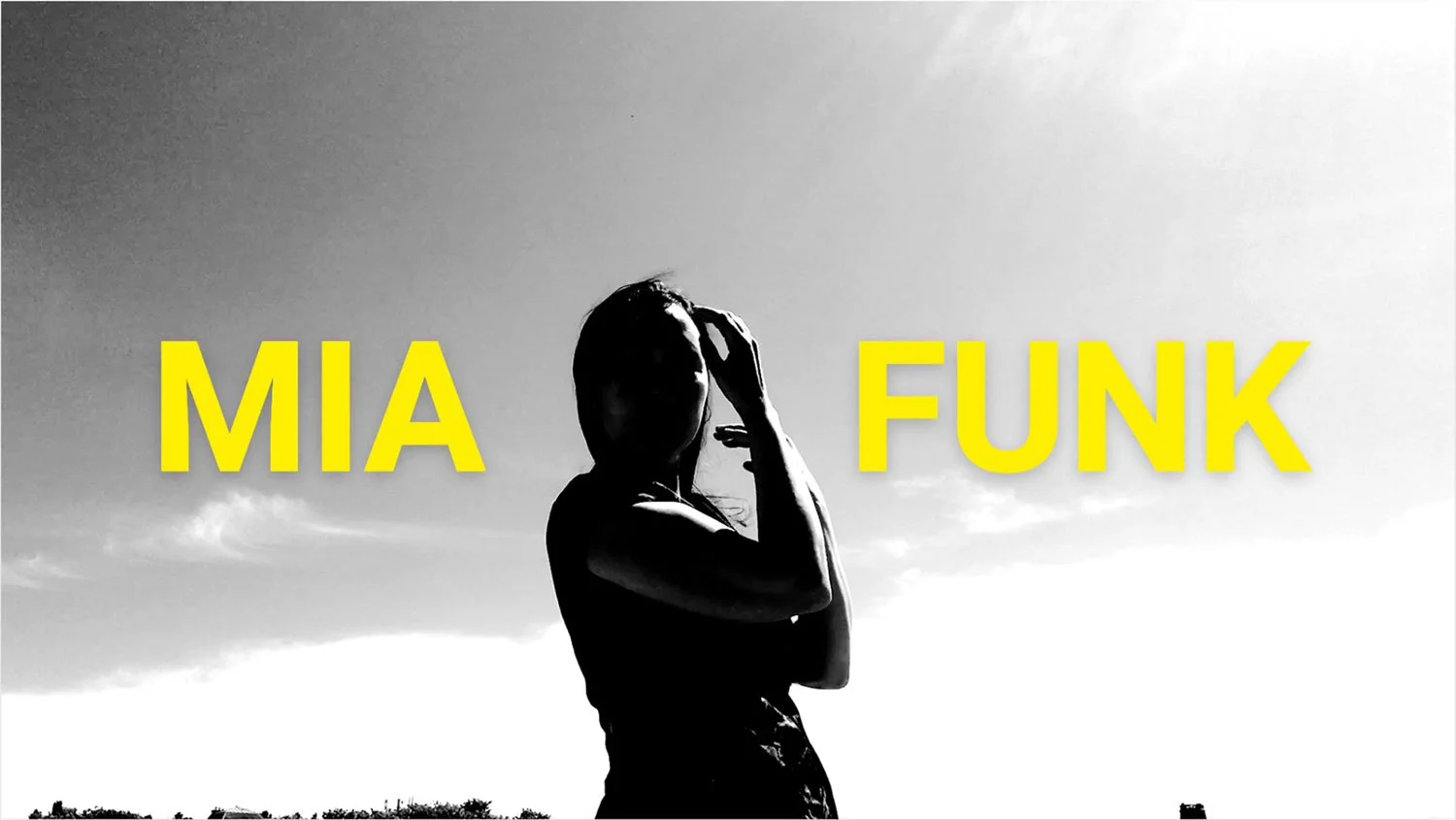
Founding Editor Mia Funk
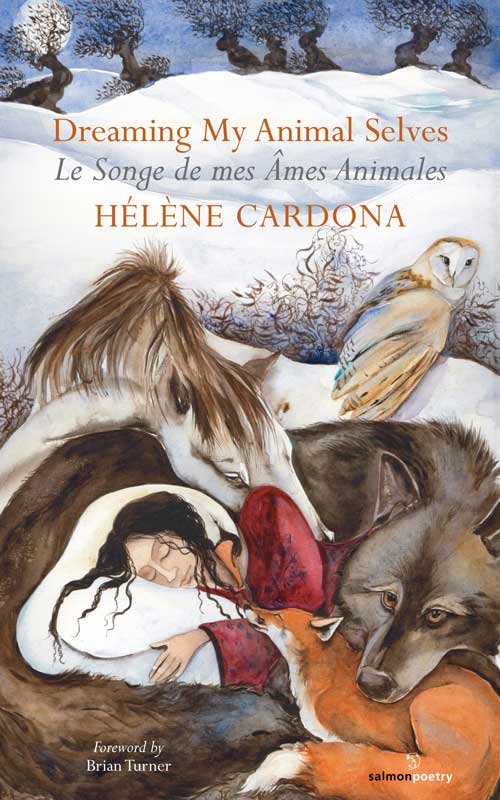
Guest Editor Hélène Cardona
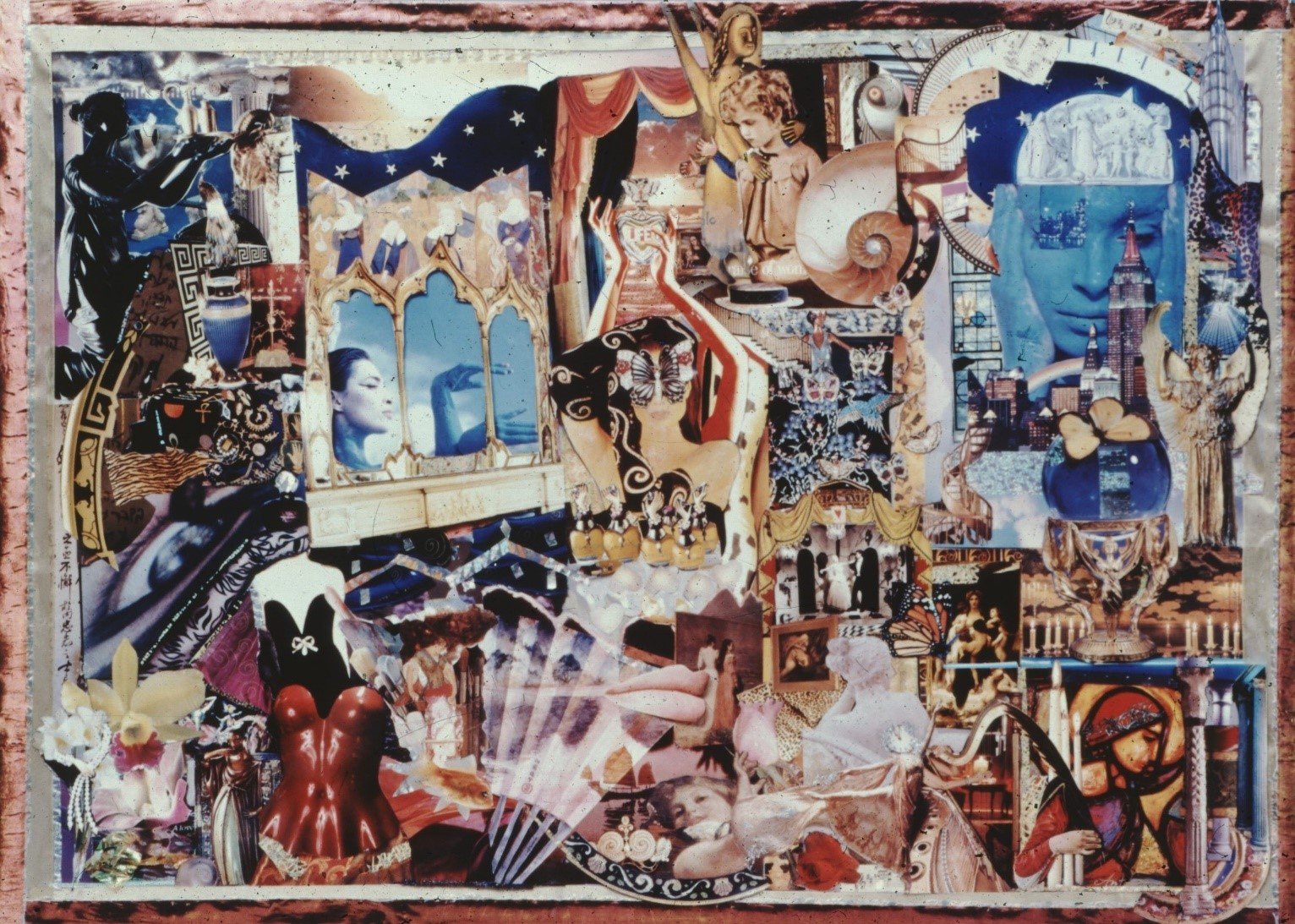
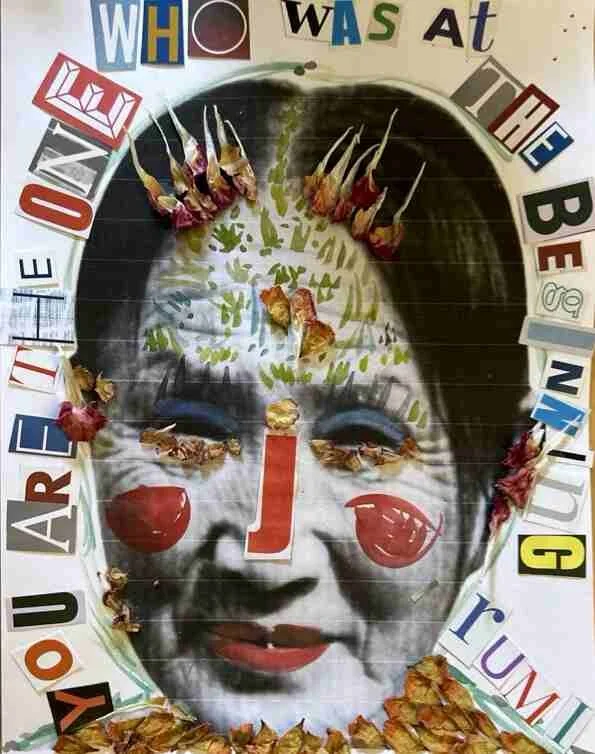
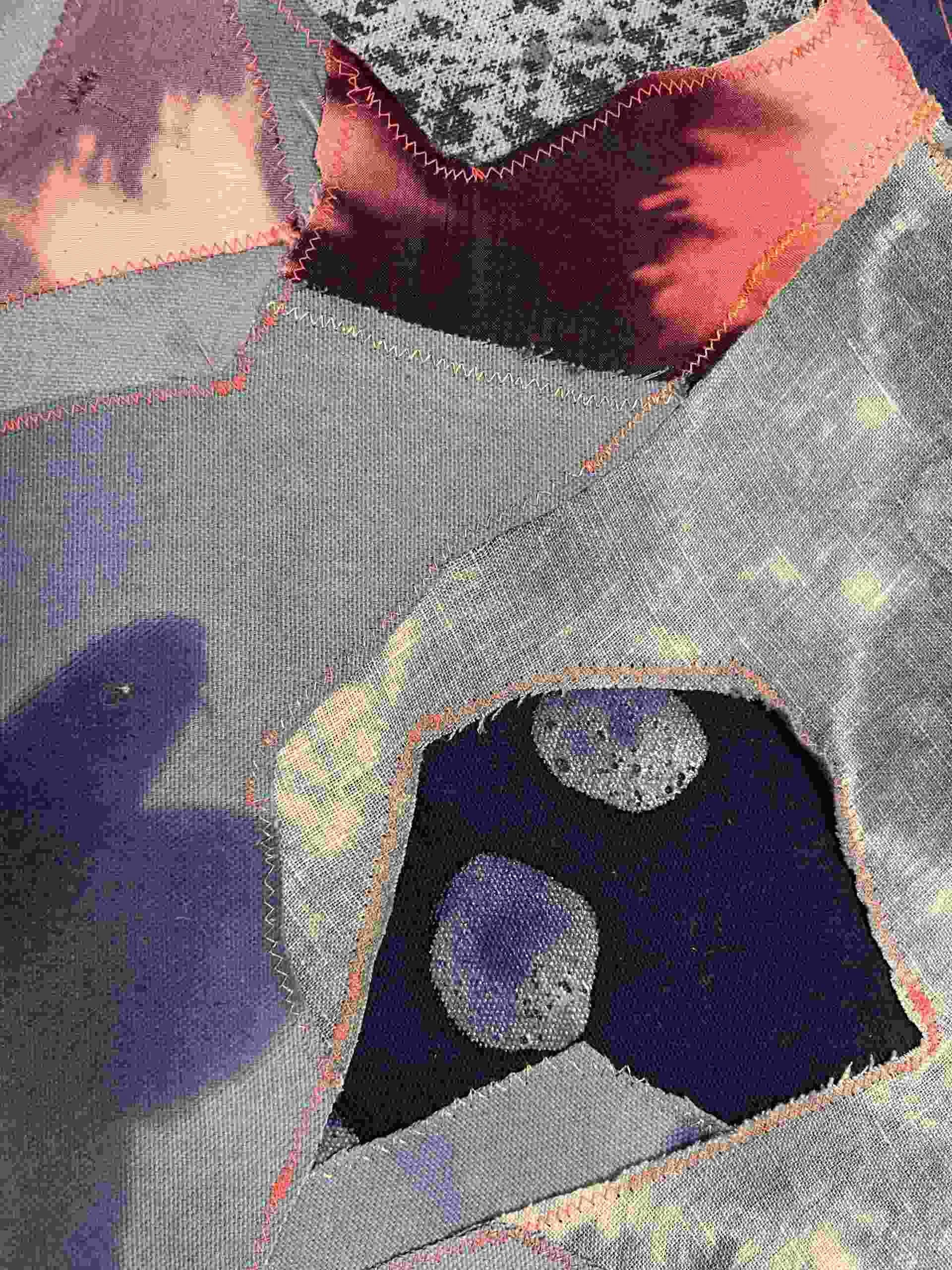
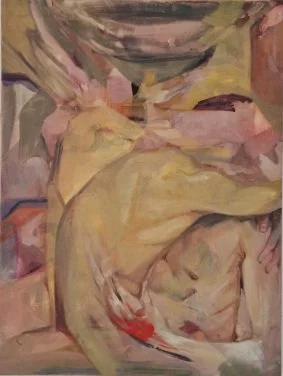
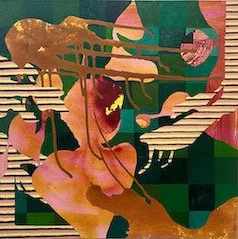
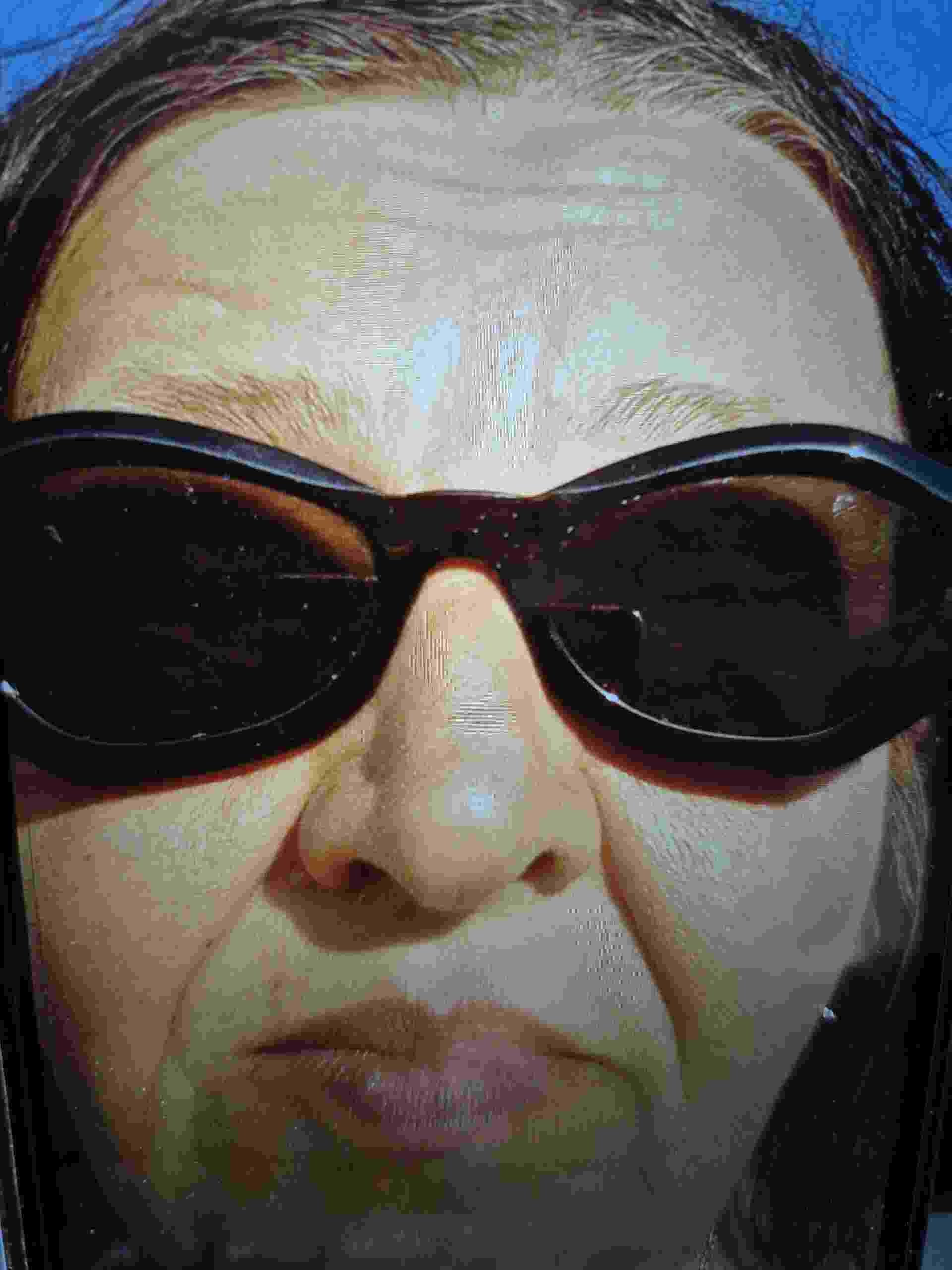
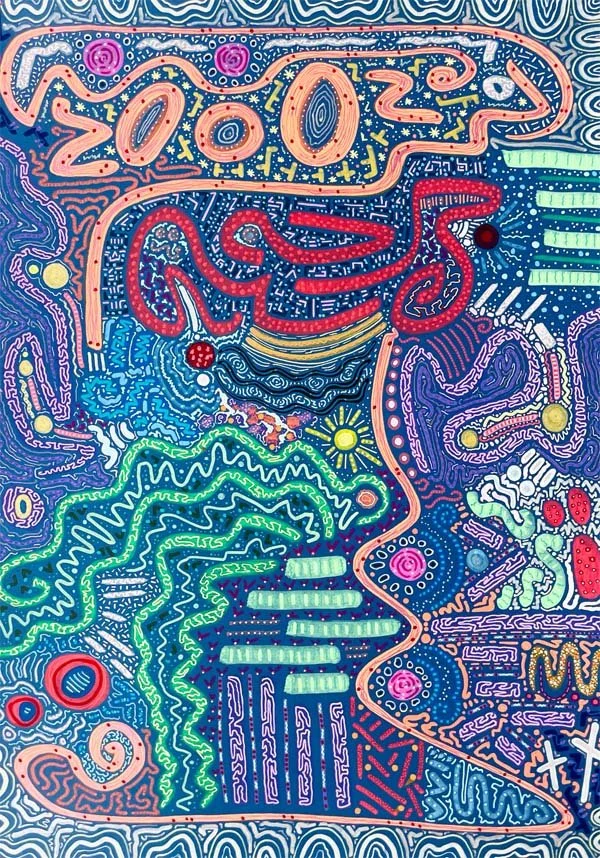
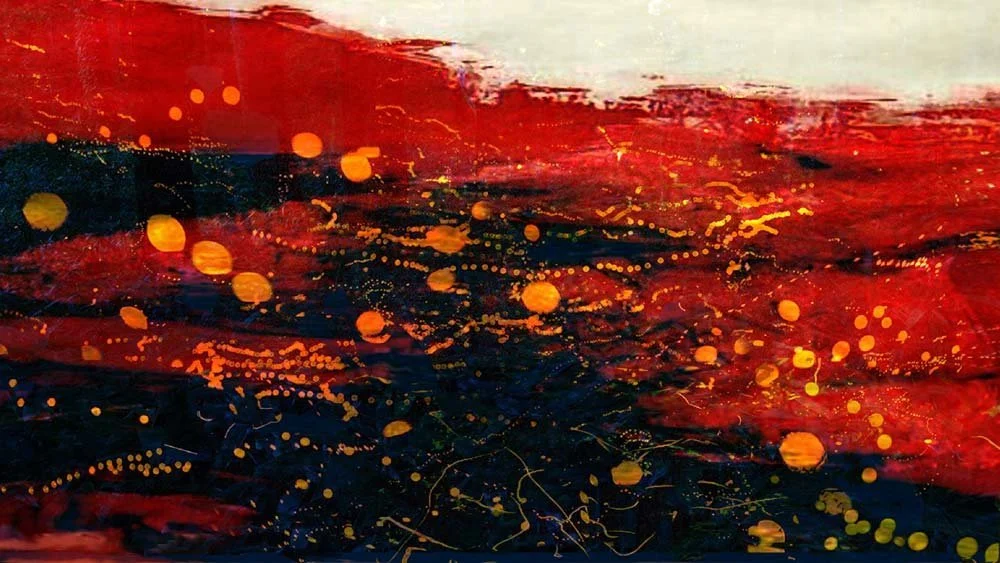
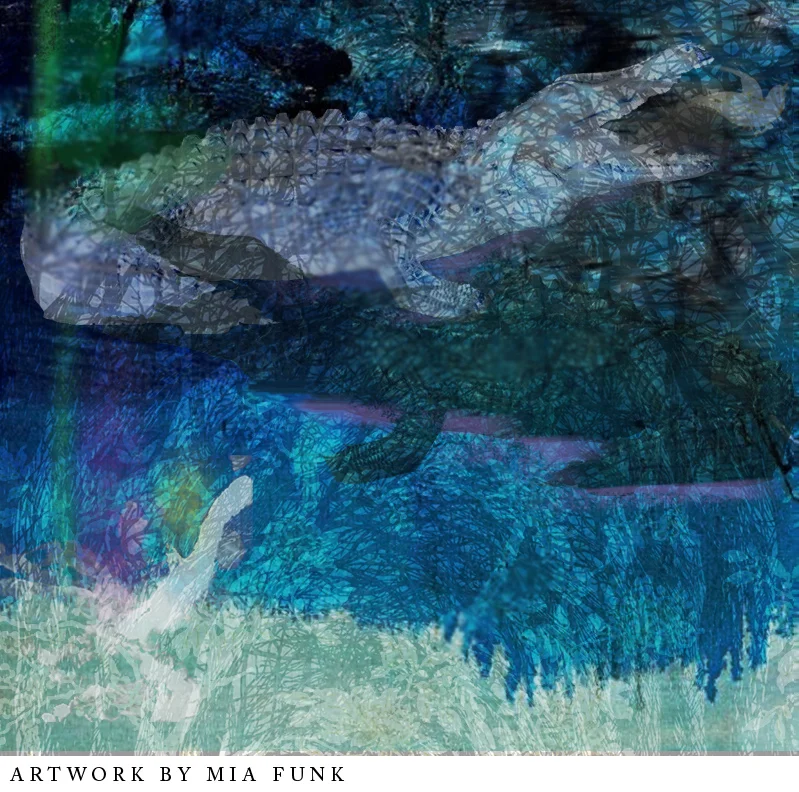
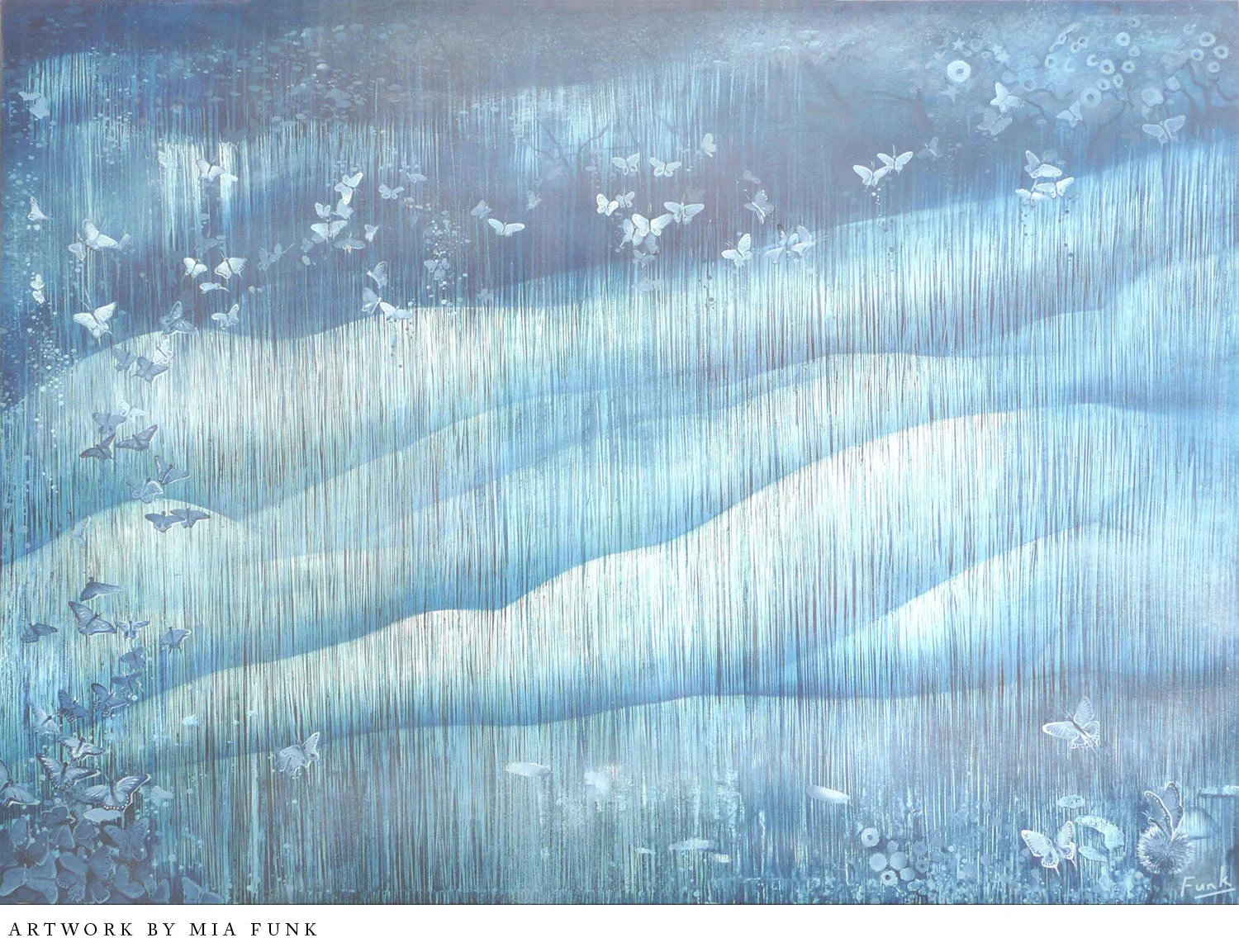
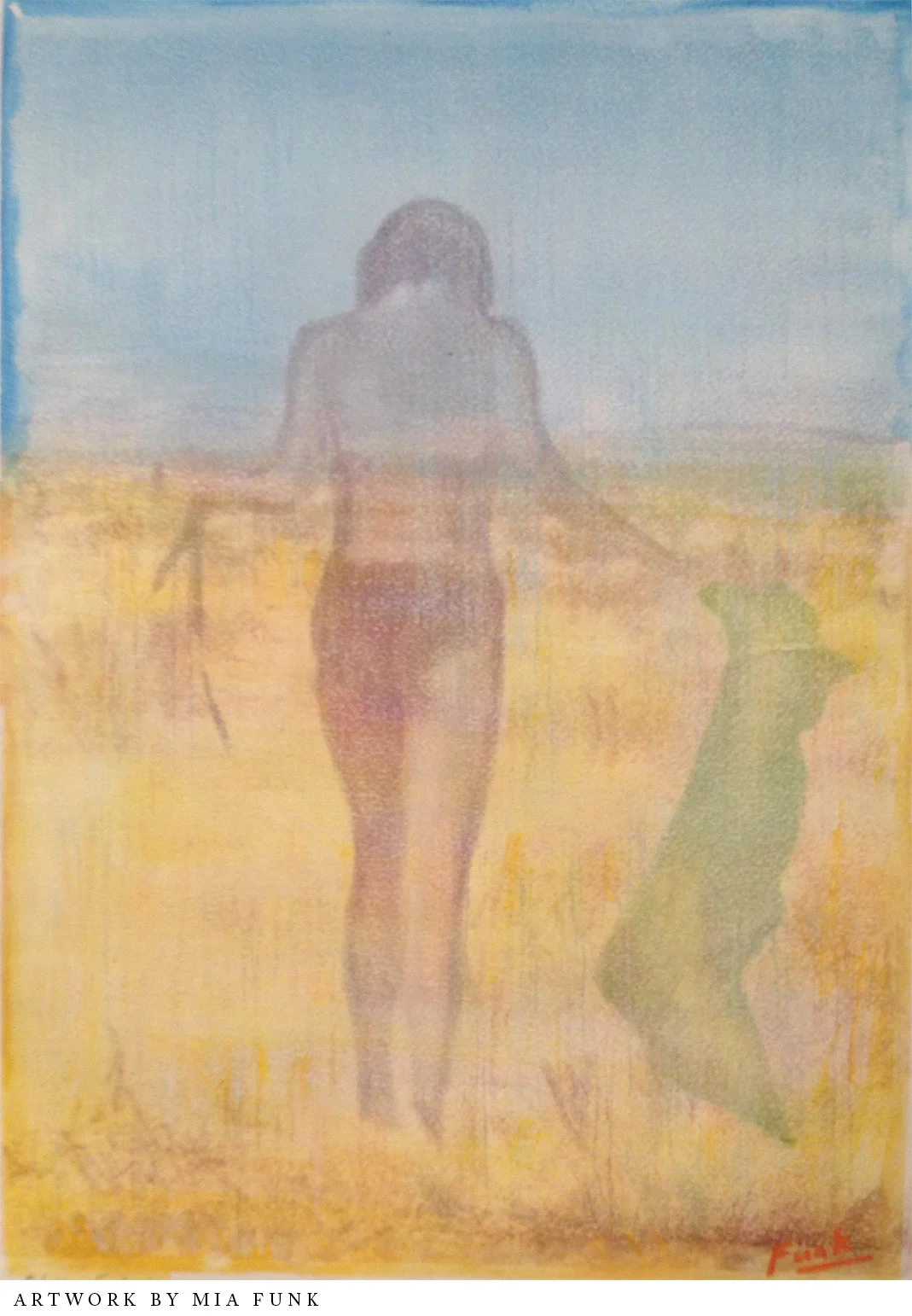
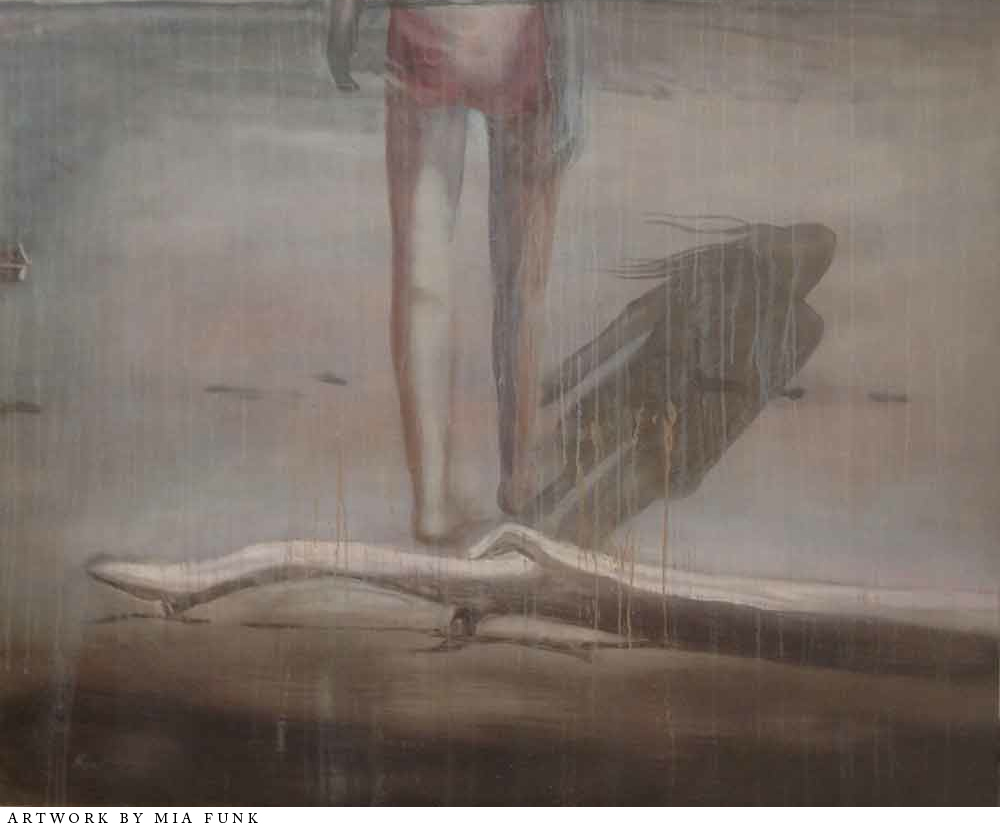
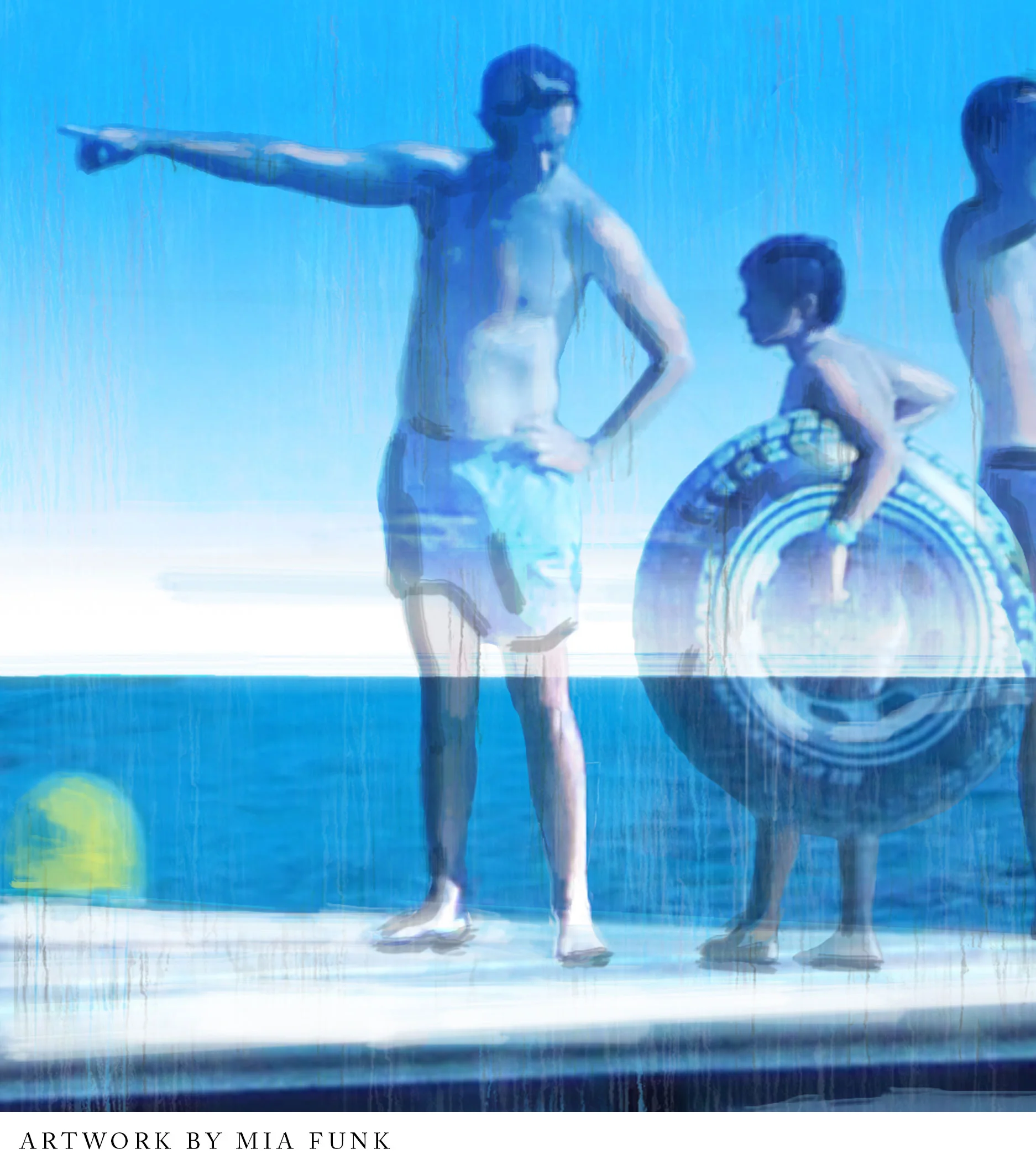
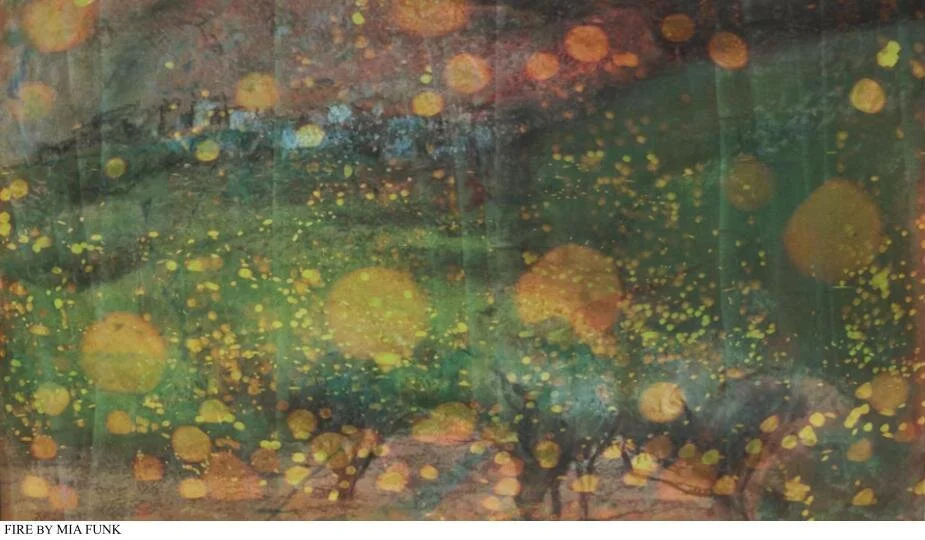
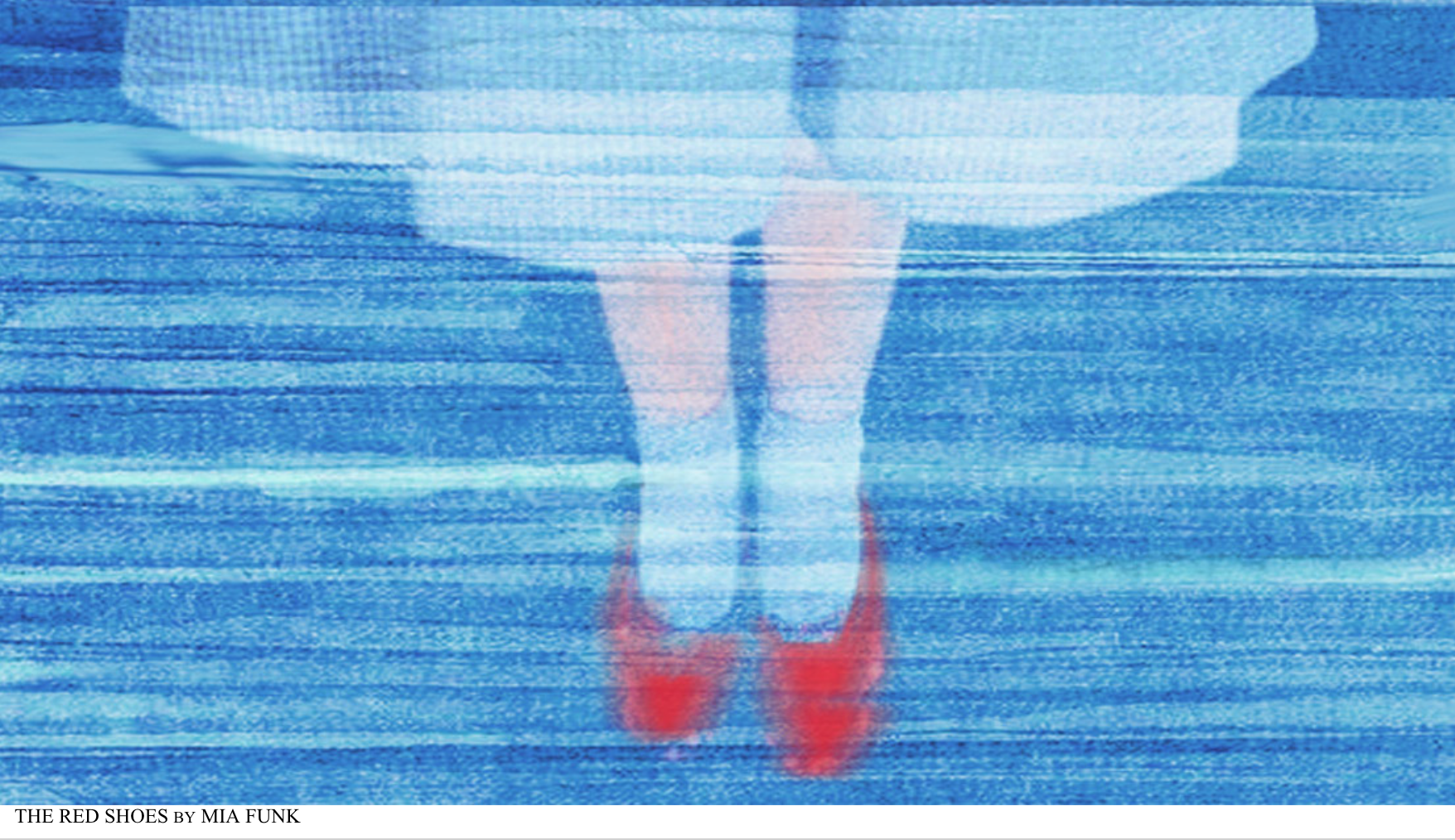
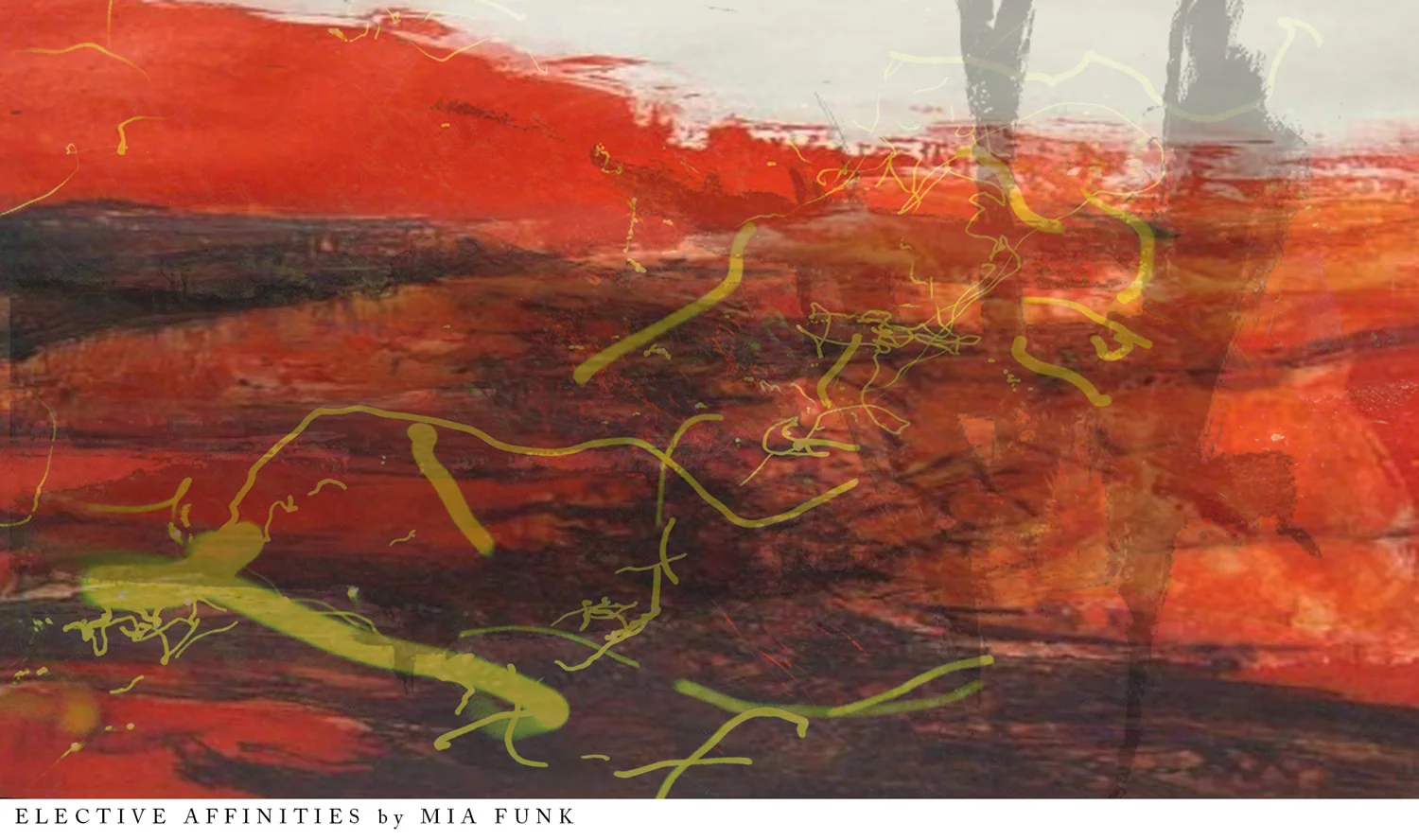
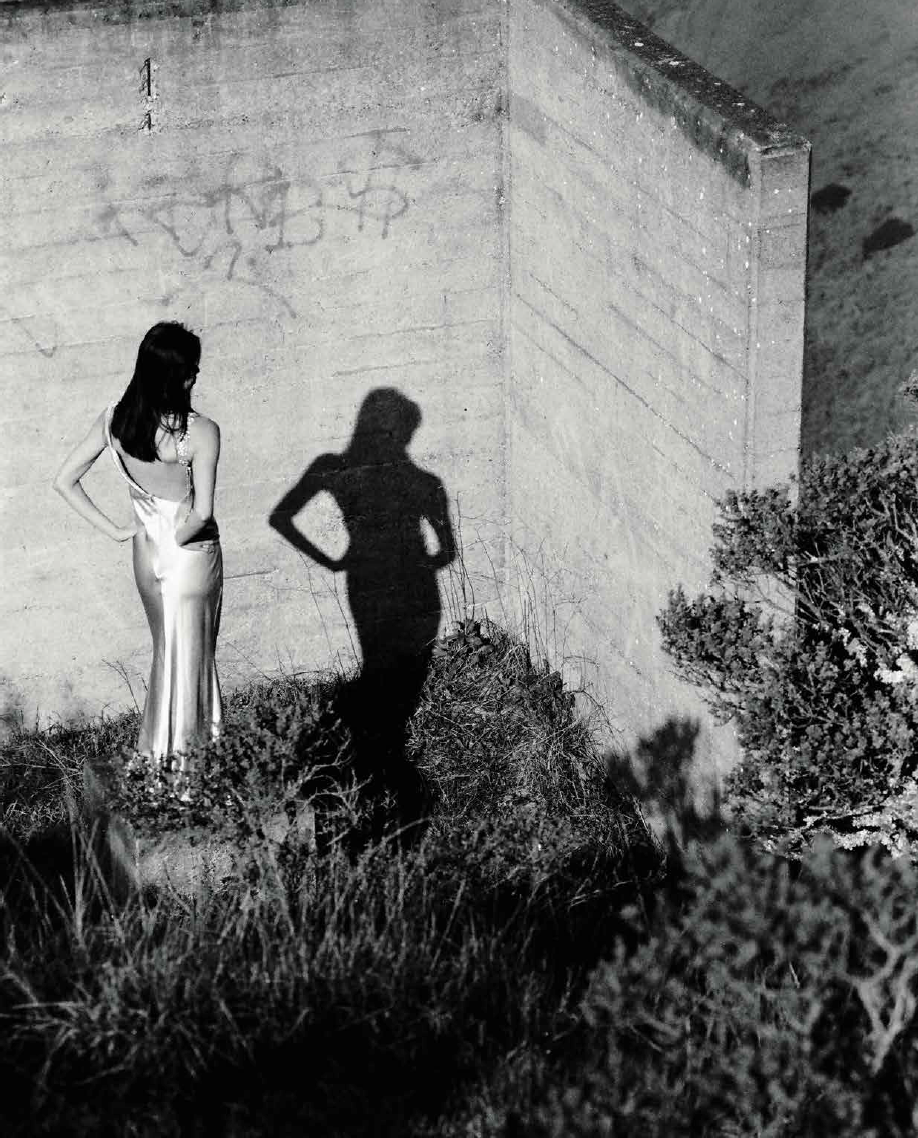
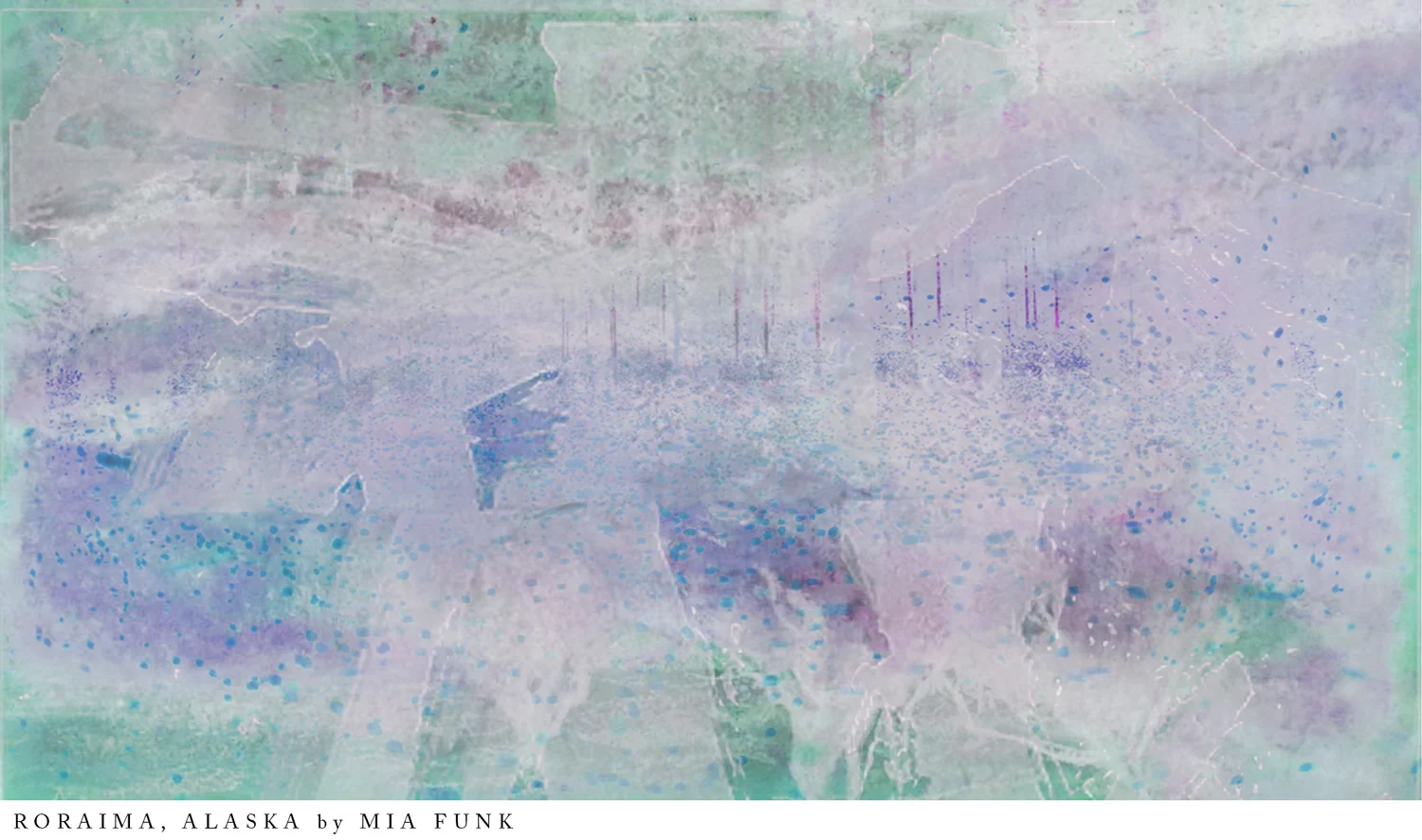
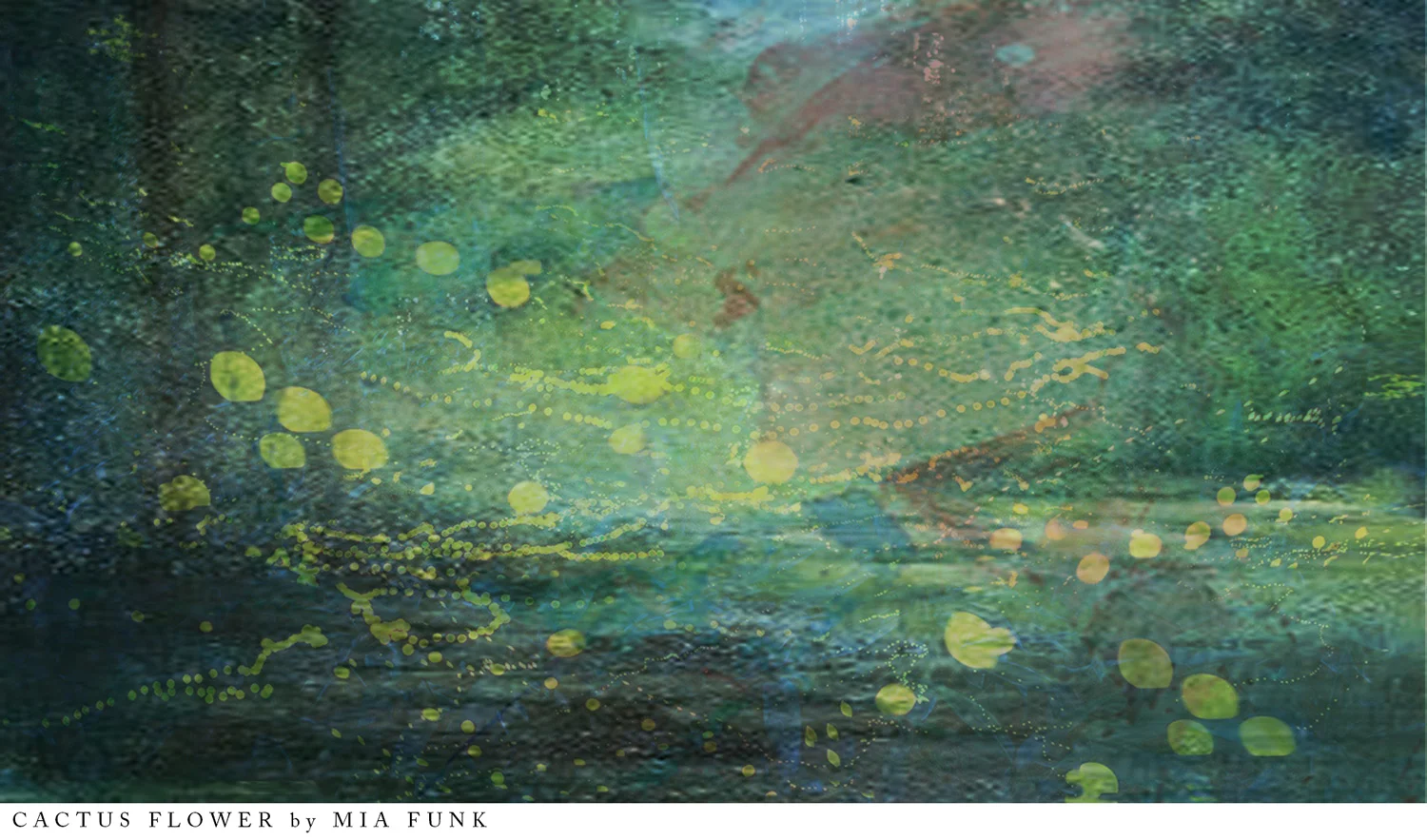
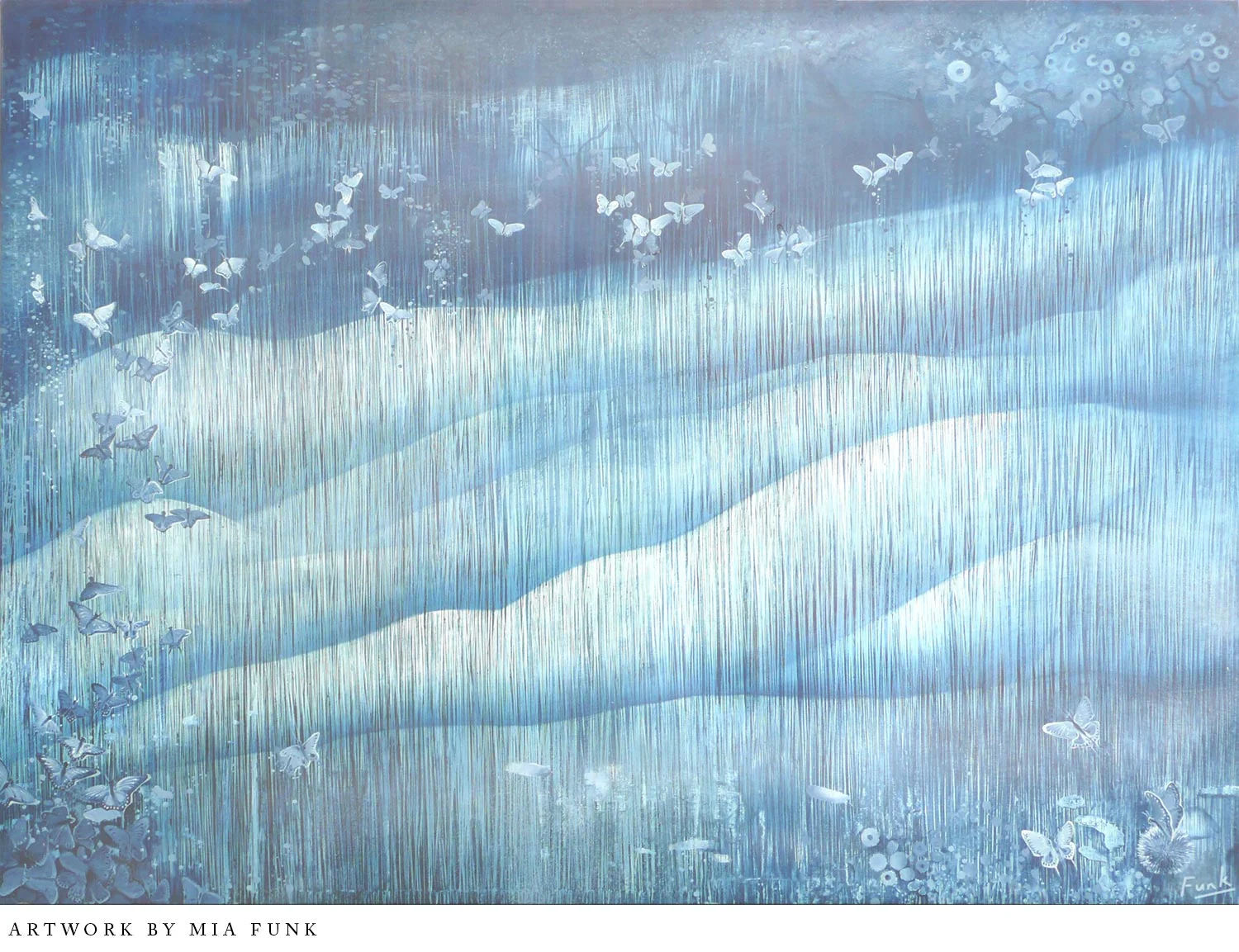
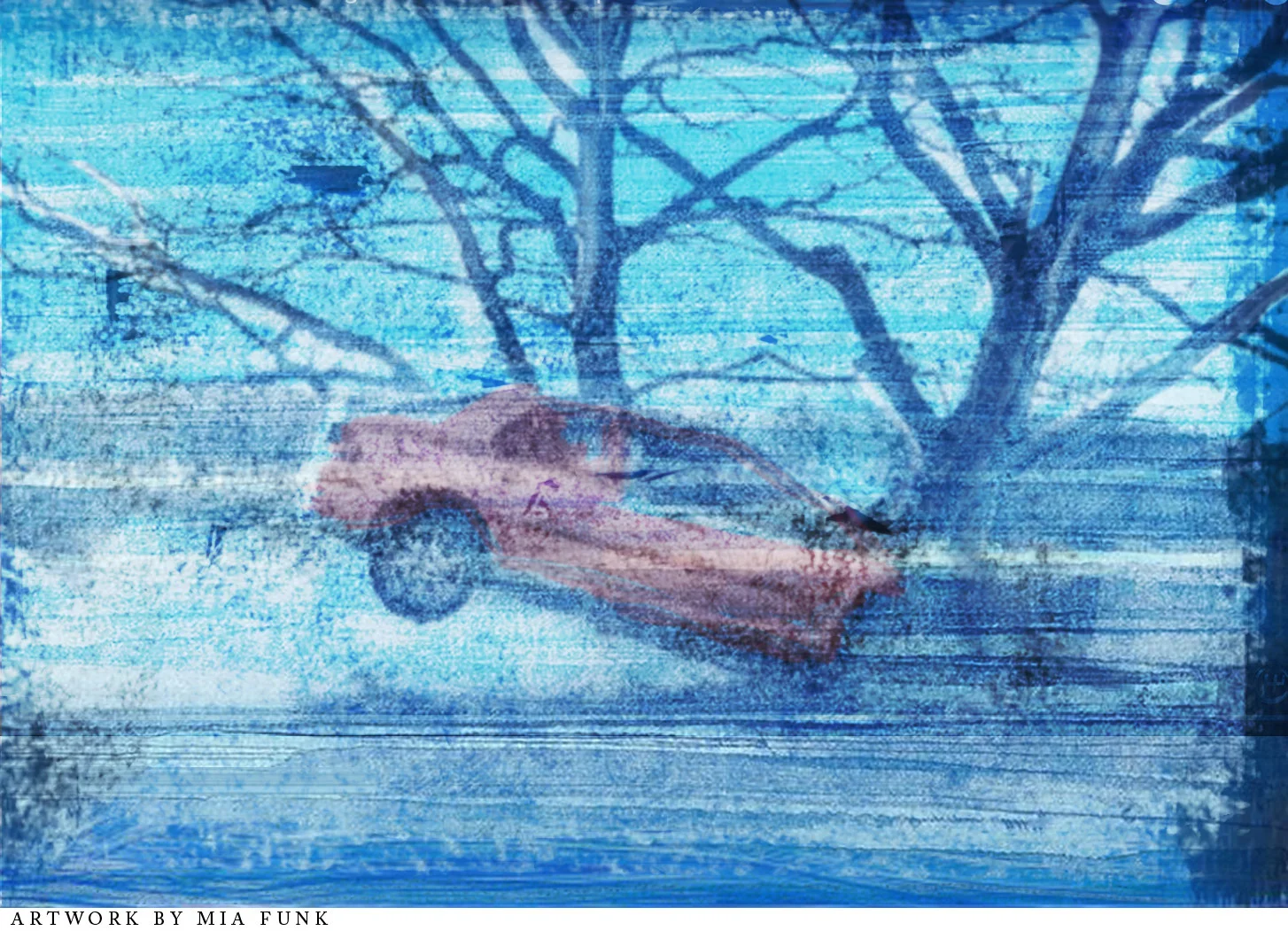
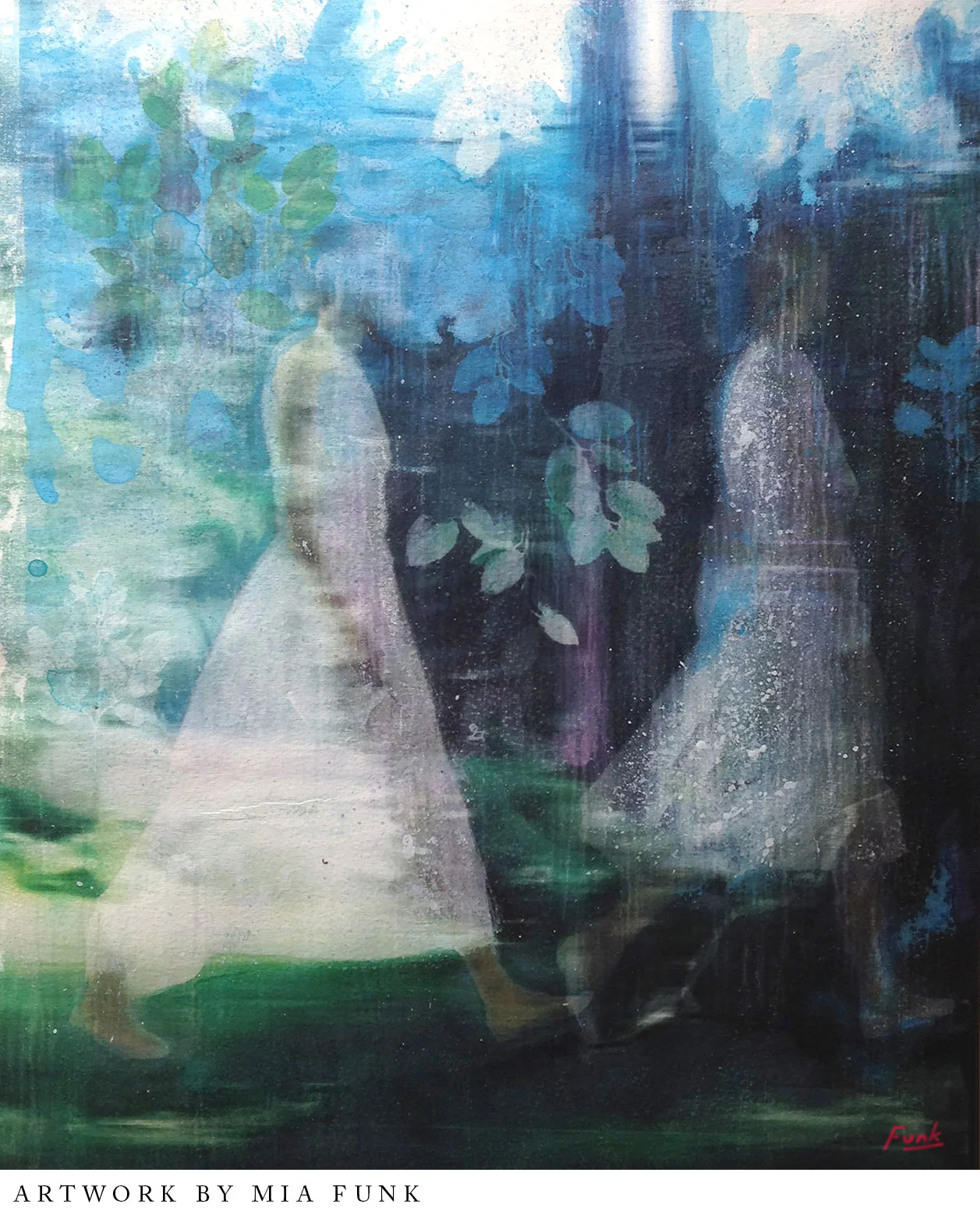
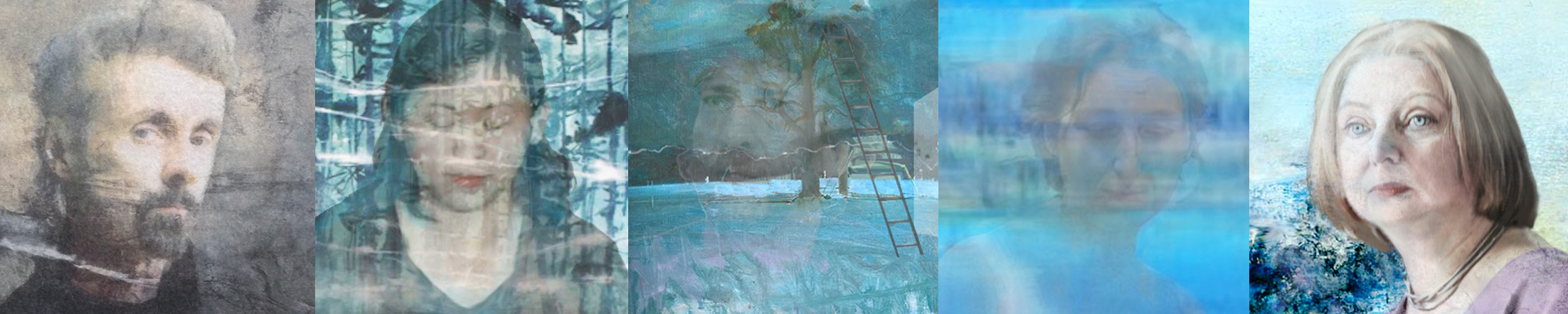
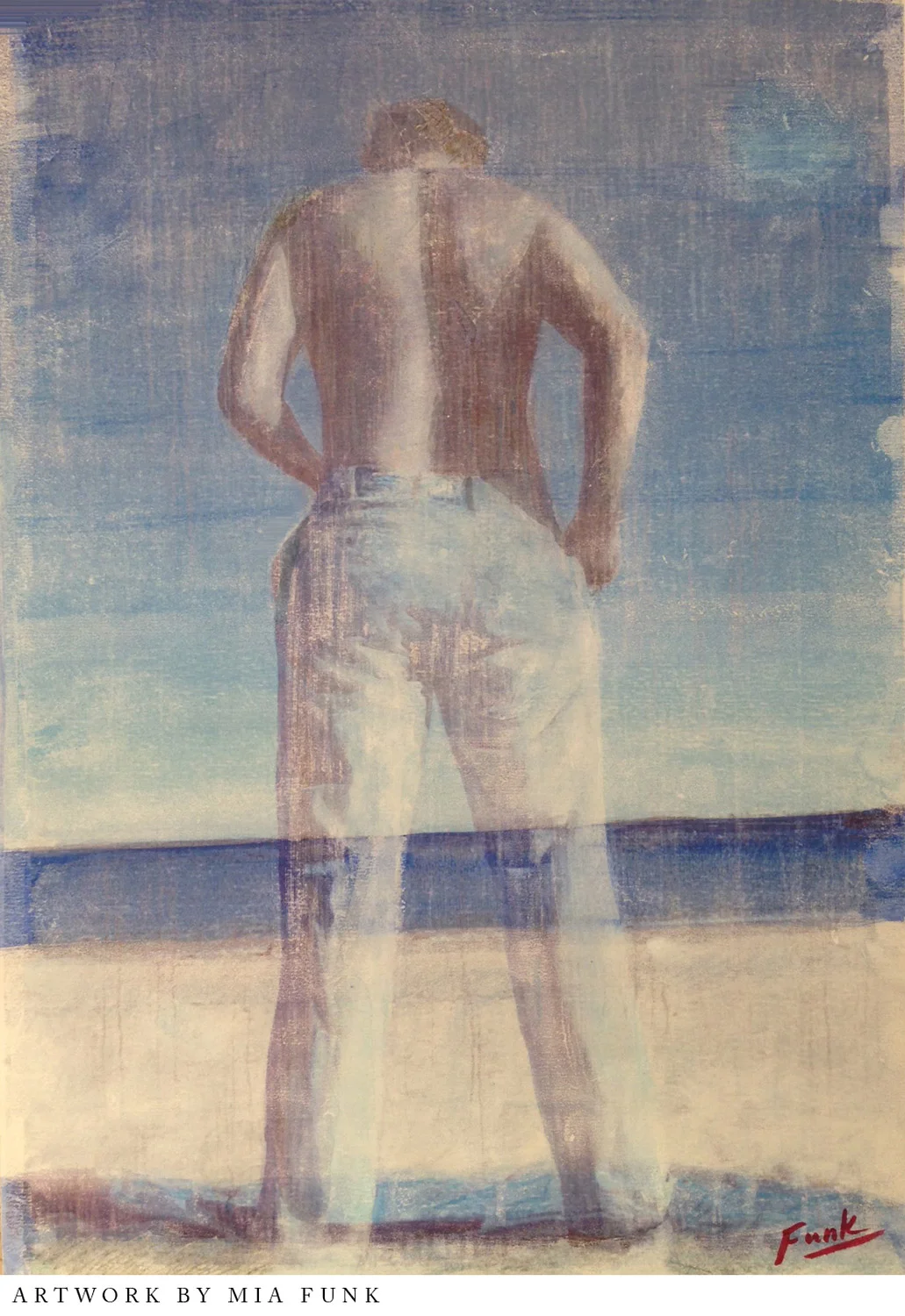
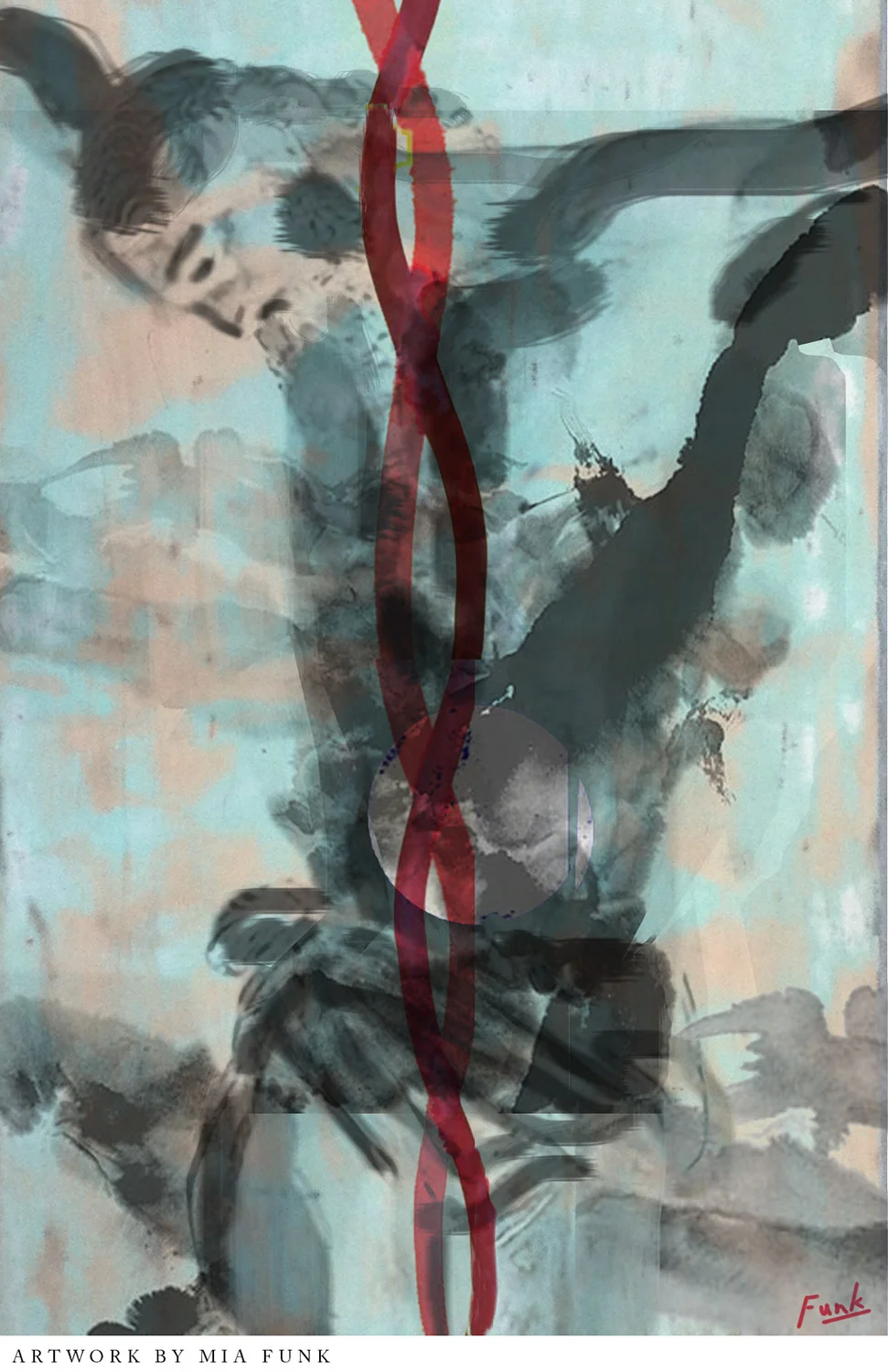
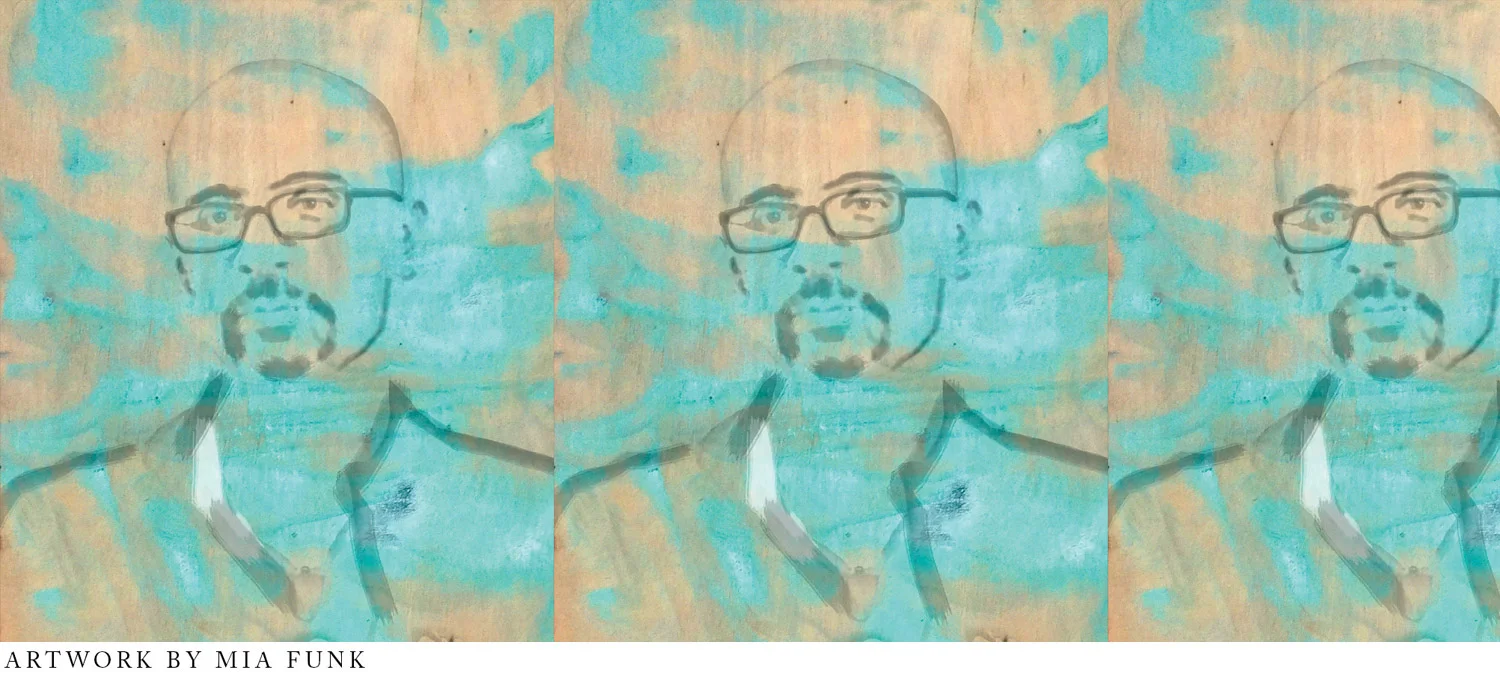
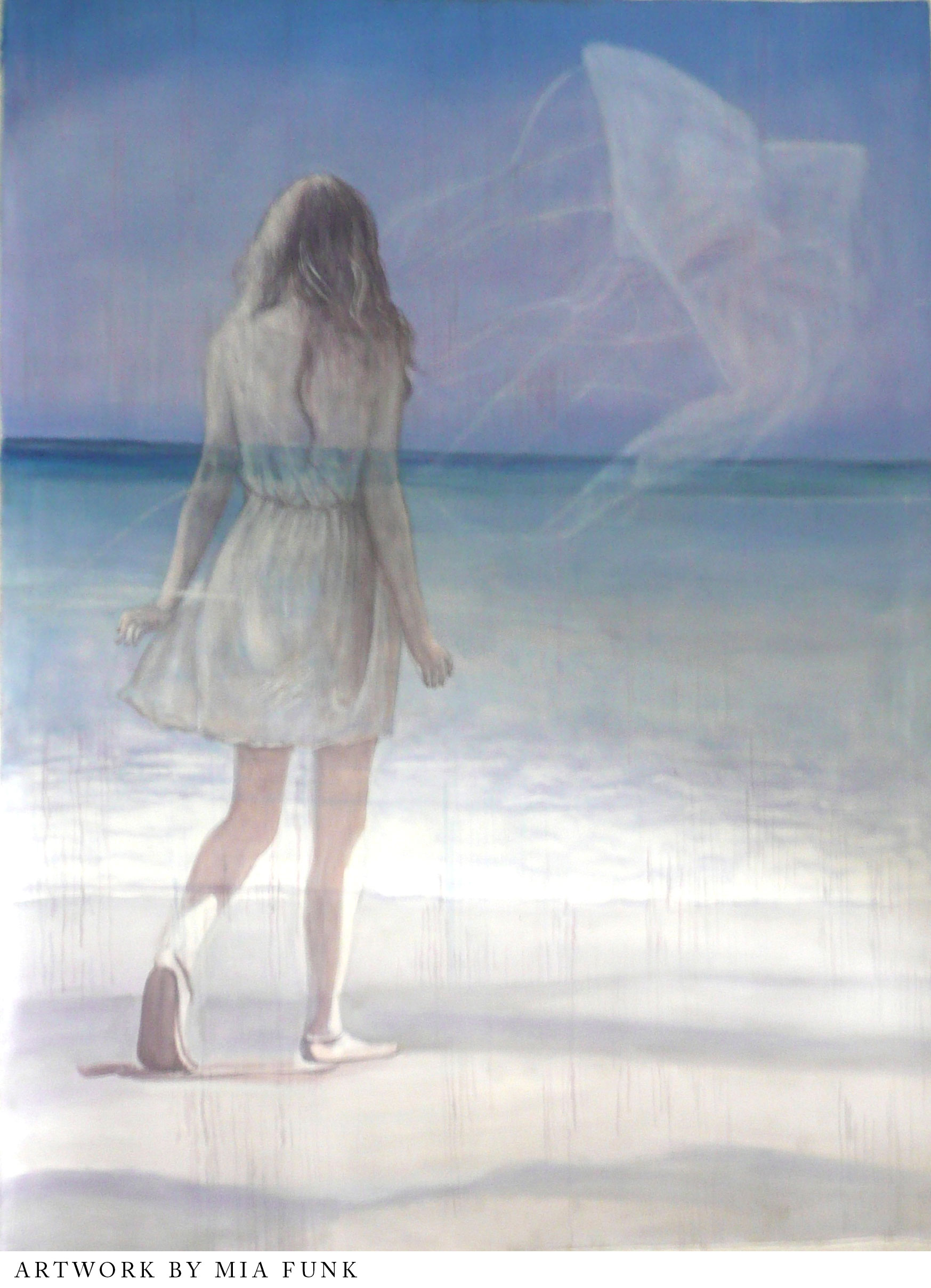
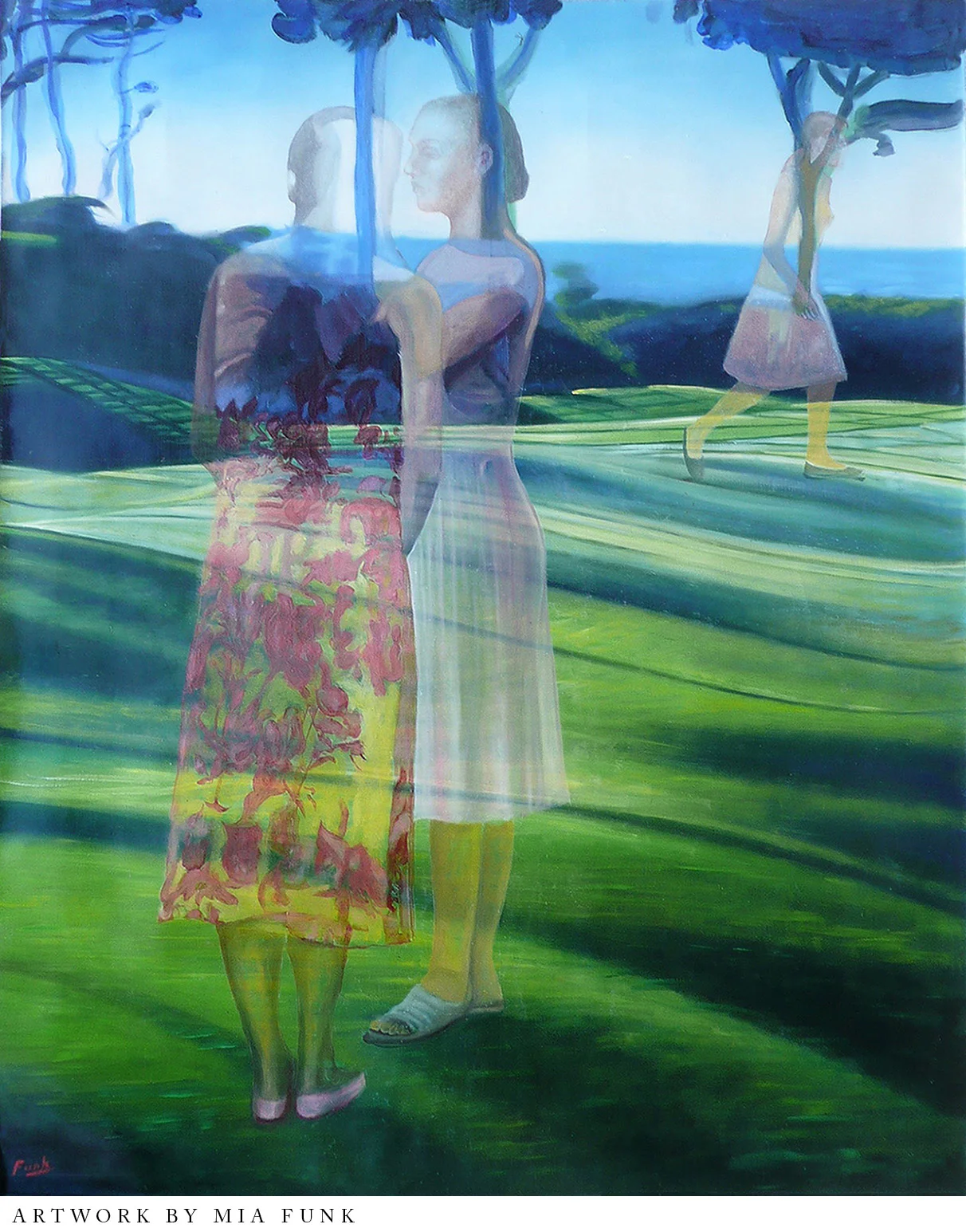
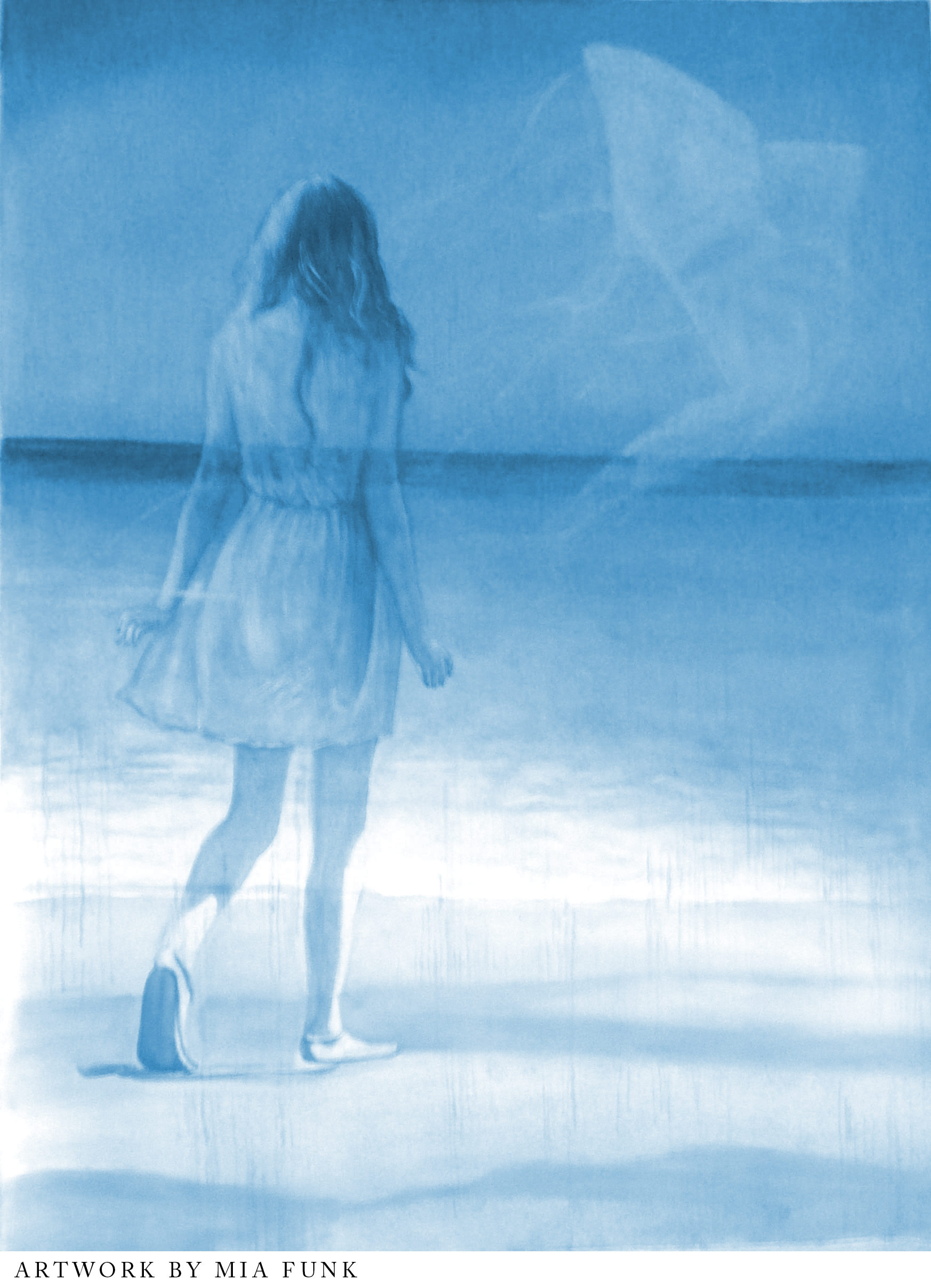
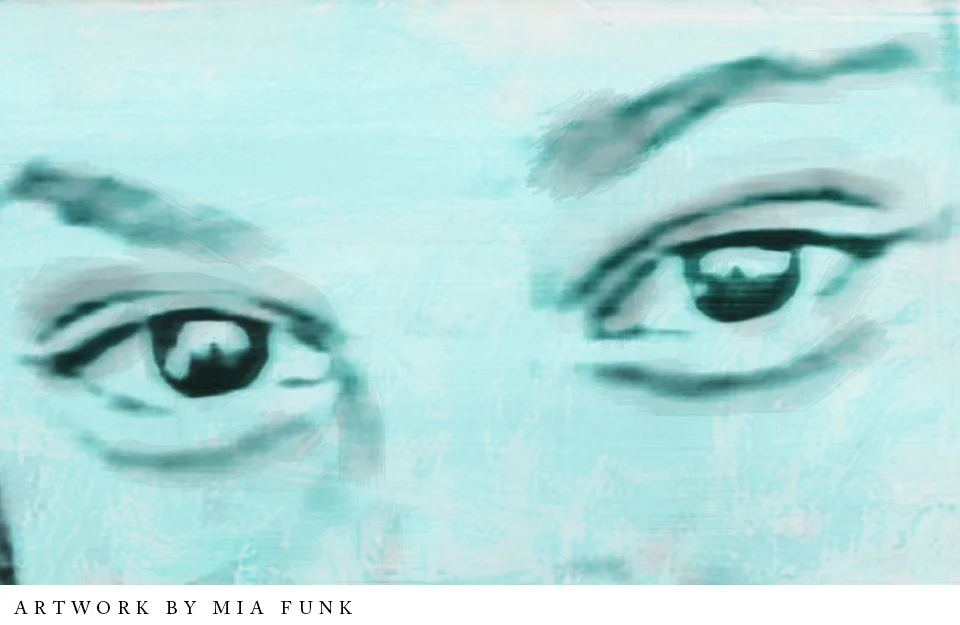
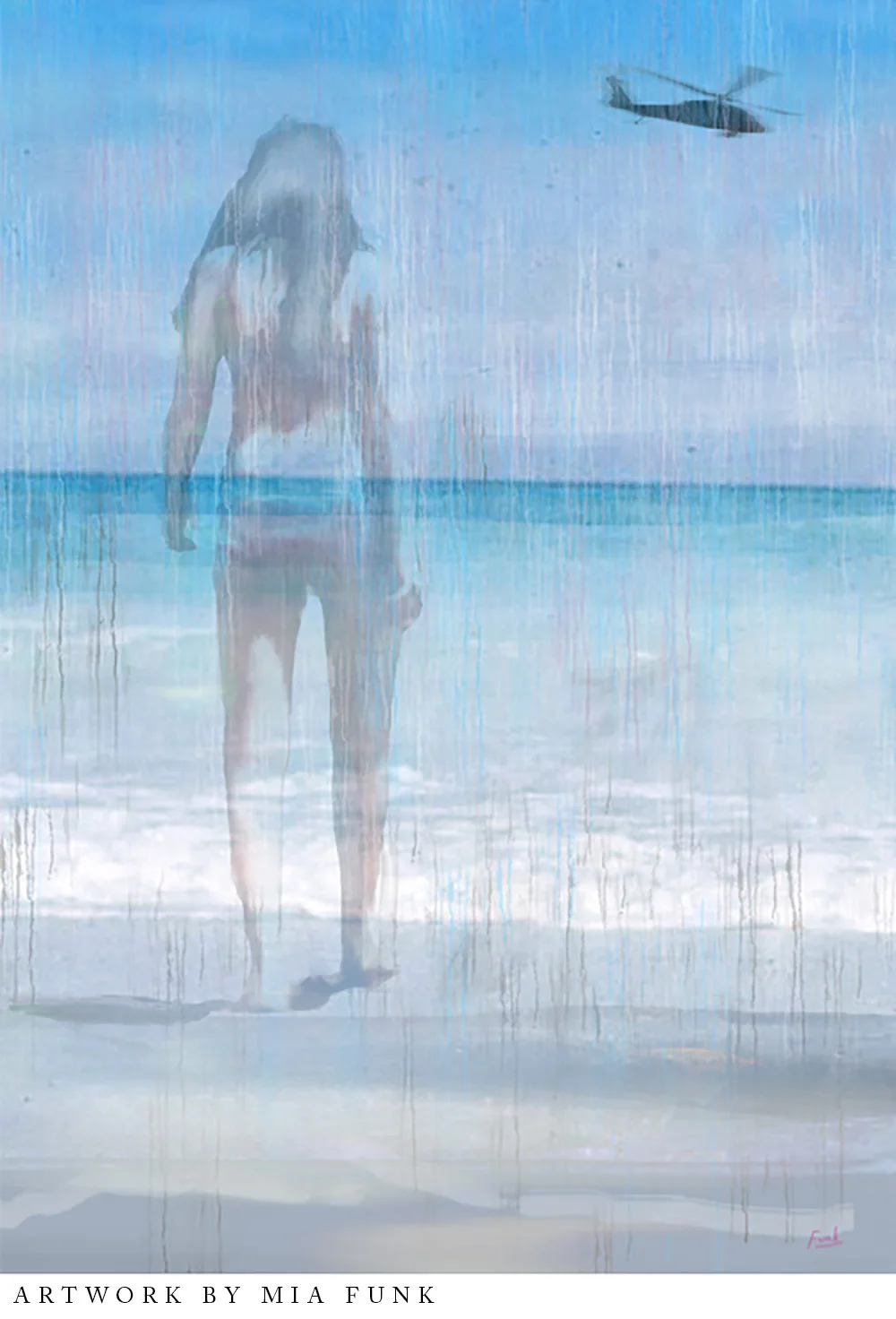
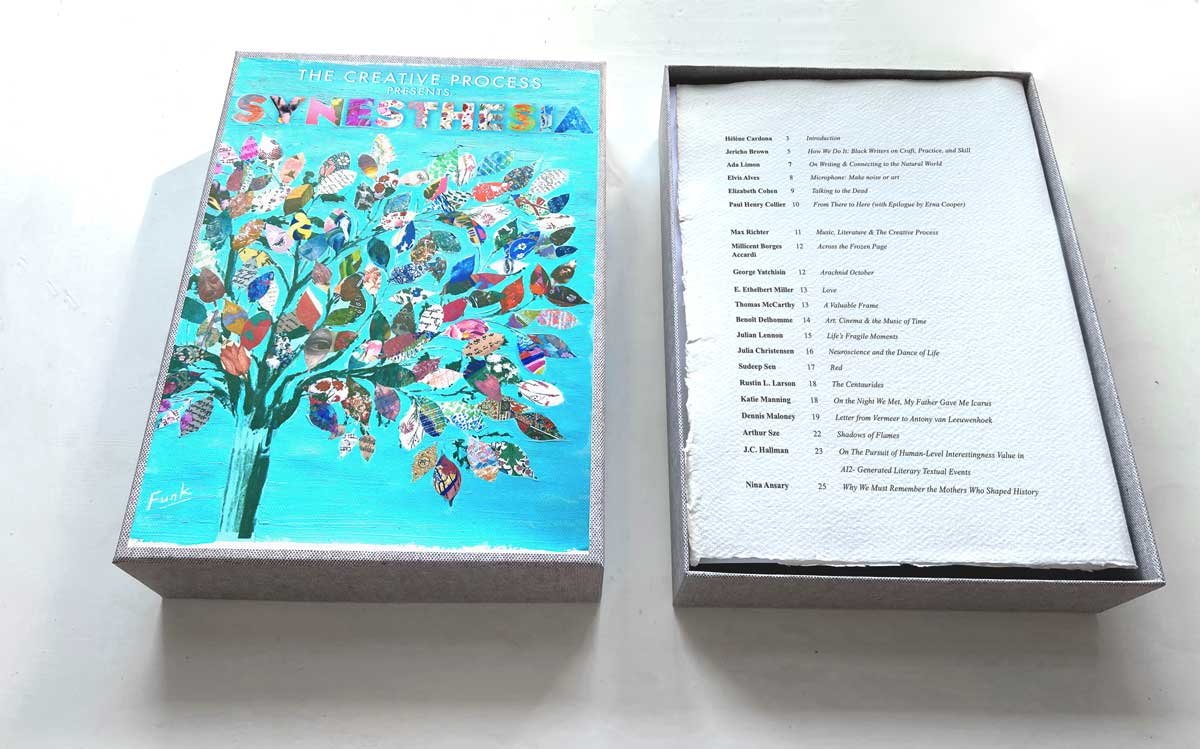
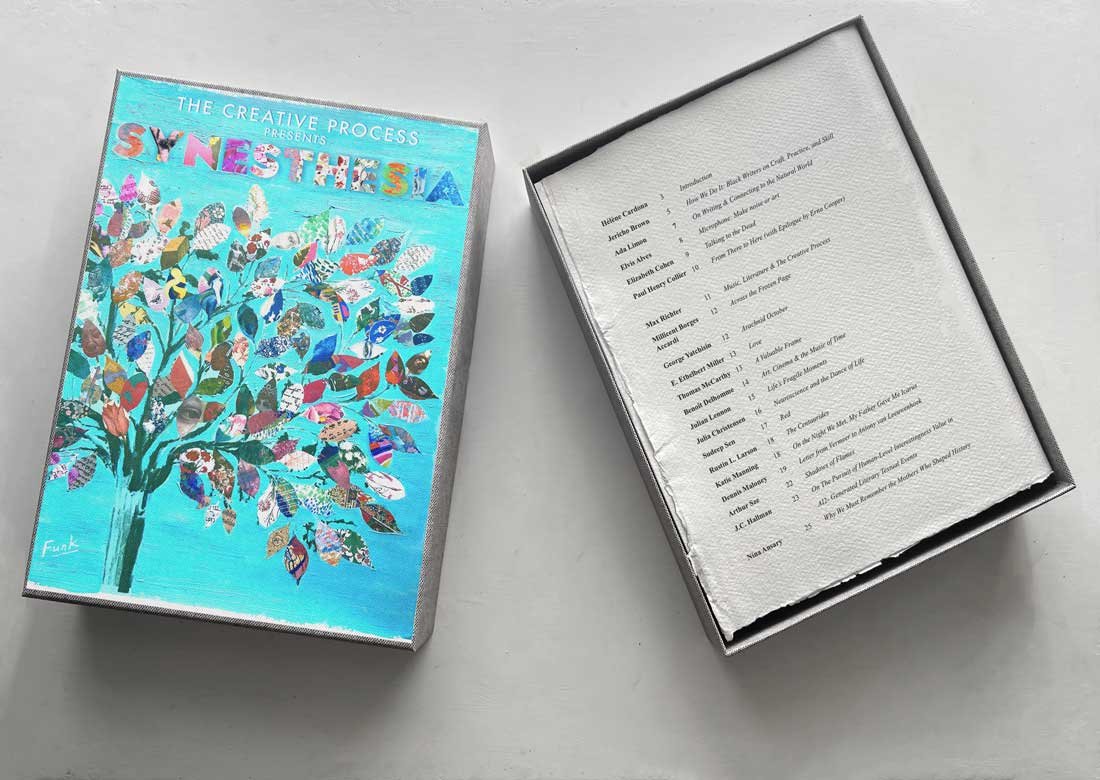
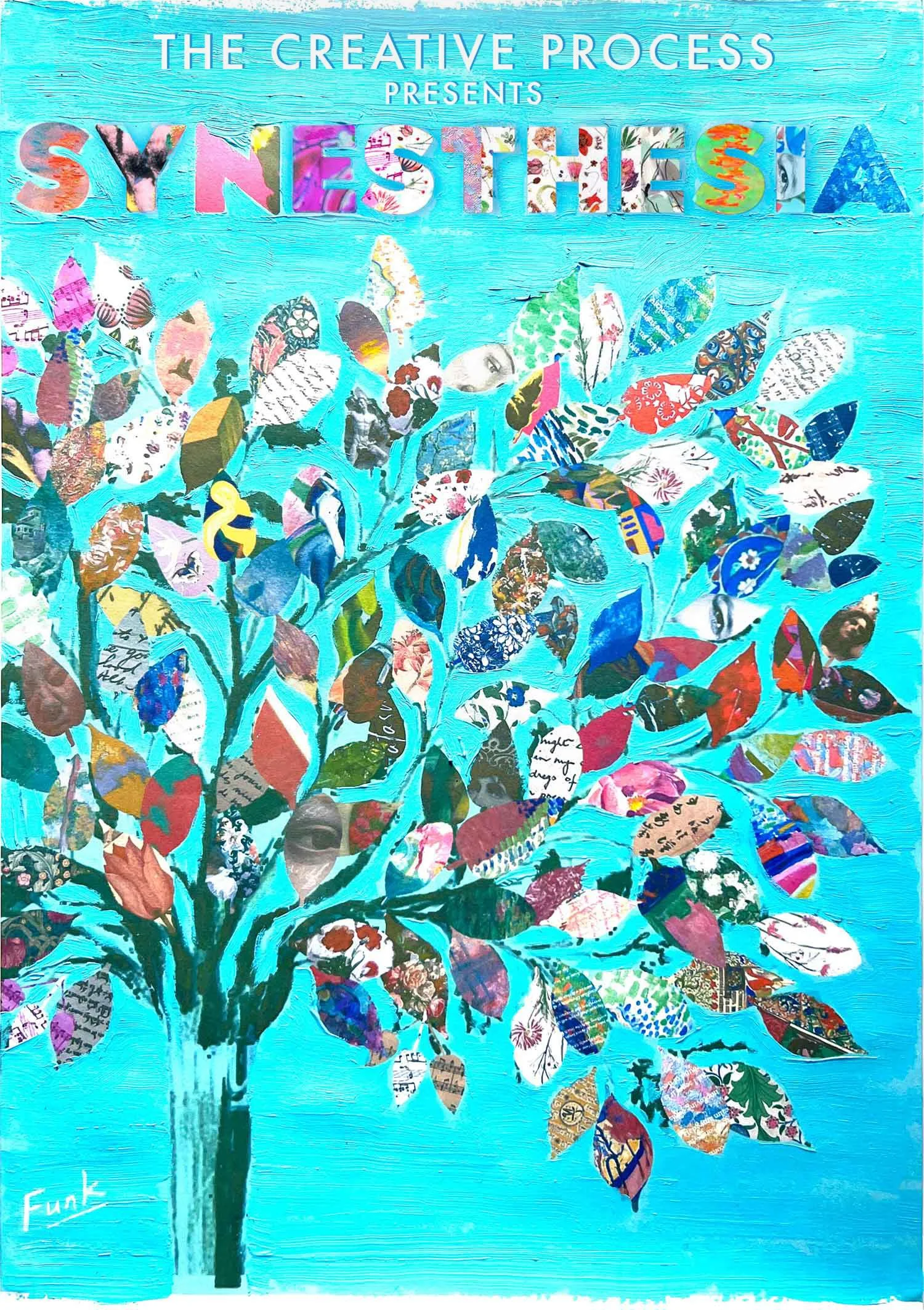
Cover artwork by Mia Funk, incorporating visual elements by contributing writers and artists.
Digital Editor Nadia Lam
Featuring work by writers and artists from over 30 countries: France, Hungary, United States, Ireland, United Kingdom, India, Iran, Greece, Lebanon, Germany, Italy, Macedonia, Romania, Belgium, Canada, Ukraine, Australia, Israel, Japan, Russia, Peru, South Africa, Uruguay, Albania, Nepal, China, Jordan, Mexico, Algeria, Denmark…
Conversation with Journalist JACOB WARD · Author of The Loop: How AI Is Creating a World Without Choices and How to Fight Back · Host of The Rip Current Podcast
Civilization is really a very new and very glitchy thing. If you talk to evolutionary psychologists and people who've looked at how our brains have developed over hundreds of thousands, if not millions of years, they'll tell you that our sense of wonder and creativity, as well as our ability to be cautious and rational, and to trust people we've never met to govern us, all of that kind of stuff—the vast majority of our decision-making actually rests on a much older, much more ancient system. We are so much more like primates than we like to think. Certainly, that's been the lesson of the last sort of 50 years of behavioral science. I was trying to marry a lot of research looking at the ways in which people are trying to build interesting technologies, but then deploy them to make money, and how tempting it is to throw those technologies at those ancient decision-making systems, especially because so much of our decision-making is instinctive. My worry with AI, of course, is that as we automate decision-making more and more, we use automated systems not only to entertain ourselves but to decide who gets a job, who gets a loan, and who gets bail. I worry that we're going to be in a position in 20 years where we don't have the internal compass we once did. We may have slid away from that higher human functioning—the creativity, the rationality, and all that stuff—and back toward a more primitive version of ourselves, because that's the part that gets played on by this kind of technology. And that's how all these companies wind up making money.
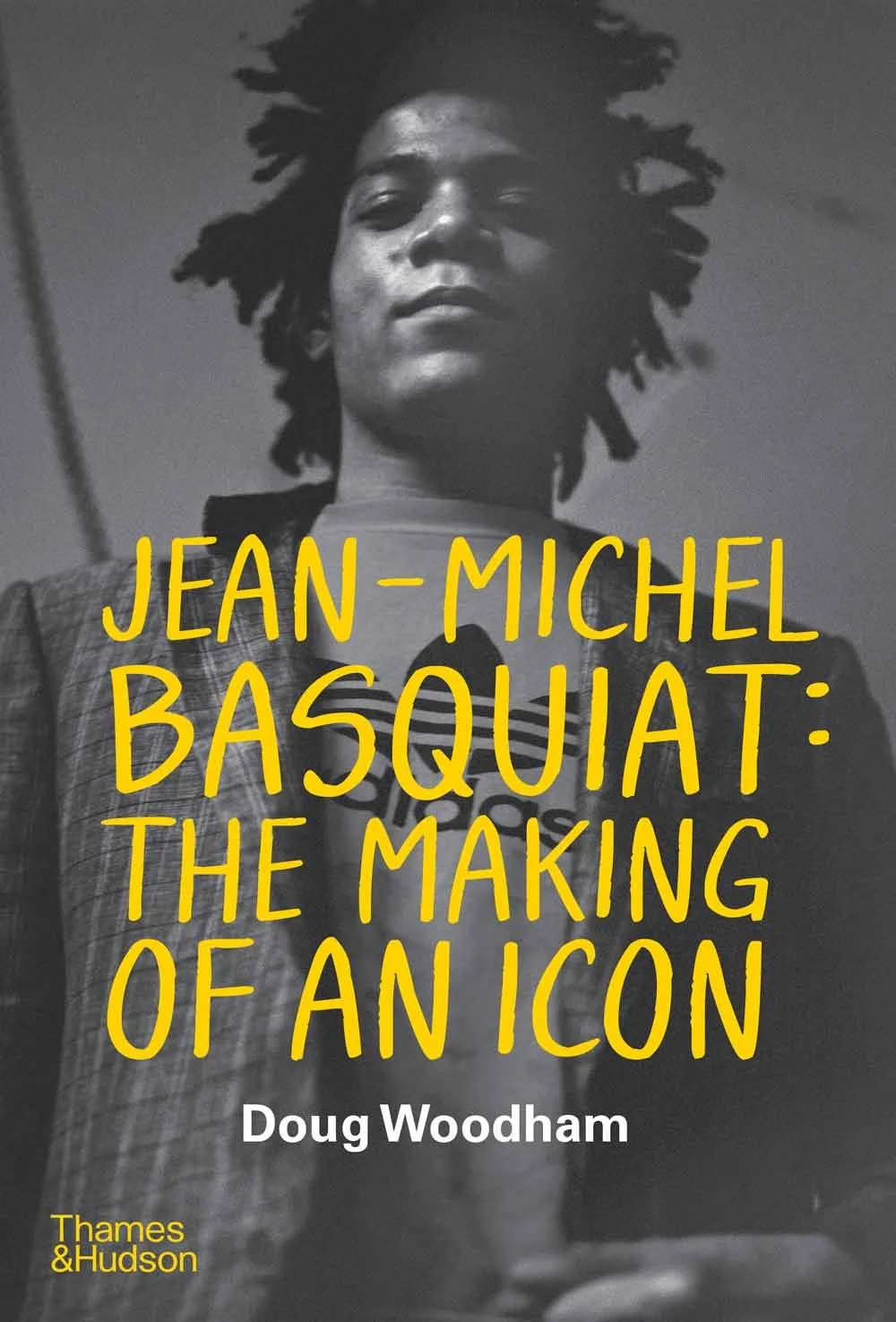
A Conversation with Author DOUG WOODHAM
Fmr. President of the Americas at Christie’s · Managing Partner, Art Fiduciary Partners
All of the great artists are there for a reason: because they rebelled in some way. They created a visual vocabulary that felt fresh and new, which excited people. So, the great artists are not built on sort of anthills of sand. They're built on things of substance and of meaning. Though this is not a sufficient condition to become an icon, it's a necessary but not sufficient condition. I think you have to have an interesting and vivid personality or personal narrative that makes you interesting for people to talk about and want to learn about. I think you also have to have a support network of galleries, curators, and collectors who are excited about your work and want to push it forward, not wanting it to be forgotten. Basquiat's visual vocabulary is distinctive and stands out relative to what was being done in the 1980s. That's the sort of strong hill on which his reputation is built. Basquiat benefited from being the first black artist of note who got pushed forward. As in many things, the first benefits.
A Conversation with International Gallerist, Curator & Podcast Host
Today, the world is very divided, lots of fractures. It is the time for art and culture to come into play because art is about soft power. If we want to resolve misunderstandings, art is the best, best, best way to communicate. So use this.
Starring CLAIRE DANES & MATTHEW RHYS · A Conversation with Showrunner, Exec. Producer HOWARD GORDON & Exec. Producer Writer DANIEL PEARLE
I think there's also something about an unfettered or uncensored id that is so captivating. We all have that fantasy of doing exactly what we want with no consequences and sort of letting that go. I think when you see an athlete at the peak of their game and living that dream, or when someone has actually done horrible things that you would never allow yourself to do, there is a fascination there.
Before writing, poetry was the oral tradition. The poet, historian, held the knowledge of where the people came from. Was second only to the king. The poet makes or breaks one by recounting exploits or failures. Who are William Dawes and Samuel Prescott? They strode alongside Paul Revere on Henry Wadsworth Longfellow’s famous midnight ride yet went unmentioned in the poem. Sixteen-year-old Sybil Ludington rode twice as far that night doing the same, but her name is less illustrious because no one wrote a poem about her. In 1821’s “The Defence of Poetry" Shelley claimed "poets are the unacknowledged legislators of the world".
Do you remember a language older
than time, when a shiver down my mother’s
spine was worth a thousand words
and the melancholy in my father’s eyes,
reflecting Lake Geneva, was indecipherable?
There, unbeknownst to me
in a world inhabited by swans,
I too swim in concentric circles
to find the resonance of my core
and discover that in dreaming
lies the healing of earth. In dreaming
we travel to a place where all is forgiven.
In dreaming is the Divine created.
precarious when my view south
looks back at me & as for place
(say it) a part of me looks down
& in trying to avoid visibility
I am the sea
I am the sun
I am the wind blowing in the world sky
I am the blue eyes
I am your blue eyes
You slouch in the large chair, legs crossed.
Nobody watches—unconcerned with posture
or other irrelevant conventions.
Preparing to write is that exquisite
and terrible state where even to breathe
too loudly could distract from the truth
just forming in the electric corner of the brain.
Girl holds what is not baby anymore. Her keening echoes. She dips her finger in clay dust. Places it against the cave wall where she sleeps. One more mark, rusty-red, to show pain. The love of something not fully realized, just dawning.
In the dream, I was walking.
I didn’t know where I was:
Woodland, dim like a stage set.
I saw two lady centaurs.
Both wore park ranger uniforms
On their human parts,
Complete with badges and hats.
“Pardon me,” I said to one.
Her nametag said “Phyllis.”
I said, “I’m a bit lost.
Can you tell me how to get back?”
Freudenschreck, or “intense pleasure-fright“ – leave it to the Germans
To coin a word for the fleeting sense of being seized
By such an inexplicable joy it verges on terror.
Or maybe it’s inexplicable terror pretending to be joy.
Also, a physical phenomenon: neurologists say the amygdala
Glows red as a jack ball whether subjects gaze at images of planetesimals or gallows.
David should have been happy. He had done everything he could to get into this school. The day he was accepted, he had felt as if he had passed through the eye of a needle, had entered paradise, had been rescued from the life of an office employee that was the lot of his brothers, his sister, and his neighbors in Bradford. During the two years he had worked at the hospital, he had dreamt of his future existence and developed a serene patience, knowing that his deliverance would come and awaken him from what felt like a century of sleep. Now he was finally free, but that anticipated, desired happiness that should have been within his grasp escaped him. For the first time, he no longer felt joy in painting. He felt strangely detached from his work, without energy or enthusiasm. Maybe he had been wrong. Maybe he was just an impostor. His American friend listened to the young twenty-two-year-old, completely at a loss, pour out his anxieties. They also talked about other things, politics, literature, friendship, love, the vegetarian diet that David, like his parents, practiced. His daily conversations with Ron at least allowed him to feel less alone.
I am the delicate ventriloquist
the mammy museum is closed
to unworthy memorials
of diseased constitutions
Nothing bad can happen: the history of births, weddings, and deaths is gone.
No fire to burst the kitchen cistern and drown the flames. I live here now,
witness to the slow collapse of columns and floors, the rain that floods
Queen Anne eaves and streams in sheets across the walls. I listen
As the sweat
& tremors subside
we wish to
escape to the roars
of our soaring billon
strong, our souls
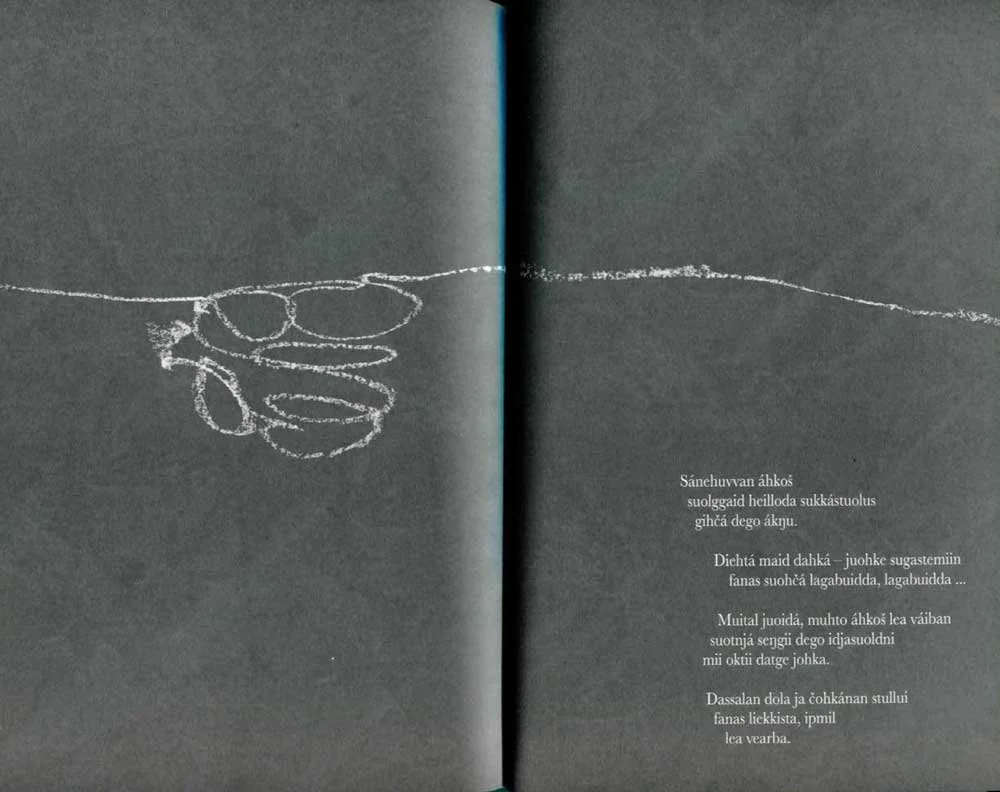
Underfeet by Sami poet Niillas Holmberg is a poetic manifesto that underscores the vital connection with land as a central issue for those concerned about the future. This collection honors traditional knowledge while questioning its relevance in the modern world and mindset.
She might have preferred to remain anonymous
as she waddled along the main street
with other pregnant women for bread, eggs –
hiding in the shop under large flitches of bacon
Take all you know, and say goodbye,
your innocence, inexperience
mean nothing now.
There’s a poem dying on the sidewalk,
we will bury it with the rest.
She has never learned
not to look
a wild beast in the eye,
that she can’t fly:
much-bitten, hypernaturally
attracted to light.
The voice of a single unidentifiable bird cracking dark
an electric kettle flicked on as first step toward coffee
red plum from the fridge a small cold body in the mouth
in still-on torchlight paving stones gleam sepia
a car gone the old man his swaddled news on the grass
drenched hem of the long cotton robe heavy from wet
the paper lain on the porch a cat standing on the walk
3 a.m's endless itemizing hear and red numbers banging change
a dream city's mute de Chirico porticoes
naked prowling against a cold window's breath
where was the old cat its death would not surprise
If we are, as some believe, created in God’s image, perhaps our greatest likeness is in the impulse to create worlds. Or maybe we are compelled to prove to the universe that we were here, that our little spark of soul added to the eternal bonfire of life. We are here, stacking stones in a cairn along the trail, or carving our initials in the white parchment skin of an aspen. Maybe our greatest choice is in how we leave that mark, whether to create beauty and uncover truth, or to create a karmic legacy through destruction and the infliction of pain. And what kind of mark will we leave? I’ve left both kinds in my wake.
Let’s invent useless things,
the ultimate freedom.
I’ll make marble eggs,
headless dolls,
and stringless violins.
I found myself on this magnificent, velvety-soft, yellow object with delicate, rounded edges, after a powerful storm on a dark night that seemed as if it was the night the universe was being built from the beginning. The two mountains vibrated to their very core from the thunder. All night long the sky washed the dirty surface of the earth clean, while the flashes of lightning severed the dark horizon into terrifyingly beautiful pieces… The grandeur of Nature one might say. The moment of my own birth, I might say.
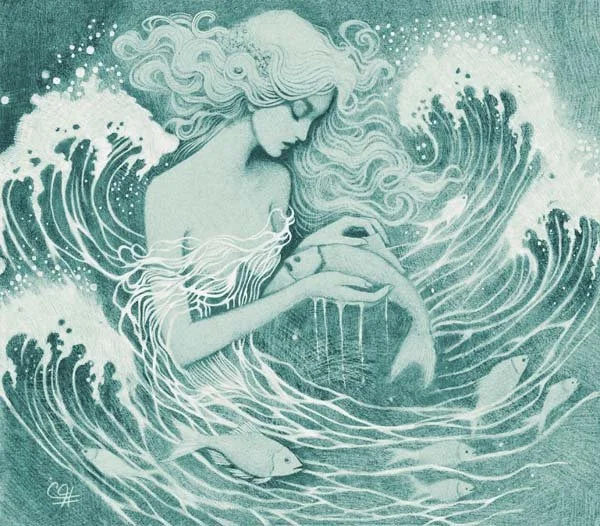
We’ve all heard half of the fairy tale:
A mermaid rescued a drowning prince,
swam him to shore, then pined away
because she missed the weight of him
and the heat of his breath against her neck;
nothing at all like the trickle of cool
saltwater flushed from delicate gills
when she kissed the mermen back in school.
Open one eye only —
the horizon is in the closed eye.
Open the seashell —
no solitude will escape.
The stones on the riverbed drink up time,
the dead fish swim towards the sun.
these characters
with mirror-magic
eyeballs
collided like two giant comets
pitched a tent in the middle of a loft
to live inside of it
out of the way
of the masses without sky-high spirits
I want to feed you
Lots of metaphors
bunches of images
I want to dress you
A dress with moon buttons
I will widen the horizon for you
The artist—call him Janus—means to comment,
with his implant, on “the inaccessibility
of time,” which Einstein said is part of space,
or linked with space, or flows by relative
to space as, tears flowing, relatives flow
past a coffin, thinking, “He ran out of time”—
There are times you are authentically
the person you slid into being,
one who, for example, rips a corner
raggedly off a bag of bird seed and tries
to shake it evenly across the porch,
although you never quite get it right.
The creative process is important because it allows us to connect to our higher self/intuition; connect to others, express and communicate our internal worlds, as well as help us understand and maneuver through life. The creative process is an amazing teacher full of wisdom and has the ability to reveal things about ourselves.
The truth is I left it on the bus
on purpose. Because I saw someone
else’s religion there and didn’t
want it to be lonely. The truth
is you should never begin
anything with the truth is
Less and less do I think
of my blood as it ebbs.
Where I used to track the days,
now I hold the bark
of cork-oak and grevillea trunks.
I watch the chafer,
armored in metal-green –
six spiny legs cross the stone.
I see the faded kitchen towels
over the drying line
More and more, I swim towards a rock
that moves away from me, and what I say
seems less real to me than the sparrow pecking
and scraping at my kitchen screen today.
But after we talked, you and I—or rather,
I let rip and you replied with a spare
Behind their blinds, the neighbors are whispering. I know they’ll call the New York poetry dicks and, together, they’ll peek in my windows and be shocked by what they see. A horde of saved words lazing about everywhere—in the daybeds, in the fireplace, atop a chest of furbelows and they’ll be aghast to learn that in the freezer, the washer/dryer, even in the shower, are still more words. Foreign words. Miss Spelled words.
Having seen enough of the incompetence of politics and the rapacity of corporations, not to mention the numbing discourse that clogs the Internet and most of the media, I return to the arts, particularly music and poetry, to find the place in which our humanity in all its dimensions can be fully seen. As Miłosz reminded us, “One clear stanza can take more weight / Than a whole wagon of elaborate prose.” I am still trying to write that one clear stanza.
Although the general imaginative capacity
might seem to have been plundered by a man
having set foot on the moon, poets decided,
without deciding, to just keep dropping it
into their poems as if nothing much had
happened. They let it shine down on lovers
as an ancient power and, in the bedtime stories
of children, you still had to say goodnight
to it. My part Cherokee mother was alive
Art is more than a form of expression, it is a language beyond words. It allows us to communicate what cannot be explained directly, bridging the gap between what we see and what we feel. Art is essential because it preserves identity, yet inspires change. It is a reflection of who we are and what we value.
Queen Marie: If one were to divide people in two categories, dreamers and realists, I would definitely count myself among the former. All my life I dreamed of an ideal house, which I chased with the passion of a man with a parched throat desperate to quench his thirst. I knew, of course, that there is no such thing as a “dream house,” I knew that it was merely a Fata Morgana, yet it was my life’s quest, and now that I can look at my life with the dispassionate eye of the one who’s lived it, I understand that this desire belonged to Maria-the-Artist.
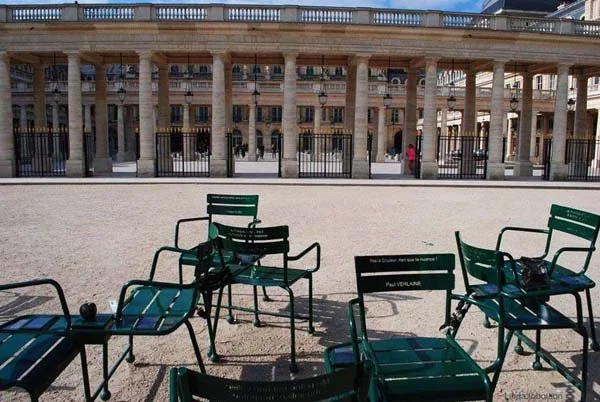
There are ten sets
of poem chairs
at the Palais-Royal,
separate, together,
love seats
waiting for
conversations,
These socks were woven by someone
fallen out of love with poetry and in
with a commune of alpacas.
The beautiful thing you did
that no one knows about
or forgot
or no one cares for--
it’s there always:
light, grainy light--
I built godless cathedrals out of it,
upside-down Chinese pavilions,
sleigh-bell heavens, stained-glass hells,
tearing, folding orchestral sound like origami.
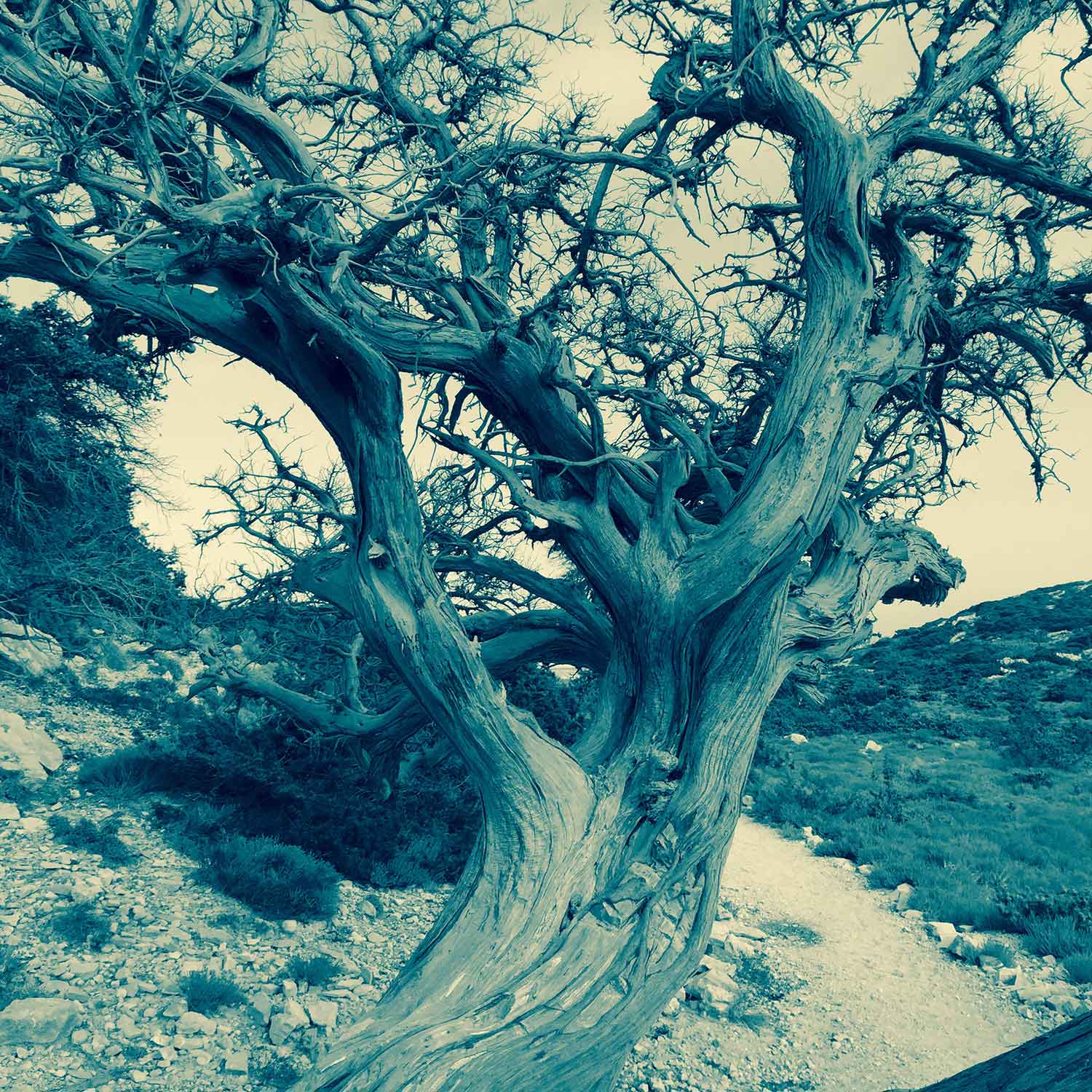
Blessed olive tree
spirit of land, water and sand
tree strong and free
you know the secret
the way to the light
the infinite sky
of the raising full moon
In front of me, the sea. I contemplate the Horizon behind the horizon, where waves and ether marry. I’m a grain of sand in an ellipsis, a sun shard mingled with stardust haloing the still bare strand.
no beginnings
only courageous leaps
into the continuous flow of things
no before to glorify
in a false jewel-box darkness
where they hold their breath
bad habits and head packed full
evasively docile
You are 600% hotter than the Sun
Speaking roughly, in terms of heat
generated per every human inch, you give
off more milliwatts—surge/energy. Only
the Sun is bigger… it matters.
you'll believe me no doubt
each salvo tugs at my hair
each salvo at my breast
in this shell hole
I can only write to you
in my mind
your blue apron
Dans le square des Épinettes,
Les images ne sont plus nettes.
C’était la guerre, c’était la fête…
Des balles percutent la tête.
Being born in Rome, Italy, and living in a city that is imbued with arts and culture makes me very sensitive to the topic. The monuments that surround me have been standing for millenia and are a testament of the creativity of mankind.
there is a poem for you and it may
be like this poem for my wife
who listens to a podcast and sometimes
laughs so hard her earbuds drop
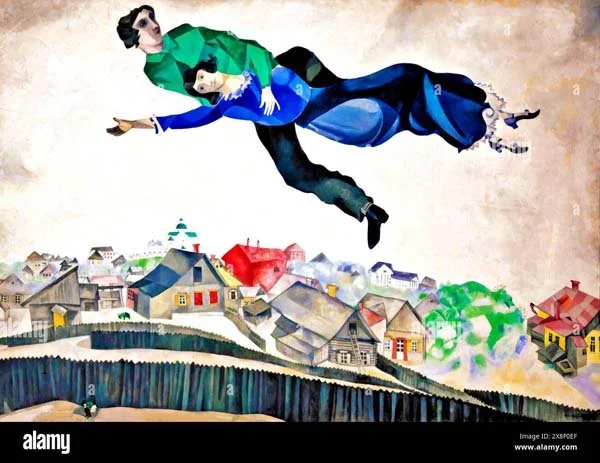
It was always the umbrella floating to the milky clouds. The cow with fiddle, the bride in white, the tilted menorah. And Liozna, your town at the end of the world. Cher, you kept our people alive: the lamb’s blood, the mezuzah donning the doorway, while other tribes clawed at us. The strain of the earth was never in your eyes
I live in the wild/urban interface of Topanga Canyon, so the natural world is all around me. The color green is the most beautiful color--it signifies growth and health on the part of plants.
After weeks in the hospital, nothing is as it was. He takes pleasure in everything he sees. He can’t get enough of watching people, of the smells around him. Only now does he realize that every woman has her own walk and that her way of walking speaks. It doesn’t just say: I’m walking. Usually, she doesn’t even notice she is walking.
Don’t forget me, she pleads, just as she’s
quavering on the cusp of forgetting me.
She utters my birth time—our shared moment
of severing, my astrological starting point—
like a secret code, a charm, the combination
needed to open her built-in wall safe.
After we moved from the downtown apartment, I asked her about her wooden palette, studded with brightly colored planets that seemed to open on an infinite array of possibilities. I also mentioned one of her black-lacquered metal watercolor boxes.
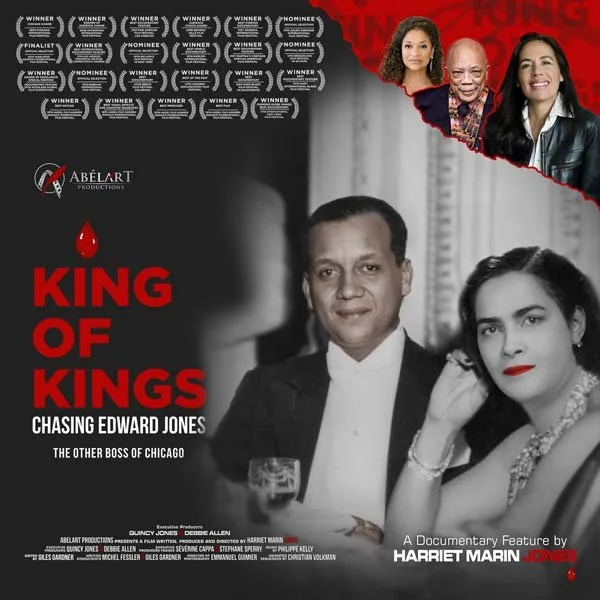
Gangster for some, hero for others, who was really Edward Jones? In the ’30s and ’40s, this descendant of slaves becomes one of the richest men in the US thanks to the Policy business, an illegal numbers game that ultimately became the modern State Lottery.
From the beginning, that was
Only my beginning— I don’t presume
it was anyone else’s—I was difficult. No one
came forward to nurse or clean me. Ashamed
to look away, they could not look at
for I was, if not horned and befouled,
I love the spider and the nettle
Since they are hated;
Their sorry needs are penalised
And never sated;
Darwin can't explain the missing link,
and science, did not invent the goal
of faith in how we think-
but Newton keeps us
sane to find the whole
gravity and reason for our role-
in calculus.
Rudesse de la froidure inattendue ou brûlure lancinante
Le jour figé dans les glaces ou écrasé de chaleur devient flou
Est-il possible de conjuguer l’ombre et le miel de l’aube
La déchirure et le regain
Entre l’encrier et l’enclume
How fine to be alive, sitting by the Thames
only a month after my second angioplasty.
Then it was Valentine's Day, weeks pierced
by angina, aisles of greeting cards, candy
hearts with "U B Mine" and "Got Cha"
A tunnel of puckish red bud trees blooming on opposite sides of a country road,
which unwinds like a lariat through river valley towns long abandoned save for motels,
used car lots, a smattering of fields sporting sheds, RVs, or Camper Vans, and then the ubiquitous car washes and self-storage units.
I stepped into the leafy stronghold
of the prosperous Finzi-Contini’s grounds—
a phalanx of magnificent oaks and elms
rumored to be planted by the crafty Borgias—
I fell in love with an emerald-eyed girl
in an elite, high-walled garden,
Eden of her “scarcely Jewish seeming” family’s
redoubtable parkland and estate.
The notion that mothers can simultaneously nurture their children and their careers is often seen as a modern phenomenon, an indication of how far women have come in the march toward gender equity. But in fact, history is full of mothers who reached beyond the domestic sphere—courageous women who overcame societal barriers and changed the world for people far beyond their own children.
Recently deployed Authorial Intelligence (AI2) techniques, composed of drama management components and natural language generation algorithms, combined with a more speculative Reader Intelligence (RI) tool, still in development, offer the opportunity of achieving the long thought impossible goal of autogenerated human-level literary textual events. A small but growing research community is making significant progress toward employing AI2 and RI in tandem to restore integrity to disciplines and industries that advances in narrative autogeneration have inadvertently compromised.
Juniper crackles, and piñon smoke scents the room;
bins of coriander, cumin, red chile powder, fenugreek—
at a keyhole entrance, we gaze into the garden of the Taj;
bomb warnings pasted on glass doors and on walls;
You will be surprised to find
I am writing rather than dropping by
just before dusk as I often do.
But I don’t have the courage to
face you as you read this.
I hesitated to write as I don’t
want to expose our long
friendship to danger.
On the night we met, my father gave me Icarus
and a latte. I was made of questions and wore
my mother’s face, ten years older than she’d
been when he saw her last, the day he’d told her
he was going to marry someone else. The legend
goes that on the day he held my newborn body,
I cried until he handed me back to my mom, as if
somehow I already knew.
Red is palash, red is alta —
it is nuptial, it is birth.
Red is Kali, red is Durga —
it is Sappho, it is Andal.
That sometimes a frame can be more valuable than a picture
Always fascinated me as a young student. How can it be
That what is after all only the wax that contains the pure honey
Or a shell that holds in perfect engineering all protein vigour
Of an egg; that such things can be more valuable than the food?
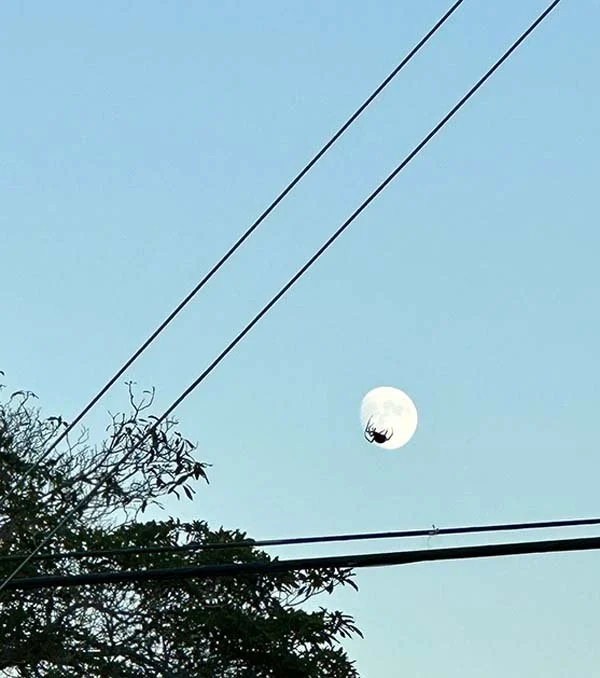
The spider had to rethink happiness once it reached the moon.
The moon could not be reached for comment, bored
with its own phantasmagoria, our need for pareidolia
when there’s so much we clearly refuse to face.
Marking words to delete, like
people who do not belong, precious
darlings, a writing teacher called
them. The clever lines you smile
about and pronounce defiantly at
poetry readings, repeating them
with gusto and fight, hiding
a well-knowing smile, as you say,
I CRACK in the DARK. I SHINE
In the SNOW.
The rites of passage from childhood to adulthood are a momentous and exhilarating stage in every person’s life. The summers of 1981 and 1982 were, for me, a period of adventure and exuberance, a thrilling helter-skelter of travel, parties and girls – and even a good war too. Nobody had heard of the Falklands, but for a budding fighter pilot it was a jolly good show, and the excitement was invigorating.
White was sitting behind the cash register in the basement of Stones and Water, the most upmarket bookshop in Dublin at the time. It was a Wednesday evening, and, while he leafed through a very expensive coffee table book by Robert Parker, on the wines of Bordeaux, he couldn’t help but keep an eye on the proceedings above his head.
Been having a long conversation about soup of late (with my mama)
Chatted about what to wear in a revolution (with Pablo Neruda)
Asked for tips about how to survive an attack of invading aliens (with Isaac Asimov)
and what to do in the event of a fascist takeover (with Alexander Solzhenitsyn)
She stands at the microphone and says civility is
needed in politics. But that is not enough. She
goes on to say that insanity has taken over human-
ity. The audience erupts with laughter. Corrupt
police officers burst in and arrest her with hand-
cuffs. She lingers in jail for days without bail.
Night: it's a bird; night bird, bird call.
Screaming at night?
What fades into the great dark, almost black
echo of gesture without answer
all the soul of the day is swallowed up in the siphon of these very slow hours.
Was it the full-length mirror in the tacky-posh hotel
that held us naked in its flourished golden frame,
or maybe the slick white dresser and rococo headboard
lined with plush pillows, or the black and silver
wallpaper stripes that ran from floor to ceiling
like a cage lit by moon in a darkness held at bay
beyond this room where the loud chandelier
Le PeTiT CiRqUe, created by Natalie Yves Gauthier has headlined the Nobel Peace Prize concert in Oslo Norway, performed for the Dalai Lama, the consultant of Renée, royalty, the Olympic Committee, and is performing for the United Nations for the year of the quantum in March 2025.
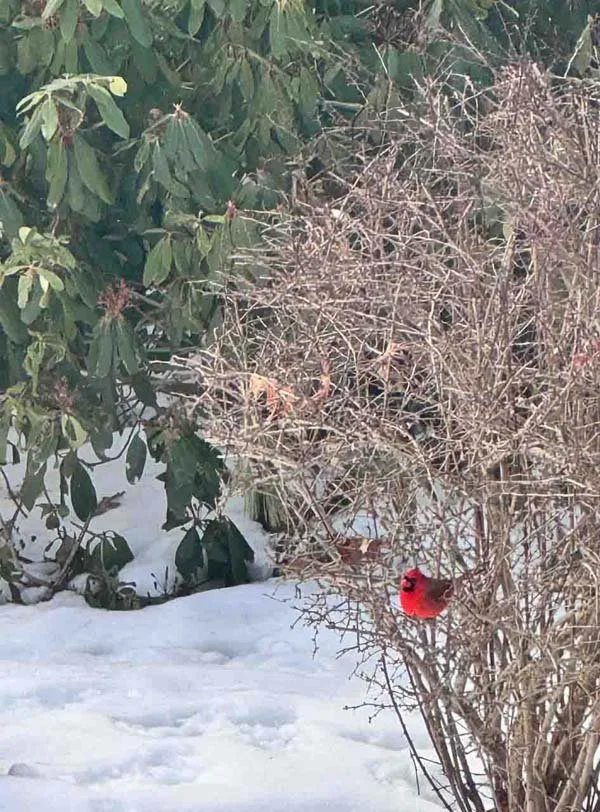
In 2020 I would have believed
the red bird anchoring itself on the lowest
branch of the slumping lilac bush
in early March came to show me that bright
beauty exists where you least expect it,
in my youth I often played the violin in front of the easel
trying to paint music the simultaneous birth of sounds and colors
until I touched the strings of light in my blood with my soul
I was not drawing lines but I was trying to capture the throb of drawing lines
– After the wall fell there could be Union and in this way a decision – was made from older Directives to protect birds and ecosystems
How old was the first Bird Directive? Very old old as the hills and man- datory for any member state to conclude
that humans transform the earth we live on:
Interfere in its cycles of evolution, its equilibriums Question the costs of the changes we trigger Ignore the economic consequences of inaction
We weren't meant
to be together – not like that. But we’ll always
be together, I’ll always love you. And keep writing.
Finish this virus book. You owe it to yourself,
to me, and to everyone who’s been moved,
and inspired by your poems. Don't be shy. Don't hide.
Write. Put it out there. Do it for me. Do as I did:
Put yourself out there One Hundred Percent.
While you’re still alive. After that, you can’t.
That autumn, we sat by the ocean
eating oysters from another
ocean, flags along the shore
warning of bad water.
By then, we were used
to wearing masks,
hand sanitizer scaling
the tops of our hands.
the man
followed the woman
into death
hoping to bring her back.
there was a door
or something he called a door
that led to a long corridor
lit with torches.
Morning. Alone by the water. Walking through dreams seeming
to mean nothing in this waking. Water still as ever. Absent
the slightest breeze. Little birds skittering
over the tiny harbor bed islands, revealed, abandoned
only by low tide, as if they fear disturbing what I wish
into this picture perfect mirror: Two suns.
What it was like to read those pages – the drunken
wagoneer in the act of beating his mare, body-self
with distressing dark streaks appearing
in my underwear – “Becoming a woman”— were
there three words I hated more – my mother, her doe eyes
entering
is passing from Flatland
to ten dimensions
paint brushes and
miniature rollers
bright-coloured water
drop by drop
dashes & dots
draw around this
fragrance this
dream in your
eyes this grace
and power you
have without a
word drop by
During the mid-1960s and the early Chicano Movement, Mexican Americans suffered under racial discrimination and were exploited as cheap labor. Lacking a well-developed analysis and social critique for their American lives, they faced social marginalization, had a weak claim on civil liberties, and had no clear path forward toward economic success.
MERCHAND
I must prepare the space quickly.
(Merchand points or stamps her staff toward the ground. Downstage, light spreads out, like a puff of breath, revealing a blanket and upon it, a banquet of sweet fruits and rich foods. Unseen to Merchand, Glimm, a very changeable fairy spirit, enters stealthily.)
I love this story—
My great grandmother was my great grandmother in Amygdaliés.
My grandmother always knelt in the chamomile with her.
They loved the small golden flowers in the field—
This is not a story,
more the truth and a memory,
a eulogy of sorts by the time I arrived
a WWII Novel-In-Progress
Excerpt
She was still breathing when the Englishman found her face down in the sand, her skin simmering with sea salt, her ear covered in blood—only some of it hers.
Abilee’s dark brown body had gone purplish like a bouquet of seaweed casually washed ashore, her fingertips bulbous, her wrists limp, her arms and legs splayed on the beach between Pouppeville and La Madeleine. She was still in full uniform.
It is said the man built a spiral in salt and in six days.
He wore hip-waders. Waiting.
Ordered rocks. Made it to hold the soul
of the water. A backhoe scooped and anchored.
Beneath the crown of sea, hoe on hoe
had piled to a pattern of metal.
Counterfeit Snow: First a quart of good rich milk. Make sure it has been a year since the cow had a calf. Add six egg whites, one ounce of rice flour, a quarter pound of powdered sugar, whip together like butter. Skim off what comes to the top. That’s the snow. Put it on a plate.
We were both young, in our late twenties,
vain and full of ourselves and The Arts,
unimportant to anyone out in the world
who might matter, but we mattered to us,
and we mixed up a bowl of plaster of Paris
I’d like to be told to write a song
like Moses was told. This is the kind of
assignment I’ve been waiting for.
Free reign to be an artist and
use my sensibility to pluck the
right notes out of the air.
Art and music have the power to articulate what we feel before we even have the words, offering us a mirror in which we can finally recognize ourselves. When we hear a song that understands us, we begin to understand ourselves. The right melody, the right words—delivered with warmth and compassion—can create a space where growth and healing are not only possible, but inevitable
Come;
let’s live something together
but not just a life.
If it must be life,
then let’s do something more than merely live.
I remember how sunny the day was — driving home,
me in the back seat wearing a favorite floral dress.
A special occasion — stopping at the artesian spring
to fill big glass jugs with water flowing directly
from its source. A treat, better than the Jersey tap.
Tentative, curious, uncertain, alive, she followed him into the woods, moving in the direction where she imagined the rest of her life waited. So ready for something to happen. The old secret cottage had fallen to the ground. He acted as if that surprise was inconsequential and spread a thin jacket over the dark forest floor.
Step by step, and little by little,
he’s gathering dung, the scarab-beetle.
Noises he’ll make, and paw the air,
a trick well-known to the conjurer.
Over lime and dusty ground
with feet together he tries to plough.
There is nothing that cannot be used,
straw, spent matches, salt and lust.
Να ψαχουλεύεις, να ζητιανεύεις, να ζουλάς τη μνήμη σου
ν’ ανασύρει τη βυθισμένη στο χρόνο μορφή του,
μια μορφή σκεπασμένη με σκοτάδι.
«Επειδή έτσι έπρεπε να γίνει» είπες.
«Επειδή έτσι έμαθες να λες» είπα, κλαίγοντας.
Thou Art. I am art, you are art, All is art. We create and are thus re-created in the Unfolding Image as we reveal and are re revealed by the human camera—our inner eye—a living lens…rolling, focusing, capturing and re-membering the moving picture. Images that move us. Images and impressions which leave their imprint, which spark the imagination and nurture the spirit of expression. We are, after all, a shining miracle, a mirror with a memory. We share the same DNA with stars—the stuff that dreams are made of.
And you know a lie like a fly on the wall.
I just want us to be in the same room.
The light is grey outside.
Ours is not.
What can anyone say that has not already been said. Inspiration, interrogation, and self-reflection are part of art making, whatever kind one makes and are they not part of the creative process?
Outside, the buildings sway
like wheat fields
and the pick-up trucks roar
past the lumber yard
and down the darkening highway
Sweet rain on old growth sweeps past in fanning sheets,
this morning each veil brings joy, like someone strumming
mist releasing song, falling to branch above hummingbird
dashing in, out, grabbing nectar in the wet, wet, music.
Dashing in, out, grabbing nectar in the wet, wet, music.
Mist releasing song, falling to branch above hummingbird
this morning, each veil brings joy, like someone strumming.
Sweet rain on old growth sweeps past in fanning sheets.
You hang me on the hanger
of your anger
like da Vinci’s triangle
and vinci is vanquish
and vanquish is
like anguish
The changes that came overnight were toxic to my system. The new leader made me feel I was being poisoned to the bone. Being near his tower made me faint. Time to go back to Brooklyn.Going back to the place I was born, I believed, I would be safe. I would be with my own.
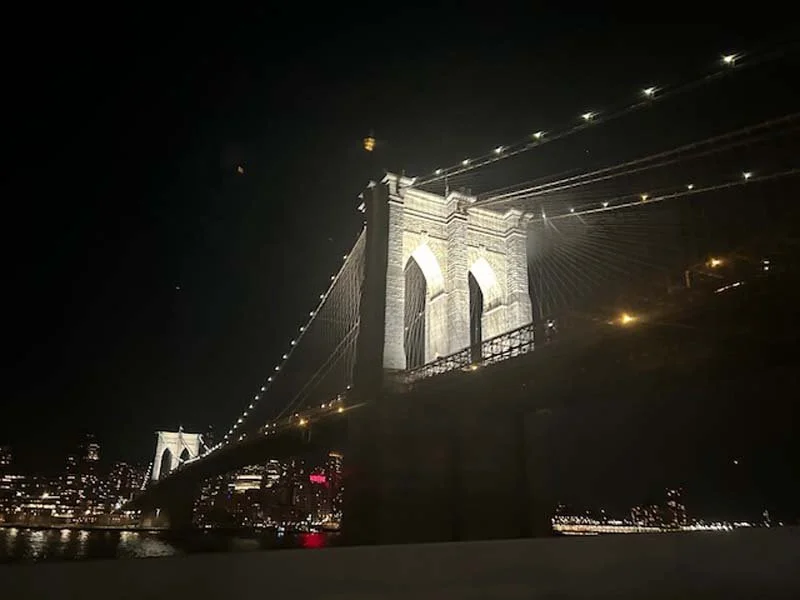
The first driver was from Congo. He picked me up to take me over the Brooklyn Bridge the first day of the new regime. I was shell-shocked, in a state of disbelief and terror that made me ill. The driver made no bones about his antipathy toward the new leader.
“What will he do?” I asked.
I am far away
from the market stalls over the Neretva
and no one recognizes me here
or knows that eternal summer reigns
over my childhood.
I walk through the market.
I’m dressed in a blue shirt
whose song no one understands.
As the world collapses
Singing stops everything from falling apart.
My wife walks through the living room,
Humming to herself, a hum
That slowly erupts into a song,
Rapturing the quiet with her grace
Her song pierces the rancid world
Together, places light before dark,
Dark before absence, the song she sings
Pierces the fresh scent of silence,
A presence at the edge of my yearning.
The place I started was
not the outside,
not the pathway,
not the door
It was the perch,
the living,
the refuge,
the heights.
It was the place
to observe the boats,
the sea,
the creases of the waves,
changing each instant
Art holds importance to humanity as it bridges divides uniting the unlikeliest of minds. There are no rules to art. So few people push their creativity and even less call themselves an artist. Like anything in life, all forms of art require practice. That practice teaches and enhances life for the artist. Art is balance. The more creative I am, the better everything is.
Art is how I navigate the in-between spaces—between worlds, identities, and environments. My paintings are rooted in nature, marked by winged creatures that move through utopian landscapes. These wings represent resilience and adaptation: the ability to thrive in air, land, or water. They speak to anyone who has called different places home.
Culture offers the context, the shared memory that shapes how we move and evolve. The creative process is where I listen—where instinct and emotion meet image and form. It’s how I make sense of the quiet truths that can’t be spoken.
His hypnotized legs
glide aerodynamically,
while light shines
on its shadowy angles.
Its beauty is
a captive carburetor,
healthy smoke
from blood in vitro.
With the husband making coffee at the kitchen sink,
his t-shirt still warm with sleep. The cat blinking
from her window perch and the coreopsis
still in bloom behind her. With the neighbor’s bamboo
swaying in autumn light and the single white mushroom
in the front lawn that appears and disappears in a day.
Anything that says I am not inert
matter. I can be jolted awake
by the everydayness of the world.
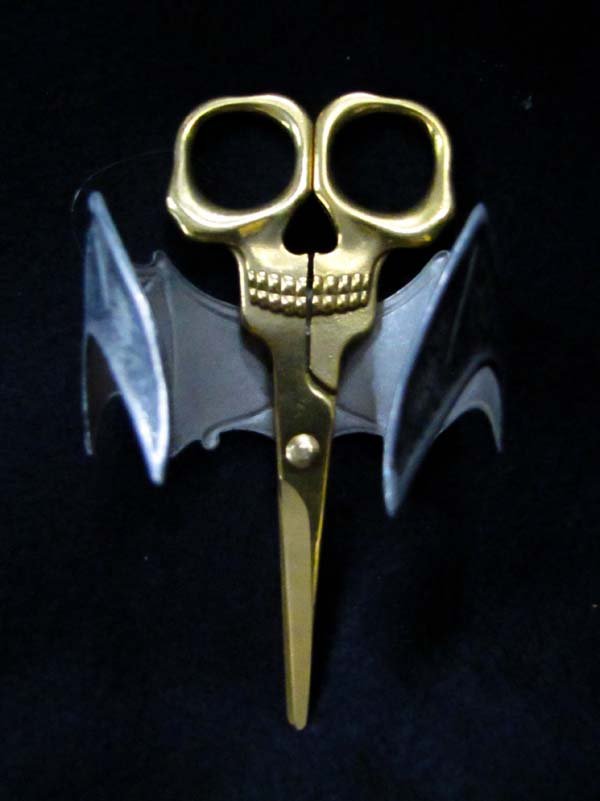
The scissors are all shiny, sharp and colorful standing up in the cup. Sick of being stuck and never used, they jump onto the table, down to the floor, and cut their way into the next room.
My 7th-grade instructor had us all read Flatland—said we’d figure out dimensions. (Cultivating depths in us, the scoundrel, when asked to teach arithmetic!) He told us Think one step above your level, look beyond your rulers, over all your overlords: see how the lights available to you cast shadows down upon your own flat desk. From three dimension, you can understand the two. Read up and down, and back and forth, then past the lights, until you've got your three dimensions all in one mind's eye.
There is no primal memory per se.
But if there’s anything
I remember more than words,
it’s words set to music.
Freethinking is the greatest, single most important thing we have in our existence. The autonomous power in being a truly independent thinker requires that we…as individuals…keep challenging ourselves to always think…Always Question Above All. The day we stop doing that…or the day that ‘muscle upholding autonomy’ has atrophied, is the day we’ve been long buried…by ourselves. This “War of the (human) Mind” has been unfolding for as long as breathing itself. Same game, different players. Ironic to consider that the Father of Freethinking – Socrates – was himself ultimately ‘rewarded’ for his teachings of Freethinking and encouraging “Change”, with execution by poison.
Highlands brother hears a black
panther the Appalachian ghost
forest starlit shadow and frost
scream out there poet listening
Cookie, you walked through fire in silver boots,
laughed through neon nights thick with smoke,
your voice a matchstick strike --
sharp, quick, ready to burn
The connection between nature and music became a profound force for me while I lived at this institution. Part of my daily routine was to find some inner comfort by walking alone along a creek at the back of the premises. Walking in nature became a way to deal with the uncertainties of my early childhood.
each hour a passage of light
ripening, diminishing, outlining
our proximities, as if together
we are equinox, solstice.
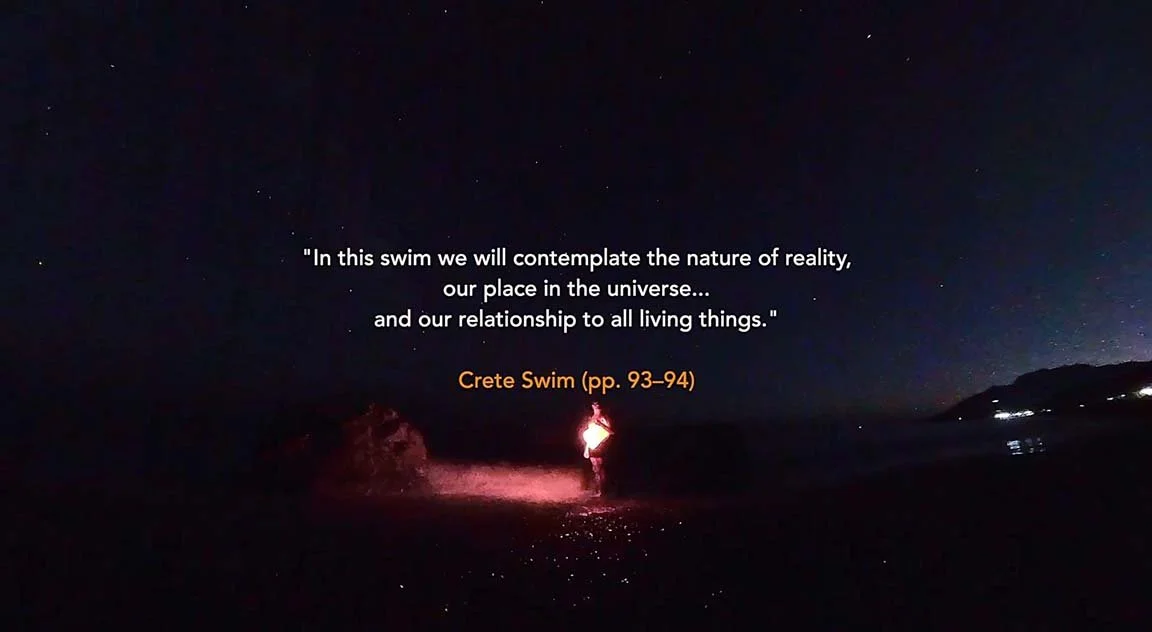
The Galactic Night Swim does not take place at a specific location. It’s a concept; a surreal experience, more than a place. In this swim, we will contemplate the nature of reality, our place in the universe, the eternal questions about consciousness and the spiritual, and our relationship to all living things. Who knew that a swim could do all that for you?
Él
todo el tiempo
me arrebata los fuegos
las ganas
y quiero creerte
pero de nuevo guardo silencio
de nuevo
todo el tiempo
las nubes
1955, Little Orchard, Alabama
Lonnie DeWitt didn’t know what the Change was or why Grandma DeWitt seemed to think it was so important to talk about it, the lines on her big brown face creased like freshly tilled soil. Lonnie only knew for certain two truths: that today was his eighteenth birthday and that, like every other poor soul in Little Orchard, Alabama, he wanted out of this town of dead sticks and cotton.
The dead keep piling up and all I have are poems
to wrap them in. Pockmarks across synagogue walls
are a new font in a familiar language I refuse to utter.
Men have begun again to speak in tongues syntaxed
by phonemes of caliber and clip capacity: diction I
will not assemble into sentences; sounds I cannot make
into words. What color, the stripes being woven like old
narratives into new camp pajamas? How many stars
asterisk prayers into the bluest night? There is no
metaphor for what I cannot abide; no pentameter
for the sound of earth falling from the hands of love
into a freshly-filled grave. My iambs are a pair
of backwards-turned boots in the stirrups of a riderless
horse. We measure the inarticulate grammar of fear
in the steady metronome of newsfeed updates,
punctuate the lulls between carnage with promises
enjambed in the wind. Cover my eyes with verses
if you must. Bribe the ferryman with curses and dust.
A poet’s contract is blood-inked, bone-stamped,
ratified eternal at the frontier where hope kisses rust.
I can't imagine a world without the arts and humanities. I have been a poet and a teaching artist for more than 50 years, and I am thrilled to be part of this project.
1511 S 1500 E Salt Lake City · UT
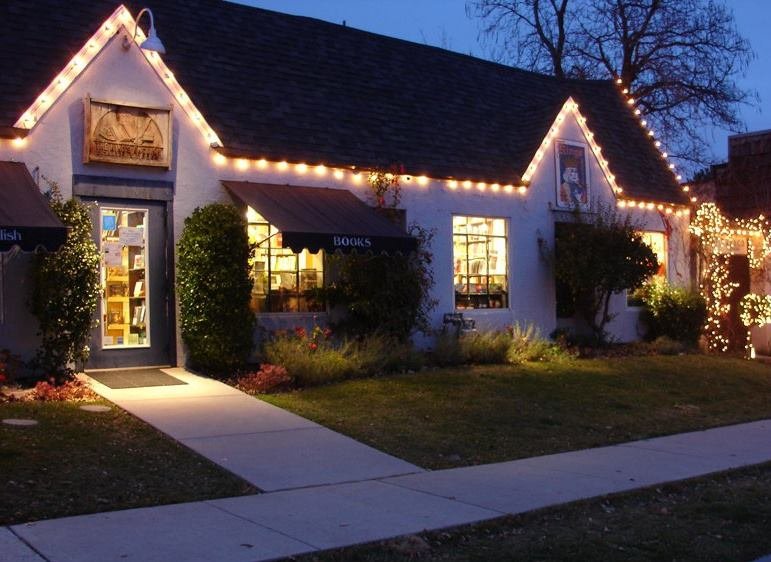
My family moved around ALOT when I was growing up so the local library and books were my constant friends. Being able to have that still, as an adult, is a very special calling. After a quarter century of bookselling, I feel like the luckiest person in the world. We've been in business since 1977 and are working with our fourth generation of families; it's humbling and fantastic at the same time.
Author of Endpapers
I was born and raised on Long Island in New York. My family moved around the island quite a bit, so I'm always interested in the idea of home. Is it a place or a feeling? Can it be lost or taken away? Undermined? Or is it something we make for ourselves? In my writing, I think this translates to the idea of foundational beliefs. I like to explore what happens when the foundational beliefs of my characters are shaken. Do they fold with the debris or rise from it changed, for better or worse?
Author of Madras on Rainy Days
The reason there's 20-plus years between my two books is because I had massive brain trauma in the midst of writing my first book. This meant that when I went back to writing that book, the experience of writing was not so much about expressing my creativity but more about creating neural pathways. Creating pathways is such a painful process that I would be plagued by a headache minute into my writing. I'd write until I couldn't keep my eyes open against the pain. Then I'd simply swivel in my chair, away from the desk, and let my body fall to the ground. I'd lie there curled up in pain. In later years, whenever I thought about writing, I saw myself curled up in pain, lying on the ground next to my desk. I couldn't go back. For years, I stopped writing -- which is so sad because writing is what helped to rewire my brain when even the neurologists had given up on me. Writing had saved my life. But the trauma -- I just couldn't get through it. Finally, I realized that in order to write again, I had to get back down on the ground. I had to go through the trauma to get to the other side.... and so I did by writing this memoir. The through line might be about my brain recovery, but it's really a love letter to the art of writing. To words and creativity and art.
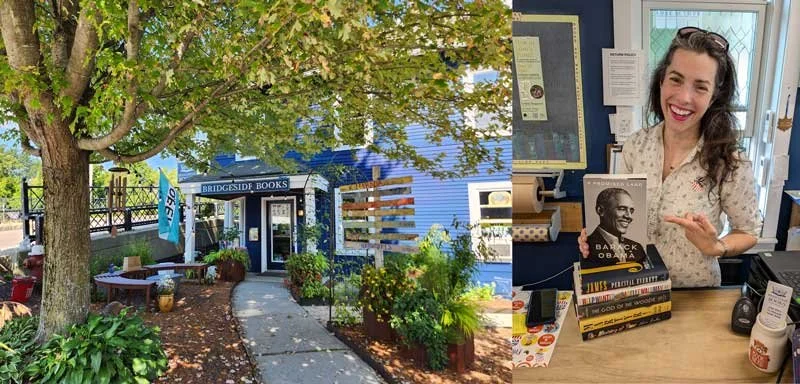
29 Stowe St, Waterbury · VT
I love that books that open people’s minds to new perspectives and information, and that I get to have a small part in that. Matching a reader with a new book is fulfilling. The last few books I’ve really enjoyed include The Warm Hands of Ghosts by Katherine Arden; A Mother Always Knows by Sarah Strohmeyer; Zero Stars, Do Not Recommend by MJ Wassmer, We Will Be Jaguars by Nemonte Nenquimo, Women Without Kids by Ruby Warrington, and Sir Patrick Stewart’s memoir, Making It So. Right now my TBR pile includes The Apple by Sally Coulthard, Florenzer by Phil Melanson, Rope by Tim Queeney, and Erased by Anna Malaika Tubbs…So many great books coming out this year!
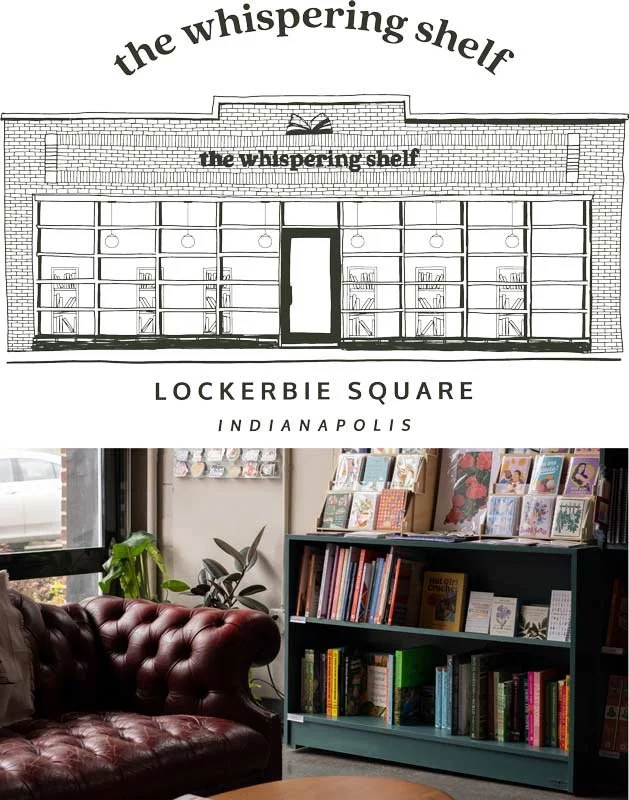
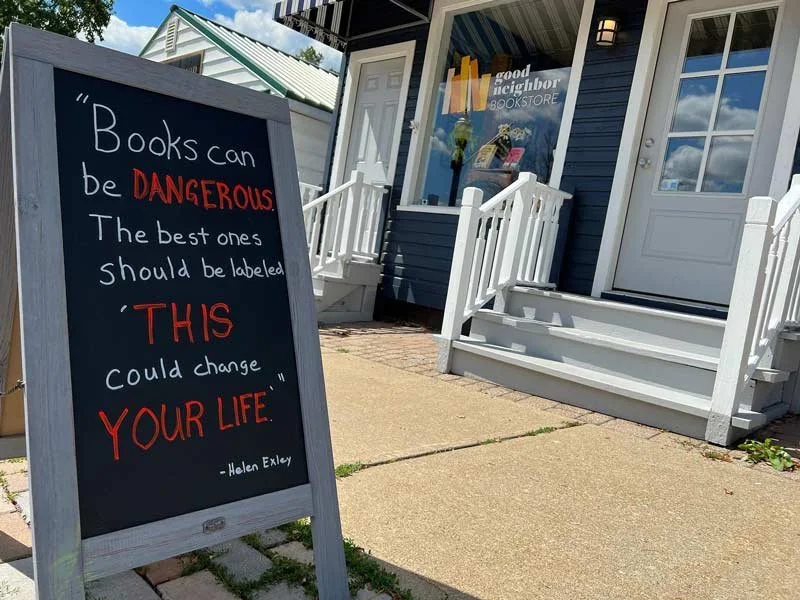
414 N College Avenue · Indianapolis · IN
I love getting to see people get excited about books. Whether it is our booksellers or patrons of our store, seeing the emotions and the human connections that books evoke brings me a feeling of satisfaction and fulfillment.
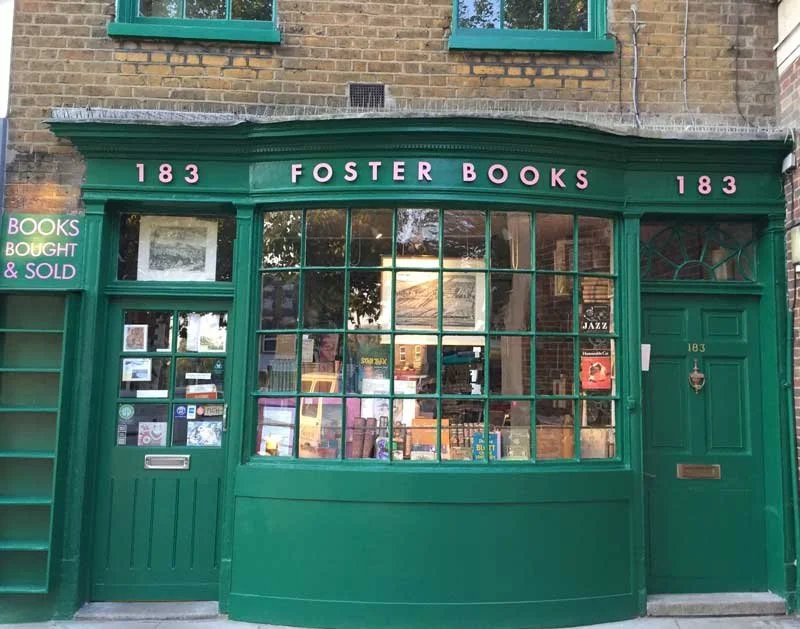
183 Chiswick High Road · London
Jane Austen has been a constant in my life, but the novels of Graham Greene, Jeanette Winteton, Anthony Burgess, George Simenon, & Eric Ambler. Fiona Macarthy biographies, H E Bates short stories, and always always Winnie the Pooh. Cookery books (Simon Hopkinson, Nigel Slater, Elizabeth David), the poetry of W B Yeats, Grayson Perry.
Author of Atomic Family
Publishing my debut novel Atomic Family took about eight years — it began as an interconnected story cycle developed in an undergraduate writing workshop. I found the interconnected format very freeing for exploring character development and backstory. In that version, we followed the Porter family through various stages in their timeline. There were stories from the Great Depression when Dean and Nellie were children, stories from when they met and married, and then there was one story that changed everything. It was about a father and son building a fallout shelter together in the backyard. The father is a nuclear scientist. His son is obsessed with the threat of nuclear war and has fully bought into the duck-and-cover paranoia. The son asks his father, "What will happen to us if a bomb comes?" The father assures him their shelter would protect them. But of course he knows this is a lie. He believes that the shelter will provide a sense of security for his son. A semblance of a plan. Instead, it does the opposite and becomes a symbol of doom. I sensed pretty early on that I had been circling the central theme of the book. This was it. This was what I wanted to explore: how to live in an age of anxiety, how to protect those we love. In my MFA program at the University of Central Florida, I reworked the project into a circadian novel based on this story. It was a hot mess. Un-outlined. It felt like a monologue. After a workshop session led by Brenda Peynado, I shelved that version and re-wrote the novel completely from scratch and mostly from memory, this time using a careful outline. This process took a lot of rewriting, which I ultimately found very clarifying. It forced me to distill the story to its truest essence.
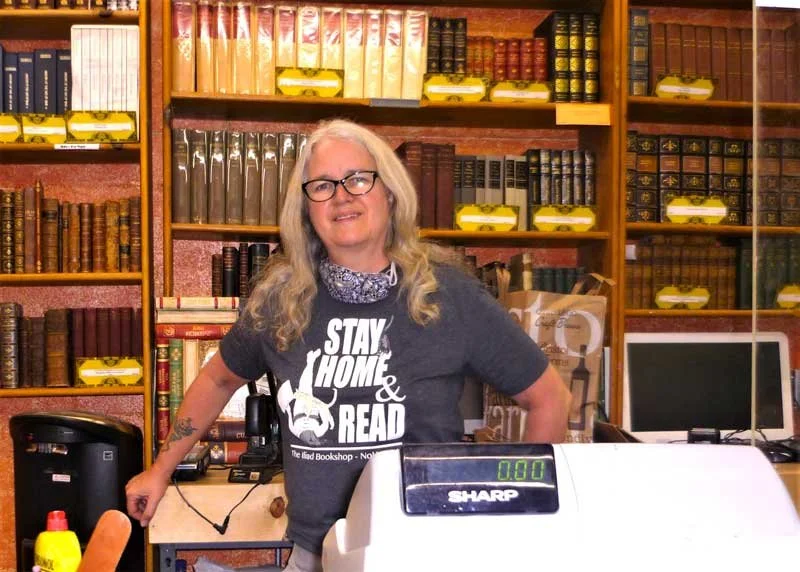
5400 Cahuenga Blvd. · North Hollywood · CA
Readers are a diverse, smart, funny, curious group. As a writer, I love working in a used bookstore because of the constant flow of research materials coming through, many of which are scarce and hard to find. And since the Iliad has two shop cats (Zeus and Apollo), I get to be around delightful non-humans as well!
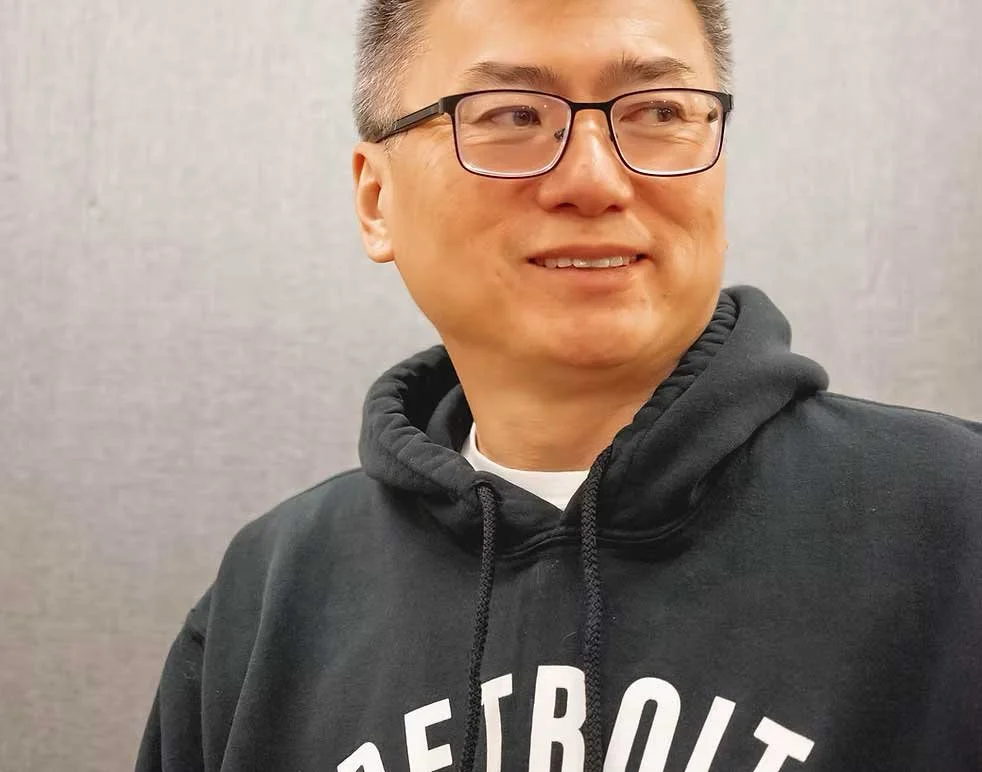
Author of Everything I Learned, I Learned in a Chinese Restaurant.
Co-founder · Asian American Writers’ Workshop · NYC
I was born and raised in Detroit in the 80s. It was a tough time for my hometown because of crack and AIDS, but I think it made me a fighter. With my first memoir, Everything I Learned, I Learned in a Chinese Restaurant, it was more of a collection of stories that I stitched together. I just started writing my favorite memories from childhood of growing up in my family’s Chinese restaurant.
Author of Crawl
I read a ton as a kid. My dad writes nonfiction books about sports, so it was important to him to read to all three of us at night when we were little. We were never wanting for books in our house. It's hard for me to remember specifics from when I was really, really young but I know he read the first Harry Potter book to me, and maybe the second one, then at some point I started reading them myself. I used to brag about how many times I had read each Harry Potter book. There were some YA books beyond Harry Potter that made a big impression, too: The Book Thief, the Maximum Ride series, basically anything by Meg Cabot, Looking for Alaska, Hoot, The Perks of Being a Wallflower.
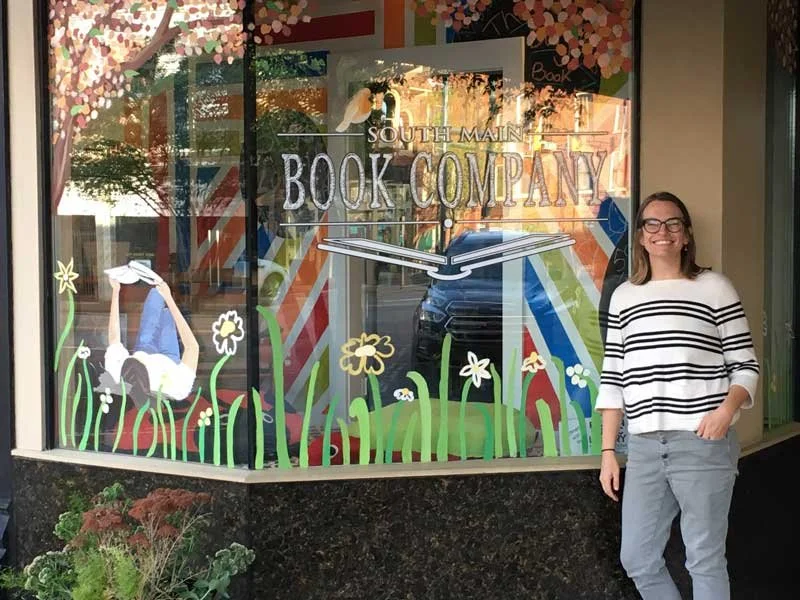
110 S. Main St. Salisbury · NC
I love hearing kids walk in, screaming with excitement. I love how impressive our store appears the first time you walk in. Kids will ask if we are a library, follow my dog around the store, and hopefully leave a little more passionate about chasing the feelings they got visiting the books we have. Raising a community of readers is a total thrill for me.
Author of Madwoman · Godshot · Heartbroke
I think a lot about writing into my own personal fantasy. Fiction can offer us what we didn’t receive in real life. Whether that’s a conversation we’ve longed to have, or redemption where before there was none, or a sense of karmic justice—I like to think of my endings as doors opening rather than closing. I want there to be a sense of continuation and growth versus a conclusion. I’m a sap for miracles and for unlikely solutions and for saves at the final moment, and I like to play with that, knowing that in a story like my latest novel, Madwoman, there is no fairytale ending to be had, but there can be growth and turns of fate. While to me, the ending of Madwoman is ultimately hopeful, it still contains all the complication and brutality of everything that came before. But we get the sense of forward motion. Of connection versus separation.
124 Chautauqua Ave · Lakewood · NY
My reading tastes have evolved over time. Chuck Palahniuk and Kurt Vonnegut will always hold a special place in my heart for their absurd social commentary. Ray Robertson and Andre Dubus III are writers that I really got into during the pandemic. Their writing is raw and honest and surprisingly beautiful. Over the last couple of years, I have fallen into the world of "Women's Fiction". Authors like Catherine Newman, Alison Espach, Emily Austin, and Hannah Pittard have become must-read authors for me.
Author of The Eighth Moon · Nightshining
I grew up in a modernist subdivision of glass houses outside Washington, DC. And it was a bastion of left leaning values, where also nature --inside/outside--boundaries disappeared. It has a bylaw preventing fences, and its earliest residents created cooperatives for everything. That porousness and permeability, that sense of dissolving into the world around me, feels central to my writing and thinking, but so too politics. And then there is that wild Modernist dream (the one conveyed in, say, architecture and design, not so much the literature) that our stuff could change the world. It's radical and strange and a fairytale realm. Maybe not so surprisingly after my parents died, I wanted to rebuild their home in a field in upstate NY - which was the starting point in some ways for both The Eighth Moon and Nightshining.
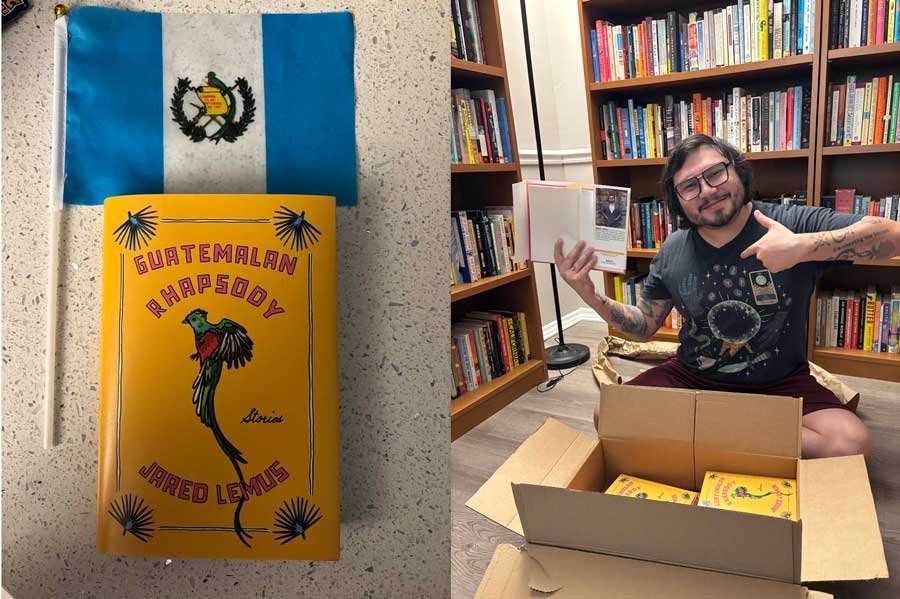
Author of Guatemalan Rhapsody
I was born in Queens, NY but lived most of my life--from the time I was about five--in Little Rock, AR, with intermittent stints in Guatemala. Because my parents were Visa-holders, it cemented the idea of porous borders in my mind. We would spend 8 months out of the year in the US and 4 months in Guatemala. That was my life. As I got older, though, I realized that things weren't as simple as they seemed and that the politics of "border-crossings" were more complicated than I had ever imagined. Because of this, my current collection blends America and Guatemala together: focusing on everyday people living their lives--either as part of the diaspora or back in Guatemala. I think it also opened my mind to reading literature from around the world instead of being so Anglo-centric and made me proud of being bilingual.
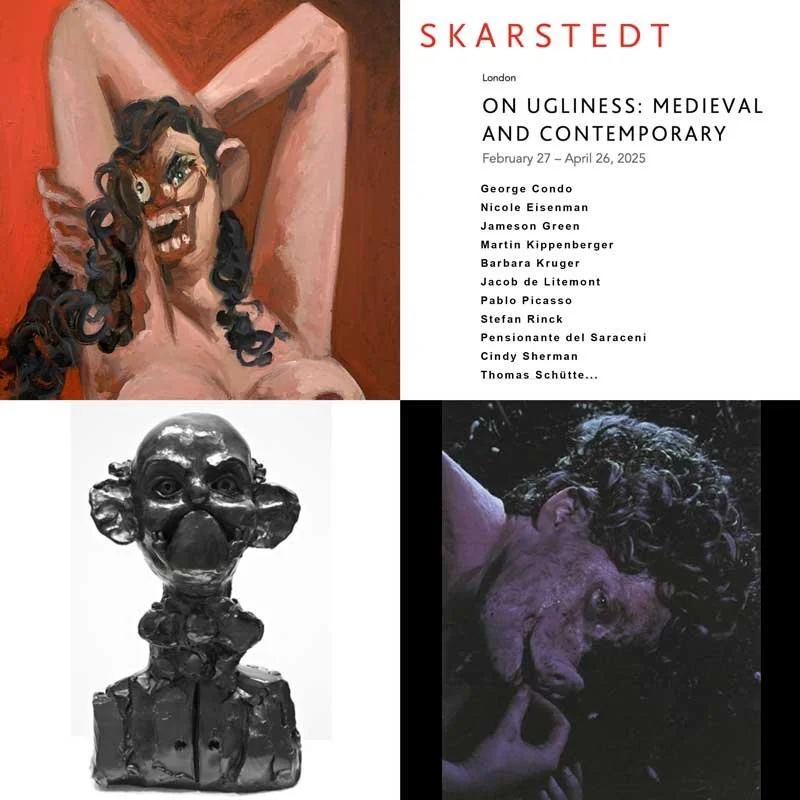
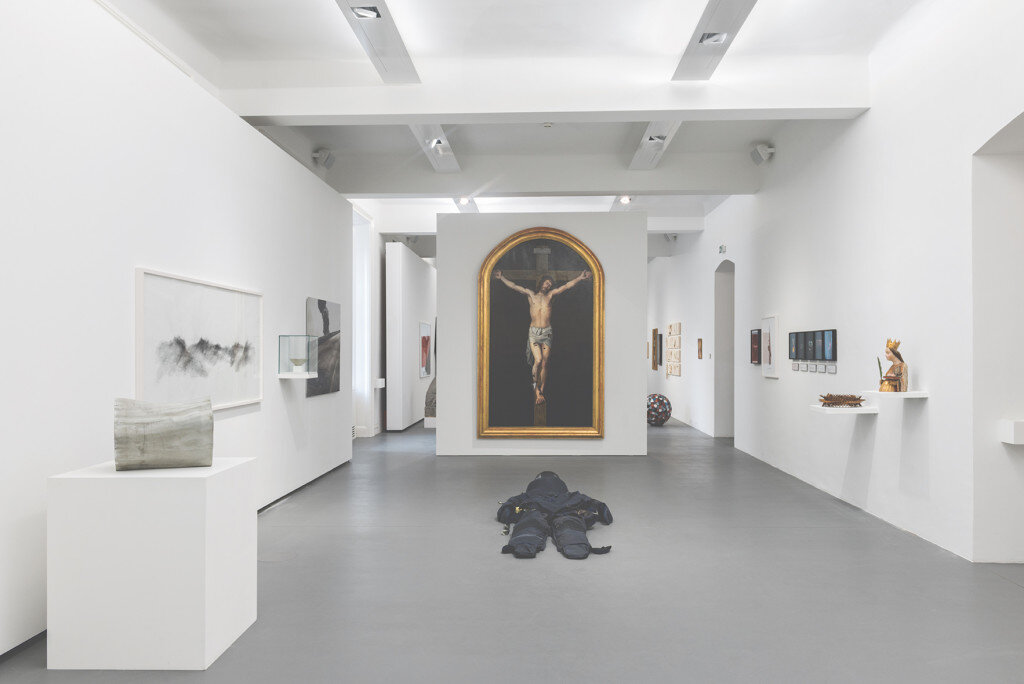
What is ugliness? What is beauty? How has our conception of beauty changed over the years? How do traditional notions of beauty inform our ideas about ugliness?
Just some of the questions raised by the exhibition On Ugliness at Skarstedt Gallery in London featuring George Condo, Nicole Eisenman, Jameson Green, Martin Kippenberger, Barbara Kruger, Jacob de Litemont, Pablo Picasso, Stefan Rinck, Pensionante del Saraceni, Cindy Sherman, Thomas Schütte and several unknown artists living in the Middle Ages.
The creative process is important because it allows us time to look, take in, distill; and ingest the visual world. As an artist and art educator, above all, I want to inspire my students to understand what it means to notice and wonder. Whether I am sharing images of the magic of the sunset, or asking my students to notice the subtle bend of a flower’s stem, or the gentle spirals in a seashell, I am constantly taking the time to encourage my students to pause and take notice. Exploration is essential to art making and allows us to express ourselves and our individuality. I also believe that these skills are easily transferable to other aspects of life. By encouraging risk taking and exploration, we gain confidence and learn how to solve problems. Through the creative process we learn how to work through obstacles and find alternative solutions, and we can begin to understand that there is not one way to make art, just as there is not one way to approach a challenge
The creative process is integral as it allows me to make sense of my surroundings and my place within them.
The arts are an important format of expression, leading us to thoughtful discussions about social and internal matters. Reflective of the evergoing diversity and culture our experiences reflect a nuanced human experience, coherent of messages and artistic freedom. Subjective in matter the space promotes an abundance of ideas praised uniquely and universally, an amalgamation of existing ideals, prescient to the manner of expression and exploration. An eternal monologue, externally conformed, drawing on the experiences of displacement, heritage, and culture, a voice beyond the uncertainty and chaotic matter.
On the edges of the thruway
threading New York
to New Jersey
a stone’s throw from the Whitney Houston
service area
find the real heart of America
stubborn icon
of America’s plains
rough grass growing
quietly
taking in
the landscape
of trucks crowding
all of daylight
rough grass remembering
the feet of five nations
I was going to upload images of my sculpture but I’m not certain if you deal with 3D works of art. I was curious to see your invite on Instagram because I have spoken on a handful or podcasts on the topic of creativity, so I was interested. Cheers.
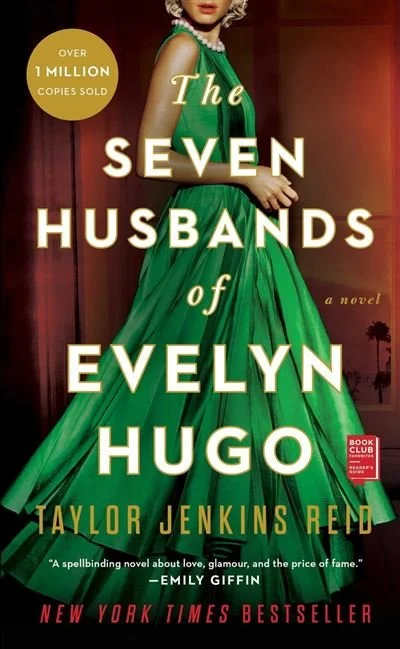
As a long-time fan of Taylor Jenkins Reid, it’s no shock that I was drawn to her Old Hollywood-centered novel. I went into the pages expecting a thrilling, glamorous tale of movie magic. Instead, I was met with an unflinchingly honest, heart-wrenching tale of love and loss. How far are you willing to go to escape your past? How much are you willing to sacrifice for your dreams? How many people are you willing to hurt to save your own skin? These are some of the questions brought up and explored as we begin to understand the woman behind the icon, Evelyn Hugo. A woman who had seven husbands during her time as Hollywood’s biggest star surely has a lot to say about love and heartbreak.
Once, long ago, I asked a taxi driver to tell me the worst thing about his job. I expected him to complain about the long hours or mechanical problems. Waiting to stop at a red light before answering, he said, ’The worst thing about my job is that I never hear the end of the story. People enter my taxi halfway through their conversation and leave without finishing it.’ I often think about that taxi driver and how the fragments of a story inspired me the most. I want my work to feel open-ended, like a snapshot of a much bigger tale, a springboard for one’s imagination to go on an unexpected ride.
What stands out most about this project is the appreciation that is being expressed towards artists of all backgrounds and generations. The non discriminatory nature of this project truly allows us to resonate with each other in a non judgmental manner, thus further examining what it truly means to make art and put it out into the world.
Below the window is a city, but there’s only enough space for two
in the hotel room. There aren’t any dreams, it’s too hot to sleep
anyway. I’m putting down word after word. Letters. Quotes. A
traveller’s diary. The forgotten roads travelled to be closer to my
loves. Trust always comes later, as well as the discovery that I’d
missed it. Not only the street, but the entire continent.
The desire for beauty has accompanied man at all times. It found its expression in paintings, frescoes, sculptures, literature, and other works of art. Each generation made its contribution and gave rise to a new direction in creativity. For any person, art is an integral part of his life. We sometimes do not notice this, involuntarily admiring all the beauty that surrounds us. Works of art inspire, shape thinking, and also answer questions that many would be afraid to ask themselves. Art opens up new perspectives for society and also allows us to understand the physical and metaphysical world around us. It allows society to grow and develop.
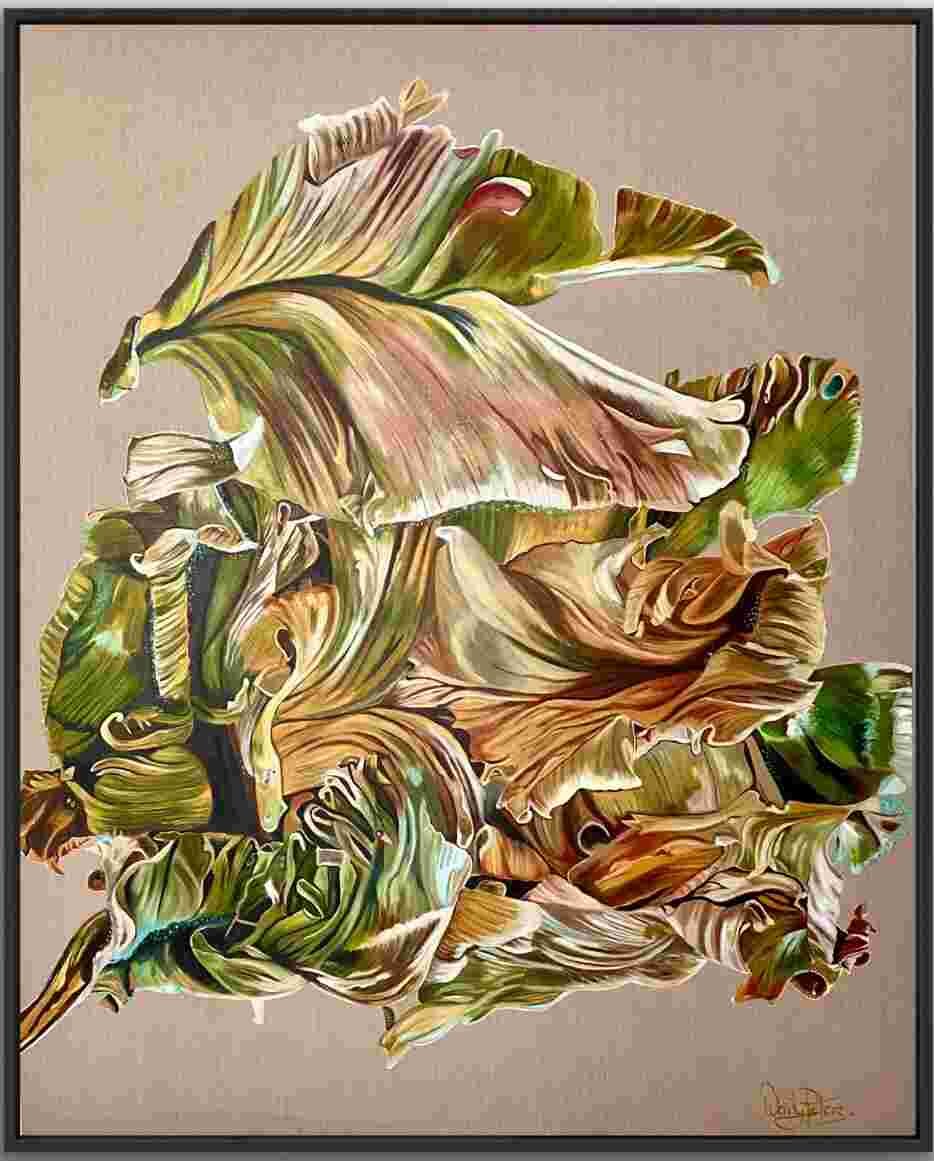
My inspiration behind Tulip Tapestry is how complex and beautiful fallen petals can be, the juxtaposition of the delicate, still vibrant tulip petals in their curled and withered state, with the mould dust adding a layer of complexity, is representative of nature’s cyclical rhythm, offering a deep appreciation for the beauty in decay. How hidden beauty can be found in unexpected places.
Expanding and contracting like a nova
To a nebula of red alarm,
A blinding point of unstable giants—oxygen and gas—
The anointing molecules,
A cross of ash
And chrism of lips
I can press to my forehead, now, imagining it.
And—Isn’t that a kind of joy,
When you hold it
To your mind like that?
That sad, beautiful star
Falling through the universe, flashing
Before it dies—bright stroke
That once spit you, human,
From its convoluted core
And lit a torch to the future
Like lovers rapturing do, licking
The lap of death, flaming
Oblivion with burst light,
A final streak, a slash
Of seed against the black
Before they disappear completely?
Living in a diving bell
how much can any creature know?
I watched minnows drift past.2
In their aluminum armor
saw my fangs, my four sets of eyes.
It was like being visited
by a stranger, my reflection a ghost
who appeared occasionally,
a bit lost, expectant.
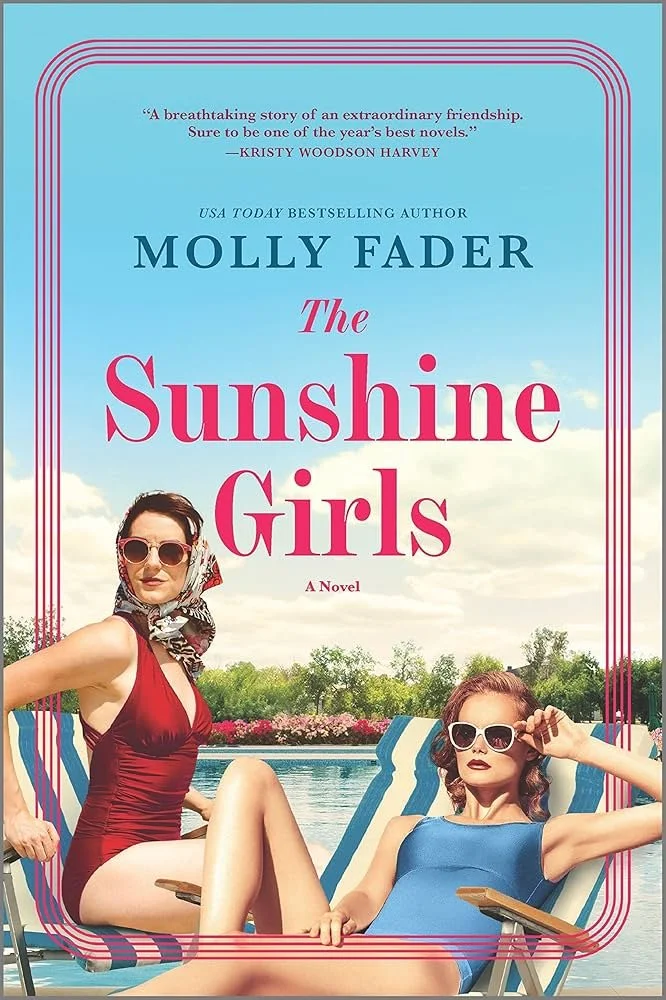
The Sunshine Girls tells the story of BettyKay, a young woman from Iowa who leaves her farm town to go to college and study nursing right at the helm of the Vietnam War, and Kitty, an Atlanta-born city girl with big dreams escaping a past she’d rather not talk about. The story splits into two parts: one following BettyKay and Kitty through nursing school as roommates, and another showing Clara and Abbie resolving their differences to bury their mother, BettyKay. When Kitty, a world-famous movie star, shows up at their mother’s funeral in the middle of nowhere Iowa, Clara, Abbie, and the rest of the Greensboro population are stunned.
I come from Woods Hole, Massachusetts, a small village on Cape Cod known for its marine science, and technology and its oceanographic discovery. Art and Science have a great deal of interdisciplinary interplay and I am involved as a research fellow in a new institute TEMPI which combines neuroscientist, musicians and a wide range of artists exploring the nexus between those two disciplines.
I bare my wolf teeth, curly lipped
smile. It has been said that the ill
are wounded in body and voice.
This is true, and not. I run
the doctor and nurse into my
wilderness. That’s not quite it
either, but I’m shapeshifted,
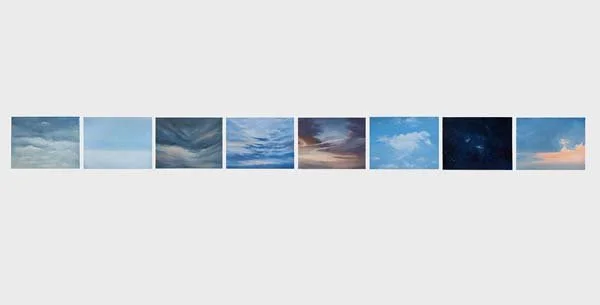
I am a writer and a fine art photographer. My heart has been broken by the state of the world, and I started to post my photography on Instagram under the title- “The World is Still Beautiful.” I was doing this mostly for me, to buck myself up, but I noticed that others actually responded strongly to my photos and the phrase. There have been terrible days, when it has been hard to say it- but those days seem to be the ones that people need the reminder most. Mother Nature is a balm. I am not trying to ignore or run away from the reality of what is going on- politically, ecologically, etc- merely realize the need to reboot- to feed ones soul- to gather strength and energy, to go back out and fight against the evil. Without this respite, we would surely burn out. Many of my shows have touched on the theme of the environment. My last show at the Von Lintel gallery was called Water Water Everywhere- from the Rhyme of the Ancient Mariner- and spoke to the fact that Water was on most peoples minds as there was either too much or too little. To illustrate this point, at the end of February, I am having a show in Valencia Spain- Inside will be my Story Series- but outside the whole museum will be wrapped with my work. That outside show was originally going to be Water Water Everywhere- but after the devastating flood there, it felt insensitive- So I changed the wrap (20ft x238 ft and 20 ft x 80 ft) to “Look Up! Look Up!! . The wrap consists of my bird series and Skies, two of which I am sharing here.- Look up is also meant as a form of encouragement, as the people in Valencia Spain try to rebuild after the flook-death and destruction. My work is both representational and Abstract- all at the same time- I did a show called On the Edge- meaning On the edge of abstraction.
The creative process is vital to humanity, as it is the vehicle by which we communicate and connect with one another: something that is more important than ever in our increasingly isolating society. My work mingles textiles and sewing arts techniques with watercolor and ink, embroidery, crochet and knitting, loom-woven grounds, mediums overlapping as if done simultaneously, and exploring the historical tradition of “women’s work.” The process is at once tedious, time-consuming and physically demanding, as well as a symbol of feminine self-worth.
What is life without art? Dare i say, they are one and the same. Art, in fact, takes many forms, has no rules, is everywhere. Thou art. Everything we see, hear, f eel, think, sense, is a reflection of all that is around us and in us. Its vibrational energy connects us to other people, different lands and cultures, ways of being, inspires understanding and change. Art is a bridge, not only to other worlds, but to our very own.
The arts and humanities are essential to the human experience, serving as a bridge between cultures, generations, and ideas. They provide a space for reflection, innovation, and emotional connection, shaping our understanding of history, society, and ourselves. The Creative Process resonates deeply with me because it not only celebrates artistic expression but also fosters interdisciplinary collaboration, which is crucial in deepening our appreciation of art’s transformative power. The interplay of fragility and strength is at the core of my artistic practice. I chose to work with eggshells—an unconventional and delicate medium—because it mirrors the fragility of life itself. Through my art, I seek to reveal the exquisite beauty within vulnerability, transforming ephemeral materials into lasting expressions of resilience and transformation. This philosophy deeply aligns with The Creative Process, as both celebrate the ways in which art challenges perceptions, evokes deep emotional responses, and inspires new ways of seeing the world. By exploring themes of impermanence, renewal, and interconnectedness, I aim to create work that not only captivates but also invites reflection on the delicate balance between strength and fragility in both nature and human experience.
I often think that under the crazy world of reality is a nation of artists busy creating the imaginal world, the world that for millions of years has kept us alive. Most of us artists spend our days in obscurity and that is fine, individually we aren’t that important. Our job is simply to create something out of nothing. I like to think that a person passing by a work of art will perhaps stop and stare and spend a few moments looking before turning toward home. And I believe however brief the meeting, whatever opinions are formed or emotions called forth, that work of art will change their life.
Three eyes inside the vortex,
an ocean eludes into a well –
suspended blackness – hole
as carrion of extinct fish –
and birds with body intangible
like a story in a song of fallen
leaves. Trees sapping roots –
limbs of lakes stretching wide
The underworld is not separate,
there lies the map of the quicksands of denial,
and the bedrock of reality.
Crawl, walk,
then run, to the new
life that awaits you.
My dual training and my dual experience as an artist and a psychiatric caregiver very early on allowed me to measure the importance and effects of access to artistic practices in the life course of people suffering from mental disorders. I'm talking about the meeting of people with an artist around an artistic project and not art therapy. This was a large part of my commitments during my career in psychiatry.
and
when i honor you
i honor me
when i honor you
i honor me
when i honor you
i honor me
when i honor you
i honor me
My work moves between literature, philosophy, and Brazilian modernism, always in an autographic way—writing my practice as much as I practice it. In visual arts, I navigate between two-dimensional, three-dimensional, and sound-based forms, treating materiality as a kind of spatial writing. In parallel, I explore poetic writing, investigating the sonic frictions between Portuguese and French, searching for rhythms embedded in language itself. In recent paintings, the repetition of a single motif is not about variation but insistence: a pulse, a breath that structures space. The surface is not merely a support but a trace of the encounter between material and gesture—burned wood, scraped paint, rhythm established through repetition. My works do not illustrate concepts nor respond to external demands. They are the result of a state of presence, a continuous exercise in losing oneself—abandoning categories, allowing matter to speak. What emerges from this displacement is not a predefined project, but an openness to what imposes itself in the act of making.
The arts and the creative process allow us to connect to our human essence, the sacred, the mysteries of life. Art speaks a universal language that bridges and elevates our well-being as individuals and as communities. The Creative Process is a beautiful and important register of creativity from all around the world, featuring people of diverse backgrounds and lived experiences. I am so proud to have been selected to be part of this inspiring and important project. What stands out to me the most about it is not just how well curated it is, but the fact that this has been accomplished within an equitable, welcoming and all-encompassing framework. I would love to see this project expand even further by also becoming a full-length video documentary detailing its history and achievements.
Art and culture can answer, of course, many questions of human existence. From preserving memory to uniting people of different views in the space of aesthetics. It serves as a method of cognizing oneself and the other. It unites and creates reasons for discussion. Art is present in every sphere of human life. Perhaps we can also say that art shows and indicates that a human being was present here. In this sense, supporting culture, developing culture, and inspiring people to explore and experience life creatively is a way to preserve humanity and increase its humanness.
Art in any of its manifestations is the form of the human being in which he shows his soul. It shows its legacy, the interior and it is the art and the observation of art that makes you prepetuen ideas, concepts, illusions. The creativity of being is the ultimate expression of what we are capable of doing.
The War Diary Series was conceived as an artistic project during the War Crisis in Ukraine.
The brief writing, which is detailed here, belongs to the events that occurred at that time, in real time.
The Creative Process' mission to celebrate the transformative power of the arts deeply resonates with my practice. As an artist, I strive to explore the boundaries between the real and the imagined, the visible and the hidden, fostering introspection and a connection to shared human experiences.
The arts and humanities allow us to develop our deeper, wiser selves through emotional connection, intuition, memory, and reason. In this way we can mature into beings that protect collective humanity, as well as nourish the individual.
The creative process is deeply important to me because it is the very essence of humanity—an international language that transcends barriers of culture, age, and circumstance. I witness daily how creativity fosters joy, understanding, and connection in my workshops. Art has an incredible ability to heal, offering solace and expression where words often fail. It’s a process that reminds us of our shared humanity and innate ability to create beauty, even in the face of challenges.
The Arts, Culture & The Creative Process are indispensable for self-expression and communication. Through this creative process, we delve into our subconscious and forge poems, musical pieces, paintings, or sculptures that help us understand ourselves and explore the world. Art is a universal form of expression linking people and cultures, erasing distances in time and space, and allowing a better understanding. Through art, we realize that we all share more similarities than differences. The Creative Process project is a much-needed endeavor, opening doors and avenues for renewal and collaboration. The different disciplines cross-pollinate and engage in an inter-artistic dialogue between artistic creations and renewed perspectives.
Artist identify things that are being experienced consciously or unconsciously by their audience, like putting a melody or face to it.
For the painting (Desert Spring 72 x 58 x 1.5" o/c) I've submitted, my inspiration comes from my experience in West Texas, at a place I visit frequently. A place where I used to consider the edge of the desert I now consider a desert.
Someone spilled a drop of me
and now I'm everywhere,
immersing pebbles on the shore,
scaring nesting plovers,
boring their endangered chicks
with unasked-for confessions
that I was young once too,
that I can't fly either,
that I startle myself
when I glimpse my face in the mirror.
The arts are important because we express the beauty of being human within it. That capability of creating out of ideas and materials is precious. And I believe that this is what constitutes us, or better, what defines us. Maybe some people do this job in somehow more expressive and outstanding manner. Still, the creative process begins its motion every time that we look at the sky, we pay attention to a human expression, or we care about Nature. It is precisely there when the magic begins.
When I was twelve, I walked along the sea
As if a mermaid, not a lonely child
The motion of the waves commanded me
The changing of the tides could drive me wild
Eden, as an idea, is woven into the fabric of human existence. The idea of home and sanctuary cross cultures. Navigating across seas, through forest, over mountains, along sandy shores to collectively reside as a longing in our hearts. In my Eden, I walk the labyrinth of a unique place, a water world sparkling in nostalgia of her decadent past. Sunlight greets moonlight dancing along the tide, keeping me buoyed.
The space above the earth
is not separate
from the space beneath its surface
It was not separate
before the earth was born
it is not separate now
though I will no doubt take One breath
and attempt to divide it into two
Nor will it be separate
once this land is no more
and God will perhaps Sighhhh
and release me in Her breath
I love hiking in the woods, listening to bird songs and seeing different shades of greens, yellows and reds in the vegetation. It’s a time to be with other species and appreciate the multitude forms of life that allows our planet thrive. There was also a rare moment in the city of Shanghai when a squirrel suddenly landed on my hand as I was walking on the street. It was a split second of touch, yet a true moment of intimacy (the paws pressed on my skin) felt from our kin. Life is a planetary phenomenon, and its biodiversity is something I don’t wish and we can’t afford to lose. We need to rebuild our kinship with life on earth that’s deeply rooted in evolutionary time and understand our place as a node in the mesh of the more-than-human world.
The God Eros is the god of passion, love, and eroticism in Greek mythology. It represents the “life drive,” and probably everyone has heard of it. Perhaps the god Thanatos - god of death - won't be as well-known; and he was, and continues to be, my great interest, so I dedicated most of my study to him. Not to be confused with Hades, the god of the dead. Thanatos inspired Sigmund Freud, who determined that all instincts fall into one of two main classes: the life instincts or the death instincts. The Life Instincts (Eros) are those that deal with basic survival, pleasure, and reproduction. Regarding the Death Instinct (Thanatos), Freud proposed that “the goal of all life is death.” He concluded that people have an unconscious desire to die, but that this desire is largely tempered by life instincts. In Freud's view, self-destructive behavior is an expression of the energy created by death instincts. When this energy is directed outward, and toward others, it is expressed as aggression and violence.
A Reflection on Double-Consciousness
In The Bluest Eye, Toni Morrison tells the story of Pecola, an African-American girl who blames her dark skin color and African features for being mocked and ridiculed by her classmates. Hoping to feel accepted instead, Pecola prays to God to give her blue eyes.
She had lived many lives, and here was the burnt offering of another.
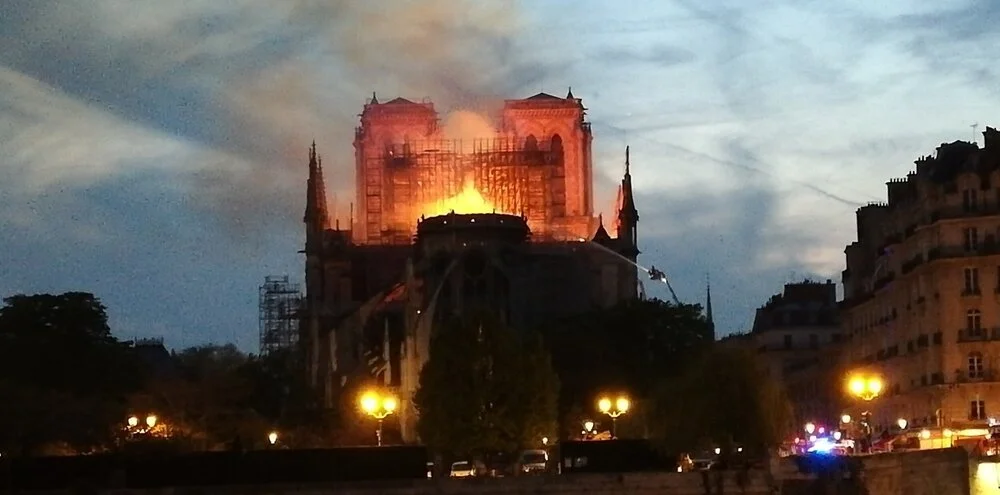
Notre Dame’s lace spire sizzled, crumbled, and fell, and the gigantic hole it created became a cauldron. Flames, golden to orange to red, assaulted Paris’s lavender-tinged sky, and smoke billowed in gray explosions. Silhouetted against glowing cinders, her bell towers stood dignified but unprotected.
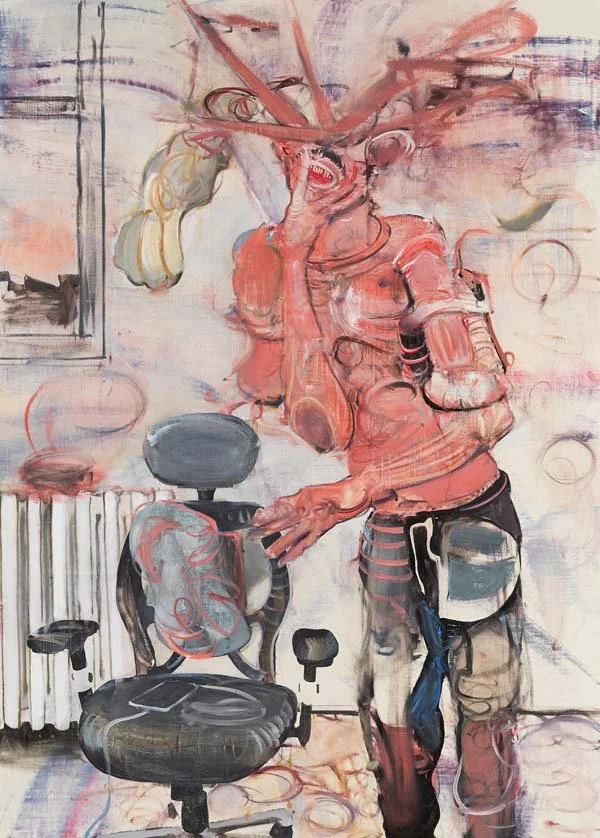
“Once you leave the traditional constraints of anatomy behind, the way you deform can become a portrait of character or the inner psyche on a deeper level. This play with the human form marked the beginning of something new.” Renowned Romanian artist Adrian Ghenie is currently presenting two exhibitions at the Albertina and the Dresden Kupferstich-Kabinett. Working with a variety of materials and subjects, Ghenie explores the personal, the political, and the art historical, fusing these discourses into expressive abstract and figurative works of art across multiple mediums.
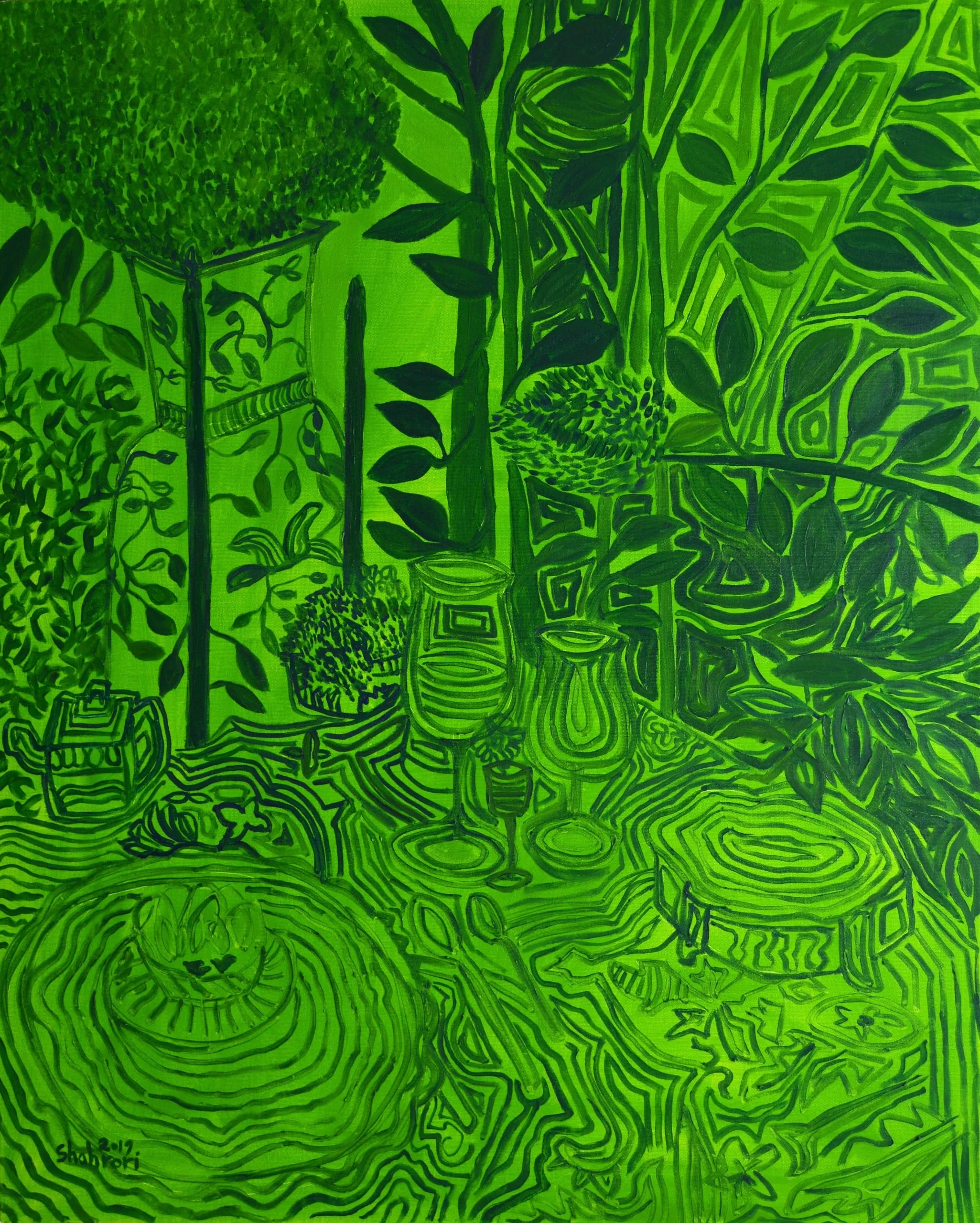
Green Still Life, was made in İstanbul, a reflection of green gardens and forests. I used a monotone, light and dark green. The arts and humanities are essential to the human experience, as they provide a way for us to express ourselves, connect with others, and understand the world around us. They also play a vital role in economic development and social cohesion.
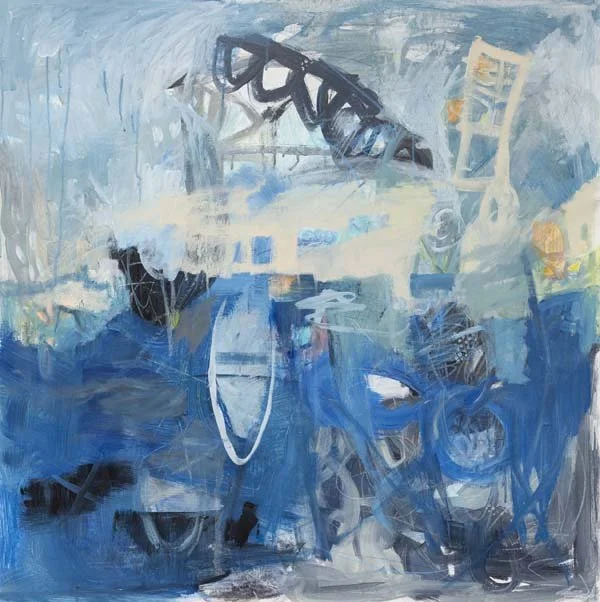
An environmental disaster was unfolding as I was working on this painting. It was the collapse of the Francis Scott Key Bridge in Baltimore, Maryland, in March 2024. I had been listening to news reports about the crisis, and it began to subconsciously influence the way I was completing this painting.
Lacuna was the second piece of art I started after ending a decades long ‘separation agreement’ with art, and the first I completed. The word lacuna can mean a hiatus, a gap, a hole, an absence, a chasm, etc., and titling the piece Lacuna, in part, refers to the long span of time where I wasn't sure I would ever return to art - yet a vital period that has marked and deepened my life and my understanding of what my art, and what art as a whole, is about.
For me, making art is the way I understand the world we’re living in and my place in it. The value of art to all of us, in the making or the appreciation of it, is incalculable. The Creative Process celebrates this. I’m particularly interested in the meeting point of art and science, fiction and truth; when art sits at these intersections I believe it can reveal new truths to us, take us to places we could not have otherwise gone. For this reason The interdisciplinary approach taken by The Creative Process is so important.
I chose to draw friends hugging or simply being with each other where it is intimate - not romantic...but intimate still. The image with two women was based on the grief I was (and still am) going through when my closest friend of 46 died suddenly. Her loss left a huge hole in my life. The loss of friendship is not talked about enough. For me...I believe that continuing to focus on the human figure in all its beautiful forms is a vital way to celebrate the arts. Because without the human interaction in the arts and the contributions we make in the arts then our world would be flat and colorless.
This work represents movement and grace. I used oil to capture the delicacy and strength of nature, fusing realism and minimalism with a touch of oriental art. When looking at it, you will feel a deep tranquility and awe at the subtle beauty. It is a piece that will bring a serene and contemplative energy to any space, inviting the viewer to immerse themselves in a moment of peace.
My work is all about capturing the raw essence of social injustices and struggles, shedding light on significant occurrences that shape our world. Through my art, I strive to be a voice for change, advocating for love, tolerance, and understanding across all boundaries of race, culture, and beliefs. This drive to create impactful art stems from a deep-rooted passion to inspire positive transformations in society, sparking conversations and actions that lead to a more empathetic and harmonious world.
With the help of this project, artists can easily find their way to art lovers. The offered opportunity helps me better introduce my work to the world.Folk tradition is very important to me, so I can pass on the long-forgotten values through my paintings, which bring people closer to each other, forming a large community.
My inspiration comes from my everyday life. How can I use normal things to transform them into something else, something more. Drawing allows me to explore this domestic world wherever I live; I need to carry some pencils and paper. I like drawing simplicity and immediacy. Sometimes, one of your drawings attempts to cross a line, and this normality becomes something different, something that can grab people's attention. Then, this familiar world becomes something magical.
“Even the Poles Move” is an ongoing body of work that explores the emotional and spiritual reactions to change through the physics of magnetism. The title references how something as seemingly stable as Earth’s magnetic North and South poles have radically changed positions over time.
My inspiration for my art is my body and how she experiences living in between cultures.
Give me a fury,
with rusted metal whiskers
and nostrils heaving flame,
something nether-worldly and gnarled.
A beast, that dare I give up on the world,
stares from the darkened corner
and considers eating me
if I do.
My work is always linked to nature, poetry, childhood and surrealist travel. Work must always be connected to nature. A renaissance where man and nature must coexist and live together. An inspiring nature must be the driving force.
I wanted to explore the tension between form and abstraction. The profile of the figure emerged naturally as I layered textures and colors, almost like it was waiting to be uncovered. The swirling blues are meant to feel alive, like waves or currents, capturing a sense of movement and transformation.
I make art to see what the world might look like in art. I am a New York-based artist. I received a Bachelor of Arts degree from Bard College and an M.F.A. from Yale University. I have exhibited in numerous exhibitions and have worked in various public and private collections, including the permanent collection of The Metropolitan Museum of Art. I live with my family in Brooklyn, New York.
The star opens a door in the sky
and leaves. The door dissolves.
The last train whistles a ditty
the lical assassin sings before his acts,
a song he learnt from his mother.
I am interested in creating a rich layering of sources: a poetic language where systems of generation and communication are fused to form new languages, continuing to use the tools of the mixed media formats of painting, photography and installation. I am looking to reveal the fractal mirroring of roots, veins, minerals and bone, incorporating multiple layers to reveal the interplay between various life forms representing the cycles of life, death, and rebirth in both our physical and metaphysical worlds.
My work refers to the history of the luminous surface and investigates what it means today, especially since the backlit screen dominates our vision. My attention is on the transformation of common materials by using light and color. I imagine many of the other creatives on this platform have considered the importance of transformation.
After a few years, a seed and then a seedling and finally a sapling rose from Alice’s ashes. I waited each year for the bud to come and then bloom. And it was not a flame tree, with its fiery leaves, but a cherry tree, small with red twigs and in the summer cherries the red of toy soldiers and flowers of white. I ate a cherry each year and each year it was sour and pulpy, its skin hard and thin. Each year I planted one in our backyard which was wild with blueberry bushes and pale blue forget-me-nots overgrown and tangled. We had stopped tending the garden. To tend was to care and mother preferred the lawn unruly, the flowers blown.
We are all creations, human be--ings who are connected to one another and in tune with the Universe. Uni--Verse. One Voice. We mirror one another and our reflections enable us to see who we are to ourselves as well as one another. Our creative expressions, also mirrors;, enable us to empathize to better understand ourselves and the world around us.
In the beginning was the word and it was borne on the breath of Spirit. Just how that spark of spirit is born within us, how it is nurtured by our impressions, sculpted into phrases, how it is shaped-- its rhythm and language-- remains unknown. At what moment does it slip from our lips, does it flow as a river from our hearts, ink from our minds. How exactly does it unfold on that brilliant horizon, that full moon of revelation.
human beings
cogitating on jazz music,
jazz penetrates the deep silence
of the bleeding angels,
angels in a fight for
the awakening of this blind reality,
Je fais semblant
D’être un vivant à livre ouvert
Au centre d’un roman fiévreux
Le nez sur chaque phrase urgente
Et les yeux noyés dans un scénario
Qui importe peu après tout
Car il suffit qu’il y ait une histoire
Et quelques soldats envoyés au front
Pour que je respire à nouveau
A boy in high school said my hands were too big.
Too much for a girl. (Do you understand?)
So I carried his words like a dead bird in my pocket.
I remember the shape of my daughter’s head.
How it fit in my palms. How I wondered if smaller
hands would have made a gentler cradle.
The creative process is so essential because it provides an opportunity for us to learn how to commit to something, to an idea, to anything. In our current visual and media culture, we’re constantly pulled at a break-neck speed to the next thing, and then the next thing, and the next thing. By slowing down and fostering a Thing — whether it’s cupcakes for your daughter’s birthday party, an independent horror film, or a crocheted recreation of your childhood bedroom — from a loose inkling of an idea to the full presentation of the time, love, and pure dedication to the work of it, one can access an entirely new dimension of meaning. I didn’t know what it meant to connect with others’ creative works until I found myself engrossed in the process of creating Something.
Art is an essential part of our world. It gives shape to the invisible, revealing, as in this photo, what escapes the first glance. It is also a means of escape. Unable to leave my Parisian apartment, I capture symbols, details imperceptible to the naked eye—fragments of reality that reveal themselves differently through the lens.
The arts, culture, and the creative process are the heartbeats of human expression, connecting us across time, space, and diverse perspectives. They allow us to explore our shared humanity, challenge norms, and inspire innovation. Arts and humanities help us understand who we are and where we come from, fostering empathy and encouraging critical thinking. This project resonates deeply with the need to celebrate and preserve the richness of human experience, giving voice to untold stories and nurturing creativity in a rapidly evolving world. To expand this celebration, you might explore the intersection of technology and the arts, amplify marginalized voices, and highlight the ways in which cultural heritage and contemporary expression can coexist and inspire one another.
The blue woman~alive
knows the meaning of things
and the hue of His visions.
Thinks to survive.
Absently slipping her sight at the edge
of the reality~
ruins, cracked mountains, and
rolling rocky rains
when the divine penetrates her within.
The rise of more forest fires everywhere in the world. This work was created after I spent a summer in Southern Europe. In France and Spain, in the wonderful mountainous areas, with beautiful sunsets and lovely landscapes that are so dear to me, there were lots of fires in 2023. Smoke was somewhre behind the mountaintops constantly, At noght fire fighter helicopters flew over. And it is happening everywhere in the world. The world is heating up, making our landscapes hot, and maybe unlivable in the future for ourselves.
The Vital Force - JOY work is from my collection: ”Beautiful Coexistence" which is an ode to the force of nature and the energy that creates life and that consumes life. To the sentiments, emotions and fears that make life an exciting adventure! Visualizing the dynamics and conflicting realities through the use of many fragmentary hand-drawn and digital layers, my paintings are a kind of pentimenti...Unique images of the coexistence that shift between the recognizable and the abstract to build unexpected and memorable pictures.
Unique depictions of the coexistence that move between the recognizable and the abstract, creating memorable images of humanity as an integral part of nature and which invisible forces shape our world.
She sat on the curb and stretched her legs out
and waited for some car to come;
in far nights when her husband coughed, the walls
of their shack got everyone up when they shook,
she wanted to be the one to stand against
the TB he had contracted underground
while looking for stones for the nice lady,
during the days of shackles, blue coal and glass
from the earth, gold for the queen’s chandelier
and diamonds for pink fingers. This is what
the police knew of her. She gripped the edge
of the ledge behind her as a car approached,
and pushed herself in again, her heart certain
that it must know, now, what this felt like.
surface mixes the weather,
cowed, potent clouds then kisses
of fire stolen together
with vapors purse-proud, hisses
Watching my daughter climb this majestic live oak, unfettered and unafraid, the visual metaphor was abundantly clear. Who could resist the lure of that tangle of branches that travel so high to a magical perch with the owls? Of course, I want her to feel this pull and feel her strength to climb to the top. But from the ground, I see the treacherousness of all of it, all that I can't control or protect her from, and all of the letting go that lies ahead. As a painter, I wanted to capture how the gesture of her body was in unison with the tree--I could see the specific and the infinite at the same time--and the rhythm of the shapes, negative and positive, that seemed to tell the story for me.
Through my work, I strive to bring together the multifaceted aspects of life experience as ingredients for a fresh and exploratory worldview. It is an attempt to present these phenomena in a visual language that is focused enough to address the issue at hand, yet broad enough to transfer coherent concepts without being colloquially or culturally exclusive. In essence, I see them as contemporary visual sutras, to be pondered, absorbed, and considered. The various facets of an image are in essence seeds which are planted upon viewing, then integrate with the viewer's sense of self, stimulating and provoking a broader mindset.
Hollow-eyed shades
of human beings,
human beings
cogitating on jazz music,
jazz penetrates the deep silence
of the bleeding angels,
angels in a fight for
the awakening of this blind reality,
The arts and humanities open up our imagination. They encourage critical thinking and broad viewing of our present on the one hand, and allow for day-dreaming on the other. And the ability to imagine other futures, other realities or existences - is what allows for change.
I wrote this for my mother,
for her mother,
for my grandmother’s mother,
and for her mother before her.
Art is more than an aesthetic pursuit—it is a bridge to the deeper realms of human understanding, where emotion and wisdom intertwine. At its core, creativity grants us access to the most profound aspects of our minds, those spaces where empathy flourishes and meaning emerges. The act of making, of bringing something into existence, is the purest expression of our humanity. It is here, in the act of creation, that we transcend the ordinary and touch something universal. Art captures the undercurrents of feeling, distills them into form, and aligns them with insight, offering not just beauty but a profound way of seeing the world. This is why your project resonates so deeply with me. It understands that beauty is not just decoration but a design of understanding—an endeavor that, like the wisdom of the empathetic, seeks to engage and foster community.
Art helps me love people. Everyone looks beautiful when they are dancing. The process of creating art invites one to explore themselves, their values, instincts, and aesthetics and develop sensitivity as to how we interact with the world around us. Viewing art invites audiences to be curious about other perspectives. Through art, we can better understand how and why people do what they do. It develops our sensitivity to subtext and context. Art enhances empathy for ourselves and each other.
The Creative Process resonates with me because it aligns with the values of preserving and celebrating the richness of human creativity and culture. By exploring the arts and humanities, we can foster deeper connections between people and communities, encouraging shared experiences and dialogue across cultures and generations.
We slip behind projections of prophecies
I tell her could mean nothing. We have
tendered a raging maw with hysterical
sleep. Tonight will be of modest dreams.
S.A. Aguillón-Mata is a Mexican-American author and artist inspired by tradition, circumstance, and whim. He has published the fiction and prose volumes Quién escribe (Paisajista) (IZC, 2004), Tratado (De una zona privada) (Pictographia, 2014), and Envés (UANL, 2016). His work also features in numerous anthologies, compilations, and literary magazines, both printed and web-based, in Mexico and the USA. He has both curated and participated in contemporary art shows in Cincinnati, OH, where he resides.
The arts are fundamental to humanity’s existence and survival on the planet because, in addition to showcasing creations and teaching techniques on how to create, they broaden human perception and thought. Through techniques and methods of thought, one can better perceive the directions of the world and gain an idea of how to act or anticipate situations with previous experiences from other ancient but similar eras. One can also increasingly explore the techniques of effects and technology, which are increasingly present in the arts and in humanity’s daily life.
In my reality, Nature is the purest expression of God (not in a religious way). As we are an integral part of Nature, it acts as a mirror to our inner world, revealing at every moment its profound intelligence, beauty, and infinite mystery. Nature teaches us how to dance with life, embrace uncertainty, and move gracefully within the chaos of change.
Arts, culture, and the creative process help us connect with each other and share how we experience the world. It’s a way to challenge ideas and welcome differences.
The arts and The Creative Process are important because they allow us to connect. Art is a byproduct of the artist connecting with something bigger than themselves. In my case, I connect with nature, and the outcome is a painting. If the connection is complete, then the resulting picture contains a record of that, and a discerning viewer will perceive that and make yet another connection, completing the cycle. Art is a shared energy, and the artist is a conduit.
In light of our world's exponential growth through AI and technology in general, the arts and humanities have never been more critical to our continued growth as a species. Without the arts and humanities to bring us into stillness and contemplation, we would be left with purely materialistic, physicalist views and miss out on the truth of our oneness.
Rosemary Burn is a British figurative painter based in the UK. Her works have been exhibited widely in Italy, Germany, the United States, and the United Kingdom and are held in several notable collections.
On a physical level, we have the ability to influence only as long as we are alive.
We are alive as long as we are in an environment that can support our life.
By destroying the environment, which is a necessary condition for our existence, we deprive ourselves of the ability to influence.
My work is driven by spontaneity and intuition and I have to restrain myself sometimes from throwing everything at the painting. However, I also like to paint purely for the act of painting, and the tension I feel between the two is where I need to find the right balance, hence the name of this painting.
My heart is a river And like a river
I cannot enter myself in the same way twice
I carry your river in mine–one heartbeat at a time
The arts possess the unique ability to simultaneously present multiple perspectives that can spark challenges, create community or prompt profound questions. As someone recently observed and shared with me, 'Your work makes visible what we are all feeling.' This encapsulates the power of art and the creative process: to bring to the surface the often-unseen or unresolved dichotomies of the human experience – joy and sorrow, strength and vulnerability, humor and anger, beauty and darkness. I believe as a society, especially in this age of extreme opinions, algorithms and the loss of civil discourse, art can speak to the complexities of our shared experiences.
Creativity is our fundamental, inherent need - it defines us as humans and serves as a unique way of self-expression. We must cherish and nurture this trait as it is essential to our survival as a species. Art is a universal language that eliminates artificial borders between people, offering a powerful tool to address the crucial issues for our civilization in a profoundly unique way. For me, as an artist, it is invaluable to have access to the insights of the leading voices in the creative field, to feel the relevance, and to have the opportunity to share my thoughts. I believe that adding perspectives of young creatives into this platform will not only enhance its reach and add a fresh perspective but also build a bridge to the future. Every child is an artist, free from constraints or prejudices. As a mother of two, I draw immense inspiration and positivity from my children.
I sit here in my little garret, once a servant's quarters, and wonder who served whom
and how, and what thoughts he or she might have had in this space before me.
Setting and historical note: The following story takes place in 1st century Rome, during the reign of Gaius Julius Caesar, colloquially known as Caligula. The year is approximately 38 CE.
SCENE I.
NARRATOR: With a swift, anxious tread, comely Drusilla proceeded through the lavish halls and chambers of the new mansion on Palatine Hill. Under other circumstances, she might have been waylaid by any one of the two-score retainers that her brother the emperor routinely kept on hand. Most everyone knew that Gaius Caesar’s second sister was by far the gentlest member of the imperial family. Her sweet and indulgent smile drew petitioners like moths to a flame. But that morning she strode more quickly and frowned more deeply than usual. Even Agrippinilla, with all her quiet authority, struggled a moment to secure the girl’s undivided attention.
I am drawn to The Creative Process because it resonates with my belief that art is both personal expression and an evolving conversation. I believe that images are not merely representations, but catalysts for introspection, provoking reflection and challenging perception. This project feels like a natural extension of that pursuit: an opportunity to share my vision with others who, like me, value the subtleties of individual perception over the noise of passing trends. It might also be interesting to consider how different perspectives shape the narrative of the human experience.
It turned out that she was a relative, a cousin of her reclusive uncle, an intellectual, obsessed with books, whom the Nazis had deported him to a concentration camp. A man of honour, he had been made the heir of his Jewish publisher when the latter’s firm had been ‘Aryanized’, but had neglected to reinstate the owner afterwards. This part of the legend surrounding the company had passed into oblivion however, leaving only his own tale of hardship.
Since I’m demanding honesty from racists, I must confess that part of my Marechera question was projection. I’ve been selfish. I’ve been more grateful for the personal fury of changes that the Fallists churned up and mirrored inside me than for the actual movement itself. Even if I was as presumptuous as Brenda Marechera in her political metaphor, I don’t know if I’d call my leaving Joburg for Cape Town a personal exile. The only other way I can explain it is as a form of masochism.
The light in the window must give you a courage,
lights are not faded away yet, children shine in streets,
the Western wind will color them gold, every mother
feels her child as the rays feel the way out of darkness,
mother’s voice echoes in the dark: Where are you, Lord?
Where is my son? Where is my daughter? Where is their kingdom?!
I am sinking into a lake
So cold, it aches
Whatever I say People hold it against me and my brain
They expect me to say
What they hear
And not something they can't hear.
The dead writes on the dead’s body.
He inks the pilgrimage to find sanctuary
From that dull, dismissive, charcoal night
Toward the afternoons of extravagant delight…
Glacier Bay is surrounded on three sides by a horseshoe-shaped rim of high mountains: Glaciers still form on these mountains and flow slowly down to the new sea. Nowhere else in the world are there so many tidewater glaciers. Nowhere else are the glaciers in such rapid retreat. A warming trend that started at the beginning of this century has made Glacier Bay a master of the ice.
The sound of the ocean, its roar, is the leitmotif of my childhood.
The ocean seethed like molten lead. It could disfigure your heart. In the sand, your feet became roots of water and of iodine, your bones accretions of silicon and salt.
In December of 1944, the German army attacked Allied troops in Bastogne, Belgium, igniting the Battle of the Bulge. My father was a paratrooper with the 82nd Airborne Division. I‘d always assumed he had killed people. He’d never talked about it, and I’d never asked him. I’d never had the nerve.
It was the ancient love for fire seared the hearts of the
first humans—In the middle of kindling they found
each other. Inside a cave was born
all sense of belonging.
The creases on the man’s forehead are shadowed in the firelight but the skin over his cheekbones is smooth, the color of caramel. He begins to speak in the language of his own Berber tribe, sounds rolling up through his throat. He punctuates the end of his sentences sharply and lifts his chin for emphasis. When he leans forward on his cane, his cape flurries, then settles on his shoulders.
Spilling over the ranges near the coast, the sun sets the valley floor awash in gentle morning light. As though roused from slumber by a refreshing splash of cool water, the arid countryside comes alive with a thousand hues.
Spanish poet Federico García Lorca spoke of duende: “A mysterious power which everyone senses and no philosopher explains. There are neither maps nor exercises to help us find the duende. We only know that he burns the blood like a poultice of broken glass.”
The raft hits the first wave hard and straight. We break through that first crucible and power through the V of the second wave. Several 8-foot-high waves curl over our boat; then we hit a wall of whitewater as the bow rises.
I stood at midnight by railroad tracks on the island of Sri Lanka, looking at a sky full of stars. The moon was gone, the darkness so complete I could barely see the outlines of the surrounding forest. Above, pinpricks of light so filled the sky that I felt I could see in three dimensions, into the depth of the cosmos, layer upon layer of stars. A trickle of sweat meandered down my spine and I wondered if it was caused by the tropical heat or the awareness of my utter insignificance.
A Saga of Three Generations of Balkan Woman
Safety was unfortunately transitory. Yugoslavia fell apart in World War II, pulled back together for forty years, then tore itself up in bitter wars at the end of the 20th century. My grandparents and their descendants repeatedly lost everything because of the endless conflicts that just wouldn’t let go of their homelands.
To the old man with the gentle gaze in the corner of the souk in the medina of Fez, Morocco: May a drop of the love with which you serve your spiced coffee to strangers be returned, overflowing, to you.
A white crescent moon passes behind the long slope of Sultan Ahmet’s mosque, glazing ancient Istanbul with silver light. The medieval stone archway in the pine-bowered garden frames the six needle-shaped minarets and twenty-four blue tiled domes like a border in an illuminated manuscript.
A dark silhouette looms ahead in the sea, floating a dozen feet high, undulating. As I coast toward it, I begin to see the creatures within—hundreds of shimmering silver graybar and yellow spottail grunts, moving en mass like an underwater planet. I swim into the cloud, engulfed in tails and beady eyes. Currents of fish stream above, below and beside me as I snicker bubbles out of my dive regulator. Jacques Cousteau called Baja’s Sea of Cortez “The World’s Aquarium.” In Cabo Pulmo, the aquarium is interactive.
José Luis keeps pulling us to the dance floor. He is vibrant, joyful, smart and funny, wrinkled around the eyes and missing a tooth or two. He looks older than 66, but he’s undeniably younger than his years—and at last, at last, so are we.
You were mumbling when I sidled up next to you along the river. Bodies shrouded in white cloth and draped in marigolds were dipped three times into the holy water, then cremated, thus releasing the individual’s spiritual essence from its physical form, and allowing it to be reborn.
As a young man, Paul Cézanne painted directly upon the walls of the oval-shaped salon in Jas de Bouffan, the house where he grew up in Aix-en-Provence, between tall windows, allegories of the four seasons, landscapes of Aix, to gain the attention of his father. This was written on my visit there, after a series of slides were projected upon the walls.
I put my head down and scribble into my notepad, hoping no one can tell that I’m rattled. As part of my story, I’m supposed to ride with Mariam and the team on the same highway where she was attacked. But after hearing about her assault, combined with the Taliban having launched their spring offensive, I’m losing confidence.
We drove to Nyamata, the church where ten thousand Tutsi were murdered in the place they had gone to seek protection. The below-ground crypts were stacked top to bottom, end to end with bones. Upstairs, the clothes the victims were wearing were stacked limply on the pews. On the side of the church was a statue of Mary, looking helplessly down from her perch.
I have seen Ryoanji in spring, when the cherry trees bloomed, and in fall, when their branches were bare; in winter, when snow covered the moss, and in summer, when cicadas buzzed beyond the wall. I have been there among giggling teenagers and gaping farmers, bemused Westerners and beatific monks. By now it has become a part of me—and it still eludes me.
There are moments on our journeys when we meet a person—alive or long vanished from the earth—and time and distance morph, bringing characters of place and past close enough to look us in the eye, and touch us with fingers that pulse with life, as when I ‘met’ Paul Cézanne in Aix-en-Provence.
Nothing makes the sun come out quicker than a night full of tales, and I know you are waiting for it--just like we are. Perhaps it is now time to finally tell our story as we want, and as we lived together before, not as they tell it. Now, after everyone is gone, leaving us here with you, we can tell it.
Hail Mary, full of grace, the Lord is with thee, blessed art thou amongst women, and blessed is the fruit of thy womb, Jesus, I would have loved to have a baby like the Virgin Mary who conceived him with the Holy Spirit, without carnal contact with a man…
“Only connect,” E.M. Forester famously advised novelists—and this is the governing principle of the International Writing Program, which brings the writers of the world to the University of Iowa for three-month residencies. In retrospect, the IWP, as it is known, was a natural outgrowth of the Writers’ Workshop, and yet at the time it seemed, in the words of its co-founder, Paul Engle, “the craziest idea” he had ever heard.
This story is from the chapter, The Storykeeper, which is about the documentary film made by Erin Byrne and Rogier Van Beeck Calkoen. René Psarolis was seven years old in 1944, in Nazi-occupied Paris, when a USAF B-17 bomber crashed in his neighborhood. What René ultimately did shows how we can take the stories that touch us and offer them to the world in a way that unleashes the power of the universe.
Film Director
Art is never enough. The problem is now and it’s still not solved, but we don’t need to be scary or mean. You can engage people gently. Art, of course, is a way to get people engaged and to touch people.
I’m six years old in ballet class in Geneva, breaking my point shoes.
The Russian master ingrains in me the correlation between pleasure and pain.
I now know the two centers sit next to each other in the brain.
I’m seven years old, in the Swiss Alps, making snowmen, skiing, hunting for Easter eggs.
My mother laughs then says, your father can’t be left alone.
My mother sacrificed so much.
I try to mend fractured relations,
let light flicker into the sheltered past.
We packed whole lives into bundles
in search of what chooses us,
what wants to come back to the surface,
what needs to be said.
My father was a god, though he looked like any other old man. He had a thick white beard, and a bald head with tufts of hair above his ears. He had no wrinkles. His ribs showed. His gait was slow, shuffling.
It is so bitter that I have begun to ignore the darkness. The metaphor which has played the role of almost an eternity for my mortality. I cannot even see, rather sense, darkness anymore. It is just my breathing which has kept me bothering about gazillion useless yet valuable issues. I have shared this plenty of times before, not with you, not with anyone else but, with him that I don’t want to breathe anymore.
International Writing Program at University of Iowa
The down-home Iowa people I knew always thought proudly of Paul Engle and loved and considered him as the friendly, local farm boy from Cedar Rapids who had made good and had become a kind of legend in his own day, though not just anyone from there could say exactly what he had done other than become an outstanding and beloved American poet and true patriot.
In the dark political times I found the work and existence of the International Writing Program a speaking metaphor of resistance. While the US pulled itself out of UNESCO, IWP was celebrating international voices, poetry, music, film, art and literature. The idea of paying respect to the world literature is fascinating in itself but it becomes more meaningful when it has certain associations, connections and memories to offer. Hence, in my mind, whenever I try to relive my experience in Iowa as Fall Resident, I have bulk of memories to relish and share.
I’m youngest son, a poor man; nobody marries a poor man. But then, one Saturday I am fainting on the roadside and waking to see the fat lady’s servant Melli-ann holding a yellow umbrella over my head…
Remember that they met on a dance floor at the Sheraton, and how different they were, who could imagine that they would take the high road together for any length of time. It was by chance—like most of the significant events in our lives…
Today everybody can play the guitar, everybody can buy a gun.
We expect a better future from ourselves.
When I don't have a friend, I make a friend of attachment.
I turn my eyes to heaven and see a flock of vultures flying eastward.
French/Polish Artist and Designer
The starting point for Jaga’s works is photographic media: a photo found on the internet, in an archive, taken by herself or a photographer; a photo cut out and digitally manipulated, rasterized to make it barely recognizable. Jaga often mixes techniques, combining screen-printing with painting and drawing. She prints on canvas, paper, fabric, glass and wood.
Painter · Videographer
The questions of movement and fiction are at the heart of my practice. Throughout my projects, I wonder about the very technique of animation, going from experimental video to creating complex stories.
JONATHAN YEO
What are you trying to do with a portrait? On a basic level, you're trying to communicate something about the essence of who someone is. You're trying to figure out who they are, not necessarily who they present themselves as. The two things can quite often be different. You're trying to find ways of showing that through their face, their posture, or any other context. My instinct is always to try to reduce down to the essential elements. We read faces. It's obviously very, very deep in our DNA, really our survival instinct. We are programmed to read faces in a very fine-tuned way.
Pregnant with my master who lies sweating in my cocoon
The details of rain when it wails on tired faces take me
To him. . . the distant one who is united with me
Broken as I am. . . Tired as I am. . . Lonely as I am
And so it hovers there like Man Ray’s lips, red over the ancient roofs of the city. Wide and calm and mysterious. We pass people dancing and singing drunkenly in the street, but even holding hands is too much for us. We huddle in the doorway waiting for the rain to pass. It is a cliché moment, one set up by God to tempt us. This is your cue to kiss me if you had a clue and weren’t so polite, and so I die inside waiting and waiting for something that never comes.
I hear the slamming of a door, bolted shut, which belongs to a house with a weather-beaten chimney. On the street tinkles the sour moaning of the windows’ metal bars. Street lamps are shining in a depressive state. A seventy-two-year-old helpless loner walks past me.
Tony is from Liverpool: he is a boxer, and an actor, and of formidable size. I hardly know him but he takes me to the Turkish Baths on East 12th Street. He throws me in the cold water, then the hot, then the ice.
Andreas* is in Greece. I meet him on his yacht, the 218 foot Rosenkavalier, built in 1929. He is one of nine children born to a shepherd. He made his fortune in donuts, and later cream-filled pastry puffs. “Come,” he says, “Sail with me. I will give you your own suite. You can do your work on the aft deck.”
I was at a job interview the other day &
they asked if I wasn’t doing what I was doing what
I would like to do &
I told them be a mermaid &
they looked up at me like, what the—? &
“URGENT!” Giovanni’s text said, “Call now,” and the list of catastrophic fears that a person lists went through my mind. He picked up right away: what took you so long, been trying to call for hours, ovens on super sale, you want one, tell me pronto, before someone else takes them, only two left, OK got one in my hands RIGHT NOW, store is closing RIGHT NOW.
I remember our hotel & its smell of rattan & sand & rain
I remember seashells on shelves & mantles
& that big piece of driftwood in the darkened sitting room
No one ever sat in there
I remember American History Class in eighth or ninth grade
I remember the boy in front of me much better. (He sat near the front.)
When my grandfather died of diabetes, I was just glad I got to leave camp early. I’d tired of swimming in the brown water of the lake. There were no bathrooms at the camp and the latrine smelled of urine. I had to pee into a hole in the dirt with flies flying all around me.
A Conversation with International Gallerist, Curator & Podcast Host
Today, the world is very divided, lots of fractures. It is the time for art and culture to come into play because art is about soft power. If we want to resolve misunderstandings, art is the best, best, best way to communicate. So use this.
A Conversation with Author DOUG WOODHAM
Fmr. President of the Americas at Christie’s · Managing Partner, Art Fiduciary Partners
All of the great artists are there for a reason: because they rebelled in some way. They created a visual vocabulary that felt fresh and new, which excited people. So, the great artists are not built on sort of anthills of sand. They're built on things of substance and of meaning. Though this is not a sufficient condition to become an icon, it's a necessary but not sufficient condition. I think you have to have an interesting and vivid personality or personal narrative that makes you interesting for people to talk about and want to learn about. I think you also have to have a support network of galleries, curators, and collectors who are excited about your work and want to push it forward, not wanting it to be forgotten. Basquiat's visual vocabulary is distinctive and stands out relative to what was being done in the 1980s. That's the sort of strong hill on which his reputation is built. Basquiat benefited from being the first black artist of note who got pushed forward. As in many things, the first benefits.
Everything is Art.
Everything is Politics.
I think art competes with reality. And art will give you the last words.
–AI WEIWEI
A Conversation with Manager of Digital Media AMR HUSSEIN
Guggenheim Abu Dhabi is a unique concept. The idea behind the building itself is a dance. It's a living building because it's a dance between spaces. It's a dance between blocks of spaces and shapes and cones, and it's inspiring for the future because the legacy is a huge factor for every project. It's the legacy for young architects and for other architects. It gives them the space to dream more and to feel like it can be possible, and not to be shy. Present more bold ideas that can inspire creativity because you can't see this building and walk in without feeling like you want to be creative as well.
ERIC FISCHL’s Couples explores the secret life of suburbia at SKARSTEDT PARIS
October 20 – December 6, 2025
Fischl’s work explores the darkness inside suburbia. Desire, betrayal, and the search for connection. The violence of privilege. What happens when you’re surrounded by everything and yet have nothing left to give one another? What happens when what you own ends up owning you? Autopsies of the American dream: the suburb as an emotional landscape. Roadsides, hotel rooms, beaches, private homes with the chlorine-scented promise of a swimming pool. They are places built for temporary perfection or maintaining an outward-facing image.
Artist MIA FUNK discusses her Creative Process
I feel my paintings are shaped by my life and the people I’ve met along the way. We’re all part of the same human story. And I’ve always loved learning and sharing with others. And hopefully, you can see echoes of this in the art. I love to dance. And try to write every day.
I grew up in an artistic community and like to blur the boundaries between disciplines because I believe that’s where creative ideas arise. These conversations have helped shape me. I’ve always been drawn to art that begins a dialogue. I want to express what I see and feel and share what others know about the world.
At the end of the day, for me, it’s about the search. How do we stay open and curious? And I believe that remains one of our great challenges. How do we hold on to that sense of wonder and remember that we live in a miracle that we are a part of, and that we have the ability to either nurture or destroy? And so many people that I’ve had the chance to speak with have held on to that sense of wonder, and what can be achieved individually and collectively with the life we’re given. You can hear it in their voices. You can see it in the projects they create and the way they inspire others. Somehow, they’ve managed to remain curious, which is at the heart of the creative process.
JAMES TURRELL’s The Return Transforms Perception at PACE
Seoul · June 14 – September 27, 2025
Where does the edge of space end and your perception begin?
We don't see the world as it is, we see it as we are.
What if I could touch time? Turn light into matter?
Everything that is visible hides something that is invisible.
What would we see if we could return to the beginning?
Before presence and absence, before light and darkness, before sound and silence?
How Deception is Sculpting Our Reality
A Conversation with Artist · Geographer · Author TREVOR PAGLEN
At the core of the work is that sense of curiosity, that sense of joy, that sense of beauty, and that sense of learning. I've been fortunate to have all kinds of strange and interesting experiences, whether that's seeing weird things in the sky over secret military bases in the middle of the Nevada desert, going scuba diving and finding internet cables on the bottom of the ocean, or tracking spy satellites in the sky and being able to predict when they'll appear in a flash against the backdrop of stars. The world around us is extraordinary and embodied, right? It is not on screens, and I’m very privileged to have that be so much a part of my process.
A Conversation with Photographer MARK HANAUER
I try to get people to stop, look, and think about what they are seeing, whether it's one of my portraits, a landscape, or a close-up of a flower. Design is important to me in my photographs, and my goal is to engage one's gaze and move it around and image, and hopefully tell a little abstract story within that moment.
Connecting Brazil and China Through Art and Music
A Conversation with Curator · Philanthropist · Collector SARINA TANG
I think that, based on the fact that both Brazil and China are tied to my own roots, I understand a little more about the culture and history of both countries. About 15 to 20 years ago, I felt that I didn’t want to work just for income or to gain more fame. I felt I should do something meaningful for the rest of my life. Very few people from Brazil have ever been to China. This is why I brought a few Chinese artists from China to Brazil and from Brazil to China. That was my first experience doing some form of residency, but it was more than a residency. It was really for the Brazilian artists to learn more about China and its culture, and for some of the Chinese artists to learn more about Brazilian art and culture.
Can silence be painted? How can artists capture interior states, solitude, and the passing of time? How are the homes we live in a reflection of the people who inhabit them? How can we read a painting to piece together the life of the artist?
The Soul Trembles
The exhibition at the Grand Palais offers visitors a poetic immersion into her unique universe, where threads weave stories of human connection and the ephemeral nature of life. The visitor is taken on a journey into an ephemeral world where they are posed fundamental questions about life and death. The threads you follow are up to you, and each visitor must answer that question for themselves. Where are we going? Are you ready for the journey? What is a soul? What do you believe? Why did you go on this journey? What gives your life meaning?
& The Future of Museums
A Conversation with NICOLA LEES · Director of the Aspen Art Museum
It's a complicated time to think about how we can slow down, be still, and bring a brilliant group of people together to do something that feels purposeful and can be productive. It's a moment where things are moving so fast. When I brought up the idea of a hinge generation, I think it's impossible to know how we will look back and reflect on this time and these moments. This year, there is a real emphasis on the relationship between the question we have posed for the retreat, which is fundamentally about our relationship with technology and identifying our relationship with the world and how we want to be present in the moment.
Conversation with MANUELA LUCÁ-DAZIO Exec. Director · Pritzker Architecture Prize
Fmr. Exec. Director · Venice Biennale · Dept. of Visual Arts & Architecture
When I started and I had to decide what to do in life - because I was working with museums, in exhibition design, and on the restoration of buildings - and then at some point, I had the chance to arrive at the Venice Biennale and my whole perspective changed. And it changed because I was working with living artists and architects. Until that moment, I was working around Old Masters, works in museums, and things that were there with the aura of history. And all of a sudden I was dealing with living architects and artists, and this was, for me, the most incredible experience. So I decided to leave all the rest, because I was doing quite a lot at the same time, and to concentrate on the Biennale.
Kingdom of Cats
How do we, as humans, balance our biological necessities and the inorganic industry we have created? How do we reckon with our animal natures and our intricate consciousnesses?
A Conversation with Artist DELPHINE LEBOURGEOIS
Nature was very much part of my upbringing. I spent most of my teenage years exploring the surroundings of my grand-paren’s house in rural Auvergne. A few years ago, I did an installation where I placed large cardboard cutouts of my Amazonians in a remote forest in France. The installation was hidden, away from touristic trails and not signed posted. I wanted passers by to see it by chance rather than people searching for it. The cut outs were made from recycled cardboard so extremely fragile and prone to quick degradation. The project had to be ecological and ephemeral.
Art about nature or in nature holds a particular place for me. I remember loving “My Back to Nature” the exhibition by George Shaw at the National Gallery in London, and more recently got the same awe whilst visiting “Light into Life” by Mark Quinn at Kew Gardens.
Sustainability is important but paradoxically beauty is everywhere… in decay, in a plastic bag stuck in a tree, even in garbage. This is why I liked George Shaw’s exhibition so much. He painted woodlands with traces that humans have left behind. Dirty mattresses, soiled duvets hanging from branches. His mastery as a painter made the objects nearly sacred. I don’t think art should be sanitised.
A Conversation with Artist ISCA GREENFIELD-SANDERS
Traditionally, landscape painting has played up man’s insignificance as it compares to nature. Today, the extraordinary effect humans have had on climate and the landscape has swapped that dynamic, casting us as the danger. That is a massive shift. When I started to learn art history, I connected deeply with the notion of the sublime. I was especially moved by Turner’s landscapes. When I was 11, my family got caught in a lightning storm on the beach in Miami. It was scary but incredibly beautiful, like being inside a painting by Constable, Turner, or Homer.
Can silence be painted? How can artists capture interior states, solitude, and the passing of time? How are the homes we live in a reflection of the people who inhabit them? How can we read a painting to piece together the life of the artist?
CELIA PAUL at Victoria Miro Gallery, London
March 14th to April 17, 2025
My young self and I— we are the same person. I can stretch out my old hand— with its age spots— and hold my young unblemished hand.
What is ugliness? What is beauty? How has our conception of beauty changed over the years? How do traditional notions of beauty inform our ideas about ugliness?
Just some of the questions raised by the exhibition On Ugliness at Skarstedt Gallery in London featuring George Condo, Nicole Eisenman, Jameson Green, Martin Kippenberger, Barbara Kruger, Jacob de Litemont, Pablo Picasso, Stefan Rinck, Pensionante del Saraceni, Cindy Sherman, Thomas Schütte and several unknown artists living in the Middle Ages.
Pierre Huyghe’s Variants (2021—) does not occupy space; it perpetuates it. The work takes as its foundation a complete 3D scan and model of a small island at the bend of the Randselva River in Norway. Biologists and surveyors then furnished this model with quantitative and qualitative measurements of the island’s organic and inorganic elements, such as the types of species, the water levels, the trash, and the sounds and smells. Biochemical and physical sensors are installed around the island to track the shifts in the island’s environment and funnel them into an artificial neural network, which generates from all collected data a continuously evolving and mutating simulation of the island, unfolding in real time on the large LED screen at the far end of the island.
A vast, complex map of our present moment. It wasn't just a collection of art; it was a conversation, sometimes hushed, sometimes resonant, about where we are, what we value, and the stories that shape us. Walking through the halls, one could sense the intricate connections between artists, their materials, and the larger human experience. It's a place where significant ideas find form, inviting us to look closer, to think, and to feel.
“Once you leave the traditional constraints of anatomy behind, the way you deform can become a portrait of character or the inner psyche on a deeper level. This play with the human form marked the beginning of something new.” Renowned Romanian artist Adrian Ghenie is currently presenting two exhibitions at the Albertina and the Dresden Kupferstich-Kabinett. Working with a variety of materials and subjects, Ghenie explores the personal, the political, and the art historical, fusing these discourses into expressive abstract and figurative works of art across multiple mediums.
Artist
What are you trying to do with a portrait? On a basic level, you're trying to communicate something about the essence of who someone is. You're trying to figure out who they are, not necessarily who they present themselves as. The two things can quite often be different. You're trying to find ways of showing that through their face, their posture, or any other context. My instinct is always to try to reduce down to the essential elements. We read faces. It's obviously very, very deep in our DNA, really our survival instinct. We are programmed to read faces in a very fine-tuned way.
Can silence be painted? How can artists capture interior states, solitude, and the passing of time? How are the homes we live in a reflection of the people who inhabit them? How can we read a painting to piece together the life of the artist?
Author · Executive Producer · Showrunner
The Sandman American Gods · Good Omens · Coraline
Neil Gaiman is the #1 New York Times bestselling author of more than twenty books, including The Sandman, American Gods, Good Omens, Stardust, Coraline, Norse Mythology, Neverwhere, and The Graveyard Book. He’s adapted many of his books for television and film. Among his numerous literary awards are the Newbery and Carnegie medals, and the Hugo, Nebula, World Fantasy, and Will Eisner awards. He is a Global Goodwill Ambassador for United Nations High Commissioner for Refugees (UNHCR). In this episode, Gaiman reads his poems “A Writer’s Prayer” and “These Are Not Our Faces”.
Artist · Interviewer · Creative Educator
Founder of The Creative Process international educational initiative, podcast, and traveling exhibition
Her varied work sees her leading workshops and mentoring students around creativity, critical thinking, environmental ethics, arts and humanities disciplines. Her work appears in public and private collections, including the U.S. Library of Congress, Dublin Writers Museum, Office of Public Works, and other museums and culture centers. She has received awards and honors, including the Prix de Peinture from the Salon d’Automne and exhibited in the Grand Palais. Her paintings of Francis Bacon have won prizes and were exhibited in Paris and Brussels for Bacon’s centenary. As a writer and interviewer, she contributes to various national publications. Funk served on the National Advisory Council of the American Writers Museum and serves on the advisory board of the European Conference for the Humanities.
U.S. Poet Laureate · Host of The Slowdown podcast
This poem was written when I was having a real moment of reckoning, not that I hadn't had it earlier, but where I was doing some deep reading about the climate crisis and really reckoning with myself, with where we were and what was happening, what the truth was. And I felt like it was so easy to slip down into a darkness, into a sort of numbness, and I didn't think that that numbness and darkness could be useful.
I still have problems today. Some people call it stage fright. I don't know what it is, but I'm always right before a concert thinking, Why am I doing this? I should be doing this. I should be doing that. Why am I here? What am I going to do? And I walk up to the microphone, I'm still thinking this, and I start playing. And I'm still thinking, What am I doing here? Why, why, why? All the questions of how I'm going to sustain playing for 45 minutes or an hour, and I'm still playing and playing. And then all of a sudden I go, Well, Mr. Landry, you've got people sitting in the audience. You're getting paid for this. So enjoy yourself. So the next thing I know, the concert is over, and I don't know where I've been.
T.S. Eliot Award-winning Poet, Novelist & Musician, Lead vocalist of The Spasm Band
Author of Sonnets for Albert
The life of Caribbean people is not really documented. So this idea of Caribbean life being fragmented is something that I've had in my mind for a long time. So when I came to write this collection for my father, I realized that it was the same process and what I had were fragments, especially with him, because he wasn't around in a physical sense all the time. So all I had were little photographs, scattered memories, and remembrances. They're little parts of his life and parts of my experience with him... I never disliked my father. I always loved him and always was fascinated and captivated by him.
Einstein on the Beach, it's a masterpiece. America, in 1976, was to be celebrating its 200th year of existence, and Michel Guy, the French Minister of Culture, came to New York to offer a commission to Philip Glass and Robert Wilson to write an opera. This was the gift that France would give for America's two-hundredth anniversary. That was the first time I met Robert Wilson.
I still have problems today. Some people call it stage fright. I don't know what it is, but I'm always right before a concert thinking, Why am I doing this? I should be doing this. I should be doing that. Why am I here? What am I going to do? And I walk up to the microphone, I'm still thinking this, and I start playing. And I'm still thinking, What am I doing here? Why, why, why? All the questions of how I'm going to sustain playing for 45 minutes or an hour, and I'm still playing and playing. And then all of a sudden I go, Well, Mr. Landry, you've got people sitting in the audience. You're getting paid for this. So enjoy yourself. So the next thing I know, the concert is over, and I don't know where I've been.
Explorer, Presenter, Author of Into The Planet: My Life as a Cave Diver
She is a veteran of over thirty years of filming, photography, and exploration on projects in submerged caves around the world. She has made TV series, consulted on movies, written several books and is a frequent corporate keynote speaker. Jill is the first Explorer in Residence for the Royal Canadian Geographical Society, recipient of Canada’s prestigious Polar Medal and is a Fellow of the International Scuba Divers Hall of Fame. In recognition of her lifetime achievement, Jill was awarded the Sir Christopher Ondaatje Medal for Exploration from the RCGS and the William Beebe Award from the Explorers Club.
Journalist, Essayist, Author of A Hard Place to Leave: Stories from a Restless Life
100 Places in France Every Woman Should Go
I started looking over the stories that I had done. I would say the majority of the essays were not really about travel. They were more about aging and marriage and memory and all of those things, but I did find in the travel essays those kernels of things that I wanted to explore - bigger kernels of things that were sort of scratching at me from the inside like a piece of sand in my pocket that was irritating me and that I wanted to explore. What I found was that the theme of coming and going, the theme of arrivals and departures, the theme of entrances and exits, and the theme of home and away seemed to repeat itself. I felt that whenever I was somewhere, there was always a tide home. And when I was home, there was always the urge for going. And so I just weeded out and weeded out and really wanted to keep this theme of home and away.
Artist · Interviewer · Creative Educator
Founder of The Creative Process international educational initiative, podcast, and traveling exhibition
Her varied work sees her leading workshops and mentoring students around creativity, critical thinking, environmental ethics, arts and humanities disciplines. Her work appears in public and private collections, including the U.S. Library of Congress, Dublin Writers Museum, Office of Public Works, and other museums and culture centers. She has received awards and honors, including the Prix de Peinture from the Salon d’Automne and exhibited in the Grand Palais. Her paintings of Francis Bacon have won prizes and were exhibited in Paris and Brussels for Bacon’s centenary. As a writer and interviewer, she contributes to various national publications. Funk served on the National Advisory Council of the American Writers Museum and serves on the advisory board of the European Conference for the Humanities.
Ecologist, Founding President of Safina Center
NYTimes Bestselling Author of Becoming Wild · Song for the Blue Ocean · Beyond Words: What Animals Think and Feel
So we tend to take living for granted. I think that might be the biggest limitation of human intelligence is to not understand with awe and reverence and love that we live in a miracle that we are part of and that we have the ability to either nurture or destroy. The living world is enormously enriching to human life. I just loved animals. They're always just totally fascinating. They're not here for us. They're just here like we're just here. They are of this world as much as we are of this world. They really have the same claim to life and death and the circle of being.
Novelist, Poet & Activist
People who take care of sick people and AIDS and teachers and garbage collectors and people who work in daycare…all the things that have to happen in society we pay shit for. We pay an enormous amount of money to people who can throw a ball through a hoop. We pay an enormous amount of hedge fund people. All the people who take over corporations go in and destroy get immensely rich while the people who do what we actually need doing, what we must have to survive, the people who grow food, the independent farmers that used to exist…
Poet
It's all-inclusive – poetry– and everything is poetry in a certain way, and poetic measure is like what we're composed of. It's what we are. I mean, we're poetry.
Alice Fulton’s books include Barely Composed, a poetry collection; The Nightingales Of Troy, linked stories; and Cascade Experiment: Selected Poems. Her book Felt received the Bobbitt Prize from the Library of Congress, awarded to the best book of poems published within a two-year period. She has received an American Academy of Arts and Letters Award in Literature and fellowships from the MacArthur Foundation, National Endowment for the Arts, Guggenheim Foundation, and Ingram Merrill Foundation. Her other books include Sensual Math, Powers Of Congress, Palladium, Dance Script With Electric Ballerina, and an essay collection, Feeling As A Foreign Language. She lives in Ithaca, NY.
Award-winning Memoirist & Poet
The Magical Language of Others · A Lesser Love
I had delayed speech, and I had quite a bit of trouble with speaking. I think I must have been five before I was uttering some of my first words and trying to articulate. Simple communication was very difficult for me and my family, especially in a family where we were speaking several languages. They hoped to instill English. It’s the language of survival. There was a lot of frustration and fear in my relationship to language, and the relationship these languages had to each other, that was something I felt very sensitive to since I was young. Since before I could speak.
An extended creative essay for The Creative Process and One Planet podcast
Growing up in Zimbabwe to British parents, Doris Lessing often imagined herself into the landscape of modern England. In it, she saw the possibility of freedom, the horizon of an emergent literary life, and the promise of a prodigal return to the homeland.
The real issue with the island was his wife. She had never known it as well, perhaps not appreciated it as much either. She was a bit slower now, her memory was no longer what it once was. As much as it pained him to admit it, he knew that this could be their last trip.
In my dreams there are no clocks, only shadows and cries of love, and arguments which end in lovemaking. In my dreams there are no mornings, only nights and late afternoons…
Nino Sarabutra · Artist
There is a proverb from the North Eastern region of Thailand where I come from that says ‘Death follows you every step. Until waking up in the morning and seeing each other’s face, it’s uncertain we are still alive’. It reminds people to be aware of the present. To be thoughtful about their actions and responsible for what they are doing at every moment.
Artist
My two most recent installations, Driven From Their Homes and Arrival: The Rohingya, are anti-war travels and stories and a call to mercy.
He heard the woman yelling his sister’s name. The yelling was shrill. The next thing he knew, his mother was rushing him out into the fenced backyard.
Dance Video
One thing the crisis has made us all appreciate more is the importance of the arts. I’m so honored to be a small part of this great big community whose whole purpose is to encourage us to feel, to think…and to love.
Etiuda Wspomnienia Klaudia Folga
from our Collaborators at Łódź Film School
You are an old fashioned person. You believe in keeping things and not forgetting the old ways. You are honest. You always said exactly what is on your mind. At a time when being an immigrant and being a woman wasn’t easy, you became a businesswoman. You didn’t succeed by making yourself invisible, you spoke out and spoke up. You are a spontanous speechwriter, never at a loss for words - everyone knows this about you.
In the fading twilight,
Everything in the world becomes one and the same,
Silhouettes of the same shade
In her face, he sees the moon, serene and still. Inching closer, Lucas carefully pulls their covers up around her shoulders, so her sleep turns sweeter, as morning blooms.
Come, have a seat!
Would you like to sip from the glass I just have had drank water?
Or shall we begin without it?
In my dreams I became mad too many times,
Interview with Mariam Al-Ali
When one thinks of calligraphy, the first words that come in mind are preciseness, distinctness, measure, and beauty.
At the crossroads of Africa, Europe and the Middle-East, Morocco’s musical culture is at the image of the country’s ethnical diversity. In his Tableau de la musique marocaine, Alexis Chottin reminds us of Morocco’s unique spot as both a “member of the Muslim family” and Northern-African country. As such, its musical culture bears witness to its complex history of slavery, racism and Islamic spirituality, interwined in Gnawa culture.
As the entire globe experiences the difficulties and dangers of Covid-19, many areas of life are being affected. Not only have restaurants and malls closed to promote social distancing and prevent further spread of the virus, art galleries, museums, and artist all around the world are struggling to show their work.
I open John Ruskin’s “Work” which he delivered at the Working Men’s Institute at Campbell. I try to tempt myself with the deception that I would enjoy preparing for this class as the topic of class disparity is close to my heart.
Time is one of the elements that everybody in the world experiences. As we encounter time in the present, this moment instantly becomes the past and the future becomes the present. However, according to the spacetime continuum, time is relative to space on a constant world line.
During this quarantine period, the world seems extra surreal. The outside is unsafe, close contact with other human beings are discouraged and the digital world is taking over our lives more distinctly than ever. All of these resulted in forming hyper realistic but highly stressful and disruptive dreams.
For me, I like that I can create images that connect with other people as well as educate them on the forgotten history of American History. I focus on Black history and the Black experience because that is the history I grew up with but as I got old I realized that others around me had no idea what I was talking about.
Artist
Art will remain important after the era of transition to digital sources. Again, the price will be created by the hands of art.
Artist
Art and the creative process allowed me to return to a deeper identity than the one I had built for myself to survive. In doing so, I was able to discover the energy that inhabited me beyond the vicissitudes of life.
I believe deeply in art as a tool of transformation, both individually and socially. Contemporary artistic practices enable dialogue with issues that affect all of us as inhabitants of the same world, affected and affecting by the same imaginaries, symbols and dreams.
Artist
Yumiko Ono’s theme is utopia/utopian architecture, an ideal world that exists in imagination.
Painter · Engraver
It is the desire to express my emotions through my works that makes me the creator that I am. For this I left Japan to fully live my passion: creation.
I am artist because I can not not other things. My artwork is the fruit and the result of an art research. I try to give to see what can be in the order of feminine.
Artist
My country is a country of legend
It’s the land of wind, sand and sun
This is the region of Sistan and Baluchistan
The women of my land are beautiful, kind
What do we know about Mary Shelley? Do we know that she was nineteen years when she wrote Frankenstein novel?
You are covered in a thin layer of sleep
At any minute the eyes in your skull may open
In the asphalt-paved night you open a door for us
I am pregnant with myself
Pregnant with my master who lies sweating in my cocoon
The details of rain when it wails on tired faces take me
The ocean seethed like molten lead. It could disfigure your heart.
It is so bitter that I have begun to ignore the darkness. The metaphor which has played the role of almost an eternity for my mortality. I cannot even see, rather sense, darkness anymore.
An investigation on time
As we move forward, time in a physical sense changes with us, but our mind can still be trapped within a certain time.
When I’m painting I don’t think about gender. When I’m doing artwork, it’s about the only time I get to forget that I’m a woman, that I’m Asian, and I belong to a certain social class. These things that define me in my waking life disappear when I’m painting.
The first time I saw her she was in a window. Under her left breast was taped a cardboard sign: Love, For a Limited Time Only. That’s what caught my eye, the sign, not her breasts, though those were nice too. I stared at the sign a moment, reading it over like a poem, to reveal its secret meaning.
If someone asked Mother what she thought Daughter would grow up to be, she wouldn’t in a million years have guessed this.
And when this will be solved in a believable and natural way, it will create new forms of narratives, unlike anything we’ve ever seen before.
The woman sits on a bench overlooking the sea. Below, the child runs along the deserted beach, arms outstretched…
When she was young it was the sick room, post-war green painted walls you could chalk on, where you were quarantined if ill. She’d sit at the open window singing to the house next door – she loved folk tales.
‘Do you know where dead birds are?’ the child asked the stone, because no one could answer her question.
Almost all the passengers / stare at their cellphones / solemnly attentive / to kindling screens
Drive the brain into books like nails
Fix the heart to the Muse's chest
Golden sepia shades
goodbye trains leaving my thoughts
I meet people
I observe their shoes.
They say a lot.
None. No one is not connected to someone else in the city who was hurt that night or dead. It is
the no-degrees of separation or escape. Or times we’ve been borne to. Everyone knows someone
The shiny red leather. The silky red ribbons. The silver toe and heel taps. At school she pictured herself wearing the shoes and imagined how they would sound on the old wooden floor of her dancing class.
That’s how the child fed the stone to let it live.
I was a very active child. My mom said that I started walking very early when I was young. I loved to go to long hiking with my father and dogs. I remember that I just loved being physically active.
She scrambles over rocks to where a solitary rowan survives – a rowan, shaped by the wind, spindly, struggling. She runs her hand down its smooth silvery bark, ties red thread to its branches and, between arriving and leaving, stops for a moment.
She opens the door to the library and walks barefoot, following the arrows marking the way; turn right, turn left, straight ahead. Row after row of memories, stacked, classified, catalogued, labelled – shelved. Her fingers, playing moments like a harp, release the fragrance of sweet peas, damask roses. She has brought ribbons with her.
I favor the left side a smidge.
I read with my left eye, write with my left hand,
So that my friends / might love me more / perhaps I should stop / writing about them
The Creative Process is collaborating with film schools and universities on intensive workshops and 4th-year courses combining film and literature. Multi-disciplinary artist Bronka Nowicka is directing one such program at Łódź Film School, and we are honored to showcase the imaginative works of their students and faculty.
I am in love / Without you / Infatuated with a thought / Born and raised within fiction / I am in love with a story
Intimacy requires time and closeness. Intimacy emerges when we dare to surrender to ourselves and each other with no need to defend or judge.
The Creative Process is collaborating with film schools and universities on intensive workshops and 4th-year courses combining film and literature. Multi-disciplinary artist Bronka Nowicka is directing one such program at Łódź Film School, and we are honored to showcase the imaginative works of their students and faculty.
When my grandfather died of diabetes, I was just glad I got to leave camp early. I’d tired of swimming in the brown water of the lake. There were no bathrooms at the camp and the latrine smelled of urine. I had to pee into a hole in the dirt with flies flying all around me.
They made love in the dunes by the old Air Force base—gone the war games there, gone the men who played them. Miles of high dunes, as in old films where some sunburnt Brit garbed in white has come to set things straight.
For years the young man had passed them—she had, too—he in his gray car, she in her red. They met one night at a blues bar, had their first date on a weekday.
Was it hard to get the day off? he asked.
Don’t have it off. Had to switch shifts.
What’d you tell them?
She looked at him.
I told them I ached. That knocked him back, & for a long time he was mute as they walked those dunes, turned once in a while to see their tracks. They chose a smooth dune to spread their quilt on.
This sea’s too blue, she said, as they laid out their food, poured the red wine, leaned back.
This is an old bomb range, you know, he said. They’ve cleaned it up, but I bet if we looked hard we could find some shells.
So how would the headline read, she asked: “Two Felled by Sheathed Shells at the Seashore?” I’ll pass. But I guess if you make a pass at me…
Late that day he said You know, I could just stay, end my life right here, let gulls pick me clean, let sand blow past my bones for years, and I’d be gone—all of me, gone. I mean, don’t you just feel it? The thrill of it?
Oh, for Christ’s sake, she said. I’m late for work.
They picked up their things, found their tracks, walked back to the car.
–
OTHER VOICES
The traveling exhibitions are augmented by projection elements (a variety of interviews, stories, poems, artworks, essays, creative insights, short films and dance) by contributors from over 50 countries, alongside documentation of art and educational initiatives The Creative Process is involved in. Below is a brief selection.
IN CONVERSATION
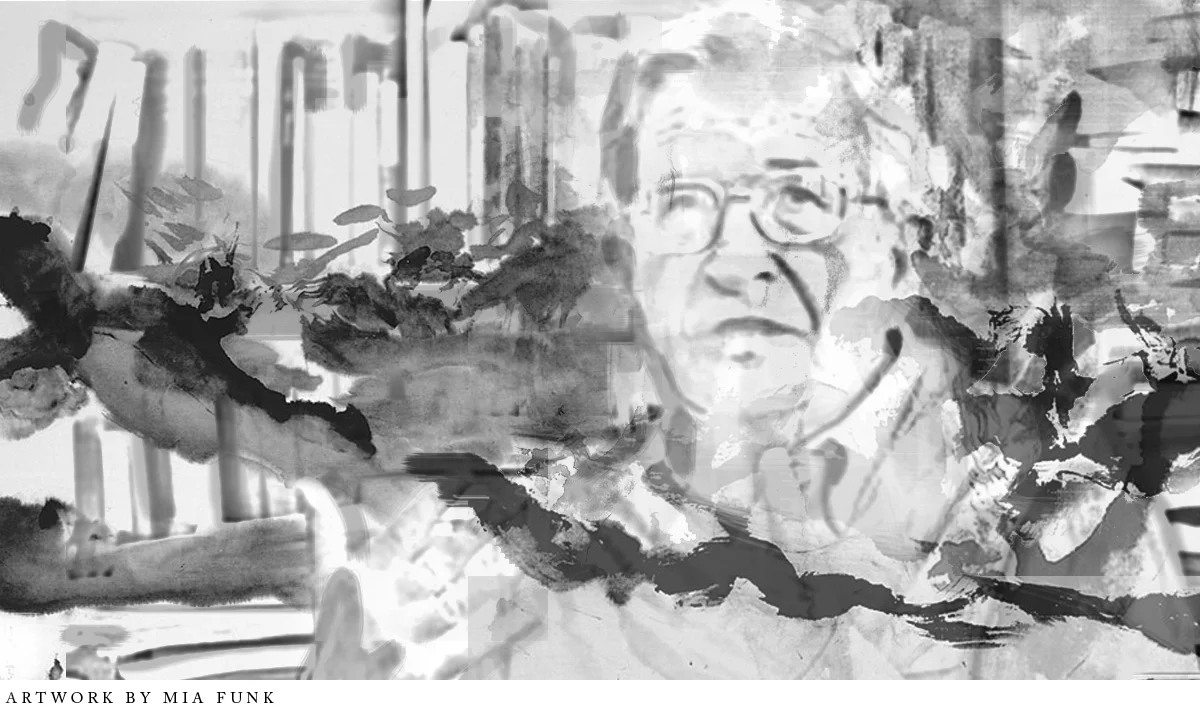
I have been trying over the past twenty years to balance the serious and disturbing information I absorb at my job about human suffering, the earth's failing environment, and the atrocities of unnecessary wars, in a way that allows me to also, sometimes, feel joy.
I think what is going on now is we are being forced to recognize that this paradigmatic Western civilization, what we are part of, that we have been indoctrinated with, has fundamental flaws. And the most fundamental flaw is this automatic assumption that everything coming from the West always came from the West, had no other origins, whereas it’s almost the opposite.
The English way of saying, well, you meet a new person and what was he like? "What was he like?" is a very strange thing to say. It's saying: don't tell me how he was. Tell me what he resembles. Isn't that weird? It says: tell me a story.
PURE IMAGINATION PROGRAM for YOUNG WRITERS
OUR VOICES, OUR STORIES, OUR LIVES
"IMAGINATION is not only the uniquely human capacity to envision that which is not, and, therefore,
the foundation of all invention and innovation. In its arguably most transformative and revelatory capacity,
it is the power that enables us to empathize with humans whose experiences we have never shared." –J.K. ROWLING
It is for the profound originality of this approach that the Panthéon-Sorbonne University is pleased to showcase the inaugural exhibition.